The Comprehensive Guide to Corn Silk: A Deep Dive into the Therapeutic Potential of Stigma Maydis
For centuries, corn (Zea mays) has been celebrated primarily as a staple grain, fueling civilizations across the globe. However, within the golden husks of this ubiquitous plant lies a delicate, thread-like treasure often discarded as agricultural waste: corn silk. Known botanically as Stigma maydis, corn silk is the bundle of silky fibers that grow between the kernels and the husk of an ear of corn. While modern industrial agriculture treats these fibers as a byproduct, traditional medicine systems ranging from Native American healing practices to Traditional Chinese Medicine (TCM) and European herbalism have long recognized corn silk as a potent therapeutic agent. This comprehensive guide explores the botanical intricacies, chemical composition, and multifaceted health benefits of corn silk, establishing it as a cornerstone of natural pharmacopeia.
Botanical Characteristics and Biological Function
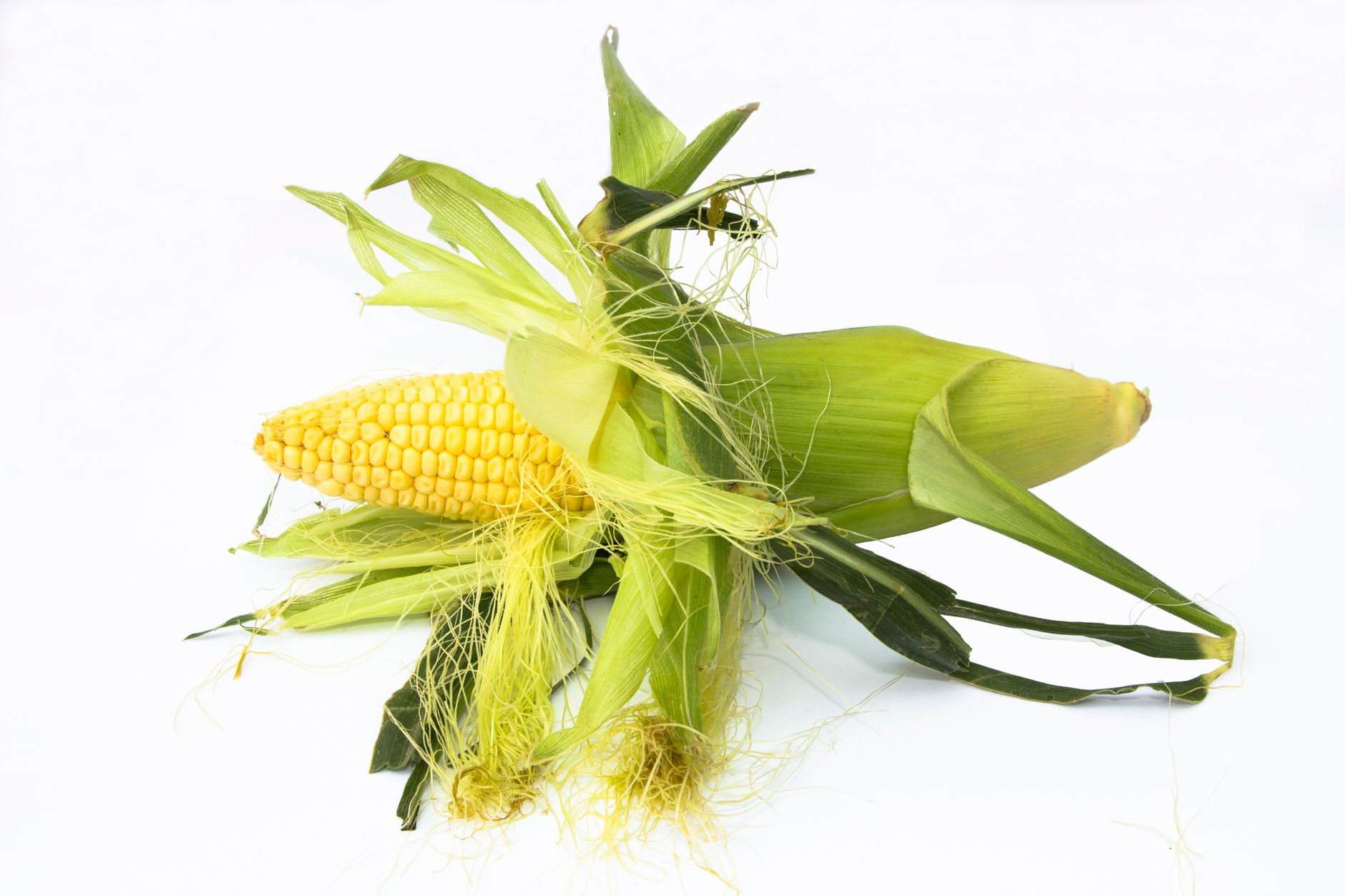
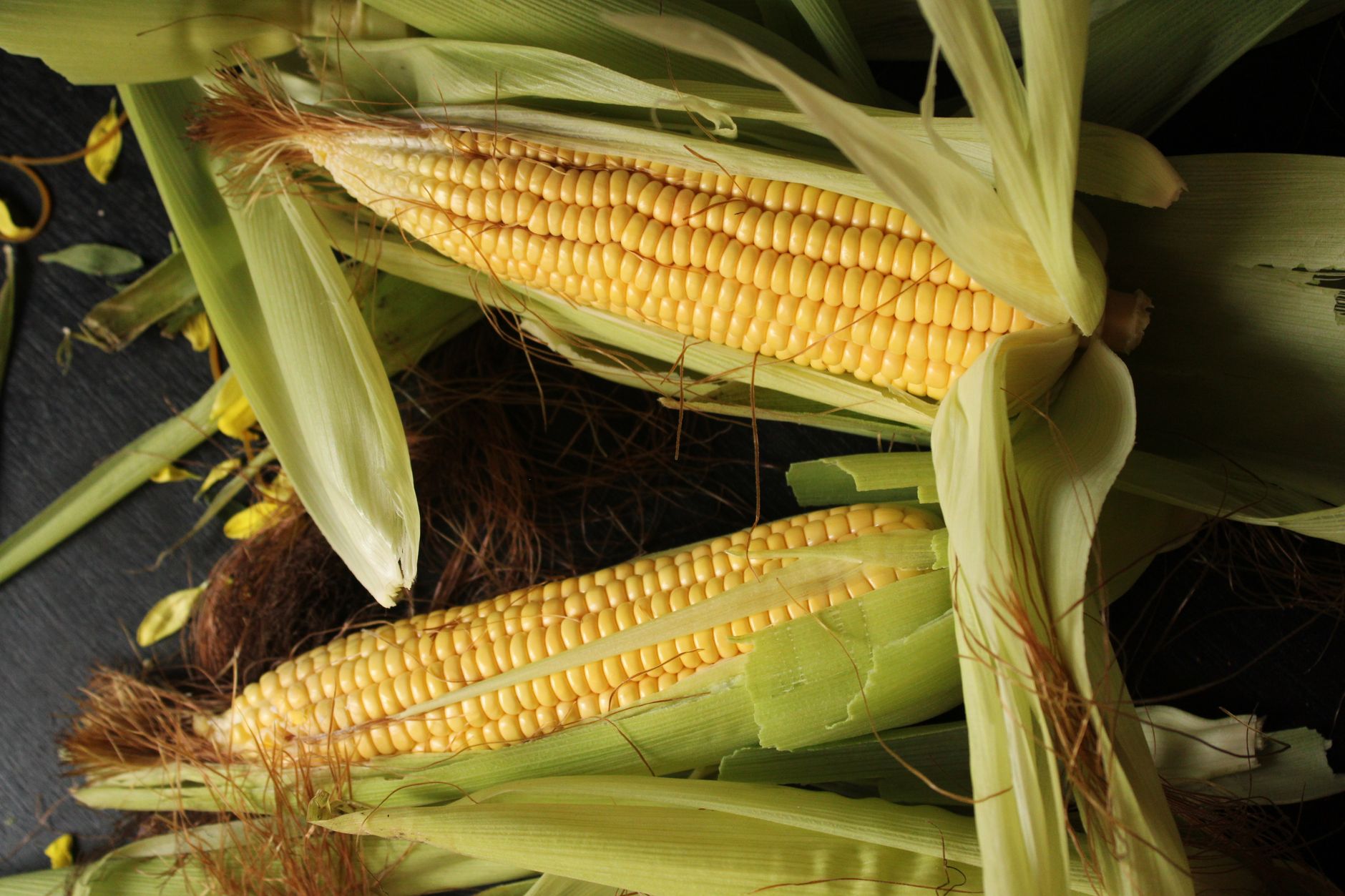
Corn silk is essentially the elongated styles and stigmas of the female flowers of the maize plant. Each thread of silk is connected to an individual ovule; for a kernel of corn to develop, a grain of pollen must land on a silk thread and travel down its length to fertilize the ovule. This biological necessity results in a structure that is rich in nutrients and secondary metabolites designed to support the growth and protection of the developing seed. Morphologically, the silk is a yellowish-to-greenish-brown tuft of soft, thin fibers that can reach up to 20 centimeters in length. When fresh, they are slightly succulent, but they are often dried for medicinal applications to concentrate their bioactive constituents.
In the field of botany, the development of corn silk is a fascinating display of reproductive efficiency. Because the silk is exposed to the environment to catch pollen, it must possess inherent defensive mechanisms against microbial pathogens and oxidative stress. This evolutionary requirement is precisely why corn silk is so dense in phytochemicals. These compounds, which protect the plant from fungi and bacteria, translate into antimicrobial and anti-inflammatory benefits for human health. Understanding the botanical origin of corn silk helps practitioners appreciate the concentrated vitality found in these seemingly humble threads.
The Complex Phytochemical Profile of Stigma Maydis
The health-promoting properties of corn silk are rooted in its complex chemical matrix. Scientists have identified a vast array of bioactive compounds that contribute to its pharmacological activities. The most significant of these are the polyphenols, specifically flavonoids. One of the most unique flavonoids found in corn silk is maysin, a flavone glycoside that has been extensively studied for its antioxidant and insecticidal properties. Beyond maysin, corn silk contains significant concentrations of rutin, quercetin, apigenin, and luteolin. These compounds act as potent antioxidants, neutralizing free radicals and reducing oxidative damage at the cellular level.
In addition to flavonoids, corn silk is a rich source of volatile oils, alkaloids, and saponins. It also contains an impressive mineral profile, particularly high levels of potassium. The high potassium-to-sodium ratio is a key factor in its efficacy as a natural diuretic. Furthermore, corn silk provides vitamins such as Vitamin K, Vitamin C, and several B vitamins. It also contains allantoin, a compound known for its skin-soothing and tissue-healing properties, and various plant mucilages that provide a demulcent effect on the body’s internal linings. The synergy between these diverse chemical groups allows corn silk to modulate multiple physiological pathways simultaneously, from the renal system to the metabolic network.
Renal and Urinary Tract Support: The Primary Therapeutic Application
Historically and clinically, corn silk is most renowned for its impact on the urinary system. It functions as a powerful, non-irritating diuretic. Unlike many pharmaceutical diuretics that can deplete the body of essential electrolytes, corn silk’s high potassium content helps maintain electrolyte balance while promoting the excretion of excess water and sodium. This makes it particularly useful for conditions involving edema (fluid retention) associated with heart or kidney issues. By increasing urine output, corn silk helps flush out toxins and reduces the concentration of minerals that can lead to the formation of kidney stones.
The benefits of corn silk extend to the treatment of Urinary Tract Infections (UTIs) and cystitis. As a demulcent, corn silk contains mucilaginous substances that coat and soothe the irritated lining of the bladder and urethra. This soothing action reduces the burning sensation and urgency associated with infections. Furthermore, its antimicrobial properties inhibit the adhesion of bacteria, such as E. coli, to the walls of the urinary tract. By combining its diuretic and anti-inflammatory effects, corn silk facilitates the physical removal of pathogens while calming the inflammation of the mucosal membranes. Chronic sufferers of prostatitis or urethritis often find relief through the consistent use of corn silk preparations due to this gentle yet effective cleansing action.
Metabolic Regulation and Blood Sugar Management
Modern research has shed light on corn silk’s potential as a metabolic regulator, particularly in the context of Type 2 Diabetes. Studies have demonstrated that corn silk polysaccharides and flavonoids can exert a hypoglycemic effect. These compounds appear to enhance insulin secretion and improve insulin sensitivity in peripheral tissues. Furthermore, corn silk extracts have been shown to inhibit alpha-glucosidase, an enzyme responsible for breaking down carbohydrates into glucose. By slowing this enzymatic process, corn silk can help prevent the sharp spikes in blood sugar that typically occur after meals.
The antioxidant profile of corn silk also plays a defensive role in diabetes management. Hyperglycemia leads to increased oxidative stress, which causes long-term damage to the kidneys (nephropathy) and nerves (neuropathy). The polyphenols in corn silk mitigate this damage by scavenging reactive oxygen species (ROS) and inhibiting the formation of advanced glycation end-products (AGEs). This dual action—improving glycemic control while protecting against secondary complications—positions corn silk as a valuable complementary therapy for metabolic syndrome and glucose intolerance.
Cardiovascular Health and Hypertension
The cardiovascular benefits of corn silk are largely secondary to its diuretic and anti-inflammatory properties. By promoting the excretion of excess fluids, corn silk naturally reduces the volume of blood circulating through the vessels, which in turn lowers blood pressure. This makes it an excellent natural adjunctive for individuals struggling with mild hypertension. Unlike synthetic diuretics that can cause significant side effects like fatigue or cramps, corn silk acts more gently on the system. Furthermore, research suggests that corn silk may inhibit angiotensin-converting enzyme (ACE), a key regulator of blood pressure, mimicking the mechanism of certain pharmaceutical blood pressure medications.
Cholesterol management is another area where corn silk shows promise. Some clinical studies indicate that corn silk extracts can lower “bad” LDL cholesterol and triglycerides while potentially increasing “good” HDL cholesterol levels. This lipid-lowering effect is thought to be driven by the presence of phytosterols, which compete with cholesterol for absorption in the digestive tract. By improving the overall lipid profile and reducing systemic inflammation, corn silk helps protect the integrity of the arterial walls, reducing the risk of atherosclerosis and other cardiovascular diseases.
Traditional Usage and Historical Context
To understand the full spectrum of corn silk’s utility, one must look at its historical applications. In Traditional Chinese Medicine, corn silk is known as Yu Mi Xu. It is classified as a herb that clears “damp-heat,” a TCM concept often associated with infections, inflammation, and fluid stagnation. It was traditionally prescribed for jaundice, gallstones, and hepatitis, reflecting its ability to support the gallbladder and liver in addition to the kidneys. The cooling nature of the herb was utilized to soothe “internal heat” conditions that manifested as irritability or inflammation.

Native American tribes, including the Maya and Aztecs, utilized corn silk for various ailments long before European contact. It was a staple remedy for kidney stones and as a general tonic for the elderly to support bladder control. In European folk medicine, it was frequently used as a “bed-wetting” remedy for children due to its ability to strengthen the urinary system’s tone without being overly aggressive. These historical uses provide a roadmap for modern clinical applications, proving that the efficacy of corn silk is not merely anecdotal but rooted in centuries of successful empirical observation across diverse cultures.
Modern Delivery Systems: Extracts and Capsules
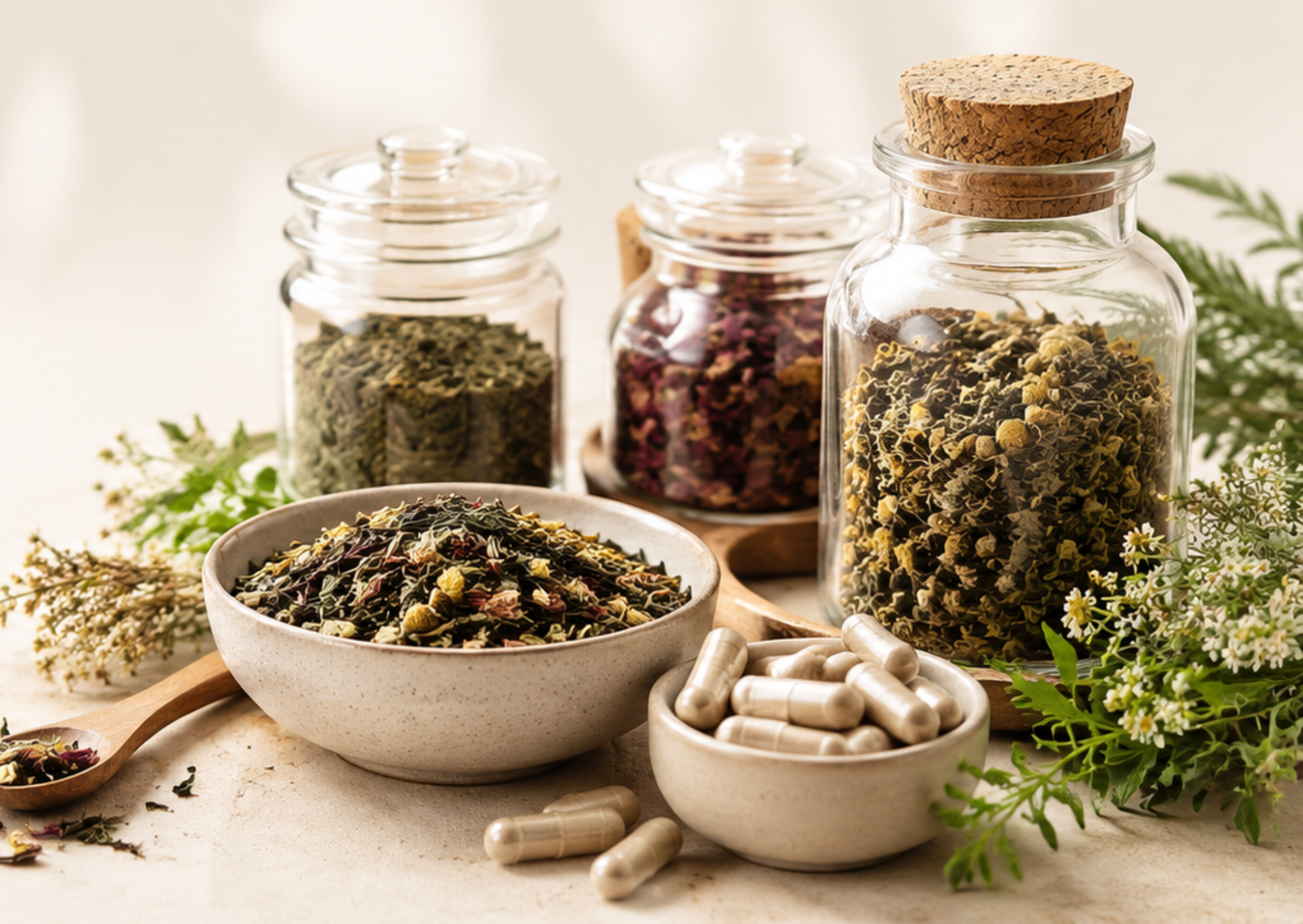
In the contemporary wellness market, corn silk is available in various forms to suit different lifestyle needs. While the traditional tea or infusion remains a favorite for its immediate soothing effects on the urinary tract, concentrated extracts and capsules have gained popularity for their convenience and standardized potency. Capsules are particularly beneficial for those seeking metabolic or cardiovascular support, as they allow for a precise dosage of bioactive flavonoids and polysaccharides that might be lost or diluted in a standard tea preparation.
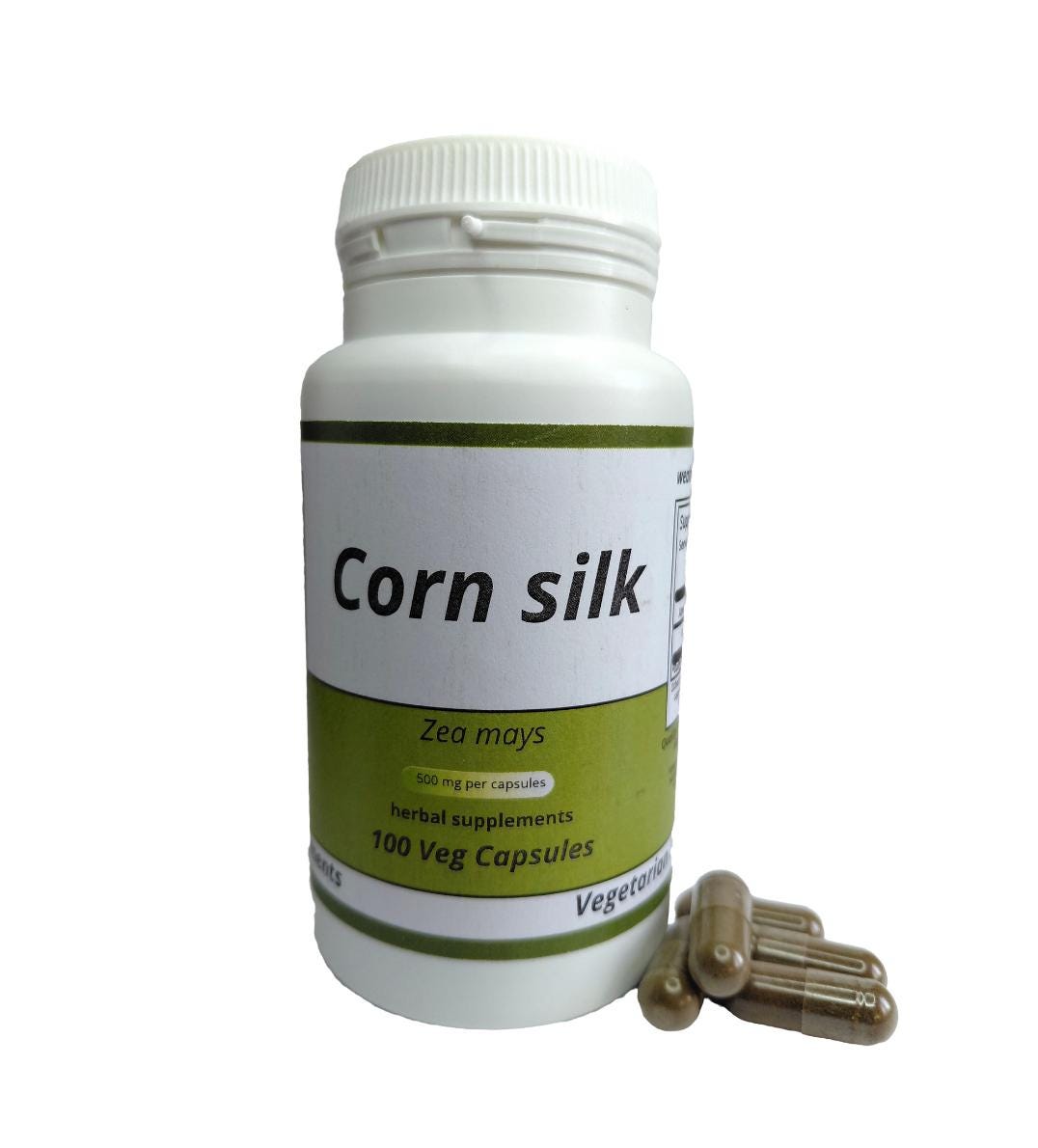
When selecting a corn silk supplement, it is crucial to look for products that are organic and non-GMO, as corn is one of the most heavily sprayed crops in modern agriculture. Pesticide residues can accumulate in the silk, potentially negating the health benefits. High-quality capsules often use a concentrated 4:1 or 10:1 extract ratio, ensuring that the therapeutic compounds like maysin are present in significant quantities. Whether using the dried herb for a ritualistic cup of tea or taking a daily capsule for chronic health management, the key to efficacy lies in the purity and concentration of the source material.
Anti-Inflammatory and Antioxidant Mechanisms
The systemic anti-inflammatory effects of corn silk are mediated through the modulation of various signaling pathways. Chronic inflammation is the precursor to most modern chronic diseases, including arthritis, heart disease, and cancer. Corn silk has been shown to inhibit the production of pro-inflammatory cytokines such as tumor necrosis factor-alpha (TNF-α) and interleukins. This inhibition occurs partly because the antioxidants in corn silk neutralize the oxidative stress that triggers these inflammatory cascades. In conditions like gout, the diuretic action of corn silk helps excrete uric acid, while its anti-inflammatory compounds reduce the pain and swelling in the joints.
Furthermore, the high level of Vitamin K in corn silk contributes to its role in blood clotting and bone health. While often overlooked, Vitamin K is essential for the activation of proteins that regulate calcium deposition in the body. By ensuring calcium goes to the bones rather than the arterial walls, corn silk supports both skeletal integrity and cardiovascular health. The antioxidant maysin specifically has been studied for its potential neuroprotective effects, suggesting that corn silk may even play a role in supporting cognitive health by protecting neurons from oxidative damage and inflammation associated with aging.
Practical Usage, Dosage, and Preparation
For those preferring the traditional approach, preparing corn silk tea is straightforward. Two tablespoons of dried corn silk (or a handful of fresh silk) are steeped in boiling water for 10–15 minutes. This infusion can be consumed up to three times a day. The flavor is mild, slightly sweet, and earthy, making it a pleasant addition to a daily wellness routine. For more acute conditions like a UTI, many herbalists recommend a stronger decoction where the silk is simmered for a longer period to extract more of the mucilaginous compounds.
Regarding dosage in supplement form, typical recommendations range from 400mg to 1200mg daily, usually divided into two or three doses. However, because corn silk is a potent diuretic, it is essential to stay well-hydrated while using it. It is also important to note that while corn silk is generally considered safe, certain precautions should be taken. Because of its Vitamin K content, individuals on blood-thinning medications like Warfarin should consult a physician before use. Similarly, because it can lower blood sugar and blood pressure, those already taking medications for these conditions should monitor their levels closely to avoid hypoglycemia or hypotension. Pregnant or breastfeeding women should consult healthcare providers, although corn silk has a long history of safe use as a mild herbal support.
Conclusion: The Future of Corn Silk in Integrative Medicine
Corn silk represents a perfect example of the “waste-to-wealth” paradigm in integrative medicine. What was once discarded by the ton is now being recognized as a sophisticated biochemical warehouse capable of supporting renal health, stabilizing blood sugar, and reducing systemic inflammation. As scientific research continues to validate the traditional uses of Stigma maydis, it is likely that we will see corn silk play an even larger role in the management of metabolic and urinary disorders. Its gentle profile, combined with its profound efficacy, makes it an ideal candidate for long-term health maintenance in a world increasingly burdened by chronic inflammatory conditions.
Ultimately, the story of corn silk is a reminder to look closer at the natural world. Often, the most powerful remedies are hidden in plain sight, tucked away in the very plants we rely on for our basic survival. By integrating corn silk into modern health practices—whether through a simple cup of tea or a standardized extract—we can harness centuries of botanical wisdom to support a more vibrant, balanced life.
Disclaimer: For informational purposes only. Not medical advice. Consult a qualified healthcare professional before use.