The Comprehensive Guide to Oregano: Unveiling the Therapeutic Potency of Origanum Vulgare
For millennia, oregano has been far more than a staple of Mediterranean kitchens; it has served as a cornerstone of traditional pharmacopeias across the globe. Belonging to the Lamiaceae family, the same family that houses mint, rosemary, and lavender, the genus Origanum comprises dozens of species. However, it is Origanum vulgare, often referred to as wild oregano, that holds the most significant pharmacological interest. This perennial herb, known for its pungent aroma and slightly bitter flavor, contains a complex matrix of bioactive compounds that have been the subject of rigorous scientific scrutiny. In this definitive guide, we will explore the botanical origins, historical context, chemical composition, and the vast array of health benefits associated with this remarkable botanical specimen.
Botanical Origins and Evolutionary Context
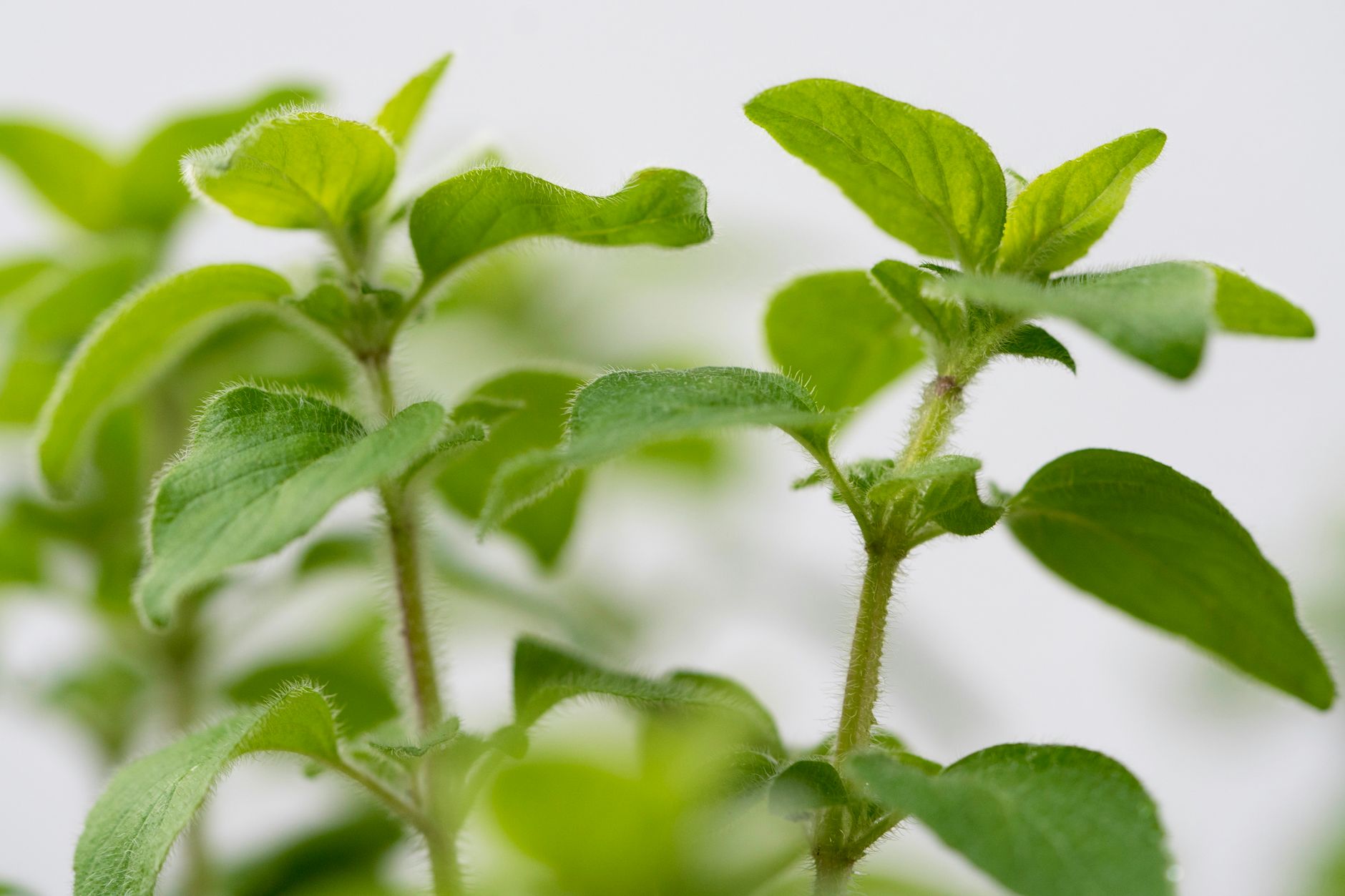
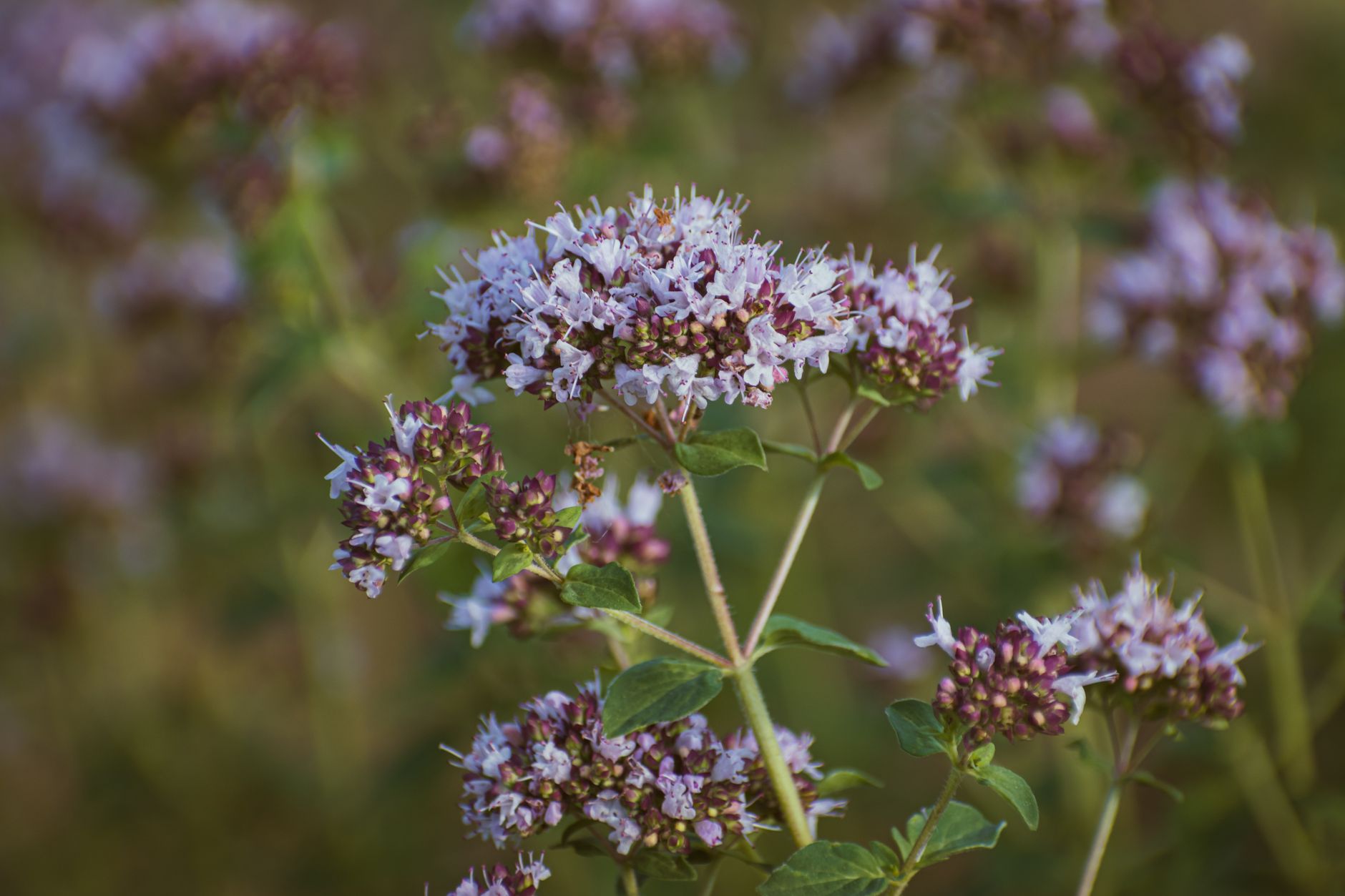
Oregano is native to the temperate climates of western and southwestern Eurasia and the Mediterranean region. As a hardy perennial, it has evolved to thrive in rocky, well-drained soils, often under intense solar radiation. This environmental stress is precisely what triggers the plant to produce a high concentration of volatile oils and secondary metabolites as a defense mechanism against herbivores and pathogens. These defense mechanisms are exactly what humans leverage for therapeutic purposes. The plant typically grows between 20 to 80 centimeters tall, featuring opposite leaves and spikes of flowers that range from white to purple.

Distinguishing true oregano from its close relative, sweet marjoram (Origanum majorana), is crucial for therapeutic applications. While marjoram is prized for its delicate, sweet aroma, it lacks the high concentrations of carvacrol found in wild oregano, which is the primary driver of the plant’s potent antimicrobial properties. In the wild, the phenotypic expression of oregano can vary significantly based on altitude and soil composition, leading to different “chemovariants”—plants that are genetically similar but produce different ratios of essential oils.
Historical Significance and Ethnobotanical Usage
The history of oregano is steeped in mythology and ancient medicine. The name “oregano” is derived from the Greek words “oros,” meaning mountain, and “ganos,” meaning joy or brightness—literally translated as “joy of the mountain.” Ancient Greeks believed that Aphrodite, the goddess of love, created the herb as a symbol of happiness. Beyond folklore, the Father of Medicine, Hippocrates, utilized oregano extensively in his practice, prescribing it for antiseptic purposes, respiratory ailments, and stomach disorders.
In the Roman Empire, the herb’s popularity spread throughout Europe and North Africa as soldiers and traders carried seeds across the continent. During the Middle Ages, oregano was used not only to flavor food but also to preserve it, as people recognized its ability to delay spoilage—a practical application of its then-unknown antimicrobial properties. It was also utilized as a remedy for toothaches, coughs, and skin infections. In traditional Chinese medicine and Ayurvedic practices, related species were often employed to treat “heat” conditions, fever, and digestive stagnation, showcasing the herb’s global footprint in human wellness.
The Phyto-Chemistry of Oregano: A Deep Dive into Bioactive Compounds
The health benefits of oregano are not anecdotal; they are the result of a sophisticated chemical profile dominated by phenolic monoterpenoids and polyphenols. To understand how oregano interacts with human physiology, one must look at the primary active constituents found within its leaves and essential oil. The most prominent of these is carvacrol, a phenolic compound that often accounts for 60% to 80% of the essential oil content in high-quality oregano extracts. Carvacrol is a potent antioxidant and antimicrobial agent that works by altering the permeability of the cell membranes of pathogens.
Accompanying carvacrol is thymol, another phenol with significant antiseptic properties. While carvacrol and thymol are isomers (sharing the same chemical formula but different structures), they work synergistically to provide a broader spectrum of defense against bacteria and fungi. Furthermore, oregano contains rosmarinic acid, a powerful antioxidant that has been studied for its ability to reduce inflammation and support the immune system. Other notable compounds include p-cymene, gamma-terpinene, and various flavonoids like quercetin and kaempferol, which contribute to the herb’s overall neuroprotective and anti-inflammatory effects.
Mechanism of Action: Antimicrobial and Antibacterial Power
One of the most remarkable features of oregano is its ability to combat antibiotic-resistant bacteria. Research has demonstrated that oregano oil can be effective against Staphylococcus aureus (including MRSA strains), Escherichia coli, and Salmonella. The mechanism is fascinating: the hydrophobic nature of carvacrol and thymol allows them to integrate into the lipid bilayer of the bacterial cell membrane. This integration causes the membrane to lose its integrity, leading to the leakage of critical ions and molecules, eventually resulting in the death of the bacterial cell.
Unlike synthetic antibiotics, which often target specific metabolic pathways that bacteria can eventually bypass through mutation, oregano’s physical disruption of the cell wall makes it much harder for bacteria to develop resistance. Furthermore, oregano has shown promise in disrupting biofilms—slimy layers that bacteria create to protect themselves from both the immune system and pharmaceutical drugs. By breaking down these biofilms, oregano enhances the body’s ability to clear persistent infections.
Antioxidant Capacity and Cellular Protection
Oxidative stress is a primary driver of aging and chronic diseases, including cancer, cardiovascular disease, and neurodegeneration. Oregano possesses one of the highest Oxygen Radical Absorbance Capacity (ORAC) scores among herbs and spices. This is largely due to its high concentration of rosmarinic acid and flavonoids. These antioxidants neutralize free radicals—unstable molecules that damage DNA and cellular proteins.
Studies have indicated that oregano extracts can inhibit lipid peroxidation, a process where free radicals steal electrons from the lipids in cell membranes, causing cell damage. By stabilizing these lipids, oregano helps maintain cellular health and supports the longevity of various tissues, particularly the skin and liver. This antioxidant activity also plays a role in reducing systemic inflammation, as oxidative stress and inflammation are closely linked in a pathological feedback loop.
Oregano in Modern Supplementation: Capsules and Concentrated Extracts
While culinary use of oregano provides a pleasant flavor and a modest dose of antioxidants, therapeutic results often require higher concentrations of the active compounds. This is where oregano oil capsules and standardized extracts become essential. Oregano oil is produced through steam distillation of the flowering tops and leaves. Because the oil is extremely potent and can be caustic to the mucous membranes if taken undiluted, encapsulation provides a safe and effective delivery method.

In a clinical or supplemental context, oregano capsules are frequently used for Small Intestinal Bacterial Overgrowth (SIBO). SIBO occurs when bacteria that should be in the large intestine migrate to the small intestine, causing bloating, gas, and nutrient malabsorption. Because of its selective antimicrobial action, oregano can help prune excess bacteria in the small intestine while having a less disruptive impact on the beneficial flora of the colon compared to broad-spectrum antibiotics. Additionally, capsules are used to support respiratory health during seasonal challenges, as the volatile oils are partially excreted via the lungs, providing an internal “vapor” effect that can help clear congestion.
Gastrointestinal Health and Digestive Support
Beyond its antimicrobial role, oregano acts as a carminative and a digestive stimulant. It encourages the production of bile and digestive enzymes, which are necessary for the efficient breakdown of fats and proteins. By improving digestion, oregano can reduce the incidence of indigestion and bloating. Furthermore, the anti-inflammatory properties of rosmarinic acid can soothe the lining of the gut, providing relief for individuals dealing with mild inflammatory bowel issues.
Some research also suggests that oregano may have anti-parasitic properties. In a study involving adults with enteric parasites, daily supplementation with emulsified oregano oil for six weeks resulted in a significant reduction or complete disappearance of parasites in many participants. This highlights the herb’s potential as a natural intervention for maintaining a healthy and balanced microbiome.
The Role of Oregano in Immune Modulation
Oregano does not simply “boost” the immune system; it modulates it. An overactive immune system can lead to autoimmune issues and chronic inflammation, while an underactive one leaves the body vulnerable to infection. The compounds in oregano help balance the production of cytokines—signaling molecules that regulate immunity. By inhibiting pro-inflammatory cytokines like TNF-alpha and Interleukin-6, oregano helps keep the immune response measured and effective without causing collateral damage to the body’s own tissues.
During a viral or bacterial infection, oregano supports the activity of white blood cells, particularly natural killer (NK) cells and macrophages, which are the body’s first line of defense. This dual action of attacking the pathogen directly while simultaneously supporting the host’s immune response makes oregano a unique and powerful tool in natural medicine.
Practical Usage, Dosage, and Safety Considerations
Incorporating oregano into a wellness routine can be done through various methods, depending on the desired outcome. For general health maintenance, adding fresh or dried oregano to meals is highly recommended. To maximize the bio-availability of its fat-soluble compounds, oregano should be consumed with healthy fats like olive oil. For targeted therapeutic use, such as treating a cold or digestive upset, oregano oil or capsules are more appropriate.
When choosing a supplement, it is imperative to look for a product standardized to contain at least 60-70% carvacrol. For liquid oregano oil, always dilute it in a carrier oil (such as coconut or olive oil) before topical application or oral consumption to prevent irritation. Common dosages for oregano oil capsules range from 100mg to 500mg, taken one to three times daily, but it is best to consult with a healthcare professional before starting a high-dose regimen.
Potential Side Effects and Contraindications
While oregano is generally recognized as safe (GRAS), its potency requires respect. Some individuals may experience “die-off” symptoms, known as the Herxheimer reaction, when first taking oregano oil for gut issues. This occurs as dying bacteria release toxins, leading to temporary fatigue, headaches, or nausea. It is also important to note that oregano oil may interfere with the absorption of iron; therefore, those with anemia should monitor their levels and perhaps take oregano supplements away from iron-rich meals.
Because oregano can have a mild blood-thinning effect, individuals scheduled for surgery should discontinue use at least two weeks prior. Pregnant and breastfeeding women should stick to culinary amounts and avoid high-dose essential oils unless directed by a doctor, as oregano may stimulate uterine contractions in very high doses. Lastly, because it belongs to the Lamiaceae family, individuals with known allergies to mint, sage, or basil should exercise caution.
Conclusion: The Future of Oregano in Integrative Health
As we move toward an era of medicine that increasingly values integrative and natural solutions, oregano stands out as a scientifically validated powerhouse. Its multi-faceted approach to health—combining antimicrobial, antioxidant, and anti-inflammatory properties—makes it a versatile herb for modern living. Whether it is used to season a Mediterranean salad, steeped into a tea for a sore throat, or taken as a standardized capsule for gut health, oregano remains one of nature’s most effective remedies. By understanding the deep chemical and historical roots of this plant, we can better appreciate and utilize the “joy of the mountain” for a healthier, more vibrant life.
Disclaimer: For informational purposes only. Not medical advice. Consult a qualified healthcare professional before use.