Understanding Buckthorn Bark (Frangula alnus): The Definitive Guide to Its Therapeutic Potential
Buckthorn Bark, scientifically known as Frangula alnus (and often historically referred to as Rhamnus frangula), is a cornerstone of traditional European herbalism. Often called Glossy Buckthorn or Alder Buckthorn, this deciduous shrub has been a primary resource for apothecaries and herbalists for centuries. Unlike many botanical remedies that offer generalized health support, Buckthorn Bark is highly specialized, primarily recognized for its potent effects on the digestive system and its role as a stimulant laxative. However, its utility extends beyond simple gastrointestinal transit, involving complex biochemical interactions that support liver function and metabolic processes.
To understand Frangula alnus is to understand the balance between nature’s potency and the necessity of pharmacological processing. The raw bark of the tree is actually toxic if consumed fresh; it requires a specific aging process to become the medicinal powerhouse used in modern supplements. This deep-dive guide explores the botanical origins, the intricate chemical makeup, and the evidence-based health benefits of this remarkable plant, providing a comprehensive overview for health enthusiasts and professionals alike.
Botanical Characteristics and Taxonomy
Frangula alnus is native to Europe, Northern Africa, and Western Asia, though it has since naturalized in parts of North America. It is a tall, slender shrub that can grow up to seven meters in height. It is easily distinguished by its dark green, oval, shiny leaves and its characteristic berries, which transition from green to red and finally to a deep, dark purple-black upon ripening. The bark itself is smooth and dark, often marked with white lenticels (small pores), which give it a distinctive appearance in the wild.
In a botanical context, it is crucial to distinguish Frangula alnus from its relative, Rhamnus cathartica (Common Buckthorn). While both possess laxative properties, Frangula alnus is generally considered to have a more predictable and slightly milder profile, making it the preferred choice for standardized herbal preparations. The medicinal value is found exclusively in the bark of the trunk and branches, which is harvested during the spring and early summer when the sap is flowing freely.

The harvesting of Buckthorn Bark is only the first step in its journey toward becoming a therapeutic agent. Freshly harvested bark contains high levels of anthrone glycosides, which are potent emetics—substances that induce vomiting and severe abdominal cramping. To mitigate these effects, the bark must be stored for at least one year at room temperature or subjected to a controlled heating and aeration process. This “aging” allows for the oxidation of anthrones into anthraquinones, specifically glucofrangulins, which are the primary active metabolites responsible for the bark’s gentle yet effective laxative action.
The Complex Chemistry of Frangula alnus
The therapeutic efficacy of Buckthorn Bark is rooted in its rich profile of bioactive compounds. The most significant of these are the hydroxyanthracene glycosides, which typically comprise 3% to 7% of the dried bark’s weight. The primary molecules include Glucofrangulin A and B, which are diglycosides. During the digestive process or through botanical processing, these are converted into Frangulin A and B, and ultimately into the active aglycone known as frangula-emodin.
Beyond these primary anthraquinones, Frangula alnus also contains tannins, flavonoids, and various bitter principles. Tannins provide a mild astringent quality that can help tone the intestinal lining, while flavonoids contribute antioxidant properties that protect cells from oxidative stress. The presence of these secondary metabolites creates a synergistic effect, though the focus remains heavily on the anthraquinone content due to its profound impact on human physiology.

When these compounds reach the large intestine, they undergo a fascinating transformation. They are not absorbed in the upper digestive tract. Instead, they travel to the colon, where the resident microflora (gut bacteria) break the glycosidic bonds, releasing the active emodins. This targeted release ensures that the stimulant effect is localized to the area where it is most needed, minimizing systemic side effects while maximizing the impact on bowel motility.
Mechanisms of Action: How Buckthorn Bark Works
The primary mechanism of Frangula alnus is classified as a stimulant laxative effect. This occurs via two distinct pathways. First, the active emodins stimulate the myenteric plexus, a network of nerves in the wall of the digestive tract. This stimulation triggers peristalsis—the rhythmic, wave-like muscle contractions that move waste through the colon. By increasing the frequency and strength of these contractions, Buckthorn Bark reduces the “transit time,” ensuring that waste is expelled more efficiently.
The second mechanism involves the modulation of electrolyte and water transport. Anthraquinones inhibit the sodium-potassium ATPase pump in the intestinal wall. This inhibition leads to an accumulation of water and electrolytes within the intestinal lumen (the space inside the colon). This osmotic effect softens the stool and increases its volume, which further stimulates the stretch receptors in the bowel wall, reinforcing the urge to evacuate. This dual action—increasing motility and increasing hydration of the stool—makes Buckthorn Bark exceptionally effective for addressing “sluggish” bowels.
The Historical Context of Buckthorn Use
Historically, Buckthorn has been a staple in the European “materia medica” since at least the 13th century. It was frequently cited in the works of medieval herbalists as a “purger of choler,” a term used to describe its ability to clear bile and digestive stagnancy. During the Middle Ages, the bark was often decocted in wine or water to treat various ailments believed to be caused by internal blockages.
By the 16th and 17th centuries, Buckthorn became more widely recognized in official pharmacopoeias. It was often preferred over more aggressive purgatives like scammony or jalap because of its relatively predictable nature. Interestingly, the historical record shows that early healers were well aware of the need to age the bark, noting that the “green” bark caused “great griping of the guts.” This transition from traditional folklore to early modern pharmaceutical science highlights the enduring relevance of Frangula alnus.

In the modern era, Buckthorn Bark remains a vital component of traditional herbal medicine systems in Germany, France, and the United Kingdom. It is frequently found in “laxative teas” and proprietary herbal blends intended to support detoxification and digestive regularity. Its historical legacy is now backed by modern monographs from organizations like the European Medicines Agency (EMA) and the World Health Organization (WHO), which confirm its efficacy for short-term constipation relief.
Primary Health Benefits and Therapeutic Applications
1. Relief from Chronic and Acute Constipation
The most prominent use of Buckthorn Bark is the treatment of constipation. Unlike bulk-forming laxatives (like psyllium) or osmotic laxatives (like magnesium), Frangula alnus is a stimulant. It is particularly useful for individuals whose digestive systems have become lethargic due to a sedentary lifestyle, low-fiber diets, or travel. By forcing the colon to engage in movement, it provides rapid relief where other methods might fail.
2. Support for Hemorrhoids and Anal Fissures
While Buckthorn does not treat hemorrhoids directly, it plays a critical secondary role. For individuals suffering from anal fissures or hemorrhoids, the act of straining during a bowel movement can be incredibly painful and can exacerbate the condition. By softening the stool and ensuring a smooth passage, Buckthorn Bark reduces the need for straining, allowing the affected tissues time to heal without further irritation.
3. Gallbladder and Liver Support
In traditional medicine, Buckthorn is considered a “cholagogue,” a substance that promotes the discharge of bile from the system. By stimulating the gallbladder, it helps in the digestion of fats and the elimination of fat-soluble toxins. This secondary benefit is why Buckthorn is often included in “liver cleanse” protocols. Improved bile flow not only aids digestion but also prevents the stasis that can lead to the formation of gallstones.
4. Detoxification and “Blood Purification”
While the term “blood purifier” is more of a traditional herbological concept than a clinical one, it refers to the herb’s ability to enhance the body’s natural elimination pathways. By ensuring that the bowels are moving regularly, the body can more effectively clear metabolic waste. This prevents the reabsorption of toxins from the colon back into the bloodstream, a process sometimes referred to as autointoxication.
Buckthorn Bark Supplements and Modern Forms
Today, consumers have access to Buckthorn Bark in various convenient forms. The most common is the standardized capsule, which ensures a consistent dose of glucofrangulins. This is particularly important because the concentration of active compounds can vary significantly in the wild plant depending on soil quality, harvest time, and the aging process. Capsules provide a mess-free, tasteless way to incorporate this herb into a health regimen.
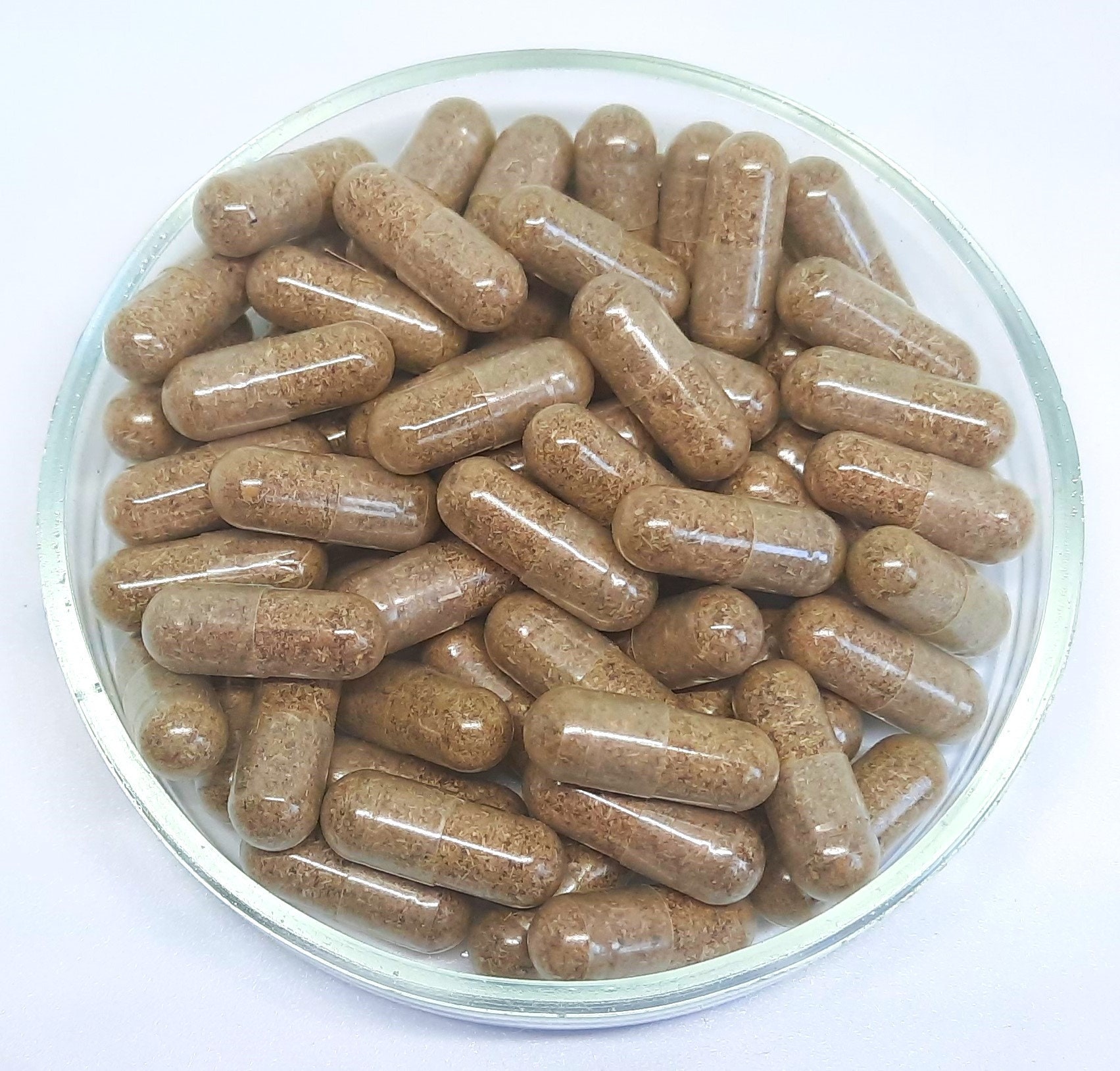
In addition to capsules, Buckthorn is often sold as dried cut-and-sifted bark for use in decoctions (herbal teas). For a decoction, the bark is simmered in water for about 10–15 minutes to extract the glycosides. Tinctures and liquid extracts are also available, providing a highly concentrated form that is easily absorbed. Regardless of the form chosen, the quality of the source is paramount; the bark must be certified as aged to ensure safety and efficacy.
Safety Guidelines, Contraindications, and Side Effects
Because Buckthorn Bark is a potent stimulant, it must be used with respect and caution. The most critical safety rule is that it should only be used for short-term relief—typically no longer than 7 to 10 days at a time. Chronic use of stimulant laxatives can lead to “lazy bowel syndrome,” where the colon becomes dependent on the herb to function. Furthermore, long-term use can result in electrolyte imbalances, particularly the loss of potassium (hypokalemia), which can affect heart and muscle function.
Contraindications include pregnancy and breastfeeding, as the anthraquinones can be excreted in breast milk and may stimulate uterine contractions. Individuals with inflammatory bowel diseases (IBD) such as Crohn’s disease or ulcerative colitis, as well as those with intestinal obstructions or undiagnosed abdominal pain, should strictly avoid Buckthorn Bark. As with any potent herbal supplement, consulting with a healthcare professional is essential, especially for those taking medications like diuretics or heart glycosides, as Buckthorn can interact with these drugs.
Practical Usage: Dosage and Preparation
Finding the correct dosage for Buckthorn Bark is a personal process, as individual sensitivity to anthraquinones varies. The goal is to find the smallest dose necessary to produce a comfortable, soft-formed motion. In many clinical guidelines, a daily dose of 20mg to 30mg of hydroxyanthracene derivatives (calculated as glucofrangulin A) is recommended. This usually translates to about 0.5g to 2g of the dried bark per day.
When preparing a tea at home, one teaspoon of the aged bark should be added to a cup of cold water, brought to a boil, and then strained. It is best consumed in the evening before bed, as the effects typically take 6 to 12 hours to manifest, resulting in a bowel movement the following morning. If using capsules, it is vital to follow the manufacturer’s labeling strictly, as concentrations can vary between brands.
For those looking for a gentler experience, Buckthorn Bark is often blended with carminative herbs like fennel, ginger, or peppermint. These additions help to soothe the digestive tract and reduce the likelihood of the minor cramping that sometimes accompanies stimulant laxatives. Proper hydration is also essential; drinking plenty of water throughout the day will support the herb’s osmotic action and ensure a more comfortable experience.
Conclusion: The Role of Buckthorn Bark in Modern Wellness
Buckthorn Bark (*Frangula alnus*) stands as a testament to the power of traditional botanical medicine when refined by pharmacological understanding. While it is a specialized tool specifically for the lower digestive tract, its impact on overall wellness is significant. By facilitating the body’s natural elimination processes, supporting the gallbladder, and providing an alternative to synthetic laxatives, it remains a valuable asset in the natural health toolkit.
In an era where digestive issues are increasingly common due to dietary and lifestyle factors, having a reliable, plant-based solution for occasional constipation is invaluable. However, the key to benefiting from Buckthorn Bark lies in informed usage: selecting high-quality aged bark, adhering to short-term protocols, and respecting the potency of its bioactive anthraquinones. When used correctly, Frangula alnus is more than just a remedy; it is a time-tested ally for internal balance and gastrointestinal health.
Disclaimer: For informational purposes only. Not medical advice. Consult a qualified healthcare professional before use.