

The Definitive Guide to Arnica Montana: Nature’s Premier Therapeutic Alpine Herb
Arnica montana, a perennial plant flourishing in the high-altitude meadows of Europe and North America, has long been revered in the annals of ethnobotany and modern phytotherapy. Often referred to as “Mountain Tobacco,” “Leopard’s Bane,” or “Wolf’s Bane,” this vibrant yellow, daisy-like flower belongs to the Asteraceae family. For centuries, mountain dwellers and herbalists have harvested its blossoms to treat a myriad of physical ailments, ranging from blunt force trauma and hematomas to chronic inflammatory conditions. In the contemporary wellness landscape, Arnica has transcended its folk-medicine roots to become a staple in sports medicine, post-surgical recovery, and dermatological formulations. This comprehensive guide explores the botanical intricacies, biochemical complexity, and clinical applications of Arnica montana, providing a professional deep-dive into why this plant remains an indispensable tool in natural medicine.
Botanical Characteristics and Ecological Significance
Arnica montana is a geophyte that prefers the acidic, nutrient-poor soils of alpine and sub-alpine regions, typically thriving at altitudes between 1,200 and 2,800 meters. The plant is characterized by a basal rosette of ovate, velvety leaves and a glandular, hairy stem that can reach up to 60 centimeters in height. Its inflorescence is usually solitary or arranged in small groups, featuring bright yellow ray florets that emanate a distinct, slightly pungent aroma. The resilience of the plant in harsh, high-oxygen, and high-UV environments is believed to contribute to the synthesis of its potent secondary metabolites.

From an ecological standpoint, Arnica is a sensitive species. Due to over-harvesting and habitat loss caused by intensive agriculture and climate change, it is now protected in several European countries. Sustainable sourcing is paramount for the pharmaceutical and cosmetic industries, leading to increased interest in the cultivation of Arnica chamissonis, a hardier relative that possesses similar therapeutic profiles. Understanding the botanical origin is critical for quality control, as the concentration of active compounds can vary significantly based on the altitude, soil composition, and time of harvest.
The Biochemical Architecture of Arnica: Sesquiterpene Lactones and Beyond
The therapeutic efficacy of Arnica montana is not the result of a single compound but rather a synergistic “entourage effect” of various bioactive molecules. The most significant among these are the sesquiterpene lactones, primarily helenalin and dihydrohelenalin, along with their various esters. These compounds are secondary metabolites produced by the plant as a defense mechanism against herbivores and pathogens, but in human physiology, they exert powerful biological effects.
Helenalin is particularly noteworthy for its unique mechanism of action. Unlike traditional non-steroidal anti-inflammatory drugs (NSAIDs) like ibuprofen or aspirin, which inhibit the cyclooxygenase (COX) enzymes, helenalin targets the inflammatory process at a more fundamental level. It selectively inhibits the transcription factor Nuclear Factor-kappa B (NF-κB). NF-κB is a central regulator of the immune response; its activation triggers the expression of numerous pro-inflammatory genes, including cytokines like IL-1, IL-6, and TNF-alpha. By preventing the activation of this pathway, Arnica effectively “turns off” the inflammatory signal at its source, leading to a profound reduction in swelling and pain without the typical systemic side effects associated with COX inhibitors.

In addition to sesquiterpene lactones, Arnica contains a rich profile of flavonoids (such as quercetin and luteolin), which provide antioxidant support and capillary-strengthening properties. Essential oils containing thymol and carvacrol offer antimicrobial benefits, while caffeic acid derivatives contribute further to the plant’s anti-inflammatory arsenal. This complex chemical matrix allows Arnica to address tissue damage through multiple physiological pathways simultaneously.
Historical Context and Traditional Ethnomedicine
The historical usage of Arnica can be traced back to the 12th century, with notable mentions in the writings of Hildegard of Bingen. By the 16th century, it had become a cornerstone of Germanic folk medicine. Historically, the entire plant—including the flowers and the rhizome—was utilized in various preparations. Tinctures were applied topically to “dispel congealed blood,” a poetic but accurate description of its ability to accelerate the resorption of hematomas. In mountainous regions, it was often the first line of defense for injuries sustained during arduous physical labor or climbing.
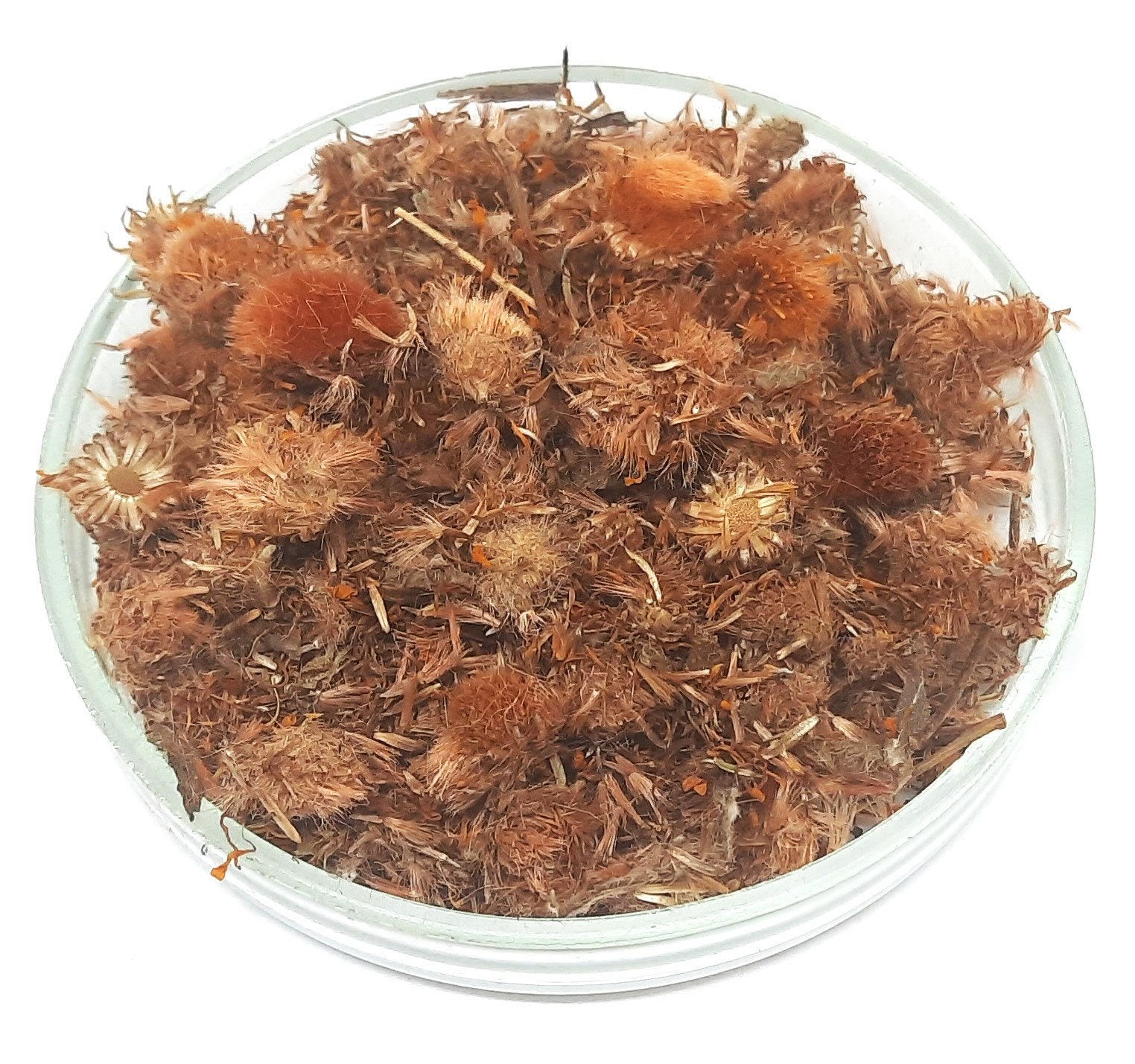
Interestingly, the name “Mountain Tobacco” arose because the dried leaves were occasionally smoked or used as snuff, though this practice is largely obsolete due to the irritating nature of the plant’s hairs. Traditional preparation involved infusing the dried flower heads in oils or high-proof spirits. These macerations were used as liniments for “rheumatism” and “gout,” showcasing an early understanding of the plant’s systemic potential when applied through the skin. This historical foundation paved the way for the rigorous clinical trials that define its modern use today.
Clinical Applications: Pain Management and Injury Recovery
Modern clinical research has validated many of the traditional claims surrounding Arnica, particularly regarding musculoskeletal injuries and post-operative care. One of the most common applications is for the treatment of bruises (ecchymosis). When applied topically, Arnica stimulates the circulation of white blood cells, which helps to clear trapped blood and fluid from the site of injury. This accelerated drainage significantly reduces the duration and visibility of bruising.
Management of Osteoarthritis
Studies have compared the efficacy of topical Arnica gel to topical NSAIDs for the treatment of osteoarthritis, specifically in the hands and knees. Remarkably, clinical trials have shown that a high-quality Arnica preparation can be just as effective as ibuprofen gel in improving joint function and reducing pain, with fewer reported adverse effects. This makes Arnica an excellent alternative for individuals who are sensitive to synthetic anti-inflammatories or those who wish to avoid the long-term risks associated with NSAID use, such as gastrointestinal or renal complications.
Post-Surgical and Aesthetic Medicine
In the realm of plastic surgery and dermatology, Arnica is frequently used to manage recovery after procedures like rhinoplasty, facelifts, or dermal filler injections. Surgeons often recommend both topical and homeopathic (highly diluted oral) Arnica to minimize post-operative swelling and discoloration. By modulating the inflammatory cascade early in the healing process, Arnica helps patients return to their daily activities faster and with less discomfort.
Supplements, Homeopathy, and Oral Administration
The delivery method of Arnica is a critical factor in its safety and efficacy. It is essential to distinguish between “herbal” Arnica and “homeopathic” Arnica. Pure, undiluted Arnica should never be ingested orally in its botanical form, as the sesquiterpene lactones (helenalin) are toxic to the heart and can cause severe gastroenteritis, muscle weakness, and organ failure. However, the supplement industry utilizes two specific safe pathways: topical applications and homeopathic dilutions.
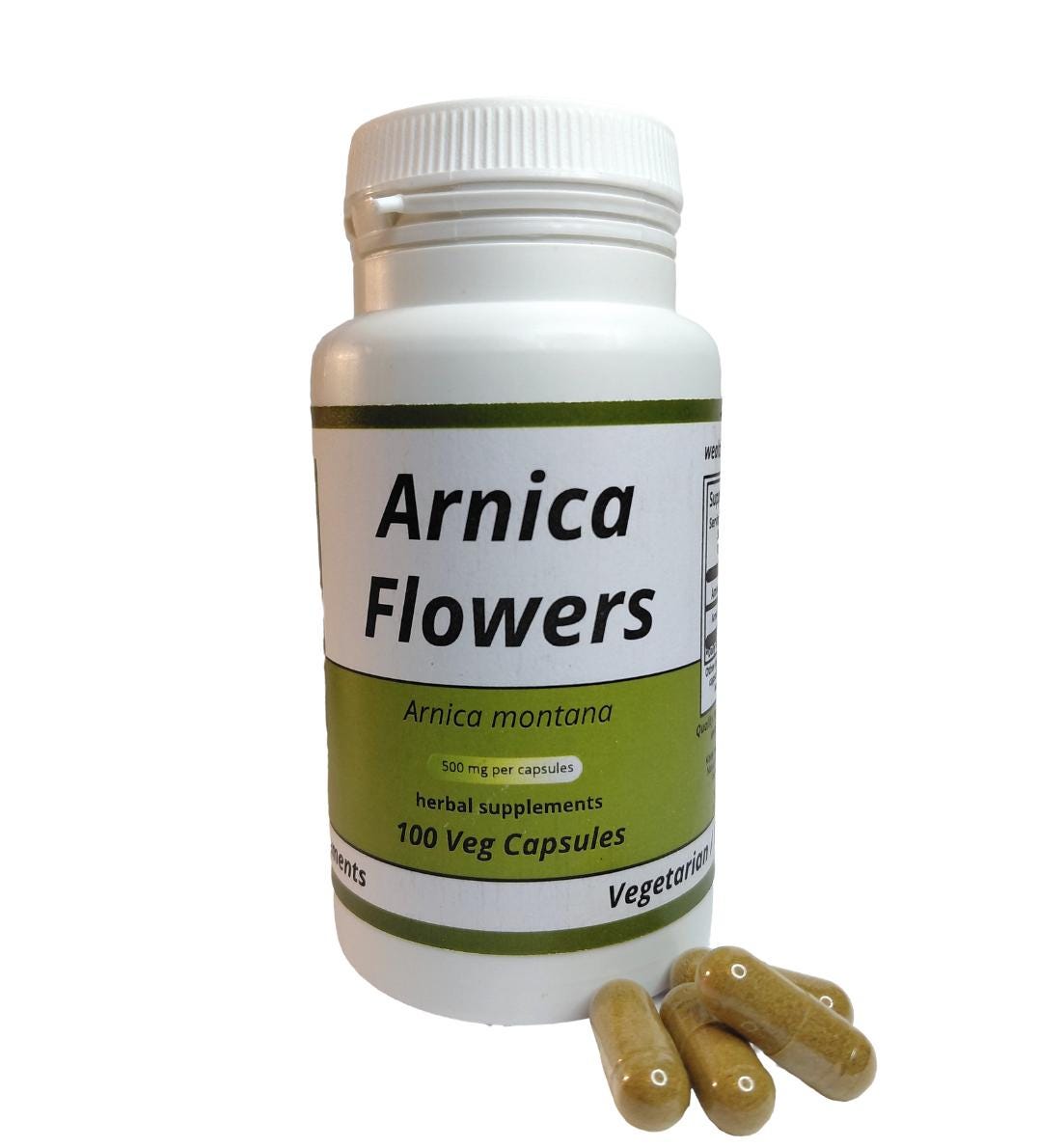
Homeopathic Arnica (often sold in pellet or “capsule” form) involves the process of potentization, where the substance is diluted to the point where no toxic molecules remain. These are widely used for systemic support after trauma. In the context of supplements, “Arnica capsules” are almost exclusively homeopathic. They are designed to stimulate the body’s self-healing mechanisms from within. While the scientific community continues to debate the mechanisms of homeopathy, the empirical evidence from millions of users and numerous observational studies suggests a positive role in pain modulation and recovery speed.
Dermatological Benefits and Hair Health
Beyond its role in trauma recovery, Arnica has found a significant place in the skincare industry. Its antimicrobial and anti-inflammatory properties make it a useful ingredient for treating inflammatory skin conditions like acne or rosacea. By reducing redness and soothing irritated tissues, it helps restore the skin’s barrier function. Furthermore, Arnica oil is frequently included in hair care formulations. It is believed to stimulate the scalp’s blood circulation, which can strengthen hair follicles and potentially reduce premature hair loss caused by scalp inflammation or poor nutrient delivery to the roots.
Safety, Precautions, and Proper Usage
Despite its natural origins, Arnica is a potent botanical that must be used with respect. The primary concern is “Arnica dermatitis,” an allergic reaction that can occur in individuals sensitive to the Asteraceae family (which includes ragweed, marigolds, and daisies). It is always recommended to perform a patch test before widespread topical application. Furthermore, Arnica should never be applied to broken skin or open wounds, as systemic absorption through an open incision can lead to irritation or toxicity.
- Topical Application: Use gels or ointments containing 10% to 25% Arnica tincture. Apply 2-3 times daily to the affected area.
- Homeopathic Oral Use: Follow the specific “C” or “X” potency instructions on the product label (commonly 30C). Avoid touching the pellets with your hands to maintain their energetic integrity.
- Pregnancy and Lactation: Consult a healthcare provider before use. While topical use is generally considered low-risk, oral homeopathic use should be monitored.
- Interactions: Arnica may enhance the effects of anticoagulant and antiplatelet drugs (like warfarin or clopidogrel), so caution is advised for those on blood-thinning medications.

Conclusion: The Future of Arnica in Integrative Medicine
As the medical world shifts toward more integrative and holistic approaches, Arnica montana stands as a bridge between ancient wisdom and modern science. Its unique ability to inhibit NF-κB provides a molecular explanation for its efficacy, while its diverse applications in surgery, sports, and chronic pain management highlight its versatility. Whether through the concentrated relief of a topical gel or the systemic support of homeopathic preparations, Arnica continues to offer a natural, effective solution for those seeking to manage pain and inflammation. By adhering to proper dosage and sourcing guidelines, patients and practitioners alike can harness the potent healing energy of this remarkable alpine flower to support the body’s innate capacity for recovery.
Disclaimer: For informational purposes only. Not medical advice. Consult a qualified healthcare professional before use.