
The Ultimate Guide to Damiana Leaf: Nature’s Ancient Tonic for Vitality, Mood, and Sexual Wellness
Damiana (Turnera diffusa) is a small, woody shrub that belongs to the Passifloraceae family, flourishing primarily in the arid and semi-arid regions of Mexico, Central America, the West Indies, and parts of the southwestern United States. For centuries, this aromatic plant has been revered by indigenous cultures as a “magical” botanical, utilized not just for its pleasant, fig-like aroma but for its profound impact on the human nervous system and reproductive health. Known colloquially as the “love potion” of the Aztecs and Mayans, Damiana has transitioned from an ancient folkloric remedy into a staple of modern herbalism and dietary supplementation. To understand the depth of Damiana’s benefits, one must look beyond its surface-level reputation and examine the complex interplay between its bioactive compounds and the human physiological framework.
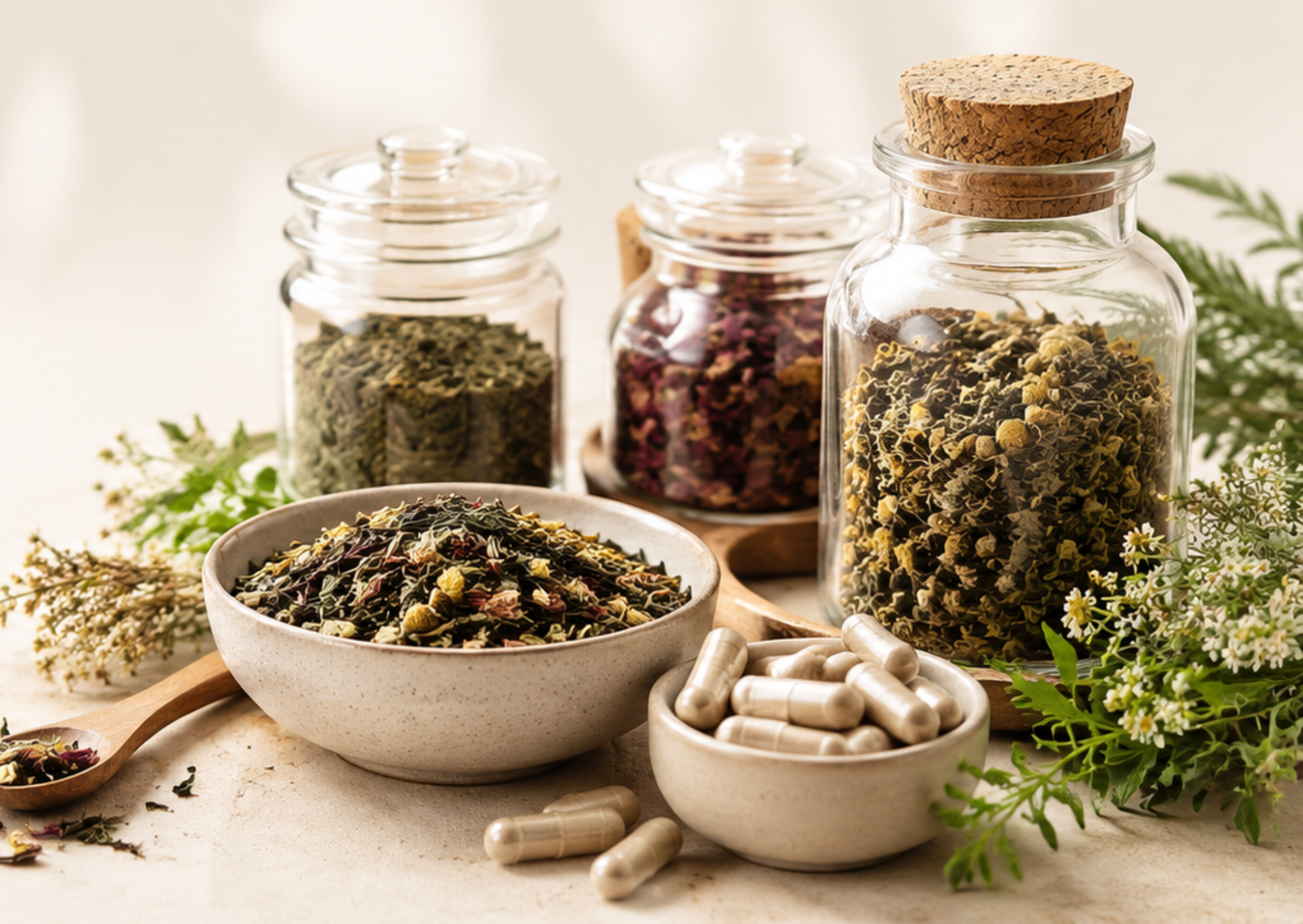
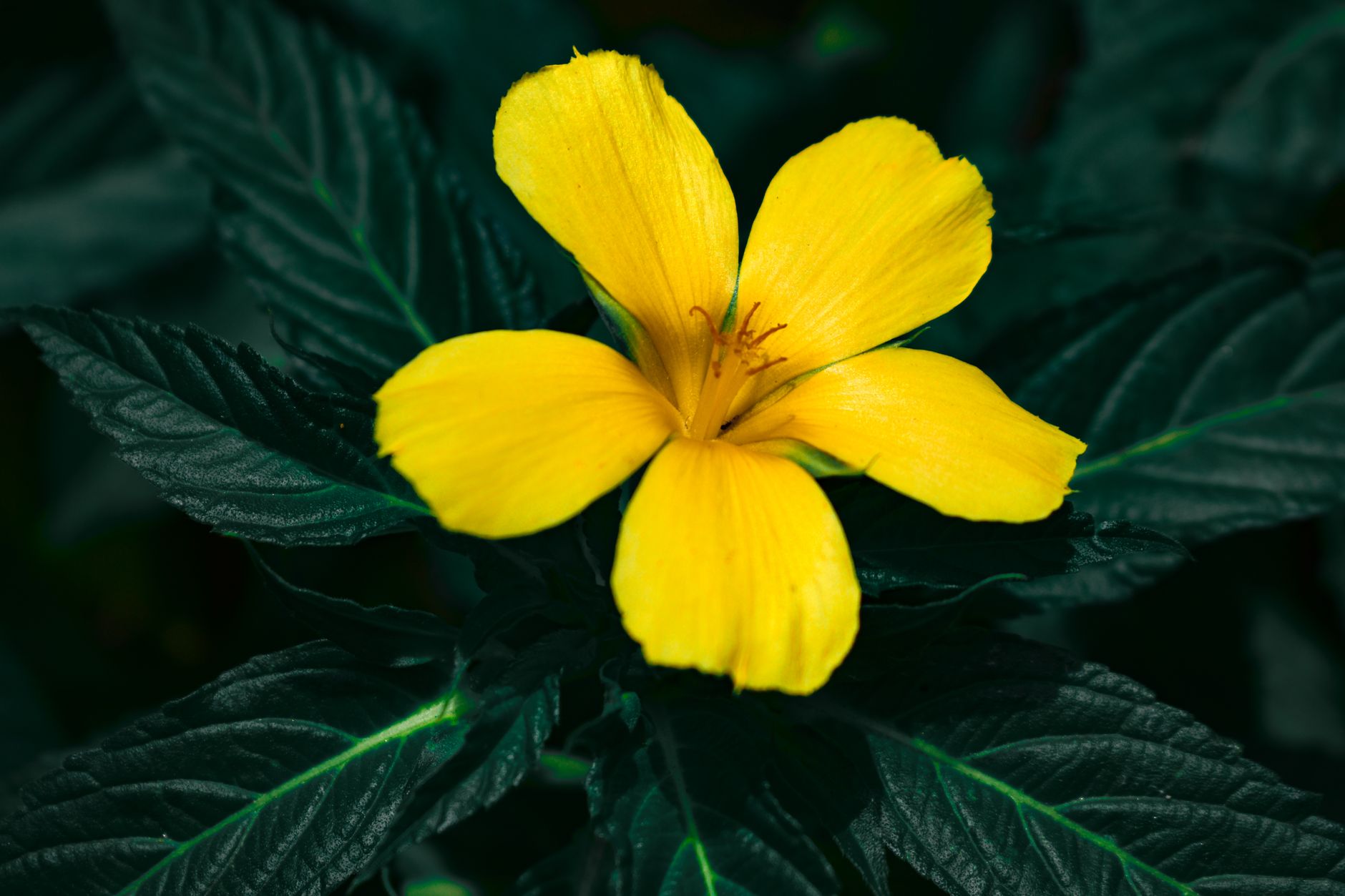
The plant is characterized by its small, serrated leaves and vibrant yellow flowers, which bloom under the intense sun of the subtropics. Historically, the leaves were harvested, dried, and prepared as a tea or infused into spirits to create potent elixirs. Today, while the traditional tea remains popular, the herb is widely available in more concentrated formats, including standardized extracts, tinctures, and encapsulated powders. This guide explores the multifaceted dimensions of Damiana, detailing its botanical characteristics, historical significance, chemical complexity, and the diverse health benefits that make it one of the most sought-after herbs in the natural wellness industry.
Botanical Characteristics and Ecological Significance
Turnera diffusa is a resilient perennial that thrives in harsh environments where other plants might struggle. It is often found growing in rocky soils and limestone-rich terrains, which suggests a unique mineral uptake that contributes to its secondary metabolite profile. The plant typically reaches a height of one to two meters, featuring woody stems and small, pale green leaves that are densely covered in fine hairs to prevent water loss. These leaves are the primary source of the herb’s medicinal potency, containing the highest concentrations of essential oils and flavonoids.
The botanical classification of Damiana has historically been a point of interest for taxonomists. While often associated with the Turnera genus, its relationship to the passionflower family (Passifloraceae) explains its subtle sedative and anxiolytic properties. The ecological niche it occupies—high UV exposure and low water availability—forces the plant to produce a suite of protective antioxidant compounds. These compounds, designed to protect the plant from environmental stress, are the very same molecules that provide therapeutic benefits to humans when ingested. The synergistic effect of these botanical elements creates a holistic experience that is difficult to replicate with isolated synthetic chemicals.
The Historical Context of Damiana in Traditional Medicine
The history of Damiana is deeply intertwined with the indigenous cultures of Mexico. The Mayans used the herb primarily as an aphrodisiac and a treatment for “giddiness” or loss of balance. It was also documented as a respiratory aid and a general tonic for the elderly. In the 19th century, Damiana found its way into the United States’ pharmacopoeia, where it was marketed as a powerful “nerve tonic” and a remedy for reproductive system ailments. It was frequently included in “patent medicines” of the era, alongside other well-known botanicals like Coca and Kola nut.
Beyond its medicinal use, Damiana has a significant cultural footprint in the form of traditional Mexican liqueurs. In the Baja California region, Damiana liqueur is still produced today and is a popular ingredient in the “original” Margarita recipes. It was believed that the herb could inspire creativity and improve mood, leading to its frequent use during social gatherings and spiritual ceremonies. This long-standing history of human consumption provides a rich tapestry of anecdotal evidence that has, in recent decades, prompted rigorous scientific investigation into its active constituents.

Deep Dive into Chemical Composition and Bioactive Compounds
The therapeutic efficacy of Damiana leaf is attributed to a complex matrix of phytochemicals. Unlike many herbs that rely on a single dominant alkaloid, Damiana’s benefits arise from the synergy of volatile oils, flavonoids, tannins, and cyanogenic glycosides. Analytical studies have identified over 35 unique compounds within the leaf tissue, each contributing to the herb’s overall pharmacological profile. The essential oil of Damiana is particularly rich in terpenes such as cineole, alpha-pinene, beta-pinene, and p-cymene, which contribute to its anti-inflammatory and antimicrobial properties.
One of the most significant compounds found in Damiana is apigenin. This flavonoid is well-known for its potent anti-anxiety (anxiolytic) effects. Apigenin interacts with the GABA receptors in the brain, helping to calm the central nervous system without the heavy sedation associated with pharmaceutical tranquilizers. Additionally, Damiana contains arbutin, a compound typically found in Uva Ursi, which provides mild antiseptic benefits to the urinary tract. The presence of caffeine and other methylxanthines, though in relatively low amounts, may contribute to the herb’s reputation as a mild stimulant and cognitive enhancer.
Furthermore, Damiana is a source of damianin, a complex bitter principle that stimulates the digestive system and promotes the secretion of gastric juices. This makes it an excellent choice for individuals suffering from sluggish digestion or dyspepsia. The synergistic interaction between these diverse chemical families—terpenoids for inflammation, flavonoids for the nervous system, and bitters for digestion—creates a broad-spectrum herbal tool that addresses the body’s needs on multiple fronts simultaneously.
The Aphrodisiac Effect: Enhancing Sexual Health and Libido
Damiana’s primary claim to fame is its role as a natural aphrodisiac for both men and women. Unlike modern medications that target specific mechanical pathways, Damiana acts on a more holistic level by addressing the psychological and physiological barriers to healthy sexual function. It is classified as a “pro-sexual” herb, meaning it supports the natural desire and physical response mechanisms of the body. For many, sexual dysfunction is rooted in stress and anxiety; Damiana’s ability to relax the mind while stimulating the pelvic nerves makes it a uniquely effective intervention.
In men, Damiana is thought to work by inhibiting the enzyme aromatase, which converts testosterone into estrogen. By modulating this pathway, the herb helps maintain optimal testosterone levels, which is crucial for libido and energy. In women, the herb is often used to support hormonal balance and increase sensitivity in the reproductive organs. Some studies suggest that Damiana may increase nitric oxide levels in the blood, leading to improved circulation to the extremities and the pelvic region. This localized increase in blood flow can enhance arousal and physical sensation, making it a cornerstone of traditional fertility and intimacy blends.
Nervous System Support: Anxiolytic and Antidepressant Properties
Beyond its physical benefits, Damiana is an exceptional “nervine,” a term used in herbalism to describe plants that nourish and tone the nervous system. In the fast-paced modern world, the chronic activation of the “fight or flight” response leads to burnout, fatigue, and low mood. Damiana acts as a gentle buffer, helping to shift the body back into a parasympathetic state (rest and digest). It is particularly effective for those who experience “tired and wired” sensations, where physical exhaustion is paired with mental restlessness.
The antidepressant qualities of Damiana are often described as “lifting the spirit.” It is not a stimulant that provides a sharp peak and a subsequent crash; rather, it provides a subtle, sustained elevation in mood. This is likely due to its ability to modulate neurotransmitters like serotonin and dopamine indirectly. By reducing the baseline level of cortisol—the body’s primary stress hormone—Damiana allows the brain’s natural “feel-good” chemicals to function more efficiently. This makes it a valuable adjunct therapy for mild depression, social anxiety, and stress-induced emotional exhaustion.
Digestive and Metabolic Benefits
While often overshadowed by its effects on mood and libido, Damiana’s impact on the digestive tract is significant. Traditionally, it was used to treat constipation and stomachaches. The bitter compounds in the leaves stimulate the gallbladder to release bile, which is essential for the breakdown and absorption of fats. This cholagogue effect not only aids digestion but also supports liver detoxification. Furthermore, the mild laxative effect of Damiana can help regulate bowel movements without the cramping associated with stronger stimulant laxatives like senna.
Emerging research also points toward Damiana’s potential role in weight management and blood sugar regulation. Some clinical trials have combined Damiana with other herbs like Yerba Mate and Guarana to show a significant delay in gastric emptying. This means the stomach stays full longer, leading to increased satiety and reduced caloric intake. Additionally, certain compounds in Damiana may help lower blood glucose levels, suggesting a future role for the herb in supporting individuals with metabolic syndrome or Type 2 diabetes, though more human-centric research is required in this area.
Forms of Consumption: From Traditional Tea to Modern Supplements
How one consumes Damiana can influence the speed and intensity of its effects. The traditional preparation is a hot water infusion (tea). Steeped for about 10 to 15 minutes, the leaves release their volatile oils and bitter principles. This method is often preferred for those seeking digestive support or a relaxing evening ritual. However, because some of the plant’s active compounds are more soluble in alcohol, tinctures (hydro-ethanolic extracts) are considered by many herbalists to be the most potent way to access the herb’s full spectrum of benefits, especially for its anxiolytic and aphrodisiac properties.
For convenience and standardized dosing, capsules and tablets are the most common delivery methods in the retail market. Encapsulated Damiana usually consists of either the finely ground dried leaf or a concentrated powdered extract. This form is ideal for those who wish to incorporate Damiana into their daily supplement regimen without the distinct bitter taste of the tea. When choosing a supplement, it is vital to look for products that specify the part of the plant used (leaf) and, if possible, the concentration ratio (e.g., 4:1 extract) to ensure a therapeutic dosage is achieved.
Dosage, Safety, and Potential Contraindications
While Damiana is generally considered safe (GRAS – Generally Recognized As Safe) when used in traditional culinary and medicinal amounts, there are important considerations for its use. A standard therapeutic dose of the dried leaf is typically 2 to 4 grams, taken up to three times per day. For tinctures, a common dose is 2 to 3 ml per serving. Because Damiana may lower blood sugar, individuals taking diabetes medications should monitor their glucose levels closely to avoid hypoglycemia. Similarly, due to its historical use as an emmenagogue (stimulating blood flow to the pelvic area), it is strictly avoided during pregnancy.
In very high doses, there have been rare reports of symptoms similar to strychnine poisoning or “tetanic” convulsions, although these cases are extreme and involve amounts far beyond what is used in normal supplementation. As with any botanical that affects hormone levels or the central nervous system, it is advisable to start with a low dose to assess personal tolerance. Consulting with a healthcare provider or a qualified clinical herbalist is recommended, especially for individuals with pre-existing liver conditions or those undergoing hormonal therapy.

Conclusion: Integrating Damiana into a Modern Wellness Strategy
Damiana stands as a testament to the enduring power of traditional plant medicine. In a world where stress and fatigue are ubiquitous, its dual ability to calm the mind while revitalizing the body makes it a rare and precious resource. Whether used to rekindle a sense of intimacy, manage the pressures of a demanding career, or simply to improve digestive efficiency, Damiana offers a holistic path to wellness that respects the body’s internal balance. Its transition from ancient Mayan ceremonies to modern laboratory analysis has only deepened our appreciation for its complex chemistry and profound therapeutic potential.
By understanding the bioactive mechanisms behind its leaves—ranging from the anxiolytic effects of apigenin to the circulatory benefits of its volatile oils—we can use Damiana more effectively and safely. As research continues to unfold, it is likely that we will discover even more applications for this versatile desert shrub. For now, it remains a cornerstone of herbal vitality, providing a natural, time-tested solution for those seeking to enhance their quality of life through the wisdom of the botanical kingdom.
Disclaimer: For informational purposes only. Not medical advice. Consult a qualified healthcare professional before use.