

The Comprehensive Guide to Fenugreek: A Deep Dive into Its History, Chemistry, and Therapeutic Benefits
Fenugreek, scientifically classified as Trigonella foenum-graecum, is a robust annual plant belonging to the Fabaceae family. For millennia, this herb has occupied a dual role in human civilization, serving both as a foundational culinary spice and a cornerstone of traditional pharmacopeia. While its aromatic seeds are a staple in Indian, Middle Eastern, and North African cuisines, the true value of fenugreek lies within its complex biochemical profile. This guide explores the multifaceted nature of fenugreek, moving beyond its surface-level applications to investigate the molecular mechanisms that make it one of the most studied botanical supplements in modern science.
The historical footprint of fenugreek is remarkably broad. Archaeological evidence suggests its use as far back as 4000 BC, with charred seeds discovered in Tell Halal, Iraq. In Ancient Egypt, it was utilized not only as a food source but also in the complex mummification processes and as a remedy for various inflammatory conditions. The Greeks and Romans later adopted it, primarily as cattle fodder—giving rise to its Latin name “foenum-graecum,” which translates literally to “Greek hay.” However, it was within the Ayurvedic and Traditional Chinese Medicine (TCM) systems that fenugreek’s medicinal potential was truly systematized. These ancient practices recognized its ability to clear heat, support digestive “fire,” and bolster reproductive vitality, setting the stage for the rigorous clinical trials conducted today.
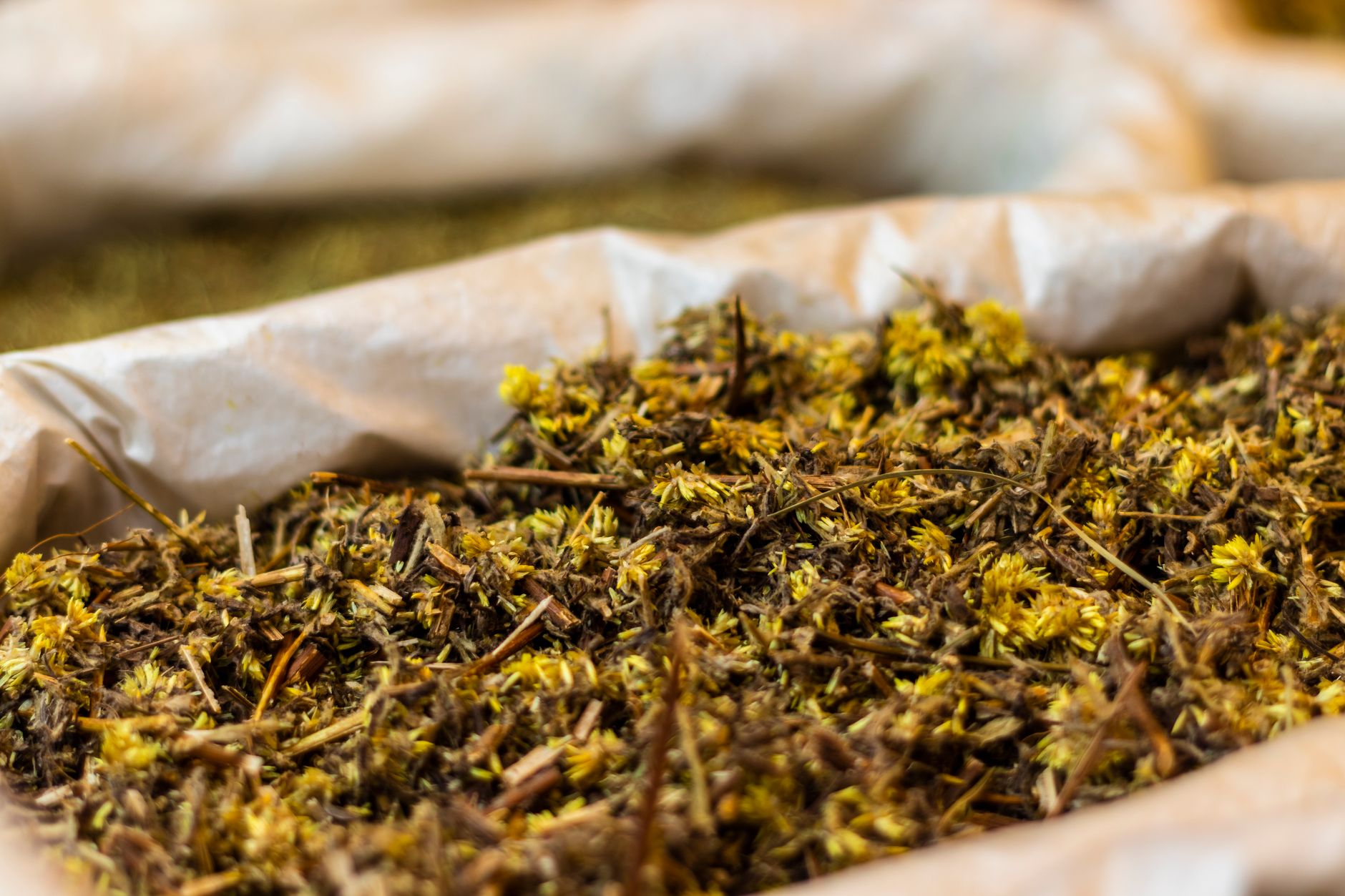
The Molecular Fingerprint: Bioactive Compounds of Fenugreek
To understand why fenugreek exerts such a wide array of physiological effects, one must look at its diverse chemical composition. The plant is a reservoir of alkaloids, saponins, flavonoids, and soluble fibers, each contributing to its systemic benefits. One of the most significant compounds is 4-hydroxyisoleucine, an unusual non-protein amino acid that has demonstrated potent insulin-sensitizing properties. Unlike many pharmaceutical agents, 4-hydroxyisoleucine appears to stimulate insulin secretion only when blood glucose levels are elevated, thereby minimizing the risk of hypoglycemia.
Furthermore, fenugreek is rich in steroidal saponins, such as diosgenin, yamogenin, and gitogenin. These compounds serve as precursors for the synthesis of various hormones and are believed to be responsible for the herb’s reputation in enhancing libido and regulating testosterone levels. The seeds also contain a high concentration of galactomannan, a soluble fiber that slows the rate of carbohydrate absorption in the digestive tract. This fiber matrix creates a viscous gel in the intestines, which not only aids in glucose regulation but also promotes satiety and supports healthy lipid metabolism by binding to bile acids.

Metabolic Health and Glycemic Control
Perhaps the most clinically validated benefit of fenugreek is its impact on metabolic health, specifically in the management of Type 2 diabetes and prediabetes. The mechanism of action is twofold. First, the high soluble fiber content (galactomannan) inhibits the activity of digestive enzymes like alpha-amylase and sucrase, which prevents the rapid breakdown of complex carbohydrates into simple sugars. This results in a more gradual rise in postprandial blood glucose levels. Second, the aforementioned 4-hydroxyisoleucine acts directly on the pancreatic beta cells to enhance insulin sensitivity.
Clinical trials have shown that consistent supplementation with fenugreek powder or extract can lead to significant reductions in HbA1c levels, fasting blood glucose, and LDL cholesterol. By improving the body’s ability to utilize insulin, fenugreek helps mitigate the long-term inflammatory damage caused by chronic hyperglycemia. This makes it an invaluable adjunct therapy for individuals looking to manage metabolic syndrome through dietary and botanical interventions.
Hormonal Optimization and Physical Performance
In the realm of sports nutrition and men’s health, fenugreek has gained a reputation as a natural testosterone booster. The mechanism involves the inhibition of enzymes like aromatase and 5-alpha reductase, which are responsible for converting testosterone into estrogen and dihydrotestosterone (DHT), respectively. By slowing these conversion pathways, fenugreek helps maintain higher levels of free, bioavailable testosterone in the bloodstream. This can lead to improvements in muscle mass, strength, and overall vitality.
Beyond testosterone, fenugreek has shown promise in improving libido and sexual function in both men and women. The saponin content interacts with the endocrine system to balance hormone production, which can alleviate symptoms of andropause in men and support hormonal equilibrium in women. For athletes, the anti-inflammatory properties of the herb’s flavonoids also assist in post-exercise recovery, reducing oxidative stress and muscle soreness after intense physical exertion.
Lactation Support: The Natural Galactagogue
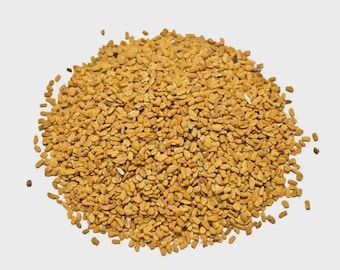
For centuries, fenugreek has been the primary botanical recommendation for nursing mothers struggling with low milk supply. As a “galactagogue,” fenugreek is believed to stimulate the sweat glands, of which the mammary glands are a modified type. While the exact hormonal pathway is still being investigated, many researchers suggest that the phytoestrogens found in fenugreek seeds mimic the body’s natural hormones involved in lactation. Most mothers report a noticeable increase in milk production within 24 to 72 hours of beginning supplementation. However, because of its potency, it is essential for nursing mothers to consult with a healthcare provider to ensure it does not interfere with other maternal health conditions.
Digestive Wellness and Weight Management
Fenugreek’s impact on the digestive system is largely attributed to its mucilaginous fiber content. When ingested, these fibers swell and form a protective coating over the gastrointestinal lining, which can provide relief from heartburn, acid reflux, and gastric ulcers. In fact, some studies suggest that fenugreek fiber is as effective as low-dose over-the-counter antacids in reducing the severity of heartburn symptoms. Additionally, the fiber promotes regular bowel movements and acts as a prebiotic, nourishing the beneficial bacteria in the gut microbiome.
From a weight management perspective, fenugreek helps suppress appetite through two distinct pathways. The high fiber content induces a feeling of fullness by slowing gastric emptying, while the modulation of blood sugar prevents the “crashes” that often lead to sugar cravings and overeating. By stabilizing energy levels throughout the day, fenugreek makes it easier for individuals to adhere to calorie-controlled diets without the psychological burden of constant hunger.
Modern Pharmacology: Fenugreek Supplements and Capsules
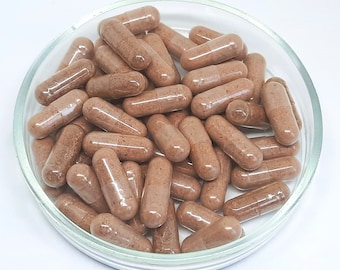
While traditional use involves the consumption of raw seeds or brewed tea, modern pharmacology has enabled the creation of concentrated extracts. These extracts are often standardized to contain specific percentages of saponins or 4-hydroxyisoleucine, ensuring that the user receives a therapeutic dose that would be difficult to obtain through diet alone. Capsules provide a convenient way to bypass the bitter, pungent taste of raw fenugreek, which many find unpalatable in large quantities. Furthermore, standardized capsules allow for precise dosing in clinical settings, making it easier to track progress and adjust intake based on individual health goals.
Practical Usage, Dosage, and Safety Considerations
Integrating fenugreek into a health regimen requires an understanding of proper dosage and potential interactions. For blood sugar management, research typically suggests a dose of 5 to 15 grams of seed powder daily, often divided across meals. When using concentrated extracts (capsules), the dosage is significantly lower, usually ranging from 500mg to 1,000mg per day. It is vital to consume fenugreek with plenty of water, as its high fiber content requires adequate hydration to move effectively through the digestive tract.
Despite its numerous benefits, fenugreek is not without contraindications. Because it can lower blood glucose, individuals on insulin or oral hypoglycemic medications must monitor their levels closely to avoid hypoglycemia. It may also act as a mild blood thinner, meaning it should be used with caution by those on anticoagulant therapy or scheduled for surgery. Pregnant women are generally advised to avoid medicinal doses of fenugreek, as it has historically been used to induce labor and may act as a uterine stimulant. Finally, individuals with allergies to chickpeas or peanuts may experience cross-reactivity with fenugreek due to shared protein structures in the Fabaceae family.

Conclusion: The Future of Fenugreek in Integrative Medicine
As we continue to navigate a world where metabolic and hormonal disorders are on the rise, the role of time-tested botanicals like fenugreek becomes increasingly vital. Fenugreek offers a sophisticated, multi-targeted approach to health that pharmaceuticals often lack. By addressing the root causes of insulin resistance, hormonal imbalance, and systemic inflammation, this “Greek hay” proves to be far more than a simple culinary spice. Whether used in its raw form to enhance a traditional dish or as a standardized supplement for targeted therapeutic outcomes, fenugreek remains a pillar of natural health. As research continues to unfold, it is likely that we will discover even more applications for this ancient plant, further cementing its status as a cornerstone of integrative medicine.
Summary Checklist for Fenugreek Benefits:
- Blood Sugar Regulation: Enhances insulin sensitivity and slows carbohydrate absorption.
- Hormonal Balance: Supports testosterone levels and improves libido in both genders.
- Lactation: Effectively increases milk supply in breastfeeding mothers as a natural galactagogue.
- Digestive Health: Provides a soothing mucilage for the GI tract and functions as a prebiotic fiber.
- Weight Management: Increases satiety and reduces cravings by stabilizing glucose levels.
- Cardiovascular Support: Helps lower LDL cholesterol and triglycerides while maintaining HDL levels.
Disclaimer: For informational purposes only. Not medical advice. Consult a qualified healthcare professional before use.