The Comprehensive Guide to Black Crowberry (Empetrum nigrum): A Nutritional and Therapeutic Powerhouse
In the expansive world of ethnobotany and modern nutritional science, few species possess the unique resilience and concentrated bioactive profile of the Black crowberry (Empetrum nigrum). Often overlooked in favor of its more commercially famous relatives like the blueberry or cranberry, the crowberry is a low-growing, evergreen shrub that thrives in the harsh, subarctic climates of the Northern Hemisphere. From the windswept tundras of Scandinavia and Siberia to the rugged landscapes of Northern Canada and Alaska, this small, ink-black berry has served as a vital survival food and medicinal resource for indigenous populations for millennia. Today, emerging research is beginning to validate what traditional healers have long known: the Black crowberry is one of the most potent sources of antioxidants found in nature, offering a wide array of benefits for metabolic health, neuroprotection, and cellular longevity.
Botanical Overview and Ecological Significance
Belonging to the Ericaceae family, the same family as rhododendrons and heaths, the Black crowberry is a dioecious or sometimes monoecious plant known for its ability to survive in nutrient-poor, acidic soils. It is a procumbent shrub, rarely exceeding 15 centimeters in height, but it can form vast, dense mats that stabilize the soil and provide a micro-habitat for various insects. The leaves are needle-like, with edges rolled back to conserve moisture, a vital adaptation for the cold, dry winds of the north. The berries themselves are small drupes, approximately 4 to 6 millimeters in diameter, characterized by their deep, opaque black-purple color and a slightly acidic, astringent taste that becomes sweeter after the first frosts of autumn.

Ecologically, Empetrum nigrum plays a fundamental role in Arctic and Subarctic ecosystems. It is a pioneer species that often colonizes areas after glacial retreat or disturbances. The plant produces allelopathic compounds, specifically batatasin-III, which it releases into the soil to inhibit the growth of competing vegetation. This chemical warfare ensures the crowberry’s dominance in its niche but also highlights the complex secondary metabolites that contribute to its medicinal potency. Understanding its botanical resilience is key to understanding its nutritional value; the same compounds that protect the plant from extreme UV radiation and sub-zero temperatures are often the same phenolic compounds that provide health benefits to humans when consumed.
Ethnobotanical History and Traditional Medicinal Uses
The historical usage of Black crowberry is deeply rooted in the cultures of the Inuit, Sami, and various First Nations tribes. In these regions, where fresh produce was historically scarce for much of the year, the crowberry was more than just a snack; it was a cornerstone of the diet. Because the berries are high in vitamin C and keep well under a blanket of snow, they were frequently harvested in late winter to prevent scurvy. Traditional preparations often involved mixing the berries with seal oil or reindeer fat, creating a calorie-dense food that provided essential fatty acids and antioxidants simultaneously.
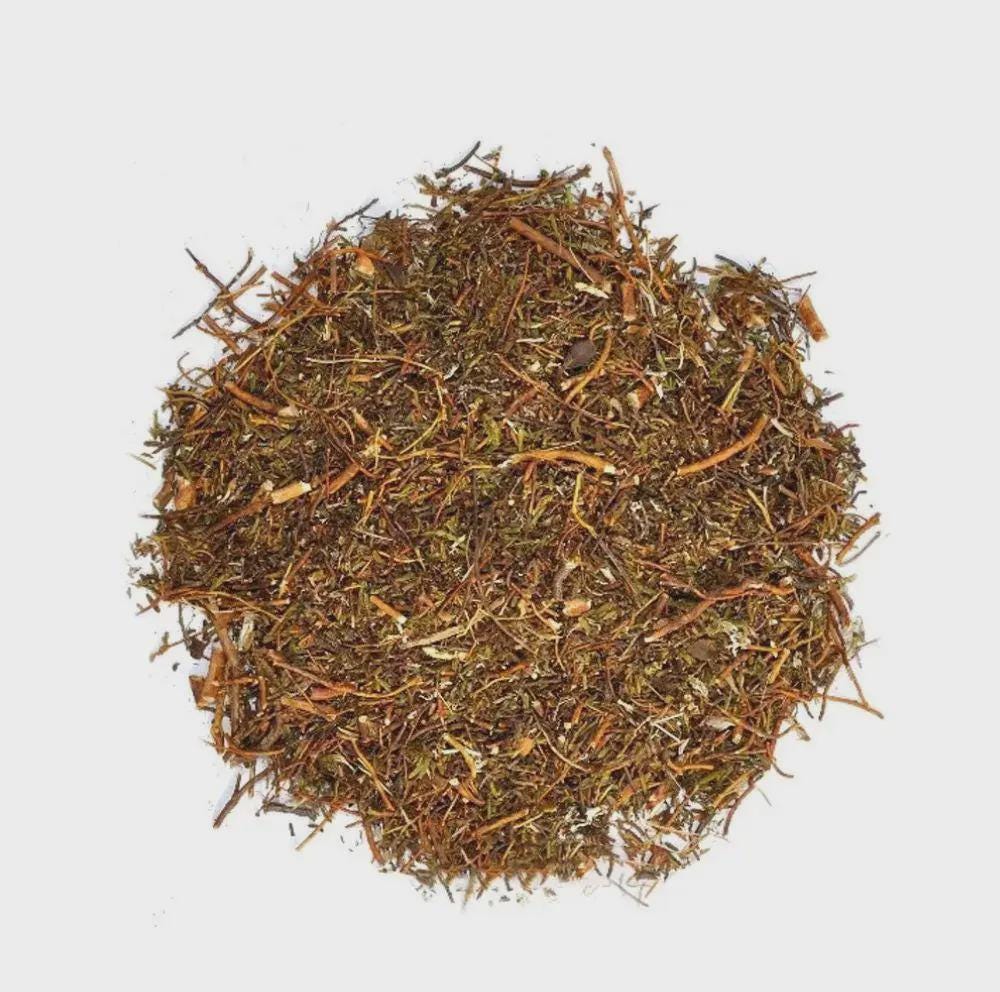
Beyond its use as a food source, the leaves and stems of the Black crowberry were utilized for their astringent and antimicrobial properties. In traditional Russian and Scandinavian medicine, decoctions made from the dried herb were used to treat diarrhea, stop internal bleeding, and address various digestive upsets. The high tannin content in the leaves made them an effective wash for skin irritations and wounds. Furthermore, the berries were often used as a natural dye, producing a deep purple pigment for textiles. The holistic utilization of the plant—from its roots and stems to its fruit—demonstrates a sophisticated understanding of the plant’s chemical versatility long before the advent of modern laboratory analysis.
The Chemical Composition: A Deep Dive into Bioactive Compounds
What sets the Black crowberry apart from other “super-berries” is its extraordinary concentration of anthocyanins. Anthocyanins are water-soluble vacuolar pigments that belong to the parent class of molecules called flavonoids. In crowberries, these pigments are responsible for the intense black color. Research indicates that Empetrum nigrum contains some of the highest recorded levels of anthocyanins in the berry kingdom, often exceeding those found in wild blueberries and blackberries. The specific profile of these compounds is diverse, including delphinidin, cyanidin, petunidin, peonidin, and malvidin glycosides.
In addition to anthocyanins, the chemical profile of the crowberry is rich in phenolic acids, such as p-coumaric acid, caffeic acid, and ferulic acid. These compounds are known for their ability to scavenge reactive oxygen species (ROS) and modulate inflammatory pathways within the body. The plant also contains significant amounts of flavonols, specifically quercetin and its derivatives, which have been studied extensively for their cardioprotective and anti-allergic effects. Proanthocyanidins, also known as condensed tannins, are present in high concentrations, particularly in the seeds and skin. These compounds contribute to the plant’s astringency and are linked to improved urinary tract health and the inhibition of harmful bacterial adhesion.
The Role of Anthocyanins in Human Health
The mechanisms by which crowberry anthocyanins interact with human physiology are multifaceted. When ingested, these compounds undergo complex metabolism in the gut, where they are broken down by microbiota into phenolic metabolites. These metabolites circulate in the blood and exert systemic antioxidant effects. They are known to cross the blood-brain barrier, offering potential protection against oxidative stress in the central nervous system. By upregulating the body’s endogenous antioxidant enzymes, such as superoxide dismutase (SOD) and glutathione peroxidase, crowberry extracts provide a multi-layered defense against the oxidative damage that leads to chronic disease and aging.
Health Benefits of Black Crowberry Herb
1. Superior Antioxidant and Anti-Inflammatory Action
The primary health benefit of Black crowberry is its ability to neutralize free radicals. Chronic inflammation is the root cause of many modern ailments, including heart disease, arthritis, and metabolic syndrome. The polyphenols in crowberry inhibit the production of pro-inflammatory cytokines, such as TNF-alpha and IL-6, by modulating the NF-kB signaling pathway. By dampening this inflammatory response at the molecular level, crowberry help reduce systemic inflammation throughout the body. This is particularly beneficial for athletes or individuals with physically demanding lifestyles, as it aids in muscle recovery and reduces oxidative damage caused by intense physical exertion.
2. Metabolic Health and Glycemic Control
Emerging clinical studies have focused on the crowberry’s potential to assist in the management of Type 2 Diabetes and metabolic syndrome. The anthocyanins in the berry have been shown to inhibit alpha-glucosidase, an enzyme responsible for breaking down carbohydrates into glucose. By slowing this process, crowberry extracts can prevent rapid spikes in blood sugar following a meal. Furthermore, research suggests that these compounds may improve insulin sensitivity by activating the AMPK pathway, which encourages cells to take up glucose more efficiently. This dual action—slowing glucose absorption and enhancing cellular uptake—makes Black crowberry a potent natural tool for metabolic regulation.
3. Neuroprotection and Cognitive Support
The brain is highly susceptible to oxidative stress due to its high oxygen consumption and lipid-rich environment. The delphinidin and cyanidin glycosides found in abundance in Black crowberries have demonstrated neuroprotective properties in several laboratory models. These compounds help protect neurons from the toxicity of amyloid-beta plaques, which are associated with Alzheimer’s disease. Additionally, the improved blood flow resulting from the vasodilatory effects of crowberry flavonoids can enhance cognitive function and memory. There is growing interest in using crowberry as a dietary intervention to slow age-related cognitive decline and maintain mental acuity into later life.
4. Cardiovascular Support and Lipid Management
Crowberries contribute to heart health in several ways. First, their antioxidant profile prevents the oxidation of LDL cholesterol. Oxidized LDL is a key driver in the formation of arterial plaques, leading to atherosclerosis. Second, the anthocyanins promote the production of nitric oxide in the vascular endothelium, which helps relax blood vessels and lower blood pressure. Studies have also indicated that regular consumption of crowberry-derived polyphenols can improve the lipid profile by increasing “good” HDL cholesterol and lowering triglycerides. This comprehensive cardiovascular support reduces the overall risk of stroke and heart attack.
5. Urinary Tract and Kidney Health
Much like its relative, the cranberry, the Black crowberry is rich in A-type proanthocyanidins. These specific tannins prevent bacteria, particularly E. coli, from adhering to the walls of the bladder and urinary tract. This anti-adhesion property makes crowberry an effective natural preventative for urinary tract infections (UTIs). Moreover, its mild diuretic effect helps flush toxins from the kidneys and urinary system without causing the electrolyte imbalances often associated with synthetic diuretics. In traditional Arctic medicine, the leaves were often brewed into a tea specifically to address “gravel” or stones in the kidneys, reflecting its long-standing reputation for renal support.
Modern Usage: Supplements and Concentrated Extracts
In the modern wellness market, Black crowberry is increasingly available in various concentrated forms. While eating the fresh berries provides the most complete nutritional matrix, including fiber and essential minerals like manganese and copper, fresh berries are difficult to find outside of their native northern regions. Therefore, standardized extracts and encapsulated powders have become the preferred method for those seeking the therapeutic dosages of anthocyanins required for clinical benefits.
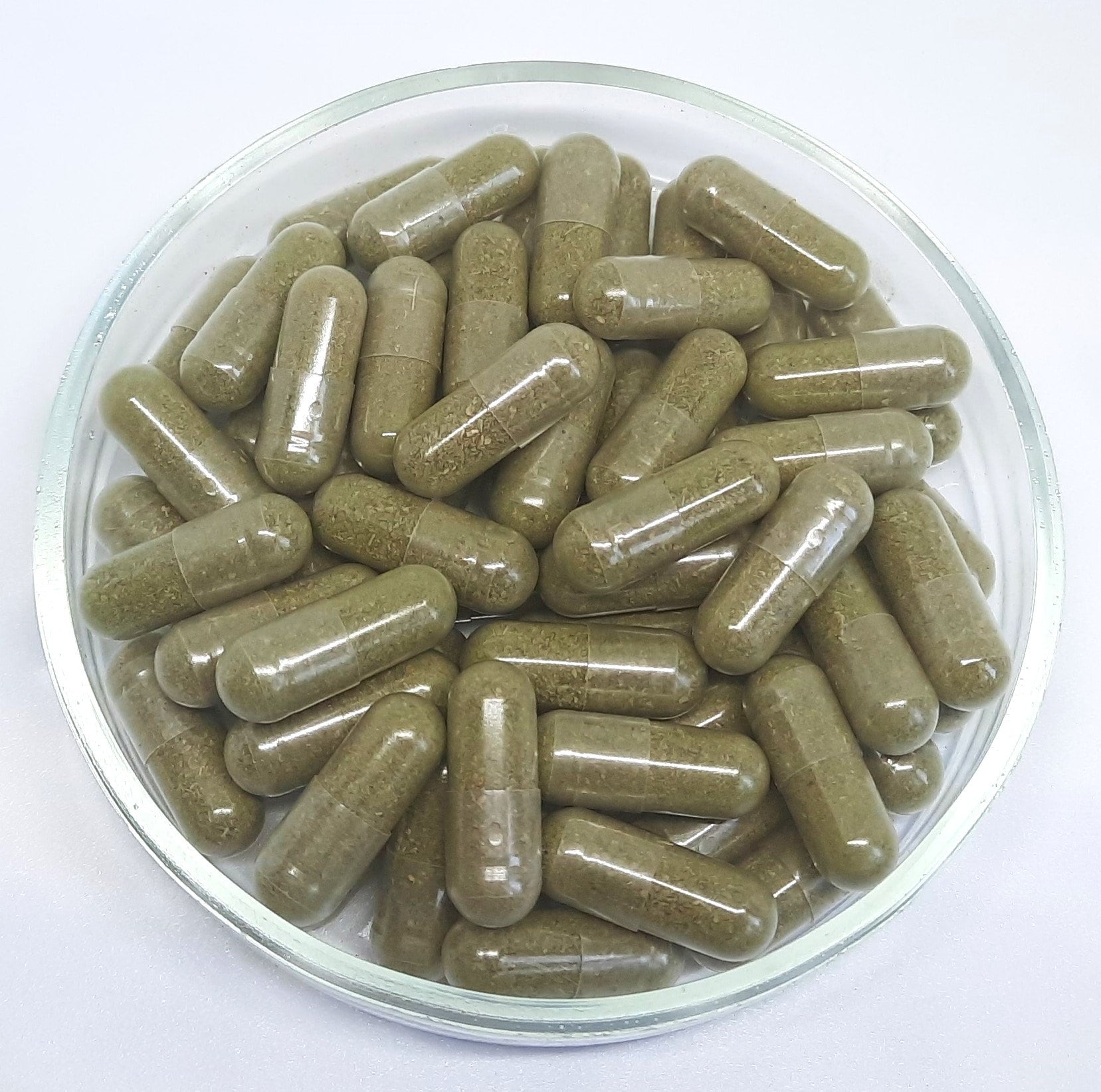
Capsules containing freeze-dried crowberry powder or standardized extracts are particularly effective because the freeze-drying process preserves the delicate heat-sensitive polyphenols. When choosing a supplement, it is crucial to look for products that specify the anthocyanin content, as this is the primary marker of quality. High-quality supplements often utilize wild-harvested berries from pristine environments, ensuring that the plant has developed its full array of protective secondary metabolites in response to natural environmental stressors. These supplements are often used by individuals focusing on eye health, as the high anthocyanin content supports the regeneration of rhodopsin in the retina, improving night vision and reducing eye fatigue from digital screen use.
Practical Usage, Dosage, and Preparation
For those who have access to the herb in its dried or whole form, there are several ways to incorporate it into a daily health regimen. A traditional decoction can be made by simmering one to two teaspoons of the dried herb (leaves and stems) in 500ml of water for about 10 minutes. This creates a potent, tannin-rich tea that is excellent for digestive support or as a topical wash. For the berries, a daily intake of 50 to 100 grams of fresh fruit, or 500mg to 1000mg of a concentrated extract, is generally considered a therapeutic range in nutritional literature.
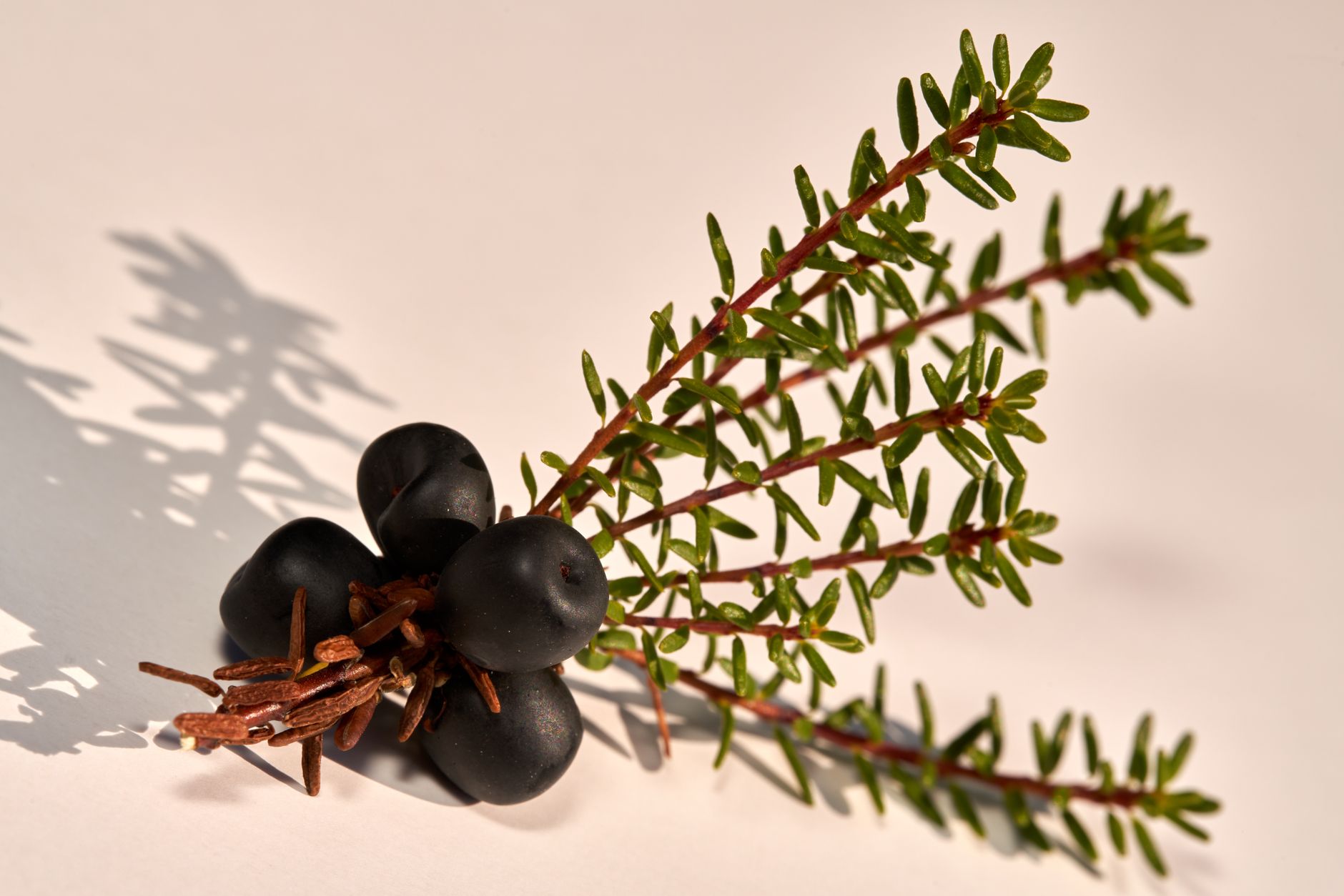
In culinary applications, the berries are best utilized in ways that do not require excessive boiling, which can degrade some of the more sensitive antioxidants. They can be blended into smoothies, added to yogurt, or used to make raw “sun jams.” Because of their low sugar content compared to blueberries, crowberries are an excellent addition to ketogenic or low-carb diets. When using the dried berries, soaking them overnight can help rehydrate the tissues and make the nutrients more bioavailable when consumed.
Safety, Contraindications, and Considerations
Black crowberry is generally regarded as safe for most individuals when consumed in food-equivalent amounts. However, due to its high tannin content, excessive consumption of the leaves or bark may cause stomach upset or constipation in sensitive individuals. As with any potent botanical, pregnant and breastfeeding women should consult with a healthcare professional before beginning a supplementation regimen. Those on blood-sugar-lowering medications or blood thinners should also exercise caution, as the crowberry may enhance the effects of these drugs, potentially leading to hypoglycemia or increased bleeding risk. It is always recommended to start with a low dose and monitor the body’s response.
Conclusion: The Future of Empetrum nigrum
The Black crowberry (Empetrum nigrum) stands as a testament to the biological brilliance of the Arctic flora. Its ability to concentrate life-sustaining antioxidants under the most grueling conditions makes it a premier functional food for the 21st century. As research continues to unravel the specific molecular pathways through which its anthocyanins and phenolic acids operate, we are likely to see this “black pearl of the north” move from the fringes of herbal medicine into the mainstream of clinical nutrition. Whether used for metabolic support, cognitive preservation, or general cellular vitality, the Black crowberry offers a dense, scientifically-backed nutritional profile that few other plants can match. By integrating this resilient herb into our modern lives, we tap into an ancient lineage of northern wisdom and a potent source of natural healing.
Disclaimer: For informational purposes only. Not medical advice. Consult a qualified healthcare professional before use.