
The Ultimate Guide to Anise Seeds: History, Phytochemistry, and Evidence-Based Health Benefits
Anise seeds, botanically classified as Pimpinella anisum, represent one of the oldest and most revered therapeutic herbs in human history. Belonging to the Apiaceae family—which also includes celery, carrots, fennel, and parsley—anise is a delicate, annual herbaceous plant native to the eastern Mediterranean region and Southwest Asia. Known for its distinct sweet, licorice-like flavor profile, this botanical powerhouse has transcended its traditional culinary applications to become a focal point of modern pharmacological research. In this exhaustive, evidence-based guide, we examine the structural characteristics, historical applications, intricate phytochemical matrix, and comprehensive clinical health benefits of anise seeds.
Botanical Characteristics and Taxonomy
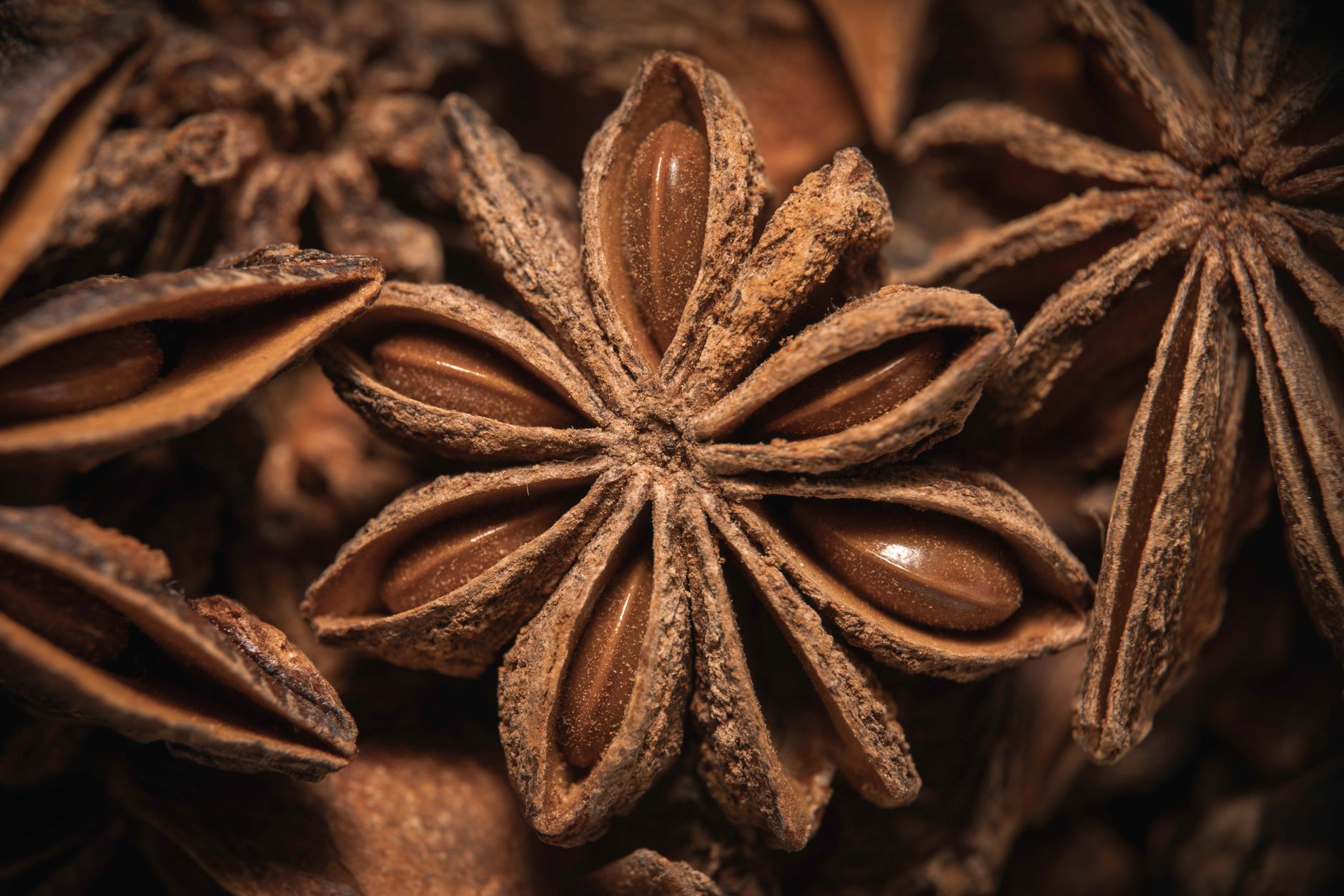
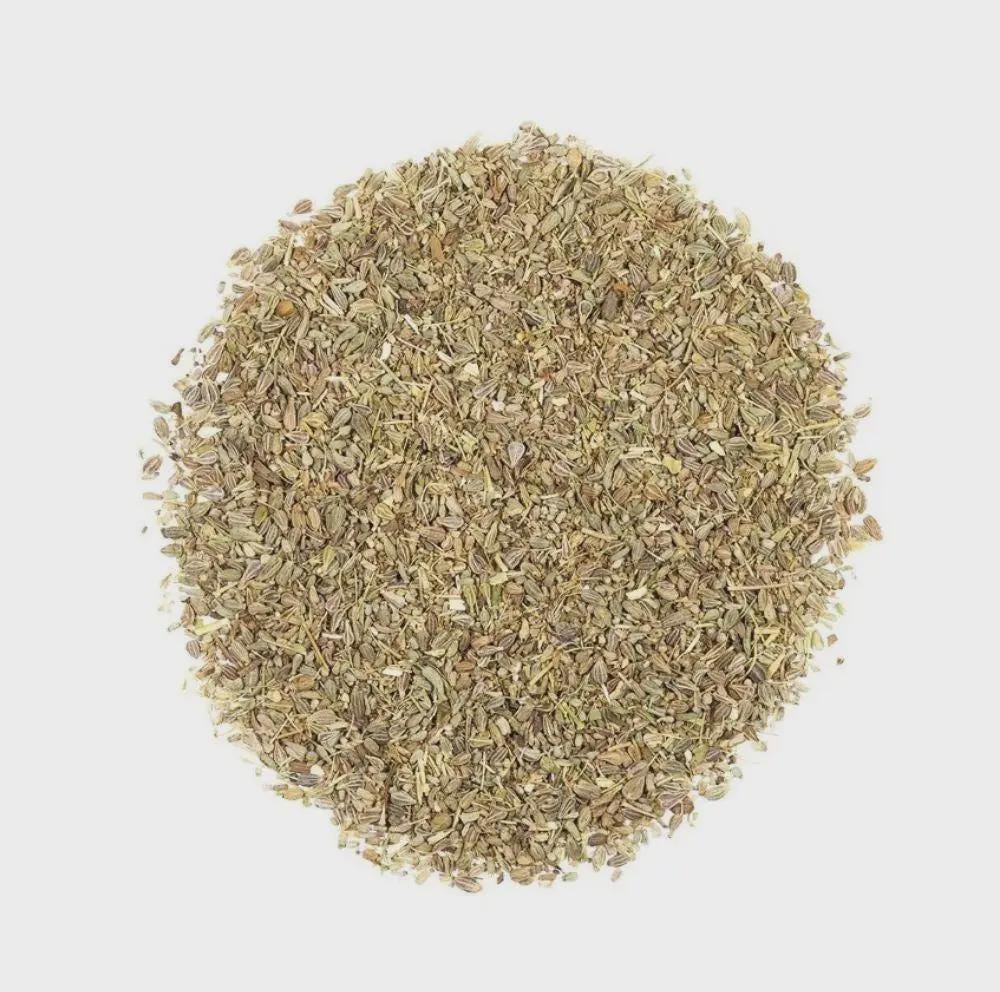
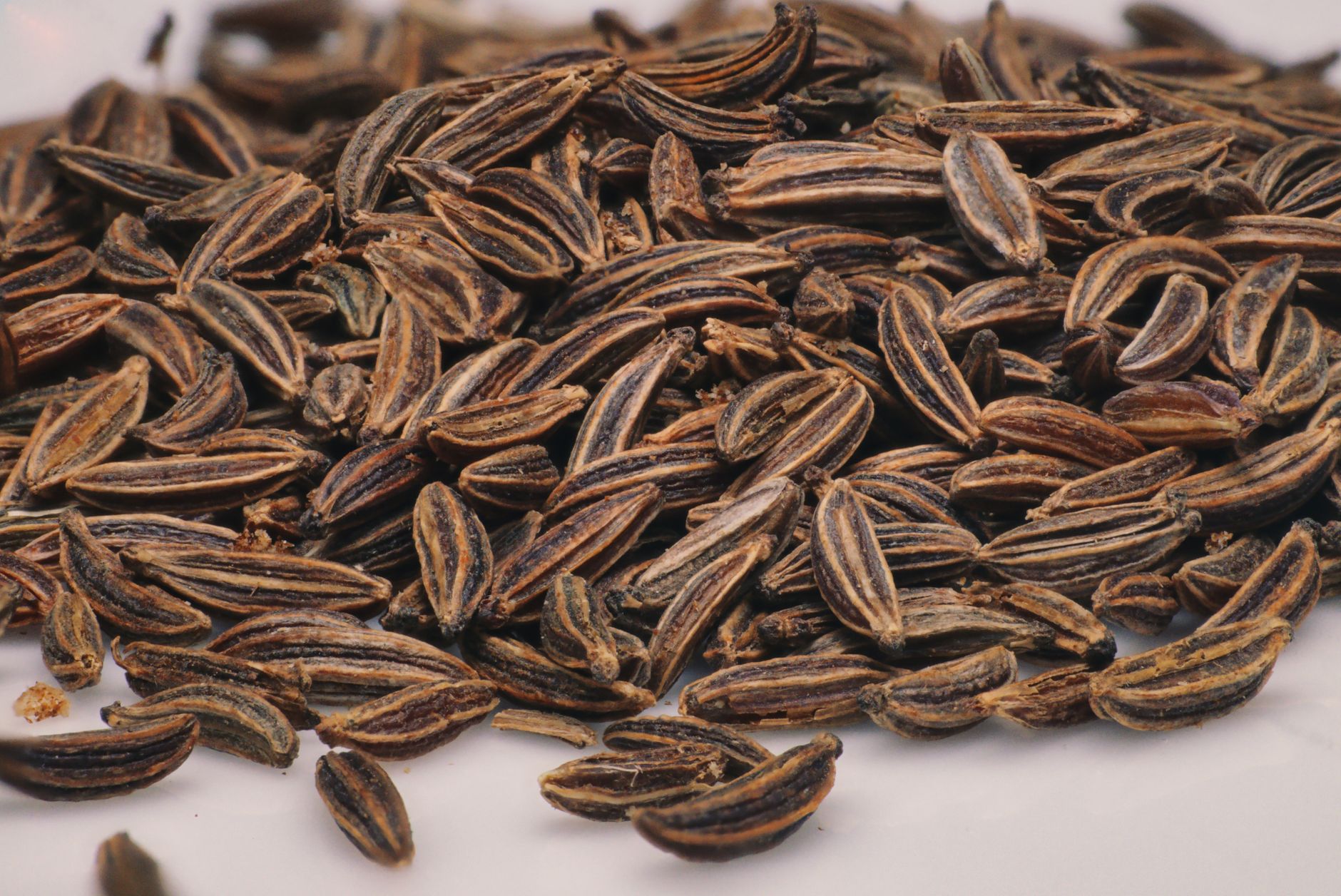
To fully understand the therapeutic potential of anise seeds, it is essential to first examine the plant from a botanical perspective. Pimpinella anisum grows to an average height of 60 to 90 centimeters. It features intermediate, bright green, feather-like pinnate leaves and terminal compound umbels that bear small, yellowish-white flowers. The medicinal portion of the plant, commonly referred to as the seed, is scientifically classified as a schizocarp. This small, oblong, crescent-shaped dry fruit measures approximately 3 to 5 millimeters in length and features prominent longitudinal ridges. It is often confused with Star Anise (Illicium verum) due to a shared aromatic profile, and Fennel (Foeniculum vulgare) because of physical and chemical similarities. However, these plants belong to entirely different botanical families and exhibit distinct phytochemical configurations. True anise seeds possess a unique concentration of essential volatile oils, nested within specialized secretory ducts called vittae, which are responsible for the herb’s signature aroma and biological activity.
Historical Legacy and Traditional Uses
The historical record of Pimpinella anisum spans millennia, establishing it as a foundational botanical agent across multiple ancient civilizations. Archaeological evidence suggests that the ancient Egyptians cultivated anise as early as 1500 BCE, utilizing it as a digestive aid, a carminative agent, and an essential component in the complex mummification process. The Ebers Papyrus, an ancient Egyptian medical document, highlights the seed’s efficacy in addressing oral hygiene and gastrointestinal disturbances.
In classical antiquity, Greek and Roman physicians further documented the therapeutic versatility of anise. Hippocrates, the father of modern medicine, recommended it for clearing the respiratory tract and relieving persistent coughs. Pliny the Elder and Dioscorides noted its capacity to stimulate appetite, alleviate intestinal gas, ease pain, and promote lactation in nursing mothers. In the Roman Empire, anise was so highly valued for its digestive properties that it was a key ingredient in “mustaceus,” a spiced cake traditionally served at the end of lavish feasts to prevent dyspepsia. In Ayurvedic medicine, anise seeds have been used for centuries to balance the digestive fire (Agni) and alleviate imbalances in the Vata and Kapha doshas. This rich ethnobotanical history has laid the groundwork for modern scientific investigations into the biochemical pathways of this remarkable plant.
Phytochemical Profile: The Science of Active Compounds
The therapeutic efficacy of Pimpinella anisum is directly attributed to its complex phytochemical composition. The seeds contain approximately 1.5% to 5% volatile essential oil, which serves as the primary reservoir for its bioactive compounds. Additionally, the seeds are rich in fixed oils (8% to 16%), proteins (18%), sugars, starch, and crude fiber.
Analytical chromatography has revealed that the principal active constituent of anise essential oil is trans-anethole, which accounts for 80% to 90% of the total oil volume. Trans-anethole is an organic phenylpropene derivative responsible for both the characteristic sweet, licorice-like flavor and the vast majority of the herb’s physiological actions, including its estrogenic, expectorant, spasmolytic, and antimicrobial properties. Other critical bioactive constituents identified within the volatile profile include:
- Methyl chavicol (estragole): An isomer of anethole that contributes to the unique sweet undertones and possesses mild sedative and spasmolytic properties.
- Anise aldehyde: Formed through the oxidation of anethole, this compound exhibits significant antimicrobial activity against various bacterial and fungal strains.
- Pseudoisoeugenol: A rare phenylpropanoid derivative that contributes to the herb’s anti-inflammatory and vascular-modulating capabilities.
- Coumarins: Naturally occurring compounds such as umbelliferone and scopolin, which demonstrate potent antioxidant, anti-inflammatory, and anticoagulant activities.
- Flavonoids: Including quercetin, luteolin, apigenin, and rutin, which act as powerful free radical scavengers, protecting cellular structures from oxidative degradation.
- Phenolic acids: Such as caffeic acid, chlorogenic acid, and p-hydroxybenzoic acid, which further enhance the total antioxidant capacity of the seed.
Evidence-Based Health Benefits of Anise Seeds
1. Optimization of Gastrointestinal Health
The most widely celebrated and scientifically validated application of anise seeds lies in their profound impact on the gastrointestinal tract. Chronic dyspepsia, flatulence, abdominal bloating, and irritable bowel syndrome (IBS) are highly prevalent conditions that respond exceptionally well to Pimpinella anisum therapies.
The primary mechanism behind these digestive benefits is the spasmolytic (antispasmodic) effect of trans-anethole. Research indicates that trans-anethole acts as a natural calcium channel blocker within the smooth muscle cells of the gastrointestinal tract. By inhibiting the influx of extracellular calcium ions, anise prevents the involuntary contractions and spasms of the intestinal wall that manifest as cramping, colic, and pain. Furthermore, anise seeds act as a potent carminative. They reduce the surface tension of gas bubbles trapped within the digestive tract, facilitating their coalescence and subsequent elimination, which rapidly relieves bloating and abdominal distension.
Additionally, clinical studies suggest that anise extracts exhibit significant gastroprotective properties. In animal models of gastric ulceration, anise administration demonstrated a protective effect on the gastric mucosa. It significantly reduced gastric acid secretion while simultaneously increasing the secretion of gastric mucus and non-protein sulfhydryls. This dual action shields the delicate lining of the stomach from the corrosive effects of hydrochloric acid and inflammatory cytokines, making anise a potential natural adjunct therapy for individuals suffering from gastritis or peptic ulcer disease.
2. Relief from Menopausal Symptoms and Hormonal Regulation
For women transitioning through perimenopause and menopause, anise seeds offer a powerful, non-hormonal therapeutic alternative for managing systemic symptoms. Hot flashes, night sweats, vaginal dryness, and mood fluctuations are primarily driven by the progressive decline in endogenous estrogen production.
Phytochemical analysis has revealed that trans-anethole possesses structural similarities to 17β-estradiol, allowing it to interact dynamically with human estrogen receptors. Polymers of anethole, such as dianethole and photoanethole, exhibit even stronger estrogenic activity than the monomer itself. These compounds bind to estrogen receptors (specifically ER-alpha and ER-beta), exerting mild estrogenic agonist activity that helps stabilize the hypothalamic-pituitary-ovarian axis.
In a double-blind, placebo-controlled clinical trial involving menopausal women, the daily administration of anise seed extract resulted in a statistically significant reduction in both the frequency and severity of hot flashes over a multi-week period. Unlike synthetic hormone replacement therapy (HRT), which carries potential risks for cardiovascular disease and hormone-sensitive malignancies, the phytoestrogens found in anise seeds offer a gentler profile. They help modulate hormonal receptors safely, presenting a highly valuable botanical tool for managing menopausal discomfort.
3. Management of Menstrual Pain (Dysmenorrhea)
Primary dysmenorrhea, characterized by painful uterine cramping during menstruation, affects millions of women worldwide. This condition is driven by the overproduction of uterine prostaglandins, which leads to intense, spasmodic contractions of the uterine smooth muscle and localized ischemia.
The potent antispasmodic and anti-inflammatory activities of anise seeds make them exceptionally effective in mitigating menstrual pain. By blocking calcium channels and inhibiting the cyclooxygenase (COX) enzymatic pathway, anise limits the synthesis of pro-inflammatory prostaglandins (specifically PGE2 and PGF2-alpha). A comparative clinical study demonstrated that a combination of anise, saffron, and celery seed extracts was highly effective in reducing the severity and duration of menstrual pain, outperforming standard over-the-counter NSAIDs like ibuprofen without causing gastrointestinal side effects.
4. Expectorant and Respiratory System Support
The traditional use of Pimpinella anisum for respiratory ailments has been thoroughly validated by contemporary pharmacological research. Anise seeds are highly regarded for their secretolytic, secretomotoric, and spasmolytic activities within the respiratory tree.
When consumed, the active volatile compounds—primarily trans-anethole and anise aldehyde—are partially excreted via the bronchial mucosa. As these compounds pass through the respiratory tract, they stimulate the bronchial glands to secrete a thinner, more watery mucus. This secretolytic action reduces the viscosity of stubborn, deep-seated phlegm. Concurrently, anise stimulates the ciliary activity of the epithelial cells lining the trachea and bronchi. This secretomotoric effect accelerates the upward transport of mucus, making coughs more productive and facilitating the rapid clearance of the respiratory passages. Furthermore, its smooth muscle-relaxing properties help dilate the bronchioles, providing relief from bronchospasms associated with asthma, bronchitis, and chronic obstructive pulmonary disease (COPD).
5. Antimicrobial, Antifungal, and Antiparasitic Efficacy
With the rise of antibiotic-resistant pathogens, researchers have turned their attention to natural antimicrobial agents. Pimpinella anisum essential oil has demonstrated exceptional inhibitory activity against a broad spectrum of bacteria, fungi, and yeasts.
The antimicrobial mechanism of anise essential oil lies in its ability to penetrate the lipophilic cell membranes of pathogenic microorganisms. Trans-anethole alters the permeability of the cell membrane, leading to the leakage of essential intracellular components, the depletion of ATP (adenosine triphosphate), and the eventual lysis of the cell. Studies have shown that anise oil is highly effective against common bacterial strains such as Escherichia coli, Staphylococcus aureus, Pseudomonas aeruginosa, and Salmonella typhimurium.
Moreover, anise essential oil exhibits exceptional antifungal activity, particularly against Candida albicans and various dermatophytes responsible for skin infections. It interferes with the synthesis of ergosterol—a vital component of the fungal cell membrane—thereby halting fungal replication and colonization. This potent antifungal action makes standardized anise preparations highly effective for addressing systemic overgrowth, oral thrush, and localized cutaneous fungal infections.
6. Neurological Support, Anxiety Reduction, and Sleep Quality
Emerging research in neuropsychology indicates that anise seeds exert a stabilizing effect on the central nervous system. In traditional systems of medicine, anise was frequently prescribed to ease nervous tension, alleviate mild depression, and promote restful sleep.
The neuroprotective and anxiolytic effects of anise are believed to be mediated through its interaction with the GABAergic neurotransmitter system. Gamma-aminobutyric acid (GABA) is the primary inhibitory neurotransmitter in the human brain, responsible for dampening neuronal excitability and promoting relaxation. Compounds within anise seeds are thought to enhance GABA receptor sensitivity, mimicking the calming effects of mild sedatives. Clinical trials evaluating the efficacy of anise oil in patients with mild-to-moderate depression and generalized anxiety disorder (GAD) have demonstrated significant improvements in clinical scores, pointing to its potential as a natural, non-habit-forming support for psychological well-being.
7. Glycemic Control and Metabolic Regulation
As metabolic disorders such as type 2 diabetes and insulin resistance continue to escalate globally, finding natural ways to manage blood glucose levels is increasingly important. Recent pharmacological investigations suggest that anise seeds can play a supportive role in regulating glucose metabolism.
Experimental studies indicate that anise extracts can stimulate the activity of key enzymes involved in carbohydrate digestion and absorption. By moderately inhibiting alpha-glucosidase and alpha-amylase in the small intestine, anise delays the breakdown of complex carbohydrates into glucose, thereby preventing rapid postprandial blood sugar spikes. Additionally, active constituents in anise seeds have been shown to enhance the uptake of glucose by peripheral muscle tissues and improve insulin sensitivity. This multi-faceted mechanism helps stabilize long-term blood glucose markers, making anise a valuable addition to a balanced metabolic health strategy.
Therapeutic Formulations and Modern Supplements
To access the diverse health benefits of Pimpinella anisum, several high-quality formulations are available, ranging from traditional crude herb preparations to advanced standardized extracts.
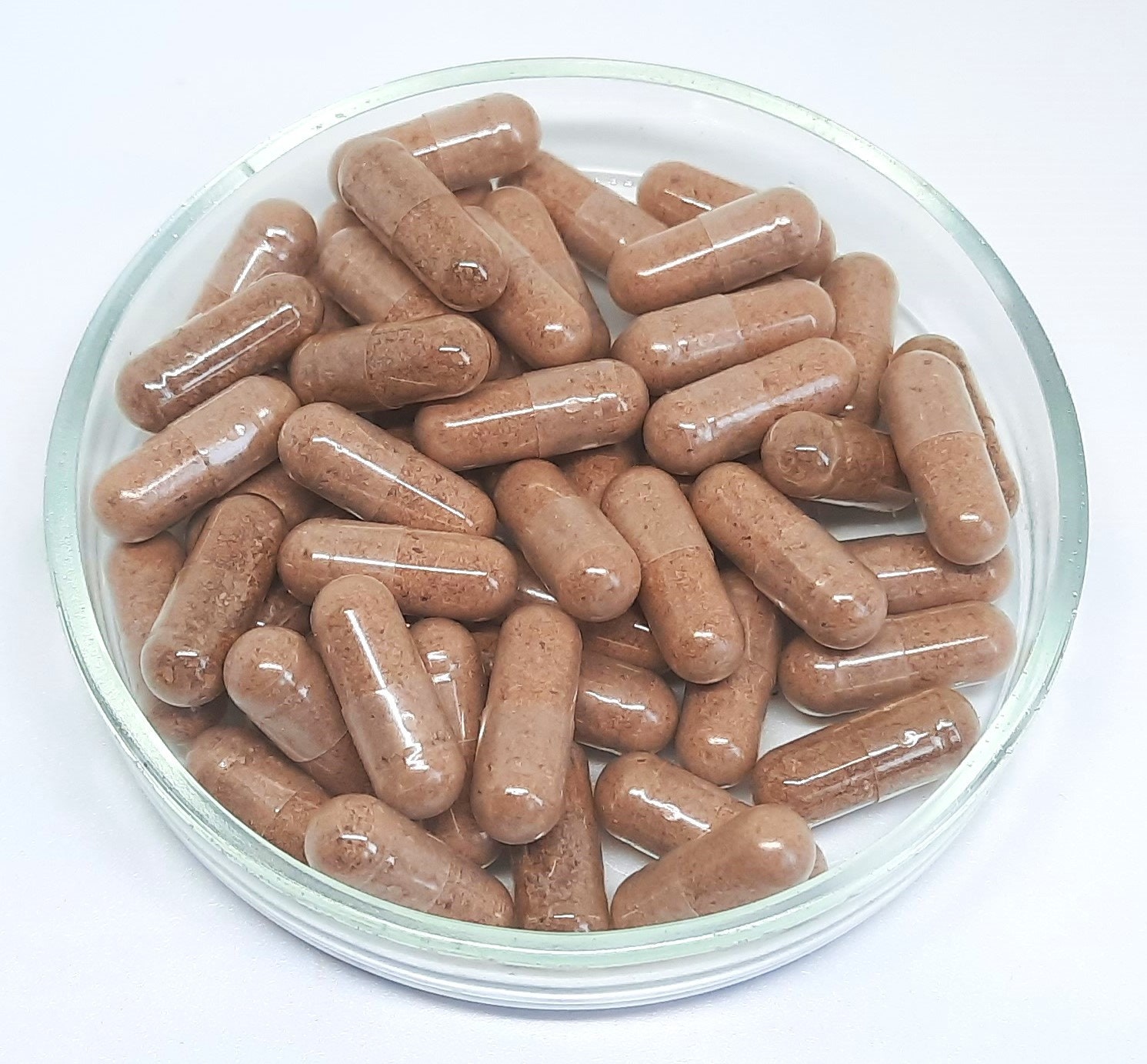
For individuals seeking targeted, therapeutic-strength doses of anise, modern standardized capsules offer an exceptional solution. These supplements typically contain concentrated powdered extracts of Pimpinella anisum, standardized to guarantee a precise percentage of active trans-anethole. This ensures consistent therapeutic potency with every dose, making capsules highly convenient for managing systemic issues such as chronic dyspepsia, IBS, and menopausal hot flashes.
Other popular delivery methods include:
- Anise Seed Infusion (Tea): Prepared by steeping 1 to 2 grams of gently crushed anise seeds in freshly boiled water for 10 to 15 minutes. This traditional preparation is ideal for acute digestive issues, mild coughs, and relaxation.
- Anise Essential Oil: A highly concentrated steam-distilled oil that must be diluted in a carrier oil for topical application, or carefully administered under the guidance of a qualified practitioner for internal use.
- Liquid Extracts and Tinctures: Hydroalcoholic solutions that offer rapid absorption and easy dosage adjustment, frequently used by herbalists to customize therapeutic formulas.
Dosage Guidelines and Practical Usage
To maximize the therapeutic benefits of anise seeds while ensuring safety, it is essential to follow established clinical dosage guidelines. The appropriate dosage depends significantly on the form of the herb being administered.

For general wellness, digestive support, and mild respiratory relief, the following daily parameters are clinically recommended:
- Crushed Seeds (Infusion): 1 to 3 grams of dried anise seeds brewed as a tea, taken up to three times daily after meals.
- Standardized Powdered Extract (Capsules): 300 mg to 500 mg, taken one to three times daily, depending on the concentration of active trans-anethole.
- Fluid Extract (1:1 in 25% ethanol): 1.0 to 3.0 ml, administered three times daily.
- Anise Essential Oil (Internal): 0.05 to 0.2 ml (approximately 1 to 3 drops) diluted in a carrier oil, warm water, or honey, used with caution.
When using anise seeds for culinary purposes, they can be added whole or ground to baked goods, soups, stews, and herbal infusions. While culinary quantities provide excellent digestive support, therapeutic-grade outcomes for specific clinical conditions typically require the consistent use of concentrated extracts or standardized capsules.
Safety, Side Effects, and Contraindications
While Pimpinella anisum is classified as “Generally Recognized as Safe” (GRAS) by major international regulatory bodies when consumed in dietary amounts, certain precautions must be observed when using therapeutic doses.
Due to the potent estrogenic activity of trans-anethole and its polymers, individuals with hormone-sensitive conditions should exercise caution. This includes individuals diagnosed with, or carrying a high risk for, breast cancer, uterine cancer, ovarian cancer, endometriosis, or uterine fibroids. In these cases, the phytoestrogenic compounds in anise could potentially interfere with hormonal therapies or exacerbate hormone-driven pathologies.
Allergic reactions, though rare, can occur in individuals with known hypersensitivities to other members of the Apiaceae family, such as fennel, cumin, celery, coriander, or dill. Symptoms typically manifest as mild contact dermatitis, localized swelling, or mild gastrointestinal discomfort. Additionally, the internal use of concentrated pure anise essential oil is contraindicated during pregnancy, as high doses may stimulate uterine contractions. It is always recommended to consult with a qualified healthcare professional before incorporating high-dose anise supplements into your daily wellness routine, especially if you are currently taking prescription medications or managing chronic health conditions.
Conclusion
Pimpinella anisum, or the anise seed, is a remarkable example of traditional botanical wisdom fully validated by modern scientific research. From its ancient origins as a prized digestive aid to its contemporary role as a clinically studied phytotherapeutic agent, anise continues to demonstrate exceptional versatility. Its unique concentration of bioactive compounds—led by the powerful phenylpropanoid trans-anethole—provides deep-seated support for the digestive, respiratory, endocrine, and nervous systems. By understanding its phytochemical mechanisms, respecting dosage guidelines, and choosing high-quality delivery methods, you can safely integrate this time-honored botanical into your routine to support long-term health and vitality.
Disclaimer: For informational purposes only. Not medical advice. Consult a qualified healthcare professional before use.