The Comprehensive Guide to Coriander Seed: Botanical Profile, Phytochemistry, and Evidence-Based Therapeutic Benefits
Coriander seed, derived from the annual herb Coriandrum sativum, represents one of the oldest and most versatile botanical agents known to humanity. Respected both as a fundamental culinary spice and a cornerstone of traditional pharmacopeias across the globe, these small, spherical fruits contain a complex matrix of bioactive volatile oils, essential fatty acids, and potent polyphenolic compounds. In the modern era of evidence-based phytotherapy, research is systematically validating what ancient healers observed: coriander seeds exert profound pharmacological activities, including hypoglycemic, hypolipidemic, antimicrobial, carminative, and neuroprotective effects. This definitive guide explores the botanical architecture, rich historical lineage, biochemical composition, and clinical applications of coriander seed, providing a comprehensive, scientifically rigorous overview of its systemic health benefits.
1. Botanical Profile and Taxonomic Classification
Belonging to the Apiaceae (formerly Umbelliferae) family—a prestigious botanical group that also includes carrots, celery, parsley, fennel, and cumin—Coriandrum sativum is a delicate, glabrous annual plant. While the fresh leaves are popularly referred to as cilantro or Chinese parsley, the dried schizocarps (the anatomical term for the seed-like fruits) are universally designated as coriander seeds. The plant typically reaches a height of 30 to 70 centimeters, featuring highly segmented, thread-like upper leaves and broader, incised lower leaves. During its flowering phase, it produces compound umbels bearing small white or pale pink flowers that attract a diverse array of pollinators.
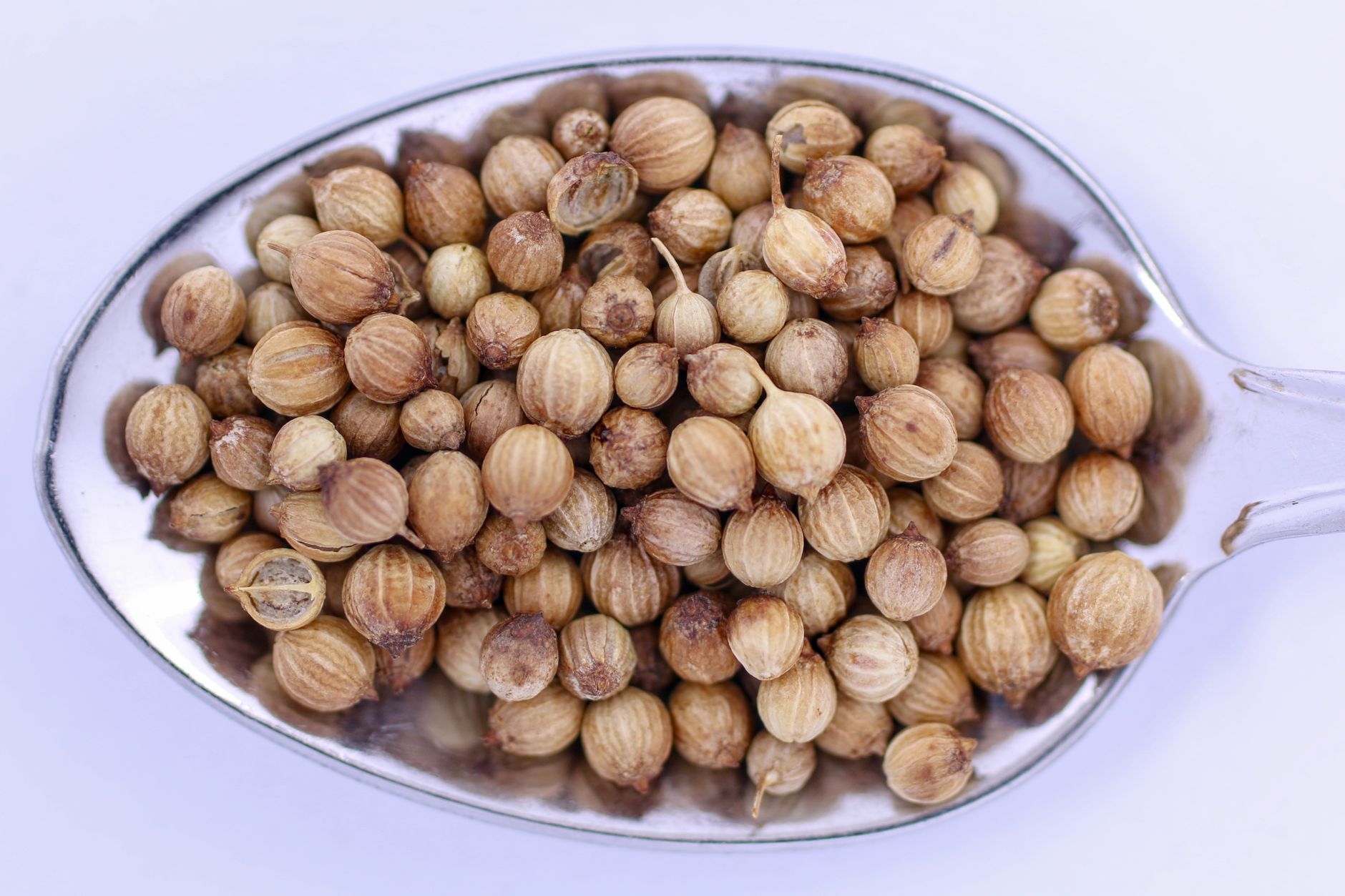
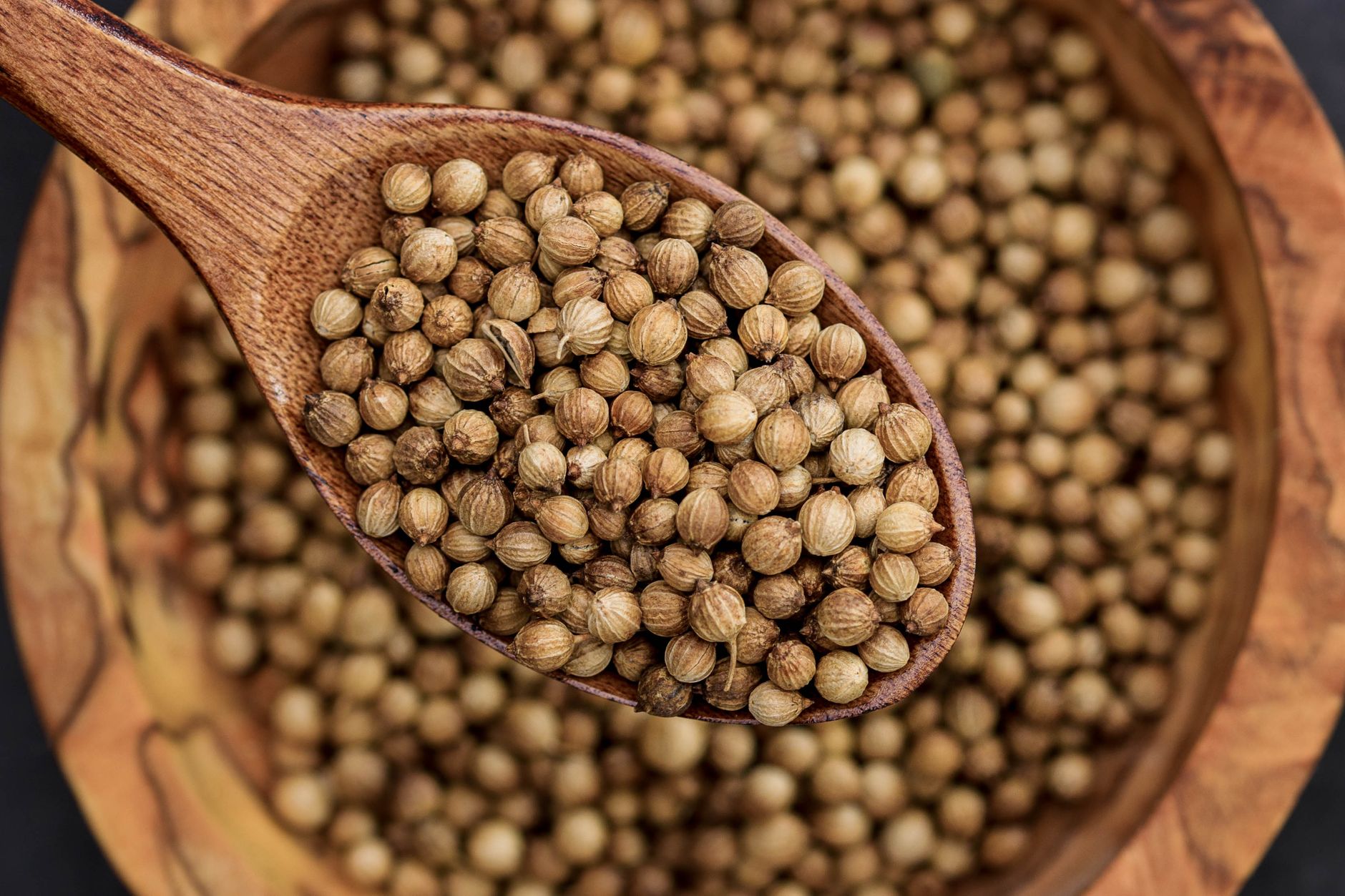
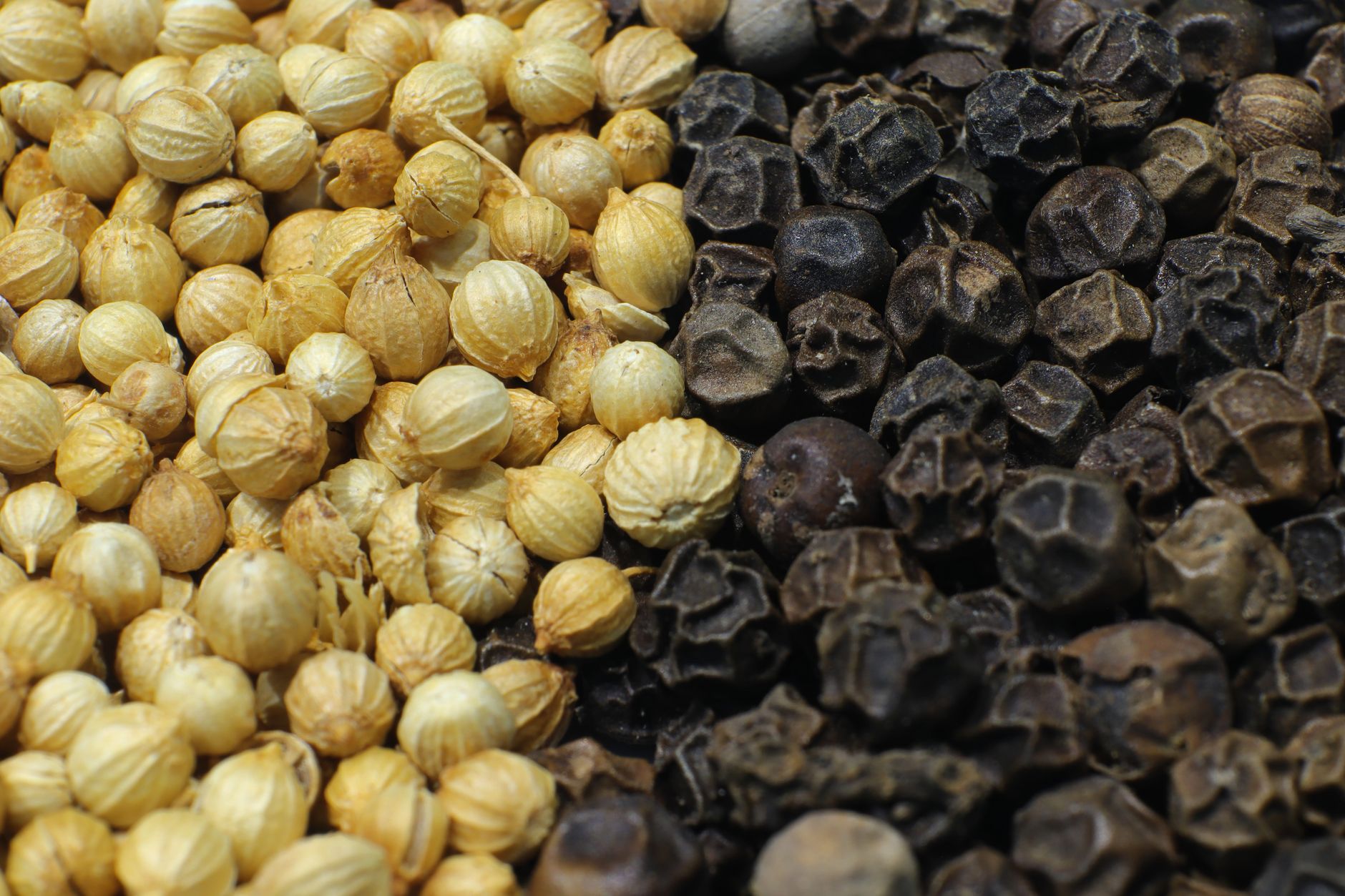
The fruit itself is a globular schizocarp, measuring approximately 3 to 5 millimeters in diameter. When mature, it transitions from a vibrant green to a light golden-brown color, presenting a ribbed surface that contains two single-seeded half-fruits called mericarps. These mericarps are rich in oil ducts (vittae), which synthesize and store the volatile compounds responsible for the spice’s distinctive warm, sweet, citrusy, and slightly woody aroma. The plant thrives in temperate and subtropical climates, preferring well-drained, loamy soils and ample sunlight, which directly influences the concentration and yield of its therapeutic essential oils.
2. Historical Context and Traditional Medicine Systems
The historical footprint of coriander seed spans millennia, weaving through the foundations of human civilization. Archeological excavations have recovered coriander seeds from Pre-Pottery Neolithic B sites in the Nahal Hemar cave in Israel, dating back over 8,000 years, as well as from the ancient Egyptian tomb of Tutankhamun. The Ebers Papyrus, an Egyptian medical treatise dating to roughly 1550 BCE, details the use of coriander for easing digestive complaints and alleviating localized inflammatory pain. In ancient Greece, the physician Hippocrates, along with his successor Dioscorides, documented coriander seeds for their carminative, sedative, and restorative properties, recommending them as a digestive aid and a circulatory stimulant.
Within Traditional Chinese Medicine (TCM), coriander seed—known as Hu Sui—is classified as an herb that releases the exterior, warms the middle jiao (the digestive center), and stimulates the movement of Qi. It was historically administered to treat indigestion, abdominal bloating, and to help drive out pathogens during the early stages of eruptive skin conditions. Similarly, in the Ayurvedic medical system of India, coriander is referred to as Dhanyaka. Ayurveda values coriander seed for its unique ability to pacify all three doshas (Vata, Pitta, and Kapha), a rare attribute among spices. Because it is viewed as inherently cooling despite its digestive-stimulating nature (Deepana and Pachana), Ayurvedic practitioners regularly prescribe coriander infusions to soothe hot, inflammatory digestive conditions, support renal function, and alleviate urinary tract irritations.

3. Chemical Composition and Active Phytochemicals
The therapeutic efficacy of coriander seed is directly attributable to its highly complex phytochemical profile. This profile consists primarily of a volatile essential oil fraction, a fixed fatty acid fraction, and a diverse range of non-volatile phenolic compounds. The essential oil yield typically ranges from 0.3% to 1.5% of the seed’s dry weight, depending heavily on the geographical origin, cultivation practices, and harvesting timeline of the plant.
The primary bioactive compound within the essential oil is linalool, a monoterpene alcohol that frequently accounts for 60% to 75% of the total volatile profile. Linalool is renowned for its potent spasmolytic, antimicrobial, anti-inflammatory, and anxiolytic properties. Accompanying linalool are several secondary monoterpenes and hydrocarbons that act synergistically, including:
- alpha-Pinene and beta-Pinene: Terpenes with notable anti-inflammatory, bronchodilatory, and broad-spectrum antimicrobial properties.
- gamma-Terpinene and p-Cymene: Hydrocarbons that contribute to the antioxidant pool and exhibit strong food-preservative characteristics.
- Camphor and Geraniol: Compounds that support localized circulation, provide mild analgesic effects, and act as powerful pest repellents.
- Limonene: A citrus-scented terpene that enhances gastric motility, protects mucosal linings, and aids detoxification pathways in the liver.
Beyond its volatile oils, coriander seed contains a significant fixed oil fraction (ranging from 15% to 25%), which is exceptionally rich in petroselinic acid. This unique 18-carbon monounsaturated fatty acid constitutes up to 70% of the total fatty acid content. Petroselinic acid is highly valued for its anti-inflammatory, anti-aging, and skin-barrier-protecting properties. Additionally, the seeds are packed with dietary fiber, water-soluble vitamins (such as Vitamin C and B-complex), fat-soluble vitamins (Vitamin A and K), and essential minerals including iron, copper, calcium, potassium, magnesium, and manganese. Phenolic acids—such as caffeic, chlorogenic, gallic, and ferulic acids—alongside flavonoids like quercetin and rutin, form a powerful antioxidant shield that scavenges free radicals throughout the human body.
4. Evidence-Based Health Benefits of Coriander Seed
Optimizing Gastrointestinal Function and Easing Digestive Distress
One of the most established and scientifically validated applications of coriander seed is its role in supporting the digestive system. For centuries, coriander has been used as a carminative agent—an herb that prevents the formation of gas in the gastrointestinal tract and facilitates its expulsion. The primary mechanism underlying this effect is the action of linalool on the smooth muscle tissues of the gut. Linalool acts as a natural spasmolytic, modulating calcium channel activity to inhibit the involuntary muscle spasms that cause abdominal cramping, bloating, and flatulence.
Furthermore, bioactive components within coriander seeds stimulate the gastric mucosa, promoting the secretion of digestive enzymes, bile, and gastric juices. This enzymatic up-regulation accelerates the breakdown of macronutrients, improving overall nutrient absorption and preventing the fermentation of undigested food in the colon. Clinical research indicates that coriander seed extracts can provide significant relief to individuals suffering from Irritable Bowel Syndrome (IBS). A randomized, double-blind, placebo-controlled study demonstrated that patients receiving a standardized coriander-containing preparation experienced a marked reduction in both the frequency and severity of abdominal pain and bloating compared to the placebo group.
Glycemic Regulation and Insulin-Sensitizing Activity
Coriander seed is often referred to in traditional circles as an “anti-diabetic” plant, a reputation that modern endocrinology continues to validate. The hypoglycemic effects of coriander seed are mediated through several distinct physiological mechanisms. In vivo studies demonstrate that aqueous and ethanolic extracts of coriander seeds stimulate the pancreatic beta-cells to increase the synthesis and release of insulin, thereby enhancing systemic glucose clearance.
At the cellular level, active compounds in coriander seeds enhance glucose uptake in peripheral tissues—specifically skeletal muscle and adipose tissue—by up-regulating the expression of glucose transporter-4 (GLUT-4) receptors. Additionally, coriander has been shown to inhibit key enzymes involved in carbohydrate digestion, specifically alpha-glucosidase and alpha-amylase. By slowing down the enzymatic degradation of complex carbohydrates into simple sugars within the small intestine, coriander seed effectively prevents postprandial glucose spikes, making it an invaluable dietary and therapeutic ally for individuals managing Type 2 diabetes or metabolic syndrome.
Cardiovascular Protection and Lipid Management
Cardiovascular disease remains a leading cause of global mortality, with dyslipidemia and oxidative stress serving as major driving factors. Coriander seed offers a multi-targeted pharmacological approach to cardiovascular health. Research shows that coriander seed powder and extracts can significantly lower serum levels of low-density lipoprotein (LDL) cholesterol, very low-density lipoprotein (VLDL) cholesterol, and triglycerides, while simultaneously increasing high-density lipoprotein (HDL) cholesterol—the protective carrier.
The lipid-lowering mechanism of coriander is driven by its ability to modulate hepatic lipid metabolism. It increases the activity of the enzyme lecithin-cholesterol acyltransferase (LCAT), which plays a key role in esterifying free cholesterol and facilitating its transport back to the liver for excretion. Concurrently, coriander compounds enhance the degradation of cholesterol into bile acids, promoting their elimination via the biliary pathway. Additionally, coriander seeds exhibit natural vasodilation properties; by modulating calcium influx in vascular smooth muscles, they help lower peripheral vascular resistance, thereby supporting healthy blood pressure levels.
Systemic Anti-Inflammatory and Analgesic Pathways
Chronic inflammation is the biological driver behind many modern degenerative diseases, including rheumatoid arthritis, cardiovascular decline, and neurodegenerative disorders. The rich array of flavonoids, phenolic acids, and monoterpenes in coriander seed exhibits profound anti-inflammatory activity. These compounds work by inhibiting the nuclear factor-kappa B (NF-kB) signaling pathway, which is responsible for initiating the transcription of pro-inflammatory cytokines such as tumor necrosis factor-alpha (TNF-alpha), interleukin-1 beta (IL-1b), and interleukin-6 (IL-6).
Moreover, coriander seed extracts selectively down-regulate the cyclooxygenase-2 (COX-2) and lipoxygenase (LOX) enzymes. This action suppresses the synthesis of inflammatory prostaglandins and leukotrienes, mimicking the mechanism of action seen in non-steroidal anti-inflammatory drugs (NSAIDs) without the associated gastrointestinal side effects. Localized application of coriander seed essential oil or concentrated extracts has been shown to reduce joint swelling and alleviate pain in arthritic models, demonstrating its potential as a complementary therapy for chronic musculoskeletal inflammatory conditions.
Broad-Spectrum Antimicrobial and Antifungal Activity
With the global rise of antibiotic-resistant pathogens, researchers are increasingly looking to botanical essential oils as viable antimicrobial agents. Coriander seed essential oil has demonstrated exceptional efficacy against a wide range of pathogenic bacteria and fungi. The primary driver of this activity is linalool, which possesses a hydrophobic nature that allows it to easily penetrate and disrupt the lipid bilayer of bacterial cell membranes.
This membrane disruption increases cellular permeability, causing the leakage of critical intracellular components (such as ions and proteins) and ultimately leading to the collapse of the pathogen’s membrane potential and cell death. Studies have confirmed that coriander seed oil is highly effective against foodborne pathogens including Salmonella enterica, Escherichia coli, Listeria monocytogenes, and Staphylococcus aureus. Furthermore, coriander exhibits strong antifungal activity against Candida albicans and various dermatophytes, making it a valuable agent for both food preservation and the topical management of superficial fungal infections.
Anxiolytic, Sedative, and Neuroprotective Properties
In traditional Iranian medicine, coriander seed has long been utilized to calm the nervous system, alleviate insomnia, and manage convulsive disorders. Modern neurological studies support these traditional applications, demonstrating that coriander seed extract possesses significant anxiolytic (anxiety-reducing) and sedative properties. This neuro-active effect is primarily attributed to the interaction of linalool with the central nervous system’s GABAergic pathways.
Linalool binds to and modulates GABA-A receptors, reinforcing the inhibitory actions of gamma-aminobutyric acid (GABA), the brain’s primary calming neurotransmitter. This action produces a relaxing, tranquilizing effect similar to clinical anxiolytics, but with a significantly lower risk of physical dependency or motor impairment. Additionally, the rich antioxidant profile of coriander protects delicate brain tissues from oxidative stress, a primary contributor to cognitive decline, Alzheimer’s disease, and Parkinson’s disease. By scavenging free radicals and suppressing neuro-inflammation, coriander seed helps preserve cognitive function, memory retention, and overall neurological longevity.
5. Modern Supplementation and Pharmacological Forms
To capture the concentrated therapeutic benefits of coriander seed, the natural health industry has developed several distinct supplement formats. While culinary use provides excellent long-term health maintenance, therapeutic protocols often require standardized concentrations of coriander’s active constituents. These modern delivery methods ensure precise dosing, consistent active compound profiles, and targeted absorption pathways.
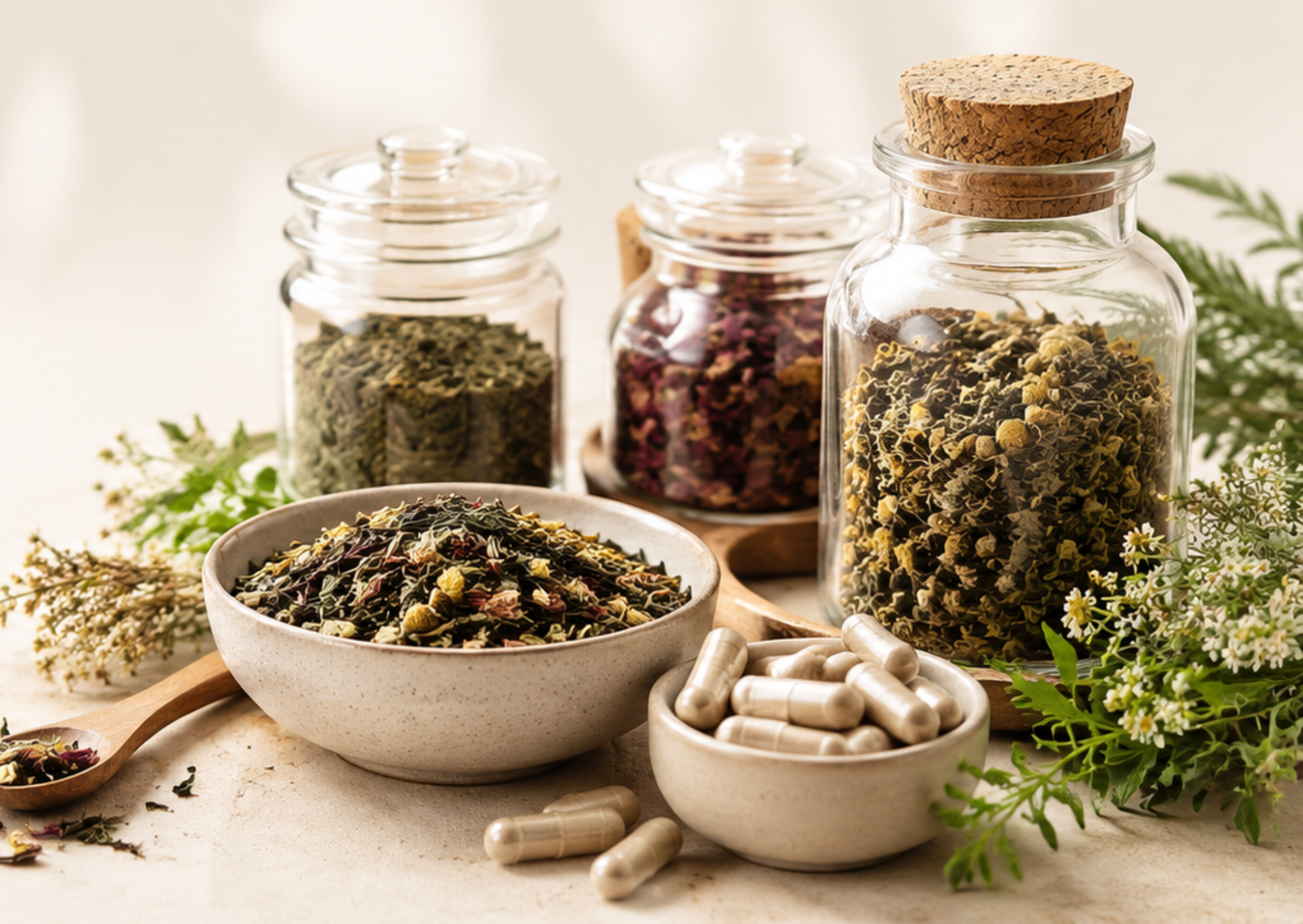
Standardized coriander seed extracts are commonly packaged into convenient capsule formulations. These supplements are designed to deliver a concentrated dose of the active polyphenols and monoterpenes without the necessity of consuming large quantities of the raw seed. For those seeking targeted glycemic, cardiovascular, or digestive support, capsules offer a reliable, highly bioavailable option that can easily fit into a daily supplement regimen.
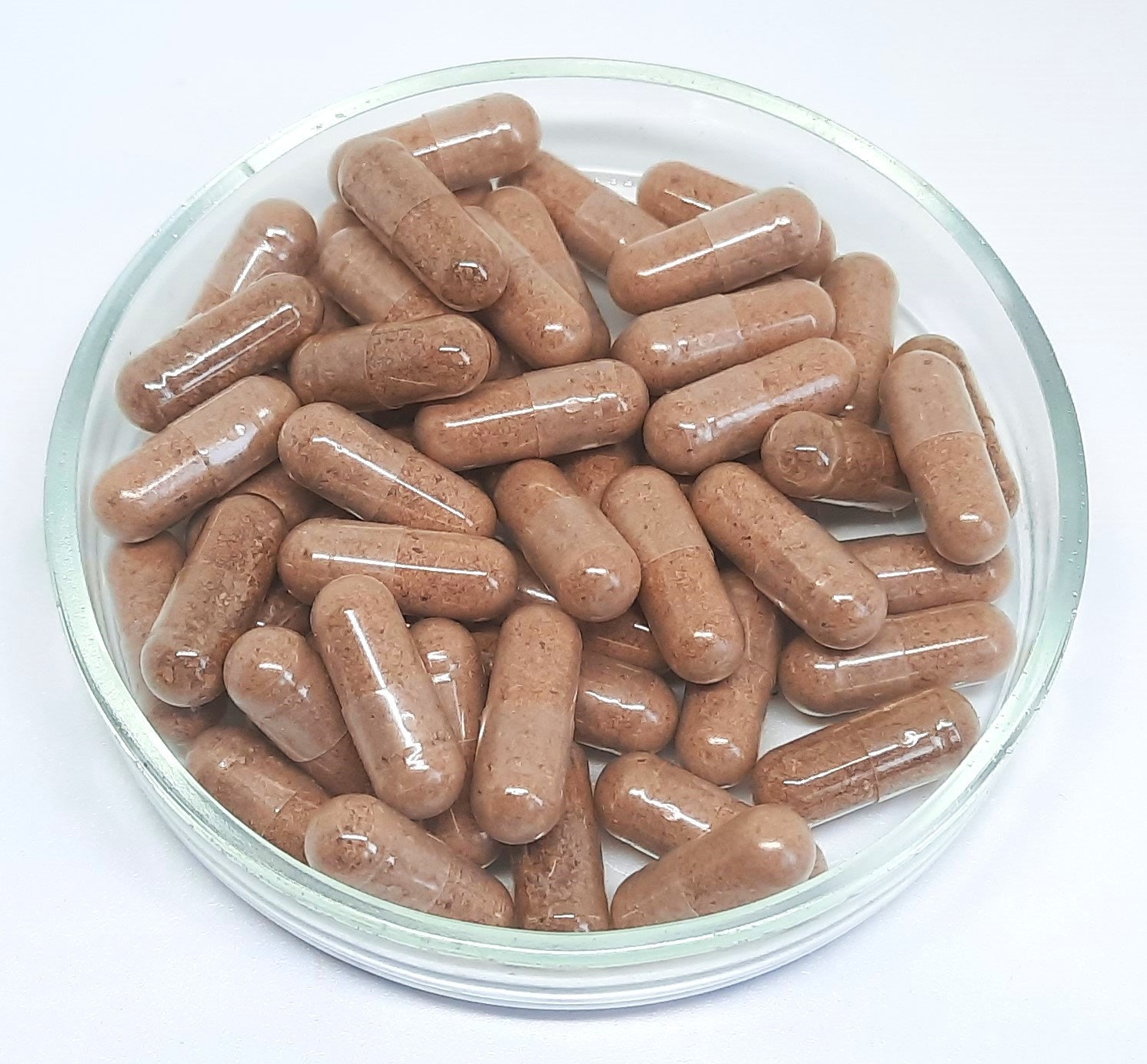
When selecting a coriander seed supplement, consumers should look for products that specify their standardization parameters—such as the percentage of linalool or total polyphenols present. This level of quality control ensures that the supplement contains the precise therapeutic compounds validated in clinical trials, guaranteeing both safety and efficacy.
6. Practical Applications, Culinary Integration, and Dosage
Incorporating coriander seed into your daily routine is simple, rewarding, and highly versatile. Whether utilized as a aromatic culinary spice, brewed into a therapeutic herbal infusion, or taken as a concentrated supplement, coriander can easily adapt to a variety of wellness strategies:
- Culinary Integration: To maximize both the flavor and therapeutic value of coriander seeds, purchase them whole. Lightly toast the dry seeds in a pan over low heat until they release their signature warm, citrusy aroma. This process gently heats the volatile oils, mobilizing the active terpenes. Freshly grind the toasted seeds using a mortar and pestle or a dedicated spice grinder, and add them generously to curries, stews, roasted root vegetables, soups, and marinades.
- Therapeutic Coriander Tea (Infusion): To soothe digestive discomfort or promote systemic antioxidant status, crush one teaspoon of high-quality organic coriander seeds. Place the crushed seeds in a cup, pour 250 ml of freshly boiled water over them, cover the cup to prevent the therapeutic volatile oils from escaping with the steam, and allow it to steep for 10 to 15 minutes. Strain the warm infusion and drink it up to three times daily, preferably 20 minutes before meals.
- Cold Infusion (Ayurvedic Dhanyak Hima): For individuals experiencing internal heat, acid reflux, or inflammatory digestive symptoms, Ayurveda recommends a cold infusion. Soak one tablespoon of crushed coriander seeds in a cup of room-temperature water overnight. In the morning, strain the liquid, add a small touch of natural sweetener if desired, and drink it on an empty stomach for a cooling, soothing effect on the gastrointestinal tract.
7. Safety, Potential Side Effects, and Contraindications
Coriander seed has a long history of safe use and is generally recognized as safe (GRAS) by global food and drug safety authorities when consumed in typical dietary amounts. However, because of its concentrated pharmacological activities, certain precautions should be observed when using it in therapeutic or supplemental doses:
- Hypoglycemia Risk: Due to its potent ability to lower blood glucose levels, individuals diagnosed with Type 2 diabetes who are currently taking oral hypoglycemic medications (such as metformin or sulfonylureas) or using insulin should closely monitor their blood sugar levels when introducing therapeutic doses of coriander. The combination may trigger an additive effect, potentially leading to hypoglycemia (dangerously low blood sugar).
- Hypotension Risk: Because coriander seed can lower peripheral vascular resistance and promote vasodilation, individuals taking prescription antihypertensive medications should use caution. Combining large, therapeutic doses of coriander with blood pressure-lowering drugs may lead to mild dizziness or hypotension.
- Allergic Sensitivities: While rare, individuals who have known allergies to other members of the Apiaceae botanical family (such as celery, fennel, cumin, caraway, or anise) may exhibit cross-sensitivity to coriander. If you experience signs of an allergic reaction—such as localized skin rashes, itching, or respiratory irritation—discontinue use immediately.
- Pregnancy and Surgery: While standard culinary amounts of coriander are completely safe during pregnancy and lactation, concentrated therapeutic extracts and essential oils should be avoided due to a lack of safety data regarding high-dose exposure on fetal development. Additionally, because coriander may influence blood glucose levels and blood clotting dynamics, it is recommended to discontinue therapeutic coriander supplementation at least two weeks prior to any scheduled surgical procedures.
Conclusion
Coriander seed stands as a remarkable bridge between ancient healing wisdom and modern clinical validation. From its roots in ancient Egyptian tombs and Ayurvedic healing systems to contemporary research laboratories, this humble spice has proven itself to be a powerful, multi-targeted therapeutic agent. Its rich chemical profile—anchored by the versatile monoterpene linalool and the unique petroselinic acid—enables it to support digestive function, assist in glycemic regulation, protect cardiovascular pathways, reduce systemic inflammation, and soothe the nervous system.
By thoughtfully integrating coriander seed into your daily diet, enjoying it as a soothing herbal tea, or incorporating standardized capsules into your supplement routine, you can harness its extensive therapeutic benefits. As with any potent botanical agent, individuals with pre-existing medical conditions or those taking prescription medications should consult with a qualified healthcare provider to ensure coriander seed is integrated safely and effectively into their personalized wellness plan.
Disclaimer: For informational purposes only. Not medical advice. Consult a qualified healthcare professional before use.