

The Definitive Guide to Flax Seed: Botanical Properties, Bioactive Compounds, and Therapeutic Benefits
Flax seed, botanically classified as Linum usitatissimum, represents one of the oldest and most nutritionally dense cultivated crops in human history. The Latin name itself, translating literally to “most useful,” highlights the historical and practical value of this remarkable plant. Historically cultivated for both its exceptionally strong fibers and its nutrient-dense seeds, flax has transitioned from an ancient agricultural staple to a modern functional food. Today, rigorous clinical trials and biochemical analyses have validated many of its traditional applications, revealing a complex matrix of bioactive compounds that support cardiovascular health, optimize gastrointestinal function, modulate hormonal pathways, and mitigate chronic systemic inflammation. This comprehensive guide explores the botanical origin, chemical architecture, systemic therapeutic properties, and practical clinical applications of flax seed.
Botanical Overview and Morphological Characteristics
The flax plant, Linum usitatissimum, belongs to the family Linaceae. It is an herbaceous annual that thrives in temperate and subtropical regions across the globe, particularly in the northern plains of North America, parts of Europe, and Western Asia. The plant features slender, erect stems that typically reach a height of 80 to 120 centimeters. Its leaves are alternate, linear-lanceolate, and grayish-green, while its flowers are notoriously striking, exhibiting a delicate, pale-blue to sky-blue color with five petals. These flowers open at dawn and typically shed their petals by midday, giving way to the development of a small, globular, five-chambered capsule containing the seeds.
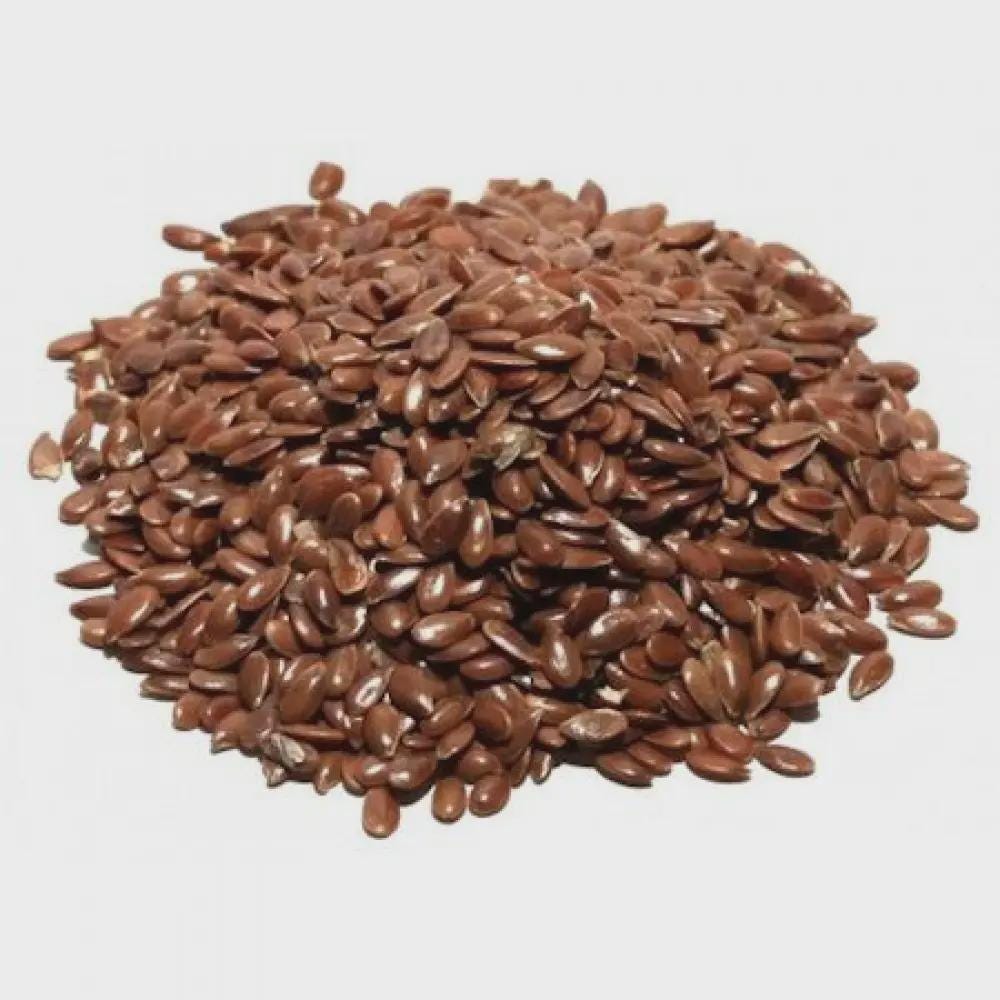
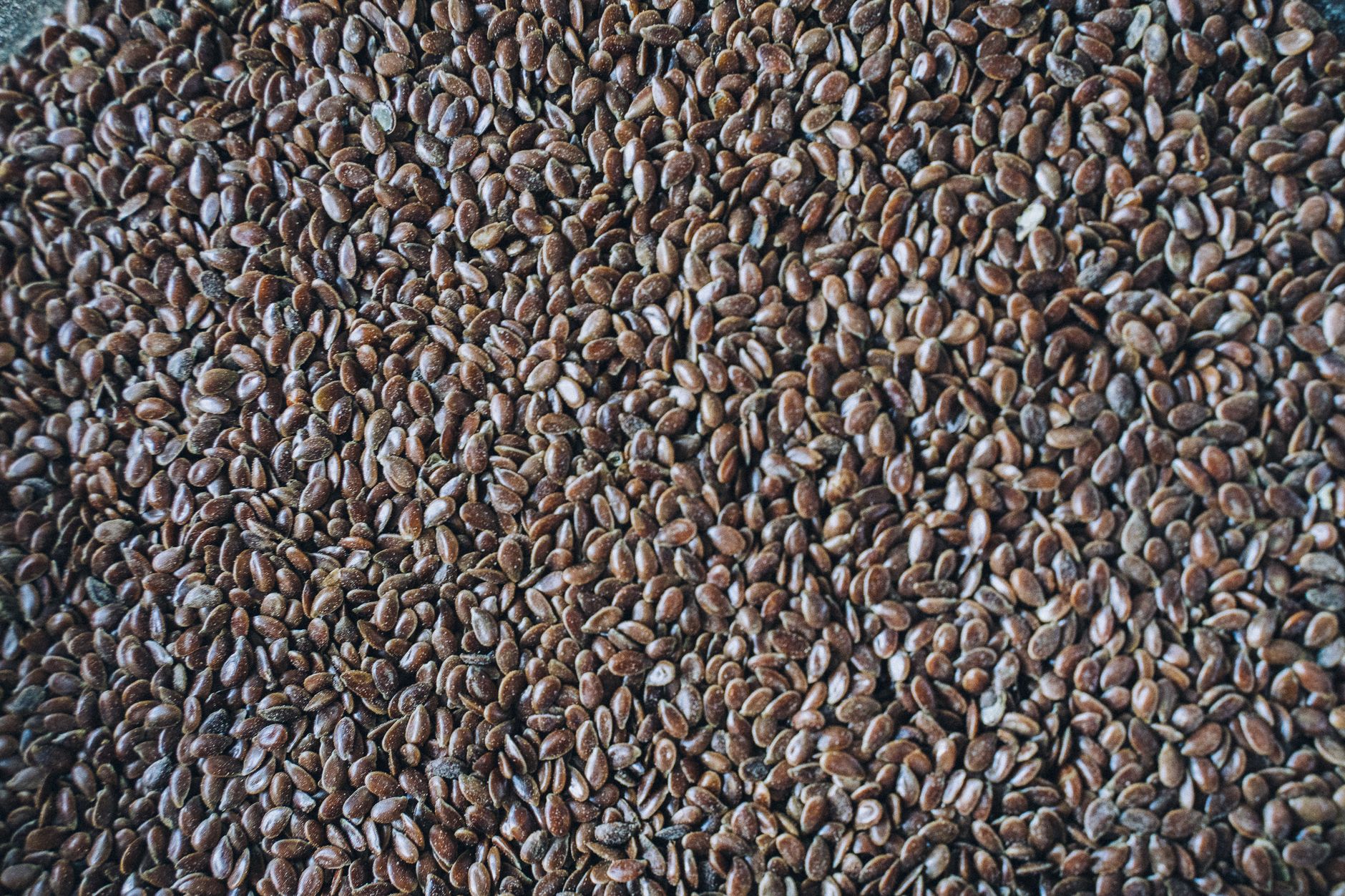
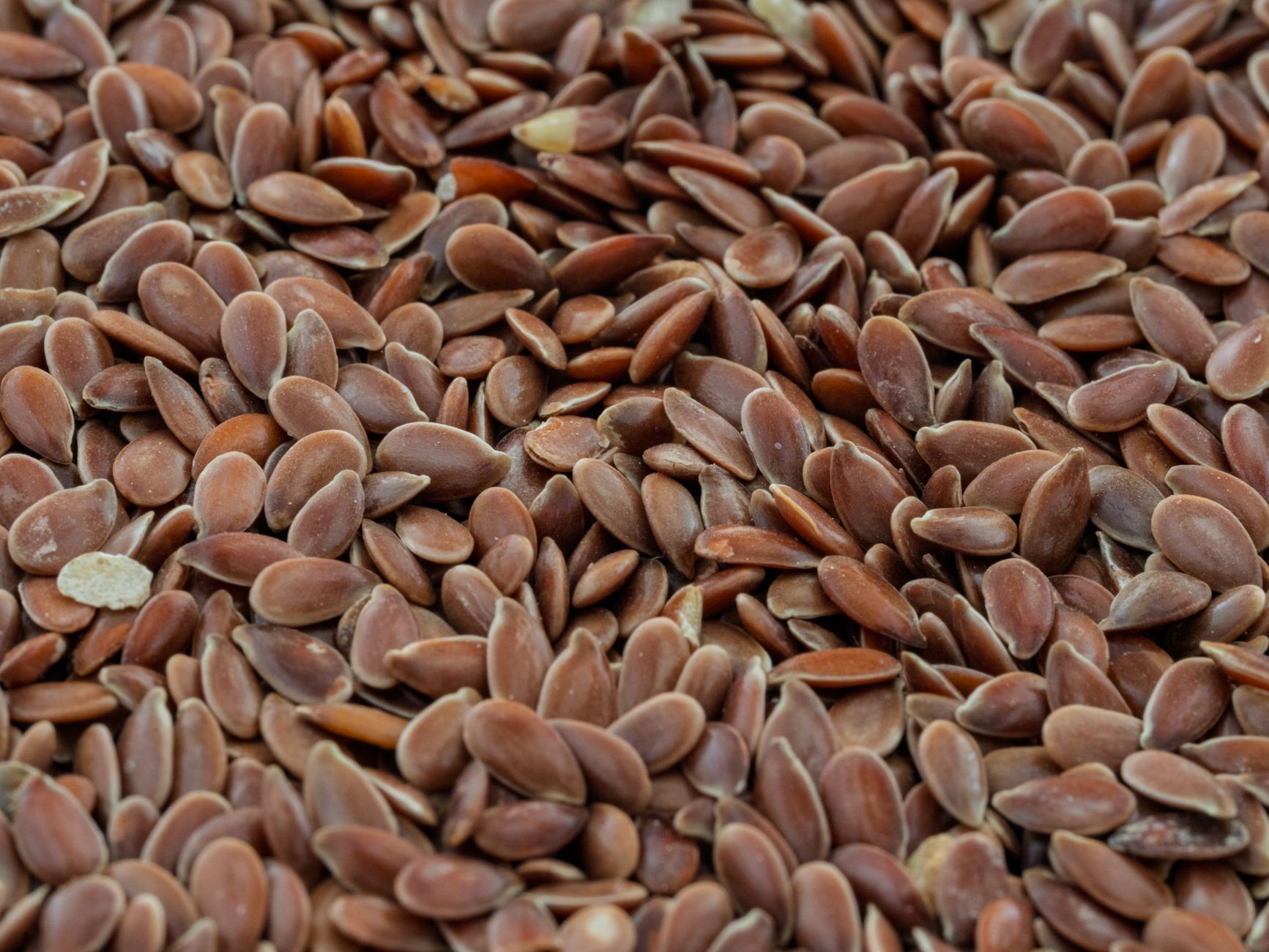
The seeds themselves are small, flat, and oval-shaped with a smooth, glossy exterior. They feature a pointed apex and range in color from golden-yellow to deep reddish-brown, depending on the specific cultivar. Biochemically, the differences between golden and brown flax seeds are minimal; both varieties contain comparable profiles of essential fatty acids, dietary fiber, and polyphenolic compounds. The seed coat, or testa, is highly mucilaginous, containing a specialized layer of cells that swell significantly when exposed to moisture. This unique physical property plays a key role in the plant’s ecological survival and contributes substantially to its therapeutic applications in human digestive health.

Understanding the botanical structure of the seed is essential for maximizing its nutritional availability. The outer hull of the flax seed is exceptionally tough and highly resistant to enzymatic breakdown within the human digestive tract. Consequently, consuming whole, unground flax seeds often results in them passing through the alimentary canal completely intact, preventing the absorption of their internal lipid-soluble nutrients and bioactive phytochemicals. To unlock the dense concentrations of omega-3 fatty acids, proteins, and lignans housed within the endosperm and cotyledons, the mechanical disruption of this outer hull via grinding is clinically necessary.
Historical Context and Traditional Ethnobotanical Uses
The ethnobotanical history of Linum usitatissimum spans thousands of years, tracing back to the dawn of organized human agriculture. Archaeological evidence indicates that flax was cultivated in the Fertile Crescent as early as 7,000 BCE. Ancient Egyptian civilizations prized the plant not only for its oil but also for its fibers, which were spun into fine linen used to wrap mummies—a testament to its durability and natural antimicrobial properties. In the classic Greco-Roman era, prominent medical figures such as Hippocrates and Galen documented the therapeutic applications of flax seed, prescribing it as an effective remedy for relieving mucosal inflammation, soothing irritated gastrointestinal tracts, and treating respiratory congestions.
In traditional Indian Ayurvedic medicine, flax seed, known as Alsi, has long been regarded as an important therapeutic agent. Ayurvedic practitioners utilize its warming, demulcent properties to balance internal humors, support bowel regularity, and alleviate dry skin conditions. Similarly, in traditional European herbalism, cold-macerated flax seed preparations were frequently applied as poultices to treat localized skin infections, abscesses, and minor wounds, capitalizing on the mucilage’s ability to draw out impurities and reduce local inflammation.
As industrial agricultural practices advanced through the 19th and 20th centuries, flax oil found extensive industrial use in paints, varnishes, and linoleum production due to its rapid drying properties (a result of high unsaturated fatty acid content). However, the late 20th century witnessed a major scientific renaissance regarding the seed’s nutritional profile. Clinical research pivoted away from its industrial applications to investigate its potential in preventing chronic degenerative diseases. Today, flax seed is globally recognized as a cornerstone functional food, bridging the gap between ancient preventative botanical traditions and modern evidence-based nutritional science.
Chemical Composition and Bioactive Compounds
The remarkable health benefits of flax seed are directly attributable to its highly complex and synergistic chemical matrix. Unlike many other grains and oilseeds, flax seed possesses an exceptionally high concentration of three primary bioactive components: alpha-linolenic acid (ALA), phytoestrogenic lignans, and soluble mucilaginous fiber. A detailed analysis of these components reveals the molecular mechanisms through which flax seed exerts its physiological effects.
Alpha-Linolenic Acid (ALA) and Lipid Profile
Flax seed is one of the richest plant-based sources of alpha-linolenic acid (ALA), an essential eighteen-carbon omega-3 polyunsaturated fatty acid. Lipids make up approximately 35% to 45% of the total seed weight, and of this lipid fraction, ALA typically constitutes 50% to 60%. Upon consumption, dietary ALA serves as a precursor for the endogenous synthesis of longer-chain omega-3 fatty acids, namely eicosapentaenoic acid (EPA) and docosahexaenoic acid (DHA), via a cascade of desaturase and elongase enzymes.
Although the rate of conversion of ALA to EPA and DHA in humans is relatively low—typically estimated at 5% to 15% for EPA and less than 5% for DHA—ALA itself exerts distinct, independent cardioprotective and anti-inflammatory activities. It incorporates directly into cell membranes, altering membrane fluidity, modulating ion channel activities, and competing with arachidonic acid (an omega-6 fatty acid) as a substrate for the cyclooxygenase (COX) and lipoxygenase (LOX) pathways. This metabolic competition results in a reduced production of pro-inflammatory eicosanoids and an increased synthesis of less inflammatory, protective signaling molecules.
Phytoestrogenic Lignans (Secoisolariciresinol Diglucoside)
Lignans are a diverse group of diphenolic compounds structurally similar to human 17beta-estradiol. Flax seed is the richest known dietary source of lignans, containing up to 800 times more than other plant foods. The primary lignan precursor found in flax seed is secoisolariciresinol diglucoside (SDG). Upon ingestion, intestinal microflora in the colon hydrolyze and metabolize SDG into the mammalian lignans enterodiol and enterolactone.
These enterolignans act as selective estrogen receptor modulators (SERMs), meaning they can exhibit both weak estrogenic and anti-estrogenic activities depending on the level of endogenous circulating estrogens. In states of high estrogen (such as premenopausal women), enterolignans competitively bind to estrogen receptors, dampening excessive estrogenic signaling. Conversely, in low-estrogen states (such as postmenopausal women), they exert a mild estrogenic effect, helping to alleviate symptoms of estrogen deficiency. Furthermore, SDG and its metabolites act as potent free radical scavengers, demonstrating significant antioxidant capacity that helps protect cellular membranes and DNA from oxidative stress.
Dietary Fiber Architecture: Soluble and Insoluble Fractions
Dietary fiber accounts for approximately 25% to 30% of the total mass of the flax seed, maintaining an optimal ratio of roughly one-third soluble fiber to two-thirds insoluble fiber. The soluble fiber fraction is primarily comprised of mucilage, a complex, high-molecular-weight polysaccharide made up of arabinoxylans and rhamnogalacturonans. When exposed to water, this mucilage forms a highly viscous, cohesive gel. This gel slows gastric emptying, delays intestinal transit time, and interferes with the micellar absorption of dietary cholesterol and bile acids in the small intestine.
The insoluble fiber fraction, comprised mainly of cellulose, hemicellulose, and lignin, provides structural bulking to the fecal mass. By absorbing water within the large intestine, insoluble fiber increases stool volume and stimulates peristalsis, promoting efficient and regular bowel movements. Together, these fiber fractions play a vital role in optimizing metabolic markers, stabilizing postprandial glucose excursions, and supporting a diverse, balanced gut microbiome.
Comprehensive Clinical and Therapeutic Health Benefits
Decades of clinical research have validated the therapeutic potential of flax seed in managing and preventing various chronic, non-communicable diseases. Its multifaceted mechanism of action touches several physiological systems.
Cardiovascular Protection and Lipid Regulation
Cardiovascular disease remains a leading cause of global mortality, and dietary interventions using flax seed have shown remarkable efficacy in mitigating key cardiovascular risk factors. Clinical trials consistently demonstrate that regular consumption of ground flax seed can significantly lower serum total cholesterol and low-density lipoprotein (LDL) cholesterol levels. The primary mechanism driving this lipid-lowering effect is the soluble mucilage fiber. By binding to bile acids in the intestinal lumen, the mucilage prevents their reabsorption and forces their excretion in the feces. To compensate for this loss of bile acids, the liver must upregulate the conversion of endogenous cholesterol into new bile acids, thereby increasing LDL receptor expression on hepatocytes and clearing circulating LDL cholesterol from the bloodstream.
Furthermore, flax seed consumption has been linked to clinically significant reductions in both systolic and diastolic blood pressure. This antihypertensive effect is partially mediated by the high ALA content, which promotes the synthesis of vasodilatory nitric oxide and downregulates the activity of the renin-angiotensin-aldosterone system. Additionally, the anti-inflammatory properties of ALA and SDG reduce the systemic expression of adhesion molecules, such as vascular cell adhesion molecule-1 (VCAM-1) and intercellular adhesion molecule-1 (ICAM-1), thereby preventing leukocyte adhesion to the vascular endothelium and inhibiting the progression of atherosclerotic plaques.
Gastrointestinal Health and Microbiome Modulation
The unique structural characteristics of flax seed fiber make it a premier dietary tool for supporting gastrointestinal wellness. For individuals suffering from chronic constipation, the combination of soluble mucilage and insoluble structural fiber acts as a highly effective, non-habit-forming laxative. The mucilage lubricates the intestinal wall, facilitating the smooth passage of stool, while the insoluble fiber adds bulk, reducing colonic transit time. This dual-action mechanism is equally beneficial for managing symptoms of irritable bowel syndrome (IBS), where it helps normalize stool consistency and soothe inflamed mucosal linings.
Moreover, flax seed serves as an excellent prebiotic substrate. The complex polysaccharides in flax fiber are resistant to upper digestive enzymes and reach the colon intact. Here, they undergo anaerobic fermentation by beneficial commensal bacteria, such as Bifidobacterium and Lactobacillus species. This fermentation process produces short-chain fatty acids (SCFAs), specifically acetate, propionate, and butyrate. SCFAs serve as the primary energy source for colonocytes, reinforce the integrity of the intestinal mucosal barrier, maintain an acidic colonic pH that discourages pathogenic colonization, and exert systemic immunomodulatory and anti-inflammatory activities throughout the body.
Endocrine Support, Glycemic Control, and Metabolic Health
Flax seed plays a valuable role in supporting glycemic control and metabolic homeostasis. The viscous gel formed by the soluble fiber slows down the enzymatic digestion of starches and delays the absorption of glucose across the brush border membrane of the enterocytes. This mechanical slowing results in a more gradual rise in blood glucose levels postprandially, reducing the demand on pancreatic beta-cells to secrete insulin and improving overall insulin sensitivity over time.
Additionally, clinical studies suggest that the antioxidant and anti-inflammatory properties of flax lignans contribute to the reduction of systemic oxidative stress, which is a major driver of insulin resistance and metabolic syndrome. By reducing systemic inflammation markers, such as C-reactive protein (CRP) and tumor necrosis factor-alpha (TNF-alpha), flax seed helps break the pathological cycle of metabolic dysfunction, offering protective benefits for individuals with prediabetes and type 2 diabetes mellitus.
Hormonal Balance and Oncology Research
The high concentration of phytoestrogenic lignans in flax seed has generated significant clinical interest in the field of endocrinology and oncology. Because enterolactone and enterodiol can competitively bind to estrogen receptors, they act as natural modulators of hormone activity. In postmenopausal women, ground flax seed has been shown to reduce the severity and frequency of hot flashes and other vasomotor symptoms associated with ovarian senescence, providing a safe, natural alternative to hormone replacement therapy (HRT).
Furthermore, epidemiological and clinical studies suggest that high dietary intake of flax seed lignans is associated with a reduced risk of hormone-sensitive cancers, particularly breast and prostate cancers. In breast cancer research, enterolignans have been observed to downregulate the expression of estrogen-responsive genes, inhibit tumor cell proliferation, and stimulate the hepatic synthesis of sex hormone-binding globulin (SHBG), which binds free circulating estrogens and lowers their biological availability. In men, flax seed consumption has been associated with decreased prostate-specific antigen (PSA) levels and reduced rates of tumor cell proliferation in localized prostate cancer, showcasing its potential as a supportive dietary intervention in oncological care.
Flax Seed Formats: Whole, Ground, Oil, and Capsules
When incorporating flax seed into a therapeutic regimen, choosing the appropriate format is essential, as the bioavailability and chemical stability of the bioactive compounds vary significantly across different preparations.
As discussed, whole flax seeds are highly resistant to digestion; while they provide excellent insoluble roughage, their internal nutrients remain largely unabsorbed. Ground flax seed, also referred to as flax meal, is widely considered the gold standard for comprehensive nutritional support. Grinding breaks open the tough outer hull, making the omega-3 fatty acids, protein, lignans, and soluble fibers fully accessible for digestion and absorption. However, ground flax seed is highly susceptible to lipid peroxidation due to the exposure of its unsaturated fatty acids to light, oxygen, and heat. To preserve its nutritional integrity, ground flax seed must be stored in airtight, opaque containers within a refrigerator or freezer.
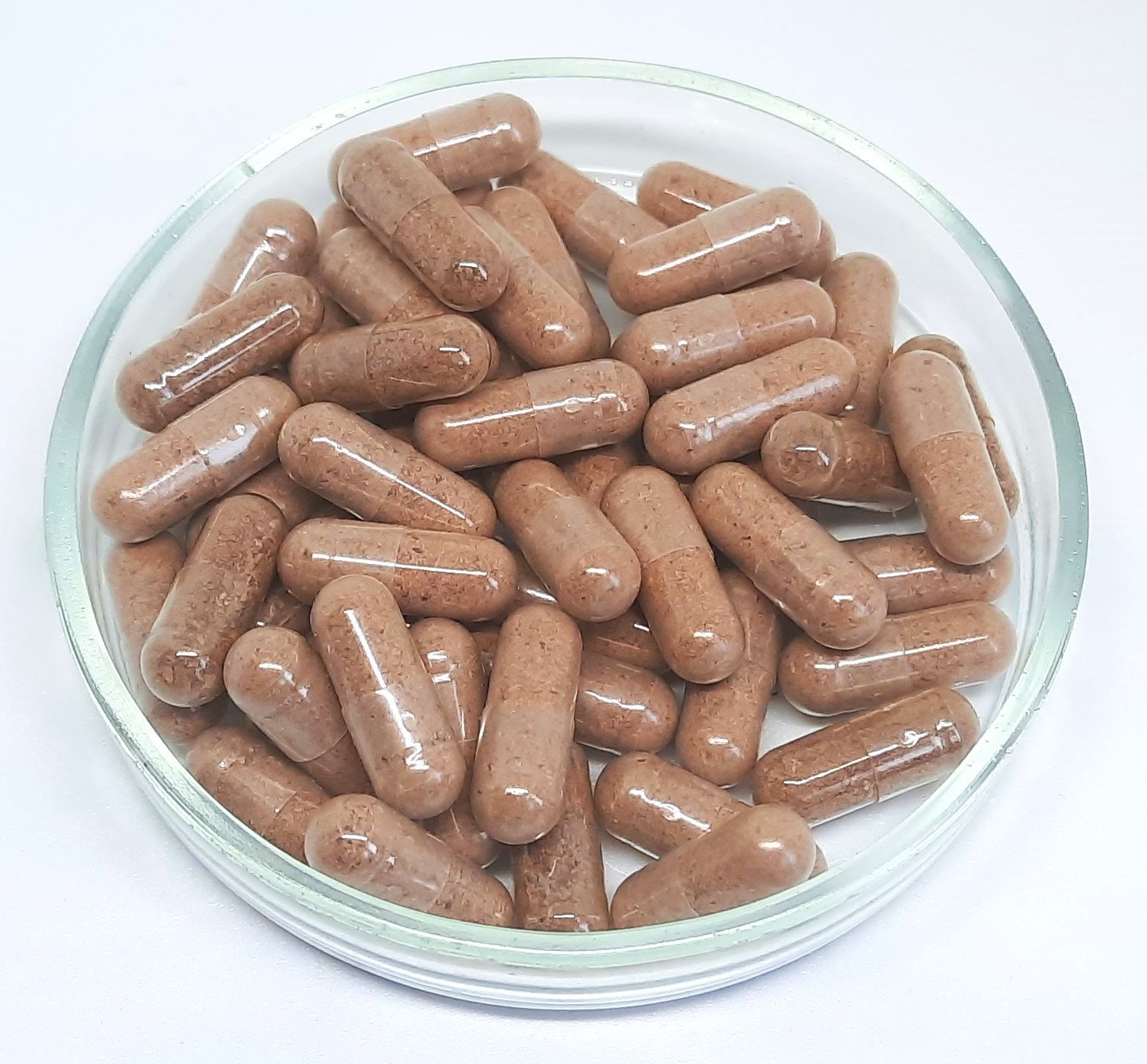
Flax seed oil is obtained by cold-pressing the seeds to extract the lipid fraction. This concentrated oil offers an exceptionally high dose of ALA per serving, making it an excellent anti-inflammatory supplement. However, flax seed oil contains absolutely no dietary fiber and virtually no lignans, as these compounds remain bound within the solid cake of the seed coat during the pressing process. For individuals specifically seeking targeted omega-3 supplementation without the added fiber, flax seed oil capsules provide a convenient, highly bioavailable, and oxidation-protected alternative. These gelatin or vegetarian capsules protect the sensitive oil from atmospheric oxygen, ensuring a shelf-stable and precise daily dose of essential fatty acids.
Dosage, Selection, Preparation, and Safety Considerations
To safely maximize the therapeutic benefits of flax seed, close attention must be paid to preparation techniques, daily dosages, and potential contraindications. The following table provides a comprehensive overview of recommended daily intakes based on therapeutic goals:
- General Nutritional Maintenance: 1 to 2 tablespoons (approx. 10 to 20 grams) of ground flax seed daily.
- Cardiovascular and Lipid Management: 2 to 4 tablespoons (approx. 20 to 40 grams) of ground flax seed daily, divided into two doses.
- Gastrointestinal Regularity: 1 to 2 tablespoons of ground flax seed consumed with at least 8 ounces of water, twice daily.
- Targeted Omega-3 Supplementation: 1,000 to 2,000 mg of cold-pressed flax seed oil in capsule form daily.
When initiating flax seed therapy, it is clinically advisable to begin with a low dose (e.g., half a tablespoon daily) and gradually increase the amount over several weeks. This allows the gastrointestinal tract and microbiome to adapt to the increased fiber load, minimizing temporary side effects such as abdominal bloating, flatulence, and mild cramping.
Proper hydration is absolutely critical when consuming ground flax seed. Because the soluble mucilage fiber is highly hydrophilic, it draws significant volumes of water from the digestive tract to form its viscous gel. If ground flax seed is consumed with insufficient fluids, it can expand prematurely in the esophagus or intestines, potentially leading to dehydration, exacerbated constipation, or, in rare cases, physical bowel obstruction. Consuming at least 8 to 10 ounces of water alongside every tablespoon of ground flax seed is a fundamental safety requirement.
Additionally, flax seed contains small, trace amounts of naturally occurring antinutrients, such as phytic acid and cyanogenic glycosides. Phytic acid can bind to essential minerals like iron, zinc, and calcium, slightly reducing their absorption. Cyanogenic glycosides, when metabolized, can release trace amounts of hydrogen cyanide. However, extensive clinical research has demonstrated that the human body can safely detoxify the trace levels of cyanide produced by standard culinary intakes of up to 50 grams of raw flax seed daily. Furthermore, cooking or baking with ground flax seed denatures the enzymes responsible for releasing cyanide, rendering the compounds completely harmless. To optimize mineral absorption, individuals can also soak or sprout the seeds prior to consumption, which significantly degrades phytic acid levels.
Certain patient populations should exercise caution when incorporating therapeutic doses of flax seed. Due to its mild phytoestrogenic properties, pregnant or lactating women should consult their obstetrician before consuming large, supplemental quantities of flax seed or concentrated flax lignan extracts. Furthermore, because of the high viscous fiber content, ground flax seed can potentially delay or reduce the absorption of oral medications. To prevent drug-nutrient interactions, it is highly recommended to administer oral prescription medications at least one hour before or two hours after consuming significant quantities of ground flax seed.
Conclusion: Integrating Flax Seed into a Modern Wellness Regimen
In conclusion, Linum usitatissimum stands as a premier functional food that seamlessly bridges ancient herbal wisdom with contemporary, evidence-based nutritional science. Its unique chemical triad of alpha-linolenic acid, phytoestrogenic lignans, and complex soluble and insoluble fibers enables it to deliver systemic, multi-organ health benefits. From reducing cardiovascular disease markers and modulating hormonal balance to optimizing gut microbiome diversity and promoting metabolic health, the therapeutic versatility of flax seed is virtually unmatched in the plant kingdom.
Whether utilized as ground meal stirred into morning oatmeal, taken as encapsulated cold-pressed oil for targeted inflammatory control, or integrated into baked goods, flax seed represents an exceptionally cost-effective, accessible, and scientifically validated tool for proactive health management. By adhering to proper preparation, storage, and hydration practices, individuals can safely harness the full healing potential of this ancient, “most useful” botanical treasure.
Disclaimer: For informational purposes only. Not medical advice. Consult a qualified healthcare professional before use.