The Definitive Guide to Wild Carrot Seed: Scientific Benefits, Bioactive Profiles, and Botanical Applications
Wild Carrot (Daucus carota), commonly known as Queen Anne’s Lace, is a flowering plant in the family Apiaceae that has captured the attention of ethnobotanists, herbalists, and modern pharmacologists alike. While the cultivated carrot we consume today is a direct descendant of this resilient wild wildflower, the therapeutic profile of Wild Carrot, particularly its seeds, is remarkably unique. Unlike the sweet, taproot-focused domestic variety, the wild ancestor concentrates its chemical defenses and medicinal properties within its tiny, spiny seeds.
For centuries, traditional cultures have utilized wild carrot seeds to address a diverse spectrum of health concerns, ranging from digestive distress and renal stones to fertility management and skin rejuvenation. Today, advanced chromatography and pharmacological studies are beginning to validate these historical applications, revealing a complex matrix of essential oils, sesquiterpenes, and phenolic compounds. This comprehensive guide provides an exhaustive, evidence-based exploration of wild carrot seed, analyzing its botanical characteristics, historical context, chemical composition, therapeutic benefits, and practical applications.
1. Botanical Profile and Characteristics of Daucus carota
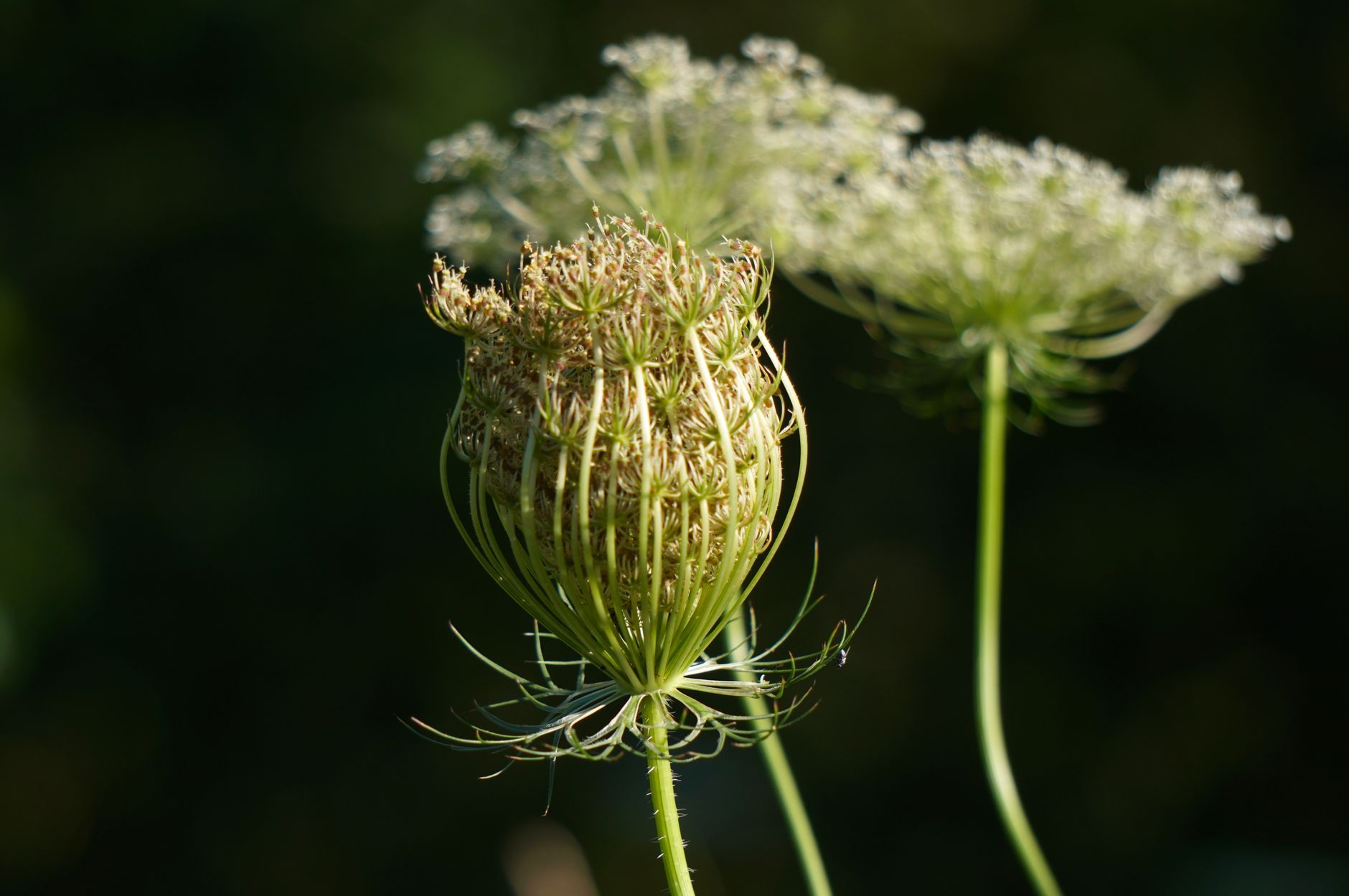
To fully appreciate the therapeutic capacity of wild carrot seed, one must first understand the plant’s biological structure and life cycle. Daucus carota is a biennial herb native to temperate regions of Europe and Southwest Asia, though it has naturalized extensively across North America and Australia. In its first year, the plant produces a rosette of finely divided, fern-like leaves and a small, woody white taproot with a distinct carrot scent. In its second year, it sends up a hairy, erect stem that can reach up to one meter in height, topped by flat, lace-like compound umbels of tiny white flowers.
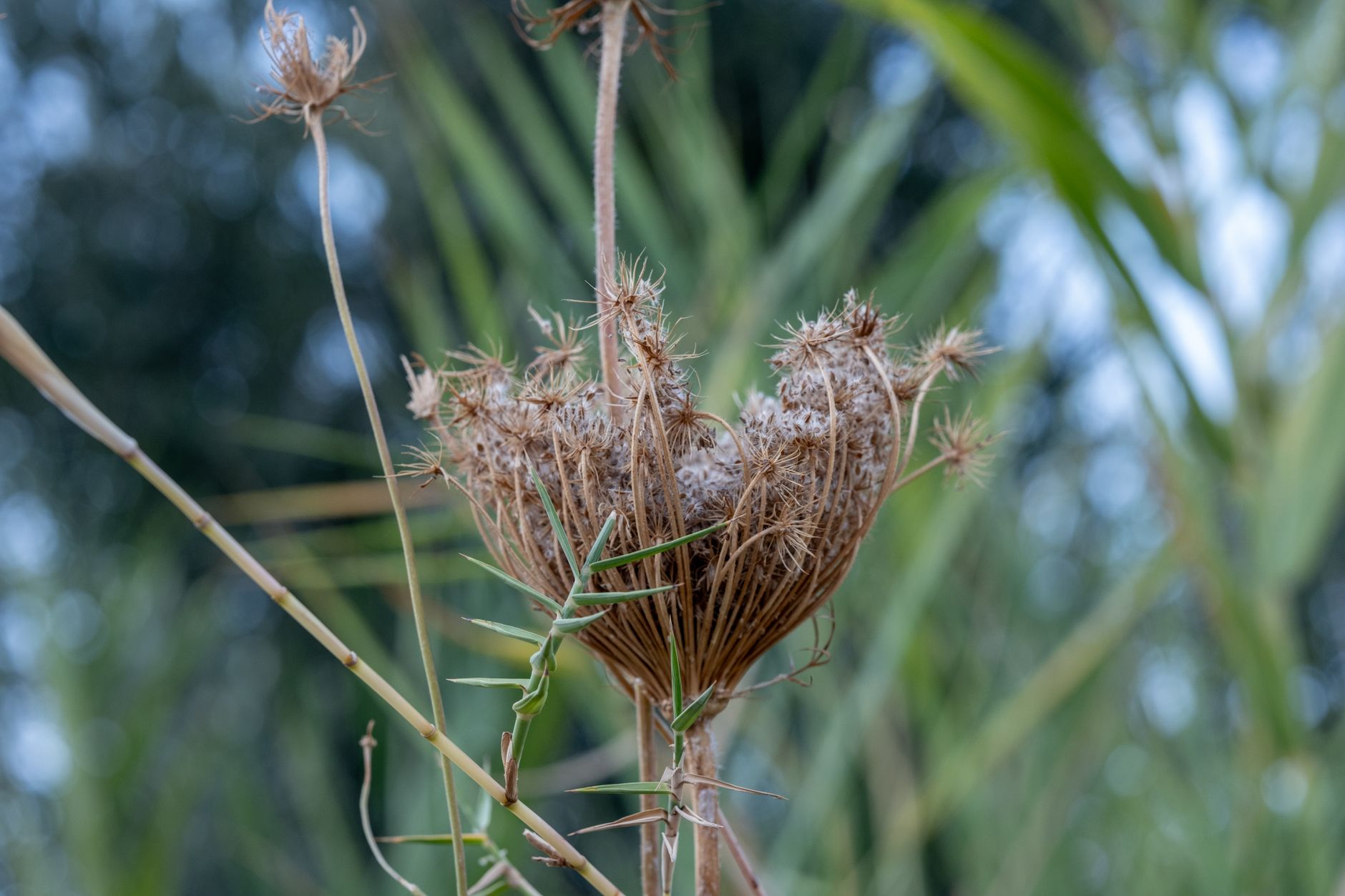
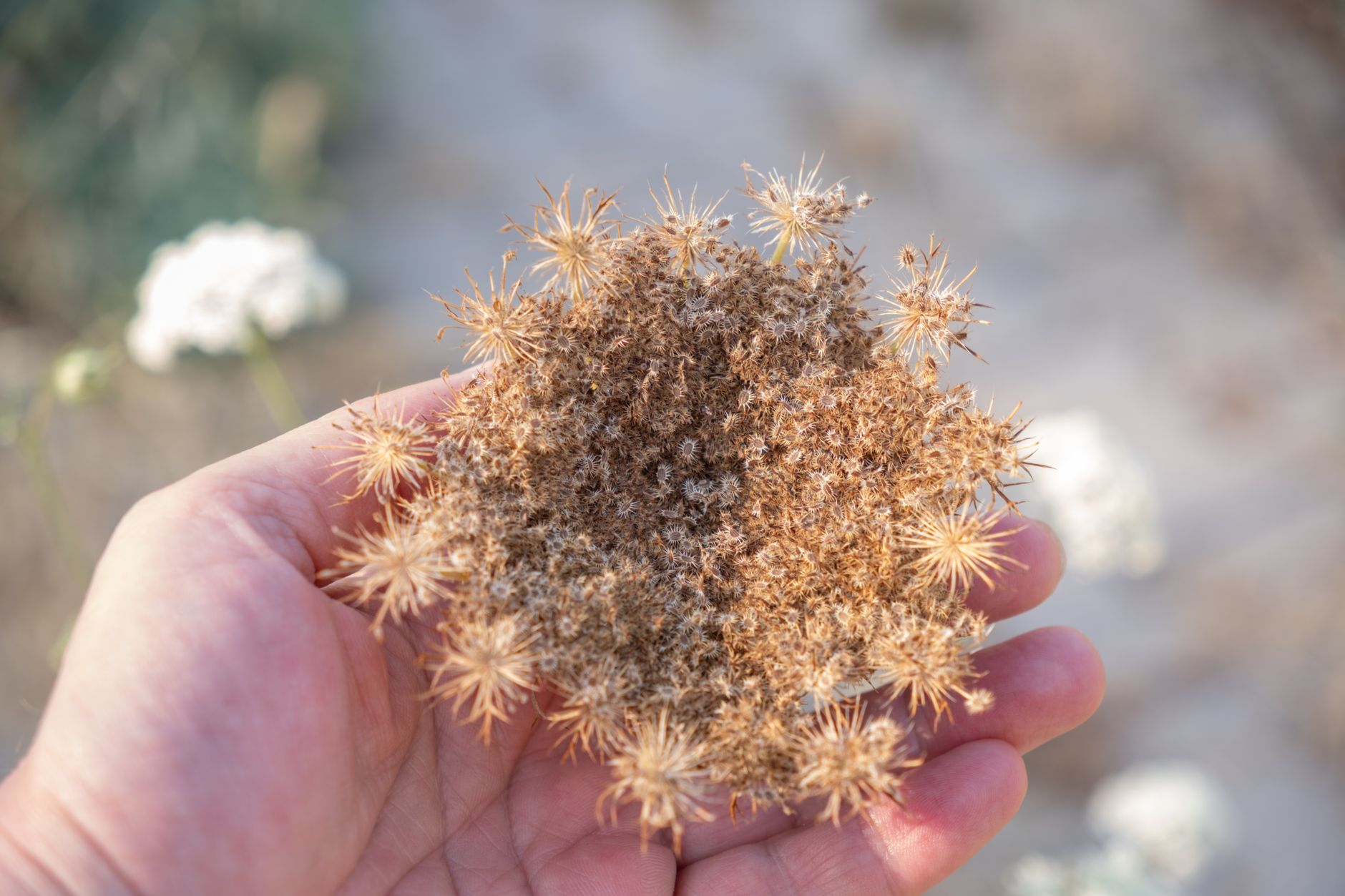
A defining botanical feature of the wild carrot umbel is the presence of a single, dark red or purple flower at its exact center. According to folklore, this dark droplet represents a drop of blood spilled when Queen Anne of England pricked her finger while tatting lace. Biologically, this dark spot is believed to attract insect pollinators by mimicking the presence of an insect already on the flower head. As the seeds mature, the entire umbel curls inward, forming a tight, concave structure reminiscent of a bird’s nest. This adaptation protects the ripening seeds until they are dispersed by the wind or by clinging to passing animals using the microscopic hook-like spines that coat their outer surfaces.
Distinguishing Daucus carota from its botanical relatives is a critical skill for wildcrafters and herbalists. The Apiaceae family contains several highly toxic species, most notably Poison Hemlock (Conium maculatum) and Water Hemlock (Cicuta douglasii). While wild carrot features hairy stems, a distinct carrot aroma, and tri-pinnate leaves, poison hemlock features completely hairless, purple-splotched stems and a foul, musty odor. Precise identification is paramount to avoid lethal poisoning.
2. Historical Context and Traditional Uses
The history of wild carrot seed as a therapeutic agent spans millennia. In ancient Greece and Rome, renowned physicians such as Dioscorides and Pliny the Elder documented the use of wild carrot seeds as a powerful emmenagogue (a substance that stimulates menstrual flow) and abortifacient. It was classified as a “hot” and “dry” herb, properties traditionally associated with dispersing stagnation, warming the pelvis, and stimulating uterine contractions. In traditional European folk medicine, the seeds were also used as a preventative agent for conception, with women consuming a specific quantity of the seeds immediately following intercourse.
In addition to reproductive applications, historical herbalists valued wild carrot seed for its profound affinity for the urinary and digestive systems. It was commonly prepared as a hot infusion to soothe colic, expel intestinal gas (carminative action), and promote diuresis. The seeds were recognized for their ability to help clear gravel and stones from the kidneys and bladder, easing the pain of urinary tract infections and reducing systemic fluid retention. In the Appalachian folk medicine of North America, early settlers integrated the wild plant into their pharmacopeia, using seed extracts as a general tonic to support liver health and clear chronic skin conditions.
3. Chemical Composition and Active Bioactive Compounds
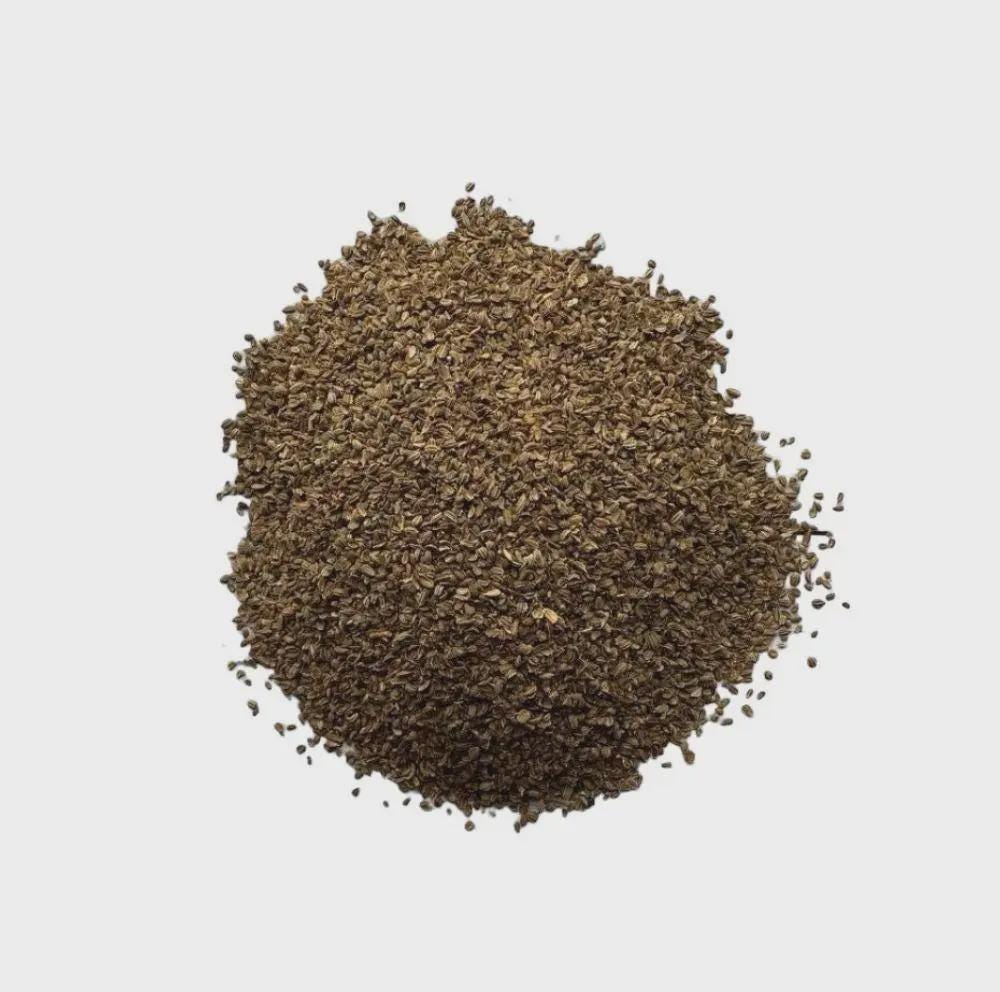
The therapeutic efficacy of wild carrot seed is directly linked to its dense concentration of secondary metabolites. The seeds yield a volatile essential oil when steam distilled, alongside a rich spectrum of fixed oils, flavonoids, and coumarins. Understanding these chemical constituents on a molecular level explains how the herb exerts its physiological effects on the human body.
The Essential Oil Profile
The essential oil of Daucus carota seed is highly complex, containing over 80 identified volatile compounds. The dominant bioactive compounds include:
- Carotol: A sesquiterpene alcohol that typically constitutes 30% to 70% of the essential oil, depending on the plant’s geographical origin and harvest timing. Carotol is the primary driver of the oil’s antifungal, antibacterial, and hepatoprotective properties. It is also highly valued in dermatological formulations for its skin-regenerative and nourishing qualities.
- Daucol: Another major sesquiterpene alcohol present in significant quantities. Daucol works synergistically with carotol, contributing to the oil’s anti-inflammatory, soothing, and tissue-reconstructive actions.
- Alpha-Pinene and Beta-Pinene: These monoterpenes are known for their bronchodilatory, anti-inflammatory, and broad-spectrum antimicrobial activities. They also aid in the rapid absorption of other active compounds through the skin and cellular membranes.
- Geranyl Acetate: An ester that imparts a pleasant, sweet, herbaceous aroma to the oil. Geranyl acetate exhibits spasmolytic (muscle-relaxing) and mild sedative properties, helping to calm smooth muscle spasms in both the gastrointestinal and reproductive tracts.
- Sabinenes and Myrcene: Hydrocarbons that contribute potent antioxidant and anti-inflammatory activity, helping to neutralize free radicals and reduce cellular oxidative stress.
Flavonoids, Phenolic Acids, and Coumarins
Beyond the volatile oil, wild carrot seeds contain water-soluble and fat-soluble antioxidants. Flavonoids such as luteolin and apigenin are abundant. These compounds are potent anti-inflammatory agents that inhibit the production of pro-inflammatory cytokines and enzymes (such as COX-2). Phenolic acids, including chlorogenic acid and caffeic acid, provide systemic antioxidant protection, shielding vascular walls and hepatic tissues from lipid peroxidation. Furanocoumarins and coumarins are also present in trace amounts; while these contribute to the herb’s spasmolytic and vascular-tonifying actions, they also demand caution due to their potential to induce photosensitivity when applied topically in high concentrations.
4. Therapeutic Health Benefits of Wild Carrot Seed
Modern scientific research has begun to systematically isolate and evaluate the pharmacological properties of wild carrot seed extracts. The findings confirm that this ancient botanical possesses a wide range of therapeutic applications.
1. Exceptional Hepatoprotective and Liver-Detoxifying Support
One of the most biologically significant attributes of wild carrot seed is its ability to protect and regenerate liver cells (hepatocytes). In animal models of chemical-induced hepatotoxicity, administration of wild carrot seed oil significantly lowered elevated liver enzymes (AST, ALT, and ALP) and reduced histopathological damage to hepatic tissue. This hepatoprotective effect is largely attributed to the high concentration of carotol and phenolic antioxidants.
These compounds work by enhancing the liver’s natural antioxidant defense systems, particularly superoxide dismutase (SOD), catalase, and glutathione peroxidase. By neutralizing free radicals and preventing lipid peroxidation of the cell membranes, wild carrot seed preserves cellular integrity and facilitates the liver’s natural Phase I and Phase II detoxification pathways. This makes it an invaluable herb for individuals recovering from toxic exposures, chronic medication use, or metabolic congestion.
2. Potent Antimicrobial, Antifungal, and Antibacterial Activity
With the rise of antibiotic-resistant pathogens, natural antimicrobial agents are receiving intense scientific scrutiny. Wild carrot seed essential oil has demonstrated remarkable efficacy against a broad spectrum of pathogenic microorganisms. Studies indicate that the oil disruptively alters the cell membrane permeability of bacteria and fungi, leading to leakage of intracellular contents and cell death.
Specifically, wild carrot seed oil exhibits strong inhibitory action against clinical strains of Staphylococcus aureus, Escherichia coli, Salmonella enterica, and Listeria monocytogenes. Furthermore, its antifungal activity against dermatophytes and opportunistic yeasts, such as Candida albicans and Aspergillus niger, is exceptionally potent. This broad-spectrum activity supports its use in treating systemic dysbiosis, localized fungal infections, and contaminated wounds.
3. Cardioprotective, Vasodilatory, and Lipid-Lowering Potential
Wild carrot seed contains bioactive compounds that positively influence cardiovascular health. Research suggests that the aqueous and methanolic extracts of the seed exert a mild vasodilatory effect, helping to relax blood vessel walls and reduce peripheral vascular resistance. This action is mediated in part by the inhibition of calcium influx into vascular smooth muscle cells, a mechanism similar to pharmaceutical calcium channel blockers.
Additionally, studies have shown that regular administration of wild carrot seed extract can improve lipid profiles. It helps lower total cholesterol, low-density lipoprotein (LDL) cholesterol, and triglycerides, while simultaneously raising high-density lipoprotein (HDL) cholesterol. These lipid-modifying and antioxidant properties collectively prevent the oxidation of LDL cholesterol, a critical early step in the development of atherosclerosis and arterial plaque.
4. Renal Support and Diuretic Activity
As a traditional kidney tonic, wild carrot seed stimulates renal blood flow and increases the glomerular filtration rate, thereby acting as a natural, non-irritating diuretic. Unlike synthetic diuretics that deplete potassium and other essential electrolytes, wild carrot seed facilitates the excretion of excess water and sodium while maintaining electrolyte balance. This diuretic action is highly beneficial for managing mild edema, reducing blood pressure, and flushing metabolic waste from the body.
Furthermore, its antispasmodic and anti-inflammatory effects help soothe the smooth muscle lining of the ureters and bladder. This provides significant relief during the passage of kidney stones (calculi) and assists in flushing out microscopic crystals before they can coalesce into larger, painful obstructions.
5. Advanced Skin Regeneration and Anti-Aging Benefits
In the cosmetic and dermatological industries, wild carrot seed essential oil (often labeled as carrot seed oil) is celebrated as a premium anti-aging ingredient. The synergistic combination of carotol, daucol, and tocopherols (Vitamin E) provides intense nourishment to mature, dry, or damaged skin. The oil acts as a potent cicatrizant, stimulating cellular turnover and promoting the growth of healthy new epithelial tissue.
By protecting the skin’s structural proteins—collagen and elastin—from oxidative degradation caused by UV radiation and environmental pollutants, wild carrot seed oil helps maintain skin elasticity and reduces the appearance of fine lines and wrinkles. Its anti-inflammatory and antimicrobial properties also make it highly effective in soothing inflammatory skin conditions such as eczema, psoriasis, and dermatitis, while balancing sebum production in acne-prone skin.
6. Endocrine Regulation and Reproductive Health
The traditional reputation of wild carrot seed as an emergency contraceptive and emmenagogue has led researchers to investigate its effects on the endocrine system. Studies in animal models suggest that crude extracts of the seed can interfere with the implantation of fertilized ova, likely due to its anti-progestogenic and estrogen-modulating properties. The active compounds appear to block progesterone synthesis or compete for progesterone receptor sites in the uterus, thereby preventing the endometrial lining from sustaining a newly fertilized egg.
While this mechanism explains its historical use in birth control, it also highlights the need for extreme caution. The same properties make wild carrot seed a valuable tool for herbalists addressing menstrual irregularities, amenorrhea (absent periods), and pelvic stagnation, as it helps initiate and regulate a healthy menstrual cycle.
5. Wild Carrot Seed Supplements and Formulations
When incorporating wild carrot seed into a wellness regimen, it is crucial to understand the different forms available, as their chemical profiles and therapeutic indications vary significantly.
- Wild Carrot Seed Essential Oil: Produced via steam distillation of the dried seeds. This is a highly concentrated, volatile oil rich in carotol and other sesquiterpenes. It must never be consumed internally without professional guidance. Topically, it must always be diluted in a gentle carrier oil (such as jojoba, rosehip, or argan oil) at a concentration of 1% to 3%. It is ideal for targeted dermatological applications, wound healing, and aromatherapy.
- CO2 Extracts: Obtained through supercritical carbon dioxide extraction. This method preserves both the volatile essential oil components and the heavier, lipophilic fixed oils and fat-soluble vitamins. CO2 extracts offer an exceptionally rich, shelf-stable, and structurally complete representation of the seed’s lipid-soluble compounds, making them highly prized for luxury skincare formulations.
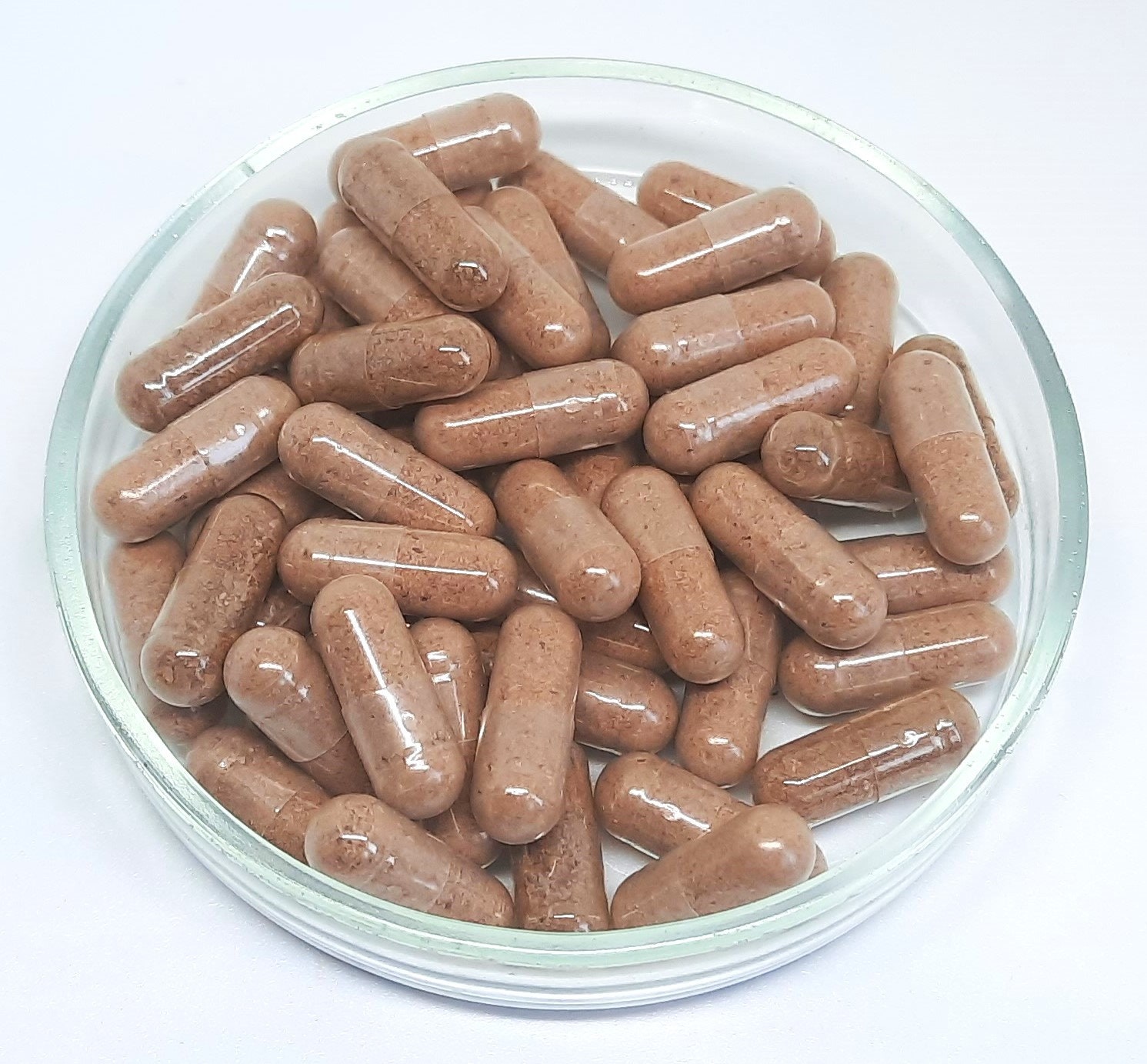
- Standardized Capsules and Powders: Encapsulated wild carrot seed powder or standardized dry extracts are the preferred choice for systemic, internal applications. These formulations are designed to deliver a consistent dose of water-soluble flavonoids, phenolic acids, and trace active oils to support liver detoxification, renal health, and cardiovascular wellness.
- Tinctures (Liquid Extracts): Prepared by macerating the crushed seeds in an alcohol-and-water solvent. Tinctures are highly effective at capturing both the polar and non-polar constituents of the seed. This liquid form allows for rapid absorption and easy dose titration, making it ideal for acute digestive issues, menstrual regulation, and systemic antioxidant support.
6. Practical Usage, Dosages, and Modern Integration
Integrating wild carrot seed into your daily routine should be done systematically, respecting the potency of its bioactive compounds. Below are standard guidelines for preparing and dosing various forms of the herb safely and effectively.
Herbal Infusion (Tea)
To support digestive comfort, promote gentle diuresis, or encourage menstrual regularity, a traditional seed infusion can be prepared. Lightly crush one teaspoon of dried, organic wild carrot seeds to break open the protective outer husks. Pour 8 ounces of freshly boiled water over the seeds, cover the vessel tightly to prevent the volatile oils from escaping in the steam, and steep for 10 to 15 minutes. Strain and drink up to three times daily. This warm tea is excellent for releasing gas, settling an upset stomach, and warming the pelvic region.
Liquid Tincture Administration
For systemic support, a 1:5 strength tincture made with 50% to 60% alcohol is highly effective. The typical dosage ranges from 2 to 4 milliliters (approximately 40 to 80 drops), taken in a small amount of water two to three times per day. For menstrual regulation, herbalists often recommend taking the tincture during the second half of the menstrual cycle (luteal phase) or in the days leading up to the expected menstruation.
Topical Application for Skin Health
To create a deeply nourishing facial serum, blend 3 to 5 drops of pure wild carrot seed essential oil with 1 ounce (30 ml) of a high-quality carrier oil, such as pomegranate seed oil or jojoba oil. Apply a few drops of this mixture to clean, damp skin every evening. This formulation encourages cellular regeneration, protects against environmental oxidative stress, and calms redness and irritation.
7. Safety, Side Effects, and Contraindications
While wild carrot seed is an exceptionally therapeutic botanical, its profound physiological activity means it is not suitable for everyone. Strict adherence to safety guidelines is required to prevent adverse reactions.
Contraindications in Pregnancy and Lactation
Due to its historical and scientifically demonstrated emmenagogue, anti-implantation, and uterine-stimulating properties, **wild carrot seed must be strictly avoided in all forms during pregnancy**. Consuming the seeds or using the essential oil internally could potentially disrupt a pregnancy or induce premature labor. Furthermore, because of the lack of safety data regarding its active metabolites in breast milk, its use is contraindicated during lactation.
Hormonal Interactions
Because wild carrot seed extracts can interact with progesterone and estrogen receptors, individuals with hormone-sensitive conditions (such as uterine fibroids, endometriosis, ovarian cysts, or breast, ovarian, and uterine cancers) should exercise extreme caution. Consulting with a qualified healthcare practitioner or clinical herbalist is essential before introducing this herb into your regimen.
Phototoxicity and Dermatological Sensitivity
Like many members of the Apiaceae family, wild carrot seed contains trace amounts of furanocoumarins, which can increase the skin’s sensitivity to ultraviolet (UV) light. If applying wild carrot seed essential oil topically at concentrations higher than recommended, avoid direct sunlight or tanning beds for at least 12 to 24 hours to prevent phototoxic reactions, which can present as severe sunburn, blistering, or hyperpigmentation.
The Danger of Toxic Look-Alikes
As emphasized in the botanical profile, wildcrafting wild carrot seeds carries a high level of risk due to the plant’s strong resemblance to lethal species like Poison Hemlock (Conium maculatum) and Water Hemlock (Cicuta douglasii). Poison hemlock contains toxic alkaloids that cause rapid respiratory failure and death. Unless you are an expert botanist or are harvesting under the direct supervision of one, it is highly recommended to purchase wild carrot seed and its derived products from certified organic, reputable commercial suppliers who perform rigorous botanical verification and third-party laboratory testing.
Conclusion
Wild Carrot Seed (Daucus carota) stands as a testament to the profound complexity and clinical potential of botanical medicine. Far from being a mere roadside weed, this remarkable plant synthesizes a treasure trove of bioactive compounds, including carotol, daucol, and high-performance flavonoids, which offer tangible, scientifically validated health benefits.
From protecting vital hepatic structures and neutralizing systemic free radicals to supporting cardiovascular health, improving skin vitality, and aiding renal function, wild carrot seed provides a holistic approach to wellness. By understanding its deep historical roots, respecting its precise chemical mechanisms, selecting high-quality formulations, and adhering to critical safety protocols, you can safely integrate this potent botanical ally into your modern health and wellness journey.
Disclaimer: For informational purposes only. Not medical advice. Consult a qualified healthcare professional before use.