The Ultimate Deep-Dive Guide to Caraway Seeds: Botany, Phytochemistry, and Evidence-Based Health Benefits
The global shift toward functional foods and natural therapeutics has renewed interest in ancient herbal remedies. Among the most historically significant and chemically potent of these botanicals is Carum carvi, universally known as the caraway plant. Often mistaken for cumin or fennel due to structural similarities, caraway seeds possess a distinct phytochemical fingerprint and therapeutic profile that have made them a cornerstone of traditional healing systems for millennia. From the ancient civilizations of Egypt and Rome to the rigorous clinical trials of contemporary gastroenterology, caraway has consistently demonstrated its value as a powerful physiological modulator.
This comprehensive guide explores the multidimensional world of caraway seeds. We will examine their botanical characteristics, dissect their complex chemical composition, analyze their historically documented traditional uses, and detail their clinically validated health benefits. Whether you are a culinary enthusiast looking to understand the functional benefits of your spice cabinet or a health practitioner seeking evidence-based insights into botanical supplements, this definitive deep dive provides the exhaustive analysis you need.
Botanical Profile and Plant Characteristics
To fully appreciate the therapeutic capacity of caraway, one must first understand the plant from which these seeds are harvested. Carum carvi is a biennial herb belonging to the Apiaceae family, a taxonomic group renowned for producing aromatic, bioactive plants including celery, carrots, parsley, anise, dill, and coriander. Native to a vast geographical band spanning western Asia, Europe, and North Africa, caraway thrives in temperate zones, preferring well-drained, sun-drenched soils.
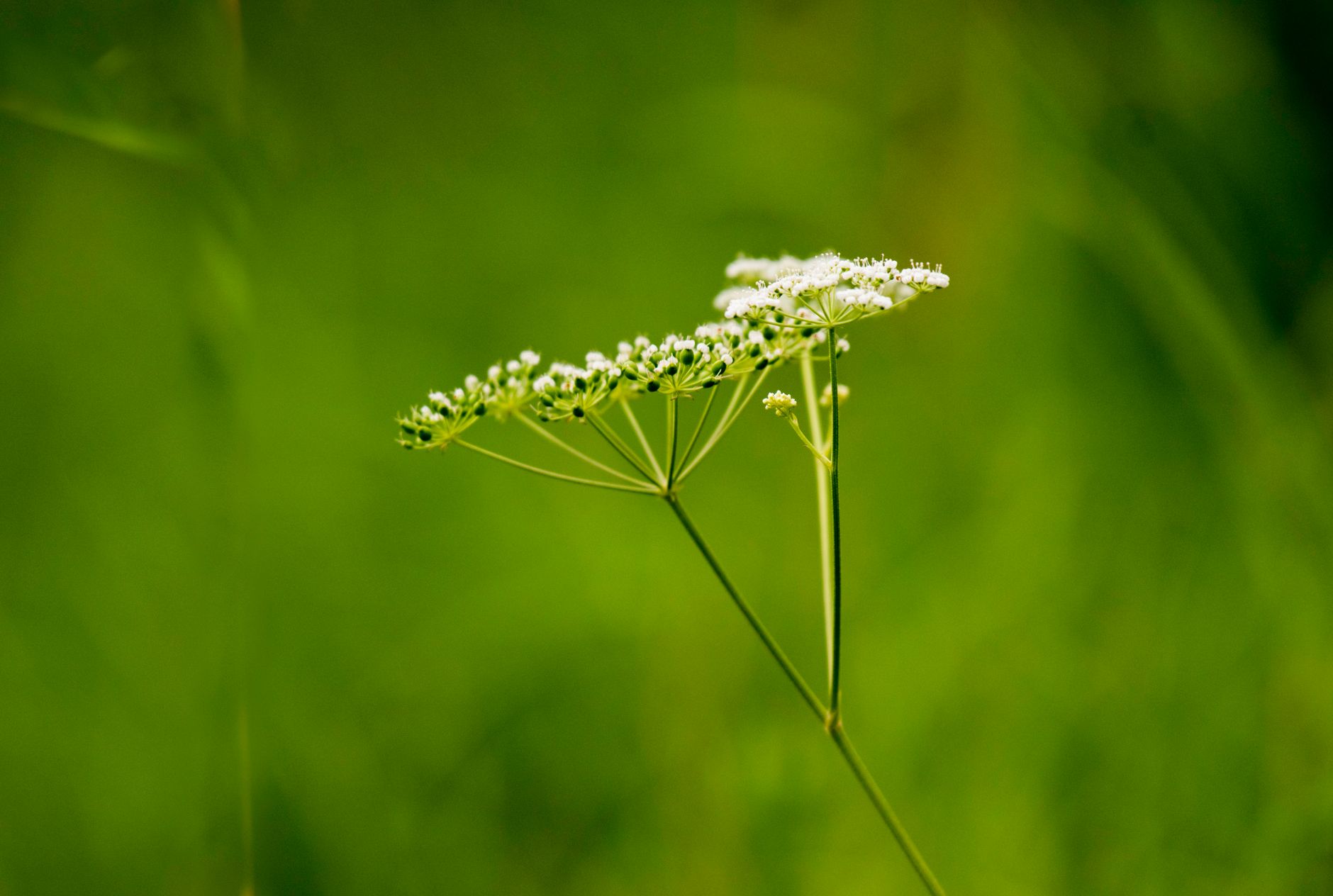
During its first year of growth, the caraway plant establishes a robust, carrot-like taproot and a rosette of finely divided, feathery green leaves that closely resemble carrot tops. In its second year, the plant bolts, producing slender, branched stems that reach heights of 40 to 60 centimeters. These stems terminate in beautiful, compound umbels—umbrella-like clusters of tiny white or pale pink flowers. Once pollinated, these flowers give way to the small, oblong, crescent-shaped fruits that are universally referred to as caraway seeds. Botanically, these “seeds” are actually split fruits known as schizocarps, which break apart into individual segments called mericarps upon drying.
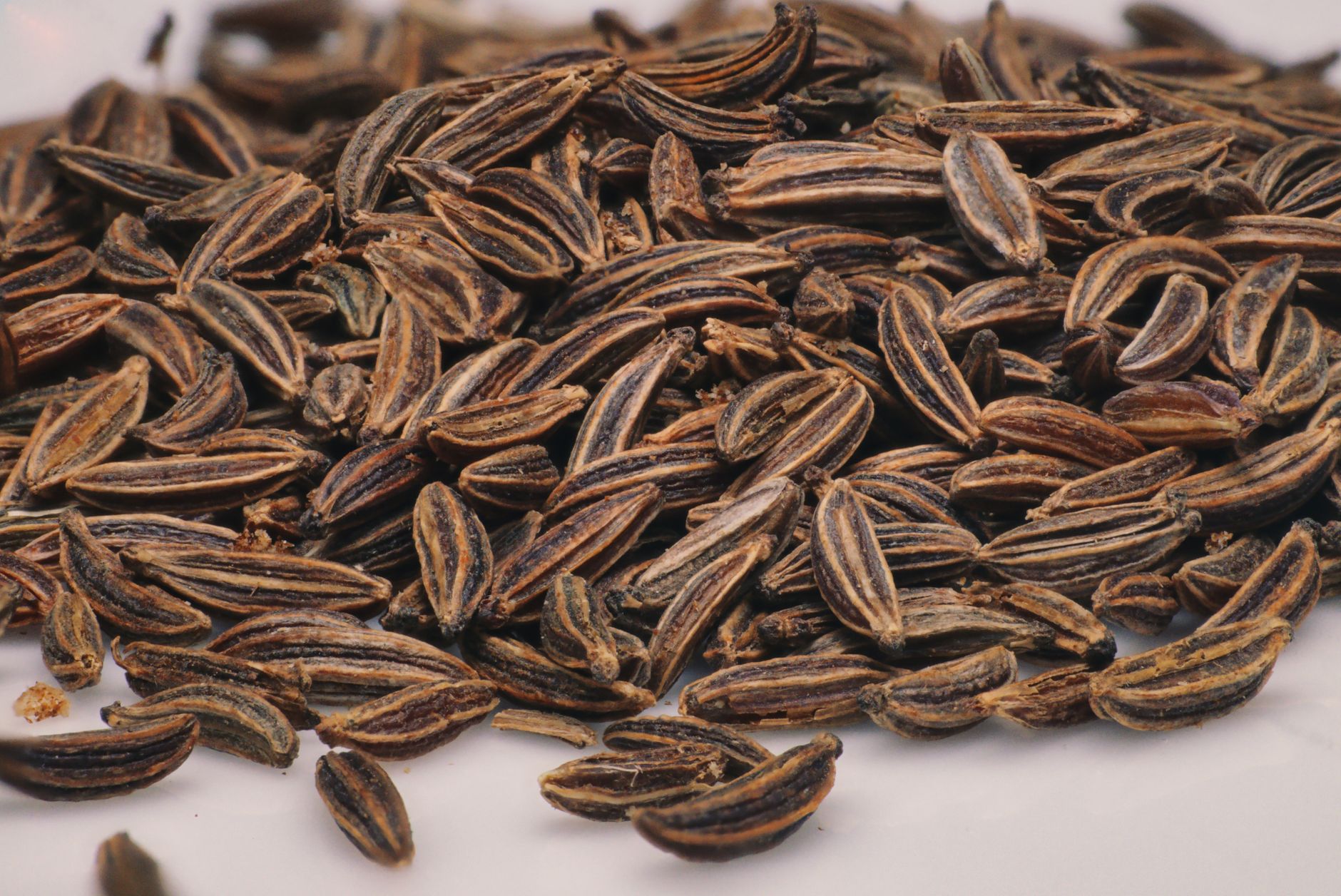
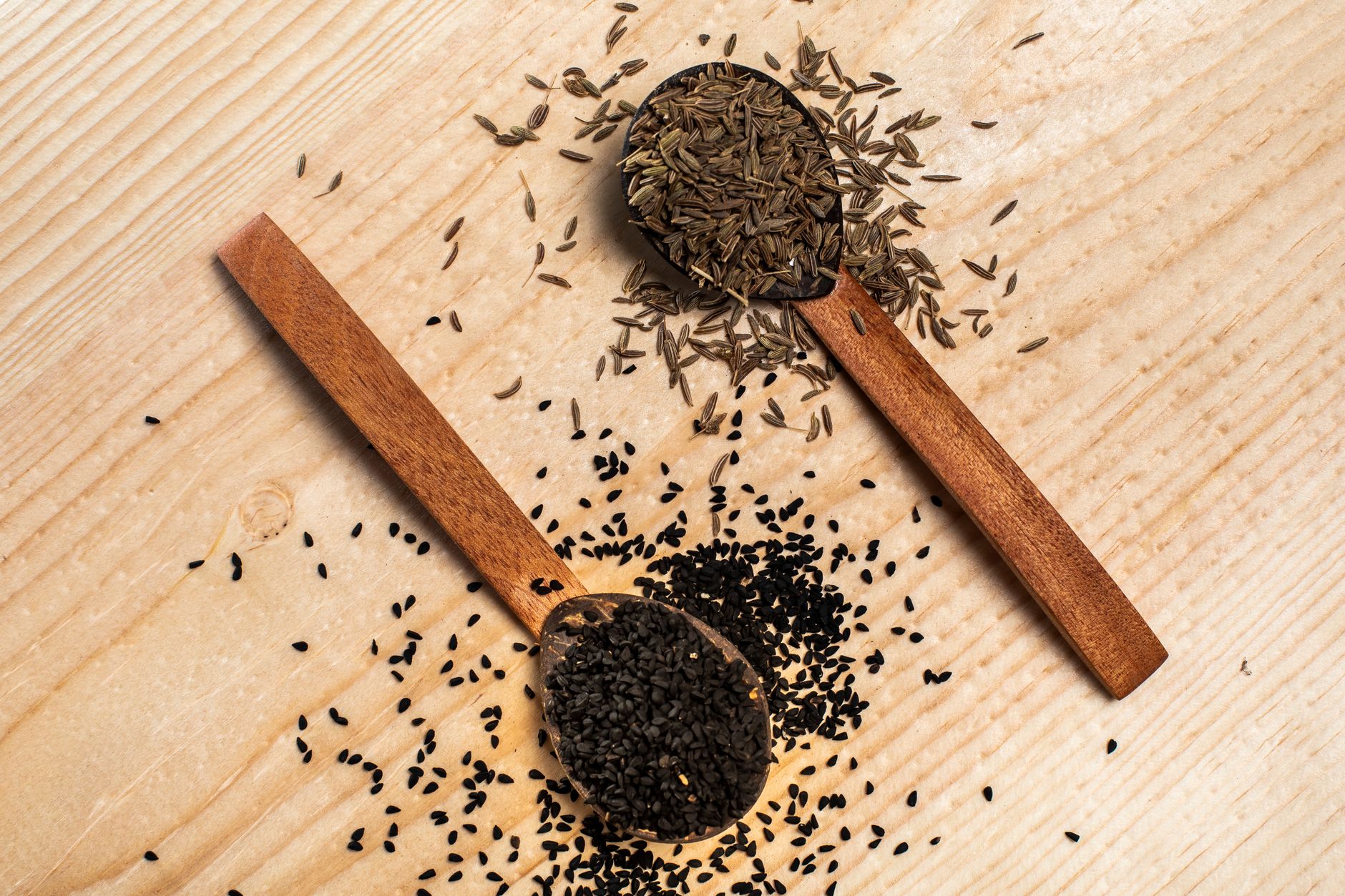
Visually, caraway mericarps are dark brown, slightly curved, and feature five distinct, pale-colored longitudinal ridges. They possess a sharp, distinct aroma that is simultaneously sweet, earthy, and slightly medicinal, immediately setting them apart from the warm, musky scent of cumin or the highly sweet, licorice-like aroma of fennel. Understanding these subtle botanical and sensory differences is crucial for correct plant identification and therapeutic standardization.
The Phytochemical Matrix: Active Bioactive Compounds
The pharmacological efficacy of Carum carvi is a direct consequence of its complex chemical composition. The most therapeutic portion of the plant is its essential oil, which typically constitutes 1.5% to 7% of the dried seed’s total mass. This volatile oil is dominated by two primary monoterpenes that account for up to 95% of its entire volume: d-carvone and d-limonene. The precise ratio of these two compounds dictates both the sensory profile and the medicinal potency of the herb.
D-carvone is a ketone monoterpene responsible for the characteristic, pungent aroma of caraway. Mechanistically, carvone exhibits significant antispasmodic, antimicrobial, and central nervous system-soothing properties. D-limonene, on the other hand, is a highly regarded monocyclic terpene found extensively in citrus peels as well. Limonene acts as a powerful antioxidant, anti-inflammatory agent, and penetration enhancer, facilitating the systemic absorption of other synergistic compounds. Together, these two primary molecules create a highly effective physiological duo.
Beyond carvone and limonene, caraway seeds contain a dense network of minor volatile compounds, including carveol, dihydrocarvone, pinene, sabinene, and myrcene. Additionally, the non-volatile fraction of the seed is rich in fixed oils (primarily oleic, petroselinic, and linoleic acids), dietary fiber, proteins, and essential minerals such as calcium, iron, magnesium, and potassium. The seeds are also packed with polyphenolic antioxidants, specifically flavonoids like quercetin and kaempferol, alongside phenolic acids like caffeic and ferulic acids, which defend the body against systemic oxidative stress.
Ethnobotanical History and Traditional Medicine
The historical footprint of caraway seeds is exceptionally deep. Archaeological excavations in Europe have recovered caraway seeds from Mesolithic and Neolithic lake dwellings, suggesting that humans have interacted with this plant for over five thousand years. Written records of its medicinal use date back to the ancient Ebers Papyrus of Egypt (circa 1550 BCE), where it was documented as a remedy for digestive ailments and respiratory congestion.
In the classical Greco-Roman world, the renowned physician Dioscorides recommended caraway oil for pale, sickly complexions and noted its warming, digestive-stimulating properties. By the Middle Ages, caraway had integrated deeply into European folklore and medical practices. It was widely believed to possess protective properties; folklore suggested that placing caraway seeds in a lover’s pocket would prevent infidelity, and placing them beneath a child’s crib would ward off malevolent spirits. More practically, it was recognized as a primary carminative—an agent designed to relieve flatulence, abdominal bloating, and colic.
In traditional medical systems such as Ayurveda and Traditional Chinese Medicine (TCM), caraway is classified as a warming, dry herb. Ayurvedic practitioners utilize it to balance the Vata and Kapha doshas, particularly when digestive fire (Agni) is weak or sluggish. In TCM, caraway is believed to circulate Qi (vital energy) in the spleen and stomach channels, effectively dispelling cold and dampness to resolve modern ailments like dyspepsia and abdominal pain.

Comprehensive Health Benefits of Caraway Seeds
1. Superior Gastrointestinal Support and Antispasmodic Efficacy
The most thoroughly documented clinical application of caraway seeds is in the treatment of gastrointestinal disorders, particularly Irritable Bowel Syndrome (IBS) and functional dyspepsia. The primary active component, d-carvone, acts as a potent smooth muscle relaxant. Mechanistically, carvone blocks voltage-dependent calcium channels in the smooth muscle cells of the intestinal wall. By preventing the influx of calcium ions, it inhibits the hyper-contraction of the gut tissue, effectively mitigating painful cramps, spasms, and colic.
Furthermore, caraway seeds stimulate the secretion of gastric juices, bile, and digestive enzymes, accelerating the breakdown of complex macronutrients and preventing the fermentation of undigested food in the colon—a primary driver of excess gas and bloating. Clinical trials have shown that when enteric-coated caraway oil is combined with peppermint oil, patients experience dramatic reductions in abdominal pain, postprandial fullness, and overall dyspeptic symptoms, rivaling the efficacy of synthetic prokinetic drugs without the associated side effects.
2. Metabolic Regulation and Weight Management Support
Obesity and metabolic syndrome represent a growing global health crisis. Recent research indicates that caraway seeds may serve as a valuable natural adjunct in weight management and metabolic regulation. A randomized, triple-blind, placebo-controlled clinical trial published in a major phytotherapy journal investigated the effects of caraway extract on overweight and obese women. The results were highly encouraging: participants consuming the caraway extract showed significant reductions in body weight, body mass index (BMI), waist circumference, and body fat percentage without altering their caloric intake or physical activity levels.
Researchers hypothesize that the bioactive components in caraway suppress appetite by modulating gut-derived satiety hormones like ghrelin and neuropeptide Y. Additionally, caraway compounds have been shown to down-regulate the expression of genes involved in adipogenesis (the formation of fat cells) and lipid accumulation, while simultaneously enhancing insulin sensitivity and glucose uptake at the cellular level. This dual action makes it a promising dietary intervention for individuals managing metabolic dysfunction.
3. Cellular Defense: Anti-inflammatory and Antioxidant Properties
Chronic low-grade inflammation and oxidative stress are the underlying drivers of nearly all modern chronic diseases, including cardiovascular disease, neurodegenerative conditions, and cancer. Caraway seeds contain a dense array of free-radical scavenging molecules, including flavonoids, phenolic acids, d-limonene, and d-carvone. These compounds donate electrons to unstable reactive oxygen species (ROS), neutralizing them before they can initiate lipid peroxidation and cause damage to cellular membranes, DNA, and proteins.
Simultaneously, caraway extract exerts a powerful anti-inflammatory effect by suppressing the production of pro-inflammatory cytokines such as tumor necrosis factor-alpha (TNF-alpha), interleukin-6 (IL-6), and interleukin-1 beta (IL-1b). It also inhibits the activation of nuclear factor-kappa B (NF-kB), a master transcription factor that controls the expression of inflammatory genes. By modulating these critical pathways, caraway helps maintain systemic inflammatory balance, protecting vital organs and vascular systems from long-term inflammatory damage.
4. Broad-Spectrum Antimicrobial and Antifungal Action
In an era of rising antibiotic resistance, the antimicrobial properties of essential oils have become a key area of scientific research. Caraway essential oil has demonstrated exceptional inhibitory activity against a wide range of pathogenic bacteria and fungi. Studies have confirmed its effectiveness against common foodborne pathogens, including Escherichia coli, Salmonella typhimurium, Listeria monocytogenes, and Staphylococcus aureus.
The mechanism behind this antimicrobial action lies in the lipophilic nature of carvone and limonene. These compounds easily penetrate the lipid bilayer of microbial cell membranes, disrupting their structural integrity, increasing permeability, and causing the leakage of critical intracellular contents. This ultimately leads to cell death. Furthermore, caraway oil exhibits potent antifungal activity against Candida albicans and various dermatophytes, making it highly useful in both internal gut microbiome optimization and topical dermatological formulations.
5. Respiratory Health and Bronchospasm Relief
Traditionally, caraway seed tea and essential oil inhalations have been used to manage respiratory ailments such as bronchitis, asthma, and persistent coughs. This application is supported by the plant’s dual action as an expectorant and bronchodilator. The volatile compounds in caraway help thin and loosen mucus accumulated in the bronchial tracts, facilitating its clearance from the respiratory system.
Additionally, the same calcium-channel-blocking mechanism that relaxes intestinal smooth muscle also applies to the smooth muscles surrounding the bronchioles. By preventing bronchospasms, caraway helps dilate the airways, making breathing easier for individuals suffering from acute or chronic respiratory constriction. Its natural antimicrobial properties also help the immune system fight off underlying viral or bacterial infections within the respiratory tract.
Caraway Seed Supplements and Modern Formulations
While incorporating whole caraway seeds into your daily diet is an excellent wellness practice, modern phytotherapy often utilizes standardized supplements to deliver consistent, therapeutic doses of the herb’s active compounds. These supplements are particularly beneficial for addressing acute therapeutic concerns, such as severe digestive distress, metabolic imbalance, or microbial overgrowth.
The most common supplemental forms of caraway include:
- Enteric-Coated Capsules: These are specifically designed to survive the acidic environment of the stomach, allowing the caraway oil (often combined with peppermint oil) to release directly into the small intestine. This targeted delivery maximizes its antispasmodic and carminative actions while minimizing the risk of acid reflux or heartburn.
- Standardized Essential Oil Drops: Highly concentrated extracts that must be diluted in a carrier oil or water before use. These are typically used for acute digestive relief, oral health, or therapeutic aromatherapy.
- Liquid Phytochemical Extracts: Alcohol- or glycerin-based tinctures that provide a broad-spectrum representation of both the volatile and water-soluble compounds found in the seed. These are easily absorbed and allow for precise, individualized dosing.
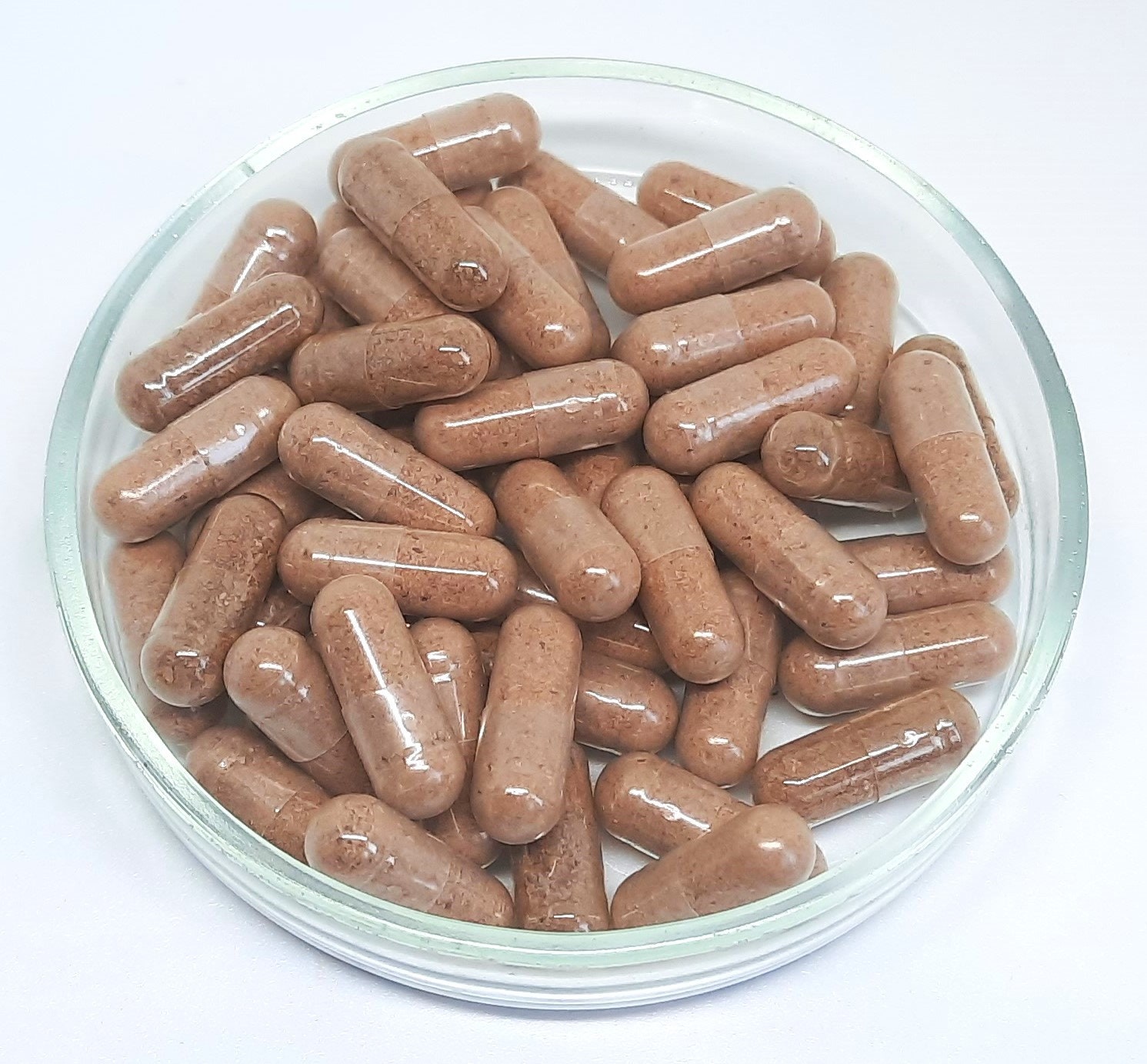
- Powdered Seed Capsules: Convenient capsules containing finely ground, high-quality dried caraway seeds, ideal for overall metabolic support and digestive maintenance.
Practical Usage, Dosage, and Culinary Integration
Integrating caraway seeds into your daily lifestyle is highly rewarding and straightforward. For general wellness support and mild digestive assistance, culinary integration is the most natural approach. Caraway is famously used in European baking—most notably in traditional rye bread—where its distinctive flavor cuts through dense grains. It is also an essential ingredient in fermentations like sauerkraut and kimchi, as well as hearty, potentially gas-producing dishes featuring cabbage, brassica vegetables, and legumes. Adding caraway to these foods is a functional culinary tradition, as the herb directly mitigates the flatulence often caused by high-fiber foods.
For therapeutic purposes, brewing a medicinal caraway tea is highly effective. To prepare, gently crush one to two teaspoons of whole caraway seeds in a mortar and pestle to break open the outer walls and release the volatile essential oils. Place the crushed seeds in a cup, pour 250 milliliters of boiling water over them, cover the cup to prevent the therapeutic volatile oils from escaping with the steam, and steep for 10 to 15 minutes. Strain and drink up to three times daily, ideally before or after meals.
When using commercial supplements, it is critical to adhere to standardized dosing guidelines based on clinical studies:
- Crude Seed Powder: 1 to 3 grams daily, divided into multiple doses.
- Caraway Essential Oil: 2 to 3 drops diluted in a carrier oil or taken in enteric-coated capsules, up to three times daily.
- Combined Formulations: Follow the manufacturer’s specific instructions, which typically involve taking one capsule containing 50mg of caraway oil and 90mg of peppermint oil twice daily.
Safety Profile, Side Effects, and Contraindications
Caraway seeds have a long history of safe use and are classified as “Generally Recognized as Safe” (GRAS) by major food and health authorities worldwide when consumed in typical culinary amounts. However, as with any highly bioactive botanical, certain precautions must be observed when using concentrated therapeutic doses.
Because caraway is highly effective at stimulating digestion and bile secretion, individuals with active gallbladder disease, gallstones, or severe biliary tract obstruction should consult their healthcare provider before using high-dose caraway supplements. Additionally, because caraway has demonstrated blood-glucose-lowering properties in scientific studies, diabetic individuals taking insulin or oral hypoglycemic medications should monitor their blood sugar levels closely to avoid potential hypoglycemia.
During pregnancy, culinary use of caraway is entirely safe; however, high therapeutic doses (particularly of the essential oil) should be avoided because caraway has historically been used as an emmenagogue (an agent that stimulates menstrual flow) and could potentially induce uterine contractions. Lastly, because the essential oil is metabolized by the liver, individuals with pre-existing hepatic impairment should avoid long-term, high-dose ingestion of concentrated caraway oil to prevent unnecessary hepatic stress.
Conclusion: Integrating Caraway into Your Wellness Regimen
Caraway seeds represent a perfect harmony of traditional botanical wisdom and modern scientific validation. Far more than a simple culinary spice, *Carum carvi* is a highly sophisticated physiological modulator capable of soothing the gastrointestinal tract, supporting metabolic health, combating harmful pathogens, and reducing systemic oxidative stress and inflammation.
Whether you choose to enjoy its warm, complex flavor in a comforting cup of freshly brewed tea, incorporate it into your favorite fermented dishes, or utilize standardized enteric-coated capsules for targeted digestive support, caraway is a highly versatile and incredibly effective botanical ally. By understanding its phytochemistry, respecting its therapeutic dosing guidelines, and appreciating its rich historical legacy, you can fully harness the extensive health benefits of this remarkable ancient seed.
Disclaimer: For informational purposes only. Not medical advice. Consult a qualified healthcare professional before use.