The Ultimate Deep-Dive Guide to the Health Benefits of Viburnum Berries
Viburnum berries, historically revered across various continents, have recaptured the attention of modern phytochemistry and clinical nutrition. Belonging to a large genus of flowering shrubs, these vibrant red or dark blue-black drupes have transitioned from traditional folklore remedies to highly valued subjects of pharmacological research. Known colloquially by various names such as the Guelder Rose, Highbush Cranberry, or Kalina, Viburnum berries represent a powerhouse of bioactive compounds. This comprehensive guide explores the botanical intricacies, historical context, chemical profile, proven health benefits, and safe modern applications of these potent berries.
Botanical Profile and Species Characteristics
The genus Viburnum comprises approximately 150 species of deciduous and evergreen shrubs and small trees belonging to the Adoxaceae (formerly Caprifoliaceae) family. While many species are cultivated primarily for their ornamental value, several are highly prized for their therapeutic berries and bark. The most pharmacologically significant species include Viburnum opulus (commonly known as Guelder Rose or European Cranberrybush), Viburnum trilobum (American Highbush Cranberry), and Viburnum prunifolium (Black Haw).
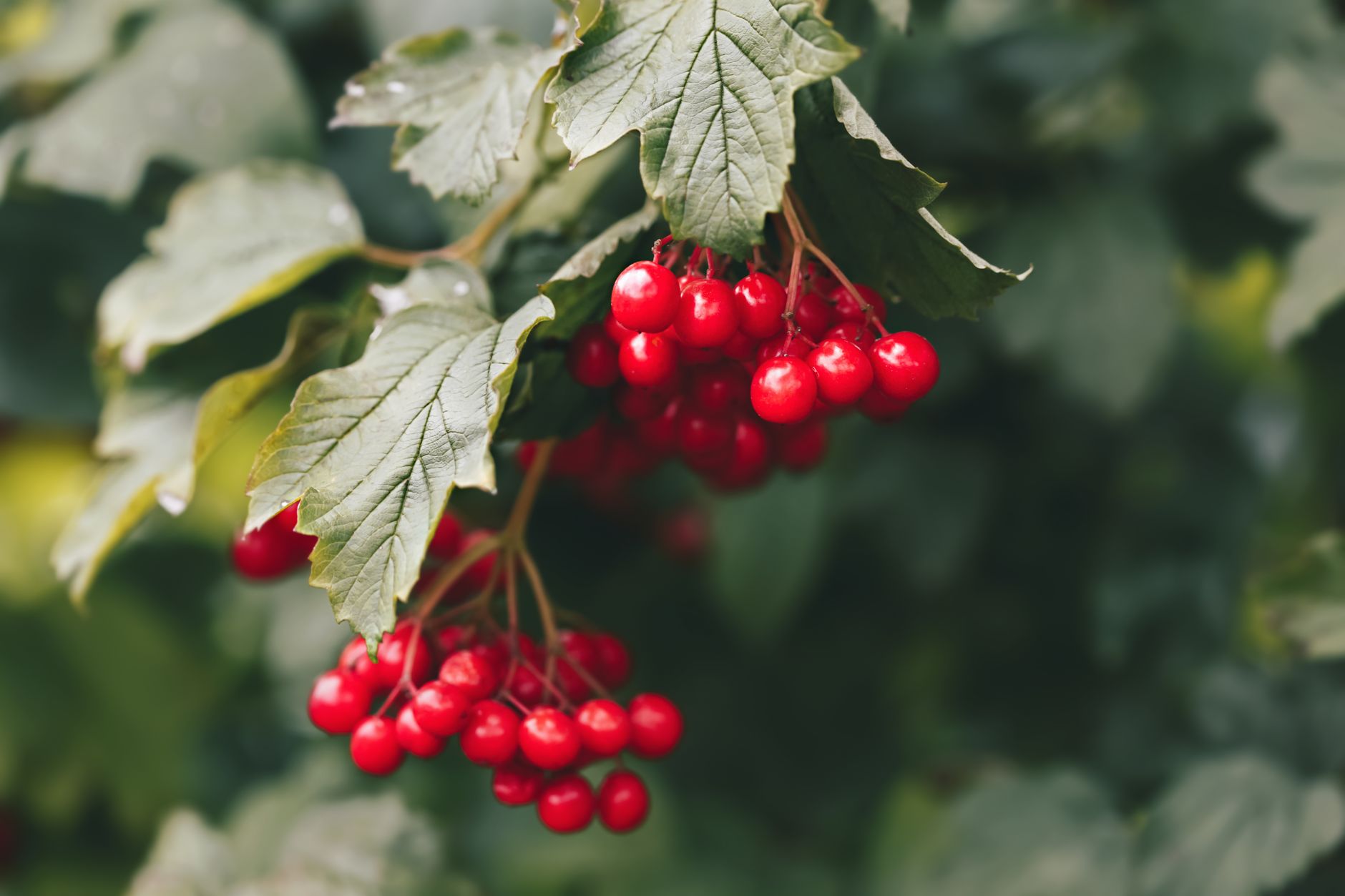
Viburnum opulus is particularly dominant in European and Asian herbalism. This deciduous shrub can grow up to five meters tall, producing flat-topped cymes of white flowers that eventually transform into clusters of globose, glossy red drupes containing a single, flat seed. These berries thrive in moist, fertile soils, often lining forest edges, riverbanks, and marshy meadows. They have developed robust survival mechanisms, allowing them to withstand severe winter frosts—a environmental stress factor that actually enhances their biochemical complexity and reduces their natural astringency.

The distinctive characteristics of the Viburnum species lie not only in their botanical resilience but also in their secondary metabolites. The plants possess an extraordinary capacity to synthesize diverse defense chemicals, which serve to protect them from UV radiation, pathogens, and herbivores. It is these exact evolutionary survival molecules—including heavy accumulations of polyphenols, iridoids, and organic acids—that deliver profound therapeutic value to human physiology when consumed in appropriate preparations.
Traditional Medicine and Historical Significance
Historically, Viburnum berries and bark have held deep cultural and medicinal importance, particularly in Slavic, Native American, and European traditions. In Eastern European folklore, the berry, known as “Kalina,” is a national symbol of beauty, love, and resilience. Symbolism aside, the practical applications of Kalina in traditional Slavic medicine were extensive. It was the premier remedy for treating respiratory tract infections, high blood pressure, and digestive disorders, and was routinely prepared as a fermented juice or honey-preserved paste to sustain immune function through harsh winter months.
In North America, Native American tribes recognized the profound antispasmodic properties of local Viburnum species. The bark of Viburnum prunifolium and Viburnum opulus was widely utilized to alleviate menstrual cramps, prevent miscarriage, and soothe uterine tension following childbirth. This led to the common English name “Cramp Bark.” The berries themselves were gathered as a vital source of vitamin C, consumed both fresh after the first frost or dried and stored as a winter food staple that prevented scurvy and kept systemic inflammation at bay.

Traditional herbalists understood that raw Viburnum berries possessed a harsh, bitter taste and could cause mild stomach upset if consumed in abundance without processing. Consequently, they developed sophisticated methods of preparation. Berries were typically harvested after the first hard freeze, which naturally hydrolyzes the bitter, emetic compounds through enzyme activation. They were then simmered into decoctions, brewed with wild honey, or slow-dried to stabilize their volatile active components. These historical protocols paved the way for modern, standardized extraction techniques.
The Phytochemical and Bioactive Composition Profile
Modern analytical chemistry has validated what ancient herbalists discovered through empirical observation. Viburnum berries possess an incredibly dense phytochemical footprint. The pharmacological activities of the berry are not attributed to a single compound, but rather to the synergistic interplay of several chemical classes. Below is a detailed breakdown of the primary bioactive constituents found within Viburnum berries:
- Phenolic Acids: The berries are exceptionally rich in chlorogenic, neochlorogenic, caffeic, and gallic acids. Chlorogenic acid, in particular, is a potent antioxidant that plays a critical role in modulating glucose metabolism and supporting cardiovascular health.
- Anthocyanins and Flavonoids: The deep crimson hue of Viburnum opulus is driven by high concentrations of anthocyanins, primarily cyanidin-3-glucoside and cyanidin-3-sambubioside. These compounds are renowned for their free-radical scavenging capabilities and their ability to protect vascular endothelial walls. Flavonoids such as quercetin, rutin, and astragalin further amplify these vascular-protective and anti-inflammatory pathways.
- Iridoid Glycosides: Unique to the Viburnum genus are specific iridoids like opulus iridoid I, II, III, and IV. Iridoids are structurally complex molecules that demonstrate significant anti-inflammatory, antimicrobial, and neuroprotective properties. They also contribute to the characteristically bitter taste profile of the raw fruit.
- Organic and Fatty Acids: Viburnum berries contain substantial concentrations of L-ascorbic acid (Vitamin C), citric acid, malic acid, and valeric/isovaleric acids. Valeric acid is of major pharmacological interest, as it directly influences the central nervous system to induce muscle relaxation and reduce anxiety.
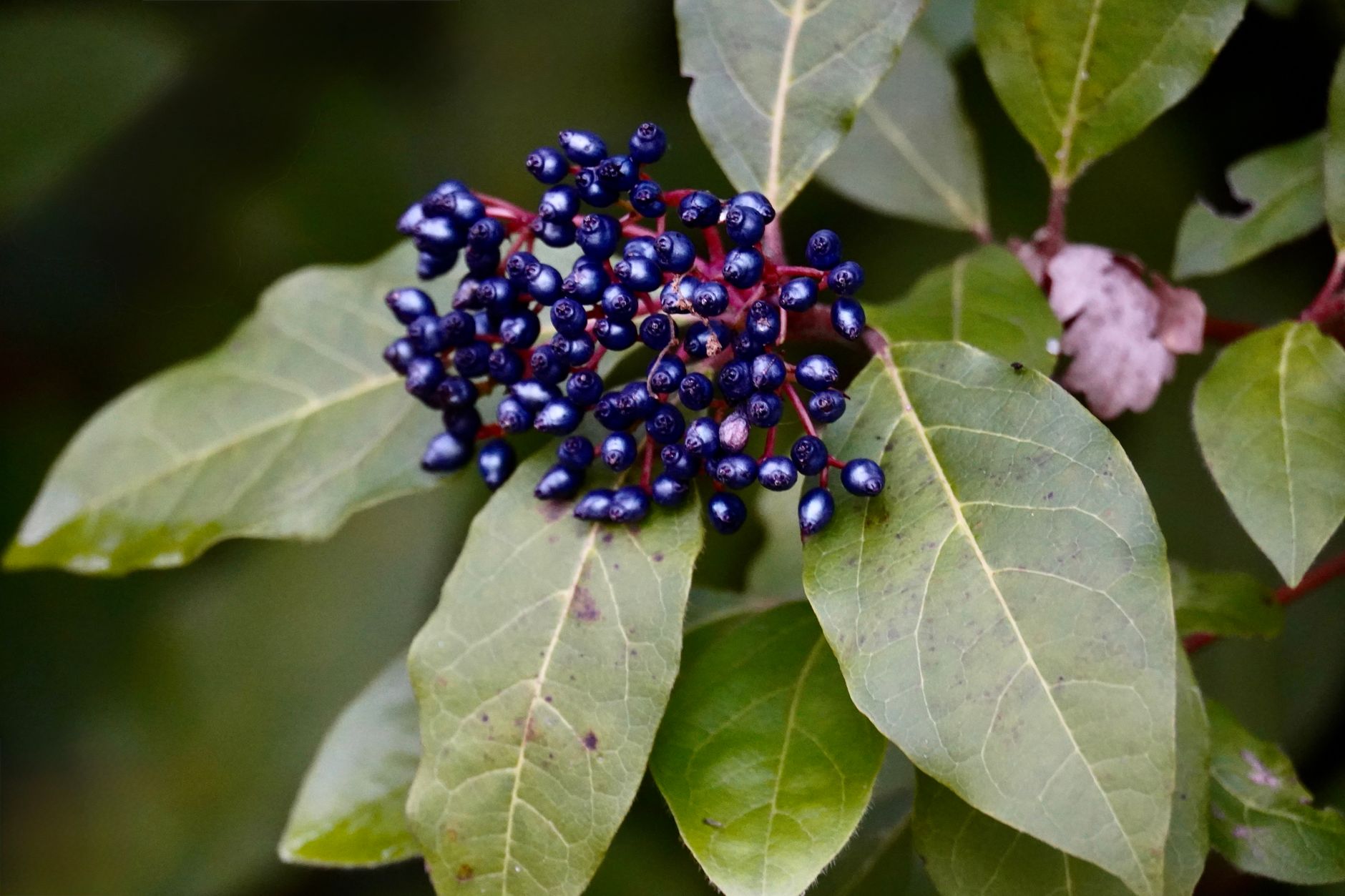
Furthermore, the seeds of Viburnum berries are rich in polyunsaturated fatty acids, notably linoleic and oleic acids, alongside tocopherols (Vitamin E). When the entire berry is utilized or extracted comprehensively, these lipid-soluble compounds act synergistically with the water-soluble antioxidants, protecting cell membranes throughout the body from lipid peroxidation and oxidative decay.
Comprehensive Health Benefits of Viburnum Berries
The vast array of chemical compounds within Viburnum translates into diverse physiological benefits. Research continues to reveal how these berries interact with human metabolic, cardiovascular, and immunological systems.
1. Cardiovascular Support and Blood Pressure Regulation
One of the most prominent uses of Viburnum berries in modern phytotherapy is for supporting cardiovascular homeostasis. The rich concentration of anthocyanins and chlorogenic acid helps protect blood vessels from oxidative stress, which is a major driver of atherosclerosis. These compounds promote the synthesis of nitric oxide (NO) within the vascular endothelium. Nitric oxide acts as a natural vasodilator, signaling the smooth muscles surrounding blood vessels to relax, which subsequently lowers systemic blood pressure.
Additionally, Viburnum extracts exhibit mild diuretic properties. By promoting the gentle elimination of excess sodium and water through the kidneys, Viburnum helps reduce overall blood volume, further easing the workload on the heart and helping maintain healthy blood pressure levels within a normal range.
2. Potent Antispasmodic and Smooth Muscle Relaxant
While Cramp Bark is most famous for its antispasmodic action, the berries themselves share this therapeutic quality. This is due to the presence of valeric and isovaleric acids, as well as specific coumarins like scopoletin. These compounds modulate calcium channel activity within smooth muscle tissue. By regulating the influx of calcium ions into muscle cells, Viburnum effectively prevents the involuntary, hyper-reactive contractions that characterize cramps.
This biological mechanism makes Viburnum highly effective for easing uterine cramps associated with menstruation, reducing intestinal spasms in functional gastrointestinal disorders like Irritable Bowel Syndrome (IBS), and alleviating bronchial constriction during respiratory infections.
3. Anti-Inflammatory and Antioxidant Mechanisms
Chronic inflammation is the root cause of many metabolic and degenerative diseases. Viburnum berries contain an abundance of natural free-radical scavengers. Studies show that the anthocyanins and phenolic compounds in Viburnum can neutralize reactive oxygen species (ROS) and reactive nitrogen species (RNS), thereby preventing oxidative damage to cellular DNA, proteins, and lipids.
On a molecular level, Viburnum extracts have been shown to inhibit key pro-inflammatory pathways. Specifically, they suppress the activation of Nuclear Factor-kappa B (NF-kB), a primary transcription factor that triggers the production of inflammatory cytokines such as Tumor Necrosis Factor-alpha (TNF-a) and Interleukin-6 (IL-6). By downregulating this inflammatory cascade, Viburnum helps protect joint cartilage, gut linings, and vascular systems from chronic inflammatory damage.
4. Urogenital and Renal Health Support
Viburnum berries have long been utilized as a natural supportive therapy for urinary tract health. Their high organic acid content helps acidify the urine, creating an inhospitable environment for pathogenic bacteria such as Escherichia coli. Moreover, the polyphenols in Viburnum exhibit anti-adhesion properties, preventing bacteria from anchoring themselves to the urothelium—the lining of the urinary tract. This action assists the body in naturally flushing out pathogens and reduces the recurrence rate of urinary tract infections (UTIs).
Furthermore, emerging studies suggest that Viburnum opulus may play a supportive role in preventing the formation of kidney stones. The extract has been observed to inhibit the crystallization of calcium oxalate, the primary component of most renal calculi, while its mild diuretic action helps keep the urinary tract clear and well-flushed.
Modern Phytotherapy, Supplements, and Extracts
With the rise of natural medicine, Viburnum has successfully transitioned into standardized dietary supplements. Consumers can find Viburnum berries in various formats, including liquid tinctures, freeze-dried powders, and concentrated capsules. Standardized extracts are particularly valuable, as they guarantee a consistent dosage of active marker compounds, such as total polyphenols or chlorogenic acid, ensuring predictable therapeutic outcomes.
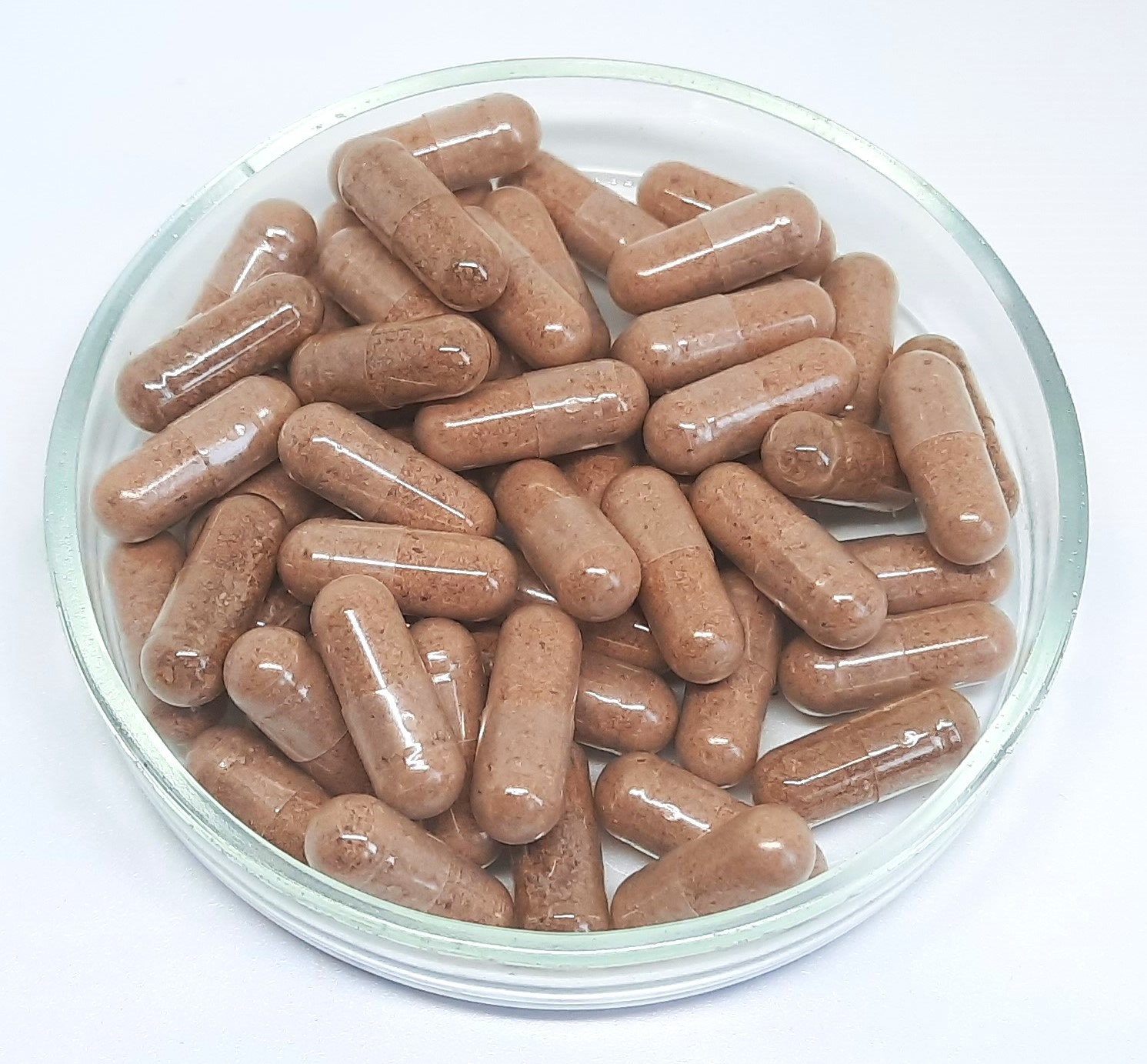
When selecting Viburnum supplements, it is crucial to look for clean-label, high-quality products. Ethanol-water extraction is the preferred method for high-quality tinctures, as it successfully extracts both the polar (water-soluble) polyphenols and non-polar (lipid-soluble) active constituents like valeric acid. Capsules containing standardized dry extracts offer a convenient, taste-neutral alternative for individuals seeking targeted cardiovascular or spasmolytic support without the distinct bitter taste of the liquid herb.
Practical Usage, Culinary Applications, and Dosage Guidelines
For those interested in incorporating Viburnum berries into their daily wellness routine, there are several practical methods of preparation. In culinary settings, due to their natural tartness and astringency, Viburnum berries are rarely eaten raw. Instead, they are commonly processed into nutritious jams, jellies, and syrups. When gently heated with a natural sweetener, the bitter glucosides break down, leaving a vibrant, tangy glaze rich in heat-stable antioxidants.
For therapeutic purposes, Viburnum is most commonly prepared as a herbal tea (decoction) or taken as a liquid extract. To prepare a traditional Viburnum berry tea, use one to two teaspoons of dried berries per cup of water. Simmer the berries gently for 10 to 15 minutes to fully extract the dense polyphenols and organic acids, then strain and drink up to three times daily. If using a professional, standardized liquid tincture (typically a 1:5 or 1:3 extract), a standard dose is 2 to 4 mL taken in a small amount of water up to three times per day, or as directed by a healthcare practitioner.
While Viburnum berries have an excellent safety profile, certain precautions should be observed. Raw, unprocessed berries contain high concentrations of viburnin, which can cause mild nausea or indigestion if consumed in large quantities. Therefore, cooking, drying, or using professional extracts is always recommended. Additionally, because of Viburnum’s natural ability to lower blood pressure and blood glucose, individuals currently taking prescribed antihypertensive or antidiabetic medications should consult their physician before starting a regular Viburnum regimen to avoid potential additive effects. Pregnant and nursing women should also seek professional guidance prior to use, as the plant’s active compounds can influence uterine muscle tone.
Conclusion
Viburnum berries represent an outstanding bridge between historical folklore and modern botanical science. From their deep roots in traditional European and Native American medicine to their validated role in modern cardiovascular, spasmolytic, and antioxidant therapy, these berries offer a versatile and powerful natural solution for systemic health. Whether consumed as a traditional warm winter tea, integrated into culinary preserves, or taken as a standardized extract capsule, Viburnum deserves a prominent place in the modern natural health cabinet. By respecting traditional preparation methods and utilizing high-quality modern supplements, we can safely unlock the deep therapeutic potential of this remarkable botanical treasure.
Disclaimer: For informational purposes only. Not medical advice. Consult a qualified healthcare professional before use.