The Comprehensive Guide to Blackthorn Berries (Prunus spinosa): Bioactive Profile, Historical Context, and Therapeutic Benefits
Blackthorn (Prunus spinosa), most commonly known for producing the small, dark-blue drupes called sloe berries, is a thorny deciduous shrub native to Europe, western Asia, and parts of North Africa. For centuries, this resilient plant has held a revered position in European folklore, traditional herbalism, and agricultural hedgerows. Beyond its cultural associations with protection and its classic culinary role in crafting Sloe Gin, modern scientific inquiry is increasingly validating what traditional healers have long known: blackthorn berries are an exceptional source of bioactive compounds with profound health-promoting properties.
This comprehensive deep-dive explores the botanical characteristics, historical practices, phytochemistry, and therapeutic potentials of blackthorn berries. By examining the mechanisms of action underlying their antioxidant, anti-inflammatory, cardiovascular, and antimicrobial properties, we reveal why this wild-crafted botanical is reclaiming its status as a premier natural therapeutic agent.
Botanical Characteristics and Ecological Resilience
Belonging to the Rosaceae (rose) family, Prunus spinosa is a slow-growing, dense shrub that typically reaches heights of two to four meters. It is characterized by its dark, almost black bark—from which its common name is derived—and its formidable, sharp-pointed thorns. In early spring, before its leaves emerge, the blackthorn bush bursts into a dramatic display of small, five-petaled white flowers. These blossoms provide an early and critical nectar source for bees and other pollinators waking from winter hibernation.
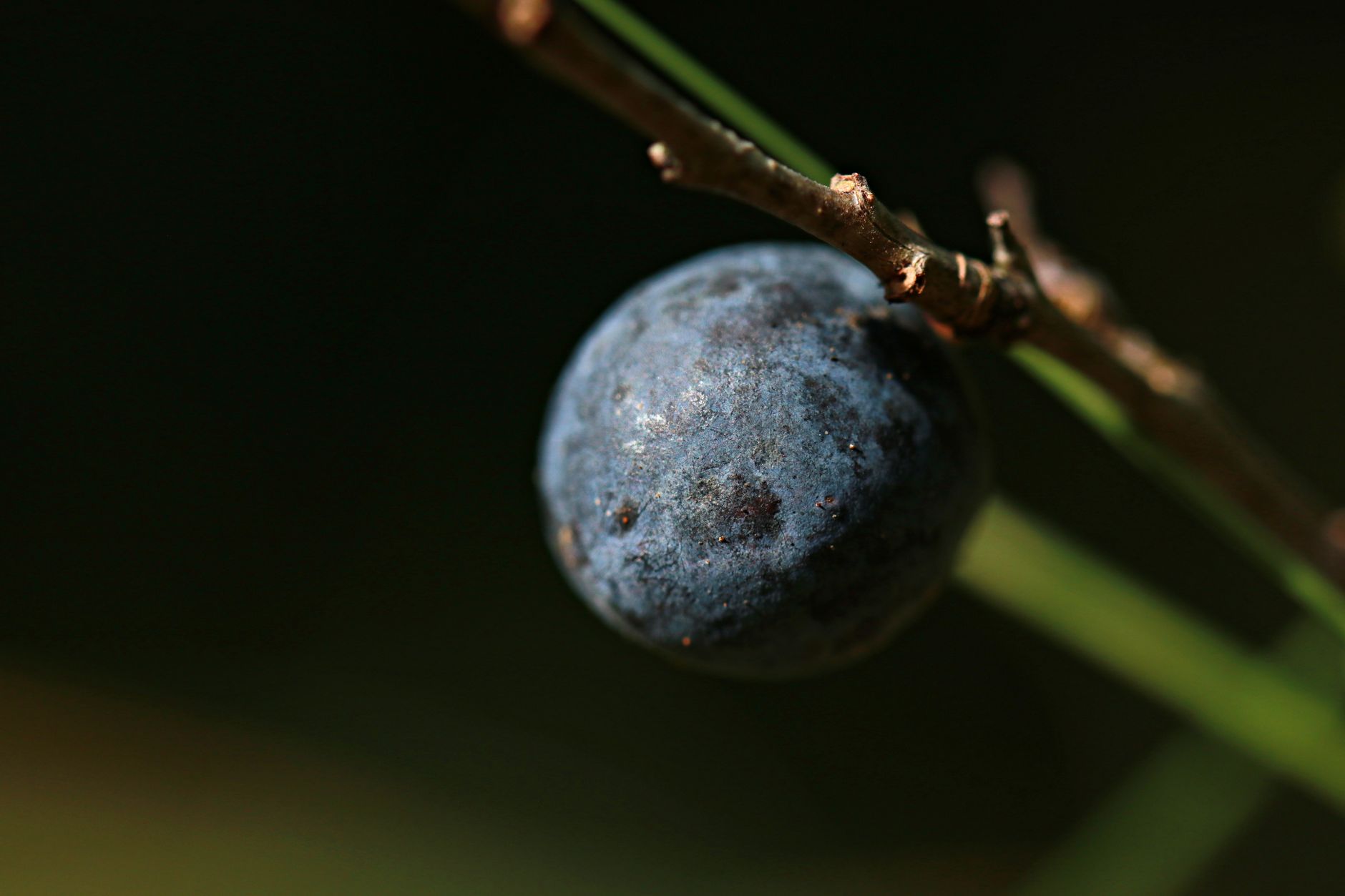
As spring transitions to summer, the fertilized blossoms develop into globose, single-seeded drupes. By autumn, these berries ripen into a deep, dusky blue or purple color, covered with a characteristic waxy bloom. Raw blackthorn berries are notoriously astringent and sour, an evolutionary adaptation that deters herbivores until the seeds are fully mature. Traditionally, foragers wait until the first hard winter frost to harvest the fruit. The freezing temperatures trigger a process of hydrolysis, breaking down complex starches into simple sugars and softening the harsh tannins, resulting in a significantly sweeter and more palatable berry.

Historical Context and Traditional Medicine
Historically, virtually every part of the blackthorn plant was utilized in European folk medicine. The bark, leaves, flowers, and fruits served distinct therapeutic roles in rural households where access to professional medical care was limited. In traditional British, Celtic, and Germanic folklore, the blackthorn was associated with both dark magic and powerful spiritual protection, often planted around boundaries to ward off malevolent forces.
From a practical medicinal standpoint, the flowers of Prunus spinosa were historically brewed into a mild, depurative tea used as a gentle laxative, diuretic, and blood purifier. The bark was decocted to treat fevers (due to its febrifuge properties) and applied topically to soothe skin inflammations. However, it was the astringent berries that found the widest application. Traditional healers formulated sloe syrups, wines, and decoctions to treat inflammatory conditions of the mouth and throat, gastrointestinal disorders such as dysentery and chronic diarrhea, and to staunch internal and external hemorrhages.

The Phytochemical Blueprint: Bioactive Compounds
The therapeutic efficacy of blackthorn berries is directly attributed to their dense, diverse phytochemical matrix. Analytical chemistry has identified a vast array of secondary metabolites within the pulp, skin, and seeds of the fruit. Understanding these constituents is essential to appreciating how blackthorn berries interact with human physiology on a cellular level.
Phenolic Acids and Flavonoids
Blackthorn berries are particularly rich in phenolic compounds, which serve as the plant’s defense mechanism against ultraviolet radiation and environmental pathogens. Among these, hydroxycinnamic acids—such as neochlorogenic acid and chlorogenic acid—are highly abundant. These molecules are powerful antioxidants that modulate glucose metabolism and support cellular integrity.
The flavonoid profile of Prunus spinosa is equally impressive, featuring high concentrations of quercetin, rutin, kaempferol, and myricetin. These flavonols are widely recognized for their ability to stabilize cell membranes, reduce capillary permeability, and inhibit key inflammatory enzymes in the human body.
Anthocyanins: The Pigments of Health
The deep-blue, almost black hue of the sloe berry is indicative of its rich anthocyanin content. Anthocyanins are water-soluble pigments belonging to the flavonoid family. The primary anthocyanins identified in blackthorn include cyanidin-3-rutinoside, cyanidin-3-glucoside, and peonidin-3-rutinoside. These compounds are renowned for their exceptional free-radical scavenging capacity, their ability to cross the blood-brain barrier, and their positive influence on cardiovascular dynamics.
Tannins and Organic Acids
The profound astringency of raw blackthorn berries is due to a high concentration of condensed tannins (proanthocyanidins). Tannins bind to and precipitate proteins, creating a protective, numbing barrier on mucous membranes. This action explains their historical success in treating sore throats and diarrhea. Additionally, the berries contain significant amounts of organic acids, including malic acid and citric acid, which contribute to their tart flavor and support metabolic detoxification processes.

Deep-Dive into the Health Benefits of Blackthorn Berries
1. Unmatched Antioxidant Protection and Cellular Defense
Oxidative stress, caused by an imbalance between reactive oxygen species (ROS) and the body’s antioxidant defenses, is a primary driver of chronic diseases, including cardiovascular disease, neurodegeneration, and premature aging. The dense concentration of anthocyanins and phenolic acids in blackthorn berries makes them an outstanding natural shield against oxidative damage.
Studies evaluating the oxygen radical absorbance capacity (ORAC) of wild berries consistently place blackthorn near the top of the spectrum. The bioactive compounds in the berries donate hydrogen atoms to unstable free radicals, neutralizing them before they can initiate lipid peroxidation—a destructive process that damages cell membranes and compromises cellular function. Furthermore, research suggests that blackthorn extracts can upregulate the body’s endogenous antioxidant systems, boosting the production of crucial protective enzymes such as superoxide dismutase (SOD), catalase, and glutathione peroxidase.
2. Potent Anti-Inflammatory Mechanisms
Chronic, low-grade inflammation is now recognized as the root cause of many modern systemic illnesses. Blackthorn berries exert powerful anti-inflammatory effects by modulating cellular signaling pathways. Specifically, the flavonols and anthocyanins in the berries have been shown to inhibit the expression of cyclooxygenase-2 (COX-2) and inducible nitric oxide synthase (iNOS)—two key enzymes responsible for producing inflammatory mediators in response to injury or infection.
On a transcriptional level, compounds within Prunus spinosa help suppress the activation of Nuclear Factor-kappa B (NF-κB), a master genetic switch that controls the release of pro-inflammatory cytokines such as tumor necrosis factor-alpha (TNF-α), interleukin-1 beta (IL-1β), and interleukin-6 (IL-6). By downregulating this pathway, blackthorn berry preparations can help mitigate inflammatory conditions affecting the joints, gastrointestinal tract, and vascular walls.
3. Cardiovascular and Endothelial Support
The cardiovascular benefits of blackthorn berries are multifaceted, primarily centering on the protection and optimization of the vascular endothelium (the inner lining of blood vessels). Healthy endothelial function is essential for regulating blood pressure, preventing blood clots, and maintaining vascular elasticity.
The anthocyanins in blackthorn berries help prevent the oxidation of low-density lipoprotein (LDL) cholesterol. Oxidized LDL is a primary initiator of atherosclerosis, as it penetrates the arterial wall and triggers plaque formation. By inhibiting LDL oxidation, blackthorn reduces the risk of arterial stiffening. Furthermore, these berries promote the synthesis of endothelial nitric oxide (NO), a vital signaling molecule that induces vasodilation (the widening of blood vessels), thereby helping to maintain healthy blood pressure levels and improving peripheral circulation.
4. Gastrointestinal Integrity and Digestive Support
In traditional European medicine, blackthorn berry preparations were the go-to remedy for digestive disturbances. Modern gastroenterology sheds light on why these applications were so effective. The high concentration of tannins in the berries exerts an astringent effect on the mucosal lining of the gut. When consumed, these tannins react with the proteins of inflamed intestinal walls, forming a temporary, thin protective layer. This action reduces fluid secretion, calms hyper-motility, and helps alleviate acute, non-specific diarrhea.
Simultaneously, the polyphenols in blackthorn act as prebiotics. They escape digestion in the upper gastrointestinal tract and travel to the colon, where they serve as a selective food source for beneficial gut bacteria, such as Bifidobacteria and Lactobacilli. A balanced microbiome, supported by these polyphenols, strengthens the gut barrier, enhances nutrient absorption, and modulates the mucosal immune system.
5. Immune System Regulation and Antimicrobial Activity
Blackthorn berries are a rich source of Vitamin C (ascorbic acid), an essential micronutrient that plays a fundamental role in immune defense. Vitamin C stimulates the production and function of white blood cells, particularly neutrophils and lymphocytes, which are responsible for identifying and neutralizing foreign pathogens.
Beyond nutritional support, in vitro studies have demonstrated that blackthorn extracts possess direct antimicrobial, antiviral, and antifungal properties. The phenolic compounds in the fruit disrupt the cellular membranes of various pathogenic bacteria, inhibiting their growth and replication. This makes blackthorn berry extracts particularly useful in formulations designed to combat respiratory tract infections, sore throats, and common cold symptoms.
Modern Formulations and Delivery Methods
As interest in wild-crafted botanicals grows, blackthorn berries have transitioned from traditional rural pantries into sophisticated natural health products. Depending on the desired therapeutic outcome, consumers can choose from several distinct preparation methods, each offering unique benefits.
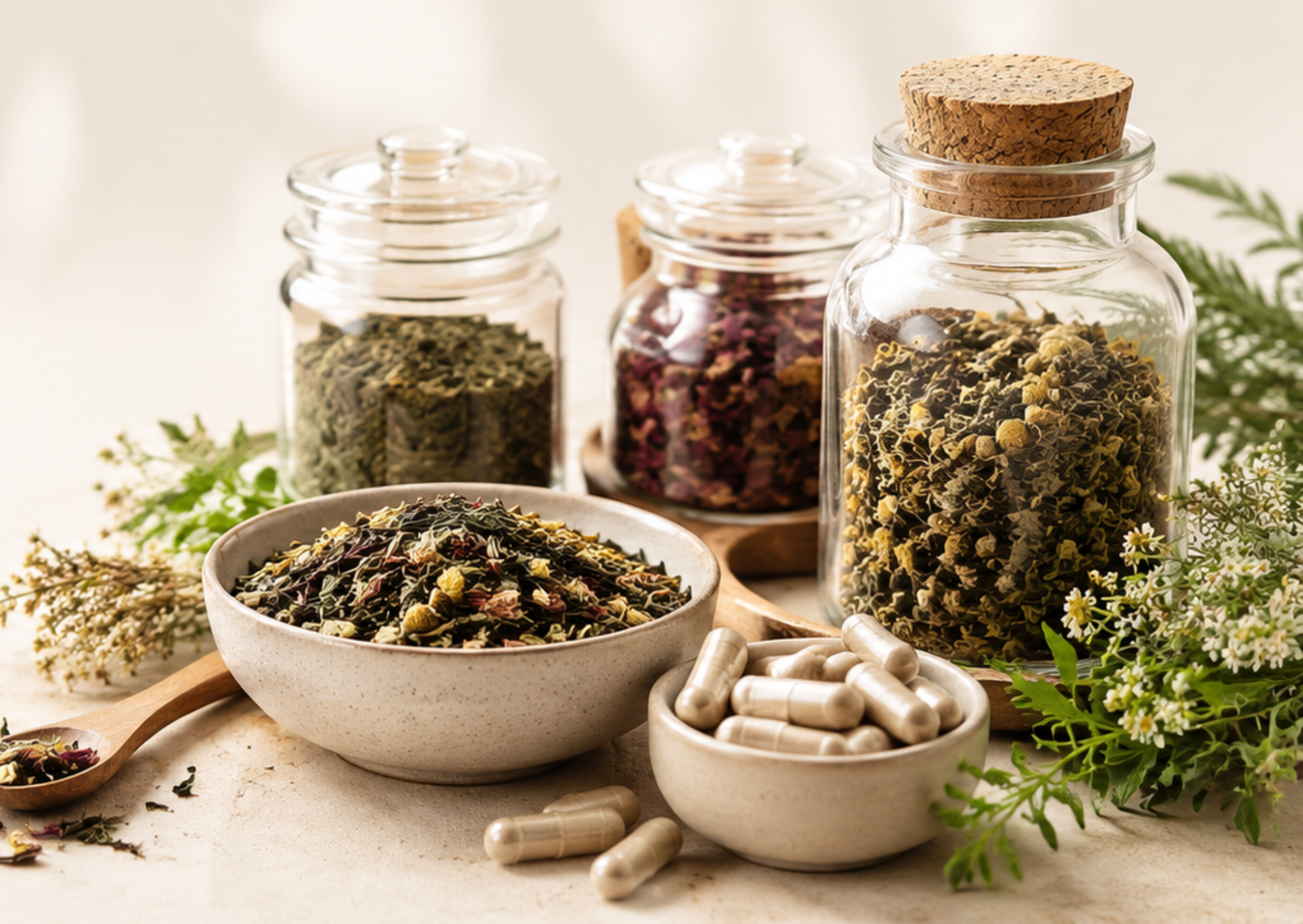
- Standardized Dried Herb: Ideal for creating traditional infusions, decoctions, or adding to loose-leaf herbal tea blends. Drying preserves the delicate polyphenols while dramatically extending shelf life.
- Concentrated Liquid Extracts and Syrups: Often formulated to soothe sore throats, support respiratory health, or serve as a general vitality tonic for children and recovering patients.
- Sloe Berry Tinctures: Hydro-ethanolic extractions draw out both the water-soluble anthocyanins and the alcohol-soluble flavonoids, offering a highly concentrated, bioavailable liquid dose.
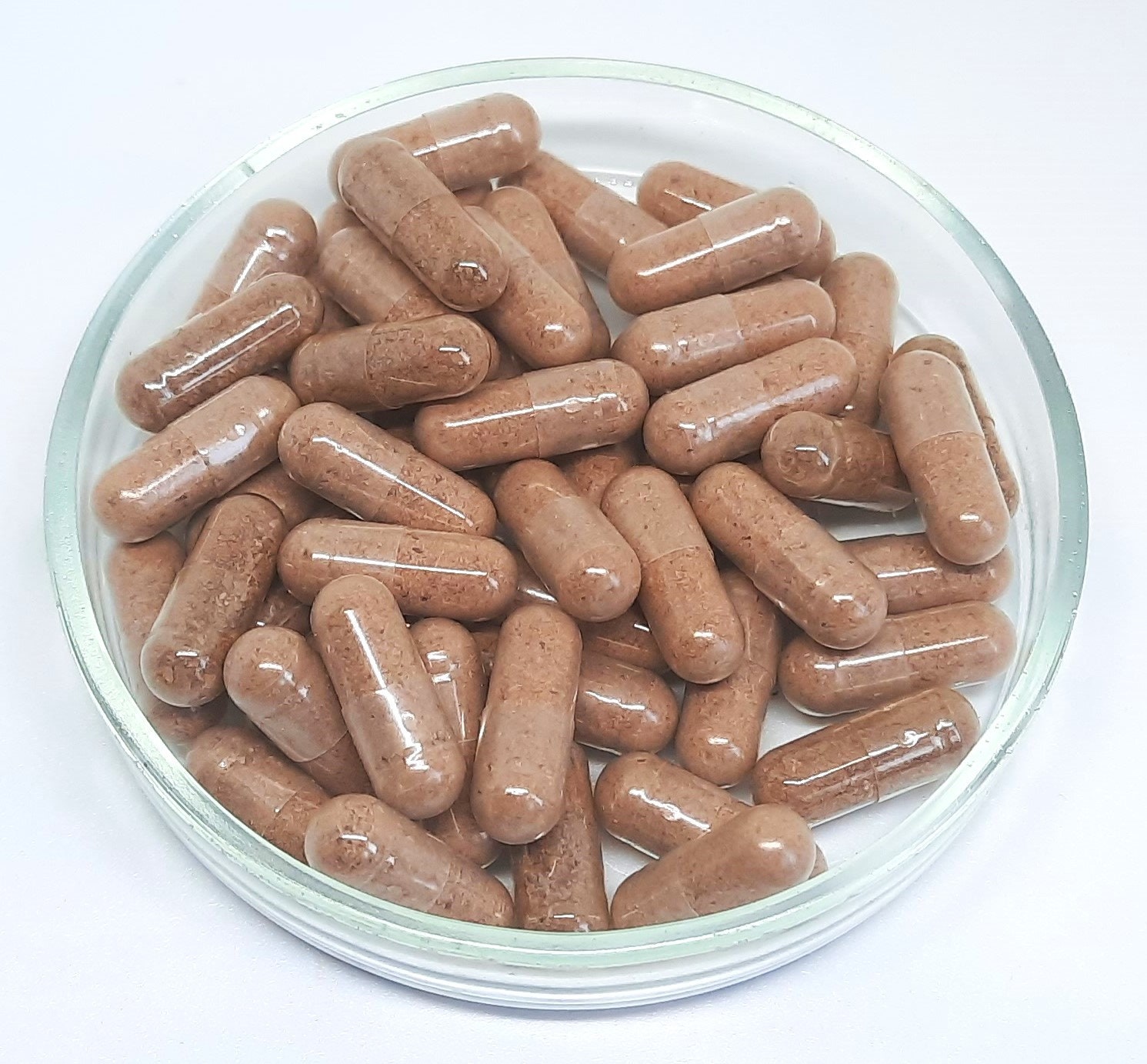
- Standardized Capsules and Tablets: For targeted therapeutic protocols, standardized capsules ensure a consistent, measurable dose of active anthocyanins and polyphenols without the tart taste.
Practical Usage, Dosages, and Critical Safety Considerations
To safely maximize the therapeutic potential of blackthorn berries, it is essential to understand proper preparation techniques and potential contraindications. Because the berries are naturally astringent, culinary preparations typically require sweetening or blending with other fruits to make them palatable.
How to Prepare Blackthorn Berry Tea
To prepare a comforting, astringent tea to support digestive comfort or soothe a scratchy throat, add one to two teaspoons of dried blackthorn berries to a cup of cold water. Bring the mixture to a boil, then reduce the heat and let it simmer gently for 10 to 15 minutes. Simmering helps extract the dense tannins and minerals from the tough skin of the dried fruit. Strain the decoction and drink up to three times daily. A touch of raw honey can be added to balance the natural tartness.
A Vital Safety Warning Regarding Blackthorn Seeds
While the pulp and skin of the blackthorn berry are highly nutritious and safe, a critical safety warning must be issued regarding the seeds (pits). Like many plants in the Rosaceae family (such as cherries, apricots, and apples), the kernels inside blackthorn pits contain a compound called amygdalin, which is a cyanogenic glycoside. When crushed and digested, enzymes in the human gut break amygdalin down into hydrogen cyanide, a highly toxic substance.
Rule of Thumb: Never crush, chew, or swallow the hard inner seeds of blackthorn berries. Traditional recipes for sloe gin, syrups, and jams involve steeping or cooking the whole berries with the pits intact, which is generally safe as long as the hard outer shell of the seed remains unbroken and is strained out before final consumption.
Contraindications and Drug Interactions
Due to their high tannin content, excessive consumption of blackthorn berry preparations can occasionally cause mild stomach irritation, especially in individuals with sensitive digestive linings. Pregnant and breastfeeding women should consult with a healthcare professional before consuming therapeutic doses of blackthorn supplements, as comprehensive safety data for these specific populations is currently limited.
Additionally, because of the berries’ natural mild diuretic and blood pressure-lowering properties, individuals taking prescription antihypertensive medications or diuretic drugs should exercise caution and monitor their levels closely when introducing blackthorn extracts into their wellness routines.
Conclusion
Blackthorn berries (Prunus spinosa) represent a perfect marriage of historical folk wisdom and modern scientific validation. From their deep-rooted history in European hedgerows to their rich phytochemical composition, these resilient wild fruits offer an extraordinary range of health benefits. Packed with anthocyanins, flavonols, tannins, and vital organic acids, they provide robust support for the cardiovascular system, combat systemic inflammation, protect cells from oxidative degradation, and nurture the gastrointestinal tract.
By understanding their biochemistry, respecting their safety guidelines, and incorporating them thoughtfully into modern wellness practices—whether through traditional dried herbal teas, artisanal syrups, or standardized supplements—we can fully harness the protective, restorative power of this ancient European botanical ally.
Disclaimer: For informational purposes only. Not medical advice. Consult a qualified healthcare professional before use.