The Complete Guide to Aerva Lanata: Nature’s Premier Lithotriptic and Renal Support Herb
In the vast kingdom of botanical medicine, few plants hold as esteemed a position in renal health as Aerva lanata. Commonly known as Mountain Knotgrass, Gorakshaganja in Sanskrit, and Polpala in Sri Lankan traditional medicine, this perennial herbaceous wild plant belongs to the Amaranthaceae family. For centuries, traditional healers across Asia, Africa, and Australia have revered Aerva for its profound ability to dissolve kidney stones, clear urinary tract infections, and restore systemic fluid equilibrium. Today, modern pharmacology is rapidly validating these historical uses, uncovering a complex matrix of bioactive compounds that support renal filtration, combat oxidative stress, and protect vital metabolic pathways.
This comprehensive, science-backed guide explores the botanical characteristics, chemical profile, therapeutic health benefits, historical context, and practical applications of Aerva Herb, serving as the definitive resource for clinicians, herbalists, and wellness seekers alike.
Botanical Profile and Geographical Distribution
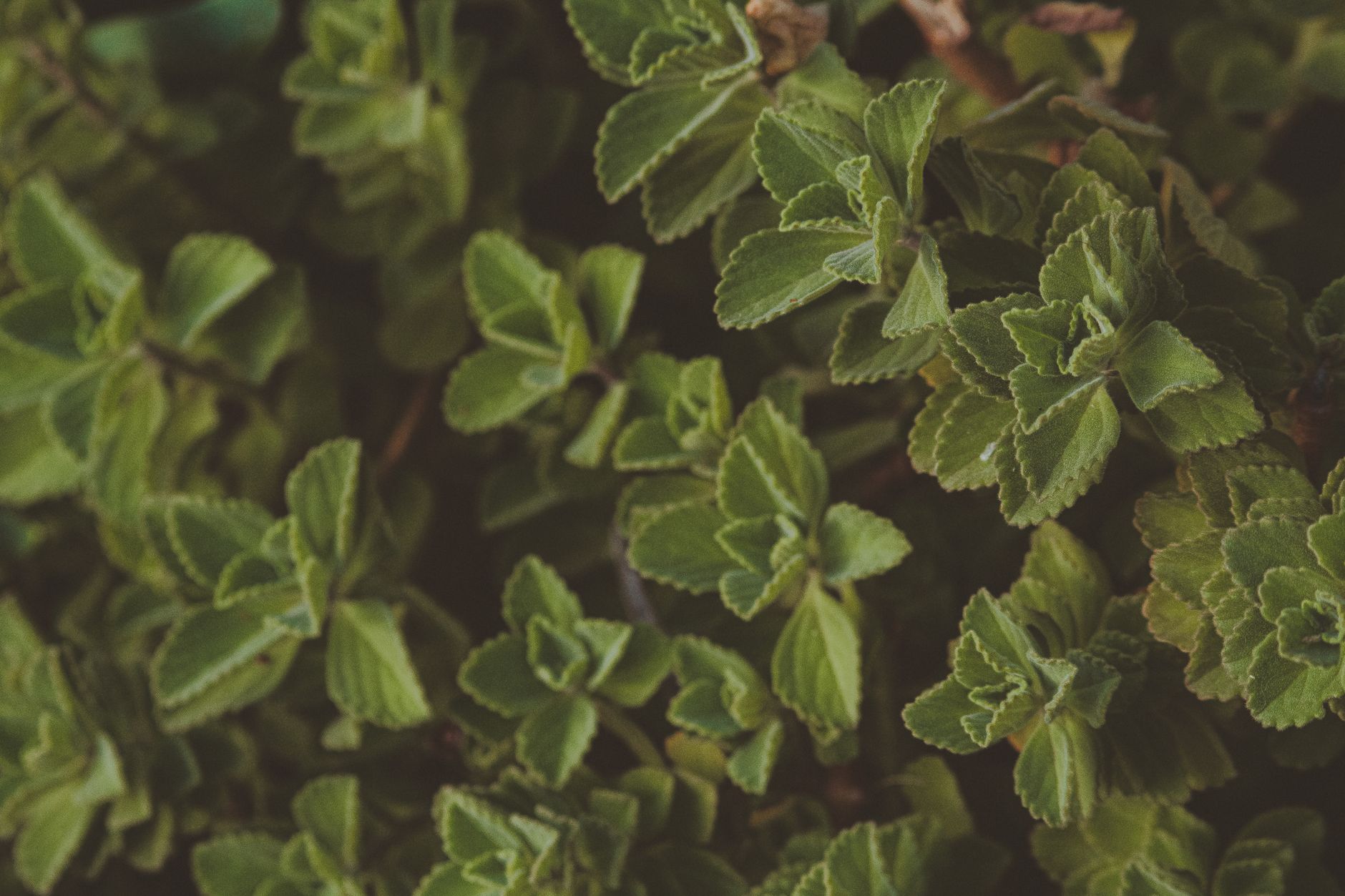
Aerva lanata is a prostrate or erect, many-branched woody herb that typically grows as a weed in plains, waste spaces, and on dry stony hillsides. It thrives in warm, tropical climates and is widely distributed throughout the warmer parts of India, Sri Lanka, tropical Africa, Saudi Arabia, and Java. The plant is characterized by its distinct, woolly-white appearance, which is primarily due to the dense, felted, stellate hairs covering its stems and leaves.
The leaves of the Aerva herb are alternate, obovate or orbicular, and covered with white cottony pubescence on the under-surface. The flowers are small, sessile, bisexual, and crowded in axillary, dense, cylindrical spikes that present as creamy white or greenish-white clusters. This woolly floral morphology is what gives the plant its common name, Mountain Knotgrass. The root system is robust, fibrous, and possesses a slightly camphor-like aroma when freshly harvested, serving as a primary storage site for many of the plant’s therapeutic secondary metabolites.
Ecologically, Aerva is a highly resilient plant. It is capable of growing in nutrient-poor soils, arid environments, and high-salinity zones. This adaptability is driven by its internal biochemical defense systems, which synthesize a rich array of protective phytochemicals. These same defensive molecules translate directly into human therapeutic benefits when the herb is prepared and consumed.
Phytochemical Composition: The Molecular Architecture of Aerva
The therapeutic efficacy of Aerva lanata is not the result of a single isolated compound, but rather a synergistic interplay of diverse phytochemical classes. Scientific extraction and chromatographic profiling have revealed that the entire plant—roots, stems, leaves, and flowers—is rich in bioactive compounds. Understanding these molecules provides a clear picture of how the herb exerts its medicinal effects on human physiology.
Alkaloids
Aerva contains several unique beta-carboline alkaloids, most notably aervine, methylaervine, aervoside, and aervolanine. Beta-carboline alkaloids are known for their profound pharmacological activities, including interactions with the central nervous system, antimicrobial properties, and significant anti-inflammatory activities. These alkaloids contribute heavily to the herb’s pain-relieving capabilities, particularly in the urinary tract.
Flavonoids and Phenolic Compounds
The antioxidant, anti-inflammatory, and tissue-protective properties of Aerva are largely attributed to its dense concentration of flavonoids. Key flavonoids isolated from the herb include kaempferol, quercetin, isorhamnetin, and their glycosidic derivatives (such as tiliroside). These compounds act as potent free-radical scavengers, neutralizing reactive oxygen species (ROS) that damage cellular membranes and drive chronic inflammation.

Triterpenoids and Phytosterols
The herb synthesizes notable levels of beta-sitosterol, daucosterol, betulin, and lupeol. Beta-sitosterol is widely recognized for its ability to modulate immune responses, support prostate health, and reduce circulating cholesterol levels. Lupeol and betulin are highly valued for their anti-inflammatory, anti-urolithiatic, and chemopreventive properties, acting as key drivers in protecting renal tissue from metabolic insults.
Saponins, Tannins, and Minerals
Aerva is highly rich in soluble tannins and saponins, which exhibit astringent and antimicrobial actions. Furthermore, the plant contains substantial levels of essential minerals, including potassium, calcium, magnesium, and silica. The high potassium content is of critical therapeutic importance, as it plays a central role in the herb’s potassium-sparing diuretic action, preventing the electrolyte imbalances commonly associated with synthetic pharmaceutical diuretics.
Key Health Benefits of Aerva Herb
1. Potent Lithotriptic Action (Dissolving Kidney Stones)
Historically, Aerva lanata has been designated as “Pashanabheda” in ancient Sanskrit texts, a term that literally translates to “stone-breaker.” Modern urological research has heavily investigated this claim, confirming that Aerva possesses potent anti-urolithiatic properties. It targets kidney stones—specifically those composed of calcium oxalate, which make up over 80% of all diagnosed calculi—through multiple chemical and physiological pathways.
- Inhibition of Crystal Nucleation and Growth: The active compounds in Aerva, particularly the flavonoids and saponins, prevent the crystallization of calcium oxalate monohydrate (COM). By interfering with the binding sites on crystal surfaces, the herb stops micro-crystals from aggregating into larger, painful stones.
- Disruption of Mucoprotein Binders: Kidney stones are held together by an organic matrix of mucoproteins. The enzymatic and chemical actions of Aerva’s phytochemicals help degrade this organic matrix, softening existing stones and allowing them to break down into micro-particles that can be passed painlessly through the urine.
- Calcium Oxalate Solubilization: Aerva promotes the excretion of citrate, a natural urinary inhibitor of crystallization. Citrate binds with calcium in the urine, reducing the amount of free calcium available to bond with oxalate, thereby decreasing the supersaturation of calcium oxalate in the renal tubules.
2. Natural Potassium-Sparing Diuretic
Diuretics are substances that promote the production of urine, helping the body eliminate excess fluid and sodium. While synthetic diuretics can cause dangerous depletions of potassium (leading to cardiac arrhythmias, muscle cramps, and fatigue), Aerva acts as a safe, natural, potassium-sparing diuretic. It increases the glomerular filtration rate (GFR) and enhances the excretion of excess water, sodium, and chloride ions while preserving vital potassium levels, thanks to its high intrinsic potassium content and regulatory actions on renal transport channels.
3. Nephroprotective and Renal Tissue Restoration
The kidneys are constantly exposed to toxins, pharmaceuticals, heavy metals, and metabolic waste products that can cause acute kidney injury (AKI) or accelerate chronic kidney disease (CKD). Studies have demonstrated that Aerva extract exerts a powerful nephroprotective effect against classic nephrotoxins, such as cisplatin, gentamicin, and heavy metals. By suppressing lipid peroxidation, restoring levels of glutathione (GSH), and boosting the activity of endogenous antioxidant enzymes like superoxide dismutase (SOD) and catalase (CAT), Aerva preserves the structural integrity of renal tubules and glomeruli.
4. Comprehensive Urinary Tract Infection (UTI) Support
Urinary tract infections are incredibly common, often recurring due to bacterial resistance to antibiotics. Aerva herb provides multi-faceted support against UTIs:
- Antimicrobial Action: The alkaloid and tannin content in Aerva demonstrates direct antibacterial activity against common uropathogens, including Escherichia coli, Klebsiella pneumoniae, and Pseudomonas aeruginosa.
- Anti-Adhesion Effects: Active compounds in the herb prevent bacteria from adhering to the urothelial lining of the bladder and urethra, making it easier for the body to flush out pathogens through increased urination.
- Anti-Inflammatory and Demulcent Relief: The mucilaginous and anti-inflammatory components soothe the irritated, inflamed mucous membranes of the urinary tract, rapidly reducing the burning sensation and urinary urgency associated with infections.
5. Blood Sugar Regulation and Antidiabetic Potential
Beyond its renal benefits, research indicates that Aerva lanata possesses significant hypoglycemic properties. The alcoholic and aqueous extracts of the herb have been shown to inhibit key carbohydrate-hydrolyzing enzymes, such as alpha-glucosidase and alpha-amylase, which slows down the digestion and absorption of glucose in the gastrointestinal tract. Furthermore, Aerva stimulates insulin secretion from the beta-cells of the pancreas and enhances peripheral glucose utilization, making it an excellent supportive herb for managing Type 2 diabetes and preventing diabetic nephropathy (kidney damage caused by chronic high blood sugar).
6. Anti-inflammatory, Analgesic, and Hepatoprotective Properties
Chronic systemic inflammation is the driver of most modern degenerative diseases. The high concentration of flavonoids like kaempferol and tiliroside in Aerva inhibits the expression of pro-inflammatory cytokines (such as TNF-alpha, IL-1beta, and IL-6) and suppresses the activity of cyclooxygenase-2 (COX-2) and inducible nitric oxide synthase (iNOS). This explains its traditional use in relieving joint pain, rheumatic disorders, and systemic swelling. Additionally, Aerva protects the liver parenchyma from oxidative damage, helping to normalize liver enzymes (AST, ALT) and assist in systemic detoxification processes.
Ethnobotanical History and Traditional Uses
Historically, Aerva lanata has played a pivotal role in various traditional systems of medicine. In Ayurveda, it is recognized as a vital component of formulations aimed at clearing “mutravaha srotas” (the urinary channels). Ayurvedic physicians historically utilized the root decoction of Gorakshaganja to treat “asmari” (urinary calculi), “mutrakrichra” (dysuria/painful urination), and “svathu” (anasarca or generalized edema).

In the traditional Sidha and Sri Lankan indigenous medicine systems, the dried herb is famously known as Polpala. In Sri Lanka, Polpala tea is a ubiquitous daily beverage consumed for general wellness, detoxification, and to counteract the intense tropical heat which can lead to dehydration and concentrated urine (a major risk factor for kidney stones). The leaves were also traditionally cooked as a green vegetable (mallum) or added to herbal broths (kola kenda) to restore vitality in postpartum women, the elderly, and those recovering from long illnesses.
In African traditional medicine, particularly in regions of Nigeria and Kenya, the root decoction of Aerva is utilized not only for renal ailments but also as an anthelmintic to expel intestinal worms, as a wash for soothing skin eruptions, and as an oral rinse to alleviate severe toothaches and gum inflammation.
Modern Adaptations, Supplements, and Formulations
As interest in natural urological support continues to expand globally, Aerva has made a successful transition from traditional wild-harvested tea to standardized modern dietary supplements. Today, consumers can access the therapeutic benefits of Aerva in several convenient formats, depending on their health goals and preferences.

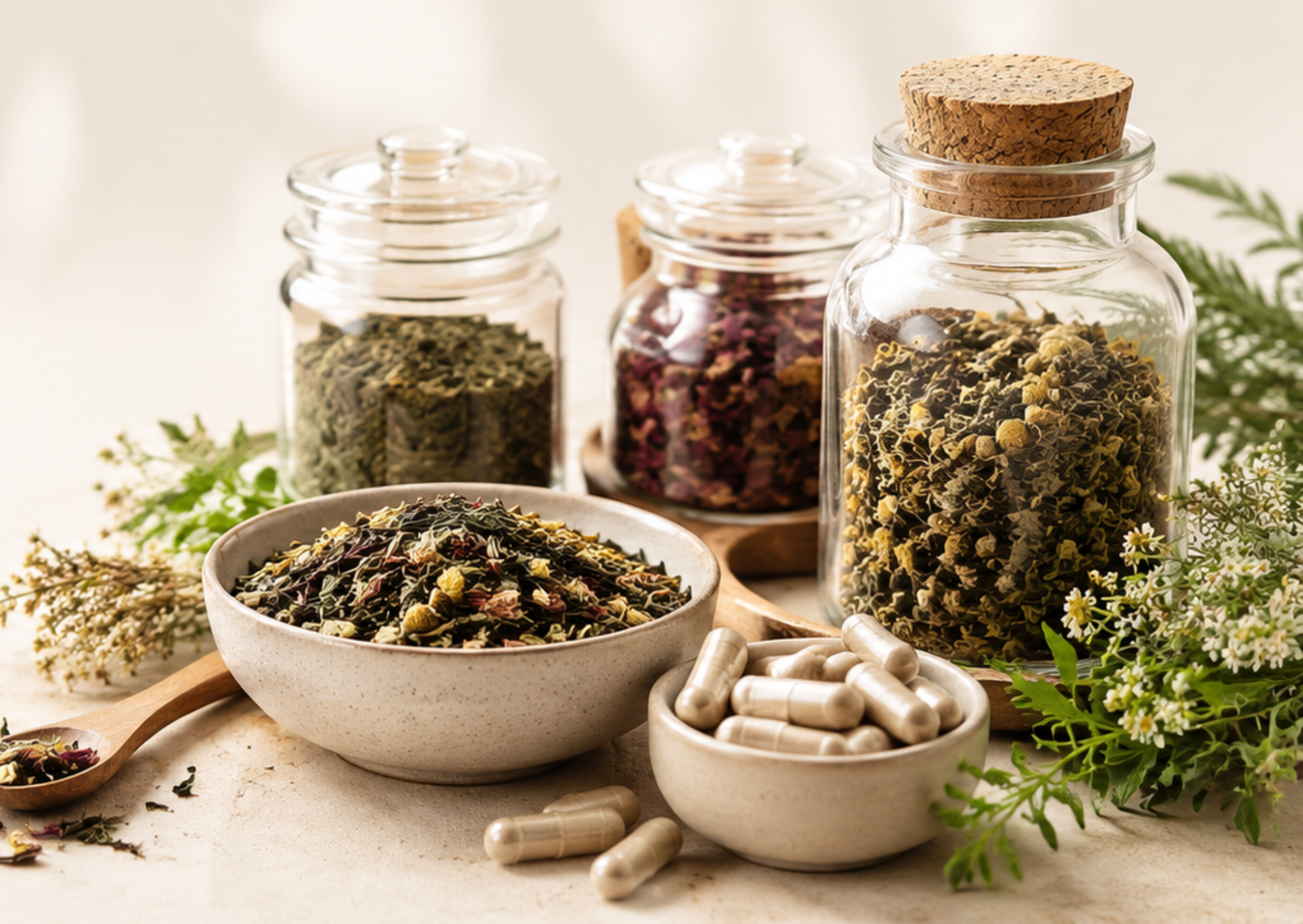
Standardized Extract Capsules: For targeted therapeutic interventions—such as actively managing kidney stones or supporting chronic renal function—standardized capsules are highly favored. These capsules contain concentrated extracts of Aerva lanata, typically standardized to specific flavonoid or alkaloid profiles. This ensures a consistent, high-potency dose of active ingredients in every serving, free from the variability associated with raw plant material.
Herbal Teas and Infusions: The traditional preparation method remains highly popular. Dried Aerva herb is packaged as loose-leaf herbal tea or pre-portioned tea bags. Drinking Aerva tea is highly effective because the water-soluble compounds (including the mineral salts, potassium, flavonoids, and saponins) are easily extracted during the brewing process. Furthermore, the act of drinking tea naturally increases daily fluid intake, which is itself a critical component of preventing kidney stones and flushing out urinary infections.
Liquid Extracts and Tinctures: Liquid formulations offer rapid absorption and easy dosage adjustment. Tinctures prepared with a water-alcohol solvent capture both the water-soluble and alcohol-soluble bioactive compounds of the herb, providing a well-rounded and fast-acting therapeutic option.
Practical Usage, Dosage, and Preparation Methods
To safely maximize the therapeutic health benefits of Aerva, it is important to understand how to prepare and dose the herb correctly.
Traditional Decoction (Water Extract)
To prepare a classic Aerva decoction at home using dried herb:
- Take approximately 10 to 15 grams of dried Aerva lanata (stems, leaves, and flowers).
- Place the herb in a pot and add 4 cups of filtered water.
- Bring the mixture to a boil, then reduce the heat and let it simmer gently until the liquid is reduced to about 1 to 2 cups.
- Strain the decoction through a fine mesh sieve.
- Allow it to cool to a warm, drinkable temperature. Drink this liquid in divided doses throughout the day.
Standard Dosage Guidelines
- Standardized Capsule Extract: Typically, 300 mg to 500 mg of a standardized extract, taken 1 to 2 times daily with meals, or as directed by a healthcare professional.
- Dried Herb Infusion (Tea): 1 to 2 cups of brewed Aerva tea daily for general renal maintenance and detoxification. During active kidney stone passage or a mild UTI, this may be increased to 3 cups daily under guidance.
- Liquid Tincture (1:5 extraction): 2 to 4 mL, taken in a small glass of water 2 to 3 times per day.
Safety, Side Effects, and Contraindications
While Aerva lanata is generally considered safe and highly tolerated by most individuals, certain precautions should be observed:
- Pregnancy and Lactation: Due to a lack of comprehensive safety data regarding developing fetuses, pregnant and nursing women should avoid using Aerva supplements unless specifically advised by their obstetrician.
- Medication Interactions: Because of its natural diuretic properties, Aerva may interact with pharmaceutical diuretics (such as furosemide or hydrochlorothiazide), potentially compounding the diuretic effect and altering electrolyte balance. Consult a physician if you are taking blood pressure or heart medications.
- Hypoglycemia Risk: Because Aerva can lower blood glucose levels, individuals diagnosed with diabetes who are taking glucose-lowering medications should monitor their blood sugar levels closely to avoid hypoglycemia.
- Kidney Function Monitoring: Individuals with advanced kidney disease (such as stage 4 or 5 CKD, where potassium excretion is severely compromised) should exercise extreme caution and consult their nephrologist before consuming potassium-rich herbal preparations like Aerva.
Conclusion: The Future of Renal Wellness
Aerva lanata stands as a shining example of how traditional ethnobotanical wisdom and modern pharmacological science can converge to offer powerful, natural health solutions. Its proven ability to act as a potassium-sparing diuretic, dissolve kidney stones, protect renal tissue from oxidative stress, and fight urinary infections makes it an invaluable ally in maintaining long-term kidney and urinary tract health.
As clinical research continues to delve deeper into its unique phytochemical profile, Aerva’s role in integrative medicine is set to expand. Whether consumed as a comforting cup of traditional Polpala tea or taken as a standardized extract capsule, this remarkable “stone-breaker” herb remains one of nature’s most effective remedies for protecting, cleansing, and revitalizing the human filtration system.
Disclaimer: For informational purposes only. Not medical advice. Consult a qualified healthcare professional before use.