Unveiling the Ancient Wisdom: The Exhaustive Health Benefits of Buckthorn Bark (Frangula alnus)
The world of ethnobotany is a treasure trove of natural remedies, and among its most historically significant entries is Buckthorn Bark, scientifically known as *Frangula alnus*. Far from being a mere shrub, this unassuming plant has been revered for centuries across various cultures for its profound medicinal properties, particularly its powerful influence on digestive health. Often overshadowed by more mainstream herbs, *Frangula alnus* offers a compelling narrative of natural healing, supported by a rich tapestry of traditional use and an evolving understanding of its complex phytochemistry. This exhaustive guide delves into every facet of Buckthorn Bark, exploring its botanical identity, historical significance, intricate bioactive compounds, and a detailed breakdown of its health benefits, offering a definitive resource for those seeking a deeper understanding of this remarkable botanical.
Botanical Profile and Identification: A Closer Look at *Frangula alnus*
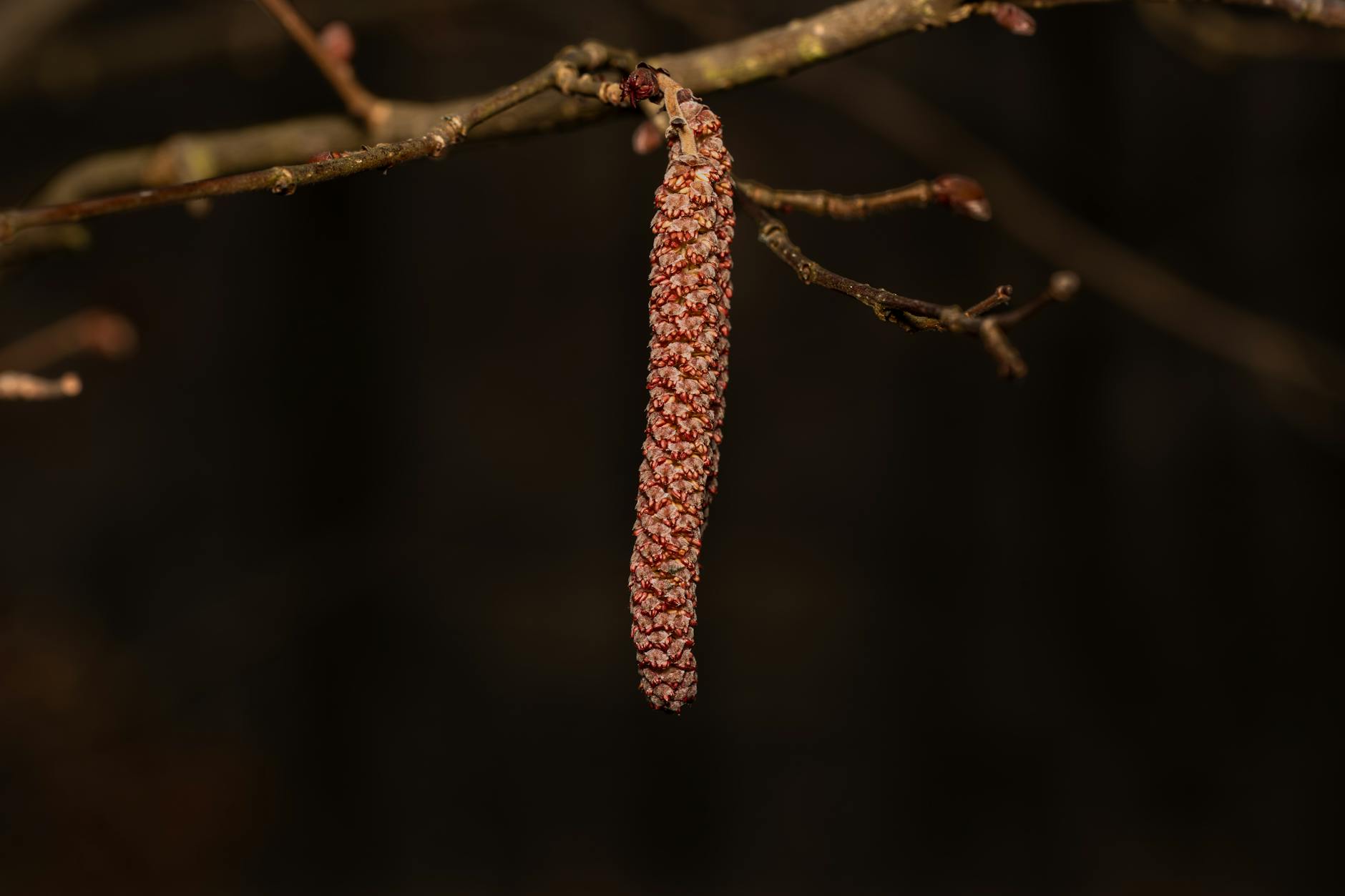
*Frangula alnus*, commonly known as Alder Buckthorn, Glossy Buckthorn, or Black Dogwood, is a deciduous shrub or small tree belonging to the Rhamnaceae family. Native to Europe, North Africa, and parts of Asia, it thrives in moist woodlands, heathlands, fens, and hedgerows, often preferring acidic soils. The plant typically grows to heights of 3 to 6 meters, characterized by its smooth, dark brown bark, which is dotted with prominent lenticels (small, corky pores). Its leaves are simple, alternate, oval-shaped with entire margins, and possess distinct parallel veins that curve towards the leaf tip, giving them a glossy appearance. Small, greenish-white flowers bloom in late spring to early summer, eventually giving way to clusters of berries that ripen from green to red, and finally to a deep black in autumn. These berries, while superficially attractive, are purgative and should not be consumed, as the bark is the primary medicinal part of the plant. The distinguishing feature for medicinal use is the inner bark, which is yellowish and, upon exposure to air, changes to a reddish-brown hue.

A Journey Through Time: Historical Context and Traditional Uses of Buckthorn Bark
The medicinal application of Buckthorn Bark dates back many centuries, with its use prominently documented in European traditional medicine. Its earliest recorded uses can be traced to medieval herbalists who recognized its potent cathartic properties. By the 14th century, it was widely acknowledged as a powerful purgative and was included in various pharmacopoeias and herbal texts across Europe. The renowned herbalist John Gerard mentioned it in his “Herball” of 1597, describing its efficacy for bowel complaints.
Historically, *Frangula alnus* was a staple in household remedies, particularly for alleviating severe constipation. Its strong action led to its reputation as a “drainer” or “cleanser” of the bowels, used in purification rituals and for addressing conditions believed to stem from internal stagnation. It was also employed, albeit less frequently, for liver complaints and as a component in complex formulations aimed at general detoxification. A crucial aspect of its traditional preparation, deeply ingrained in historical practice, was the necessity of aging the bark for at least a year after harvesting, or heat-treating it. This was a critical safety measure, as fresh bark contains compounds that induce severe nausea and vomiting, a fact well-understood by ancient practitioners who passed down this vital knowledge through generations. This historical wisdom underscores the careful observation and empirical testing that underpinned ancient herbal medicine.
The Chemical Symphony: Unpacking the Bioactive Compounds of *Frangula alnus*
The profound medicinal effects of Buckthorn Bark are primarily attributed to its rich array of anthraquinone glycosides, a class of naturally occurring compounds renowned for their laxative properties. The most significant of these include frangulins A and B, glucofrangulins A and B, and emodin. These compounds are present in the bark in an inactive, glycosidic form, meaning they are bound to a sugar molecule.

Upon ingestion, these inactive glycosides journey through the upper digestive tract largely unchanged. It is only when they reach the colon that they encounter the resident gut microbiota. The beneficial bacteria in the large intestine possess enzymes capable of hydrolyzing (breaking down) the sugar component from the anthraquinone glycosides. This enzymatic cleavage converts the inactive glucofrangulins and frangulins into their active forms, primarily emodin and related anthrones. These liberated active compounds are then able to exert their pharmacological effects directly on the colonic mucosa. Beyond anthraquinones, the bark also contains tannins, flavonoids, and various resins, which may contribute to its overall therapeutic profile, though the anthraquinones remain the primary drivers of its well-known laxative action.
The Core Benefit: A Deep Dive into Buckthorn Bark’s Potent Laxative Action
The principal and most thoroughly investigated health benefit of Buckthorn Bark is its efficacy as a stimulant laxative, primarily used for the short-term relief of occasional constipation. This action is mediated by the aforementioned anthraquinones, specifically emodin and its derivatives. The mechanism involves a dual approach to promoting bowel movements:
1. Stimulation of Colonic Motility:
Once activated in the colon, the anthraquinones directly interact with the nerve endings in the colonic wall. They stimulate the Auerbach’s (myenteric) plexus, which is a key component of the enteric nervous system responsible for regulating gastrointestinal motility. This stimulation leads to an increase in the rhythmic contractions (peristalsis) of the smooth muscles lining the colon. Enhanced peristalsis propels the fecal matter more quickly through the large intestine, reducing the time available for water reabsorption and thereby accelerating bowel emptying. This direct motor stimulation is a hallmark of stimulant laxatives.
2. Modulation of Water and Electrolyte Secretion:
In addition to stimulating motility, the active anthraquinones influence the transport of water and electrolytes across the colonic epithelium. They inhibit the absorption of water and electrolytes (such as sodium and chloride ions) from the colon back into the bloodstream. Concurrently, they promote the active secretion of water and electrolytes into the colonic lumen. This results in an increased volume of fluid within the colon, softening the stool and expanding its bulk. The combined effect of softer, bulkier stool and heightened peristaltic contractions significantly facilitates defecation, providing effective relief from constipation. The onset of action for Buckthorn Bark is typically between 6 to 12 hours after ingestion, allowing for overnight relief. Due to its potent action, it is generally recommended for acute episodes of constipation and not for long-term chronic use, which could lead to dependence or electrolyte imbalances.
Beyond Laxation: Exploring Other Potential Health Applications (with due caution)
While its laxative effect is paramount, traditional uses and emerging research suggest other potential applications for Buckthorn Bark, though these are less substantiated and require significantly more scientific validation.
Potential Anti-inflammatory Properties:
Some preliminary studies and traditional uses hint at possible anti-inflammatory effects. Certain anthraquinones, including emodin, have been investigated for their anti-inflammatory potential in various *in vitro* and *in vivo* models. These compounds may modulate inflammatory pathways by influencing cytokine production or enzyme activities. However, it is critical to emphasize that these studies are often conducted in highly controlled laboratory settings and are not directly translatable to human therapeutic use of Buckthorn Bark for inflammatory conditions. Any such application would be secondary to its primary laxative role and should be approached with extreme caution and professional guidance.
Antimicrobial Activity:
Extracts from *Frangula alnus* have occasionally shown some antimicrobial activity against certain bacteria and fungi in laboratory experiments. This is likely due to the presence of various phytochemicals, including some anthraquinones and tannins. While interesting from a scientific perspective, this does not indicate that Buckthorn Bark should be used as an antimicrobial agent in humans, particularly given its potent laxative effects and the risks associated with its unsupervised use. Its traditional use might have obliquely touched upon general “cleansing,” which could have been interpreted as removing pathogens, but this is largely speculative in modern scientific terms.
Liver Support (Historical Context):
Historically, Buckthorn Bark was sometimes included in formulas aimed at supporting liver function or “cleansing the liver.” This traditional belief likely stems from the understanding that improved bowel regularity can reduce the burden on the liver by facilitating the elimination of waste products. However, there is no direct scientific evidence to support Buckthorn Bark as a specific hepatoprotective agent or liver detoxifier in its own right. Its role in liver support, if any, would be indirect through its impact on the digestive system.
Practical Usage and Modern Preparations of Buckthorn Bark
Buckthorn Bark is available in several forms, catering to different preferences and needs, always with the understanding that the bark must be properly prepared (aged or heat-treated) to neutralize the emetic compounds.

Dried Bark for Decoctions:
The most traditional method of consumption involves preparing a decoction from the dried, aged bark. This involves simmering the bark in water for a period, typically 5-10 minutes, to extract the active compounds. A standard preparation might involve 1-2 grams of dried bark per cup of water. This allows for a measured dose and the full spectrum of the bark’s compounds to be delivered. The resulting liquid is then strained and consumed, usually before bedtime due to the delayed onset of action.
Tinctures and Liquid Extracts:
For those who prefer a more convenient form, Buckthorn Bark is also available as a liquid extract or tincture. These are typically alcohol-based preparations that concentrate the active compounds. Tinctures offer ease of dosing with a dropper, and their liquid form can allow for quicker absorption, although the overall onset of action for the laxative effect remains dependent on colonic bacterial activation.
Capsules and Tablets:
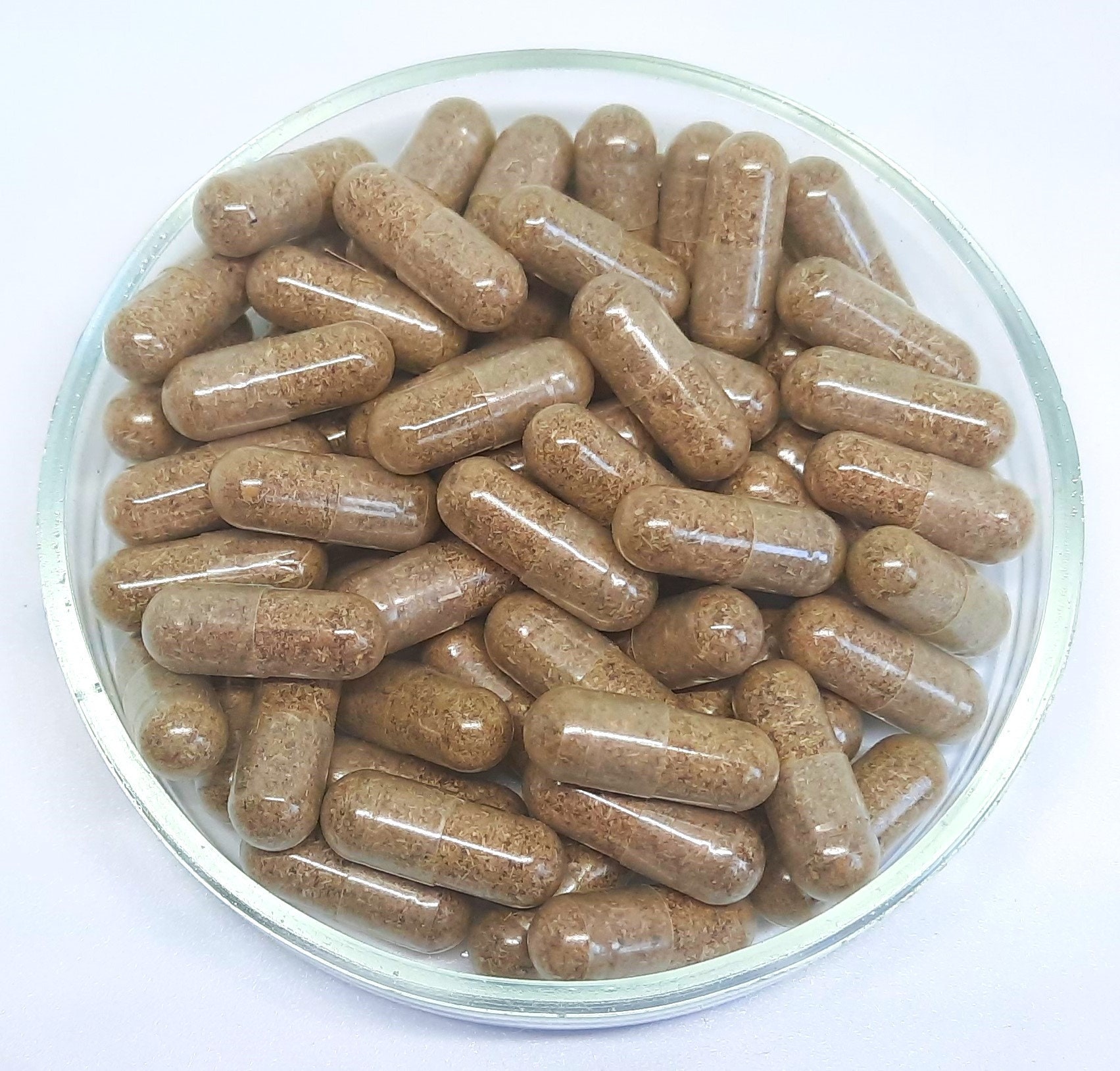
Modern herbal medicine often presents Buckthorn Bark in standardized capsule or tablet form. These supplements offer precise dosing and convenience, masking the somewhat bitter taste of the bark. Many commercial products use extracts standardized to contain a certain percentage of anthraquinone glycosides, ensuring consistent potency. When choosing capsules, it is vital to ensure they are from reputable manufacturers who guarantee the bark has been properly aged or processed to remove the emetic principles.
Dosage and Administration: A Guide to Safe and Effective Use
The effective dosage of Buckthorn Bark can vary depending on the form and the individual’s sensitivity. For dried bark preparations, a common recommendation is to use 1-2 grams of aged bark steeped as a decoction. For standardized extracts, dosages are typically based on the anthraquinone content, often ranging from 20-30 mg of active anthraquinones (calculated as glucofrangulins) per dose. It is crucial to start with the lowest effective dose to assess individual response and avoid excessive purgation.
The ideal time for administration is typically in the evening, before bedtime, as the laxative effect usually manifests 6-12 hours later. It should always be taken with a sufficient amount of water to aid in hydration and facilitate its action.
Crucial Considerations, Precautions, and Contraindications
Despite its effectiveness, Buckthorn Bark, like all potent herbal remedies, comes with a host of important considerations and precautions that must be observed for safe usage.
The Aging Requirement:
This cannot be stressed enough: **fresh Buckthorn Bark is emetic and should never be consumed.** It contains free anthranols, which are highly irritating to the gastrointestinal lining and cause severe nausea and vomiting. The bark must be aged for at least one year or heat-treated (e.g., kiln-dried at specific temperatures) to convert these irritating compounds into the less harsh, therapeutically active glycosides. Always ensure that any Buckthorn Bark product purchased specifies that it has been properly aged or processed.
Short-Term Use Only:
Buckthorn Bark is intended for short-term use (typically no more than 1-2 weeks) for occasional constipation. Prolonged or chronic use can lead to several adverse effects, including:
- **Electrolyte Imbalance:** Excessive loss of potassium can occur, potentially leading to cardiac arrhythmias and muscle weakness.
- **Laxative Dependence:** The colon can become dependent on external stimulation, leading to a “lazy bowel” syndrome where natural peristalsis is diminished.
- **Melanosis Coli:** A harmless but notable pigmentation of the colon lining, reversible upon discontinuation.
- **Abdominal Cramping and Discomfort:** While some cramping can be expected, severe discomfort indicates too high a dose.
Contraindications:
Buckthorn Bark is contraindicated in several conditions:
- **Pregnancy and Breastfeeding:** Due to insufficient safety data and the potential for active compounds to pass into breast milk or affect fetal development.
- **Acute Inflammatory Bowel Conditions:** Such as Crohn’s disease, ulcerative colitis, appendicitis, and irritable bowel syndrome (IBS), as it can exacerbate inflammation and symptoms.
- **Intestinal Obstruction or Undiagnosed Abdominal Pain:** Using a stimulant laxative in these conditions can be dangerous.
- **Children Under 12 Years:** Due to the potency and risk of electrolyte disturbances.
Drug Interactions:
Buckthorn Bark can interact with certain medications:
- **Diuretics, Corticosteroids, and Licorice Root:** Concomitant use can increase the risk of potassium depletion.
- **Cardiac Glycosides (e.g., Digoxin):** Potassium depletion can potentiate the effects of cardiac glycosides, leading to toxicity.
- **Anticoagulants:** Some traditional claims suggest a blood-thinning effect, but this is poorly substantiated. Caution is advised.
Consultation with a Healthcare Professional:
Given its potent action and potential side effects, it is strongly advised to consult with a healthcare professional or a qualified herbalist before using Buckthorn Bark, especially if you have pre-existing health conditions or are taking other medications. They can provide personalized advice on dosage, duration of use, and potential risks.
Conclusion: Harnessing the Power of *Frangula alnus* Responsibly
Buckthorn Bark (*Frangula alnus*) stands as a testament to the enduring power of natural remedies, offering a historically proven and scientifically validated solution for occasional constipation. Its efficacy lies in its unique array of anthraquinone glycosides, which, upon activation in the colon, orchestrate a powerful laxative effect by stimulating peristalsis and enhancing colonic fluid secretion. From medieval apothecaries to modern supplement aisles, its journey through time underscores its significance in herbal medicine.
However, the journey with Buckthorn Bark must be undertaken with profound respect for its potency. The critical requirement for proper aging or processing, the imperative of short-term use, and strict adherence to contraindications and dosage guidelines are non-negotiable for ensuring safety and efficacy. When utilized responsibly and under professional guidance, *Frangula alnus* remains a valuable tool in the herbal pharmacopoeia, offering effective relief and contributing to digestive well-being for those who understand and respect its ancient wisdom. As with all powerful botanicals, knowledge, caution, and informed consent are the cornerstones of truly beneficial use.
Disclaimer: For informational purposes only. Not medical advice. Consult a qualified healthcare professional before use.