

The Definitive Guide to Wood Betony: Unveiling Its Profound Health Benefits and Traditional Uses
In the vast tapestry of botanical medicine, certain herbs stand out not only for their enduring historical reputation but also for their impressive array of scientifically supported health benefits. Among these venerable plants is Wood Betony, scientifically known as Stachys officinalis (formerly Betonica officinalis). Revered across centuries and cultures, this unassuming perennial has garnered acclaim as a powerful nervine tonic, digestive aid, and overall wellness enhancer. This exhaustive guide delves deep into the multifaceted benefits of Wood Betony, exploring its rich history, intricate chemical composition, and practical applications, offering a comprehensive resource for anyone seeking to understand the profound therapeutic potential of this remarkable herb.
A Storied Past: Wood Betony Through the Ages
The history of Wood Betony is as rich and intricate as the plant itself, with its roots firmly planted in ancient European herbal traditions. Its reputation as a panacea was well-established even in classical antiquity. The Roman physician Antonius Musa, physician to Emperor Augustus, famously declared it to be effective against 47 different diseases. Pliny the Elder, the esteemed Roman naturalist, described Wood Betony as an herb of immense prophylactic and therapeutic value, extensively documenting its uses for a wide range of ailments from headaches and nervous disorders to snake bites and digestive complaints.
During the Middle Ages, Wood Betony ascended to legendary status. Monasteries across Europe cultivated it, and it became a cornerstone of Anglo-Saxon herbal medicine, frequently appearing in their medical texts and charms. It was often planted around homes and graves, believed to ward off evil spirits and protect against witchcraft, signifying its perceived power over both physical and spiritual maladies. Nicholas Culpeper, the celebrated 17th-century English herbalist, held Wood Betony in high esteem, writing that “it is a very precious herb, appropriated to the liver and spleen.” This long-standing veneration underscores its consistent recognition as a vital therapeutic agent, transitioning from folklore to documented herbal practice across millennia.
Botanical Overview: Understanding Stachys officinalis
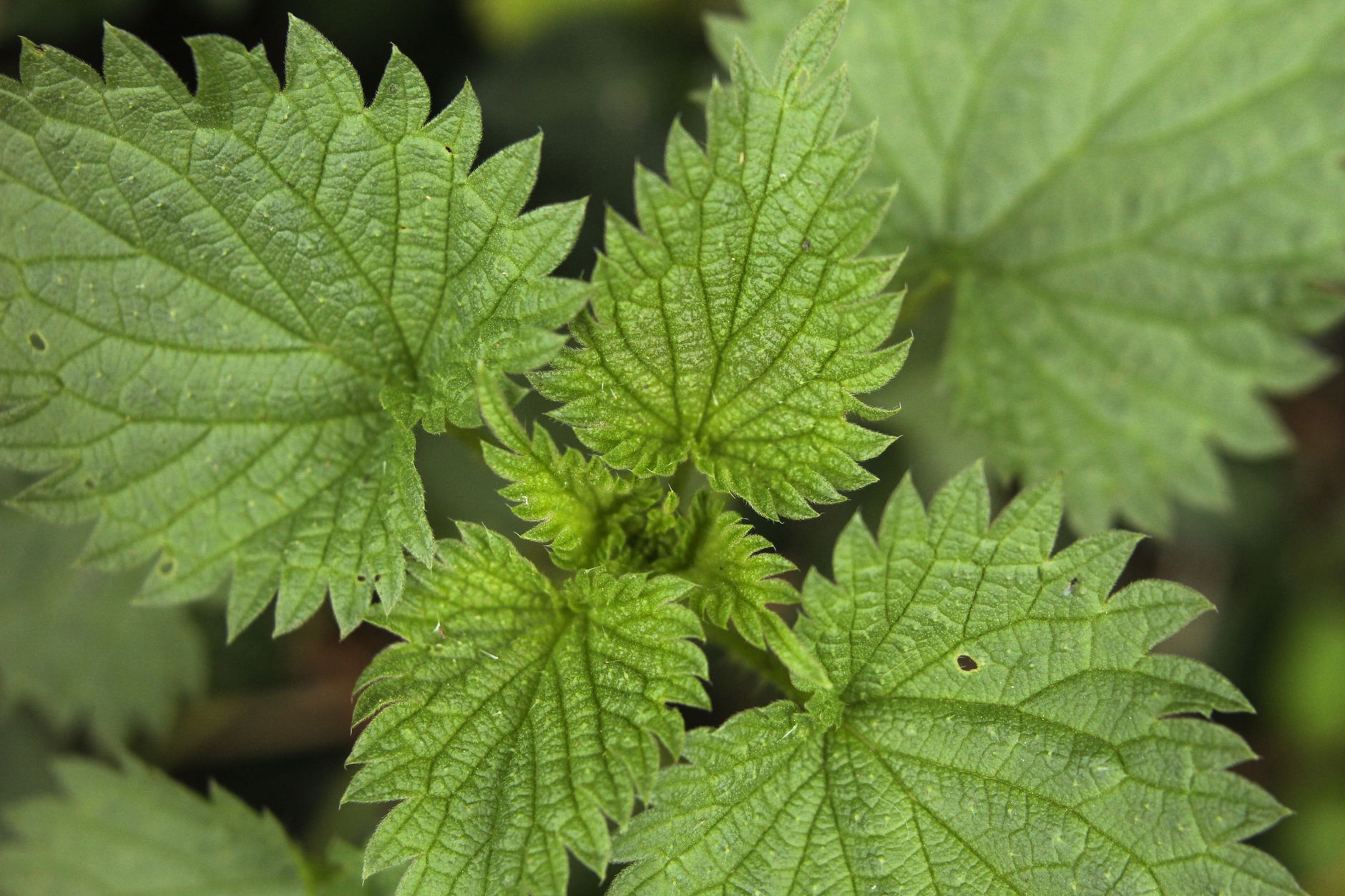
Wood Betony, a member of the Lamiaceae (mint) family, is a herbaceous perennial native to Europe, North Africa, and Western Asia. It typically grows to a height of 1 to 2 feet (30-60 cm), characterized by its square stems, dark green, somewhat hairy, oblong-to-heart-shaped leaves that are arranged oppositely along the stem. The leaves are deeply serrated or crenated, contributing to its distinctive appearance. From late spring to early autumn, Wood Betony produces beautiful, dense spikes of purplish-pink (occasionally white) flowers, which are tubular and two-lipped, attracting a variety of pollinators, including bees and butterflies. It thrives in grasslands, woodlands, and heaths, preferring well-drained soil and partial shade.
The plant’s common names, such as “Bishopswort” and “Lousewort,” hint at its historical uses and perceived properties. “Bishopswort” possibly refers to its high esteem, likened to a bishop’s dignity, while “Lousewort” might stem from its historical use as a vermifuge for livestock. Despite these varied names, its core identity as Wood Betony (or Hedge Betony) has remained consistent, a testament to its singular importance in the herbal pharmacopoeia.

The Science Within: Bioactive Compounds of Wood Betony
The therapeutic efficacy of Wood Betony is attributed to its rich and complex chemical composition. Modern scientific investigations have begun to unravel the synergistic actions of its diverse array of bioactive compounds, which include phenolic compounds, tannins, iridoids, alkaloids, and trace amounts of volatile oils. These constituents work in concert to produce the observed pharmacological effects, underscoring the holistic nature of herbal medicine.
- Phenolic Compounds: This broad category includes flavonoids (e.g., apigenin, luteolin, cosmosiin) and phenolic acids (e.g., rosmarinic acid, caffeic acid, chlorogenic acid). These compounds are renowned for their potent antioxidant and anti-inflammatory properties. Rosmarinic acid, in particular, is a powerful antioxidant that can neutralize free radicals and inhibit pro-inflammatory enzymes, contributing significantly to the herb’s neuroprotective and anti-inflammatory actions.
- Tannins: Wood Betony is rich in tannins, particularly hydrolyzable tannins. These compounds are responsible for the herb’s astringent properties, meaning they can contract tissues and reduce secretions. This effect is crucial for its traditional use in wound healing, reducing inflammation, and alleviating diarrhea. Tannins also exhibit antiseptic qualities, helping to prevent infection.
- Iridoids: Compounds like harpagide and aucubin are present in Wood Betony. Iridoids are often associated with anti-inflammatory, analgesic, and bitter tonic properties. Harpagide, for example, is also found in Devil’s Claw (Harpagophytum procumbens), a well-known anti-inflammatory herb, suggesting a shared mechanism for pain relief.
- Verbascoside (Acteoside): This phenylpropanoid glycoside is a potent antioxidant and anti-inflammatory compound found in many Lamiaceae family members. Verbascoside can modulate immune responses, inhibit nitric oxide synthase, and protect cells from oxidative damage, making it a significant contributor to Wood Betony’s overall therapeutic profile.
- Alkaloids: While present in smaller quantities, alkaloids can contribute to the herb’s neurological effects.
- Betaine: This compound, also found in beets, is known for its role in methylation processes and liver support, further adding to Wood Betony’s internal cleansing and tonic properties.
Unpacking the Health Benefits: A Deep Dive into Wood Betony’s Therapeutic Actions
The intricate blend of phytochemicals in Wood Betony confers a wide range of health benefits, many of which align perfectly with its historical applications. Let’s explore these in detail:
1. Exceptional Nervine and Stress Reliever
Wood Betony is perhaps best known for its profound effects on the nervous system. Classified as a nervine tonic, it helps to soothe and strengthen the nervous system, making it an excellent herb for managing stress, anxiety, and nervous tension. Its action is not overtly sedating, but rather a restorative and grounding one. The flavonoids and phenolic acids, particularly rosmarinic acid and verbascoside, contribute to this effect by exerting antioxidant protection on neural tissues and potentially modulating neurotransmitter activity, such as GABA receptors, which are crucial for calming the brain.
This calming effect can be particularly beneficial for individuals experiencing mild insomnia caused by an overactive mind, nervous exhaustion, or general irritability. By gently easing nervous agitation, Wood Betony promotes a sense of tranquility and mental clarity without inducing drowsiness, making it suitable for daytime use to enhance focus and reduce mental fatigue.
2. Natural Headache and Migraine Relief
One of Wood Betony’s most celebrated traditional uses is for the relief of headaches, including tension headaches and migraines. Its ability to act as a mild analgesic and anti-inflammatory agent, combined with its nervine properties, makes it highly effective. The iridoids (like harpagide) and phenolic compounds work to reduce inflammation in the vascular system and muscles that can contribute to head pain. Furthermore, its ability to relax nervous tension can alleviate headaches triggered by stress or anxiety. By promoting overall relaxation and reducing cranial tension, Wood Betony offers a holistic approach to managing various forms of cephalalgia.
3. Potent Anti-inflammatory and Antioxidant Properties
The rich concentration of phenolic compounds, especially flavonoids and verbascoside, provides Wood Betony with formidable anti-inflammatory and antioxidant capabilities. These compounds actively scavenge free radicals, which are unstable molecules that can cause oxidative stress and cellular damage, leading to chronic diseases and premature aging. By reducing oxidative stress, Wood Betony protects cells and tissues throughout the body, including vital organs like the brain, liver, and digestive tract.
Moreover, its anti-inflammatory effects are mediated by inhibiting key enzymes in inflammatory pathways, such as cyclooxygenases (COX) and lipoxygenases (LOX), and by modulating the production of pro-inflammatory cytokines. This makes Wood Betony a valuable adjunctive therapy for conditions characterized by chronic inflammation, ranging from arthritic pain to inflammatory bowel conditions, contributing to overall systemic health and reducing disease risk.
4. Digestive System Support and Gastrointestinal Comfort
Wood Betony has a long history of use as a digestive tonic. Its mildly bitter taste stimulates the secretion of digestive juices, including saliva, stomach acid, and bile. This enhanced digestive enzyme activity aids in the breakdown and absorption of nutrients, reducing symptoms of indigestion, bloating, and gas. The tannins present in Wood Betony also exert an astringent effect on the mucous membranes of the gastrointestinal tract, which can be beneficial in cases of mild diarrhea, helping to tone and tighten the intestinal lining.
Furthermore, its anti-inflammatory actions extend to the gut, potentially soothing irritation and inflammation associated with conditions like gastritis or irritable bowel syndrome (IBS). By supporting healthy digestive function and reducing gastrointestinal discomfort, Wood Betony promotes a more balanced and efficient digestive system.
5. Respiratory Health and Cough Relief
Traditionally, Wood Betony has been employed to support respiratory health, particularly for coughs and mild bronchial conditions. While not a primary expectorant, its mucilage content can provide a soothing effect on irritated mucous membranes in the throat and lungs. Its antispasmodic properties may also help to ease spasmodic coughs and promote relaxation of the bronchial passages, offering relief from congestion and irritation associated with common colds and upper respiratory tract infections. The anti-inflammatory action further aids in reducing inflammation in the airways, contributing to easier breathing.
6. Cognitive Function and Mental Clarity
Beyond its role as a nervine, Wood Betony has been historically considered a “brain tonic” or a “cephalic” herb, believed to improve cognitive function and mental clarity. By reducing nervous tension and improving blood flow to the brain (an indirect effect of systemic relaxation and anti-inflammatory actions), it may help to alleviate brain fog and enhance focus. The antioxidant compounds also offer neuroprotective benefits, safeguarding brain cells from oxidative damage and supporting optimal neurological health over time. This makes it a potential ally for students, professionals, or anyone seeking to maintain sharp cognitive function.
7. Wound Healing and Topical Applications
The astringent and antiseptic properties of Wood Betony, primarily due to its high tannin content, make it an excellent herb for topical applications. Historically, it was used as a poultice or wash for cuts, scrapes, bruises, and skin irritations. The tannins help to constrict blood vessels, reduce bleeding, and promote the formation of a protective scab, thereby accelerating the wound healing process. Its antiseptic qualities also aid in preventing bacterial infections in minor skin abrasions. Compresses made from Wood Betony infusions can also be used to soothe inflamed skin, insect bites, and minor burns.

Practical Usage: Incorporating Wood Betony into Your Wellness Routine
Wood Betony can be utilized in several forms, each offering distinct advantages depending on the desired effect and convenience.
1. Herbal Teas (Infusions)
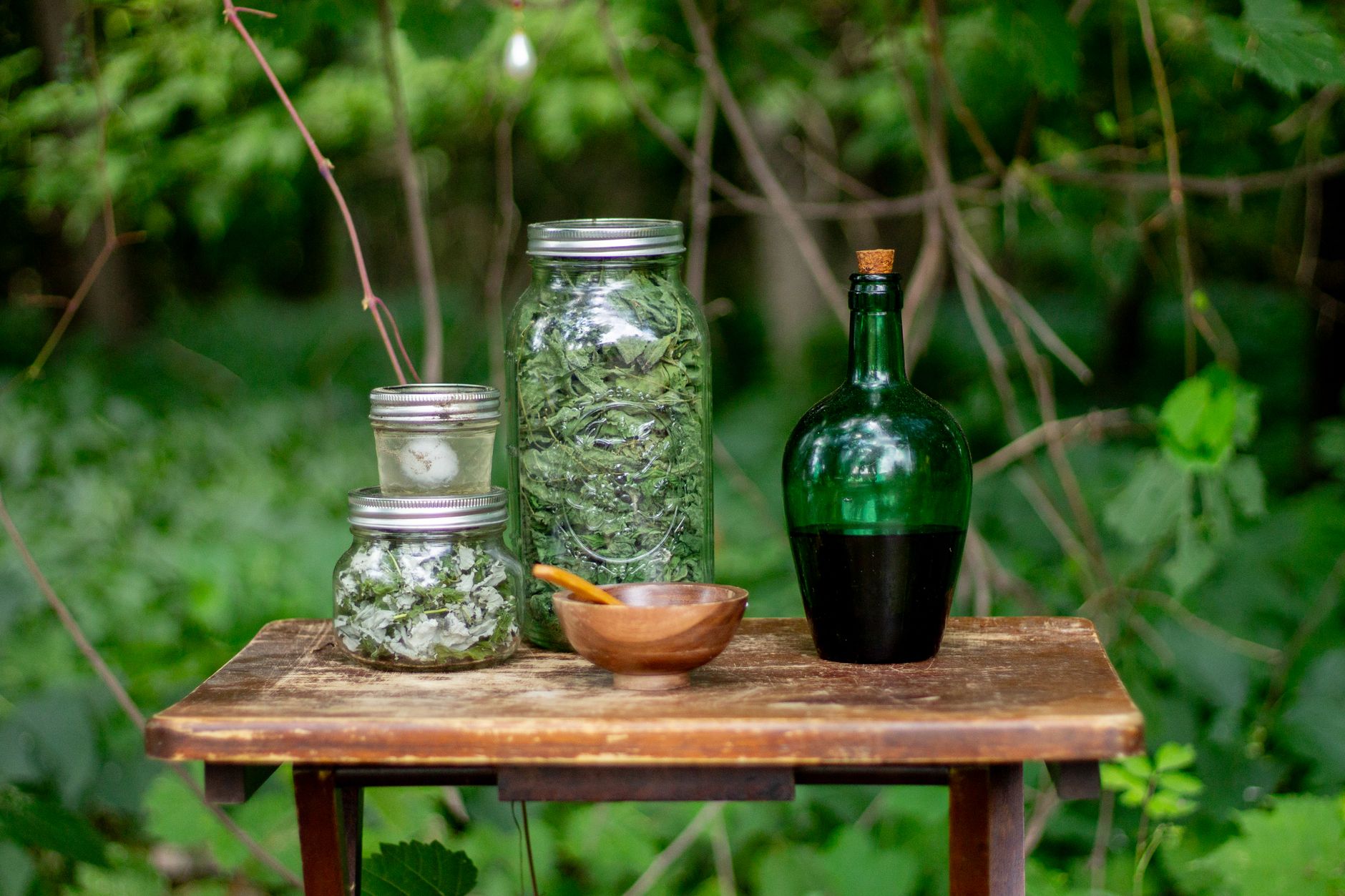
One of the most common and traditional ways to consume Wood Betony is as an herbal tea. An infusion is prepared by steeping dried aerial parts of the herb (leaves and flowers) in hot water. This method is ideal for general tonic effects, nervous system support, and digestive aid.
- Preparation: Add 1-2 teaspoons of dried Wood Betony herb to a cup of boiling water. Cover and let steep for 10-15 minutes. Strain and drink.
- Dosage: Typically, 1-3 cups per day, as needed.
2. Tinctures
Tinctures are concentrated liquid extracts made by soaking the herb in alcohol, which efficiently extracts a broad spectrum of its bioactive compounds. Tinctures offer convenience and a longer shelf life.
- Preparation: While DIY tinctures are possible, commercially prepared tinctures are readily available from reputable herbal suppliers.
- Dosage: Follow the manufacturer’s instructions, typically 2-5 mL (40-100 drops) up to three times a day. It is often taken diluted in a small amount of water.
3. Capsules and Supplements
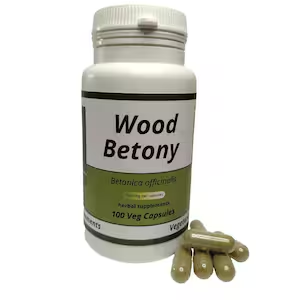
For those who prefer a standardized and convenient form, Wood Betony is available in capsule form. These often contain powdered dried herb or concentrated extracts.
- Dosage: Dosage varies significantly based on the concentration and specific formulation of the supplement. Always adhere strictly to the dosage instructions provided on the product label. It is crucial to choose products from reputable brands that provide third-party testing for purity and potency.
4. Topical Applications (Compresses, Poultices, Salves)
For external benefits, Wood Betony can be applied directly to the skin.
- Compress: Prepare a strong infusion (as for tea, but with more herb), allow it to cool, and then soak a clean cloth in the liquid. Apply the soaked cloth to affected areas like bruises, minor cuts, or inflamed skin.
- Poultice: Mix powdered dried herb with a small amount of warm water to create a paste. Apply the paste directly to wounds or skin irritations and cover with a bandage.
- Salves: Wood Betony infused oil can be incorporated into salves for chronic skin conditions or muscle aches.
Dosage Recommendations and Safety Considerations
While Wood Betony is generally considered safe for most people when used appropriately, it is always prudent to observe recommended dosages and be aware of potential contraindications or side effects.
General Dosage Guidelines:
- Dried Herb (Tea): 1-2 grams of dried herb steeped in 200-250 mL of hot water, 1-3 times daily.
- Tincture (1:5 ratio, 25% alcohol): 2-5 mL, 2-3 times daily.
- Capsules: Follow product-specific instructions, as concentrations vary.
Safety and Contraindications:
- Pregnancy and Breastfeeding: Due to a lack of sufficient research, Wood Betony is generally advised against during pregnancy and lactation.
- Gastric Irritation: In some sensitive individuals, particularly with very high doses or on an empty stomach, Wood Betony’s tannins might cause mild stomach upset or nausea. Starting with lower doses and taking it with food can mitigate this.
- Drug Interactions: While no severe drug interactions are widely reported, individuals on sedative medications, blood thinners, or medications for blood pressure should exercise caution and consult a healthcare provider. Its mild astringent properties could theoretically interfere with the absorption of some oral medications if taken concurrently.
- Allergies: As with any botanical, individuals with known allergies to plants in the Lamiaceae family should use Wood Betony with caution.
It is always recommended to consult with a qualified healthcare professional or a seasoned herbalist before incorporating Wood Betony or any new herbal remedy into your health regimen, especially if you have underlying health conditions, are taking other medications, or are pregnant or breastfeeding. They can provide personalized advice and ensure its safe and effective use for your specific needs.
Conclusion: Wood Betony – A Timeless Herbal Ally
Wood Betony, Stachys officinalis, stands as a testament to the enduring power of traditional herbal medicine, seamlessly bridging ancient wisdom with modern scientific understanding. From its revered status in Roman antiquity and medieval Europe to its contemporary recognition as a multifaceted therapeutic agent, its journey through time underscores its consistent efficacy. With its impressive array of bioactive compounds, Wood Betony offers a holistic approach to wellness, providing profound benefits for the nervous system, digestive health, inflammatory responses, and overall vitality.
Whether sought for its calming nervine properties to alleviate stress and headaches, its digestive support, or its potent antioxidant and anti-inflammatory actions, Wood Betony remains a valuable and versatile ally in the pursuit of natural health. By understanding its historical context, botanical characteristics, and the intricate science behind its benefits, we can appreciate Wood Betony not just as a plant, but as a sophisticated natural remedy waiting to be fully embraced for its profound contributions to human well-being.
Disclaimer: For informational purposes only. Not medical advice. Consult a qualified healthcare professional before use.