Unveiling the Ancient Wisdom: An Exhaustive Guide to the Remarkable Health Benefits of Bogbean Leaf (Menyanthes trifoliata)
Deep within the tranquil, often overlooked, landscapes of bogs and marshlands across the Northern Hemisphere thrives a botanical marvel known as Bogbean. Scientifically classified as Menyanthes trifoliata, this resilient aquatic perennial has been revered for centuries in traditional European herbal medicine. Far from being just another wetland plant, Bogbean Leaf stands out as a potent bitter tonic, a multifaceted remedy whose applications span from invigorating sluggish digestion to calming inflammatory conditions.
In an age where natural remedies are gaining renewed appreciation, understanding the profound capabilities of herbs like Bogbean becomes paramount. This exhaustive guide aims to delve deep into the world of Menyanthes trifoliata, exploring its unique botanical profile, tracing its rich historical tapestry, dissecting the complex interplay of its bioactive compounds, and meticulously outlining its comprehensive health benefits. Prepare for a definitive journey into the ancient wisdom and modern relevance of Bogbean Leaf, offering insights for both the curious novice and the seasoned herbal enthusiast.
1. Botanical Profile: A Glimpse into Menyanthes trifoliata
Menyanthes trifoliata, commonly known as Bogbean, Buckbean, Marsh Trefoil, or Water Trefoil, belongs to the Menyanthaceae family. This distinctive plant is a perennial, characterized by its robust, creeping rhizomes that allow it to colonize wet, marshy areas effectively. Its natural habitat includes cold, acidic bogs, fens, shallow ponds, and slow-moving streams across the cooler regions of Europe, Asia, and North America.
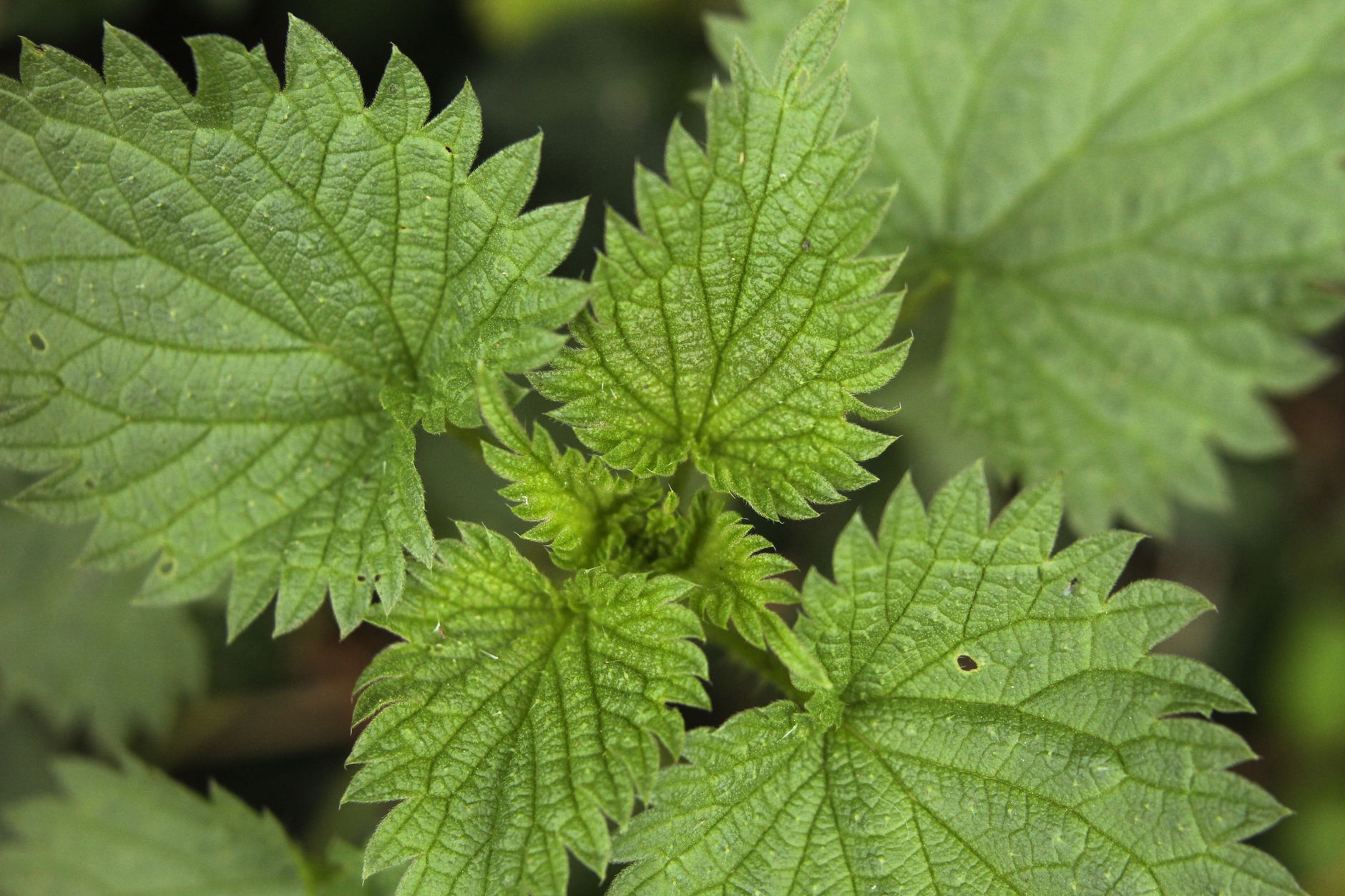
The most striking feature of Bogbean is its bright green, trifoliate leaves, which emerge from the water on long petioles, bearing a striking resemblance to a broad-bean leaf – hence one of its common names. Each leaf comprises three elliptical leaflets, often with slightly wavy margins. However, it is during its blooming season, typically from late spring to early summer, that Bogbean truly captivates. It produces upright racemes of exquisitely fringed flowers, ranging in color from pure white to delicate pinkish-purple, adorned with a delicate beard of hairs on their inner surface, giving them a distinctly ethereal appearance. These unique botanical characteristics are not merely aesthetic; they are part of a resilient survival strategy in its challenging wetland environment, and historically, these features also aided in its identification and collection by herbalists.
2. A Journey Through Time: Historical and Traditional Uses of Bogbean Leaf
The historical significance of Bogbean Leaf in traditional medicine is extensive, particularly within European folk herbalism. For centuries, this humble marsh plant was a cornerstone of natural remedies, earning a revered status among healers and laypeople alike. Its reputation was built upon a diverse array of applications, primarily stemming from its pronounced bitter taste, which was long understood to be indicative of its therapeutic properties.
One of its foremost traditional uses was as a potent digestive tonic. Herbalists prescribed Bogbean to stimulate appetite in individuals suffering from convalescence, anorexia, or general debility. It was also widely employed to alleviate various forms of dyspepsia, including indigestion, bloating, and gas, by enhancing the body’s natural digestive processes. Beyond digestion, Bogbean gained fame as a febrifuge, utilized to reduce fevers, particularly intermittent types, and to support the body during periods of illness and recovery. Its anti-inflammatory capabilities were recognized, leading to its application in treating rheumatic conditions, arthritis, and gout, where it was believed to reduce pain and swelling in the joints. Furthermore, Bogbean was valued for its diuretic properties, aiding in the expulsion of excess fluids from the body and supporting kidney function. Across various European cultures, its inclusion in household remedies and formal pharmacopoeias underscored its importance as a general tonic, aimed at invigorating the body and restoring vitality. These traditional uses, passed down through generations, laid the foundation for modern scientific inquiry into its medicinal efficacy.
3. The Science Beneath the Surface: Bioactive Compounds in Bogbean Leaf
The profound therapeutic effects attributed to Bogbean Leaf are not merely anecdotal but are underpinned by a rich and complex array of bioactive compounds. The efficacy of this herb lies in the synergistic action of its various phytochemicals, each contributing to its overall medicinal profile. Understanding these compounds is key to appreciating the science behind Bogbean’s historical and contemporary uses.
3.1. Secoiridoid Glycosides: The Bitter Principles
The most characteristic and pharmacologically significant compounds in Bogbean are its secoiridoid glycosides, which are responsible for its intensely bitter taste. Key examples include meniatin, meliatin, loganin, and mentiafolin. These compounds are potent stimulators of the digestive system. Upon ingestion, these bitter principles interact with specialized bitter taste receptors (T2Rs) located not only on the tongue but also throughout the gastrointestinal tract. This interaction triggers a reflex cascade: it immediately stimulates the salivary glands, increasing saliva production. As the compounds reach the stomach, they provoke a substantial increase in the secretion of gastric juices, including hydrochloric acid and pepsin, which are vital for breaking down proteins. Further down, they promote the release of bile from the liver and gallbladder (acting as a choleretic and cholagogue, respectively) and stimulate the pancreas to secrete its full spectrum of digestive enzymes. This comprehensive pre-digestive preparation optimizes the entire digestive process, ensuring more efficient food breakdown and nutrient absorption, thus alleviating symptoms of sluggish digestion and malabsorption.
3.2. Flavonoids: Antioxidant and Anti-inflammatory Powerhouses
Bogbean Leaf is also rich in various flavonoids, including well-known compounds such as quercetin, rutin, and kaempferol. These polyphenolic compounds are celebrated for their powerful antioxidant and anti-inflammatory properties. As antioxidants, flavonoids efficiently scavenge free radicals, which are unstable molecules that can cause oxidative stress and cellular damage, contributing to aging and chronic diseases. Their anti-inflammatory action is multifaceted: they modulate immune pathways, inhibiting the production of pro-inflammatory mediators such as prostaglandins and leukotrienes, and can also reduce the activity of enzymes like cyclooxygenase-2 (COX-2) and lipoxygenase. This dual action makes them crucial contributors to Bogbean’s traditional use in conditions like rheumatism and general inflammatory states, while also supporting overall cellular health and vascular integrity.
3.3. Tannins: Astringent and Protective Agents
Present in smaller but significant quantities, tannins in Bogbean impart astringent properties. Tannins are polyphenolic compounds that can bind to proteins, causing them to precipitate. In the context of the gastrointestinal tract, this action can help to tighten and tone mucosal tissues, reducing inflammation and secretion. This astringency can be beneficial in cases of mild diarrhea, mucosal irritation, or when there is a need to reduce fluid loss. Additionally, tannins can exert mild antiseptic effects, contributing to the overall protective role of the herb within the digestive system.
3.4. Other Components
Beyond these primary active constituents, Bogbean contains trace amounts of coumarins, which may offer additional anti-inflammatory and vascular benefits. It also contains small quantities of essential oils, polysaccharides, and a spectrum of essential minerals (such as potassium and calcium) and vitamins. While not the primary drivers of its potent actions, these components contribute to the herb’s holistic effect, supporting its role as a general tonic and providing a broad nutritional foundation that complements its more targeted therapeutic actions.

4. Comprehensive Health Benefits of Bogbean Leaf: A Deep Dive
The array of bioactive compounds in Bogbean Leaf collectively bestows upon it a remarkable spectrum of health benefits, many of which align perfectly with its long-standing traditional uses. These benefits extend beyond simple symptom relief, aiming to restore balance and enhance the body’s intrinsic healing capabilities.
4.1. Unparalleled Digestive Support and Appetite Stimulation
Bogbean’s reputation as a supreme digestive aid is perhaps its most celebrated attribute. The intense bitterness from its secoiridoid glycosides is the catalyst for a profound digestive revitalization. When consumed, these bitter compounds initiate a “cephalic phase” response, where the mere taste signals the brain to prepare the entire gastrointestinal tract for digestion. This translates into several key benefits:
- Appetite Enhancement: For individuals experiencing suppressed appetite due to illness, stress, or convalescence, Bogbean can effectively rekindle hunger. By stimulating the sensory receptors and subsequent digestive secretions, it primes the body to receive and process food, making it invaluable for restoring nutritional intake.
- Optimized Gastric Secretion: The bitter principles directly stimulate the production and release of hydrochloric acid (HCl) and pepsin in the stomach. HCl is crucial for initiating protein denaturation and activating pepsin, the primary enzyme for protein breakdown. Adequate stomach acid is also vital for sterilizing ingested food and absorbing certain minerals (like iron and B12), thus Bogbean can indirectly support these functions.
- Enhanced Bile Flow and Liver Support: Bogbean acts as both a choleretic (increasing bile production by the liver) and a cholagogue (promoting bile release from the gallbladder). Bile is essential for emulsifying fats in the small intestine, facilitating their digestion and the absorption of fat-soluble vitamins (A, D, E, K). By optimizing bile flow, Bogbean supports liver detoxification pathways and can alleviate symptoms associated with sluggish liver or gallbladder function, such as indigestion of fatty foods.
- Pancreatic Enzyme Activity: The stimulation of the digestive system extends to the pancreas, indirectly enhancing the secretion of pancreatic enzymes (amylase, lipase, proteases). These enzymes are responsible for the further breakdown of carbohydrates, fats, and proteins in the small intestine, ensuring comprehensive nutrient extraction from food.
- Alleviating Dyspepsia: By improving the overall efficiency of digestion, Bogbean is highly effective in mitigating common symptoms of dyspepsia, including bloating, excessive gas, feelings of fullness, and abdominal discomfort after meals. It helps prevent food from sitting undigested, reducing fermentation and associated discomfort.
4.2. Potent Anti-inflammatory and Analgesic Actions
Beyond its digestive prowess, Bogbean Leaf harbors significant anti-inflammatory and mild analgesic properties, explaining its long-standing traditional use in conditions affecting the musculoskeletal system.
- Relief from Rheumatic Conditions: Bogbean has been a go-to remedy for chronic inflammatory conditions such as rheumatism, arthritis, and gout. Its rich flavonoid content, particularly quercetin and rutin, contributes significantly to these effects. These compounds work by interfering with the inflammatory cascade, inhibiting key enzymes (like COX-2 and lipoxygenase) and signaling molecules that drive pain and swelling in affected joints.
- Gout Management: While directly impacting inflammation, Bogbean’s diuretic properties can also indirectly aid in gout management. By promoting increased urine output, it may assist the kidneys in excreting excess uric acid, the crystalline accumulation of which is the primary cause of gout attacks. Reducing uric acid levels can help prevent future flare-ups and alleviate current symptoms.
4.3. Natural Diuretic and Detoxifying Agent
Bogbean’s ability to promote fluid excretion contributes to its detoxifying potential and makes it valuable in managing conditions characterized by fluid retention.
- Fluid Balance Regulation: As a natural diuretic, Bogbean gently encourages increased urine production and excretion. This can be beneficial for individuals experiencing mild edema or water retention, helping to restore healthy fluid balance in the body.
- Kidney Support and Detoxification: By facilitating urination, Bogbean assists the kidneys in their vital role of filtering waste products and toxins from the blood. This enhanced excretion helps to flush out metabolic byproducts and undesirable substances, contributing to the body’s overall detoxification processes and supporting renal health.
4.4. Immune Modulation and General Tonic Effects
The holistic actions of Bogbean extend to supporting the immune system and acting as a general fortifying tonic.
- Aid in Convalescence: Historically, Bogbean was given to individuals recovering from illness or periods of debility to help regain strength and vitality. Its ability to stimulate appetite and improve nutrient absorption plays a crucial role here, ensuring the body has the necessary building blocks for repair and recovery.
- Antioxidant Protection: The high concentration of flavonoids provides significant antioxidant support, protecting cells from oxidative damage caused by free radicals. This cellular protection is fundamental to maintaining a robust immune system and reducing the risk of chronic diseases.
- Febrifuge Properties: Traditional texts often mention Bogbean’s use as a febrifuge, suggesting an ability to help normalize body temperature during fevers. While modern medicine would prioritize investigating the cause of fever, this historical application points to its systemic effects on the body’s homeostatic mechanisms.
4.5. Potential for Skin Health and Topical Applications (Less Common but Noteworthy)
While predominantly used internally, some traditional practices alluded to external applications of Bogbean.
- Astringent for Skin Irritations: Given its tannin content, a strong decoction might have been traditionally applied as a poultice or wash for minor skin irritations, slow-healing wounds, or certain inflammatory skin conditions. The astringent properties could help tighten tissues, reduce exudation, and offer mild antiseptic effects. However, scientific validation for topical use is limited, and internal benefits remain its primary focus.
5. Practical Applications: How to Incorporate Bogbean Leaf into Your Wellness Routine
Bogbean Leaf, owing to its potent nature, can be incorporated into a wellness routine through various traditional and modern forms. The choice of preparation often depends on individual preference, desired potency, and convenience.
5.1. Dried Herb: Traditional Preparations
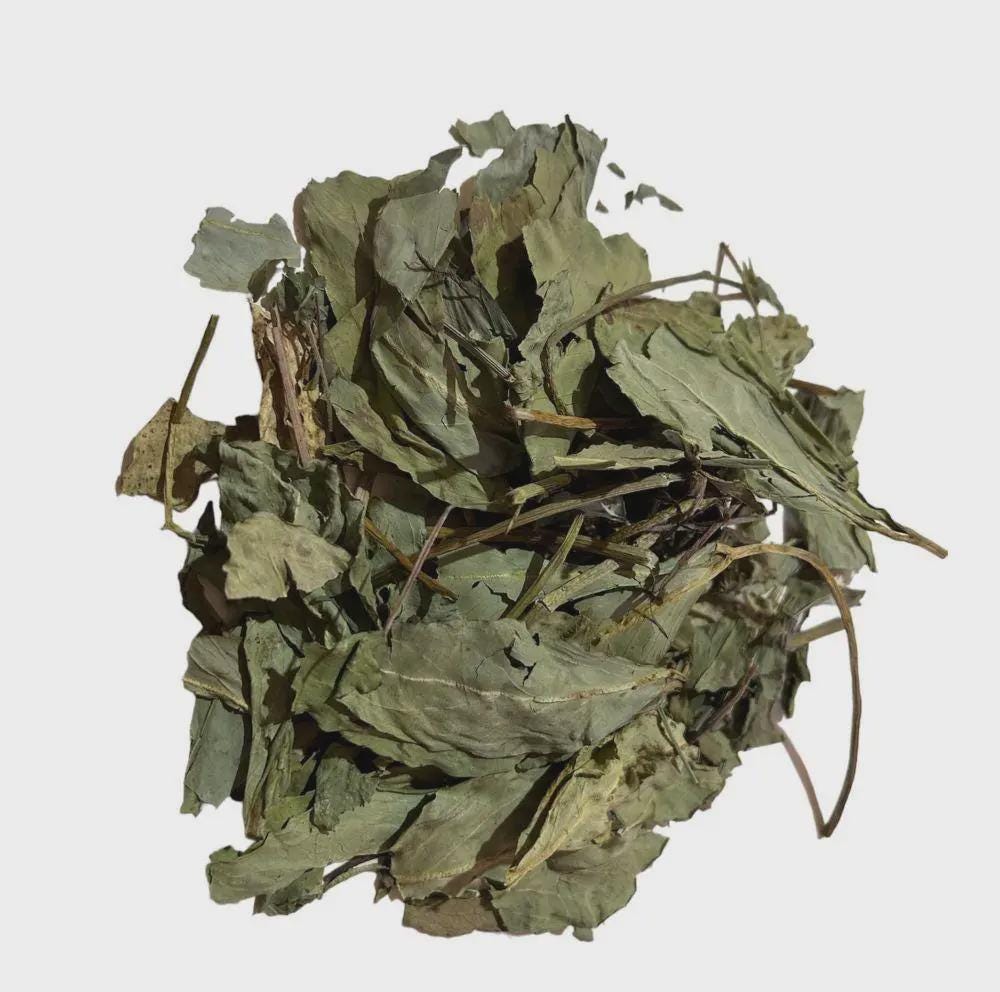
The most traditional and widely practiced method of consuming Bogbean is as an herbal infusion or tea. Using the dried leaves allows for a direct experience of its therapeutic bitterness and a gentler absorption into the system.
- Infusion (Tea): This is the simplest and most common method. To prepare, steep 1-2 teaspoons (approximately 1-2 grams) of dried Bogbean leaves in a cup (250 ml) of hot (but not boiling) water. Cover and let it infuse for 10-15 minutes. Due to its intense bitterness, it’s often recommended to take this tea in small sips, about 15-30 minutes before meals. This timing allows the bitter principles to fully stimulate digestive secretions before food intake. Typically, 1 cup can be consumed 2-3 times daily.
- Decoction: While infusions are common for leaves, for a stronger extraction, especially if rhizomes were traditionally included (though leaves are primary in modern use), a decoction might be considered. This involves simmering the herb in water for a longer period. However, for Bogbean leaves, infusion is generally sufficient to extract the key bitter principles.
5.2. Tinctures: Concentrated Potency
Herbal tinctures offer a concentrated liquid extract, typically made with alcohol, which preserves the active compounds and provides a longer shelf life. They are an excellent option for those who prefer a more potent and convenient form of administration.
- Preparation and Dosage: Tinctures are usually prepared by soaking dried Bogbean leaves in an alcohol-water solution over several weeks. Standardized tinctures (e.g., 1:5 ratio, 25% alcohol) are readily available from reputable herbal suppliers. The typical dosage is 1-2 ml, taken 2-3 times daily, diluted in a small amount of water. As with tea, it is best consumed 15-30 minutes before meals to maximize its digestive stimulant effects. Starting with a lower dose is advisable to assess individual tolerance, as tinctures are more concentrated.
5.3. Capsules and Supplements: Modern Convenience
For individuals who find the intense bitterness of Bogbean unpalatable or seek a highly convenient and precisely dosed option, capsules and other standardized supplements offer an excellent alternative.
- Standardization and Ease of Use: Many commercially available Bogbean supplements are standardized to contain a specific amount of active compounds, ensuring consistent potency. Capsules bypass the bitter taste entirely, making them a preferred choice for many.
- Dosage: Always follow the manufacturer’s specific instructions, as concentrations can vary between brands. General recommendations often range from 200-500mg of powdered Bogbean Leaf, taken 1-3 times daily, preferably before meals. This format allows for easy integration into busy lifestyles while still delivering the therapeutic benefits.

6. Dosage Guidelines and Important Considerations
Given Bogbean’s potent nature, adhering to recommended dosage guidelines and being mindful of potential interactions is crucial for safe and effective use. While it is a natural remedy, “natural” does not equate to “without effect or side effects.”
6.1. General Dosage Guidelines (Adults)
- Dried Herb Infusion: For a standard tea, use 1-2 grams of dried Bogbean leaf steeped in 250 ml of hot water for 10-15 minutes. Consume 15-30 minutes before meals, 2-3 times daily.
- Tincture (1:5, 25% alcohol): Typically, 1-2 ml (20-40 drops) taken 2-3 times daily, diluted in a small amount of water, 15-30 minutes before meals.
- Powdered Leaf (Capsules): Common dosages range from 200-500 mg of powdered Bogbean leaf, taken 1-3 times daily, before meals.
It is always recommended to start with the lowest effective dose and gradually increase if needed, while monitoring your body’s response. Consistency in timing (before meals) is key for its digestive benefits.
6.2. Duration of Use
Bogbean is generally used for acute or short-term digestive support or for specific conditions. For chronic conditions or extended periods of use (beyond 4-6 weeks), it is highly advisable to consult with a qualified herbalist or healthcare practitioner. They can help assess the need for continuous use, adjust dosage, or suggest breaks to maintain efficacy and prevent potential accumulation effects.
6.3. Sourcing and Quality
The efficacy and safety of any herbal remedy are profoundly influenced by its quality. Always source Bogbean Leaf from reputable suppliers who can guarantee purity, potency, and sustainable harvesting practices. Look for organic certification to ensure the absence of pesticides and herbicides. When wild-crafting, ensure correct identification and adherence to sustainable harvesting guidelines, as wetland plants can be sensitive to over-collection.
7. Potential Side Effects, Contraindications, and Precautions
While Bogbean Leaf offers numerous health benefits, it is a powerful herb that is not suitable for everyone. Awareness of its potential side effects, contraindications, and necessary precautions is paramount for safe use.
7.1. Potential Side Effects
- Gastrointestinal Upset: The most common side effects, particularly at high doses, include nausea, vomiting, abdominal discomfort, and diarrhea. This is largely due to its intense bitterness and strong stimulation of digestive secretions. Starting with a low dose and gradually increasing can help mitigate these effects.
- Hypersensitivity/Allergies: As with any botanical, allergic reactions are possible, though rare. Discontinue use if you experience any signs of an allergic reaction (e.g., rash, itching, swelling).
7.2. Contraindications (When Bogbean Should Not Be Used)
- Pregnancy and Breastfeeding: There is insufficient scientific data regarding the safety of Bogbean Leaf during pregnancy and lactation. Due to its potent effects, it is strongly advised to avoid use during these periods to prevent any potential risks to the mother or child.
- Gastric or Duodenal Ulcers, Hyperacidity, Gastritis: Bogbean significantly stimulates gastric acid secretion. In individuals with existing ulcers, acid reflux, hyperacidity, or inflammation of the stomach lining (gastritis), this increased acid production could exacerbate symptoms and potentially worsen the condition. Therefore, it is strictly contraindicated in these cases.
- Gallstones or Biliary Obstruction: While Bogbean stimulates bile flow, if there is a pre-existing blockage in the bile ducts due to gallstones or other conditions, increasing bile production could lead to severe pain (biliary colic) or other complications. Individuals with known gallstones or suspected biliary obstruction should avoid Bogbean or use it only under strict medical supervision.
- Severe Liver Disease: Although it supports liver function, in cases of severe liver impairment, the potent stimulation might be inappropriate. Consult a specialist.
7.3. Drug Interactions and Precautions
- Antacids and Acid-Reducing Medications: Bogbean’s primary action is to increase stomach acid. Therefore, it can counteract the effects of antacids, H2 blockers (e.g., ranitidine, cimetidine), and proton pump inhibitors (e.g., omeprazole, lansoprazole) used to reduce stomach acid. Do not take Bogbean concurrently with these medications.
- Diabetes Medications: Some bitter herbs can influence blood sugar levels. Individuals with diabetes who are on medication should use Bogbean with caution and monitor their blood glucose levels closely, as it might potentiate the effects of anti-diabetic drugs.
- Blood Thinners (Anticoagulants/Antiplatelets): Although not extensively studied for Bogbean specifically, some bitter principles and coumarins found in other plants can affect blood clotting. Individuals on anticoagulant or antiplatelet medications (e.g., warfarin, aspirin) should exercise caution and consult their healthcare provider before using Bogbean to avoid potential interactions.
- Other Medications: Always inform your healthcare professional about all herbs and supplements you are taking, especially if you are on prescription medications for chronic conditions. Bogbean’s digestive stimulating effects could theoretically alter the absorption rate of certain drugs.
In summary, while Bogbean Leaf is a powerful natural remedy, it is imperative to approach its use with respect and caution. Always prioritize consulting with a qualified healthcare practitioner, especially if you have pre-existing health conditions, are pregnant or breastfeeding, or are taking other medications. Self-medication without professional guidance can lead to adverse outcomes.
Conclusion
Bogbean Leaf, or Menyanthes trifoliata, stands as a testament to the enduring power and efficacy of traditional herbal medicine. From its striking presence in the bogs of the Northern Hemisphere to its profound impact on human health, this multifaceted herb has offered relief and vitality for centuries. Its rich tapestry of bioactive compounds, particularly the potent secoiridoid glycosides and versatile flavonoids, underpins its reputation as an unparalleled digestive stimulant, a valuable anti-inflammatory agent, a gentle diuretic, and a supportive general tonic.
By delving into its botanical intricacies, historical applications, and the scientific mechanisms of its therapeutic actions, we gain a deeper appreciation for Bogbean’s role in a holistic approach to wellness. It effectively addresses sluggish digestion, alleviates rheumatic discomfort, aids in detoxification, and supports overall bodily resilience. However, its potency demands informed and responsible usage. As with any powerful natural remedy, understanding appropriate dosages, potential side effects, and contraindications is crucial.
In conclusion, Bogbean Leaf represents a compelling natural resource for enhancing digestive health and addressing a range of inflammatory conditions. For those seeking to integrate this remarkable herb into their wellness journey, diligent research and, most importantly, consultation with a qualified healthcare practitioner are highly recommended. Embracing the ancient wisdom of Bogbean, with modern prudence, can unlock its profound health-promoting potential, contributing to a vibrant and balanced life.

Disclaimer: For informational purposes only. Not medical advice. Consult a qualified healthcare professional before use.