The Definitive Guide to St. John’s Wort: Unveiling Its Profound Health Benefits and Scientific Backing
For centuries, humanity has turned to the natural world for healing and solace. Among the pantheon of revered medicinal herbs, St. John’s Wort (*Hypericum perforatum*) stands out as a botanical powerhouse, particularly celebrated for its remarkable impact on mental well-being. Far more than a simple wildflower, this bright yellow bloom has captivated herbalists, scientists, and individuals seeking natural pathways to health, evolving from an ancient folk remedy to a subject of rigorous modern scientific inquiry. This exhaustive guide delves deep into the multifaceted health benefits of St. John’s Wort, exploring its rich history, intricate botanical profile, potent bioactive compounds, and the scientific mechanisms underpinning its therapeutic prowess, while also providing practical usage insights and crucial considerations.
A Journey Through Time: The Historical Significance of St. John’s Wort
The story of St. John’s Wort is as ancient as it is compelling, tracing its roots back to classical antiquity. The plant’s association with healing was well-documented by influential figures like Hippocrates and Dioscorides, who prescribed it for a range of ailments including nervous disorders, melancholy, and wound healing. Its very name, “St. John’s Wort,” is steeped in folklore and religious tradition, believed to derive from its propensity to bloom around the feast day of St. John the Baptist, June 24th. The “wort” suffix, an Old English term for plant, signifies its long-standing recognition as a valuable herb. Historically, it was also used as a protective charm against evil spirits and to ward off misfortune, often hung in doorways or burned in bonfires. This rich tapestry of historical use underscores its enduring presence in both traditional medicine and cultural beliefs across various civilizations, long before modern science began to unravel its chemical complexities.
Botanical Profile: Understanding *Hypericum perforatum*
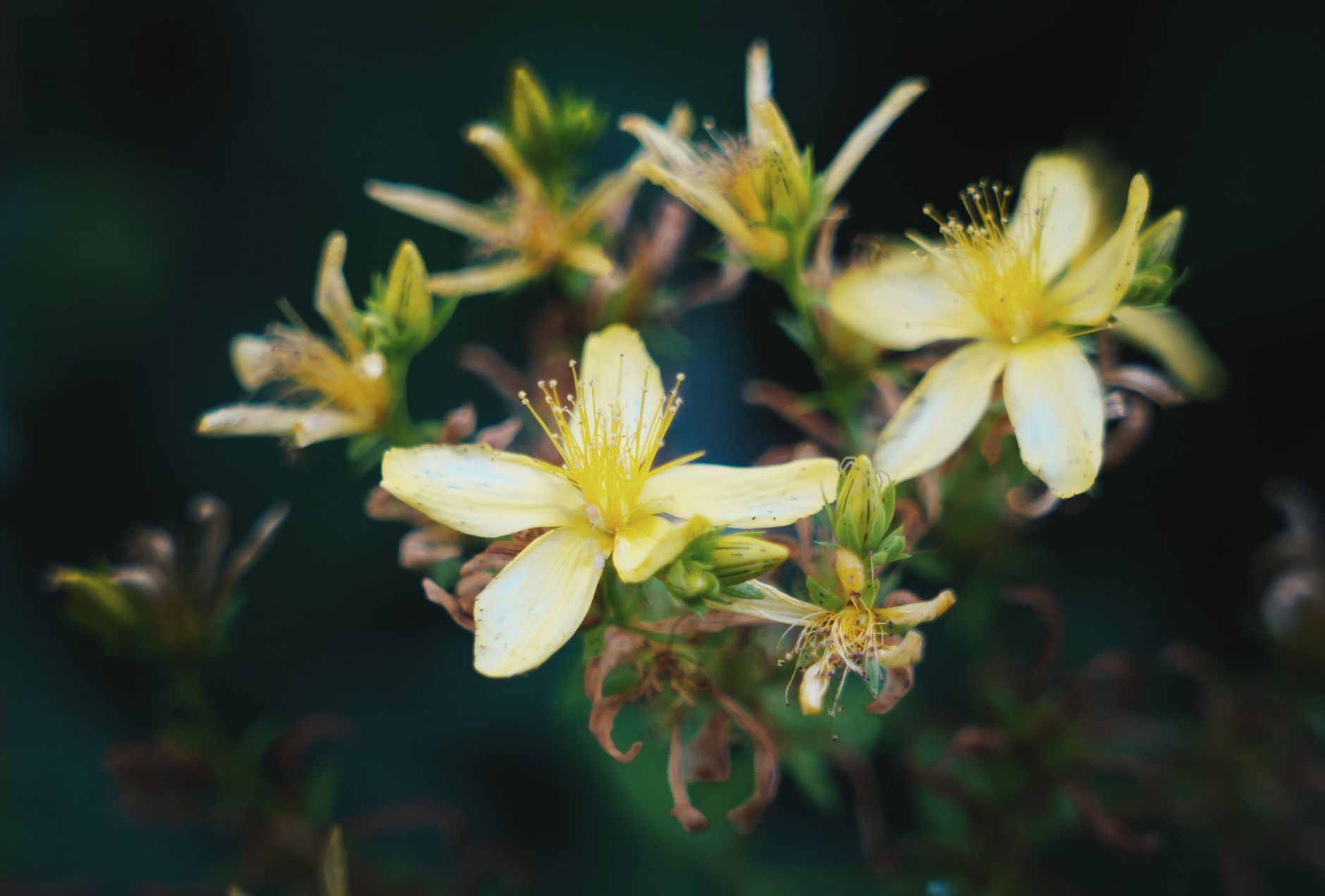
St. John’s Wort, scientifically known as *Hypericum perforatum*, is a perennial herbaceous plant belonging to the Clusiaceae family (though sometimes classified under Hypericaceae). Native to Europe and Asia, it has since naturalized in many parts of the world, including North and South America. It typically grows to a height of 1 to 3 feet, characterized by numerous woody stems and bright green, oval-shaped leaves. The plant’s most distinctive feature, and the origin of its species name “perforatum,” lies in these leaves. When held up to the light, they appear to be perforated with tiny translucent dots, which are actually glands containing the active chemical compounds that give the plant its medicinal properties. The plant bursts into bloom during the summer months, producing clusters of striking yellow flowers, each adorned with five petals and prominent stamens. These vibrant blossoms are not merely ornamental; they are the primary source of the potent bioactive constituents that contribute to its profound health benefits.

The Chemical Arsenal: Unpacking St. John’s Wort’s Bioactive Compounds
The therapeutic efficacy of St. John’s Wort is not attributable to a single compound, but rather to a synergistic interplay of various bioactive constituents. This complex phytochemical profile is what distinguishes it from many pharmaceutical interventions and contributes to its broad spectrum of action. The primary compounds of interest include hypericin, hyperforin, and a diverse array of flavonoids, each playing a critical role in its medicinal effects.

- Hypericin: This naphthodianthrone is perhaps the most famous compound associated with St. John’s Wort, largely responsible for the herb’s antidepressant effects. Historically, it was believed to be the sole active ingredient, though subsequent research has broadened our understanding. Hypericin is thought to inhibit monoamine oxidase (MAO), an enzyme that breaks down neurotransmitters like serotonin, norepinephrine, and dopamine, thereby increasing their availability in the brain. It also exhibits potent antiviral properties and contributes to its photosensitizing effects.
- Hyperforin: Emerging as a key player, hyperforin is a phloroglucinol derivative that has garnered significant scientific attention. Its primary mechanism of action involves the inhibition of the reuptake of several neurotransmitters, including serotonin, norepinephrine, dopamine, GABA, and L-glutamate. By preventing these crucial brain chemicals from being reabsorbed too quickly, hyperforin effectively increases their concentrations in the synaptic cleft, leading to improved mood and reduced anxiety. This multifaceted action on various neurotransmitter systems provides a comprehensive approach to mental well-being, distinguishing it from selective serotonin reuptake inhibitors (SSRIs) which target only serotonin.
- Flavonoids: St. John’s Wort is rich in various flavonoids such as quercetin, rutin, and hyperoside. These compounds are powerful antioxidants, combating oxidative stress by neutralizing free radicals that can damage cells and contribute to chronic diseases. Beyond their antioxidant capabilities, flavonoids also possess anti-inflammatory properties, contribute to neuroprotection, and may modulate various cellular pathways, further enhancing the herb’s therapeutic spectrum.
- Xanthones and Procyanidins: Other compounds like xanthones and procyanidins also contribute to the herb’s overall pharmacological profile, offering additional antioxidant, anti-inflammatory, and neuroprotective benefits, demonstrating the holistic nature of botanical medicine.
- Essential Oils: The essential oil components, while less central to its antidepressant effects, contribute to its antiseptic and anti-inflammatory actions, particularly in topical applications.
The Cornerstone Benefit: Enhancing Mood and Mental Well-being
The most widely recognized and extensively researched benefit of St. John’s Wort is its efficacy in improving mood and alleviating symptoms of mild to moderate depression. Numerous clinical studies, including extensive meta-analyses, have demonstrated its comparable effectiveness to conventional antidepressant medications, often with a more favorable side effect profile.
Mechanism of Action in Depression and Anxiety
The antidepressant action of St. John’s Wort is attributed to the synergistic effects of its primary active compounds, particularly hypericin and hyperforin, acting on multiple neurochemical pathways:
- Neurotransmitter Reuptake Inhibition: Hyperforin is a potent inhibitor of the reuptake of monoamines (serotonin, norepinephrine, dopamine) as well as GABA and glutamate. By preventing these vital neurotransmitters from being rapidly reabsorbed into nerve cells, it increases their availability in the synaptic cleft, thereby enhancing their signaling and promoting a more balanced neurochemical environment in the brain. This broad-spectrum reuptake inhibition provides a comprehensive approach to mood regulation.
- Monoamine Oxidase (MAO) Inhibition: Hypericin and other constituents are believed to exert a mild MAO inhibitory effect. MAO enzymes break down monoamine neurotransmitters, and by inhibiting this process, St. John’s Wort further contributes to increased levels of serotonin, norepinephrine, and dopamine, which are critical for mood regulation.
- Modulation of Neuroreceptor Activity: Research suggests that St. John’s Wort may also influence the density and sensitivity of various neuroreceptors, including serotonin (5-HT) receptors and GABA receptors, further refining the brain’s ability to respond to and process mood-related signals.
- Regulation of Stress Hormones: Some studies indicate that St. John’s Wort may help modulate the hypothalamic-pituitary-adrenal (HPA) axis, the body’s central stress response system. By influencing the release of stress hormones like cortisol, it may contribute to an overall reduction in stress and anxiety.
- Neuroinflammation Reduction: Chronic inflammation within the brain (neuroinflammation) is increasingly recognized as a contributing factor to depression. The anti-inflammatory properties of flavonoids and other compounds in St. John’s Wort may help mitigate neuroinflammation, thereby supporting brain health and mood stability.
Beyond its antidepressant effects, St. John’s Wort also exhibits anxiolytic (anxiety-reducing) properties. Its ability to balance neurotransmitter levels and modulate the stress response helps to calm the nervous system, reducing symptoms of generalized anxiety, restlessness, and nervous tension. This dual action on both depression and anxiety makes it a valuable botanical ally for individuals navigating complex emotional landscapes.
Beyond Mood: Exploring Additional Health Benefits
While its impact on mental health is paramount, St. John’s Wort offers a spectrum of other potential health benefits, stemming from its rich phytochemical composition:
- Anti-inflammatory Properties: The flavonoids and other phenolic compounds present in St. John’s Wort exert significant anti-inflammatory effects. By inhibiting pro-inflammatory enzymes and pathways, it can help reduce systemic inflammation, which is implicated in numerous chronic diseases. This benefit extends to conditions characterized by inflammation, potentially offering relief and protective effects.
- Antiviral Activity: Hypericin, in particular, has demonstrated potent antiviral activity against various enveloped viruses, including some strains of influenza, herpes simplex virus (HSV), and even certain retroviruses. Its mechanism involves interfering with the viral envelope, thereby inhibiting viral replication and assembly. While promising, further research is needed to fully understand its clinical applications as an antiviral agent.
- Wound Healing and Skin Health: Traditionally, St. John’s Wort oil was a popular folk remedy for wounds, burns, and skin irritations. Modern research supports these historical uses, showing that topical applications can accelerate wound healing, reduce inflammation, and alleviate pain. Its antiseptic properties help prevent infection, while its anti-inflammatory compounds soothe damaged skin. It is often used for minor cuts, scrapes, first-degree burns, and even nerve pain like sciatica or neuralgia when applied topically.
- Antioxidant Protection: The high concentration of flavonoids and other phenolic compounds bestows strong antioxidant capabilities upon St. John’s Wort. These antioxidants scavenge harmful free radicals, protecting cells from oxidative damage. This cellular protection is vital for preventing chronic diseases, supporting healthy aging, and maintaining overall cellular integrity.
- Pain Relief: St. John’s Wort has been traditionally used for various forms of pain, particularly nerve-related pain such as neuralgia, sciatica, and fibromyalgia. Its anti-inflammatory and neuromodulatory effects are believed to contribute to its analgesic properties, potentially by reducing nerve irritation and modulating pain perception.
- Menopausal and PMS Symptoms: Some women find St. John’s Wort helpful in alleviating mood swings, irritability, and anxiety associated with premenstrual syndrome (PMS) and menopause. Its mood-stabilizing effects can provide welcome relief during these hormonal fluctuations.
Practical Usage: Forms and Administration of St. John’s Wort
St. John’s Wort is available in various forms, catering to different needs and preferences. The efficacy often depends on the standardization of active compounds.
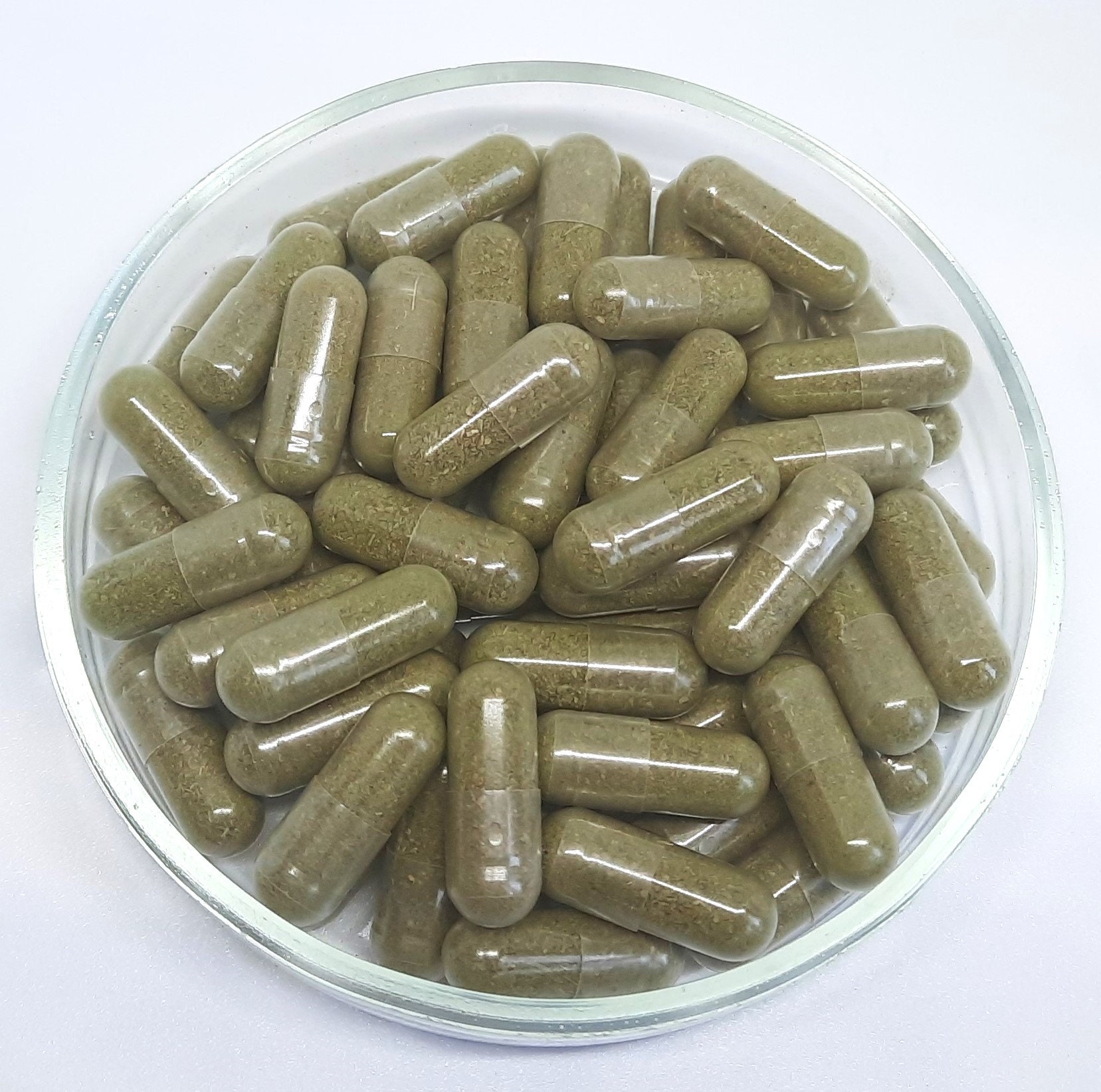
1. Standardized Extracts (Capsules/Tablets):
These are the most common and scientifically studied forms for internal use. They are typically standardized to a specific percentage of hypericin (e.g., 0.3%) or hyperforin (e.g., 2-5%), ensuring consistent potency. For mood enhancement, dosages generally range from 300 mg three times daily to 900 mg once daily, depending on the concentration and the specific formulation. It’s crucial to follow product instructions or a healthcare professional’s advice. Consistency is key, as therapeutic effects usually become noticeable after 2-4 weeks of continuous use.

2. Dried Herb / Tea:
Traditionally, St. John’s Wort was consumed as a tea. While beneficial for general wellness and milder mood support, the concentration of active compounds can vary significantly, making it less predictable for treating conditions like depression compared to standardized extracts. To prepare a tea, steep 1-2 teaspoons of dried herb in hot water for 10-15 minutes, three times daily. The dried herb can also be used in poultices for topical application.
3. Tinctures:
Tinctures are concentrated liquid extracts made by steeping the herb in alcohol. They offer a convenient way to consume the herb and are often absorbed quickly. Dosages vary widely based on the concentration of the tincture, so always adhere to the manufacturer’s recommendations or a qualified herbalist’s guidance.
4. Topical Oils and Ointments:
St. John’s Wort oil, often identifiable by its distinctive reddish hue (due to hypericin), is prepared by infusing the fresh flowers in a carrier oil like olive oil. This oil is highly effective for external applications, such as treating minor burns, wounds, bruises, nerve pain, and skin irritations. It can be massaged directly onto the affected area several times a day.
Important Considerations: Side Effects and Drug Interactions
While St. John’s Wort is generally well-tolerated, it is a potent herb with significant physiological effects, and as such, it comes with crucial considerations regarding side effects and, most importantly, drug interactions. It is imperative to approach its use with caution and informed awareness.
Potential Side Effects:
- Photosensitivity: One of the most notable side effects is increased sensitivity to sunlight, particularly with higher doses. Hypericin can absorb UV light and cause phototoxic reactions, leading to sunburn, rashes, or skin irritation upon sun exposure. Individuals using St. John’s Wort should exercise caution in direct sunlight, use sunscreen, and wear protective clothing.
- Digestive Issues: Some users may experience mild gastrointestinal upset, such as nausea, dry mouth, or constipation.
- Neurological Effects: Headaches, dizziness, and restlessness have been reported in some individuals.
- Allergic Reactions: As with any botanical product, allergic reactions are possible, though rare.
Critical Drug Interactions:
This is arguably the most critical aspect of St. John’s Wort usage. Its ability to induce cytochrome P450 enzymes (particularly CYP3A4) and activate P-glycoprotein, both involved in drug metabolism and transport, means it can significantly alter the effectiveness of many prescription medications. This can lead to either reduced efficacy of medications (if it speeds up their breakdown) or increased toxicity (if it slows down their breakdown or removal). It is crucial to consult a healthcare professional before combining St. John’s Wort with any prescription medication. Key interactions include:
- Antidepressants (SSRIs, SNRIs, TCAs): Combining St. John’s Wort with other antidepressants can lead to a potentially dangerous condition called Serotonin Syndrome, characterized by agitation, confusion, rapid heart rate, high blood pressure, dilated pupils, muscle rigidity, and in severe cases, fever and seizures.
- Oral Contraceptives: St. John’s Wort can significantly reduce the effectiveness of birth control pills, leading to unplanned pregnancies.
- Anticoagulants (Blood Thinners): It can decrease the efficacy of drugs like warfarin, increasing the risk of blood clots.
- Immunosuppressants: Particularly problematic for organ transplant recipients, as it can reduce the levels of drugs like cyclosporine, leading to organ rejection.
- Antiretrovirals: It can decrease the effectiveness of medications used to treat HIV/AIDS.
- Digoxin: Can reduce the effectiveness of this heart medication.
- Chemotherapy Drugs: Interactions can vary, potentially affecting the efficacy or toxicity of cancer treatments.
- Migraine Medications (Triptans): Risk of Serotonin Syndrome.
- Seizure Medications: Can reduce the effectiveness of antiepileptic drugs.
Furthermore, St. John’s Wort is generally contraindicated for individuals with bipolar disorder (as it can trigger manic episodes) or schizophrenia, and it should be avoided during pregnancy and breastfeeding due to insufficient safety data.
Quality and Standardization
Given the variability in active compounds, choosing a high-quality, standardized extract is crucial for therapeutic efficacy and safety. Look for products that specify the concentration of hypericin (e.g., 0.3%) and/or hyperforin, and purchase from reputable manufacturers known for their quality control and third-party testing.
Conclusion: A Powerful Botanical Ally, Used Wisely
St. John’s Wort stands as a testament to the profound healing potential embedded within the natural world. Its extensive history of use, coupled with a growing body of scientific evidence, firmly establishes its role as a valuable botanical for enhancing mood, alleviating symptoms of mild to moderate depression and anxiety, and offering a range of other benefits from anti-inflammation to wound healing. The intricate synergy of its bioactive compounds, particularly hypericin and hyperforin, provides a sophisticated mechanism of action that addresses multiple pathways implicated in mental well-being.
However, its potency demands respect and responsible usage. While a powerful ally, St. John’s Wort is not without its considerations, particularly its significant potential for drug interactions. For those considering St. John’s Wort, especially if currently on medication or dealing with underlying health conditions, a thorough consultation with a qualified healthcare professional is not merely advisable but essential. When used judiciously and under expert guidance, St. John’s Wort can indeed be a cornerstone of a holistic approach to health, offering a natural path to profound well-being.
Disclaimer: For informational purposes only. Not medical advice. Consult a qualified healthcare professional before use.