The Definitive Guide to Centaury Herb: Unlocking its Profound Health Benefits
In the vast tapestry of botanical medicine, certain herbs stand out for their enduring legacy and scientifically validated efficacy. Among these revered botanicals is Centaury, a modest yet mighty plant known scientifically as Centaurium erythraea. For centuries, Centaury has been a cornerstone of traditional healing systems across Europe, Asia, and North Africa, celebrated primarily for its remarkable digestive properties. However, its therapeutic repertoire extends far beyond gastric comfort, encompassing a broad spectrum of health benefits ranging from liver support and blood sugar regulation to potent antioxidant and anti-inflammatory actions. This exhaustive guide delves into the intricate world of Centaury herb, exploring its rich history, unique chemical composition, and the myriad ways it can contribute to holistic well-being, cementing its status as a true natural wonder.
A Glimpse into Centaury’s Botanical Profile and Ancient Pedigree
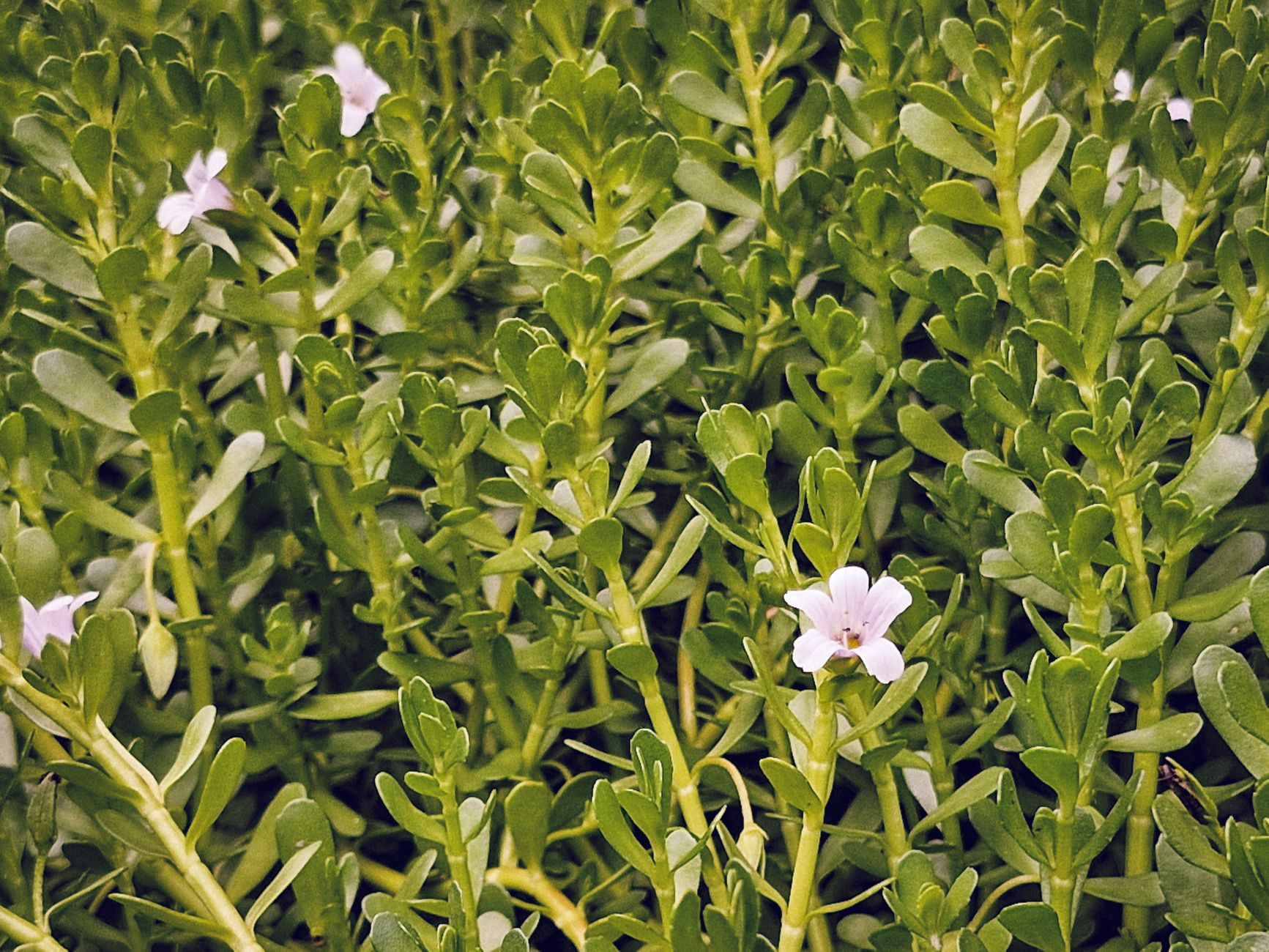
Centaury, often referred to as Common Centaury, European Centaury, or Bitter Herb, is an annual or biennial plant belonging to the Gentianaceae family. It typically grows to a height of 10 to 50 centimeters, characterized by its slender, erect stem, opposite leaves forming a basal rosette, and delicate, star-shaped pink to crimson flowers that bloom in clusters during the summer months. The plant thrives in meadows, dry grasslands, and woodland edges, preferring calcified soils and ample sunlight. Its botanical name, Centaurium erythraea, is steeped in ancient lore, often linked to the mythical Chiron the Centaur, who was said to have used the herb to heal wounds, thus underscoring its historical significance as a medicinal plant.
The historical reverence for Centaury is deeply rooted in various ancient medical texts and folk traditions. The Egyptians, Greeks, and Romans utilized Centaury for its purported ability to purify the blood, stimulate appetite, and treat fevers. Greek physician Dioscorides, in his monumental work “De Materia Medica,” described Centaury’s use for digestive ailments and wound healing. Medieval European herbalists extensively incorporated Centaury into their pharmacopoeia, often preparing it as a bitter tonic to aid digestion and alleviate liver complaints. Its reputation as a potent bitter continues to this day, a testament to its consistent application throughout millennia of herbal practice.
The Potent Chemistry of Centaury: Unveiling Bioactive Compounds
The remarkable therapeutic actions of Centaury herb are attributed to its complex phytochemical profile, which is dominated by a class of compounds known as secoiridoid glycosides. These bitter principles are the cornerstone of Centaury’s medicinal efficacy, particularly in the realm of digestive health. However, the herb also contains a rich assortment of other bioactive constituents that contribute synergistically to its overall health-promoting properties.

Secoiridoid Glycosides: The Bitter Powerhouse
- Gentiopicrin (Gentiopicroside): This is one of the most abundant and perhaps the most significant secoiridoid glycoside in Centaury. Gentiopicrin is primarily responsible for the herb’s intense bitter taste, which triggers a cascade of physiological responses in the digestive system. Upon contact with taste receptors on the tongue, it initiates a reflex stimulation of salivary, gastric, and pancreatic secretions, leading to enhanced appetite, improved digestion, and more efficient nutrient absorption.
- Amarogentin: While present in smaller quantities than gentiopicrin, amarogentin is recognized as one of the most intensely bitter compounds found in nature, even more so than quinine. Its presence further amplifies Centaury’s digestive stimulant effects, contributing to bile flow and enzyme production.
- Swertiamarin and Sweroside: These secoiridoids also contribute to the bitter profile and are believed to exert hepatoprotective (liver-protective) and anti-inflammatory effects, playing a role in the herb’s broader systemic actions.
Flavonoids: Antioxidant and Anti-inflammatory Guardians
Centaury is also a rich source of various flavonoids, including apigenin, luteolin, and their glycosides. Flavonoids are well-known plant pigments celebrated for their potent antioxidant capabilities. They help neutralize free radicals, thereby protecting cells from oxidative stress and reducing the risk of chronic diseases. Furthermore, many flavonoids exhibit anti-inflammatory properties by inhibiting pro-inflammatory enzymes and pathways, contributing to Centaury’s overall anti-inflammatory effects.
Phenolic Acids: Multifaceted Protective Agents
Hydroxycinnamic acids, such as caffeic acid, chlorogenic acid, and ferulic acid, are present in Centaury. These phenolic compounds are powerful antioxidants and also possess anti-inflammatory, antimicrobial, and anticarcinogenic properties. They contribute to the herb’s ability to protect the liver, support cardiovascular health, and potentially inhibit bacterial growth.
Other Constituents
The herb also contains triterpenes, xanthones, and alkaloids, though in lesser concentrations compared to secoiridoids and flavonoids. These compounds may contribute to the herb’s adaptogenic, diuretic, and antipyretic properties, adding to the complexity and breadth of Centaury’s therapeutic actions.
Comprehensive Health Benefits of Centaury Herb
1. Unparalleled Digestive Tonic and Appetite Stimulant
The most celebrated benefit of Centaury is its profound impact on the digestive system. The secoiridoid glycosides, particularly gentiopicrin and amarogentin, stimulate the bitter taste receptors on the tongue. This stimulation triggers a vagal reflex that increases the secretion of saliva, gastric juices (hydrochloric acid and pepsin), pancreatic enzymes, and bile from the gallbladder. This comprehensive increase in digestive secretions prepares the gut for efficient food breakdown, enhances appetite in cases of anorexia or debility, and improves the overall digestive process. It can be particularly beneficial for individuals experiencing dyspepsia, bloating, flatulence, and a sluggish digestive system, ensuring a more thorough extraction of nutrients from food.
2. Robust Liver Support and Bile Flow Enhancement (Cholagogue/Choleretic)
Centaury acts as a significant hepatoprotective agent and supports liver function through its ability to stimulate bile production (choleretic effect) and promote bile flow from the liver to the small intestine (cholagogue effect). Enhanced bile flow aids in the digestion and absorption of fats and fat-soluble vitamins, facilitates the elimination of metabolic waste products, toxins, and excess cholesterol from the body. This action helps to reduce the burden on the liver, supports its detoxification pathways, and can be beneficial in managing conditions associated with sluggish liver function, such as mild jaundice or liver congestion. The flavonoid and phenolic acid content further contributes to liver protection by mitigating oxidative stress.
3. Potent Antioxidant Protection
The rich array of flavonoids and phenolic acids in Centaury endows it with considerable antioxidant capacities. These compounds actively scavenge harmful free radicals, which are unstable molecules that can cause oxidative damage to cells, proteins, and DNA, leading to chronic diseases, inflammation, and accelerated aging. By neutralizing these free radicals, Centaury helps to protect cellular integrity, reduce oxidative stress throughout the body, and bolster the body’s natural defense mechanisms against environmental pollutants and metabolic byproducts.
4. Natural Anti-inflammatory Actions
Emerging research and traditional applications suggest Centaury possesses significant anti-inflammatory properties. The flavonoids and secoiridoid glycosides work synergistically to modulate inflammatory pathways. They may inhibit the production of pro-inflammatory cytokines and enzymes, thereby reducing pain and swelling associated with various inflammatory conditions. This makes Centaury a potential adjunct in managing mild inflammatory states, both internally and topically.
5. Blood Sugar Regulation and Anti-Diabetic Potential
Traditional medicine has long employed Centaury for its purported effects on blood sugar levels. Modern scientific inquiry is beginning to corroborate these claims, suggesting that certain compounds within Centaury may help in glucose metabolism. Studies indicate that Centaury extracts can help lower blood glucose levels, potentially by improving insulin sensitivity or by affecting glucose absorption. While not a substitute for conventional diabetes treatment, Centaury holds promise as a supportive herb for metabolic health and glycemic control, particularly in individuals with pre-diabetes or type 2 diabetes, always under professional guidance.
6. Antimicrobial and Antiparasitic Properties
Centaury has been traditionally used to combat various infections, and scientific studies support its antimicrobial activity. Extracts of Centaury have demonstrated efficacy against certain bacteria, fungi, and even some parasites. This broad-spectrum action can be attributed to several of its bioactive compounds, which may disrupt microbial cell membranes or inhibit their growth and replication. This makes Centaury a valuable component in herbal protocols aimed at supporting the body’s defenses against internal and external pathogens.
7. Diuretic and Urinary Tract Support
Acting as a mild diuretic, Centaury promotes increased urine production and excretion. This action helps to flush out toxins from the kidneys and urinary tract, potentially aiding in the prevention of urinary tract infections (UTIs) and kidney stones. Its antiseptic properties further contribute to urinary tract health by inhibiting bacterial growth within the bladder and urethra, making it a useful traditional remedy for urinary discomfort and maintaining renal function.
8. Wound Healing and Skin Health
Topical applications of Centaury, often in the form of compresses or washes, have been historically used to promote wound healing and alleviate skin irritations. Its anti-inflammatory, antiseptic, and antioxidant compounds can help cleanse wounds, reduce inflammation, protect against infection, and support tissue regeneration, leading to faster healing and improved skin health. This traditional use highlights its versatility beyond internal administration.
9. Antipyretic (Fever Reducer) and General Tonic
In traditional medicine, Centaury was often employed as an antipyretic to help reduce fevers. While the exact mechanism is not fully elucidated, its general bitter tonic action, which supports metabolic processes and detoxification, may contribute to the body’s ability to regulate temperature. As a general tonic, Centaury is believed to invigorate the body, restore vitality, and aid in recovery from illness or periods of debility, largely due to its broad-ranging effects on digestion, liver function, and systemic cleansing.
Practical Usage and Forms of Centaury Herb
Centaury can be incorporated into a wellness regimen in several forms, each offering distinct advantages based on the desired therapeutic effect and individual preference. The key to its efficacy often lies in its bitter taste, so preparations that preserve this characteristic are generally preferred for digestive benefits.
1. Herbal Tea (Infusion)
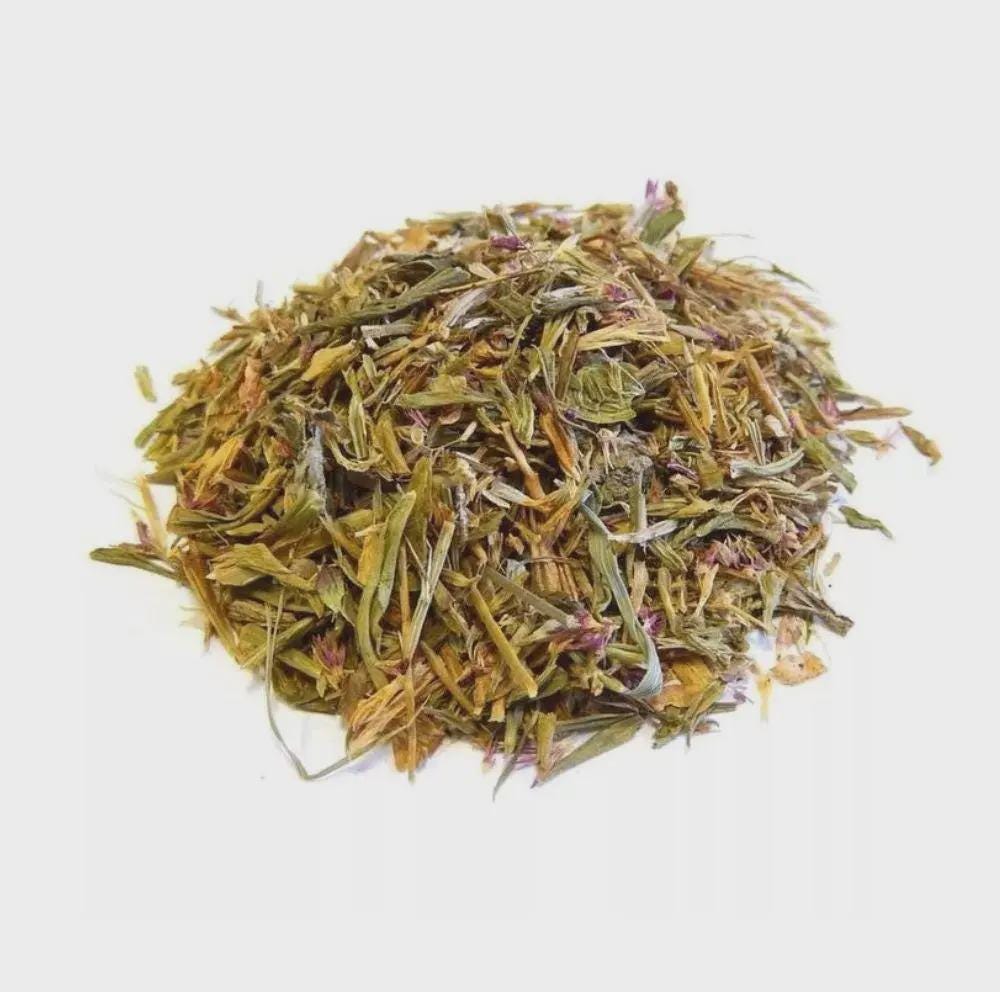
The most common and traditional way to consume Centaury is as an herbal tea. An infusion is prepared by steeping dried Centaury herb in hot water. This method effectively extracts the water-soluble bitter compounds, making it an excellent choice for stimulating digestion and appetite. It is typically consumed 15-30 minutes before meals to optimize its digestive-priming effects.
2. Tinctures
Centaury tinctures are concentrated liquid extracts made by macerating the herb in alcohol and water. Tinctures offer a convenient and potent way to consume Centaury, allowing for precise dosing. They are particularly favored for their rapid absorption and long shelf life, making them suitable for consistent daily use to support digestive health, liver function, and other systemic benefits.
3. Capsules and Powders
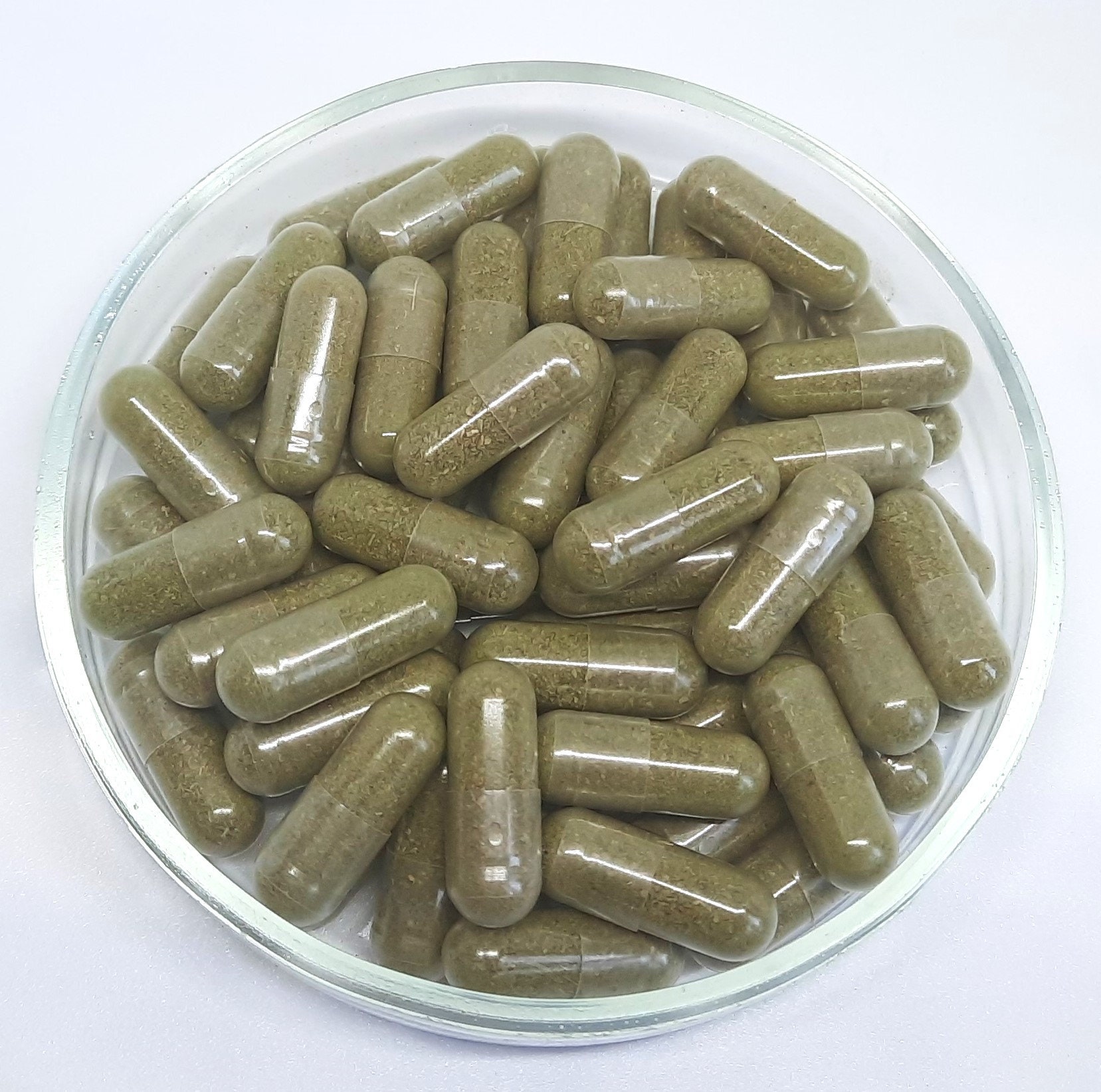
For individuals who find the intense bitter taste of Centaury unpalatable, encapsulated forms or powdered Centaury can be an alternative. While capsules bypass the bitter taste receptors on the tongue, potentially reducing the immediate reflex stimulation of digestive juices, they still deliver the systemic benefits of Centaury’s bioactive compounds once digested. Powders can be mixed into smoothies or juices, though the bitterness will still be present.
4. Topical Preparations
For skin conditions, minor wounds, or inflammatory skin issues, Centaury can be prepared as a poultice, compress, or incorporated into salves and balms. This allows the anti-inflammatory, antiseptic, and antioxidant properties to act directly on the affected area.
Dosage and Preparation Guidelines
General dosage recommendations for Centaury herb vary based on the form and desired effect. However, it is crucial to consult with a healthcare professional or a qualified herbalist before initiating any new herbal regimen, especially if you have pre-existing medical conditions or are taking other medications. The following are general guidelines:
- For Tea (Infusion): Steep 1-2 teaspoons of dried Centaury herb in 1 cup (240ml) of hot water for 5-10 minutes. Strain and drink 15-30 minutes before meals, up to three times daily. Due to its bitterness, it’s often consumed unsweetened or with a minimal amount of honey.
- For Tincture: Typically, 1-2 ml (20-40 drops) of tincture diluted in a small amount of water, taken 2-3 times daily before meals. Always follow the product-specific instructions.
- For Capsules: Dosage can range from 200-500 mg, 1-3 times daily, usually before meals. Refer to the manufacturer’s recommendations.
Potential Side Effects and Contraindications
Centaury is generally considered safe when used appropriately. However, like all potent herbs, it comes with certain considerations:
- Pregnancy and Breastfeeding: Due to a lack of sufficient research, Centaury is not recommended for pregnant or breastfeeding women.
- Gastric Ulcers or Hyperacidity: Individuals with active gastric or duodenal ulcers, or those suffering from hyperacidity (excess stomach acid), should use Centaury with caution or avoid it, as its gastric acid-stimulating properties could exacerbate these conditions.
- Gallstones: While Centaury stimulates bile flow, individuals with gallstones should exercise caution and consult a healthcare provider, as increased bile flow could potentially trigger symptoms or complications.
- Drug Interactions: Centaury may interact with certain medications, particularly those for blood sugar regulation or digestive issues. Always inform your doctor or pharmacist about any herbal supplements you are taking.
- Allergic Reactions: Although rare, allergic reactions can occur. Discontinue use if you experience any adverse effects.
Conclusion: Centaury – A Timeless Herbal Ally for Modern Health
Centaury herb, with its unassuming appearance and profoundly bitter taste, stands as a testament to the enduring wisdom of traditional herbal medicine, now increasingly supported by contemporary scientific investigation. From its historical reverence in ancient civilizations to its current application as a potent digestive aid, liver tonic, and multifaceted health promoter, Centaury continues to offer a wealth of benefits. Its rich array of secoiridoid glycosides, flavonoids, and phenolic acids orchestrate a symphony of therapeutic actions, supporting optimal digestion, protecting cellular health, modulating inflammation, and even showing promise in metabolic regulation. As we navigate the complexities of modern health, Centaury serves as a powerful reminder of nature’s capacity to provide potent remedies, encouraging us to look to the plant kingdom for holistic well-being. By understanding its botanical legacy, chemical constituents, and comprehensive health advantages, individuals can harness the profound power of Centaury herb, thoughtfully integrating this ancient ally into a contemporary lifestyle for enhanced vitality and sustained health.
Disclaimer: For informational purposes only. Not medical advice. Consult a qualified healthcare professional before use.