The Profound Health Benefits of Sweetgrass: A Definitive Deep-Dive Guide to Hierochloe odorata
Sweetgrass, scientifically known as Hierochloe odorata (meaning “holy grass” in Greek), is far more than just a fragrant plant; it is a revered botanical with a rich tapestry of historical significance, spiritual reverence, and compelling health benefits. From the sun-drenched plains of North America to the expansive tundras of Eurasia, this sacred herb has been cherished by Indigenous cultures for millennia, its sweet, vanilla-like aroma symbolizing peace, healing, and connection to the earth. In an era increasingly turning towards holistic wellness and natural remedies, Sweetgrass emerges as a profound subject of study, revealing a complex array of bioactive compounds that contribute to its celebrated therapeutic properties. This exhaustive guide delves deep into the multifaceted benefits of Sweetgrass, exploring its botanical intricacies, cultural legacy, chemical composition, and practical applications for modern well-being, aiming to uncover why this sacred plant continues to hold such a vital place in human health and spirituality.
Botanical Overview and Characteristics of Sweetgrass
Hierochloe odorata, commonly known as Sweetgrass, Vanilla Grass, or Holy Grass, belongs to the Poaceae (grass) family, a vast and economically significant group of flowering plants. It is a perennial, cool-season grass that typically grows in moist meadows, open woodlands, and coastal areas across its wide circumboreal distribution, encompassing North America (particularly the northern United States and Canada), northern Europe, and Asia. Characterized by its delicate, bright green blades that can reach heights of up to two feet, Sweetgrass is most distinctive for its unique, sweet fragrance, which intensifies when dried or bruised. This captivating aroma is often described as a complex blend of vanilla, coumarin, and subtle hints of almond or new-mown hay, a scent profile that has historically made it a prized botanical for perfumery, traditional ceremonies, and natural air freshening.
The plant reproduces primarily through rhizomes, allowing it to spread and form dense patches. Its inconspicuous flowers, typically appearing in late spring to early summer, are yellowish-green spikelets that mature into seeds. However, it is the leaves, especially when harvested at their peak vibrancy and carefully dried, that concentrate the plant’s aromatic compounds and medicinal efficacy. Identifying Sweetgrass in the wild requires careful observation, as it can be confused with other grasses, but its broad, shiny, hairless leaves and distinct reddish-purple tinge at the base of the stems, coupled with its unmistakable scent, are key indicators for foragers and botanists alike. The resilient nature of Sweetgrass, thriving in diverse climates, underscores its adaptability and persistent presence as a botanical ally.
Historical and Cultural Significance: A Legacy of Sacred Healing
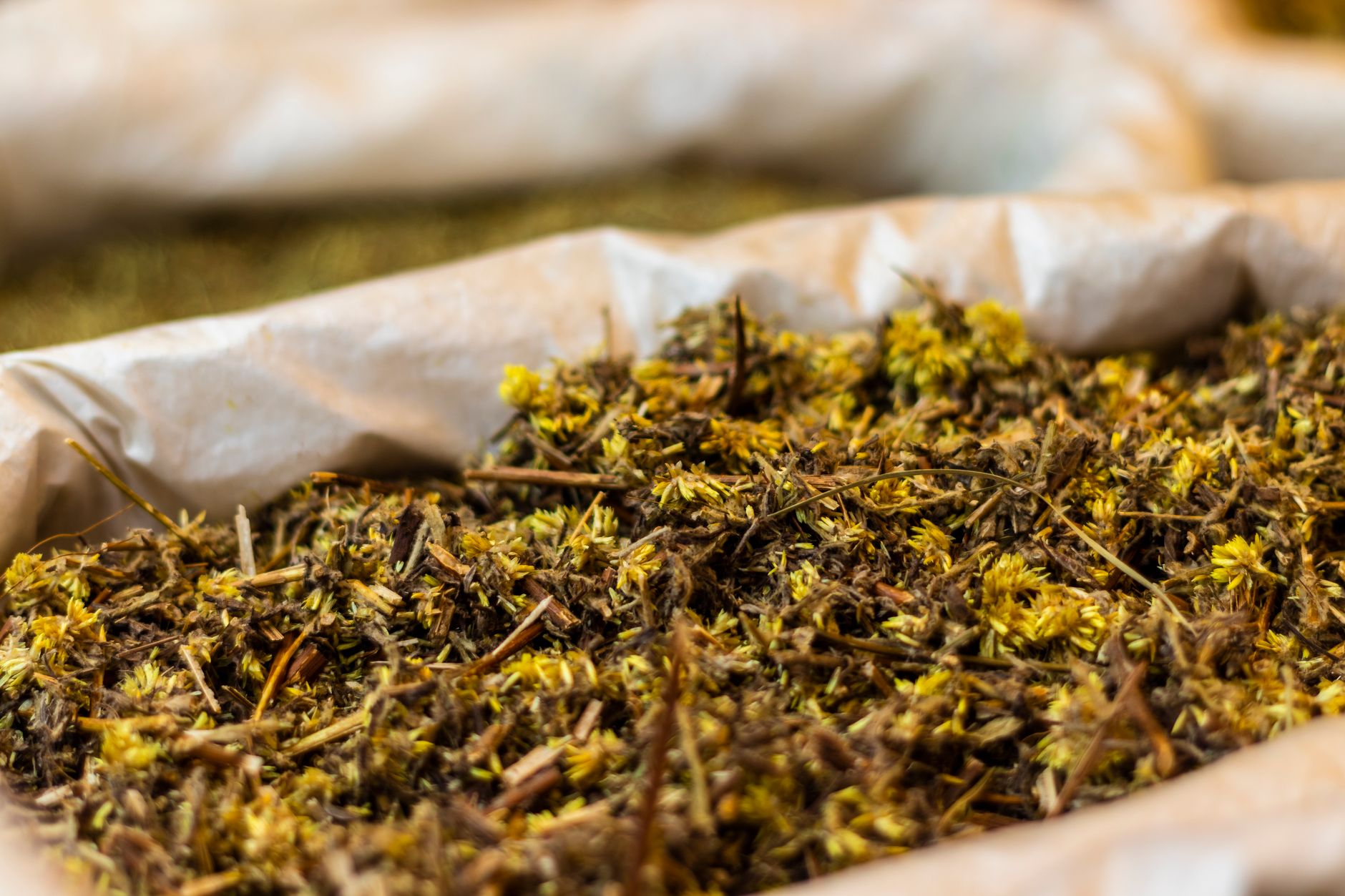
The historical and cultural roots of Sweetgrass run deep, especially within Indigenous North American communities, where it holds a place of profound reverence and spiritual importance. For countless generations, Sweetgrass has been one of the “Four Sacred Medicines,” alongside tobacco, cedar, and sage, each playing a crucial role in healing, purification, and ceremony. Its sweet aroma is believed to attract benevolent spirits and positive energies, making it indispensable in smudging rituals. During these ceremonies, dried Sweetgrass braids are lit, and the smoke is fanned over individuals, objects, or spaces to cleanse, purify, and bless, creating a sacred atmosphere conducive to prayer, meditation, and healing. This practice is not merely symbolic; it is an active engagement with the plant’s perceived spiritual essence, fostering mental clarity, emotional release, and a deeper connection to the natural world.
Beyond its ceremonial use, Sweetgrass has been a staple in traditional Indigenous medicine for a wide array of ailments. Medicinally, infusions and decoctions were prepared for internal use to address coughs, colds, sore throats, and digestive complaints. Topically, crushed or infused Sweetgrass was applied to wounds, minor burns, and irritated skin for its purported antiseptic and soothing properties. Women often used Sweetgrass during childbirth to facilitate delivery and ease pain, highlighting its historical role as a potent analgesic and relaxant. Its calming scent was also woven into everyday life, incorporated into baskets, mats, and clothing, not just for its pleasant fragrance but also for its ability to deter insects and provide a sense of comfort and protection. The act of gathering Sweetgrass was itself a spiritual practice, often accompanied by prayers and offerings, demonstrating a profound respect for the plant and its gifts. This deeply embedded cultural context provides crucial insight into the holistic health benefits that Sweetgrass offers, encompassing physical, mental, and spiritual well-being.
Bioactive Compounds and Chemical Composition: Unveiling Sweetgrass’s Therapeutic Power
The therapeutic efficacy and captivating aroma of Sweetgrass are attributable to its complex array of bioactive compounds, a rich phytochemical profile that has garnered increasing scientific interest. At the forefront of these compounds is **coumarin**, a naturally occurring organic chemical substance renowned for its sweet, vanilla-like fragrance, which is particularly prominent when the plant is dried. Coumarin and its derivatives, such as dihydrocoumarin, are responsible for the characteristic scent that has made Sweetgrass so prized for centuries. Beyond its aromatic qualities, coumarin possesses notable pharmacological properties, including anti-inflammatory, anticoagulant, and mild sedative effects. While synthetic coumarin can be toxic in high doses, the coumarin naturally present in Sweetgrass exists in a balanced matrix with other compounds, and its bioavailability and metabolic pathways differ from isolated synthetic forms, making it safe when used traditionally.
In addition to coumarin, Sweetgrass contains a diverse blend of **volatile organic compounds** that contribute to its overall therapeutic profile. Essential oil analyses have identified compounds such as **phytol**, a diterpene alcohol known for its antioxidant and anti-inflammatory properties; **eugenol**, a phenolic compound also found in cloves, recognized for its antiseptic and analgesic actions; and various **sesquiterpenes and monoterpenes**. These terpenes, including compounds like alpha-pinene, limonene, and beta-caryophyllene, are often associated with anti-inflammatory, antimicrobial, and anxiolytic effects, contributing to the holistic benefits observed with Sweetgrass use. The plant also contains **flavonoids** and other **phenolic compounds**, which are powerful antioxidants that help combat oxidative stress and cellular damage in the body. The synergistic interaction of these various phytochemicals creates an ‘entourage effect,’ where the combined action of multiple compounds is greater than the sum of their individual parts, enhancing Sweetgrass’s overall healing potential. This intricate chemical composition underpins its traditional uses and provides a scientific basis for its diverse health benefits.

Unpacking the Health Benefits of Sweetgrass
The convergence of traditional wisdom and emerging scientific understanding highlights a compelling range of health benefits attributed to Sweetgrass. Each benefit stems from its unique phytochemical blend, offering a holistic approach to well-being.
1. Potent Anti-inflammatory Properties
Sweetgrass has long been utilized in traditional medicine for its ability to soothe inflammation, a foundational process underlying many chronic diseases. The primary contributors to this anti-inflammatory effect are believed to be coumarin, phytol, and various terpenes and flavonoids present in the plant. Coumarin, for instance, has been shown in some studies to modulate inflammatory pathways by inhibiting the production of pro-inflammatory cytokines such as TNF-α and IL-6, and by reducing the activity of enzymes like cyclooxygenase-2 (COX-2), which are central to the inflammatory cascade. Phytol, a component of chlorophyll, also exhibits significant anti-inflammatory actions by interfering with various immune responses. When Sweetgrass is used topically, such as in balms or poultices, these compounds can penetrate the skin to reduce localized swelling, redness, and pain associated with conditions like arthritis, muscle aches, or insect bites. Internally, infusions may help alleviate systemic inflammation, supporting the body’s natural healing processes and potentially mitigating symptoms of inflammatory conditions.
2. Powerful Antioxidant Defense
Oxidative stress, caused by an imbalance between free radicals and antioxidants, is a major contributor to cellular damage, aging, and a multitude of chronic diseases. Sweetgrass offers a robust defense against this damage due to its rich content of antioxidant compounds, particularly flavonoids and phenolic acids. These compounds act as free radical scavengers, neutralizing harmful free radicals before they can inflict damage on DNA, proteins, and lipids. By mitigating oxidative stress, Sweetgrass can help protect cells from premature aging, support cellular regeneration, and reduce the risk of oxidative-stress-related disorders. The synergistic action of coumarin, phytol, and various terpenes also contributes to this antioxidant capacity, creating a comprehensive protective shield against environmental stressors and internal metabolic byproducts. Regular exposure to these antioxidants, whether through inhalation of its smoke or ingestion of its extracts, contributes to overall cellular health and resilience.
3. Anxiolytic and Calming Effects for Mental Well-being
Perhaps one of the most celebrated benefits of Sweetgrass, deeply embedded in its ceremonial use, is its profound ability to induce a sense of calm, reduce anxiety, and promote mental clarity. The sweet, comforting aroma of Sweetgrass, primarily due to coumarin, plays a significant role in its anxiolytic properties. Aromatherapy studies have shown that inhaling certain natural scents can directly influence the limbic system of the brain, which is responsible for emotions and memory. Coumarin, in particular, has been linked to mild sedative effects, promoting relaxation without causing drowsiness. When used in smudging rituals, the gentle smoke not only purifies the environment but also provides a sensory experience that grounds individuals, alleviates stress, and fosters a meditative state. This effect can lead to a reduction in cortisol levels (the stress hormone), improve mood, and potentially aid in sleep quality by calming an overactive mind. For individuals grappling with daily stressors, anxiety, or emotional turmoil, Sweetgrass offers a gentle yet powerful natural intervention for restoring inner peace and emotional balance.
4. Antimicrobial and Antiseptic Potential
Historically, Sweetgrass has been used as a natural antiseptic and disinfectant for wounds and to ward off infections. Modern phytochemical analysis supports these traditional applications, identifying compounds within Sweetgrass that possess antimicrobial properties. Eugenol, found in Sweetgrass essential oil, is well-known for its broad-spectrum antimicrobial activity against bacteria, fungi, and even some viruses. Various terpenes and other volatile compounds also contribute to this effect, disrupting microbial cell membranes and inhibiting their growth. When applied topically, such as in infused oils or poultices, Sweetgrass can help cleanse minor cuts, scrapes, and skin irritations, reducing the risk of infection and promoting faster healing. The smoke from smudging may also contribute to purifying the air, potentially reducing airborne pathogens, aligning with the ancient practice of using aromatic smoke for environmental hygiene and spiritual cleansing.

5. Respiratory Support and Expectorant Qualities
For generations, Indigenous peoples have turned to Sweetgrass to alleviate symptoms of respiratory ailments such as colds, coughs, and congestion. The aromatic vapors released from Sweetgrass, particularly when infused as a tea or inhaled directly from smoldering braids, can act as a natural expectorant. These vapors help to loosen mucus in the respiratory passages, making it easier to clear the airways and relieve congestion. The anti-inflammatory compounds also contribute by reducing inflammation in the bronchial tubes, which can ease breathing difficulties associated with conditions like bronchitis or asthma. Inhaling the warm, moist steam from a Sweetgrass infusion can provide immediate relief for stuffy noses and irritated throats, demonstrating its efficacy as a gentle yet effective respiratory aid. This traditional application underscores its holistic utility, offering comfort and support during seasonal health challenges.
6. Digestive Aid and Stomach Soother
Traditional uses of Sweetgrass also extend to the digestive system, where it was employed to alleviate stomach upset, indigestion, and nausea. The calming and anti-inflammatory properties of Sweetgrass, particularly the soothing effects of coumarin and various terpenes, can help relax the smooth muscles of the gastrointestinal tract. This relaxation can reduce spasms and discomfort, making it beneficial for conditions like mild indigestion, bloating, or nervous stomach. Infusions of Sweetgrass, consumed in small quantities, were believed to harmonize digestive processes and provide a gentle carminative effect, aiding in the expulsion of gas. While not a primary digestive remedy, its traditional use suggests a supportive role in maintaining gut comfort and promoting overall digestive well-being, especially when digestive issues are exacerbated by stress or anxiety.
Practical Usage of Sweetgrass in Modern Wellness
Sweetgrass can be incorporated into modern wellness routines in several forms, each offering a unique way to experience its benefits, though it’s important to approach its use with respect for its sacred origins and proper understanding of its properties.
Traditional Smudging and Aromatic Use
The most iconic use of Sweetgrass is in smudging rituals. Braided and dried, Sweetgrass is gently lit, allowed to smolder, and the fragrant smoke is fanned to purify spaces, objects, or individuals. This practice is primarily spiritual and energetic, but the inhaled aroma provides significant psychological benefits, promoting relaxation, reducing stress, and fostering a sense of peace and grounding. For aromatic purposes, small pieces can also be placed in sachets in drawers or wardrobes to naturally freshen spaces with its sweet scent, deterring moths and enhancing the atmosphere.
Herbal Infusions and Teas
While less common than smudging, Sweetgrass can be brewed into a mild herbal infusion. To prepare, steep a small amount of dried Sweetgrass (a few blades) in hot water for 5-10 minutes. This tea can be consumed to harness its internal benefits, particularly for soothing digestive complaints, easing respiratory discomfort, or promoting a general sense of calm. Due to the presence of coumarin, which can be hepatotoxic in very high doses, it is crucial to use Sweetgrass in moderation for internal consumption, typically a weak infusion and not on a daily basis without professional guidance. Always opt for ethically harvested or cultivated Sweetgrass for teas.
Topical Applications
Sweetgrass-infused oils, salves, or poultices can be prepared for topical use. These applications are beneficial for localized relief from inflammation, minor skin irritations, insect bites, and muscle soreness. To make an infused oil, gently heat dried Sweetgrass in a carrier oil like olive or almond oil for several hours, then strain. This infused oil can then be applied directly to the skin or incorporated into balms and lotions, allowing the anti-inflammatory and antiseptic compounds to provide targeted relief. The soothing aroma also enhances the topical experience, contributing to overall relaxation.
Sweetgrass Essential Oil and Extracts
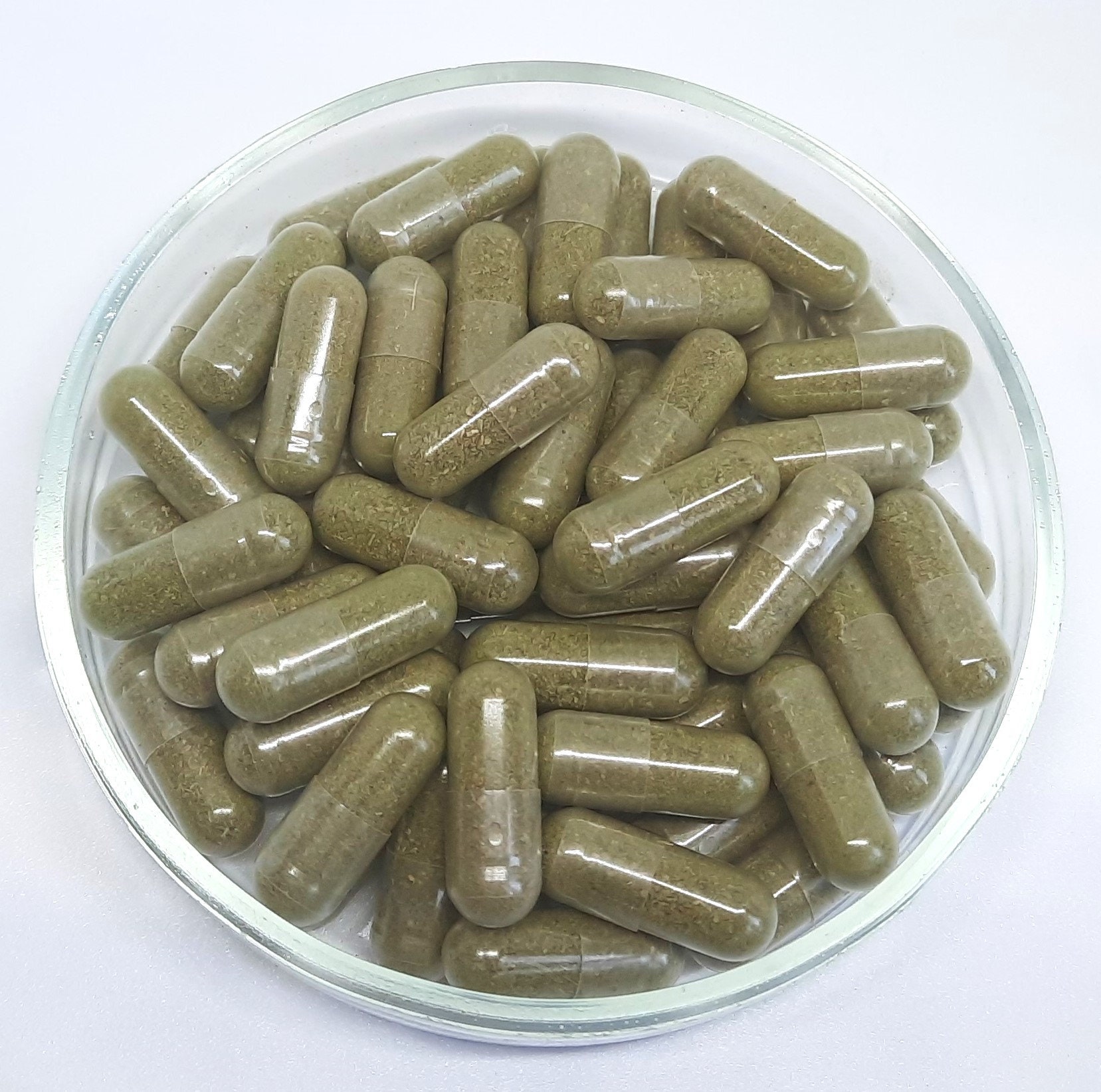
Sweetgrass essential oil, though rare and often expensive due to the difficulty of extraction, offers a concentrated form of its volatile compounds. It can be diffused for aromatic benefits, diluted in carrier oils for topical application, or used in aromatherapy blends. Extracts, such as tinctures, are also available from specialized herbal suppliers and provide a convenient way to integrate Sweetgrass into internal wellness routines, again, with careful consideration of dosage and potential interactions. When purchasing essential oils or extracts, ensure they are from reputable sources to guarantee purity and safety.
Safety, Dosage, and Ethical Considerations
While Sweetgrass is generally considered safe for traditional and aromatic use, a mindful approach is paramount, especially concerning internal consumption. The primary concern is the presence of coumarin. While the natural levels in Sweetgrass are typically low and the risk of toxicity from traditional, moderate use (e.g., smudging or occasional weak tea) is minimal, concentrated extracts or excessive internal intake could theoretically pose a risk of liver damage, particularly for individuals with pre-existing liver conditions or those on anticoagulant medications. Therefore:
- **Internal Use:** Always exercise caution. Consult with a qualified healthcare professional or an experienced herbalist before using Sweetgrass internally, especially if you are pregnant, nursing, have a medical condition, or are taking any medications. Stick to very weak infusions and infrequent use.
- **Topical Use:** Sweetgrass-infused oils or balms are generally safe for topical application. However, perform a patch test on a small area of skin first to check for any allergic reactions.
- **Aromatic Use (Smudging/Diffusion):** This is the safest and most common method of use. Ensure adequate ventilation when smudging. Individuals with respiratory sensitivities or asthma should use caution or avoid direct inhalation of dense smoke.
- **Ethical Sourcing:** Sweetgrass holds deep cultural significance for Indigenous peoples. When sourcing Sweetgrass, prioritize vendors who practice sustainable harvesting and ideally support Indigenous communities directly. Wild harvesting should only be done with permission and knowledge of local ecology to prevent over-harvesting and respect traditional territories.
Understanding these considerations ensures that the powerful benefits of Sweetgrass can be harnessed responsibly and respectfully, honoring both personal health and cultural heritage.
Conclusion: Sweetgrass – A Bridge to Holistic Wellness
Sweetgrass, Hierochloe odorata, stands as a testament to the profound wisdom embedded in traditional botanical knowledge, offering a captivating blend of spiritual significance and tangible health benefits. From its signature anxiolytic aroma that calms the mind and spirit, to its potent anti-inflammatory and antioxidant properties that support physical well-being, Sweetgrass serves as a powerful natural ally in the pursuit of holistic health. Its rich chemical composition, featuring coumarin, phytol, eugenol, and a symphony of terpenes and flavonoids, provides a scientific foundation for its revered status in Indigenous healing traditions.
As we navigate an increasingly complex world, the gentle yet profound influence of Sweetgrass offers a vital connection to nature and an ancestral pathway to balance. Whether experienced through the sacred smoke of a smudging ceremony, a comforting herbal infusion, or a topical balm, Sweetgrass invites us to embrace a multi-dimensional approach to wellness—one that nourishes not only the body but also the mind and spirit. By understanding and respecting its deep cultural roots and medicinal properties, we can responsibly integrate this cherished plant into modern life, allowing its sweet essence to guide us towards greater peace, healing, and harmony.
Disclaimer: For informational purposes only. Not medical advice. Consult a qualified healthcare professional before use.