
The Profound Health Benefits of Hyssop Herb: A Definitive Deep-Dive Guide
Hyssop (Hyssopus officinalis) is far more than just a garden ornament with beautiful blue flowers; it is a venerable herb steeped in centuries of history and celebrated for its remarkable array of medicinal properties. From ancient spiritual purification rituals to modern scientific investigations, Hyssop has consistently demonstrated its profound capacity to support human health across multiple physiological systems. This exhaustive guide delves into the botanical nuances, historical significance, intricate chemical composition, and multifaceted health benefits of this extraordinary plant, providing a comprehensive understanding for anyone seeking to harness its therapeutic potential.
A Botanical Glimpse and Revered Historical Journey
Hyssopus officinalis, a proud member of the Lamiaceae (mint) family, is a small, bushy perennial subshrub typically growing to about 2 feet in height. Its slender, woody stems are adorned with narrow, linear leaves and beautiful spikes of fragrant, usually blue-violet flowers, though pink and white varieties also exist. Native to Southern Europe, the Middle East, and the Caucasus region, Hyssop thrives in dry, sunny environments and rocky soils, conditions that contribute to the potency of its aromatic compounds. Its distinctive, slightly bitter, camphoraceous aroma and taste are tell-tale signs of its rich essential oil content.
The name “Hyssop” itself carries echoes of antiquity, believed to be derived from the Hebrew word “ezob” or the Arabic “azaf,” both referring to a holy herb used for cleansing. Its historical footprint is deeply etched in various cultures and religious texts. In biblical times, Hyssop was employed in purification ceremonies, notably in the Old Testament for ritual cleansing from leprosy and sin, symbolizing spiritual purification and renewal. The ancient Greeks and Romans recognized its medicinal value, using it to treat respiratory ailments, coughs, and throat infections, and as a digestive aid. Hippocrates, the father of medicine, and Dioscorides, the Roman military physician, both documented Hyssop’s therapeutic applications. During the Middle Ages, Hyssop found a prominent place in monastic gardens and apothecaries, valued for its antiseptic, expectorant, and digestive properties. Its use continued to flourish in traditional European herbalism, where it was often incorporated into liqueurs like Chartreuse for its digestive and invigorating qualities.

Unveiling the Bioactive Arsenal: Key Chemical Compounds of Hyssop
The diverse health benefits attributed to Hyssop are intrinsically linked to its complex phytochemical profile, a synergistic blend of volatile essential oils, potent flavonoids, tannins, and phenolic acids. Understanding these active constituents is paramount to appreciating the herb’s therapeutic mechanisms.
Essential Oils: The Aromatic Powerhouses
The distinctive aroma and much of Hyssop’s medicinal efficacy stem from its essential oil, which is particularly rich in monoterpenes and monoterpenones. Key components include:
- Pinocamphone and Isopinocamphone: These bicyclic monoterpenones are highly characteristic of Hyssop essential oil. They are largely responsible for the herb’s potent antimicrobial, antiviral, and expectorant properties. While highly effective, their concentration is also a critical factor in safety, as high doses can be neurotoxic, akin to thujone in absinthe.
- Beta-pinene and Alpha-pinene: Common terpenes found in many conifers and herbs, these contribute to Hyssop’s anti-inflammatory, bronchodilatory, and antimicrobial activities. They also impart a fresh, pine-like scent.
- Camphene: Another monoterpene with notable antioxidant and anti-inflammatory effects, contributing to the overall protective actions of the herb.
- 1,8-Cineole (Eucalyptol): A powerful expectorant and mucolytic agent, this compound helps thin mucus and clear airways, making it invaluable for respiratory conditions. It also possesses strong antimicrobial properties.
- Linalool and Geraniol: These are aromatic alcohols that contribute to Hyssop’s pleasant fragrance and possess mild sedative, antimicrobial, and anti-inflammatory properties.
Flavonoids: Potent Antioxidants and Anti-Inflammatory Agents
Hyssop is a good source of various flavonoids, plant pigments known for their powerful antioxidant and anti-inflammatory capabilities. Key flavonoids include:
- Diosmin and Hesperidin: These are particularly notable, especially diosmin, which is often extracted and used in pharmaceutical preparations for venous insufficiency and hemorrhoids. They exert vasoprotective effects, strengthening capillary walls and improving venous tone. Their antioxidant nature helps combat oxidative stress.
- Rutin: Known for its ability to strengthen capillaries, reduce inflammation, and provide antioxidant protection.
- Quercetin: A widely studied flavonoid with significant anti-inflammatory, antioxidant, and antihistamine properties.
Phenolic Acids: Radical Scavengers
These compounds, including rosmarinic acid and caffeic acid, are strong antioxidants that protect cells from damage caused by free radicals. They also exhibit anti-inflammatory and potentially neuroprotective effects.
Tannins: Astringent and Protective
Tannins contribute to Hyssop’s astringent properties, making it useful for tightening tissues and reducing secretions, which can be beneficial for irritated mucous membranes or minor wounds.

Comprehensive Health Benefits of Hyssop Herb
The intricate synergy of Hyssop’s bioactive compounds confers a wide spectrum of health benefits, addressing various bodily systems with remarkable efficacy.
1. Exceptional Respiratory Support and Expectorant Action
One of Hyssop’s most celebrated traditional uses, and one well-supported by its chemical profile, is its profound benefit for respiratory health. The essential oils, particularly pinocamphone, isopinocamphone, and 1,8-cineole, act as potent expectorants and mucolytics. They stimulate the activity of ciliated epithelial cells in the respiratory tract, promoting the upward movement of mucus and trapped particles. Concurrently, they help to thin viscous phlegm, making it easier to cough up and expel. This dual action effectively clears congested airways, providing significant relief from coughs, colds, bronchitis, and even asthma. The anti-inflammatory properties of Hyssop also soothe irritated mucous membranes, reducing swelling and discomfort associated with respiratory infections.
2. Potent Antimicrobial, Antiviral, and Antifungal Properties
Hyssop stands out as a formidable natural antimicrobial agent. Research has consistently demonstrated the essential oil’s ability to inhibit the growth of a wide range of pathogenic microorganisms. Pinocamphone and isopinocamphone are particularly effective at disrupting bacterial cell membranes, leading to cellular leakage and death. Studies have shown activity against common bacterial culprits such as *Staphylococcus aureus* (including some antibiotic-resistant strains), *Escherichia coli*, and *Pseudomonas aeruginosa*. Furthermore, Hyssop exhibits significant antiviral capabilities, with some studies suggesting its efficacy against viruses like Herpes Simplex Virus (HSV). Its antifungal action also makes it useful against certain fungal infections, contributing to its broad-spectrum protective effects against various pathogens.
3. Anti-inflammatory and Antioxidant Powerhouse
Chronic inflammation and oxidative stress are underlying factors in many degenerative diseases. Hyssop’s rich content of flavonoids (diosmin, hesperidin, rutin, quercetin) and phenolic acids (rosmarinic acid, caffeic acid) positions it as a powerful antioxidant and anti-inflammatory herb. These compounds actively scavenge free radicals, neutralizing their damaging effects on cellular structures and DNA. Moreover, they modulate inflammatory pathways, inhibiting the production of pro-inflammatory cytokines and enzymes like COX-2 and LOX. This systemic reduction in inflammation and oxidative damage can protect various organs, support cellular longevity, and potentially mitigate the risk of chronic diseases such as cardiovascular disorders, neurodegenerative conditions, and certain cancers.
4. Digestive Aid and Carminative Benefits
Hyssop has long been revered for its ability to support digestive health. As a carminative, it helps to alleviate flatulence, bloating, and abdominal discomfort by relaxing the smooth muscles of the gastrointestinal tract and facilitating the expulsion of gas. Its bitter compounds also stimulate the production of digestive enzymes and bile, which are crucial for the efficient breakdown and absorption of nutrients. This choleretic action can aid in digestion, reduce feelings of fullness after meals, and even contribute to better fat metabolism. Traditionally, it has been used to address sluggish digestion and promote appetite.
5. Immune System Modulator and Support
Beyond its direct antimicrobial effects, Hyssop plays a role in enhancing overall immune function. Its antioxidant compounds protect immune cells from oxidative damage, ensuring their optimal performance. The ability to fight off infections directly, coupled with systemic anti-inflammatory actions, contributes to a more robust immune response. Regular consumption of Hyssop may help the body better defend itself against seasonal ailments and recover more quickly from illnesses by bolstering the natural defense mechanisms.
6. Potential Neuroprotective and Mood-Enhancing Effects
While less extensively studied than its respiratory or antimicrobial actions, traditional uses suggest Hyssop may exert mild nervine properties. It has been used to alleviate anxiety, nervousness, and promote a sense of calm. The presence of certain terpenes and essential oil components might contribute to these effects, potentially through interaction with neurotransmitter systems or by reducing oxidative stress in the brain. Some phenolic acids like rosmarinic acid are also recognized for their potential neuroprotective benefits.
7. Topical Applications for Skin Health
Due to its antiseptic, anti-inflammatory, and astringent properties, Hyssop can also be beneficial for topical applications. Infusions or diluted essential oil can be used as compresses or washes for minor cuts, scrapes, bruises, and skin irritations. It can help cleanse wounds, reduce inflammation, and promote healing. Its astringent nature may also be useful for tightening pores or soothing irritated skin conditions.
Practical Usage and Forms of Hyssop Herb
Hyssop can be incorporated into a health regimen in several forms, each offering distinct advantages. The choice of form often depends on the desired effect and individual preference.
1. Herbal Infusion (Tea)
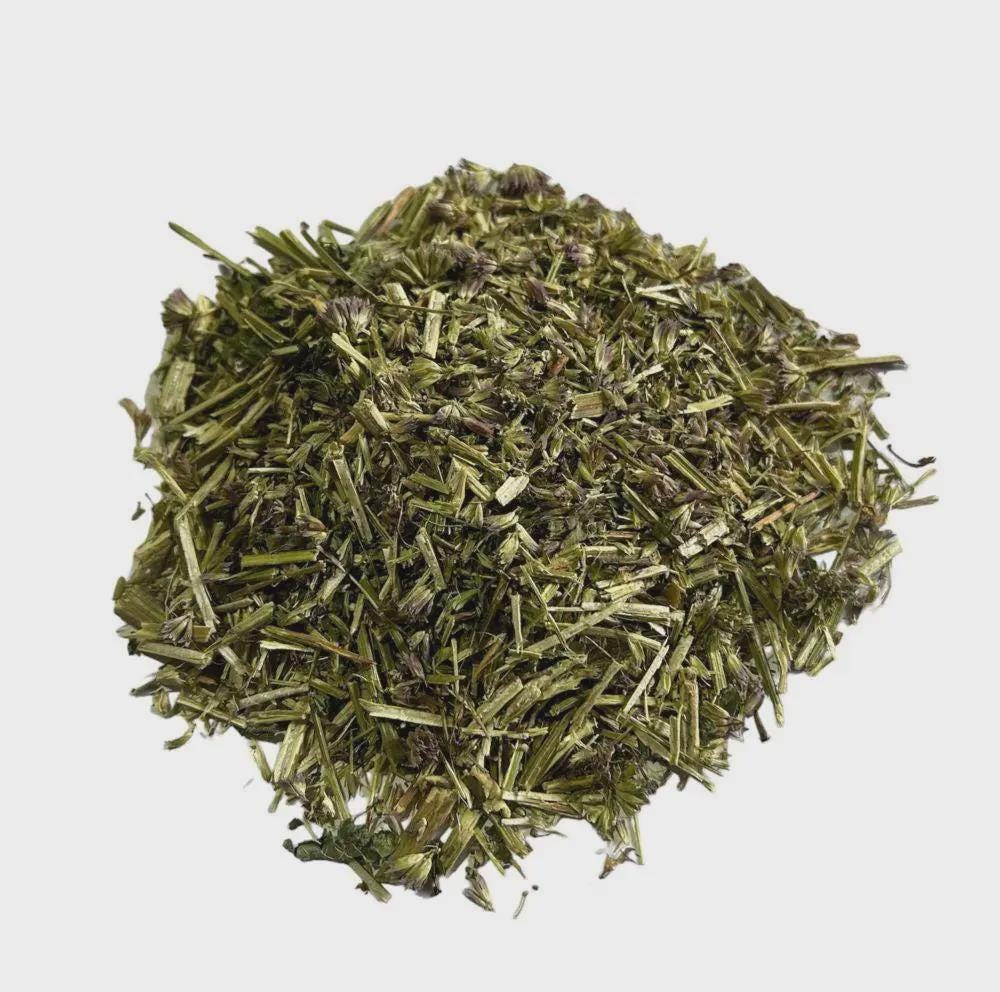
This is one of the most common and gentlest ways to consume Hyssop. A tea made from the dried leaves and flowers is excellent for respiratory complaints, digestive issues, and general immune support. To prepare, steep 1-2 teaspoons of dried Hyssop herb in 8 ounces of hot water for 5-10 minutes. Strain and drink 2-3 times a day. The warm vapor from the tea also provides immediate relief for congested sinuses.
2. Tinctures
Hyssop tinctures are concentrated liquid extracts made by steeping the herb in alcohol. They offer a more potent and convenient method of delivery. Tinctures are particularly effective for chronic conditions or when a more robust therapeutic effect is desired. Typical dosage ranges from 20-60 drops (1-3 ml), 2-3 times daily, diluted in water. Tinctures are readily absorbed and offer a longer shelf life.
3. Essential Oil
Hyssop essential oil is highly concentrated and should be used with extreme caution. It is rich in pinocamphone and isopinocamphone, which can be neurotoxic in high doses. It should NEVER be ingested orally unless under the direct supervision of a qualified healthcare professional with expertise in essential oil therapy. For aromatherapy, a few drops can be diffused to clear respiratory passages or uplift mood. For topical application, it must be heavily diluted (1-2 drops per tablespoon of carrier oil like jojoba or almond oil) and applied to the chest for respiratory relief or to pulse points for a calming effect. Always perform a patch test first.

4. Capsules and Supplements
For those seeking convenience and precise dosing, Hyssop is available in capsule form, often containing powdered dried herb or standardized extracts. These supplements are an excellent option for consistent, long-term support for respiratory, digestive, or immune health. It is crucial to choose reputable brands that provide clear dosage instructions and ingredient transparency. Always adhere to the recommended dosage on the product label unless otherwise advised by a healthcare provider.
5. Syrups and Lozenges
Historically, Hyssop was often prepared as a medicinal syrup, particularly for coughs and sore throats, sometimes combined with honey and other soothing herbs. These forms can be especially palatable and effective for children (with appropriate reduced dosage and professional guidance).
6. Topical Compresses or Washes
An infusion of Hyssop can be cooled and used as a topical wash or compress for minor skin irritations, cuts, or bruises. The astringent and antiseptic properties can help cleanse and soothe the affected area.
Dosage, Safety, and Contraindications
While Hyssop offers numerous benefits, it is crucial to approach its use with awareness of potential side effects and contraindications, especially given the potency of its essential oil components.
General Dosage Guidelines (for adults):
- Tea: 1-2 teaspoons of dried herb steeped in 8 oz hot water, 2-3 times daily.
- Tincture (1:5, 40% alcohol): 1-3 ml (20-60 drops), 2-3 times daily.
- Capsules/Powdered Herb: Typically 500-1000 mg, 1-2 times daily, depending on concentration. Always follow product-specific instructions.
Crucial Safety Considerations and Contraindications:
- Essential Oil: Hyssop essential oil, due to its high concentration of pinocamphone and isopinocamphone, can be neurotoxic and potentially cause convulsions, especially in high doses or with prolonged use. It is strictly contraindicated for internal use without expert medical supervision and should be used externally only in highly diluted forms. Avoid entirely for individuals prone to seizures or epilepsy.
- Pregnancy and Breastfeeding: Hyssop is traditionally considered an emmenagogue (stimulates menstrual flow) and abortifacient in large doses. Therefore, it is strongly contraindicated during pregnancy. Due to lack of sufficient safety data, it should also be avoided during breastfeeding.
- Epilepsy and Seizure Disorders: Individuals with epilepsy or a history of seizure disorders should avoid Hyssop, particularly its essential oil, due to the potential neurotoxic effects of its ketone constituents.
- Children: Hyssop use in young children should be approached with extreme caution and only under the guidance of a pediatric herbalist or healthcare provider, given its potency.
- Drug Interactions:
- Anticoagulants/Antiplatelet Drugs: Hyssop, particularly its flavonoid diosmin, may potentially have mild blood-thinning effects. Use with caution if taking blood thinners like warfarin or aspirin.
- Blood Pressure Medications: Diosmin and hesperidin might have an impact on blood pressure. Individuals on antihypertensive drugs should monitor their blood pressure closely.
- Diabetes Medications: Some preliminary studies suggest Hyssop might influence blood glucose levels. Diabetics should consult their doctor and monitor blood sugar carefully.
- Allergic Reactions: As with any herb, allergic reactions are possible, although rare. Discontinue use if adverse reactions occur.
Conclusion: Hyssop – An Ancient Healer for Modern Wellness
Hyssop (Hyssopus officinalis) stands as a testament to the enduring power of natural medicine, offering a rich tapestry of therapeutic benefits woven through millennia of human experience and increasingly validated by contemporary scientific inquiry. From its ancient roots in purification rituals to its modern applications as a potent respiratory aid, antimicrobial agent, and anti-inflammatory powerhouse, Hyssop’s multifaceted gifts are undeniable. Its unique chemical composition, featuring an intricate balance of essential oils, flavonoids, and phenolic acids, provides a comprehensive approach to health, supporting everything from immune resilience to digestive harmony.
As we navigate the complexities of modern health challenges, returning to the wisdom of herbs like Hyssop offers a compelling path toward holistic well-being. However, responsible and informed usage is paramount. By understanding its botanical characteristics, the specific actions of its bioactive compounds, and adhering to appropriate dosages and safety precautions, individuals can safely and effectively integrate this venerable herb into their wellness journey, unlocking the profound potential of Hyssop to cleanse, heal, and invigorate. Always consult with a qualified healthcare professional or an experienced herbalist before beginning any new herbal regimen, especially if you have underlying health conditions or are taking other medications.

Disclaimer: For informational purposes only. Not medical advice. Consult a qualified healthcare professional before use.