Unveiling the Unsung Hero: A Deep Dive into the Profound Health Benefits of Cranberry Leaf
For centuries, the vibrant red berry of the cranberry plant (*Vaccinium macrocarpon*) has been lauded for its distinct tartness and remarkable health-promoting properties, particularly its renowned role in supporting urinary tract health. However, an often-overlooked yet equally potent component of this resilient plant is its leaf. Far from being merely a supporting structure, the cranberry leaf harbors a rich tapestry of bioactive compounds that offer a spectrum of therapeutic benefits, making it a powerful contender in the realm of traditional herbal medicine and a subject of growing scientific interest. This comprehensive guide will meticulously explore the historical roots, intricate biochemistry, and myriad health advantages associated with the humble, yet extraordinary, cranberry leaf, aiming to provide a definitive resource for those seeking to understand its full potential.
Botanical Pedigree and Historical Resonance of the Cranberry Leaf
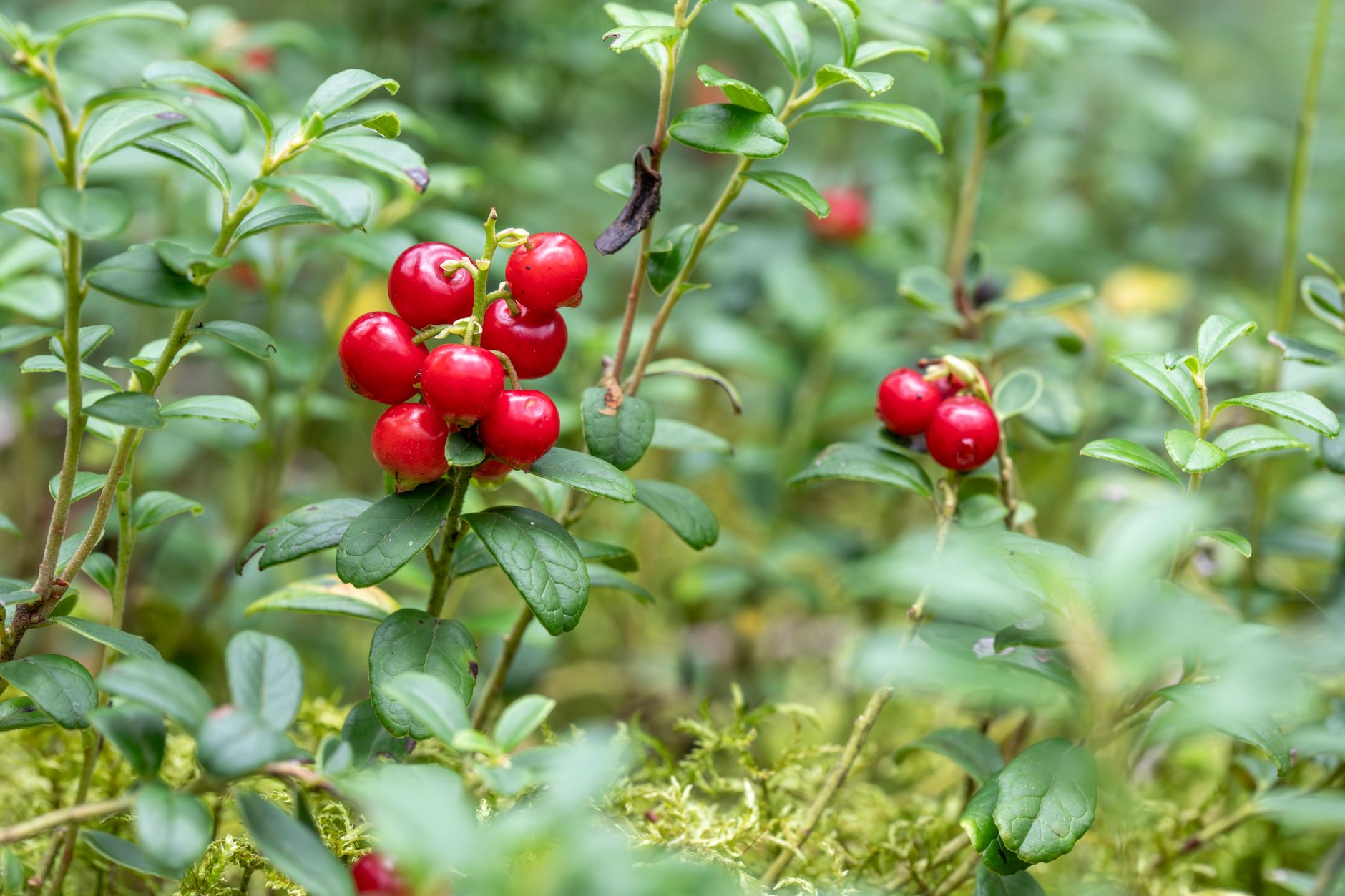
The common cranberry, *Vaccinium macrocarpon*, is a low-growing, evergreen shrub native to North America, thriving in bogs and wetlands. While its fruit has long been a staple in indigenous diets and traditional medicine, the leaves, too, held significant importance. Native American tribes, recognizing the plant’s holistic value, utilized cranberry leaves in various preparations, including teas and poultices, for conditions ranging from urinary issues to minor wounds and general tonic support. They understood that the plant’s efficacy extended beyond its famous berries, leveraging the leaf’s astringent and potentially antiseptic qualities. European settlers subsequently adopted many of these practices, integrating cranberry leaf into their own evolving herbal pharmacopoeias.
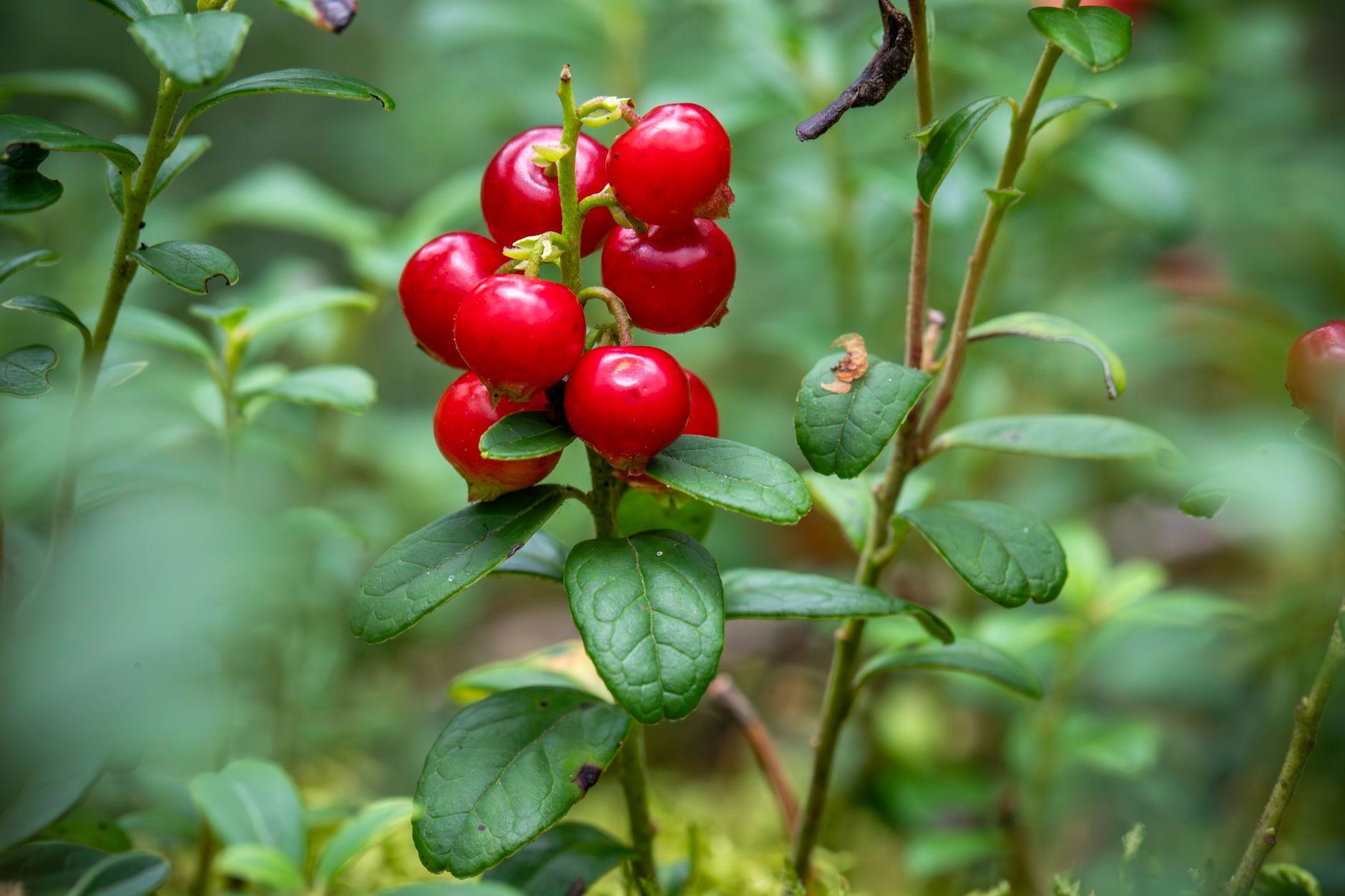
Beyond *Vaccinium macrocarpon*, other closely related species within the *Vaccinium* genus, such as *Vaccinium vitis-idaea* (Lingonberry or Cowberry), share similar phytochemical profiles in their leaves and have been historically used in Northern European and Scandinavian folk medicine for comparable purposes, particularly for urinary complaints and as a general detoxifier. This cross-cultural recognition underscores the inherent therapeutic value embedded within the evergreen foliage of these hardy plants.
The Phytochemical Powerhouse: Decoding Bioactive Compounds in Cranberry Leaf
The remarkable health benefits attributed to cranberry leaf are intrinsically linked to its complex and diverse phytochemical composition. Unlike the fruit, which is primarily known for its high concentration of Type A proanthocyanidins (PACs), the leaves possess a broader spectrum of compounds, many of which are present in significant quantities and contribute synergistically to its therapeutic actions. Understanding these individual components is crucial for appreciating the leaf’s multifaceted potential.
Flavonoids: Potent Antioxidants and Anti-inflammatories
Cranberry leaves are exceptionally rich in various flavonoids, including quercetin, myricetin, and kaempferol. These polyphenolic compounds are celebrated for their powerful antioxidant capabilities. They function by scavenging free radicals, which are unstable molecules that can cause oxidative stress and cellular damage, leading to chronic diseases and premature aging. Furthermore, flavonoids exhibit robust anti-inflammatory properties by modulating various inflammatory pathways, such as inhibiting cyclooxygenase (COX) enzymes and reducing the production of pro-inflammatory cytokines. This dual action of combating oxidative stress and inflammation forms the bedrock of many of the leaf’s health benefits.
Proanthocyanidins (PACs): Beyond the Fruit
While the fruit is the primary source of Type A PACs known for anti-adhesion effects against bacteria, cranberry leaves also contain significant amounts of proanthocyanidins, including Type A PACs, though often in differing concentrations and polymer structures compared to the fruit. These unique PACs are oligomeric flavonoids that possess exceptional antioxidant capacity and contribute to the leaf’s astringent properties. Crucially, their anti-adhesion mechanism is not limited to the urinary tract; they can also inhibit the attachment of certain bacteria to other mucosal surfaces, suggesting broader antimicrobial and protective roles within the body.
Phenolic Acids: Diverse Protective Roles
Phenolic acids like chlorogenic acid and caffeic acid are abundant in cranberry leaves. Chlorogenic acid, in particular, is a potent antioxidant and has been studied for its potential roles in blood sugar regulation, cardiovascular health, and anti-inflammatory effects. These acids contribute to the overall antioxidant defense system of the plant and, when consumed, impart similar benefits to human health, complementing the actions of flavonoids and PACs.
Tannins: Astringency and Antimicrobial Action
Both hydrolyzable and condensed tannins are present in cranberry leaves. Tannins are polyphenolic compounds known for their astringent properties, meaning they can cause tissues to contract. This effect is beneficial in traditional applications for soothing inflamed mucous membranes and arresting minor bleeding. Beyond astringency, tannins also possess significant antimicrobial activity, helping to inhibit the growth of various bacteria, fungi, and viruses, thus contributing to the leaf’s historical use in fighting infections.
Triterpenoids and Other Compounds
Cranberry leaves also contain various triterpenoids, which are a class of organic compounds with diverse biological activities, including anti-inflammatory, antimicrobial, and potentially anticancer properties. These, along with other minor compounds, contribute to the complex symphony of biochemical interactions that define the cranberry leaf’s therapeutic profile.
In-Depth Exploration of Cranberry Leaf Health Benefits
Armed with this rich array of phytochemicals, cranberry leaf offers a comprehensive suite of health advantages that extend far beyond its well-known berry counterpart.
Superior Urinary Tract Health Support
While cranberry fruit is famous for its UTI-preventative qualities, the leaves offer a unique and potentially superior contribution. The PACs in cranberry leaves, similar to those in the fruit, prevent pathogenic bacteria, particularly *Escherichia coli* (E. coli), from adhering to the walls of the urinary tract. This anti-adhesion mechanism is crucial because it physically stops bacteria from colonizing and forming biofilms, which are the primary cause of UTIs. The tannins and other phenolic compounds in the leaves further provide antiseptic properties, creating an unfavorable environment for bacterial proliferation. Additionally, cranberry leaf acts as a mild diuretic, promoting increased urine flow, which helps to flush out any lingering bacteria from the urinary system. The combination of anti-adhesion, antiseptic, and diuretic effects makes cranberry leaf a formidable ally in maintaining urinary tract integrity and preventing recurrent infections.
Potent Antioxidant and Anti-inflammatory Actions
The high concentration of flavonoids, phenolic acids, and PACs makes cranberry leaf an exceptional source of antioxidants. These compounds actively neutralize free radicals, mitigating oxidative stress throughout the body. Chronic oxidative stress is a major contributor to cellular damage, inflammation, and the development of numerous degenerative diseases, including cardiovascular disease, neurodegenerative disorders, and certain cancers. By consistently reducing this oxidative burden, cranberry leaf helps protect cells and tissues from damage. Furthermore, its anti-inflammatory compounds can help to calm systemic inflammation, a root cause of many chronic health conditions. This makes cranberry leaf a valuable supplement for overall cellular health and disease prevention.
Promoting Cardiovascular Wellness
The antioxidant and anti-inflammatory prowess of cranberry leaf translates directly into significant benefits for cardiovascular health. Oxidative stress is a key factor in the oxidation of low-density lipoprotein (LDL) cholesterol, a process that initiates atherosclerosis and plaque formation in arteries. By inhibiting LDL oxidation, the leaf’s compounds help protect arterial walls. The flavonoids and phenolic acids may also contribute to improved endothelial function, the health of the inner lining of blood vessels, which is critical for blood pressure regulation and overall circulatory health. Some research suggests a potential for cranberry leaf extracts to favorably impact lipid profiles and help maintain healthy blood pressure levels, offering a holistic approach to cardiovascular protection.
Supporting Digestive Harmony
The astringent properties of tannins in cranberry leaves can be beneficial for digestive health, particularly in cases of mild diarrhea or inflammation of the gastrointestinal lining. Tannins can help to tighten and protect mucous membranes, reducing irritation and fluid loss. Moreover, the antimicrobial compounds within the leaf may help to balance gut flora by inhibiting the growth of certain pathogenic bacteria, contributing to a healthier gut microbiome. While not a primary probiotic, its ability to create a more favorable environment indirectly supports digestive well-being.

Potential for Blood Sugar Regulation
Emerging research hints at the potential of cranberry leaf in supporting healthy blood sugar metabolism. Compounds like chlorogenic acid have been studied for their ability to inhibit carbohydrate-digesting enzymes, such as alpha-glucosidase, which can slow down the absorption of glucose into the bloodstream after meals. Quercetin, another prominent flavonoid, has also been implicated in improving insulin sensitivity and glucose uptake in cells. While more extensive human trials are needed, these initial findings suggest that cranberry leaf could be a valuable addition to dietary strategies aimed at managing blood sugar levels and potentially preventing type 2 diabetes.
Enhancing Immune System Function
The synergistic action of antioxidants, anti-inflammatory compounds, and direct antimicrobial agents in cranberry leaf contributes to a strengthened immune system. By reducing oxidative stress and inflammation, the leaf helps to preserve the integrity and function of immune cells. Its inherent antimicrobial properties also provide a direct line of defense against various pathogens, potentially reducing the frequency and severity of common infections. Regular consumption may help the body maintain a robust immune response, particularly during periods of stress or seasonal vulnerability.
Skin Health and Topical Applications
Given its powerful antioxidant and anti-inflammatory properties, cranberry leaf shows promise for skin health, both internally and topically. Internally, its compounds can help protect skin cells from oxidative damage caused by environmental factors like UV radiation and pollution, which contribute to premature aging. Topically, the astringent and antimicrobial qualities of the tannins make cranberry leaf extracts or poultices beneficial for minor skin irritations, cuts, and abrasions, helping to cleanse wounds and promote healing. Its anti-inflammatory components can also soothe redness and irritation, contributing to a healthier complexion.
Traditional and Modern Applications: Harnessing the Leaf’s Power
Throughout history, the primary method of utilizing cranberry leaf has been through infusions, or teas, which efficiently extract its water-soluble beneficial compounds. Modern herbalism has expanded these traditional applications, offering a variety of convenient forms for integration into daily wellness routines.
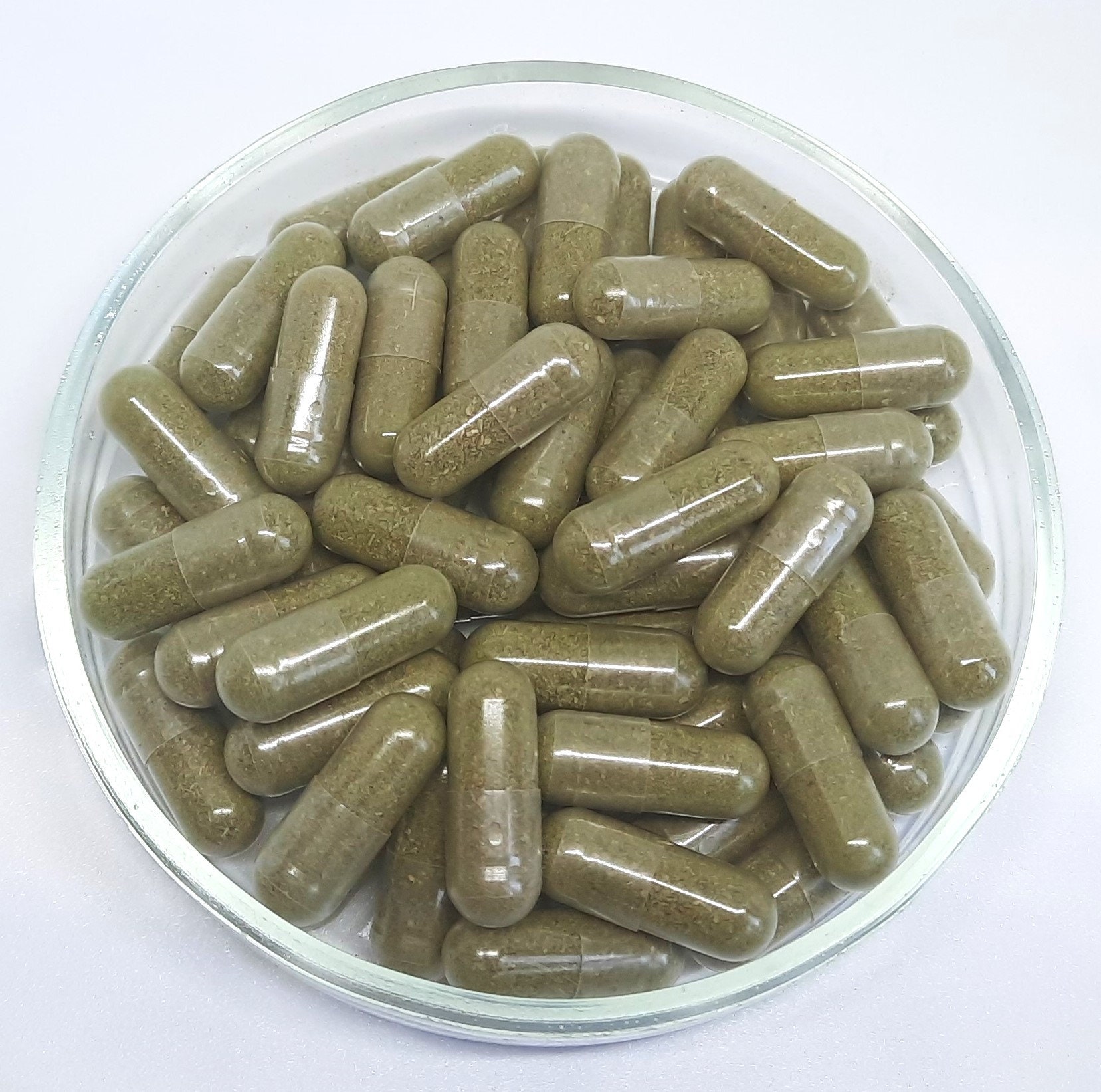
Today, dried cranberry leaves are readily available for brewing soothing and medicinal teas. Tinctures, which are concentrated alcoholic extracts, provide a potent and readily absorbed form of the herb. For those who prefer a more standardized and convenient option, cranberry leaf capsules and powdered extracts are also produced, allowing for precise dosage and easy integration into a supplement regimen. These modern preparations ensure that the comprehensive benefits of cranberry leaf are accessible to a wider audience, facilitating its re-emergence as a valued botanical.
Practical Usage, Dosage, and Important Safety Considerations
Integrating cranberry leaf into your health routine requires careful consideration of preparation, dosage, and potential interactions.
Preparing Cranberry Leaf Tea
For a traditional infusion, steep 1-2 teaspoons of dried cranberry leaf in 8 ounces of hot (but not boiling) water for 10-15 minutes. Strain and enjoy. This tea can be consumed 1-3 times daily, depending on the desired therapeutic effect. The flavor is mildly astringent and slightly earthy, which can be mellowed with a touch of honey or lemon.
Dosage Guidelines for Extracts and Capsules
Dosages for tinctures and capsules vary significantly based on the concentration of the extract. It is imperative to follow the specific instructions provided by the manufacturer on product labels. As a general guideline, tinctures might be taken in doses of 1-2 ml, 2-3 times daily, while capsules typically range from 250-500 mg, taken once or twice a day. Always start with the lowest recommended dose and adjust as needed, while monitoring your body’s response.
Potential Side Effects and Contraindications
Cranberry leaf is generally considered safe for most healthy individuals when consumed in recommended doses. However, due to its diuretic properties, excessive consumption might lead to increased urination and potential electrolyte imbalance, especially if combined with other diuretics. Individuals with pre-existing kidney conditions should exercise caution and consult a healthcare professional before use. While cranberry fruit has known interactions with blood-thinning medications like warfarin due to its vitamin K content, the amount of vitamin K in the leaves is typically much lower and less likely to pose a significant risk, but caution is still advised for those on anticoagulants.
Pregnant and breastfeeding women should consult their doctor before using cranberry leaf preparations, as extensive research on its safety during these periods is limited. Individuals with known allergies to plants in the *Vaccinium* family should also avoid cranberry leaf. Always prioritize sourcing cranberry leaf from reputable suppliers to ensure purity, potency, and freedom from contaminants.
Conclusion: The Cranberry Leaf – A Holistic Herbal Treasure
The cranberry leaf, long overshadowed by its famous fruit, stands as a testament to nature’s profound pharmacy. Its rich historical use, coupled with a compelling array of scientifically validated bioactive compounds, firmly establishes it as a powerful botanical with a diverse range of health benefits. From its robust support for urinary tract health and potent antioxidant and anti-inflammatory actions to its promising roles in cardiovascular wellness, digestive support, and blood sugar regulation, cranberry leaf offers a holistic approach to enhancing well-being.
As research continues to unveil the intricate mechanisms behind its therapeutic effects, the cranberry leaf is poised to gain even greater recognition in the world of natural health. For those seeking to harness the comprehensive power of traditional herbal medicine, integrating cranberry leaf into a mindful wellness regimen, with appropriate guidance from healthcare professionals, could unlock a wealth of revitalizing benefits, proving that sometimes, the most potent remedies are found in the most unexpected places.
Disclaimer: For informational purposes only. Not medical advice. Consult a qualified healthcare professional before use.