The Undeniable Power of Nature’s Celery: A Deep Dive into the Health Benefits of Lovage Leaf
In the vast tapestry of medicinal plants, some herbs quietly hold immense therapeutic potential, often overshadowed by their more famous counterparts. Lovage, scientifically known as Levisticum officinale, is one such botanical treasure. A fragrant member of the Apiaceae family – a close relative to celery, parsley, and carrots – Lovage boasts a rich history steeped in traditional medicine and a compelling profile of bioactive compounds that underpin its profound health benefits. From ancient Roman kitchens to medieval monasteries, its distinctive aroma and potent properties have been cherished for centuries. This exhaustive guide delves into the intricate world of Lovage leaf, exploring its historical significance, botanical characteristics, complex phytochemical composition, and the myriad ways it can contribute to holistic well-being.
Often recognized by its tall stature, glossy green leaves, and robust, celery-like flavor with notes of yeast extract and parsley, Lovage is far more than just a culinary herb. Its leaves, roots, and seeds have all been utilized, but it is the vibrant, verdant leaves that hold a particular concentration of beneficial compounds, making them a focal point for natural health enthusiasts and herbalists alike. Our journey will uncover how this remarkable herb acts as a digestive aid, a potent diuretic, an anti-inflammatory agent, and much more, providing a definitive resource for understanding the true value of Lovage leaf.
A Journey Through Time: Historical Context and Traditional Uses of Lovage
The story of Lovage is intertwined with human civilization, tracing its origins back to the mountainous regions of southern Europe and southwest Asia. Its name, thought to derive from “love-ache” or a corruption of “ligusticum” (referring to the Liguria region of Italy), hints at its ancient reverence. The Greeks and Romans were among the first to recognize its versatile properties, employing it not only as a flavoring agent in their sophisticated cuisines but also as a powerful medicinal herb. Dioscorides, the celebrated Greek physician, chronicled its uses as a diuretic and digestive aid in his seminal work, *De Materia Medica*, which remained a primary pharmacological text for over 1500 years.
During the medieval era, Lovage became an indispensable plant in European monastery gardens, cultivated for its wide array of therapeutic applications. Monks and herbalists prescribed it for a multitude of ailments, ranging from digestive discomforts like bloating and indigestion to respiratory issues such as coughs and sore throats. It was also highly valued for its ability to promote menstruation, cleanse the blood, and alleviate pain. Folk medicine traditions across Europe consistently referenced Lovage for its carminative, expectorant, and diuretic actions, solidifying its reputation as a household remedy. Its pervasive presence in historical herbal texts underscores a long-standing trust in its efficacy, a trust that modern scientific inquiry is increasingly validating.
Botanical Profile: Unveiling the Characteristics of Levisticum officinale
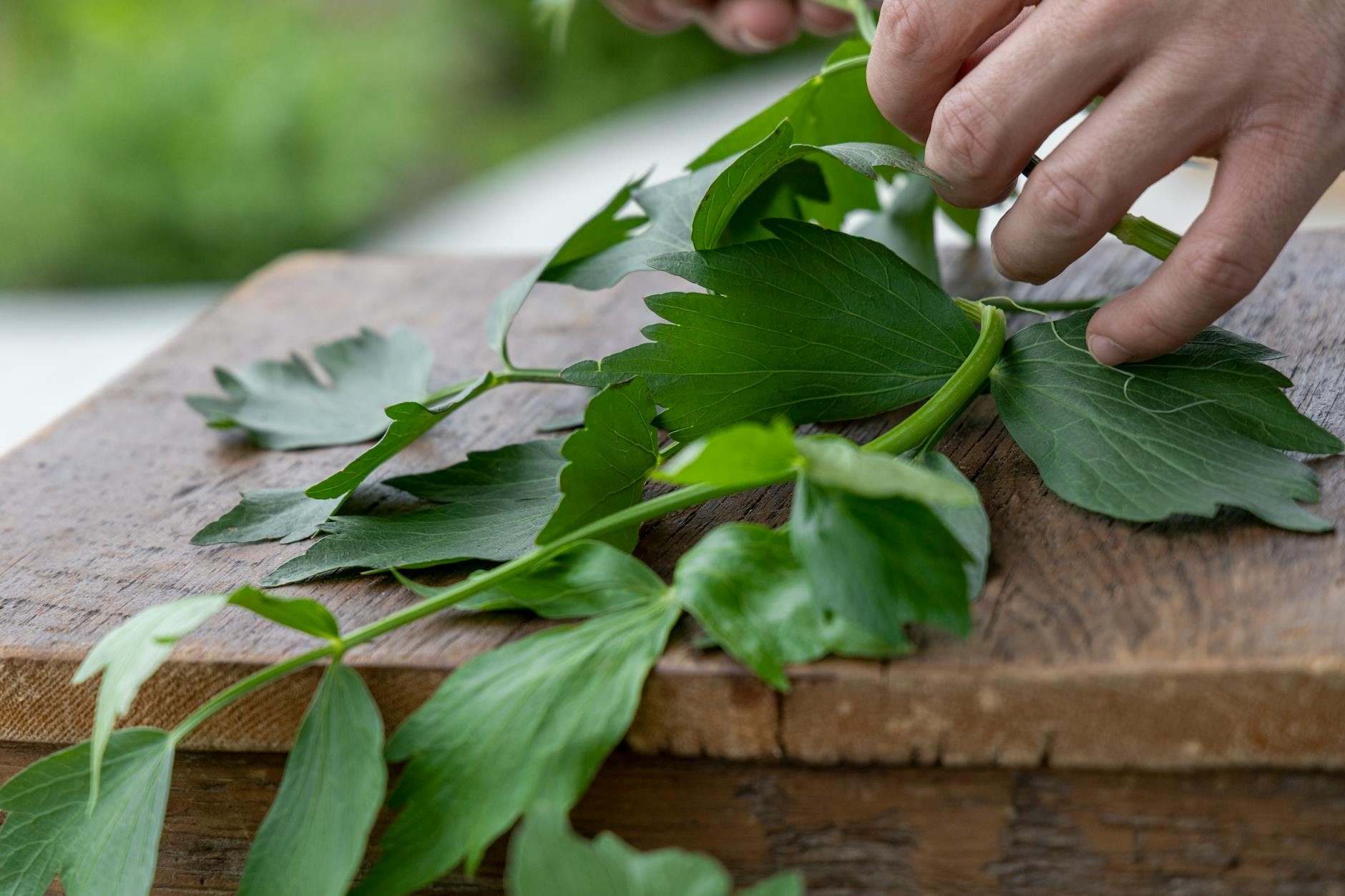
Levisticum officinale, commonly known as Lovage, is a robust, perennial herb belonging to the Apiaceae family. It is distinguished by its imposing presence in the garden, often growing to heights of 4 to 7 feet (1.2 to 2.1 meters) with a sturdy, hollow stem. The leaves are its most striking feature: large, dark green, and deeply cut, resembling a more robust version of celery or flat-leaf parsley. These compound leaves are bipinnate or tripinnate, with broad, wedge-shaped leaflets that possess a glossy sheen. When crushed, the leaves release a powerful, distinctive aroma – a complex blend of celery, anise, and a slightly earthy, savory undertone that is instantly recognizable and contributes significantly to its culinary and medicinal appeal.
The plant produces umbrella-like clusters of greenish-yellow flowers (umbels) in mid to late summer, which later develop into small, ribbed, oval seeds. Both the seeds and the fleshy, aromatic roots also contain valuable compounds and have been used in traditional medicine, but the leaves, readily harvested throughout the growing season, are particularly rich in the volatile oils and other constituents responsible for many of its health benefits. Lovage thrives in rich, moist, well-drained soil and prefers full sun to partial shade, making it a relatively easy plant to cultivate in many temperate climates. Its resilience and generous foliage yield ensure a continuous supply for both culinary and medicinal applications, cementing its place as a practical and potent herbal ally.
Phytochemical Powerhouse: The Bioactive Compounds of Lovage Leaf
The remarkable health benefits of Lovage leaf are attributed to its complex and diverse phytochemical profile. This herb is a veritable treasury of bioactive compounds, each contributing synergistically to its therapeutic effects. Understanding these constituents is key to appreciating the depth of Lovage’s medicinal value. The primary components responsible for its characteristic aroma and many pharmacological actions are its essential oils, but it also contains a significant array of other beneficial compounds.
-
Essential Oils: The Aromatic Architects of Health
The volatile essential oils of Lovage leaf are dominated by a unique class of compounds known as phthalides. Key among these are ligustilide, butylphthalide, and neocnidilide. These phthalides are largely responsible for the herb’s distinctive celery-like scent and are potent bioactive molecules. Ligustilide, in particular, has been extensively studied for its antispasmodic, anti-inflammatory, and neuroprotective properties. It contributes to the relaxation of smooth muscles, explaining Lovage’s efficacy in alleviating digestive cramps and menstrual pain. Beyond phthalides, the essential oil also contains various monoterpenes and sesquiterpenes such as alpha- and beta-pinene, limonene, sabinene, and beta-phellandrene. These compounds exhibit a range of activities, including antimicrobial, antioxidant, and anti-inflammatory effects, contributing to the overall protective and therapeutic profile of the herb.
-
Coumarins: Nature’s Protective Agents
Lovage leaf is also a source of various coumarins, including both simple coumarins and furanocoumarins like bergapten and psoralen. Coumarins are naturally occurring organic compounds known for their diverse pharmacological activities, including anti-inflammatory, anticoagulant, and antioxidant properties. While some furanocoumarins can induce photosensitivity (making skin more susceptible to sunburn), their presence in Lovage also contributes to its overall therapeutic effects, with research exploring their potential anticarcinogenic and antimicrobial actions. It is this delicate balance of compounds that defines the complexity of herbal medicine.
-
Flavonoids and Phenolic Acids: Antioxidant Sentinels
Like many green leafy vegetables and herbs, Lovage leaf is rich in flavonoids and phenolic acids. Flavonoids such as quercetin and kaempferol are powerful antioxidants, capable of neutralizing harmful free radicals in the body, thereby reducing oxidative stress and inflammation. Phenolic acids, including caffeic acid and ferulic acid, further enhance this antioxidant capacity. These compounds play a crucial role in cellular protection, supporting overall health and potentially reducing the risk of chronic diseases linked to oxidative damage.
-
Other Constituents
Beyond these primary categories, Lovage leaf also contains alkaloids, polysaccharides, and a variety of vitamins and minerals, including B vitamins, vitamin C, iron, and potassium. These contribute to its nutritional value and augment its overall health-promoting properties, demonstrating that the benefits of whole herbs often extend beyond just a few isolated active compounds, instead relying on the synergistic action of its entire phytochemical orchestra.
The Multifaceted Health Benefits of Lovage Leaf: A Deep Dive
Armed with an understanding of its rich chemical composition, we can now explore the extensive array of health benefits that Lovage leaf offers, each underpinned by specific mechanisms of action and traditional evidence.
1. A Digestive Dynamo: Soothing and Optimizing the Gut
Lovage leaf is perhaps most celebrated for its profound impact on digestive health. Its carminative properties are highly effective in alleviating flatulence, bloating, and indigestion. The phthalides in its essential oil act as potent antispasmodics, relaxing the smooth muscles of the gastrointestinal tract. This relaxation helps to reduce painful cramps and spasms associated with conditions like irritable bowel syndrome (IBS), allowing trapped gas to be expelled more easily. Furthermore, Lovage stimulates the production of digestive enzymes and bile, which are crucial for the efficient breakdown of fats and absorption of nutrients. By enhancing overall digestive processes, Lovage can prevent the discomfort of a sluggish digestive system, making meals more enjoyable and nutrient assimilation more effective. Its mild bitter notes also signal the stomach to prepare for digestion, contributing to a healthy digestive cascade.
2. Potent Diuretic and Kidney Support: Cleansing from Within
One of Lovage’s most well-documented traditional uses, strongly supported by modern research, is its powerful diuretic action. Lovage leaf significantly increases urine output, making it an excellent natural remedy for flushing out excess fluid, toxins, and metabolic waste products from the body. This mechanism is thought to involve the stimulation of renal blood flow and a mild irritant effect on the renal tubules, which encourages the kidneys to filter more fluid. This diuretic effect is invaluable in managing conditions like edema (fluid retention) and can also play a preventative role against the formation of kidney stones and gravel by continuously flushing the urinary tract. For those prone to urinary tract infections (UTIs), Lovage acts as both a flushing agent and, thanks to its antimicrobial compounds, potentially helps to inhibit bacterial growth, thus providing a dual defense mechanism for urinary system health. It is crucial, however, to ensure adequate hydration when using Lovage as a diuretic to prevent dehydration.
3. Anti-inflammatory & Pain Relief: Taming the Fire Within
The potent anti-inflammatory properties of Lovage leaf make it a valuable ally in managing various pain and inflammatory conditions. The phthalides and coumarins present in the herb are believed to modulate inflammatory pathways, potentially inhibiting the production of pro-inflammatory mediators such such as prostaglandins and leukotrienes. This makes Lovage beneficial for alleviating symptoms of inflammatory conditions like arthritis, gout, and general muscle aches. Its antispasmodic effects also extend to easing menstrual cramps, providing natural relief from discomfort. By reducing systemic inflammation, Lovage contributes to overall cellular health and can mitigate the chronic low-grade inflammation often associated with a range of modern diseases.
4. Respiratory Health & Expectorant Properties: Breathing Easier
For centuries, Lovage has been a staple in remedies for respiratory ailments, and for good reason. Its expectorant qualities help to loosen and expel phlegm and mucus from the respiratory passages, making it easier to breathe. The volatile compounds in Lovage can irritate the bronchial mucosa, stimulating the production of thinner, more fluid mucus that is easier to cough up. This action is particularly helpful for individuals suffering from conditions like bronchitis, persistent coughs, asthma, and the common cold. Furthermore, its antispasmodic properties can help soothe irritating coughs by relaxing the smooth muscles of the bronchi, thus reducing the intensity and frequency of coughing spasms. Its warming and aromatic qualities also provide comforting relief for sore throats and congested nasal passages.
5. Antimicrobial and Antifungal Action: Natural Defense
Emerging research points to Lovage leaf’s impressive antimicrobial and antifungal capabilities. The essential oils, particularly the phthalides and terpenes, have demonstrated efficacy against a range of bacteria and fungi. This makes Lovage a potential natural agent for combating certain infections, both internally and externally. Its application in traditional medicine for urinary tract infections is partly supported by this antimicrobial action, alongside its flushing diuretic effect. While not a replacement for conventional antibiotics, incorporating Lovage into one’s diet or herbal regimen can support the body’s natural defense mechanisms against various pathogens, contributing to a robust immune response.
6. Antioxidant Powerhouse: Battling Oxidative Stress
The rich concentration of flavonoids, phenolic acids, and other antioxidant compounds in Lovage leaf provides a formidable defense against oxidative stress. Oxidative stress, caused by an imbalance between free radicals and the body’s ability to neutralize them, is a major contributor to cellular damage, premature aging, and the development of numerous chronic diseases, including cardiovascular disease, neurodegenerative disorders, and certain cancers. By scavenging these harmful free radicals, Lovage helps to protect cells and tissues from damage, supports cellular regeneration, and promotes long-term health and vitality. This protective action underscores its value as a daily health tonic.
7. Cardiovascular Benefits: Supporting Heart Health
While research is ongoing, preliminary studies suggest that Lovage may offer certain cardiovascular benefits. Its diuretic properties can help manage blood pressure by reducing excess fluid volume, a factor in hypertension. Some components may also have a mild vasodilatory effect, helping to relax blood vessels and improve circulation. Additionally, its antioxidant and anti-inflammatory actions indirectly support heart health by protecting against arterial damage and reducing systemic inflammation, which are key risk factors for cardiovascular disease. Further clinical research is needed to fully elucidate these potential benefits, but the existing evidence is promising.
Practical Applications and Forms of Lovage Leaf
Lovage leaf is a remarkably versatile herb, readily incorporated into daily life through various forms. Its distinct flavor and potent medicinal properties can be harnessed in both culinary and therapeutic applications.
-
Culinary Uses: Flavor and Function
Fresh Lovage leaves are a gourmet delight, offering an intense, savory flavor profile reminiscent of celery, parsley, and a hint of anise. They can be finely chopped and added to salads, soups (especially broths and clear soups), stews, and stocks to impart a deep umami character. Lovage pairs exceptionally well with potatoes, root vegetables, poultry, and fish. It can also be used to flavor vinegars, oils, and herb butters. Due to its strong flavor, it should be used sparingly, as a little goes a long way. Beyond taste, its inclusion in meals aids digestion, making hearty dishes easier to process.
-
Herbal Teas and Infusions: A Soothing Elixir
One of the simplest and most traditional ways to enjoy the benefits of Lovage leaf is as an herbal tea. A hot infusion made from fresh or dried leaves is excellent for digestive issues, as a diuretic, or to help soothe respiratory complaints. To prepare, steep 1-2 teaspoons of dried Lovage leaf (or a small handful of fresh leaves) in a cup of hot water for 5-10 minutes, then strain. Consuming this tea a few times a day can offer significant relief and support for the aforementioned conditions. It provides a gentle yet effective way to introduce the herb’s compounds into the system.
-
Tinctures and Extracts: Concentrated Potency
For a more concentrated dose, Lovage leaf tinctures and liquid extracts are available. These preparations involve extracting the active compounds into alcohol or another solvent, resulting in a potent liquid that allows for precise dosing. Tinctures are particularly useful for targeted therapeutic effects, such as strong diuretic action or intensive digestive support, and are often preferred by herbalists for their bioavailability and extended shelf life. It is advisable to follow the dosage instructions provided by the manufacturer or a qualified herbal practitioner when using concentrated extracts.
-
Dried Herb: A Pantry Essential
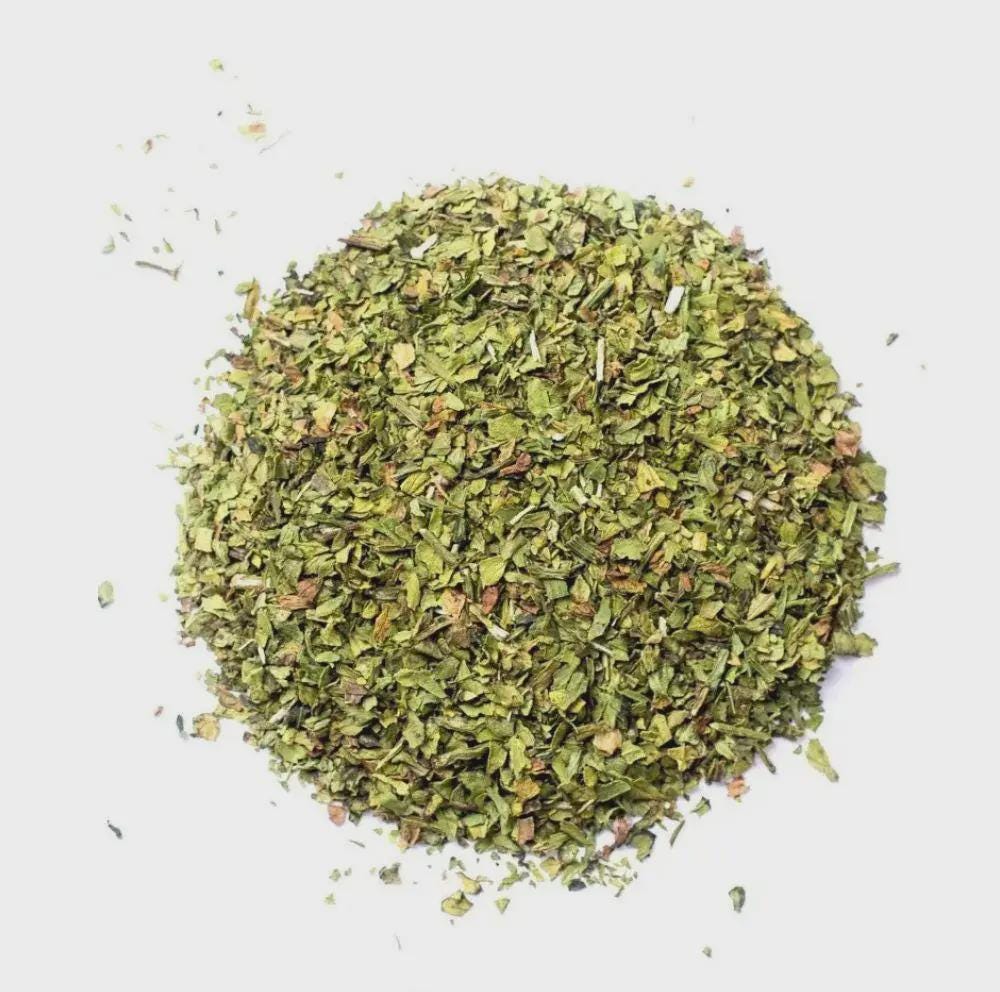
Dried Lovage leaf retains much of its flavor and medicinal properties and can be stored for extended periods. It can be used in cooking, much like dried parsley or celery flakes, to flavor slow-cooked dishes, roasts, or homemade spice blends. For herbal remedies, dried leaves are perfect for making infusions or can be encapsulated if one prefers to avoid the strong taste. When purchasing dried Lovage, ensure it is from a reputable source to guarantee quality and purity, preserving its efficacy for various applications.
-
Supplements (Capsules, Tablets): Convenience and Precision
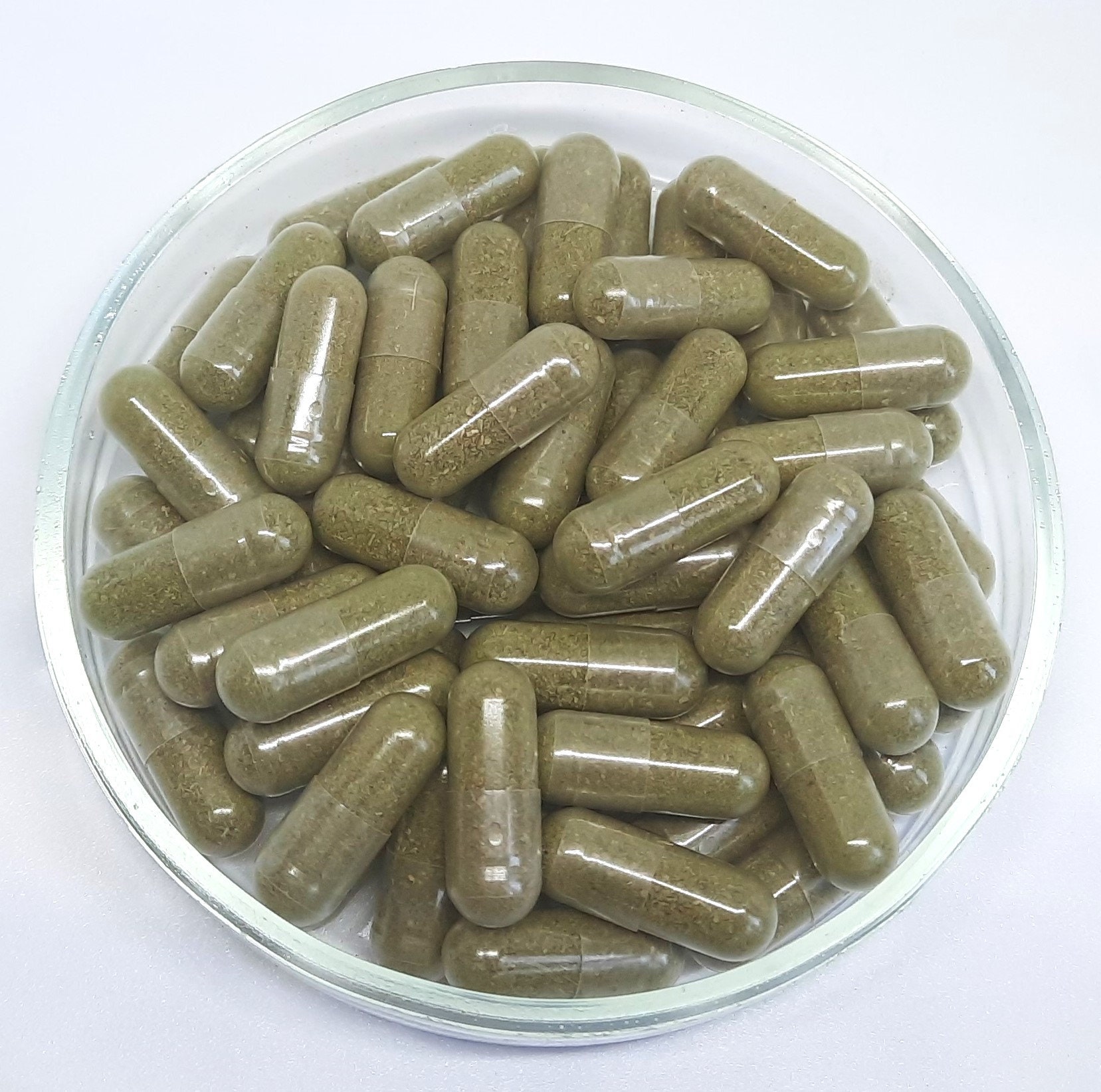
For those who prefer a convenient and taste-neutral option, Lovage leaf supplements in capsule or tablet form are increasingly available. These often contain standardized extracts, ensuring a consistent dose of active compounds. Supplements are an excellent choice for individuals seeking to regularly incorporate Lovage into their health regimen without culinary preparation. When choosing a supplement, look for products from reputable brands that clearly state the concentration of active ingredients and have undergone third-party testing for purity and potency. Always adhere to the recommended dosage on the product label or consult with a healthcare professional.
Dosage, Safety, and Potential Side Effects
While Lovage leaf is generally considered safe for most people when consumed in moderate culinary amounts or in recommended herbal doses, it is a potent herb, and certain precautions and considerations are necessary. Understanding appropriate usage is crucial for maximizing benefits while minimizing risks.
General Dosage Guidelines:
- Herbal Tea/Infusion: 1-2 teaspoons of dried leaf (or a small handful of fresh) steeped in 1 cup of hot water, 2-3 times daily.
- Tincture: Typically 1-3 ml, 2-3 times daily, though this can vary significantly based on concentration. Always follow product-specific instructions.
- Capsules/Supplements: Follow the manufacturer’s recommended dosage, which usually ranges from 500 mg to 1000 mg of extract, 1-2 times daily.
Important Precautions and Potential Side Effects:
- Pregnancy and Breastfeeding: Lovage is traditionally considered an emmenagogue, meaning it can stimulate menstrual flow and uterine contractions. Therefore, it is strongly advised that pregnant women avoid Lovage in medicinal quantities. Due to insufficient research, breastfeeding mothers should also exercise caution and consult a healthcare provider.
- Kidney Conditions: While Lovage is an excellent diuretic for healthy kidneys, individuals with pre-existing severe kidney disease or kidney failure should use it with extreme caution and only under medical supervision. Its powerful diuretic action could potentially exacerbate certain kidney conditions.
- Photosensitivity: The furanocoumarins present in Lovage (like bergapten and psoralen) can increase skin sensitivity to sunlight, leading to phytophotodermatitis (a type of sunburn or rash) in some individuals, particularly after consuming large quantities. It is advisable to limit sun exposure, especially after consuming significant amounts of Lovage, or to apply sunscreen.
- Drug Interactions:
- Diuretics: Because Lovage is a natural diuretic, combining it with pharmaceutical diuretics could lead to excessive fluid loss and electrolyte imbalance.
- Blood Thinners: Some coumarins can have mild anticoagulant effects. While not as potent as pharmaceutical blood thinners, individuals on anticoagulant medication (e.g., Warfarin) should consult their doctor before using Lovage in medicinal doses due to the potential for increased bleeding risk.
- Lithium: As a diuretic, Lovage can affect how the body excretes lithium, potentially altering its levels.
- Allergies: Individuals allergic to other plants in the Apiaceae family (e.g., celery, parsley, carrot, dill, caraway) may experience allergic reactions to Lovage. Symptoms can include skin rashes, itching, or respiratory distress.
- Gastrointestinal Upset: In rare cases, high doses of Lovage may cause mild stomach upset or nausea.
As with any potent herbal remedy, it is always recommended to consult with a qualified healthcare professional, especially if you have underlying health conditions, are taking other medications, or are pregnant or breastfeeding, before incorporating Lovage leaf into your therapeutic regimen. Starting with a lower dose and monitoring your body’s response is a sensible approach.
The Future of Lovage Research: Unlocking Further Potential
Despite its long and illustrious history in traditional medicine, scientific research into the full spectrum of Lovage leaf’s health benefits is still evolving. Modern pharmacological studies continue to isolate and characterize its bioactive compounds, aiming to validate traditional uses and uncover new therapeutic applications. Areas of particular interest include its potential as a natural antispasmodic for various smooth muscle conditions, its comprehensive impact on kidney health beyond simple diuresis, and its role as an anti-inflammatory and antioxidant agent in preventing chronic diseases. As standardized extracts become more prevalent and rigorous clinical trials are conducted, our understanding of Lovage’s efficacy, optimal dosing, and safety profile will undoubtedly deepen, paving the way for its broader integration into evidence-based natural health practices. The future promises to further illuminate the profound capabilities of this unassuming yet powerful herb.
Conclusion: Embracing the Enduring Wisdom of Lovage Leaf
In conclusion, Lovage leaf stands as a testament to the enduring power and complexity of natural medicine. From its historical reverence by ancient civilizations to its current validation by scientific inquiry, this remarkable herb offers a profound array of health benefits. Its rich tapestry of essential oils, coumarins, flavonoids, and phenolic acids orchestrates a powerful symphony of therapeutic actions, supporting digestion, promoting kidney health, combating inflammation, easing respiratory complaints, and defending against oxidative stress.
Whether incorporated into gourmet meals, brewed as a soothing tea, or taken as a concentrated supplement, Lovage leaf provides a holistic approach to wellness. Its versatility and potency make it an invaluable addition to any natural health regimen. As we continue to rediscover and appreciate the wisdom embedded in nature, Lovage serves as a shining example of how traditional knowledge, when illuminated by modern science, can offer profound and sustainable pathways to enhanced health and vitality. Embracing Lovage leaf is not just about utilizing an herb; it is about connecting with a time-honored tradition of natural healing and empowering ourselves with one of nature’s most effective and understated gifts.
Disclaimer: For informational purposes only. Not medical advice. Consult a qualified healthcare professional before use.