The Definitive Guide to Raspberry Leaf: Unveiling Its Profound Health Benefits
For centuries, women and herbalists alike have revered Raspberry Leaf, scientifically known as Rubus idaeus, as a potent botanical ally, particularly celebrated for its remarkable benefits related to women’s reproductive health. Beyond its famed reputation as a “pregnancy herb,” this unassuming leaf from the common red raspberry plant offers a kaleidoscope of nutritional and therapeutic properties that extend far beyond the birthing room. From its rich historical tapestry woven through traditional medicine to its intricate chemical composition now being elucidated by modern science, Raspberry Leaf stands out as a true super herb. This exhaustive guide delves deep into the multifaceted health advantages of Raspberry Leaf, exploring its bioactive compounds, historical usage, and practical applications, providing a definitive resource for anyone seeking to understand and harness its profound power.
A Journey Through Time: Historical Context and Botanical Heritage
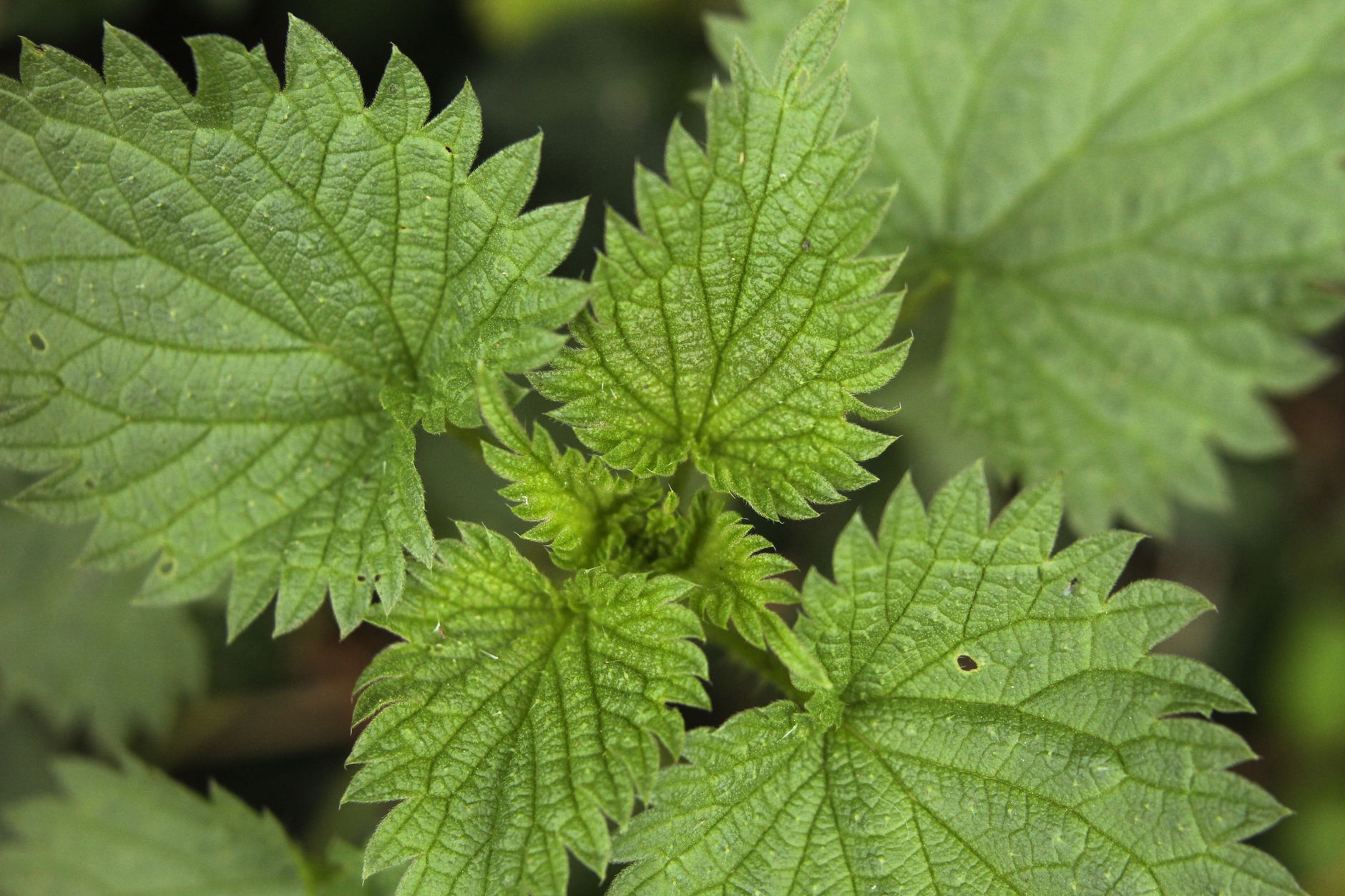
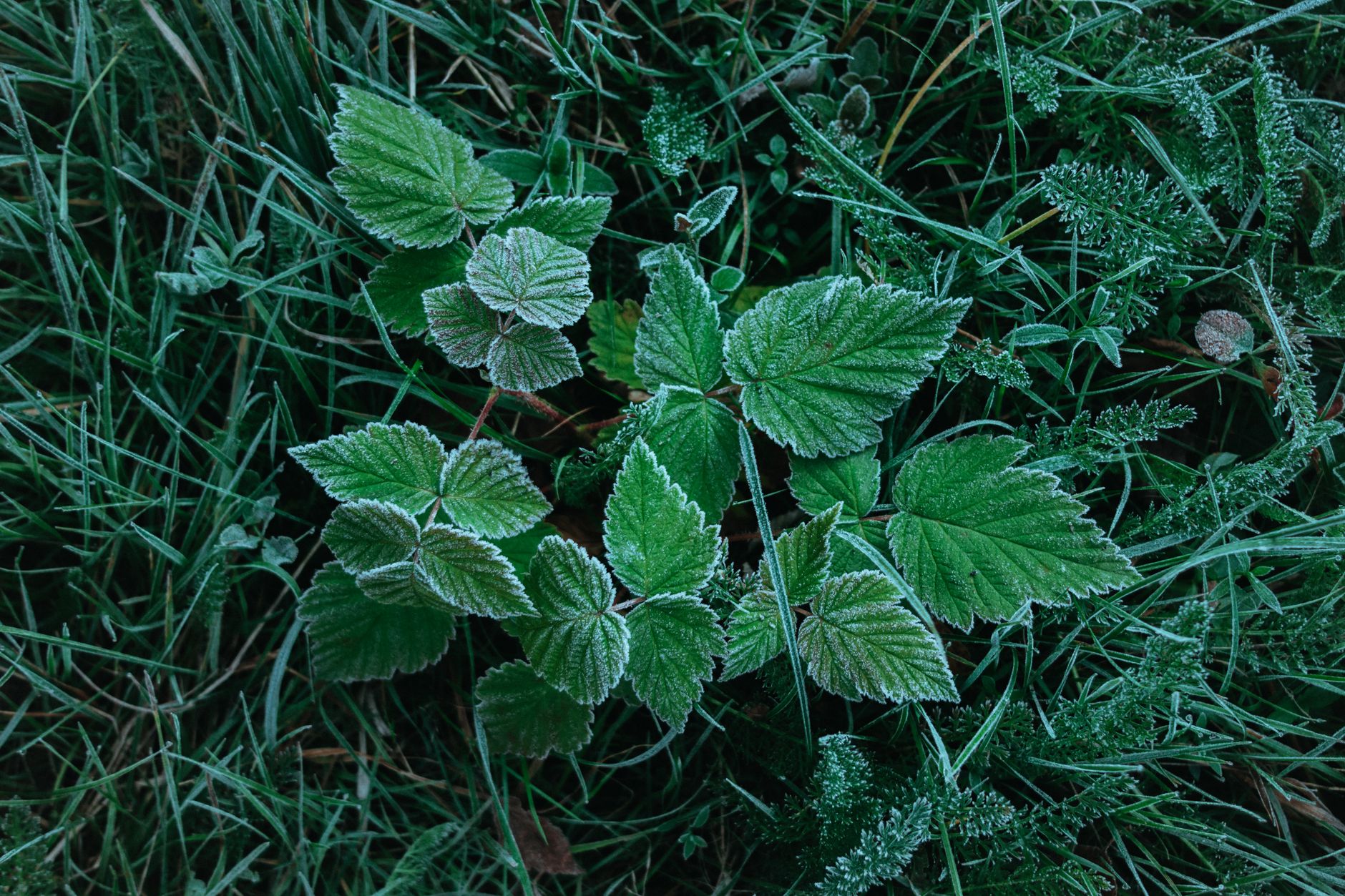
The story of Raspberry Leaf is as old as herbal medicine itself. Indigenous cultures across North America, Europe, and Asia have long utilized the leaves of the red raspberry plant for a myriad of medicinal purposes, passing down knowledge through generations. Native American tribes, for instance, used Raspberry Leaf tea not only to ease childbirth but also to alleviate menstrual discomfort and treat various ailments. European folk medicine similarly recognized its value as a uterine tonic and general health fortifier. The botanical name, Rubus idaeus, is derived from Mount Ida in Greece, where legend says raspberries were first discovered. The plant itself is a member of the Rosaceae family, known for its thorny stems and delicate white flowers that eventually yield the familiar succulent red berries. While the berries are prized for their flavor and antioxidant content, it is the leaves that harbor a unique profile of compounds responsible for its most significant therapeutic effects. These leaves are typically harvested when mature, often just before or during the plant’s fruiting stage, to maximize their concentration of beneficial constituents.
The traditional uses were not merely anecdotal; they were rooted in careful observation of the herb’s effects on the human body. Healers understood that Raspberry Leaf had a unique capacity to interact with the smooth muscles of the uterus, an insight that modern research is now beginning to unpack. This enduring legacy underscores the plant’s robustness as a therapeutic agent, cementing its place in the pantheon of revered medicinal herbs. Its gentle yet effective nature has made it a cornerstone in natural health practices, particularly for women throughout their reproductive lives.
Unveiling the Chemical Tapestry: Bioactive Compounds and Nutritional Profile
The extensive health benefits of Raspberry Leaf are attributed to its complex and rich phytochemical profile. Far from being a simple herb, it is a powerhouse of vitamins, minerals, and potent bioactive compounds that work synergistically to exert their therapeutic effects. Understanding these components is key to appreciating the herb’s holistic impact on health.
Key Bioactive Compounds:
- Fragarine: This alkaloid is arguably the most famous compound in Raspberry Leaf, specifically credited with its uterine-tonic properties. Fragarine is believed to strengthen and tone the uterine muscles, making contractions more efficient and coordinated rather than more intense. This toning action can contribute to a shorter and less complicated labor, as well as reduced uterine cramping.
- Tannins: Raspberry Leaf is abundant in tannins, which are naturally occurring astringent compounds. These tannins contribute to the herb’s ability to tone tissues, reduce inflammation, and provide antioxidant protection. Their astringent action is particularly beneficial for managing diarrhea, soothing irritated mucous membranes in the digestive tract, and tightening tissues in the uterus.
- Flavonoids: A diverse group of phytonutrients, including quercetin, kaempferol, and anthocyanins (though more prominent in the berries, they are also present in the leaves), contribute significantly to the antioxidant and anti-inflammatory properties of Raspberry Leaf. Flavonoids help protect cells from oxidative damage caused by free radicals, support cardiovascular health, and modulate immune responses.
- Ellagic Acid: Also found in high concentrations in raspberry berries, ellagic acid is a potent antioxidant that has garnered significant attention for its potential anti-cancer properties. In Raspberry Leaf, it contributes to the overall antioxidant capacity, protecting against cellular damage and supporting detoxification pathways.
- Vitamins: The leaves are a surprisingly good source of essential vitamins, including Vitamin C, an immune booster and antioxidant; Vitamin E, another powerful fat-soluble antioxidant; and B-complex vitamins, crucial for energy metabolism and nervous system health.
- Minerals: Raspberry Leaf is exceptionally rich in vital minerals such as magnesium, which is critical for muscle function, nerve transmission, and energy production; potassium, essential for fluid balance and blood pressure regulation; calcium, vital for bone health and muscle contraction; and iron, necessary for oxygen transport and preventing anemia. This rich mineral profile makes it a nourishing tonic, especially during pregnancy when mineral requirements increase significantly.
The synergy of these compounds is what makes Raspberry Leaf so effective. For example, the combination of fragarine, tannins, and minerals like calcium and magnesium work together to support uterine health, enhancing muscle tone and function. The high antioxidant content provided by flavonoids, ellagic acid, and vitamins combats systemic inflammation and oxidative stress, offering broad protective effects throughout the body.
The Myriad Health Benefits of Raspberry Leaf
While often spotlighted for its role in pregnancy, Raspberry Leaf offers a spectrum of benefits that cater to various aspects of health, extending its utility to all individuals seeking natural wellness solutions.
1. Unparalleled Support for Women’s Reproductive Health
This is where Raspberry Leaf truly shines, earning its moniker as “the woman’s herb.” Its profound effects on the female reproductive system are widely recognized and extensively utilized.
- Uterine Toning and Labor Preparation: The most celebrated benefit of Raspberry Leaf is its ability to act as a uterine tonic. The alkaloid fragarine, in conjunction with its rich mineral profile (especially calcium and magnesium), helps to strengthen the uterine muscles and improve their contractile efficiency. Unlike oxytocin, which induces contractions, fragarine is believed to make existing contractions more effective and coordinated, potentially leading to a shorter, less painful, and more efficient labor. Many midwives and doulas recommend starting Raspberry Leaf tea in the second or third trimester to help prepare the uterus for birth, strengthening the pelvic muscles and reducing the likelihood of intervention. It does not induce labor, but rather conditions the uterus for it.
- Alleviating Menstrual Discomfort and PMS: For those who suffer from dysmenorrhea (painful periods) or premenstrual syndrome (PMS), Raspberry Leaf can be a significant source of relief. Its uterine toning properties can help reduce the severity of uterine cramps by promoting more efficient contractions and relaxation of the uterine muscles. The astringent tannins can also help regulate heavy menstrual bleeding (menorrhagia). Furthermore, its rich mineral content, particularly magnesium, can soothe muscle spasms and ease some of the systemic symptoms associated with PMS, such as irritability and bloating. Regular consumption throughout the menstrual cycle can lead to noticeable improvements in comfort and cycle regularity.
- Postpartum Recovery: After childbirth, Raspberry Leaf continues to be a valuable ally. It aids in uterine involution, the process by which the uterus returns to its pre-pregnancy size and position. By supporting efficient uterine contractions, it can help expel remaining placental fragments, reduce postpartum bleeding, and promote faster healing. Its nutrient density also provides a gentle boost of essential vitamins and minerals, supporting the mother’s recovery and energy levels during the demanding postpartum period.
- Fertility Support: While not a direct fertility treatment, Raspberry Leaf can support fertility indirectly by promoting a healthy uterine environment. By toning the uterus and balancing reproductive hormones (through its nutritive support), it may create a more conducive environment for conception. Some traditional practices recommend its use to strengthen the uterine lining and improve overall reproductive vitality.
- Addressing Endometriosis and Fibroids: Although not a cure, the anti-inflammatory and uterine-toning properties of Raspberry Leaf may offer symptomatic relief for conditions like endometriosis and uterine fibroids. By reducing inflammation and promoting healthy uterine function, it can potentially lessen pain and discomfort associated with these conditions, complementing conventional treatments.
2. Potent Antioxidant Powerhouse
The high concentration of flavonoids, ellagic acid, and vitamins C and E makes Raspberry Leaf an exceptional source of antioxidants. These compounds are crucial for combating oxidative stress, a process caused by an imbalance between free radicals and the body’s ability to neutralize them. Oxidative stress is implicated in aging and the development of numerous chronic diseases, including heart disease, cancer, and neurodegenerative disorders. By scavenging free radicals, Raspberry Leaf helps protect cellular integrity, reduces DNA damage, and supports overall cellular health, contributing to long-term well-being and disease prevention.
3. Anti-inflammatory Effects
Chronic inflammation is a root cause of many health problems. The flavonoids and other polyphenols in Raspberry Leaf possess significant anti-inflammatory properties. These compounds work by modulating inflammatory pathways in the body, reducing the production of pro-inflammatory mediators. This makes Raspberry Leaf beneficial for conditions characterized by inflammation, such as arthritis, digestive tract inflammation (e.g., irritable bowel syndrome symptoms), and even general muscle soreness. Its anti-inflammatory action can help soothe irritated tissues and promote healing.
4. Digestive Health Aid
Raspberry Leaf’s astringent qualities, primarily due to its tannin content, make it an effective remedy for certain digestive issues. It can help tighten and tone the mucous membranes of the digestive tract, making it useful in treating mild cases of diarrhea. By reducing excess fluid secretion and inflammation in the gut lining, it can help restore normal bowel function. Additionally, its soothing properties can help calm an upset stomach and alleviate nausea.
5. Immune System Support
With its impressive profile of vitamins and minerals, including a notable amount of Vitamin C, Raspberry Leaf contributes to a robust immune system. Vitamin C is a critical nutrient for immune cell function, helping to bolster the body’s defenses against infections. The overall nourishing effect of the herb, coupled with its antioxidant protection, supports general vitality and resilience, enabling the body to better ward off illness.
6. Skin Health Benefits
Topically, Raspberry Leaf can also be used to benefit the skin. Its astringent properties make it useful as a facial toner for oily or acne-prone skin, helping to tighten pores and reduce inflammation. Applied as a poultice or compress, it can help soothe skin irritations, minor cuts, burns, and rashes, leveraging its anti-inflammatory and healing compounds.
Forms of Raspberry Leaf: Practical Usage and Preparation
Raspberry Leaf is available in several forms, catering to different preferences and needs. The method of preparation can influence the concentration and bioavailability of its active compounds.
1. Herbal Tea or Infusion: The Traditional Method
This is the most common and traditional way to consume Raspberry Leaf. A strong infusion is prepared by steeping dried leaves in hot water. This method allows for the extraction of water-soluble compounds like fragarine, vitamins, and some minerals.
Preparation: Add 1-2 teaspoons of dried Raspberry Leaf to 8 ounces of boiling water. Cover and steep for 10-15 minutes (or longer for a stronger infusion). Strain and drink. For therapeutic benefits, many recommend drinking 1-3 cups per day, particularly in the later stages of pregnancy or during menstruation.
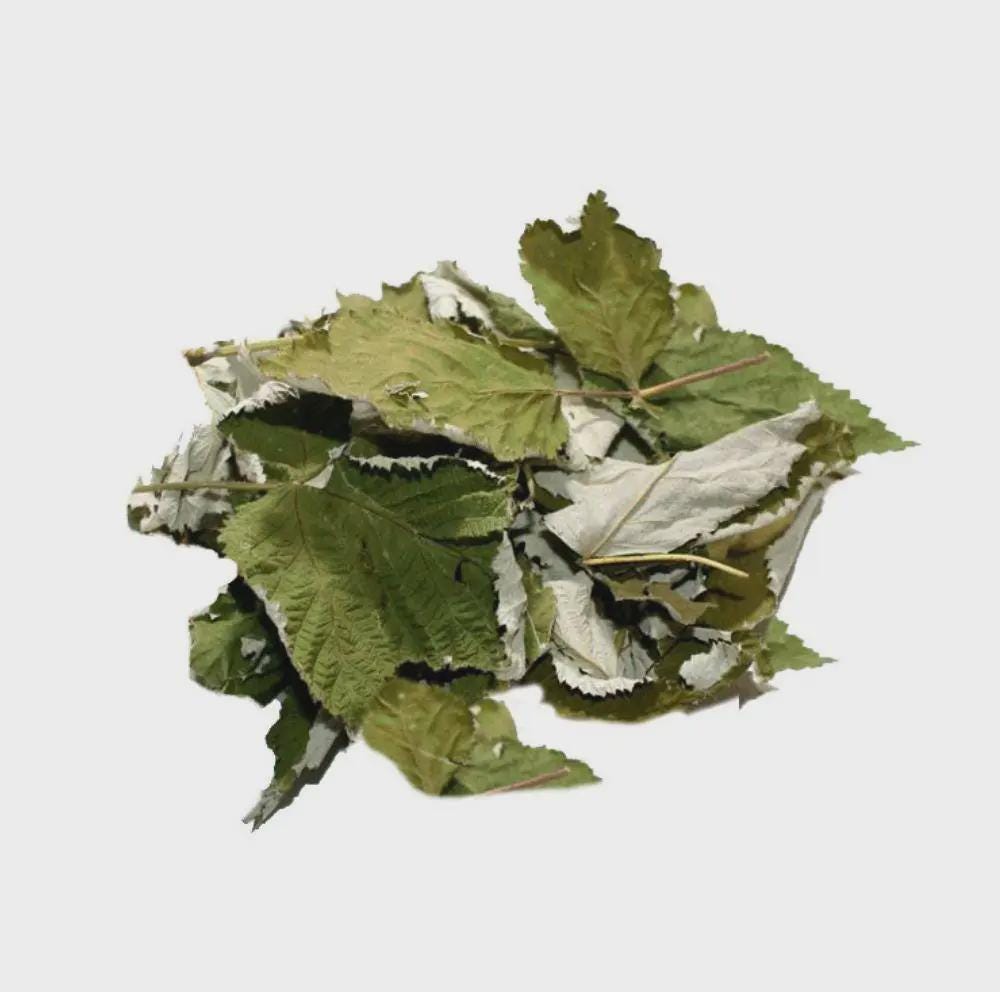
The act of brewing and sipping the tea can also be a calming ritual, contributing to overall well-being. The taste is often described as mild, slightly earthy, and reminiscent of black tea, making it palatable for most. For those seeking stronger medicinal effects, a “nutritive infusion” can be made by steeping a larger quantity of herbs (e.g., 1 ounce of herb per quart of water) overnight or for several hours, allowing for maximum extraction of minerals.
2. Tinctures: Concentrated Potency
Tinctures are concentrated liquid extracts of herbs, typically made by soaking the herb in alcohol or a mixture of alcohol and water. They offer a convenient and potent way to consume Raspberry Leaf, as they are quickly absorbed into the bloodstream.
Usage: Tinctures are taken in drops, usually 1-2 droppers full (approx. 30-60 drops), mixed in a small amount of water or juice, 1-3 times daily. Dosages vary by concentration, so always follow the product’s instructions. Tinctures are particularly useful for those who dislike the taste of tea or require a more precise and potent dose.
3. Capsules and Tablets: Convenience and Standardization
For those seeking convenience or who are sensitive to the taste of herbal teas, Raspberry Leaf is widely available in capsule or tablet form. These supplements often contain standardized extracts, providing a consistent dose of active compounds.
Usage: Dosages typically range from 500 mg to 1000 mg per capsule, taken 1-3 times daily. Always check the label for specific dosage recommendations from the manufacturer. Capsules are an excellent option for integrating Raspberry Leaf into a daily supplement regimen, especially during busy periods.
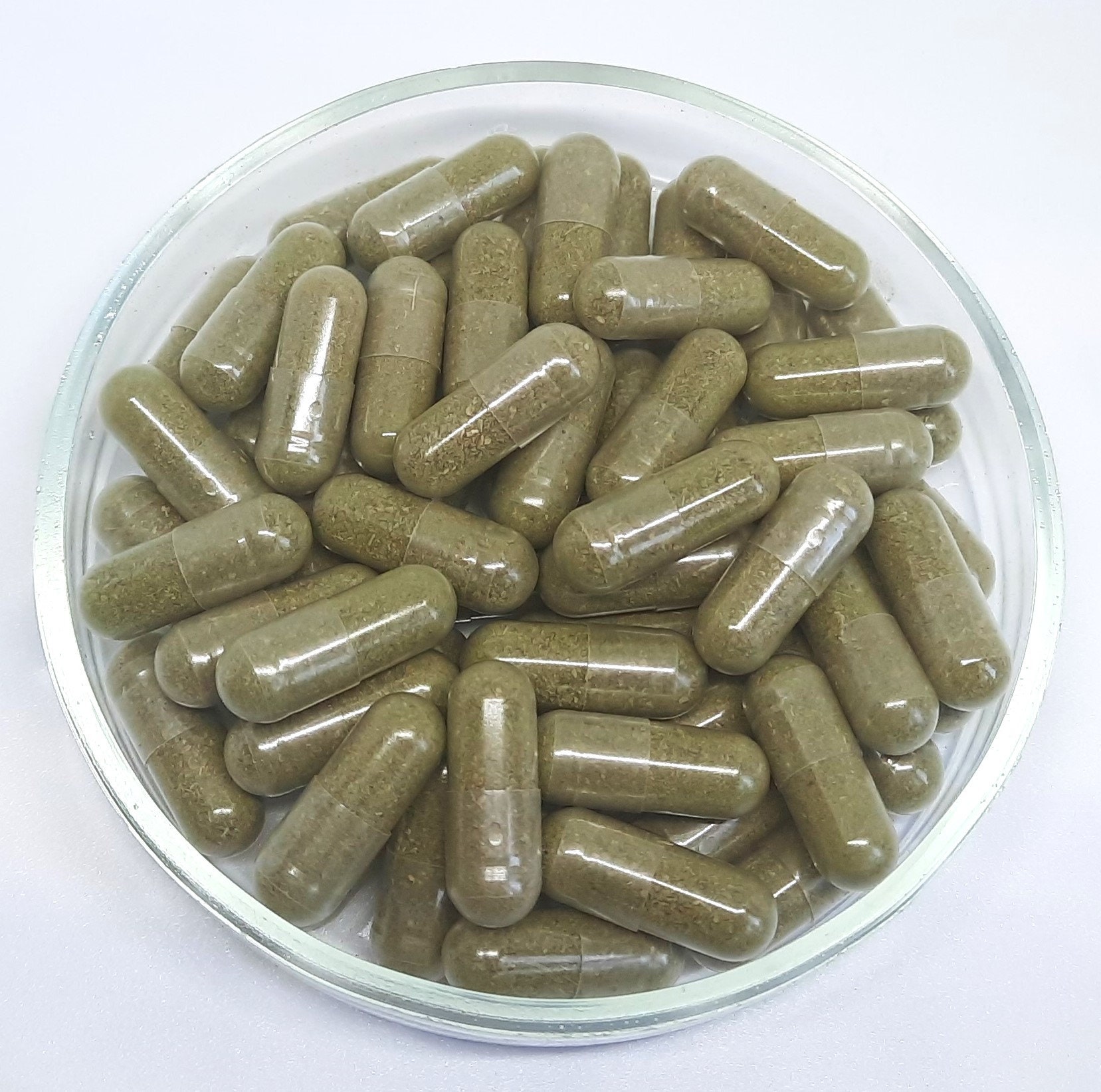
When choosing capsules, look for reputable brands that provide information about sourcing and third-party testing to ensure purity and potency. The effectiveness of capsules relies on the quality of the dried leaf used in their production, so investing in a high-quality supplement is paramount.
Safety, Contraindications, and Precautions
Raspberry Leaf is generally considered safe for most people when consumed in appropriate doses. However, like all powerful herbs, it is important to be aware of potential contraindications and to exercise caution in certain situations.
- Pregnancy: While widely used during pregnancy, particularly in the second and third trimesters, there are differing opinions on when to start. Some practitioners recommend waiting until the third trimester (around 32-34 weeks) to begin regular use, as its uterine toning properties could theoretically stimulate contractions too early if started too soon in a sensitive individual. It is generally advised to avoid large, concentrated doses in the first trimester. Always consult with a healthcare provider, midwife, or obstetrician before incorporating Raspberry Leaf into a pregnancy regimen, especially if you have a history of premature labor or other pregnancy complications.
- Breastfeeding: Raspberry Leaf is considered safe during breastfeeding and may even aid in uterine recovery, though some sources suggest it might have mild astringent properties that could theoretically affect milk supply in very rare cases. This is not a common issue, and most mothers experience no adverse effects.
- Drug Interactions: Raspberry Leaf is rich in tannins, which can sometimes interfere with the absorption of certain medications, particularly iron supplements. If taking iron supplements, it’s advisable to consume Raspberry Leaf tea a few hours apart.
- Blood Pressure: Some traditional uses suggest Raspberry Leaf may have a mild hypotensive (blood pressure lowering) effect, although this is not well-established scientifically for typical tea doses. Individuals with very low blood pressure should monitor their responses.
- Allergies: While rare, individuals with allergies to plants in the Rosaceae family (which includes apples, peaches, and strawberries) might experience an allergic reaction to Raspberry Leaf. Discontinue use if any adverse reactions occur.
- Digestive Upset: In rare cases, some individuals may experience mild digestive upset, such as nausea or loose stools, especially when starting with high doses. It’s best to begin with a low dose and gradually increase to assess tolerance.
Dosage and Recommendations
The optimal dosage of Raspberry Leaf can vary based on the form of the herb, individual needs, and specific health goals. It is always recommended to start with a lower dose and gradually increase it, monitoring your body’s response.

-
For Tea/Infusion:
- General Wellness & Menstrual Support: 1-2 teaspoons of dried leaf steeped in 8 ounces of hot water, 1-3 times daily.
- Pregnancy (Third Trimester): Many midwives suggest starting with 1 cup per day around 32 weeks, gradually increasing to 2-3 cups per day as labor approaches. Some may even recommend up to 4 cups daily under professional guidance.
-
For Tinctures:
- Follow the manufacturer’s specific dosage instructions, typically 1-2 droppers full (30-60 drops) 1-3 times daily, mixed in water.
-
For Capsules:
- Typically 500-1000 mg per capsule, 1-3 times daily, depending on the concentration and desired effect. Always adhere to the product label.
It is crucial to remember that these are general guidelines. Individual responses to herbal remedies can vary significantly. Consulting with a qualified healthcare practitioner, especially an herbalist or a naturopathic doctor, is highly recommended to determine the most appropriate dosage and regimen for your unique health situation, particularly during pregnancy or if you have underlying health conditions.
Conclusion: Embracing the Enduring Legacy of Raspberry Leaf
Raspberry Leaf stands as a testament to the profound healing power of nature, a true gem in the realm of herbal medicine. Its rich history of traditional use, now supported by modern understanding of its complex bioactive compounds, solidifies its status as an invaluable botanical. While its reputation as a supreme uterine tonic for women’s reproductive health is well-deserved, its benefits extend far beyond, encompassing robust antioxidant, anti-inflammatory, and digestive support. Whether brewed as a comforting tea, taken as a convenient capsule, or utilized in a potent tincture, Raspberry Leaf offers a holistic approach to wellness, nourishing the body with vital nutrients and powerful phytochemicals. By understanding and respecting its profound capabilities, individuals can confidently incorporate Raspberry Leaf into their health regimen, embracing an age-old remedy for contemporary well-being. Always remember to approach herbal remedies with mindfulness and consult with healthcare professionals to ensure safe and effective use, unlocking the full potential of this extraordinary herb.
Disclaimer: For informational purposes only. Not medical advice. Consult a qualified healthcare professional before use.