The Definitive Guide to Buckthorn Bark (Frangula alnus): Botanical Profiling, Bioactive Compounds, and Therapeutic Health Benefits
Buckthorn bark, botanically known as Frangula alnus (and formerly classified as Rhamnus frangula), is a cornerstone of traditional European herbalism. Frequently recognized by common names such as alder buckthorn, glossy buckthorn, or arrowwood, this deciduous shrub is native to Europe, Western Asia, and North Africa. Historically and clinically appreciated for its profound effect on human gastrointestinal physiology, Frangula alnus has stood the test of time as one of the most reliable and effective natural solutions for acute constipation and sluggish bowel motility.
The therapeutic legacy of buckthorn bark is built upon a sophisticated matrix of chemical constituents, primarily anthranoid derivatives, which interact directly with the human colonic microflora to stimulate peristalsis. Unlike many synthetic purgatives, the action of Frangula alnus is highly targeted, acting locally in the large intestine. Understanding the complex pharmacology, botanical characteristics, proper processing requirements, and clinical application of this botanical is essential for modern herbalists, healthcare practitioners, and consumers seeking natural digestive wellness.
Botanical Overview and Morphological Identification of Frangula alnus
Frangula alnus is a slow-growing, multi-stemmed deciduous shrub or small tree that typically reaches heights of 3 to 6 meters. It thrives in damp, acidic soils, often colonizing woodlands, marshlands, wet meadows, and bogs. Unlike its relative, common buckthorn (Rhamnus cathartica), glossy buckthorn does not possess thorns at the tips of its twigs, and its leaves are characterized by entire (smooth) margins rather than serrated ones. This botanical distinction is critical for wildcrafters and botanical suppliers to ensure species authenticity and purity.
The leaves of Frangula alnus are arranged alternately along the stems, displaying an obovate or broadly elliptic shape with prominent, parallel veins (typically 5 to 9 pairs) that curve gently toward the leaf margin. The bark of young branches is smooth, dark grayish-brown, and dotted with conspicuous, horizontally elongated white lenticels (pores). As the plant matures, the bark darkens and becomes slightly fissured. The flowers are small, inconspicuous, greenish-white, and hermaphroditic, blooming in late spring to early summer. These flowers eventually give rise to small, globose drupes (berries) that transition from green to red, and finally to a deep, glossy purplish-black upon ripening.

From a pharmacological standpoint, the wood and leaves of the plant contain minimal active compounds; it is the inner bark (cortex) of the stems and branches that serves as the primary medicinal reservoir. Harvesting typically occurs in the spring from medium-sized branches. Crucially, the freshly harvested bark cannot be used immediately for therapeutic preparations. Fresh buckthorn bark contains high concentrations of free anthrones and anthranols, which are highly irritating to the gastric mucosa and can cause severe vomiting, violent stomach cramps, and gastrointestinal distress. To render the bark safe and pharmacologically stable, it must undergo an aging process of at least one year, or be subjected to controlled thermal oxidation (heating at 100°C for several hours) to convert these harsh, reduced compounds into stable anthraquinone glycosides.
Historical Context and Traditional Medicine Systems
The use of Frangula alnus spans centuries across various regional European traditional medicine systems. Unlike other native European purgatives that were considered excessively violent in their actions, buckthorn bark was historically classified as a mild yet highly effective laxative (often referred to as a “laxative of choice” in medieval herbals). Medieval practitioners, including the famous German mystic and herbalist Hildegard von Bingen, recognized the bark’s capability to purge the body of “excess humors” and clear obstructions within the lower digestive tract and hepatobiliary system.
By the 16th and 17th centuries, buckthorn bark was formally integrated into official pharmacopoeias throughout England, Germany, and France. It was frequently formulated into decoctions, syrups, and electuaries to treat chronic constipation, hemorrhoids, and abdominal congestion. Beyond digestive complaints, traditional healers utilized the bark to treat spleen disorders, jaundice, and chronic skin conditions such as eczema and scabies, operating under the ancient medical philosophy that purifying the colon was the primary pathway to cleansing the blood and resolving systemic inflammatory states.

As European settlers migrated to North America, they sought local equivalents to Frangula alnus, eventually discovering Cascara Sagrada (Frangula purshiana). Despite the geographical distance and taxonomic variance, both plants share virtually identical chemical profiles dominated by anthranoid compounds. Today, modern Western herbalism views aged buckthorn bark as a highly reliable, pharmacologically standardized therapeutic agent that acts gently but decisively to restore healthy colonic elimination profiles.
The Chemistry of Frangula alnus: Bioactive Compounds
The therapeutic efficacy of buckthorn bark is directly attributed to its unique and highly concentrated array of secondary metabolites. The primary active constituents are anthraquinone glycosides, specifically known as glucofrangulins and frangulins. These compounds exist in a glycosidic form, meaning they are bound to sugar molecules (glucose or rhamnose), which shields them from premature enzymatic degradation as they pass through the stomach and small intestine.
The core bioactive compounds present in the aged bark include:
- Glucofrangulin A and B: These are the primary, water-soluble bis-glucosides. Glucofrangulin A is hydrolyzed to yield frangulin A and glucose, while Glucofrangulin B yields frangulin B and glucose. These compounds represent the major active prodrugs responsible for the plant’s laxative action.
- Frangulin A and B: Monoglucosides formed during the enzymatic hydrolysis or aging process of the bark. Frangulin A contains a rhamnose moiety, whereas Frangulin B contains an apiose moiety. They undergo further cleavage in the distal colon to release the active aglycone.
- Frangula-Emodin (Emodin): The primary free anthraquinone aglycone. Emodin is the highly lipophilic active molecule that directly stimulates the mucosal lining of the colon.
- Physcion and Chrysophanol: Secondary anthraquinone derivatives present in smaller concentrations, contributing synergistic anti-inflammatory, antimicrobial, and cathartic effects.
- Tannins (Condensed Tannins): Buckthorn bark contains a modest amount of tannins. While tannins generally possess astringent and anti-diarrheal properties, in Frangula alnus they act as a physiological buffer, preventing excessively watery stools and helping to tone the intestinal walls post-elimination.
- Peptide Alkaloids (Frangulanine): Found in trace amounts, these unique nitrogenous compounds possess mild sedative and antimicrobial properties, though their systemic clinical significance in standard bark preparations remains a subject of ongoing study.

The physical transformation that occurs during the aging of buckthorn bark is chemically profound. Fresh bark contains reduced anthraquinone derivatives, primarily anthrone and dianthrone glycosides. These molecules are highly unstable and undergo rapid hydrolysis in the acidic environment of the stomach, releasing free anthrones. Free anthrones violently irritate the gastric mucosa, causing nausea, hyperemesis (severe vomiting), and intense, spastic cramping of the small intestine. During the aging process of 12 months (or controlled oxidation), these reduced anthrones are slowly oxidized into their corresponding glycosides (glucofrangulins). The resulting glycosides are highly stable, resisting gastric acid and pancreatic enzymes, ensuring they pass safely into the large intestine where their therapeutic action is desired.
Pharmacological Mechanisms of Action
The pharmacology of aged buckthorn bark is a masterclass in targeted, localized drug delivery. Because the active anthraquinone glycosides (glucofrangulins and frangulins) are hydrophilic and bound to sugar molecules, they cannot be absorbed in the upper gastrointestinal tract. They bypass the stomach and small intestine completely unaffected by digestive enzymes. Upon entering the cecum and colon, these glycosides encounter the dense, resident bacterial flora.
Colonic bacteria (specifically species expressing beta-glucosidase enzymes) hydrolyze the glycosidic bonds, cleaving the sugar moieties (glucose, rhamnose, and apiose) away from the anthraquinone core. This enzymatic cleavage releases the active aglycone: frangula-emodin. The localized release of emodin triggers two distinct, synergistic physiological pathways in the colon:
1. Stimulation of Active Colonic Motility (Peristalsis)
Emodin directly irritates and stimulates the mucosal cells of the colon, which in turn activates the intramural nerve plexuses (specifically the myenteric or Auerbach’s plexus). This neural stimulation accelerates the propagation of high-amplitude propagating contractions (HAPCs)—the strong muscular waves responsible for moving fecal matter through the colon. By shortening the transit time of stool, the colon has significantly less time to reabsorb water, resulting in a softer, more easily passable bolus.
2. Modulation of Fluid and Electrolyte Transport
Emodin alters the permeability of the tight junctions in the colonic epithelium and inhibits the activity of the basolateral sodium-potassium pump ($Na^+/K^+-ATPase$). This inhibition prevents the active reabsorption of sodium ions, chloride ions, and water from the intestinal lumen back into the bloodstream. Concurrently, emodin stimulates the active secretion of chloride, sodium, and potassium ions into the lumen of the colon. This shifts the osmotic balance, drawing a substantial volume of water into the bowel lumen. The increased volume stretches the intestinal walls, triggering mechanical baroreceptors that further amplify the peristaltic reflex.
The combined result of these twin mechanisms—increased luminal fluid volume and accelerated muscular contractions—is a predictable, comfortable, and complete evacuation of the bowel, typically occurring 6 to 12 hours after oral administration. Because of this lag time, buckthorn bark is traditionally administered at bedtime to facilitate a natural bowel movement upon waking.
Comprehensive Health Benefits of Buckthorn Bark
1. Highly Effective Relief for Acute Constipation
The primary clinical indication for Frangula alnus is the short-term treatment of acute, occasional constipation. Unlike bulk-forming laxatives (such as psyllium husk) which require several days to show efficacy, or osmotic laxatives (such as lactulose), buckthorn bark provides rapid, overnight relief. It is particularly beneficial for individuals suffering from temporary bowel sluggishness induced by travel, dietary shifts, or acute stress. By restoring immediate motility, it prevents the development of fecal impaction.
2. Supportive Therapy for Hemorrhoids and Anal Fissures
For individuals suffering from painful anorectal conditions such as hemorrhoids, anal fissures, or rectal prolapse, straining during defecation can cause severe pain, bleeding, and exacerbation of mucosal tearing. By increasing the water content of the stool and stimulating smooth muscle contractions, buckthorn bark ensures the passage of soft, well-lubricated stools that require minimal physical strain. This promotes rapid healing of inflamed rectal tissues and prevents the venous engorgement associated with pushing.
3. Post-Surgical Bowel Rehabilitation
Following abdominal, pelvic, or anorectal surgeries, patients often experience temporary paralysis of the bowel (postoperative ileus) or severe constipation secondary to opioid analgesic use. Under professional medical supervision, standardized preparations of buckthorn bark can be utilized to gently re-establish healthy peristaltic rhythm without placing undue physical stress on surgical sutures or abdominal wounds.
4. Hepatobiliary and Gallbladder Support
In traditional European herbal medicine, buckthorn bark is classified as a mild cholagogue—an agent that stimulates the contraction of the gallbladder and promotes the flow of bile into the duodenum. Bile is the body’s natural endogenous laxative, emulsifying fats and naturally stimulating intestinal peristalsis. By enhancing bile flow, Frangula alnus supports liver detoxification pathways, aids in lipid digestion, and helps prevent gallbladder sluggishness (biliary sludge).
5. Anti-inflammatory and Antioxidant Properties
While primarily utilized for its laxative action, modern in vitro and in vivo studies have revealed that the isolated anthraquinones in buckthorn bark, particularly frangula-emodin, possess systemic anti-inflammatory and antioxidant activities. Emodin has been shown to downregulate nuclear factor-kappa B (NF-kB), a primary transcription factor responsible for the expression of pro-inflammatory cytokines such as tumor necrosis factor-alpha ($TNF-\alpha$) and interleukin-6 ($IL-6$). This cellular action suggests that low-dose, standardized preparations of buckthorn may exert protective anti-inflammatory effects on the colonic mucosa, provided it is not overused.
Modern Delivery Formats: Capsules, Extracts, and Teas
Due to the potency of its active anthraquinones, the administration of buckthorn bark must be highly controlled, utilizing properly aged and standardized preparations. Today, consumers and clinicians have access to several primary delivery formats, each offering distinct therapeutic advantages.
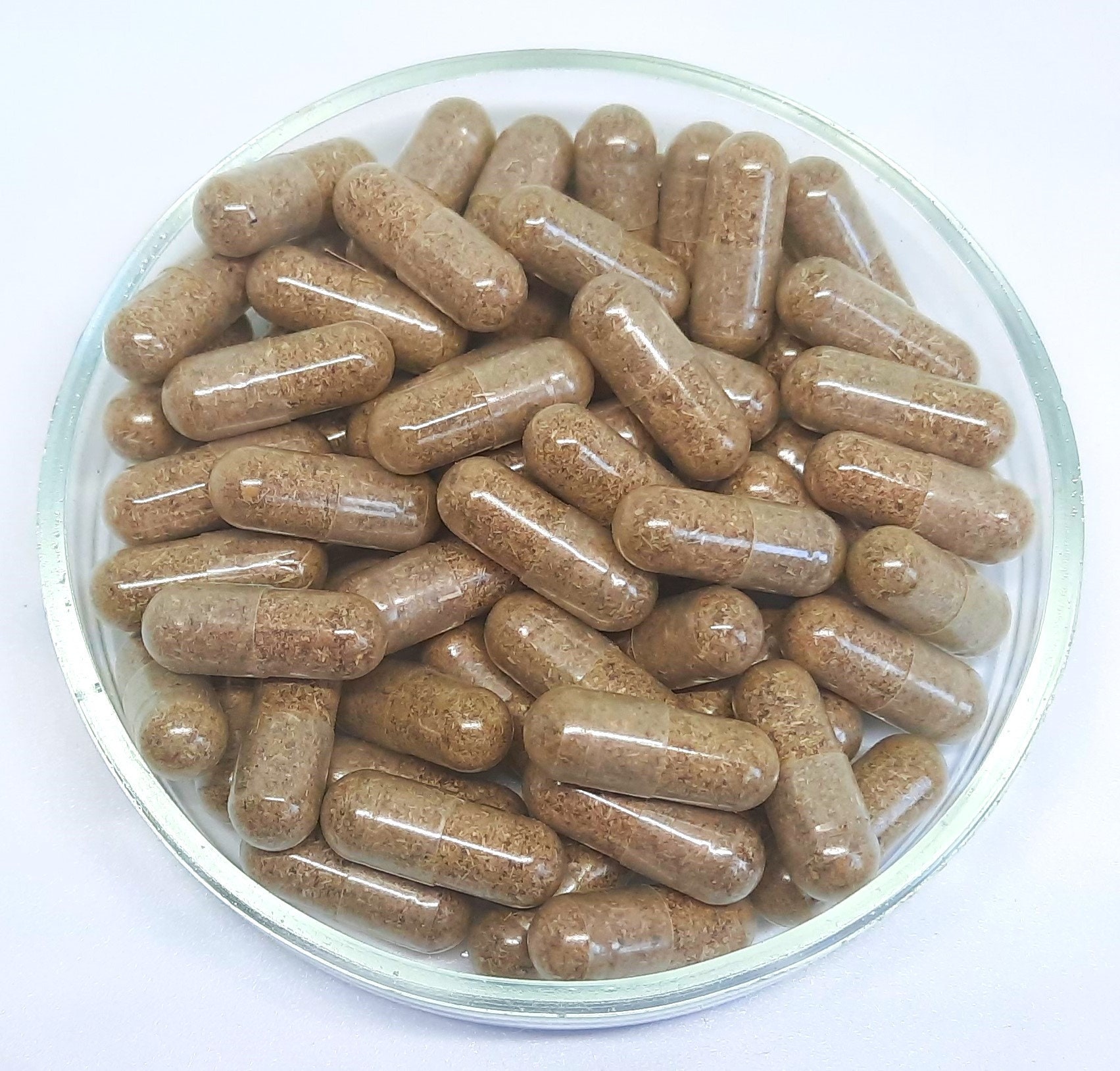
The most common delivery formats include:
- Standardized Herbal Capsules: For precise dosing, capsules containing standardized dry extracts of aged buckthorn bark are highly recommended. These products are typically standardized to a specific percentage of glucofrangulins (e.g., 15% to 20% glucofrangulin A). Capsules bypass the bitter taste of the herb and ensure a uniform, predictable therapeutic response, minimizing the risk of accidental overdosing or underdosing.
- Herbal Decoctions (Teas): Traditionalists often prefer using the whole, aged, dried cut bark to prepare a decoction. Because the active glycosides are highly water-soluble, boiling the bark in water for 10 to 15 minutes successfully extracts the active glucofrangulins. The resulting tea has a distinctly bitter, earthy flavor and is often blended with carminative herbs such as fennel, anise, or peppermint to soothe the digestive tract and prevent mild intestinal cramping.
- Liquid Extracts and Tinctures: Hydroethanolic extracts (tinctures) provide a highly concentrated, bioavailable liquid format. These extracts are easily absorbed and allow for precise, drop-by-drop dose adjustment, making them highly versatile for customized herbal formulations targeting hepatic, biliary, or digestive sluggishness.
Dosage Protocols, Safety Guidelines, and Contraindications
To ensure patient safety and avoid adverse events, the administration of buckthorn bark must adhere strictly to established clinical guidelines. The European Medicines Agency (EMA) and the German Commission E have established clear parameters for the safe use of anthranoid-containing laxatives.
Recommended Dosage Protocols
The fundamental clinical rule for dosing buckthorn bark is to utilize the smallest dose required to achieve a soft, formed stool. The average daily dose of active anthraquinones should range between 10 mg to 30 mg, calculated as glucofrangulin A. This typically equates to:
- Decoction: 0.5 to 2.0 grams of aged, dried bark boiled in 150 ml of water for 10-15 minutes, taken once daily at bedtime.
- Standardized Extract: Formulations equivalent to 20-30 mg of hydroxyanthracene derivatives per day, taken in a single dose before sleep.
Duration of Use and the Risk of Laxative Dependency
Buckthorn bark is strictly indicated for short-term use only. It should not be taken continuously for more than 1 to 2 weeks without direct medical supervision. Chronic, long-term use of anthranoid laxatives can lead to several serious physiological complications:
- Electrolyte Imbalance (Hypokalemia): Prolonged diarrhea and fluid loss can deplete vital systemic potassium levels. Hypokalemia can cause muscle weakness, cardiac arrhythmias, and renal dysfunction.
- “Lazy Bowel” Syndrome (Laxative Dependence): Over time, the colon’s smooth muscles and intrinsic nervous system (myenteric plexus) can become desensitized to natural physiological stimuli. The bowel loses its tone (atony) and becomes incapable of initiating peristalsis without the chemical irritation of anthraquinones, creating a dangerous cycle of dependency.
- Pseudomelanosis Coli: This is a benign condition characterized by the dark, brownish-black pigmentation of the colonic mucosa, caused by the accumulation of pigment-laden macrophages. While reversible upon discontinuation of the herb, it serves as a highly visible diagnostic marker of chronic anthranoid overuse.
Contraindications and Drug Interactions
Buckthorn bark is absolutely contraindicated in individuals experiencing any of the following clinical conditions:
- Inflammatory bowel diseases (IBD) such as Crohn’s disease or ulcerative colitis.
- Acute appendicitis, intestinal obstruction, stenosis, or undiagnosed abdominal pain.
- Severe dehydration, electrolyte depletion, or chronic renal failure.
- Pregnancy and Lactation: Anthraquinones can stimulate uterine contractions, potentially inducing miscarriage or premature labor. Additionally, active metabolites can pass into breast milk, causing colic and severe diarrhea in nursing infants.
- Pediatric Population: Not recommended for children under the age of 12 without specialist medical guidance.
Furthermore, because of its direct action on colonic transit time and electrolyte balance, buckthorn bark exhibits significant drug interactions. It should not be taken concurrently with cardiac glycosides (such as digoxin), as potassium depletion increases the toxicity of these drugs. It should also be used with extreme caution alongside thiazide diuretics, corticosteroids, or licorice root (Glycyrrhiza glabra), as these agents can further exacerbate potassium loss.
Conclusion: The Place of Frangula alnus in Modern Therapeutics
Buckthorn bark (Frangula alnus) remains a highly valuable, scientifically validated botanical tool for the resolution of acute bowel sluggishness. Its precise, localized, microflora-dependent mechanism of action makes it a superior option to many synthetic alternatives when used with respect, caution, and proper clinical understanding. By acknowledging the critical requirement of aged bark, respecting dosage and duration limits, and integrating it into a comprehensive lifestyle approach that emphasizes fiber, hydration, and physical activity, individuals can safely harness the profound digestive benefits of this remarkable plant.
Disclaimer: For informational purposes only. Not medical advice. Consult a qualified healthcare professional before use.