

The Undiscovered Power of Water Pepper: A Definitive Guide to Its Remarkable Health Benefits
In the vast tapestry of nature’s pharmacopeia, certain plants stand out not only for their distinctive characteristics but also for a wealth of hidden therapeutic potential. Among these is Water Pepper, scientifically known as Persicaria hydropiper, a vibrant herb often overlooked yet brimming with profound health benefits. This comprehensive guide delves deep into the essence of Water Pepper, exploring its rich history, intricate chemical composition, and the myriad ways it can contribute to human well-being. From ancient culinary uses to cutting-edge scientific investigations, we uncover why this pungent plant deserves a prominent place in discussions about natural health remedies.
Water Pepper, also known as smartweed or knotgrass, is more than just a roadside weed with a fiery kick. Its peppery taste hints at a powerful biochemical profile, a complex symphony of compounds working in concert to exert remarkable effects on the body. This article aims to be the definitive resource for understanding Persicaria hydropiper, offering an exhaustive exploration of its traditional applications, the scientific evidence backing its benefits, and practical insights for incorporating it into a holistic health regimen. Prepare to embark on a journey that unveils the extraordinary healing capabilities of this humble yet potent botanical ally.
Botanical Overview: Unveiling Persicaria hydropiper
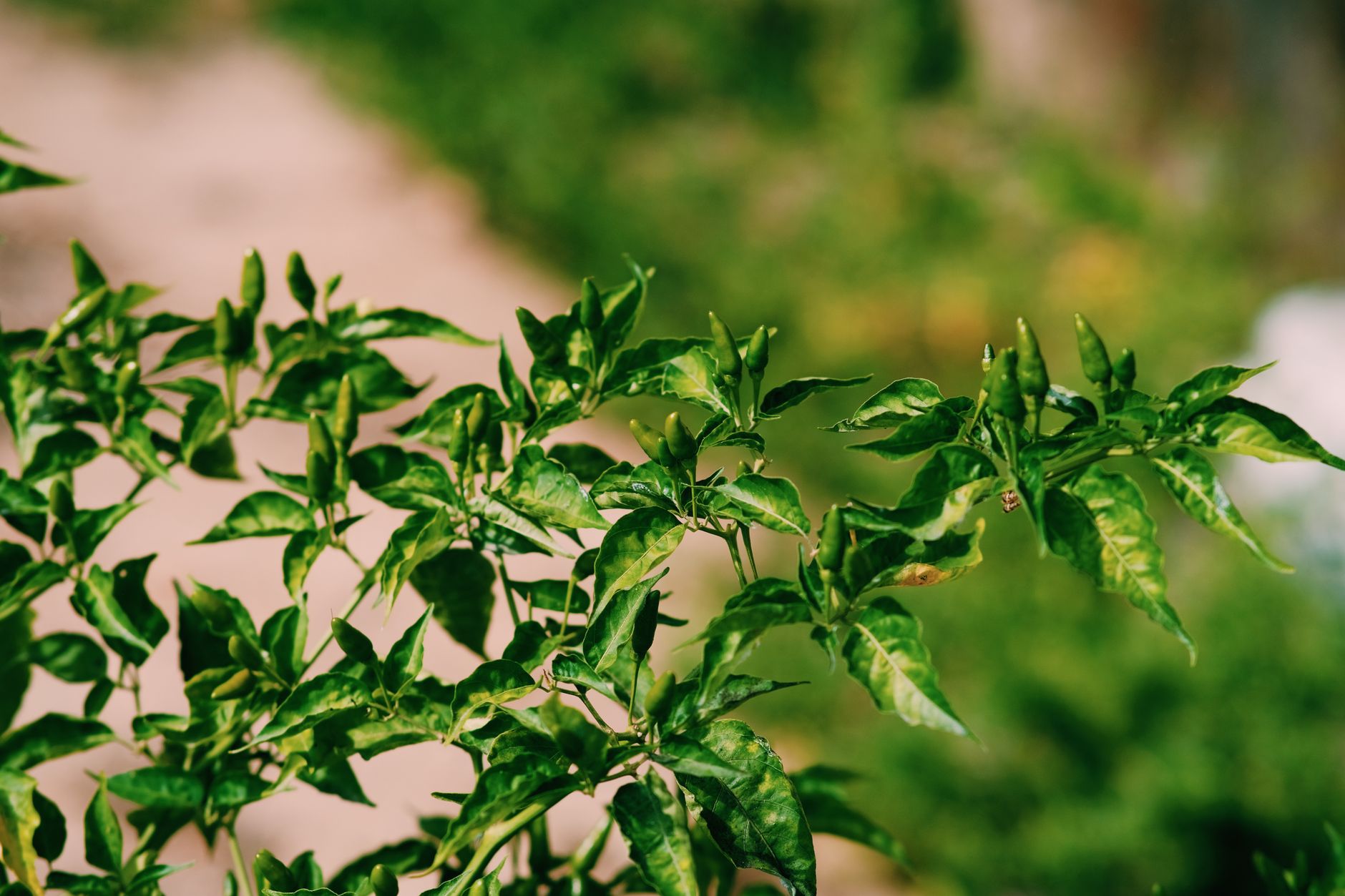
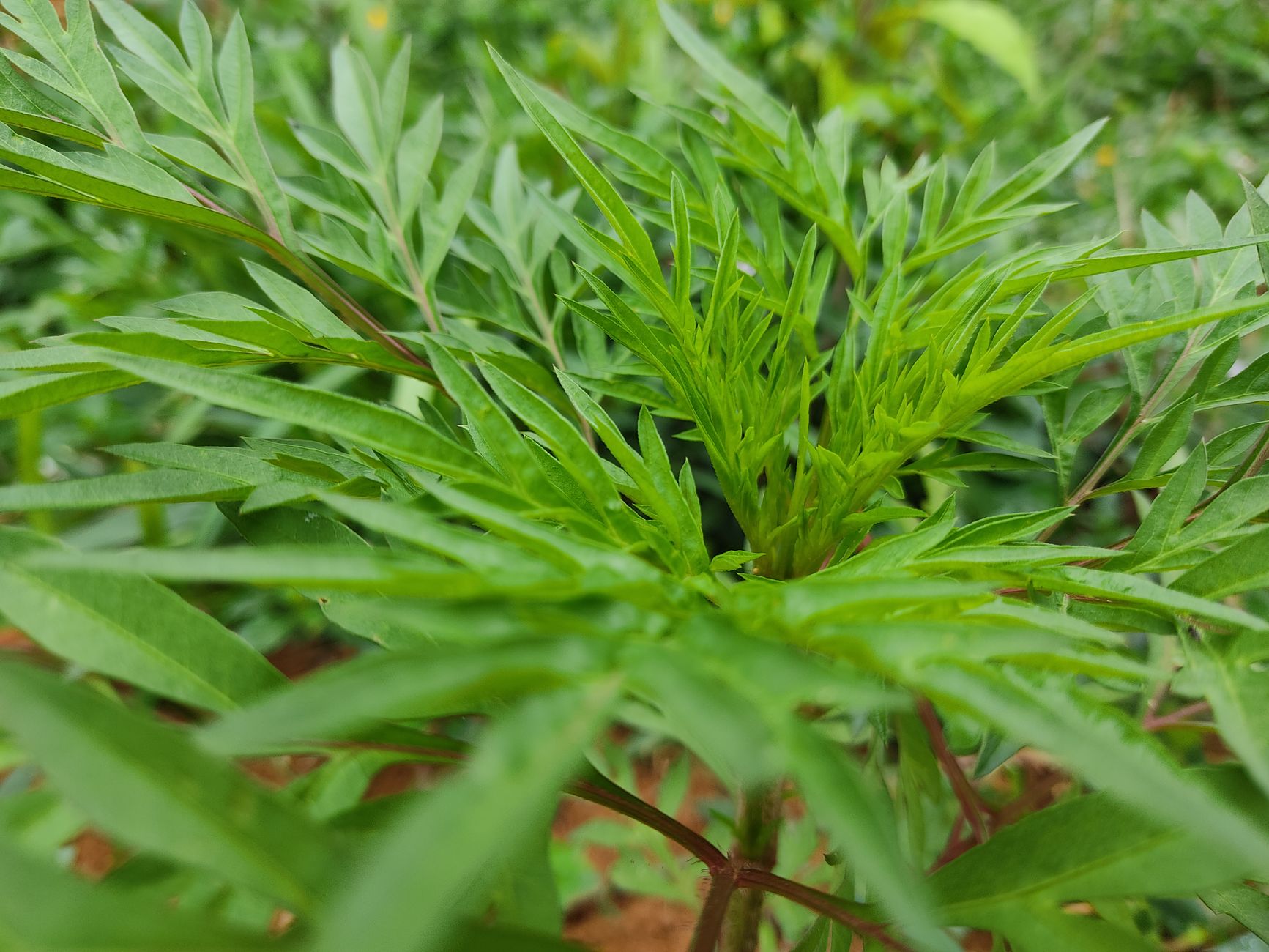
Persicaria hydropiper, a member of the Polygonaceae family, is an annual herb native to temperate regions across the Northern Hemisphere, particularly prevalent in Europe and Asia. It thrives in moist, disturbed soils, often found along stream banks, ditches, and wetlands, hence its common name “Water Pepper.” The plant typically grows 30 to 90 centimeters tall, featuring lance-shaped leaves that are often dotted with dark spots, and small, greenish-pink flowers arranged in slender, drooping spikes. Its most distinguishing feature, however, is the intensely acrid and peppery taste of its leaves when crushed or chewed, a characteristic that has earned it numerous colloquial names such as ‘bite-tongue’ or ‘smartweed’.
Botanically, Water Pepper is often confused with other species within the Persicaria genus due to similar appearances, but its unique pungent flavor readily sets it apart. The plant’s ability to thrive in a variety of challenging environments speaks to its resilience and adaptive nature, qualities that often correlate with the robust phytochemical defenses and benefits it offers. Understanding its botanical identity is the first step towards appreciating the intricate mechanisms behind its therapeutic actions, as environmental factors and genetic predispositions significantly influence the concentration and diversity of its bioactive compounds.
A Journey Through Time: Historical and Cultural Significance
The story of Water Pepper is deeply intertwined with human history, especially in traditional medicine and culinary practices across various cultures. In Asia, particularly in Japan, Korea, and China, Persicaria hydropiper has been a staple for centuries. Known as “Yanagi tade” in Japan, it is famously used in traditional Japanese cuisine, most notably as an accompaniment to sashimi and tempura, where its pungent flavor is believed to cut through richness and enhance digestion. The young leaves and sprouts are prized for their sharp, peppery kick, often incorporated into salads, sauces, and garnishes.
Beyond its culinary appeal, Water Pepper has held significant esteem in traditional Asian medicine. In Chinese herbalism, it has been employed for its warming and drying properties, often prescribed to treat various ailments, including digestive disturbances, parasitic infections, and inflammatory conditions. Similarly, European folk medicine utilized Water Pepper for its diuretic, antiseptic, and astringent qualities. It was commonly applied topically as a poultice for wounds and ulcers, and internally for issues ranging from kidney stones to menstrual problems. This long history of diverse applications underscores a profound intuitive understanding of the plant’s potent pharmacological effects long before modern science could elucidate its mechanisms of action.
Unlocking the Potency: Key Bioactive Compounds of Water Pepper
The remarkable health benefits of Water Pepper stem from its rich and complex phytochemical profile. This plant is a veritable treasure trove of bioactive compounds, each contributing to its therapeutic efficacy. The most prominent and extensively studied compound responsible for its characteristic pungency and many of its medicinal properties is **polygodial**.
Polygodial: The Heart of Water Pepper’s Power
Polygodial is a sesquiterpene dialdehyde that imparts the distinct peppery taste to Persicaria hydropiper. Its presence is central to many of the plant’s health benefits, acting as a potent anti-inflammatory, antimicrobial, and even an anticancer agent. Research indicates that polygodial exerts its anti-inflammatory effects by modulating various signaling pathways, including the inhibition of nuclear factor-kappa B (NF-κB) activation, a crucial regulator of immune responses and inflammation. It can also suppress the production of pro-inflammatory cytokines such as TNF-α and IL-6, and inhibit cyclooxygenase (COX) enzymes, similar to NSAIDs, thereby reducing pain and inflammation.
Flavonoids: Antioxidant and Anti-inflammatory Guardians
Water Pepper is abundant in various flavonoids, including quercetin, kaempferol, isorhamnetin, and luteolin. These polyphenolic compounds are renowned for their powerful antioxidant capabilities, scavenging free radicals and protecting cells from oxidative stress. Flavonoids also contribute significantly to the plant’s anti-inflammatory actions by inhibiting enzyme activities involved in inflammation and modulating immune cell function. For instance, quercetin is well-known for its antihistamine properties and ability to stabilize mast cells, which can be beneficial in managing allergic responses and inflammation.
Tannins: Astringent and Protective Agents
The presence of tannins contributes to Water Pepper’s astringent properties, making it useful in traditional applications for wound healing and digestive complaints. Tannins exert their effects by precipitating proteins, which can form a protective layer on mucous membranes, reducing irritation and inflammation. This action is particularly valuable for soothing gastrointestinal upset and contributing to its antimicrobial properties by binding to microbial proteins and inhibiting their growth.
Essential Oils: Aromatic and Antimicrobial Contributions
Water Pepper contains a complex blend of essential oils, though in smaller quantities compared to polygodial and flavonoids. These volatile compounds, which include monoterpenes and sesquiterpenes, contribute to the plant’s characteristic aroma and may offer additional antimicrobial and insecticidal properties. While often less studied than polygodial, the synergistic effect of these essential oils with other compounds likely enhances the overall therapeutic profile of the plant.
Comprehensive Health Benefits of Water Pepper
The synergistic interaction of these bioactive compounds bestows Water Pepper with an impressive array of health benefits, ranging from potent anti-inflammatory effects to promising anticancer potential. Each benefit is rooted in the complex mechanisms through which these natural chemicals interact with biological systems.
Potent Anti-inflammatory Properties
One of the most well-documented benefits of Water Pepper is its remarkable anti-inflammatory activity, largely attributed to polygodial. Inflammation is a natural immune response, but chronic inflammation underlies many modern diseases, including arthritis, cardiovascular disease, and metabolic disorders. Polygodial has been shown to effectively inhibit inflammatory pathways by suppressing the activation of NF-κB, a master regulator of inflammatory gene expression. This suppression leads to a reduction in the production of pro-inflammatory cytokines such as interleukin-1 beta (IL-1β), interleukin-6 (IL-6), and tumor necrosis factor-alpha (TNF-α), which are key mediators of the inflammatory cascade. Furthermore, polygodial can inhibit cyclooxygenase-2 (COX-2) activity, an enzyme responsible for producing prostaglandins that mediate pain and inflammation, offering a mechanism similar to conventional anti-inflammatory drugs but potentially with fewer side effects. This multi-faceted approach to inflammation makes Water Pepper a promising natural alternative for managing various inflammatory conditions.
Powerful Antioxidant Defense
The rich flavonoid content in Water Pepper, including quercetin and kaempferol, endows it with significant antioxidant capabilities. Antioxidants play a crucial role in protecting the body from oxidative stress, a state where there is an imbalance between free radical production and the body’s ability to neutralize them. Oxidative stress can damage cells, DNA, and proteins, contributing to aging and the development of numerous chronic diseases, including cancer, neurodegenerative disorders, and heart disease. Water Pepper’s flavonoids act as free radical scavengers, neutralizing reactive oxygen species (ROS) and reactive nitrogen species (RNS) before they can inflict damage. They also enhance the activity of endogenous antioxidant enzymes, such as superoxide dismutase (SOD) and catalase, further bolstering the body’s natural defense mechanisms against oxidative damage. This comprehensive antioxidant protection supports overall cellular health and can significantly reduce the risk of oxidative stress-related pathologies.
Robust Antimicrobial and Antiparasitic Effects
For centuries, Water Pepper has been utilized in traditional medicine to combat various infections and parasitic infestations, a use now supported by modern scientific inquiry. Polygodial has demonstrated broad-spectrum antimicrobial activity against a range of bacteria, including both Gram-positive and Gram-negative strains, as well as certain fungi. Its mechanism of action is thought to involve disrupting microbial cell membranes, leading to leakage of intracellular contents and ultimately cell death. This direct action on microbial integrity makes it particularly effective. Beyond bacteria and fungi, studies have also highlighted Water Pepper’s antiparasitic properties, especially against intestinal parasites. In some traditional cultures, it was administered to expel worms, and contemporary research is exploring its efficacy against protozoan parasites. This dual antimicrobial and antiparasitic potential underscores its value as a natural agent in managing infectious diseases and supporting gut health.
Digestive Health Support and Gastric Protection
The traditional use of Water Pepper as a digestive aid is well-founded. Its pungent taste and active compounds, particularly polygodial, can stimulate digestive enzymes and bile flow, promoting more efficient breakdown and absorption of nutrients. It has been historically used to alleviate indigestion, bloating, and stomach discomfort. Furthermore, research suggests that Water Pepper may offer gastroprotective effects. Polygodial has been shown to protect gastric mucosa from damage induced by various irritants, potentially by enhancing mucus production and improving microcirculation in the stomach lining. This protective action could be beneficial in preventing and managing gastric ulcers and other forms of dyspepsia, making it a valuable herb for maintaining overall digestive harmony.
Natural Analgesic (Pain Relief) Properties
The anti-inflammatory effects of Water Pepper directly translate into significant pain relief, particularly for inflammatory pain. By inhibiting COX enzymes and reducing pro-inflammatory cytokines, polygodial effectively dampens the pain signals associated with inflammation. This makes Water Pepper a promising natural remedy for conditions such as arthritis, muscle aches, and menstrual cramps. Its analgesic properties are not just a byproduct of its anti-inflammatory action; some studies suggest that polygodial may also have a direct effect on pain receptors, contributing to its pain-reducing capabilities. This provides a natural alternative for managing chronic and acute pain without the potential side effects associated with synthetic painkillers.
Emerging Anticancer Potential
While still in preliminary stages, research into the anticancer properties of Water Pepper, specifically polygodial, has shown significant promise. Studies have indicated that polygodial can induce apoptosis (programmed cell death) in various cancer cell lines, inhibit tumor cell proliferation, and suppress metastasis. The mechanisms involved are diverse and complex, including the modulation of cell signaling pathways critical for cancer cell survival and growth, such as NF-κB, and the induction of reactive oxygen species within cancer cells leading to their demise. While these findings are largely from in vitro and animal studies, they highlight Water Pepper’s potential as a complementary agent in cancer therapy, warranting further extensive human clinical trials.
Blood Sugar Regulation and Metabolic Health
Recent studies have begun to explore the potential of Water Pepper in managing blood sugar levels. Some compounds within Persicaria hydropiper may improve insulin sensitivity and help regulate glucose metabolism, offering a new avenue for supporting individuals with metabolic syndrome or type 2 diabetes. While this area of research is less developed compared to its anti-inflammatory and antimicrobial properties, the initial findings suggest that Water Pepper could play a role in maintaining metabolic balance and contributing to overall cardiovascular health by indirectly impacting factors like lipid metabolism and blood pressure.
Practical Applications: How to Harness Water Pepper’s Benefits
Incorporating Water Pepper into your health regimen can be done in various ways, depending on your intended use and preference. Its versatility allows for both culinary and medicinal applications.
Culinary Uses: A Spicy and Healthy Addition
Fresh Water Pepper leaves can be used in the kitchen to add a pungent, peppery kick to dishes. They are excellent in salads, stir-fries, and as a garnish for sushi or grilled fish. The leaves can also be infused into oils or vinegars to create flavorful condiments. When cooking with Water Pepper, remember its intensity; a little goes a long way, especially for those sensitive to spicy flavors. Its traditional use in Japanese cuisine with fatty fish highlights its potential to aid digestion of rich foods, making it a functional food beyond just its flavor.
Traditional Herbal Preparations
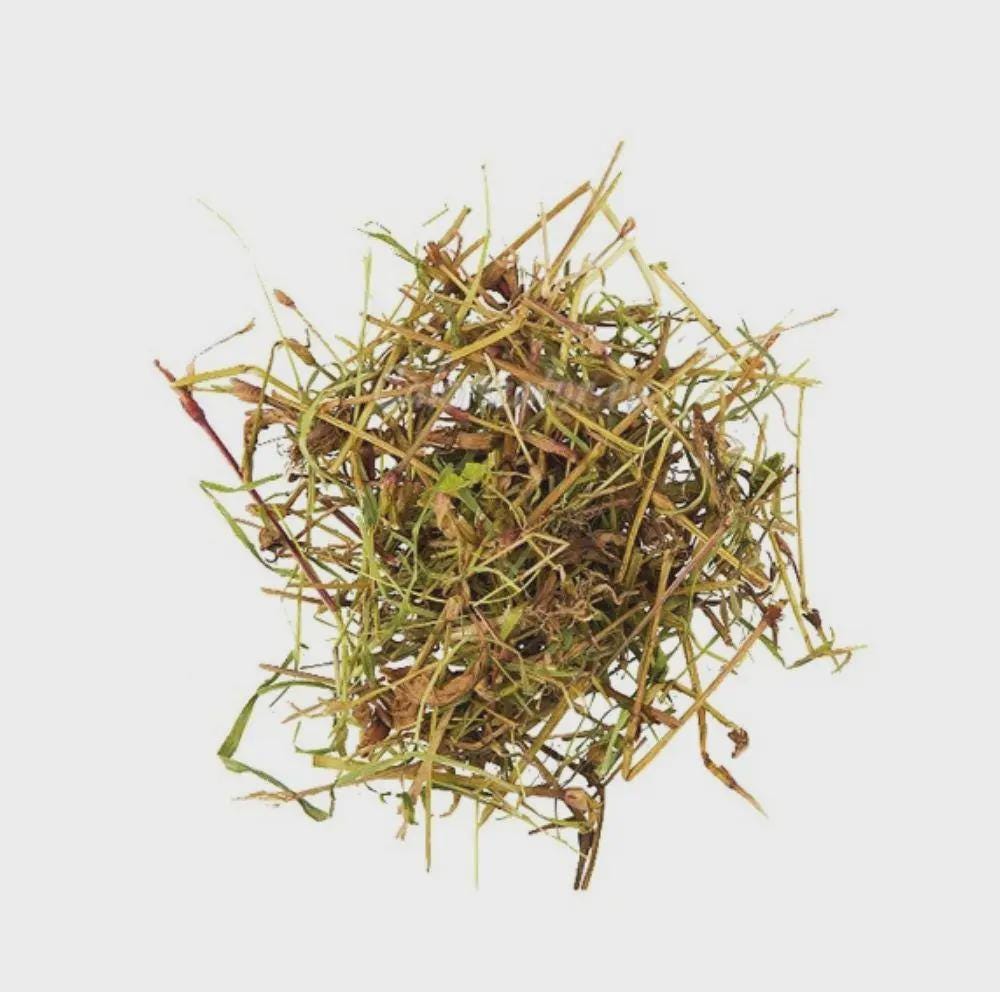
- Teas and Infusions: Dried Water Pepper can be brewed into a tea. Steep a teaspoon of dried leaves in hot water for 5-10 minutes. This preparation is traditionally used for digestive issues, colds, or as a general tonic.
- Tinctures: A concentrated liquid extract made by soaking fresh or dried Water Pepper in alcohol. Tinctures offer a potent and convenient way to consume the herb, allowing for precise dosing and long shelf life.
- Poultices and Compresses: For topical applications, crushed fresh leaves or a strong tea infusion can be applied directly to the skin to aid in wound healing, reduce inflammation, or alleviate pain from conditions like arthritis.
Modern Supplements and Extracts
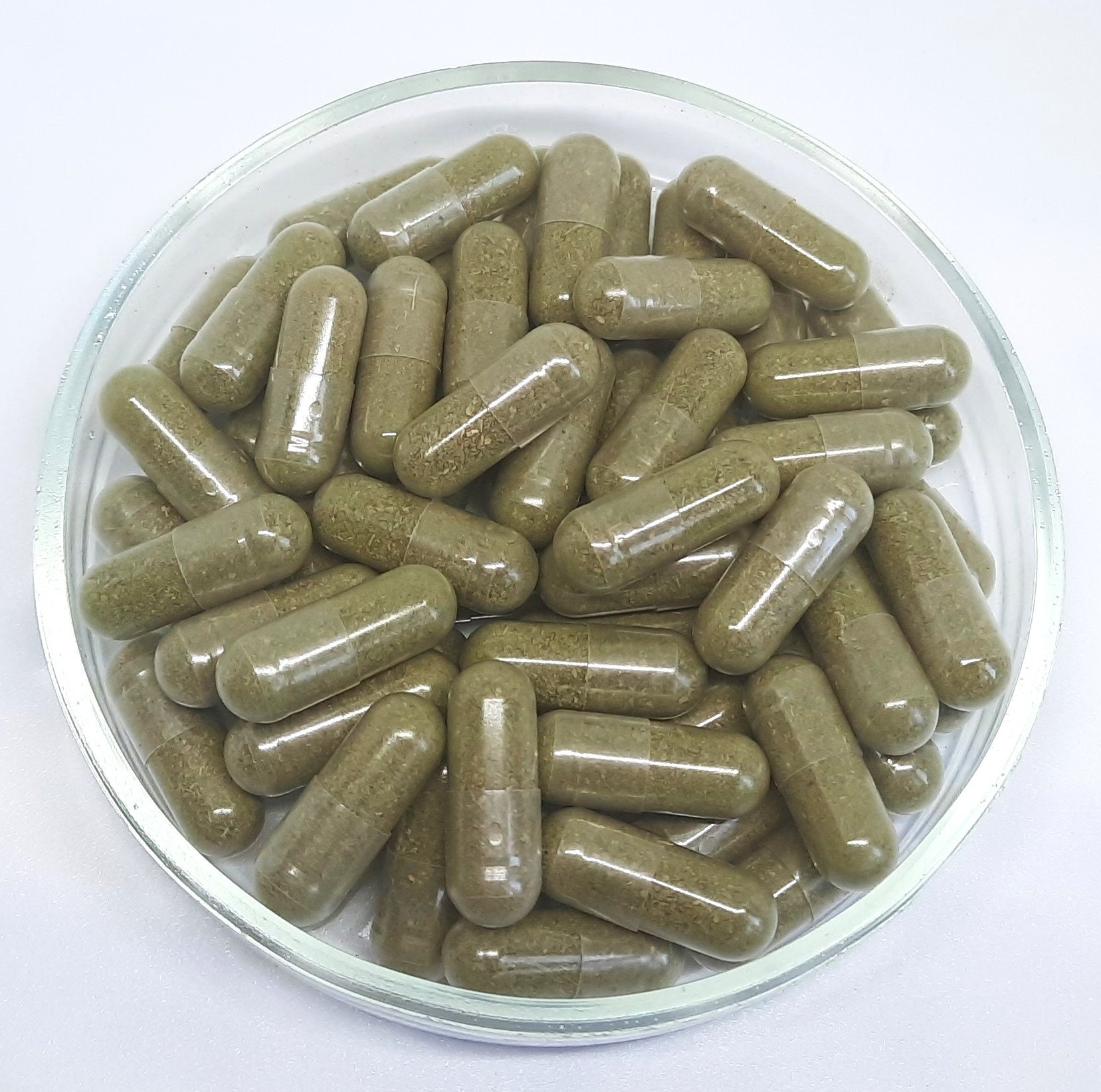
For those seeking concentrated benefits, Water Pepper is increasingly available in supplement form. These typically come as capsules containing dried powdered herb, or standardized extracts that concentrate the active compounds like polygodial. These forms ensure consistent dosing and are often preferred for targeted therapeutic uses where the strong taste of the fresh herb might be a deterrent. When choosing a supplement, always opt for reputable brands that provide transparency about their sourcing, extraction methods, and standardization of active ingredients to ensure purity and potency.
Dosage and Important Considerations
While Water Pepper offers a spectrum of benefits, proper dosage and an understanding of potential side effects are crucial. There is no universally established scientific dosage for Water Pepper due to variations in plant potency, preparation methods, and individual health conditions. However, traditional uses and preliminary studies can offer some guidance.
- Dried Herb: For teas, 1-2 teaspoons of dried herb steeped in 200ml of hot water, 1-3 times daily.
- Tincture: Typically 1-5ml (20-100 drops) of a 1:5 or 1:10 tincture, 2-3 times daily, or as directed by a healthcare professional.
- Capsules/Extracts: Follow the manufacturer’s instructions, as potency varies widely. Standardized extracts focusing on polygodial may have specific dosage recommendations.
Crucial Disclaimer: Always consult with a qualified healthcare professional, naturopath, or herbalist before incorporating Water Pepper into your health regimen, especially if you have pre-existing medical conditions, are pregnant or breastfeeding, or are taking other medications. Self-medication can be risky.
Potential Side Effects and Contraindications
Despite its many benefits, Water Pepper is not without potential considerations:
- Gastrointestinal Upset: Due to its pungent nature, consuming large quantities of Water Pepper, especially the raw herb, might cause stomach upset, nausea, or diarrhea in sensitive individuals.
- Skin Irritation: Direct contact with fresh Water Pepper can sometimes cause skin irritation or contact dermatitis in susceptible people.
- Blood Thinning: Some compounds in Water Pepper may have mild anticoagulant properties. Individuals on blood-thinning medications (e.g., warfarin, aspirin) should exercise caution and consult their doctor.
- Pregnancy and Breastfeeding: There is insufficient scientific evidence regarding the safety of Water Pepper during pregnancy and breastfeeding. It is best to avoid its use during these periods.
- Drug Interactions: As with many potent herbs, Water Pepper could potentially interact with certain medications. Always discuss its use with a healthcare provider to avoid adverse interactions.
Conclusion: Embracing the Potential of Water Pepper
Water Pepper (Persicaria hydropiper) stands as a testament to nature’s profound ability to provide potent therapeutic agents. From its historical significance as a culinary spice and traditional medicine in diverse cultures to its recognition today for its complex phytochemical profile, particularly polygodial, this unassuming herb is a powerhouse of health benefits. Its anti-inflammatory, antioxidant, antimicrobial, and gastroprotective properties offer a holistic approach to wellness, addressing a wide array of health concerns from chronic pain and digestive issues to infectious diseases and even exhibiting preliminary anticancer potential.
As scientific research continues to unravel the intricate mechanisms behind Water Pepper’s actions, its role in modern natural health paradigms is poised to expand. While traditional knowledge has long valued its therapeutic prowess, contemporary studies are providing the evidence needed to solidify its position as a valuable botanical ally. However, as with all powerful natural remedies, informed and cautious use is paramount. By understanding its benefits, potential side effects, and consulting with healthcare professionals, individuals can safely explore the profound and versatile healing capabilities of Water Pepper, truly embracing this remarkable plant in their journey towards optimal health.
Disclaimer: For informational purposes only. Not medical advice. Consult a qualified healthcare professional before use.