The Definitive Guide to Marshmallow Leaf: Unveiling Its Profound Health Benefits
In the vast tapestry of botanical medicine, certain plants stand out for their enduring legacy and remarkable therapeutic properties. Among these venerated herbs, Marshmallow Leaf, derived from the plant Althaea officinalis, holds a distinguished position. Revered for centuries across diverse cultures, this unassuming perennial has garnered significant attention for its potent mucilaginous compounds, offering a natural balm for a myriad of health concerns. From soothing irritated membranes to bolstering digestive integrity, Marshmallow Leaf presents a holistic approach to wellness, making it a cornerstone in both traditional remedies and modern herbal pharmacopoeia.
This comprehensive guide delves deep into the multifaceted health benefits of Marshmallow Leaf, meticulously exploring its historical significance, intricate chemical composition, and the precise mechanisms through which it exerts its healing effects. Our aim is to provide an exhaustive, evidence-informed resource for anyone seeking to understand and harness the power of this extraordinary plant, solidifying its status as an indispensable ally in natural health.
A Journey Through Time: The Ancient Roots of Marshmallow Leaf
The story of Marshmallow Leaf (Althaea officinalis) is deeply interwoven with the history of human civilization and the evolution of medicinal practices. Its name, “Althaea,” is derived from the Greek word “althainein,” meaning “to heal,” a testament to its long-recognized therapeutic prowess. Records of its use stretch back thousands of years, with ancient Egyptians, Greeks, Romans, and Arabs all incorporating this versatile plant into their medicinal repertoires.
In ancient Egypt, Marshmallow was not only used for its medicinal properties but also cultivated for culinary purposes, providing a nutritious and palatable food source. The Greeks, including Hippocrates and Theophrastus, documented its efficacy in treating various ailments, particularly digestive and respiratory complaints. Roman physicians, such as Pliny the Elder, lauded its demulcent qualities, recommending it for soothing inflamed throats and gastrointestinal disturbances. During the Middle Ages, European monasteries meticulously cultivated Marshmallow, and it became a fundamental component of herbal medicine, prescribed for everything from coughs and colds to skin irritations and urinary tract infections. Its widespread adoption across diverse healing traditions underscores its consistent efficacy and safety profile, establishing a robust historical precedent for its continued use today.
Botanical Profile: Understanding Althaea officinalis
Althaea officinalis, commonly known as Marshmallow, is a hardy perennial herb belonging to the Malvaceae family, which also includes cotton and hibiscus. Native to Europe, North Africa, and Western Asia, it thrives in moist, marshy environments, often found in ditches, salt marshes, and riverbanks, hence its common name. The plant typically grows to a height of 3 to 6 feet, characterized by its stout, erect stems and velvety leaves.
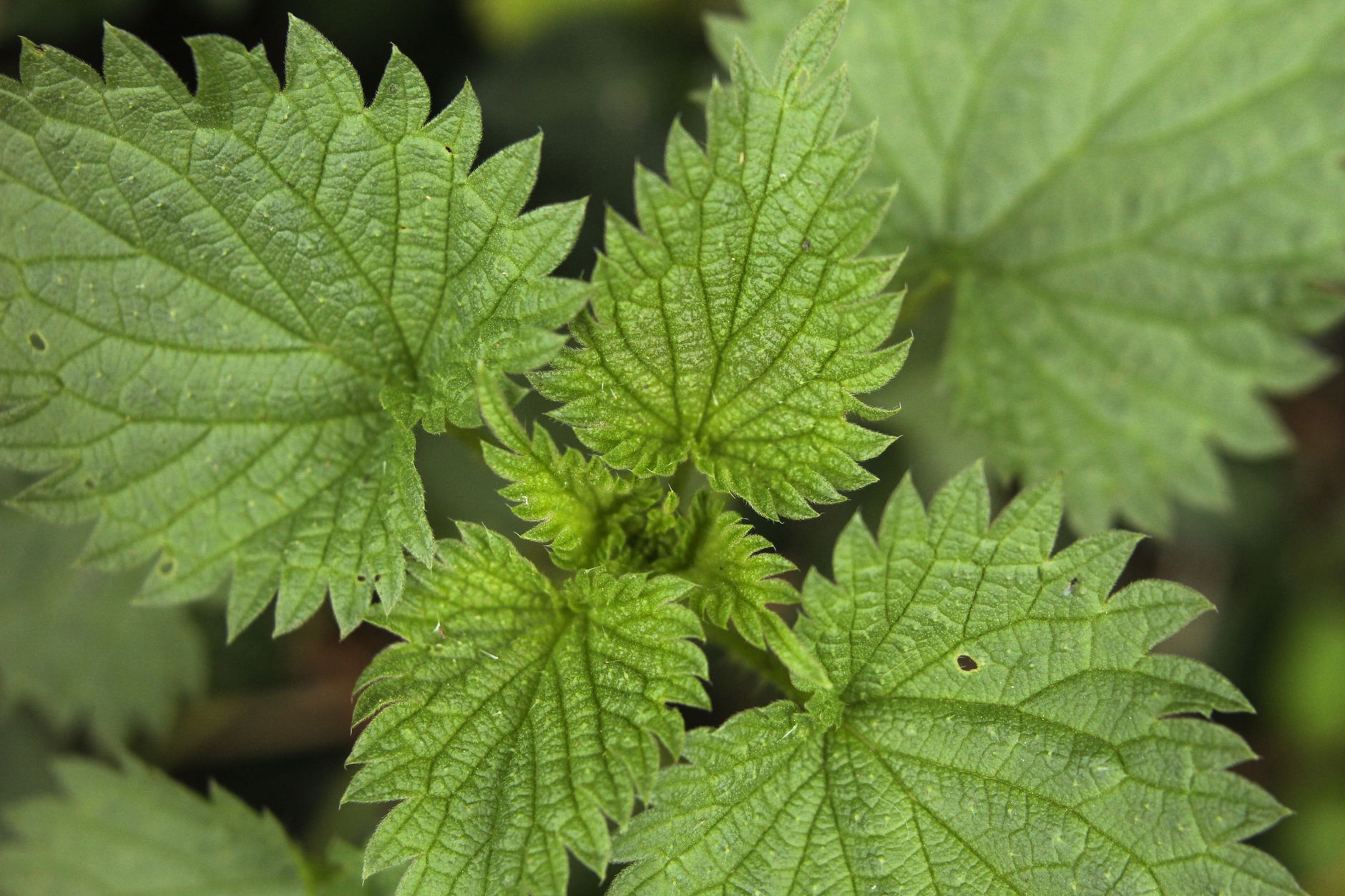
The leaves are broad, ovate to reniform (kidney-shaped), with three to five shallow lobes and serrated margins. Both the leaves and stems are covered in fine, star-shaped hairs, giving them a soft, downy texture. During the summer months, Marshmallow produces delicate, pale pink to white flowers, which are typically five-petaled and grow in clusters in the leaf axils. While the root is perhaps the most well-known medicinal part of the plant, the leaves also contain significant concentrations of beneficial compounds, making them highly valuable for therapeutic applications. The botanical characteristics of Marshmallow reflect its resilience and natural adaptiveness, qualities that subtly mirror its profound healing capabilities for the human body.
The Chemical Symphony: Bioactive Compounds in Marshmallow Leaf
The therapeutic efficacy of Marshmallow Leaf is primarily attributed to its rich array of bioactive compounds, each contributing synergistically to its remarkable health benefits. The most prominent of these are the mucilage polysaccharides, but the leaf also contains an assortment of flavonoids, phenolic acids, tannins, and coumarins, all playing crucial roles in its medicinal actions.
Mucilage: The Healing Demulcent
At the heart of Marshmallow Leaf’s healing power lies its high concentration of mucilage, a complex mixture of polysaccharides that become gelatinous and slippery when exposed to water. The mucilage in Marshmallow Leaf primarily consists of glucuronic acid, galacturonic acid, rhamnose, galactose, glucose, and arabinose. When ingested, this mucilage forms a protective, gel-like layer over mucous membranes, particularly those lining the respiratory, gastrointestinal, and urinary tracts. This demulcent action provides immediate soothing relief by coating irritated tissues, reducing friction, and protecting against further damage from irritants, acids, or enzymes. This physical barrier not only alleviates discomfort but also promotes the natural healing process by creating an optimal environment for tissue repair and regeneration. The ability of mucilage to absorb water and swell also contributes to its mild laxative effect and its capacity to help eliminate toxins.
Flavonoids: Antioxidant and Anti-inflammatory Powerhouses
Marshmallow Leaf is also rich in various flavonoids, including kaempferol and quercetin, which are potent plant pigments with significant antioxidant and anti-inflammatory properties. Flavonoids combat oxidative stress by scavenging free radicals, thereby protecting cells from damage and reducing the risk of chronic diseases. Their anti-inflammatory action is multifaceted, involving the inhibition of inflammatory enzymes (like COX-2) and the modulation of cytokine production, which are signaling molecules involved in immune responses. This dual action makes flavonoids invaluable for reducing systemic inflammation and supporting overall cellular health.
Phenolic Acids: Antimicrobial and Antioxidant Properties
Beyond flavonoids, Marshmallow Leaf contains a spectrum of phenolic acids, such as caffeic acid and ferulic acid. These compounds contribute further to the leaf’s antioxidant capacity and exhibit notable antimicrobial activity. Phenolic acids can inhibit the growth of various bacteria, fungi, and viruses, thereby offering a natural defense against infections. Their presence enhances the overall protective and healing profile of the leaf, particularly in situations where microbial irritation might be a compounding factor.
Tannins: Astringent and Protective Effects
While present in smaller amounts compared to mucilage, tannins in Marshmallow Leaf contribute to its mild astringent properties. Tannins are polyphenolic compounds that can bind to proteins, forming a protective layer on mucous membranes. This action helps to reduce inflammation, constrict tissues, and decrease secretions, providing an additional layer of defense against irritants and promoting the healing of minor lesions or wounds. This astringency also complements the demulcent effect, creating a robust barrier against external aggressors.
Profound Health Benefits of Marshmallow Leaf: A Deep Dive
The synergistic action of these bioactive compounds endows Marshmallow Leaf with a broad spectrum of therapeutic applications. Its primary benefits revolve around its demulcent, anti-inflammatory, antioxidant, and mild antimicrobial properties.
1. Exceptional Support for Respiratory Health
Marshmallow Leaf is perhaps best known for its unparalleled ability to soothe and heal the respiratory tract. Its high mucilage content forms a protective film over the irritated mucous membranes of the throat, larynx, and bronchi. This demulcent action significantly reduces irritation, calms persistent coughs (both dry and productive), and alleviates symptoms associated with sore throats, tonsillitis, pharyngitis, and laryngitis. By coating the inflamed tissues, it decreases the urge to cough, reduces hoarseness, and provides immediate comfort. Furthermore, the mucilage can help to thin and loosen tenacious mucus, facilitating its expulsion and making breathing easier for individuals suffering from bronchitis, asthma, or common colds. The anti-inflammatory properties of its flavonoids also contribute to reducing swelling in the airways, enhancing overall respiratory function.
2. Comprehensive Relief for Digestive Ailments
The digestive system is another area where Marshmallow Leaf truly shines. Its mucilaginous compounds provide an unparalleled protective lining to the entire gastrointestinal tract, making it an invaluable remedy for a variety of conditions. It is highly effective in soothing the irritation and inflammation associated with acid reflux, heartburn, gastritis, peptic ulcers, and ulcerative colitis. By creating a physical barrier, the mucilage shields the delicate lining of the esophagus and stomach from corrosive stomach acids and digestive enzymes, allowing damaged tissues to heal. For individuals struggling with Irritable Bowel Syndrome (IBS), Crohn’s disease, or leaky gut syndrome, Marshmallow Leaf can help reduce inflammation, calm spasms, and promote gut barrier integrity. Additionally, its mild bulk-forming laxative effect can gently relieve constipation by softening stool and promoting regular bowel movements without harsh irritation, thanks to the mucilage’s ability to absorb water and add volume to waste.
3. Promoting Urinary Tract Wellness
Marshmallow Leaf also offers significant benefits for the urinary system. Its demulcent properties extend to the urinary tract, providing soothing relief for irritation and inflammation in the bladder and urethra. It can be particularly beneficial for alleviating discomfort associated with urinary tract infections (UTIs) by coating the inflamed lining, reducing burning sensations, and protecting against further irritation. While not a direct antimicrobial for UTIs, its ability to soothe and encourage increased urine flow (mild diuretic action) can help flush out bacteria more effectively. For those suffering from interstitial cystitis or kidney stones, Marshmallow Leaf can help to reduce pain and inflammation, providing a natural palliative effect and supporting the body’s natural healing processes.
4. Topical Applications for Skin Health
Beyond internal use, Marshmallow Leaf has a long history of external application for various skin conditions. Its anti-inflammatory and demulcent properties make it an excellent choice for soothing irritated, inflamed, or damaged skin. Applied as a poultice, compress, or in creams, it can help alleviate symptoms of eczema, psoriasis, dermatitis, and dry skin conditions by moisturizing and forming a protective barrier that reduces itching and redness. Its ability to promote tissue regeneration and reduce inflammation also makes it valuable for minor wounds, cuts, scrapes, insect bites, and burns, accelerating healing and minimizing scarring. The soothing mucilage provides immediate relief, while flavonoids and phenolic acids contribute to its protective and reparative actions.
5. General Anti-inflammatory and Immune Support
The rich blend of flavonoids and phenolic acids within Marshmallow Leaf contributes significantly to its systemic anti-inflammatory and antioxidant capabilities. These compounds work to reduce inflammation throughout the body, addressing a root cause of many chronic diseases. By combating oxidative stress and modulating inflammatory pathways, Marshmallow Leaf can support overall cellular health and reduce the burden on the immune system. While not a direct immune stimulant, its ability to protect mucous membranes from pathogens and irritants, coupled with its general anti-inflammatory effects, contributes to a more robust and resilient immune response, making the body less susceptible to infections and environmental stressors.
Traditional Preparations and Modern Supplementation
Throughout its extensive history, Marshmallow Leaf has been utilized in various forms, tailored to address specific ailments. Traditional approaches often involved simple, yet effective, preparations that harnessed the plant’s natural healing compounds.
Traditional Uses: Teas and Poultices
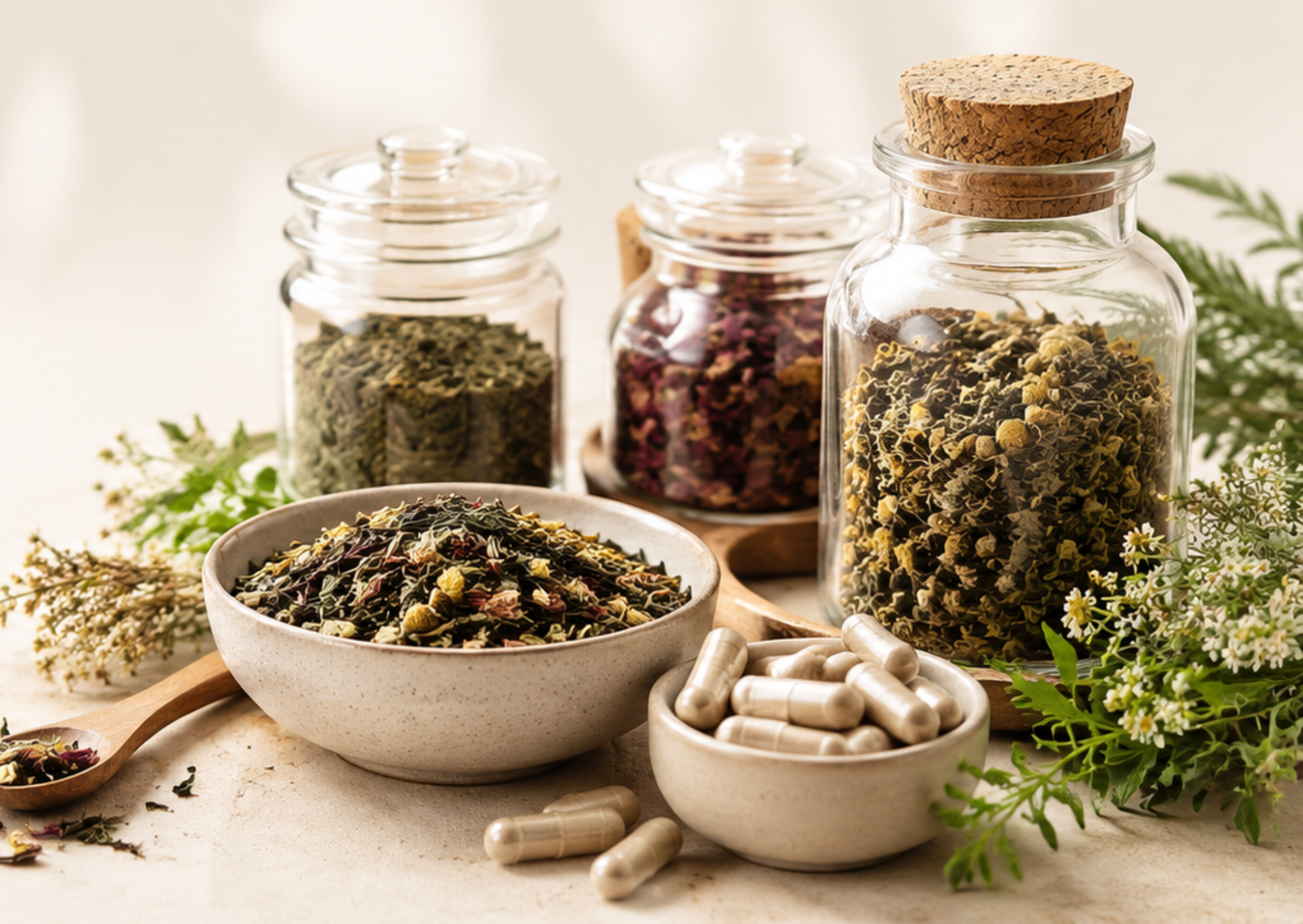
One of the most common and effective traditional methods of consuming Marshmallow Leaf is as a herbal tea. Dried Marshmallow leaves are steeped in hot water, allowing the mucilage to dissolve and create a soothing, slightly viscous infusion. This tea is particularly beneficial for respiratory and digestive issues, delivering the demulcent compounds directly to the mucous membranes. For skin conditions, a poultice made from crushed fresh or rehydrated dried leaves was traditionally applied directly to the affected area. This allowed for targeted delivery of the soothing and anti-inflammatory compounds, providing relief for burns, wounds, and skin irritations. Tinctures, which are alcoholic extracts, were also prepared to preserve and concentrate the beneficial constituents, allowing for easier dosage and longer shelf life.

Modern Applications: Capsules and Extracts
In contemporary herbal medicine, Marshmallow Leaf is readily available in a variety of modern forms, offering convenience and standardized dosing. Encapsulated dried leaf powder is a popular option, providing a concentrated dose that is easy to consume. These capsules are ideal for those who prefer not to brew teas or find the taste unappealing, ensuring consistent intake of the active compounds for systemic benefits, particularly for digestive and urinary tract support. Liquid extracts and tinctures are also common, offering rapid absorption and flexible dosing. Some topical creams and ointments incorporate Marshmallow Leaf extract for targeted skin therapy, leveraging its demulcent and anti-inflammatory properties for localized relief. The advent of standardized extracts ensures a consistent level of bioactive compounds, allowing for more precise therapeutic applications and greater reliability in treatment outcomes.

Practical Usage Guidelines: How to Incorporate Marshmallow Leaf into Your Routine
To effectively harness the benefits of Marshmallow Leaf, understanding proper preparation and dosage is crucial. Always consult with a healthcare professional or qualified herbalist before starting any new supplement regimen, especially if you have underlying health conditions or are taking other medications.
Preparing Marshmallow Leaf Tea (Cold Infusion Recommended)
- For Mucilage Extraction: While hot water can be used, a cold infusion is often recommended for maximum mucilage extraction and to preserve heat-sensitive compounds.
- Method: Add 1-2 teaspoons of dried Marshmallow Leaf to 1 cup (240ml) of cold water. Let it steep for at least 2-4 hours, or preferably overnight, in the refrigerator. Strain the liquid, and you will notice a slightly viscous consistency.
- Dosage: Drink 1-3 cups per day, as needed, for respiratory, digestive, or urinary tract soothing.
Using Marshmallow Leaf Capsules
- Dosage: Follow the dosage instructions provided by the manufacturer on the product label. Typical doses range from 500 mg to 1000 mg, taken 1-3 times daily, often with water.
- Important Note: Due to its mucilaginous content, Marshmallow Leaf can slow the absorption of other medications. It is advisable to take Marshmallow Leaf supplements at least one hour before or several hours after other medications to prevent potential interactions and ensure optimal absorption of all compounds.
Topical Applications
- Poultice: Mix dried Marshmallow Leaf powder with a small amount of warm water to form a thick paste. Apply this paste directly to the affected skin area (e.g., minor burns, cuts, insect bites, eczema patches) and cover with a clean cloth or bandage. Leave on for 30 minutes to a few hours, then rinse gently.
- Compress: Prepare a strong cold infusion of Marshmallow Leaf tea. Soak a clean cloth in the tea and apply it to the skin. This is particularly good for soothing inflamed or irritated skin conditions.
Potential Side Effects and Precautions
Marshmallow Leaf is generally considered safe for most people when used appropriately. However, a few considerations should be kept in mind:
- Drug Interactions: As mentioned, the mucilage can form a protective barrier in the digestive tract, potentially reducing the absorption of orally administered medications, including prescription drugs and other supplements. To avoid this, take Marshmallow Leaf at least one hour before or several hours after other medications.
- Allergic Reactions: While rare, some individuals may experience allergic reactions, such as skin rash or itching. Discontinue use if any adverse reactions occur.
- Pregnancy and Lactation: There is limited scientific research on the safety of Marshmallow Leaf during pregnancy and breastfeeding. It is always best to consult with a healthcare provider before using any herbal remedies during these periods.
- Diabetes: Some preliminary research suggests that Marshmallow root might have a minor impact on blood sugar levels. Individuals with diabetes should monitor their blood glucose closely and consult their doctor if using Marshmallow Leaf regularly.

Conclusion: Marshmallow Leaf – A Timeless Herbal Ally
Marshmallow Leaf, with its rich historical tapestry and impressive phytochemical profile, stands as a testament to the enduring power of natural medicine. Its profound demulcent, anti-inflammatory, and antioxidant properties offer a gentle yet potent solution for a wide array of health concerns, particularly excelling in the realms of respiratory, digestive, and urinary tract health, as well as providing soothing relief for the skin. From ancient civilizations to modern research laboratories, the consistent recognition of Althaea officinalis as a healing agent underscores its efficacy and safety.
As we navigate an increasingly complex world of health challenges, embracing time-tested natural remedies like Marshmallow Leaf offers a valuable pathway to holistic well-being. Whether prepared as a comforting cold infusion, taken in convenient capsule form, or applied topically, this remarkable herb continues to serve as a versatile and indispensable ally in supporting the body’s natural healing processes. By understanding its mechanisms of action and integrating it thoughtfully into a health regimen, individuals can unlock the full spectrum of benefits offered by this extraordinary botanical treasure.
Disclaimer: For informational purposes only. Not medical advice. Consult a qualified healthcare professional before use.