
Unveiling the Ancient Power: A Definitive Guide to the Health Benefits of Oak Bark
In the vast tapestry of traditional medicine, where nature’s pharmacy often holds profound secrets, the majestic oak tree stands as a towering symbol of strength, longevity, and healing. While its timber has built empires and its acorns fed generations, it is the humble bark of this venerable tree that has quietly served humanity for millennia as a potent natural remedy. Rich in powerful bioactive compounds, oak bark offers a spectrum of health benefits that are deeply rooted in historical practice and increasingly supported by modern scientific understanding. This comprehensive guide delves into the multifaceted advantages of oak bark, exploring its ancient legacy, chemical composition, and diverse applications as a natural therapeutic agent.
A Journey Through Time: The Historical Significance of Oak Bark
The use of oak bark in traditional healing spans continents and civilizations, testifying to its enduring efficacy. Ancient Greeks, Romans, Celts, and various indigenous cultures revered the oak tree not only for its imposing presence but also for its medicinal properties. The very word “oak” is often associated with durability and resilience, qualities intrinsically linked to its therapeutic bark. Historically, physicians like Dioscorides documented its use as an astringent, particularly for treating gastrointestinal issues such as diarrhea and dysentery. Native American tribes utilized oak bark for a wide array of ailments, from skin conditions and wounds to fevers and infections, often preparing it as a strong decoction for internal consumption or topical washes. European folk medicine traditions consistently employed oak bark for its anti-inflammatory and antiseptic qualities, making it a staple for oral health, skin complaints, and even hemorrhoids. This rich historical tapestry underscores oak bark’s profound and persistent role in human well-being, serving as a testament to its time-honored effectiveness.
Botanical Profile: Understanding the Source of Healing
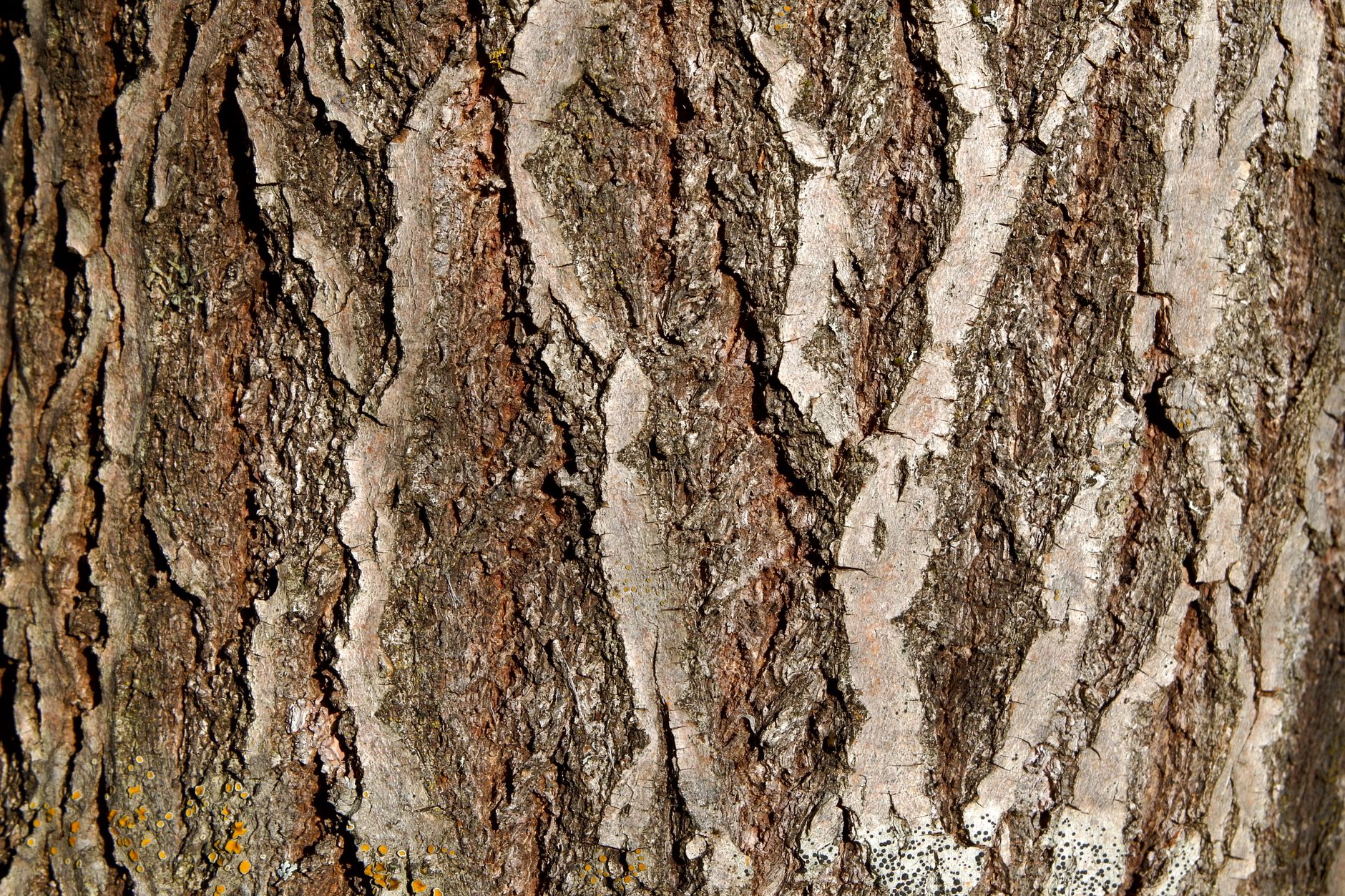
The medicinal bark is primarily harvested from species within the *Quercus* genus, most commonly from the European Pedunculate Oak (*Quercus robur*), White Oak (*Quercus alba*) native to North America, and Sessile Oak (*Quercus petraea*). These deciduous trees are characterized by their deeply furrowed, often gray-brown bark, which is the prized material for therapeutic use. The younger bark, specifically from branches or thinner trunks, is generally preferred as it contains a higher concentration of the desired active compounds. Sustainable harvesting practices are paramount to ensure the longevity of these magnificent trees, typically involving careful stripping of bark from branches rather than the main trunk, or collecting bark from felled trees. The process involves drying the bark to preserve its integrity and concentrate its medicinal constituents, making it ready for various preparations.

The Chemical Arsenal: Bioactive Compounds in Oak Bark
The remarkable therapeutic properties of oak bark are attributed to its complex chemical composition, dominated by a diverse array of bioactive compounds. Understanding these constituents provides a scientific foundation for its traditional uses.

Tannins: The Primary Therapeutic Powerhouses
The most prominent and therapeutically significant compounds in oak bark are tannins, making up a substantial percentage of its dry weight, often ranging from 10% to 20%. These polyphenolic compounds are responsible for oak bark’s characteristic astringency and many of its medicinal actions. Tannins are broadly categorized into two main types:
- Hydrolyzable Tannins: These include gallic acid, ellagic acid, castalagin, and vescalagin. When exposed to water, acids, or enzymes, they hydrolyze into simpler phenolic acids and a sugar molecule. Their mechanism of action primarily involves precipitating proteins, which leads to the formation of a protective layer on mucous membranes or skin. This action reduces permeability, constricts tissues, and reduces fluid secretion, explaining their efficacy in treating diarrhea and weeping wounds. Ellagic acid, in particular, is noted for its potent antioxidant and potential anti-carcinogenic properties.
- Condensed Tannins (Proanthocyanidins): These are polymers of flavan-3-ols and do not hydrolyze. They also exhibit astringent properties by binding to proteins, but their structure offers additional benefits such as strong antioxidant activity, contributing to cellular protection against oxidative stress.
The astringent action of tannins is central to oak bark’s effectiveness. By coagulating proteins on the surface of irritated tissues, they form a protective barrier that reduces inflammation, decreases sensitivity, and provides a physical shield against pathogens and irritants. This effect is crucial for its use in digestive issues, skin conditions, and oral health.
Flavonoids: Antioxidant and Anti-inflammatory Support
Oak bark also contains various flavonoids, such as quercetin, kaempferol, and their glycosides. These compounds are well-known for their potent antioxidant capabilities, scavenging free radicals and reducing oxidative damage to cells. Beyond their antioxidant role, flavonoids contribute significantly to oak bark’s anti-inflammatory profile by modulating various inflammatory pathways and inhibiting the release of pro-inflammatory mediators. They work synergistically with tannins to enhance the overall therapeutic effect.
Triterpenoids: Additional Anti-inflammatory Contributions
Minor amounts of triterpenoids, including ursolic acid, are also present in oak bark. Ursolic acid, in particular, has been studied for its significant anti-inflammatory, antioxidant, and even potential anticancer activities. While not as abundant as tannins, these compounds add to the complex pharmacological profile of oak bark.
Minerals and Other Constituents
The bark also provides essential minerals like calcium, potassium, and magnesium, along with resins and phlobaphenes, which contribute to the overall therapeutic synergy and protective qualities of the herb.
Comprehensive Health Benefits of Oak Bark: A Deep Dive
The rich array of bioactive compounds in oak bark translates into a multitude of profound health benefits, addressing a wide spectrum of ailments internally and externally.
1. Exceptional Relief for Digestive Disorders, Especially Diarrhea
One of the most historically recognized and scientifically validated uses of oak bark is its profound efficacy in treating diarrhea and other digestive complaints. The high concentration of tannins is the primary driver of this benefit. When ingested, tannins interact with the proteins in the mucosal lining of the gastrointestinal tract. This interaction leads to the coagulation of these proteins, forming a thin, protective layer over the inflamed or irritated intestinal walls. This protective barrier works in several critical ways:
- Reduced Fluid Secretion: By tightening the intestinal tissues and forming a less permeable barrier, the tannins effectively reduce the excessive secretion of fluids into the intestines, which is a hallmark of diarrhea. This helps to firm up stool consistency.
- Decreased Intestinal Motility: While not a direct muscle relaxant, the astringent effect can subtly reduce overactive peristalsis, allowing for more time for water absorption.
- Antimicrobial Action: Many tannins exhibit broad-spectrum antimicrobial properties, helping to inhibit the growth of pathogenic bacteria and viruses that often cause infectious diarrhea. They can disrupt microbial cell walls and interfere with enzymatic activities essential for bacterial survival, thus addressing the root cause in some cases.
- Anti-inflammatory Effect: The tannins and flavonoids in oak bark reduce inflammation within the gut lining, soothing irritation and promoting faster recovery from conditions like gastroenteritis.
For acute, non-specific diarrhea, a decoction of oak bark acts rapidly to alleviate symptoms, making it a valuable natural alternative. However, its use should be short-term to avoid potential constipation from prolonged astringent action.
2. Potent Skin Healing and Dermatological Support
Applied externally, oak bark excels as a natural remedy for a myriad of skin conditions, wounds, and irritations. Its powerful astringent, antiseptic, and anti-inflammatory properties make it exceptionally versatile:
- Wound Healing: For minor cuts, abrasions, and superficial burns, oak bark decoctions act as an excellent wash or compress. The tannins form a protective protein layer that not only physically shields the wound from infection but also helps to dry weeping lesions, reduce exudate, and promote the formation of new tissue. The antiseptic action prevents bacterial proliferation, a common complication of open wounds.
- Eczema and Dermatitis: For inflammatory skin conditions like eczema or contact dermatitis, oak bark compresses can significantly reduce redness, itching, and swelling. The anti-inflammatory flavonoids calm the skin, while the astringency helps to dry out oozing lesions, which are often characteristic of these conditions.
- Hemorrhoids and Varicose Veins: The vasoconstrictive and astringent properties are particularly beneficial for external hemorrhoids and mild varicose veins. Sitz baths or compresses soaked in oak bark decoction can constrict engorged blood vessels, reduce swelling, alleviate pain, and prevent further irritation, providing significant relief.
- Fungal and Bacterial Skin Infections: Its antimicrobial and antifungal actions make it useful against conditions like athlete’s foot, ringworm, or minor bacterial skin infections, helping to eliminate pathogens and soothe inflamed areas.
3. Enhancing Oral Hygiene and Gum Health
The astringent and antiseptic qualities of oak bark make it an excellent natural ingredient for oral care. As a gargle or mouthwash, it offers several benefits:
- Gingivitis and Periodontal Disease: Oak bark effectively tightens and strengthens gum tissue, reducing bleeding and inflammation associated with gingivitis (gum inflammation) and early periodontal disease. The tannins help to constrict capillaries in the gums, decreasing swelling and making them less prone to bleeding during brushing or flossing.
- Sore Throats and Stomatitis: For sore throats, tonsillitis, and stomatitis (inflammation of the mouth lining), gargling with oak bark decoction provides symptomatic relief. It forms a protective coating over irritated mucous membranes, reducing pain and discomfort, while its antiseptic properties help combat oral pathogens that can exacerbate these conditions.
- Canker Sores and Mouth Ulcers: The astringent action helps to dry out canker sores and oral ulcers, promoting faster healing and reducing pain by creating a barrier against further irritation.
4. Powerful Anti-inflammatory and Antioxidant Properties
Beyond its topical and gut-specific actions, oak bark exhibits systemic anti-inflammatory and antioxidant effects attributed to its rich content of tannins and flavonoids. These compounds:
- Modulate Inflammatory Pathways: They can interfere with various biochemical pathways involved in inflammation, inhibiting the production of pro-inflammatory mediators and cytokines, thereby reducing pain and swelling.
- Combat Oxidative Stress: As potent antioxidants, tannins and flavonoids scavenge harmful free radicals, protecting cells from oxidative damage. This cellular protection is crucial in preventing chronic diseases and supporting overall cellular health. This benefit contributes to the potential long-term health advantages of oak bark, although internal use is generally limited to acute issues.
5. Antimicrobial and Antifungal Activity
The broad-spectrum antimicrobial properties of oak bark are a significant aspect of its healing power. Tannins, in particular, can:
- Inhibit Microbial Growth: They achieve this by binding to microbial proteins, disrupting cell wall integrity, inhibiting enzyme activity, and chelating essential metal ions required for microbial growth. This makes oak bark effective against a range of bacteria (e.g., *Staphylococcus aureus*, *Escherichia coli*) and fungi (e.g., *Candida albicans*), which contributes to its traditional use in preventing and treating various infections, both internally and externally.
Practical Applications and Forms of Oak Bark
Oak bark is available in various forms, allowing for flexible application depending on the specific health concern.
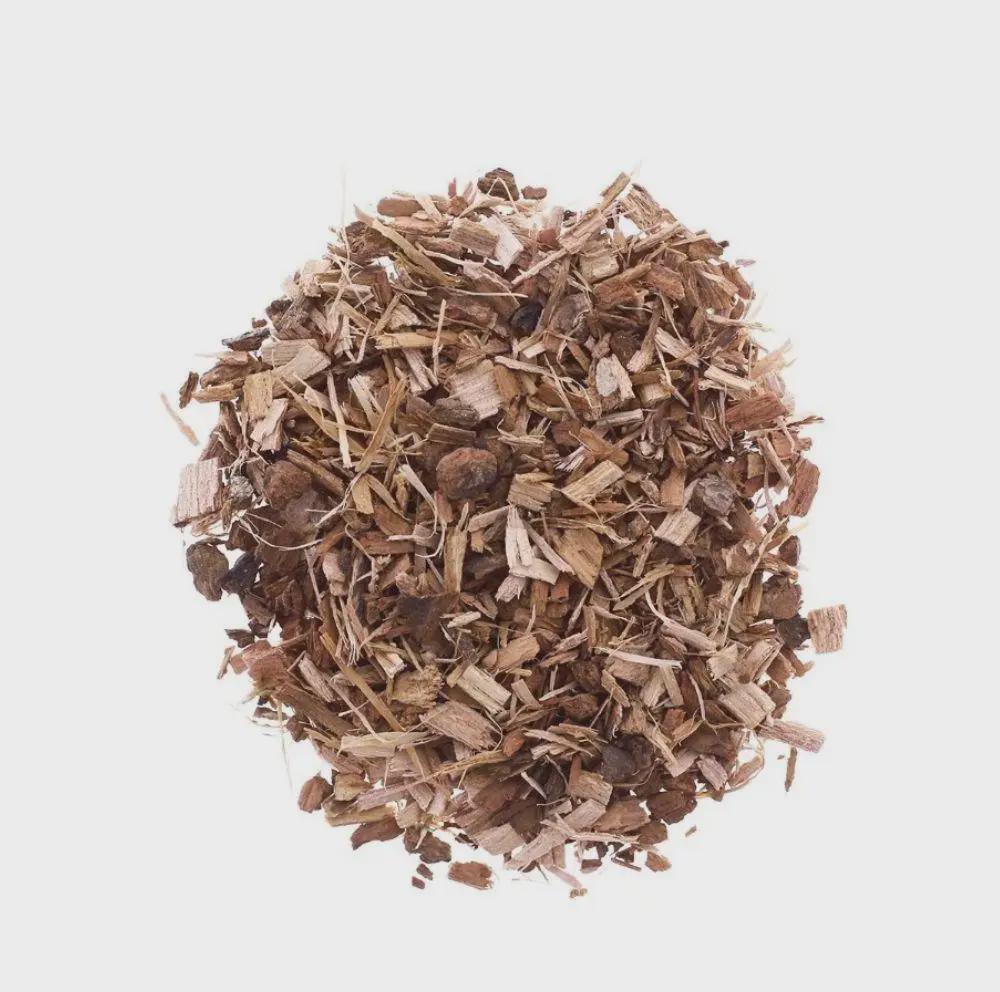
1. Dried Herb (Bark Pieces or Powder)
This is the most traditional form, used to prepare decoctions:
- Decoctions for Internal Use: Ideal for diarrhea. Typically, 1-2 teaspoons (2-5g) of dried, crushed bark are simmered in 250ml (1 cup) of water for 10-15 minutes, then strained. This can be consumed 2-3 times a day for short periods.
- Decoctions for External Use: For washes, compresses, gargles, or sitz baths, a stronger decoction is often preferred. Up to 10-20g of bark per liter of water can be simmered for 20-30 minutes. Let it cool before applying.
2. Tinctures
Alcoholic extracts that offer a concentrated form for convenient dosing. Tinctures can be taken orally (diluted in water) or applied topically, following product-specific dosage instructions. They are often used for their systemic effects or when precise dosing is required.
3. Ointments and Creams
For localized skin conditions like eczema, minor wounds, or hemorrhoids, oak bark is incorporated into ointments or creams, providing direct therapeutic contact and sustained action.
4. Mouthwashes and Gargles
Specifically formulated or home-prepared decoctions are used for oral hygiene, gingivitis, and sore throats. These are not swallowed but rinsed in the mouth and then spat out.
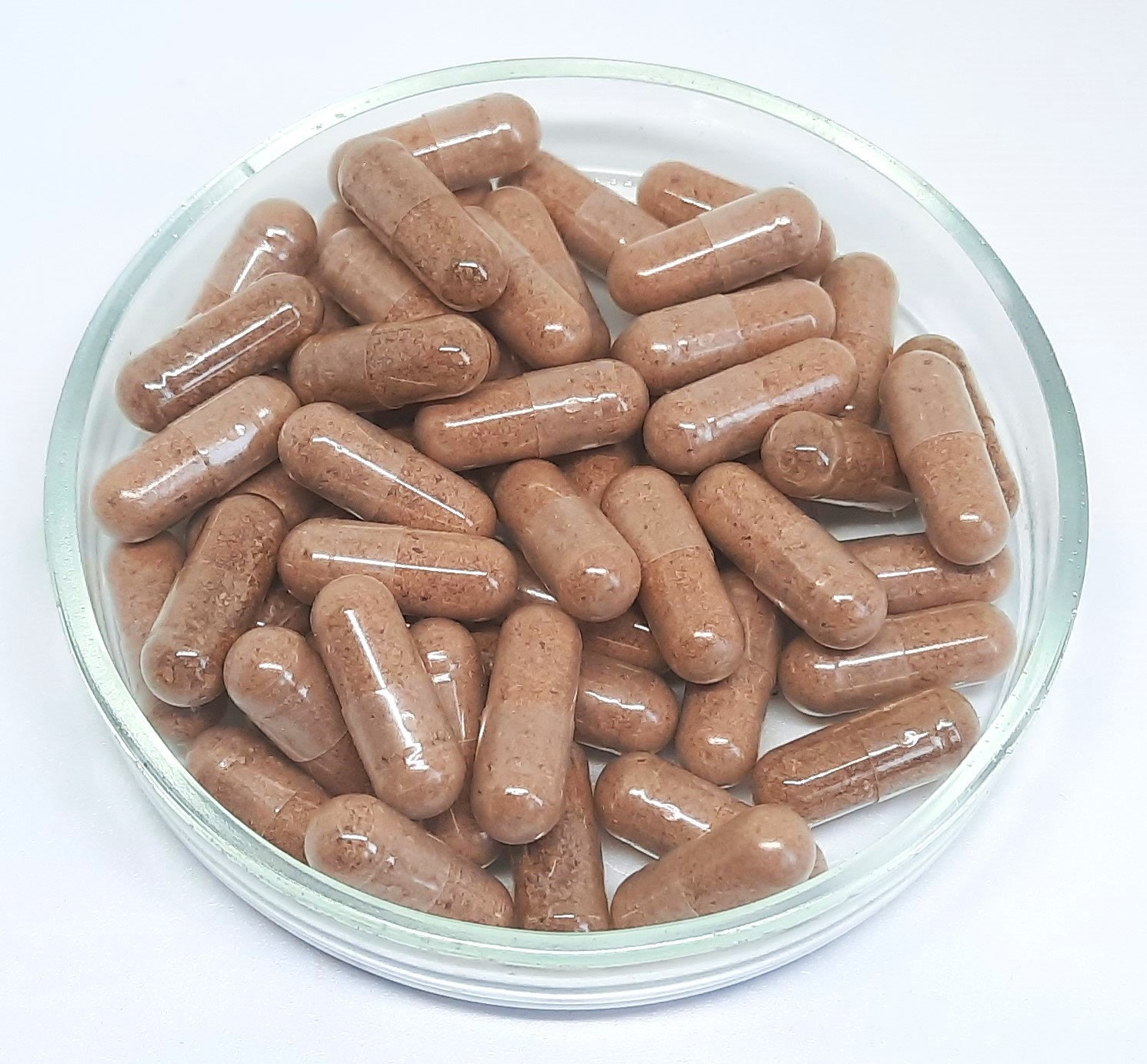
5. Supplements (Capsules or Tablets)
Standardized oak bark extracts are available in capsule or tablet form, offering a convenient way to consume precise doses for internal benefits, primarily for digestive health. Always adhere to the manufacturer’s recommended dosage.
Dosage, Preparation, and Safety Considerations
While oak bark is a powerful natural remedy, responsible and informed usage is paramount. Consulting with a healthcare professional or a qualified herbalist before starting any new herbal regimen is always recommended, especially if you have underlying health conditions or are taking other medications.
General Dosage Guidelines:
- Internal Decoction (for diarrhea): Steep 1-2 grams of dried bark in 150-250 ml of boiling water for 10-15 minutes, then strain. Drink 2-3 times daily for no more than 3-4 days.
- External Decoction (for washes, compresses, gargles): Use 5-10 grams of dried bark per 250 ml of water, simmer for 15-20 minutes, then strain and let cool. Apply as needed.
- Sitz Baths: Use 50-100 grams of bark per 1-2 liters of water, simmer for 20-30 minutes, then add the strained decoction to bathwater. Soak for 15-20 minutes.
- Commercial Products: Follow the dosage instructions provided on the product label for tinctures, capsules, or topical preparations.
Potential Side Effects:
- Constipation: Due to its strong astringent properties, prolonged internal use of oak bark can lead to constipation. It is not recommended for long-term daily use internally.
- Stomach Upset: In sensitive individuals, high doses of internal oak bark may cause mild stomach irritation, nausea, or vomiting.
- Skin Irritation: While rare, some individuals may experience skin irritation or allergic reactions when applying oak bark topically. It’s advisable to perform a patch test first.
Contraindications and Precautions:
- Pregnancy and Breastfeeding: There is insufficient scientific data regarding the safety of oak bark during pregnancy and lactation. Therefore, its use should be avoided in these periods.
- Severe Heart or Kidney Conditions: Individuals with severe heart failure or kidney insufficiency should avoid large-area external application (e.g., full-body baths) due to the theoretical risk of fluid retention or electrolyte imbalance, although this is less of a concern for localized applications or typical oral doses.
- Gastrointestinal Obstruction: Do not use internally if you have a bowel obstruction.
- Drug Interactions: Tannins can bind to certain medications, potentially reducing their absorption. If taking prescription drugs, particularly iron supplements, antibiotics, or other oral medications, separate the intake of oak bark by at least 2-3 hours.
- Duration of Use: For internal consumption, particularly for diarrhea, limit use to a maximum of 3-4 days. If symptoms persist, seek medical advice. External applications can generally be used for longer periods, but discontinue if irritation occurs.
Conclusion: Embracing the Enduring Legacy of Oak Bark
From the ancient forests revered by our ancestors to the modern herbal apothecary, oak bark stands as a powerful testament to the healing wisdom of nature. Its rich concentration of tannins, flavonoids, and other bioactive compounds provides a scientific explanation for its time-honored efficacy in addressing a range of health concerns, particularly related to digestive health, skin conditions, and oral hygiene. As a potent astringent, anti-inflammatory, and antimicrobial agent, oak bark offers a compelling natural alternative or complementary therapy. However, like all potent remedies, responsible usage, adherence to recommended dosages, and awareness of potential interactions and contraindications are paramount. By respecting its power and understanding its mechanisms, we can continue to harness the enduring legacy of oak bark, integrating this magnificent tree’s profound benefits into our journey towards holistic well-being.
Disclaimer: For informational purposes only. Not medical advice. Consult a qualified healthcare professional before use.