The Definitive Guide to St. John’s Wort: History, Science, and Clinical Benefits
St. John’s Wort (Hypericum perforatum) stands as one of the most thoroughly researched and widely utilized botanical therapies in the world. For centuries, this perennial, yellow-flowering herb has been integrated into traditional European, Asian, and North American healing systems. In the modern era, it has transitioned from a folkloric remedy into a major focus of psychopharmacological research, particularly for its clinically validated efficacy in managing mild-to-moderate depressive disorders. This comprehensive guide explores the botanical properties, historical foundations, intricate chemical profiles, physiological mechanisms, clinical benefits, and critical safety parameters of this powerful medicinal plant.
Historical Context and Traditional Applications
The therapeutic legacy of St. John’s Wort stretches back to antiquity. The genus name, Hypericum, is derived from the Greek words “hyper” (above) and “eikon” (picture or icon), referencing the ancient practice of hanging the plant above religious icons and doorways to ward off evil spirits, demons, and negative influences. The species name, perforatum, points directly to the physical appearance of the plant’s leaves, which appear to have tiny, translucent perforations when held up to the light. These “perforations” are actually microscopic, translucent glandular pockets containing the herb’s highly concentrated essential oils and bioactive compounds.
Historically, prominent physicians of ancient Greece and Rome—including Hippocrates, Galen, and Dioscorides—praised Hypericum perforatum as a premier wound-healing agent, diuretic, and treatment for “melancholia.” During the Middle Ages, the plant acquired its common English name, St. John’s Wort, because it typically blooms around late June, coinciding with the Feast of St. John the Baptist (June 24th). “Wort” is an Old English word meaning plant or herb. Traditional European herbalists harvested the yellow flowers at midsummer, soaking them in olive oil or lard to create a deep red infused oil. This topical preparation was widely used to treat burns, superficial wounds, neuralgic pain, bruises, and muscular strains.

In traditional folk medicine, St. John’s Wort was also administered internally as a tea or tincture to treat broad-spectrum gastrointestinal distress, urinary tract issues, and chronic respiratory ailments. However, its most profound traditional application was as a nervine—a restorative tonic for a depleted, over-stressed nervous system. It was frequently recommended for individuals experiencing nervous exhaustion, chronic anxiety, sleep disturbances, and deep emotional distress, laying the foundation for modern research into its antidepressant properties.
Botanical Characteristics and Identification
Hypericum perforatum is a herbaceous, upright perennial plant native to Europe, western Asia, and North Africa, though it has naturalized throughout North and South America, Australia, and South Africa. It thrives in sunny, well-drained pastures, roadsides, and meadows. The plant typically grows to a height of one to three feet, featuring a woody, branched root system and a pair of opposite, oblong, stalkless leaves. The stems are distinctive, showing two prominent raised ridges running along their length.

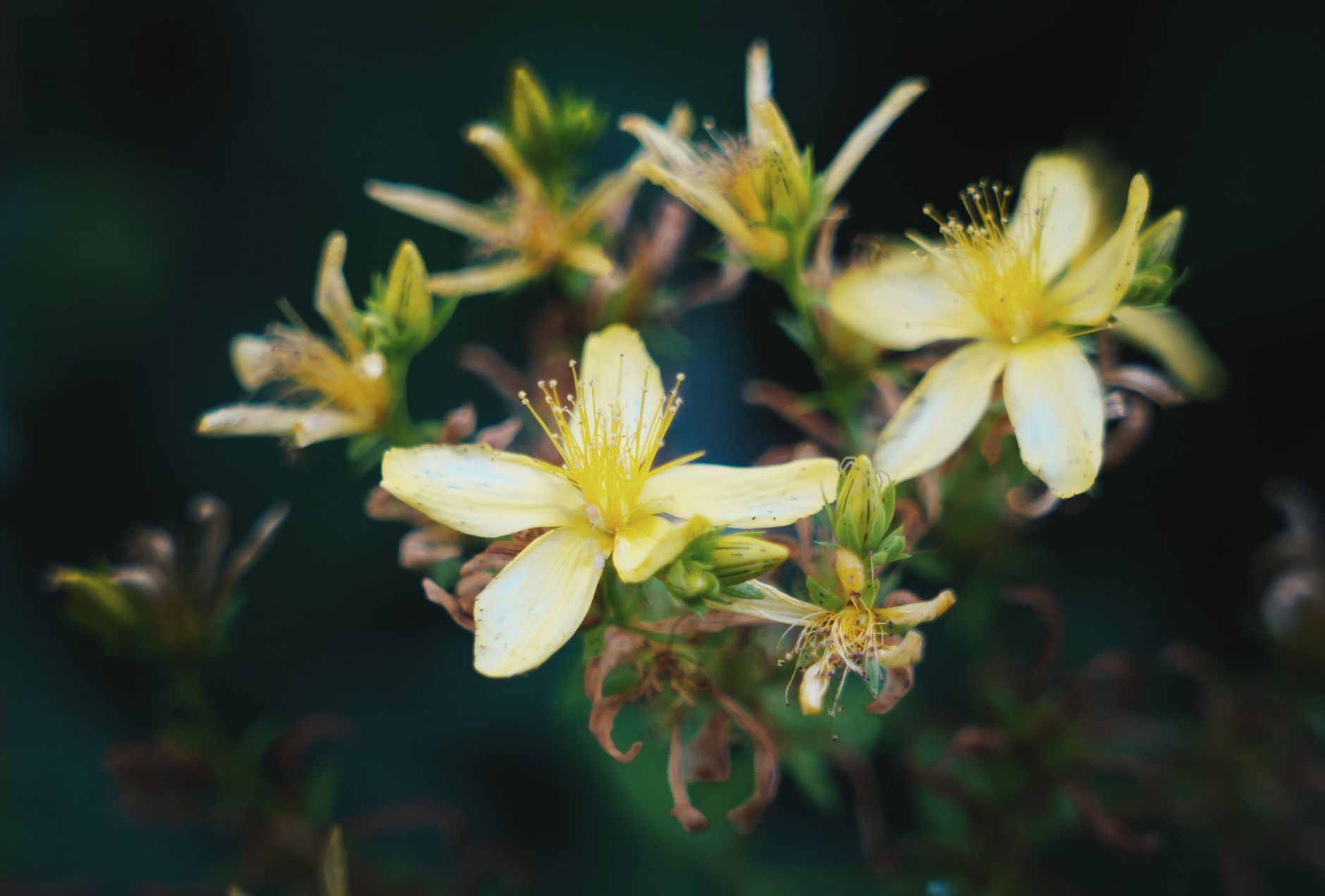
The flowers of St. John’s Wort are bright yellow, five-petaled, and measure about one inch across. They feature numerous conspicuous, long stamens that project outward, giving the blossoms a fuzzy, starburst-like appearance. A key diagnostic feature of Hypericum perforatum is the presence of tiny black dots along the margins of the yellow petals. When these petals are crushed between the fingers, they release a deep, dark-red juice that stains the skin. This red fluid is rich in hypericin, one of the primary therapeutic markers of the plant. Understanding these precise morphological features is essential for wild harvesting and distinguishing the medicinal species from non-medicinal look-alikes.
The Phytochemical Blueprint: Bioactive Compounds
The therapeutic activity of St. John’s Wort cannot be attributed to a single “active ingredient.” Instead, its clinical efficacy is the result of a complex, synergistic matrix of secondary plant metabolites. The pharmacological profile of the plant is primarily driven by three distinct chemical classes: naphthodiandrones, phloroglucinols, and flavonoids.

The most famous of these compounds are the naphthodiandrones, primarily hypericin and pseudohypericin. These are dark-red pigments located in the black glands of the flowers and leaves. For decades, hypericin was believed to be the sole antidepressant compound in the plant, and to this day, most commercial extracts are standardized to contain a specific concentration of it (typically 0.3%). Hypericin is a potent photosensitizer, meaning it can absorb light and generate reactive oxygen species. This property is utilized in photodynamic therapies and contributes to both its antiviral potential and its side effect profile regarding UV sensitivity.
The second major class consists of acylphloroglucinol derivatives, dominant among which is hyperforin, along with its analog, adhyperforin. Discovered to be highly unstable when exposed to heat, light, and oxygen, hyperforin is a powerful lipophilic molecule concentrated primarily in the unripe seed pods and pistils of the plant. Modern clinical pharmacology has revealed that hyperforin is one of the primary drivers of the herb’s central nervous system effects, acting as a broad-spectrum neurotransmitter reuptake inhibitor. Additionally, hyperforin exhibits strong antibacterial properties, particularly against Gram-positive bacteria like Staphylococcus aureus.
The third vital class comprises a diverse array of flavonoids, including quercetin, isoquercitrin, rutin, hyperoside, and biapigenin. These compounds are highly regarded for their potent antioxidant and anti-inflammatory activities. Flavonoids contribute to the overall efficacy of the plant by improving the bioavailability of other active compounds, protecting neural cells from oxidative stress, and exerting mild monoamine oxidase (MAO) inhibiting activity in vitro. The synergy between these various chemical constituents explains why whole-plant or broad-spectrum extracts often outperform isolated compounds in clinical environments.
Mechanisms of Action in the Central Nervous System
Modern psychopharmacology has extensively studied how St. John’s Wort interacts with the human brain. Unlike conventional pharmaceutical antidepressants, which typically target a single neurotransmitter pathway (such as Selective Serotonin Reuptake Inhibitors, or SSRIs), St. John’s Wort exerts a multi-faceted, balanced regulatory effect on several key neurotransmitter systems simultaneously.
The primary mechanism, largely driven by hyperforin, is the non-selective inhibition of the reuptake of key monoamine neurotransmitters: serotonin (5-HT), dopamine (DA), norepinephrine (NE), gamma-aminobutyric acid (GABA), and L-glutamate. In a healthy brain, these neurotransmitters are released into the synaptic cleft to transmit signals between neurons, and are subsequently reabsorbed by the releasing neuron to terminate the signal. By inhibiting this reuptake process, St. John’s Wort allows these crucial neurotransmitters to remain in the synaptic cleft longer, thereby increasing their concentration, activity, and availability. This comprehensive reuptake inhibition is unique; pharmaceutical SSRIs primarily affect serotonin, while SNRIs target serotonin and norepinephrine.
Furthermore, research indicates that hyperforin achieves this broad reuptake inhibition by altering intracellular sodium concentrations. Rather than binding directly to specific transporter proteins as pharmaceutical drugs do, hyperforin facilitates an influx of sodium ions into the presynaptic neuron. This subtle shift in the electrical potential of the cell membrane downregulates the sodium-dependent transporters responsible for clearing neurotransmitters from the synaptic space. This elegant, indirect mechanism of action reduces the likelihood of receptor desensitization and contributes to a more balanced physiological response.
Beyond reuptake inhibition, long-term administration of St. John’s Wort has been shown to cause a gradual downregulation of beta-adrenergic receptors and an upregulation of 5-HT2 serotonin receptors in the frontal cortex. It also plays a role in modulating the Hypothalamic-Pituitary-Adrenal (HPA) axis, which regulates the body’s response to chronic stress. Elevated cortisol levels, a hallmark of chronic stress and depressive disorders, can damage sensitive brain structures like the hippocampus. St. John’s Wort helps downregulate the hyperactive HPA axis, reducing cortisol secretion and protecting neural tissues from stress-induced degradation.
Key Health Benefits of St. John’s Wort
1. Management of Mild-to-Moderate Depression
The most extensively documented and validated benefit of St. John’s Wort is its ability to alleviate symptoms of mild-to-moderate depression. Numerous large-scale clinical trials, systematic reviews, and meta-analyses—most notably those conducted by the prestigious Cochrane Collaboration—have analyzed the efficacy of standardized St. John’s Wort extracts. The consensus among these scientific reviews is clear: high-quality extracts of Hypericum perforatum are significantly more effective than placebos, and are therapeutically equivalent to standard prescription antidepressants (such as tricyclic antidepressants and SSRIs) for mild-to-moderate depression.
Crucially, clinical trials have repeatedly demonstrated that patients taking St. John’s Wort report significantly fewer and milder side effects compared to those taking synthetic pharmaceutical options. Common side effects of prescription SSRIs, such as severe sexual dysfunction, rapid weight gain, gastrointestinal upset, and emotional blunting, are remarkably rare in patients using St. John’s Wort. This favorable tolerability profile makes it an attractive alternative for individuals seeking effective mood support without the debilitating side effects of traditional medications.
2. Relief from Anxiety and Somatoform Disorders
Anxiety and depression frequently coexist, forming a complex clinical picture. St. John’s Wort’s broad-spectrum impact on neurotransmitters like GABA—the primary inhibitory neurotransmitter responsible for calming neural activity—makes it highly effective for managing generalized anxiety and stress-related disorders. By supporting GABAergic pathway activity, the herb helps quiet an overactive nervous system, reducing symptoms of physical tension, irritability, and racing thoughts. Additionally, clinical research indicates that St. John’s Wort is beneficial in treating somatoform disorders, wherein psychological distress manifests as chronic physical symptoms, such as unexplained pain, chronic fatigue, or digestive issues.
3. Alleviation of Premenstrual Syndrome (PMS) and Menopausal Symptoms
Fluctuating hormone levels during the menstrual cycle and the menopausal transition can profoundly affect neurotransmitter levels, leading to severe mood swings, anxiety, depression, sleep disturbances, and physical discomfort. St. John’s Wort has shown significant promise in clinical studies for reducing both the psychological and physical symptoms of Premenstrual Syndrome (PMS) and Premenstrual Dysphoric Disorder (PMDD). Furthermore, when combined with other hormone-modulating herbs like Black Cohosh (Actaea racemosa), St. John’s Wort has been shown to dramatically reduce the frequency and severity of hot flashes, night sweats, and emotional instability in menopausal and perimenopausal women.
4. Wound Healing and Topical Skin Care
While its internal psychotropic effects receive the most attention today, the topical benefits of St. John’s Wort remain highly valued in traditional dermatological care. Infused oils of the herb, often called “Red Oil,” are rich in hyperforin, hypericin, and a variety of skin-supportive flavonoids. Hyperforin possesses powerful antibacterial properties, making it highly effective against wound-contaminating pathogens. Simultaneously, the herb’s anti-inflammatory and tissue-regenerative compounds stimulate collagen synthesis and promote rapid epithelialization. This makes topical preparations of St. John’s Wort exceptionally useful for treating minor burns, sunburns, surgical scars, insect bites, neuralgic pain (such as sciatica and shingles), and localized inflammatory skin conditions like eczema and psoriasis.
Modern Delivery Systems: Capsules, Tinctures, and Standardized Extracts
To achieve therapeutic results, utilizing the correct delivery system is essential. St. John’s Wort is commercially available in a variety of forms, including standardized dry extracts in capsules, liquid tinctures, teas, and oil-based topical infusions. Each delivery method offers distinct advantages depending on the user’s specific health goals.
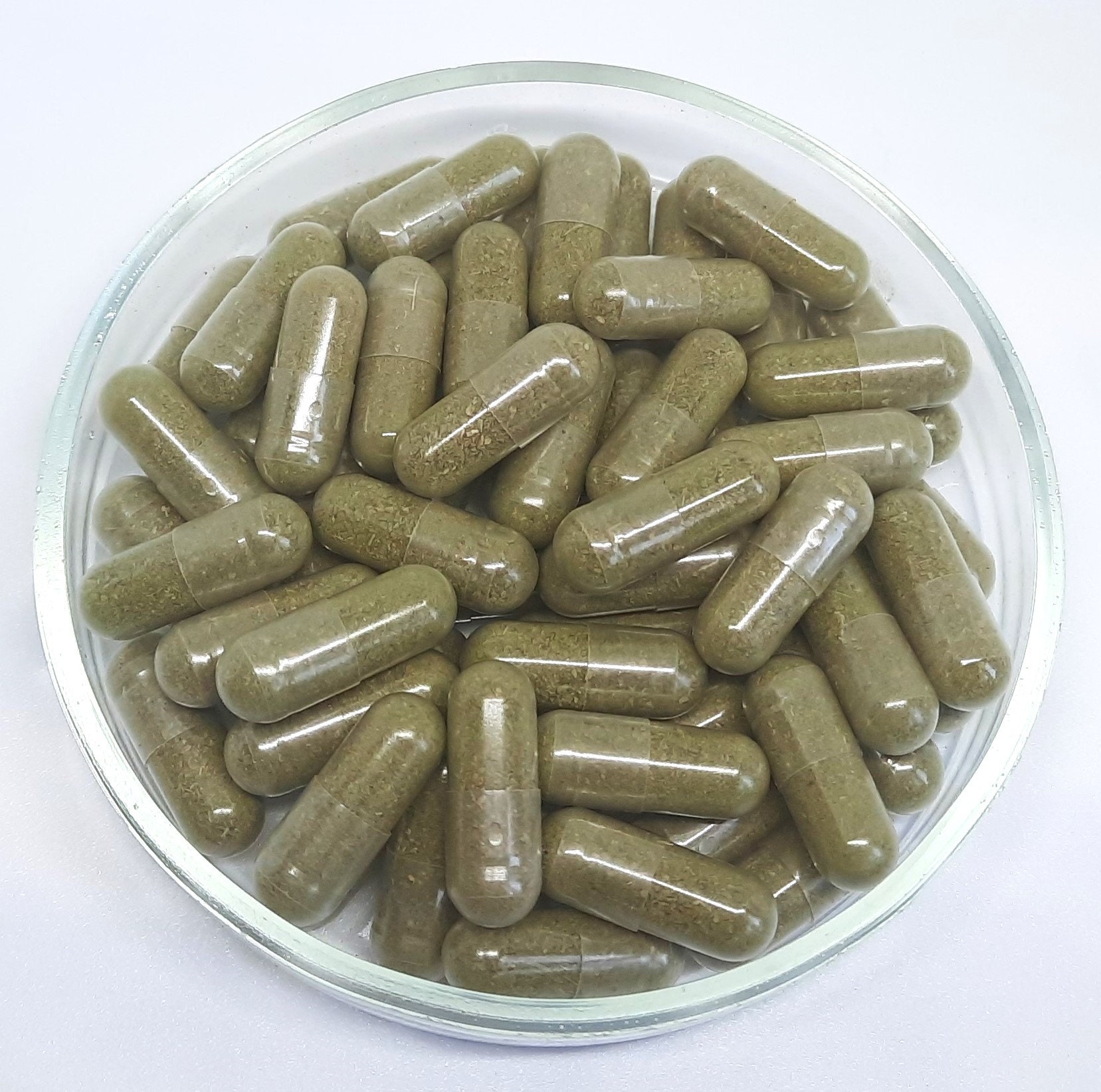
For systemic mood support, standardized dry extract capsules are widely considered the gold standard. Most clinical trials have been conducted using specific standardized extracts, such as the WS 5570 or ZE 117 formulas. Standardization ensures that each dose contains a reliable, uniform concentration of active compounds, typically 0.3% hypericin and/or 3% to 5% hyperforin. This level of precision is critical for managing chronic conditions like mild-to-moderate depression, where consistent blood levels of the herb’s active metabolites are necessary to maintain therapeutic benefits over time.
Liquid alcohol extracts (tinctures) provide a highly bioavailable alternative for those who prefer not to swallow capsules. Tinctures are rapidly absorbed through the mucous membranes of the mouth and stomach, making them particularly useful for acute situations, such as sudden waves of mild anxiety or digestive tension. Traditional herbal teas made from the dried leaves and flowers of the plant are less concentrated and highly variable in their active constituent profile. However, they remain a gentle, comforting option for mild stress relief, digestive support, and general nervous system maintenance.
Crucial Safety Profile, Side Effects, and Drug Interactions
Despite its natural origins and exceptional safety profile when used in isolation, St. John’s Wort is one of the most pharmacologically interactive herbs known to modern medicine. Understanding these interactions is vital for anyone considering integrating this herb into their wellness regimen.
The Cytochrome P450 Pathway and P-glycoprotein
The primary safety concern with St. John’s Wort involves its profound effect on liver metabolism. Hyperforin is a potent inducer of the Pregnane X Receptor (PXR), which in turn upregulates the production of the Cytochrome P450 3A4 (CYP3A4) enzyme system in the liver and intestines. This specific enzyme pathway is responsible for metabolizing approximately 50% of all modern pharmaceutical medications. Additionally, St. John’s Wort induces the activity of P-glycoprotein (P-gp), an active drug transporter pump located in cell membranes that helps flush foreign compounds out of cells.
By dramatically speeding up the activity of these metabolic pathways, St. John’s Wort causes the body to process and clear many medications much faster than normal. This rapid elimination significantly lowers the concentration of these drugs in the bloodstream, rendering them partially or completely ineffective. Critical medications affected by this interaction include:
- Oral Contraceptives: Concurrent use can drastically reduce hormone levels, leading to breakthrough bleeding and unplanned pregnancies.
- Anticoagulants (e.g., Warfarin): Accelerated clearance can thin the blood less effectively, increasing the risk of life-threatening blood clots or strokes.
- Immunosuppressants (e.g., Cyclosporine): Reduced levels can lead to organ transplant rejection.
- HIV Medications (e.g., Protease Inhibitors): Can result in treatment failure and the development of drug-resistant viral strains.
- Chemotherapy Drugs: Can severely compromise the efficacy of cancer treatments.
Serotonin Syndrome Risk
Because St. John’s Wort inhibits the reuptake of serotonin, it must never be combined with prescription antidepressants that affect the same pathway, such as SSRIs (e.g., fluoxetine, sertraline), SNRIs (e.g., venlafaxine), or Monoamine Oxidase Inhibitors (MAOIs). Combining these substances can result in an excessive, toxic accumulation of serotonin in the brain, a dangerous and potentially fatal medical condition known as Serotonin Syndrome. Symptoms of Serotonin Syndrome include extreme agitation, confusion, rapid heart rate, high blood pressure, dilated pupils, muscle rigidity, heavy sweating, and tremors.
Phototoxicity and Other Side Effects
When taken in exceptionally high doses, the hypericin in St. John’s Wort can cause phototoxicity (photosensitivity), making the skin and eyes highly sensitive to ultraviolet (UV) light. Individuals with fair skin should take extra precautions, such as wearing sunscreen, protective clothing, and sunglasses, when spending extended periods in direct sunlight. Other mild, infrequent side effects may include mild gastrointestinal discomfort, dry mouth, headache, fatigue, and occasional vivid dreams.
Dosage, Selection Guidelines, and Best Practices
When selecting a St. John’s Wort supplement, quality and standardization are paramount. To replicate the positive results observed in clinical trials, seek out products from reputable manufacturers that explicitly state their standardization profiles. Look for labels indicating a standardization to 0.3% hypericin and/or 3% to 5% hyperforin.
For mild-to-moderate depression and anxiety in adults, the standard, clinically validated therapeutic dosage is 300 mg of standardized dry extract taken three times daily (for a total of 900 mg per day) with meals. Some clinical trials have also demonstrated success with a single daily dose of 900 mg or a twice-daily dose of 450 mg, depending on individual tolerance and preference. It is important to note that, like pharmaceutical antidepressants, the mood-supportive benefits of St. John’s Wort are cumulative. It typically requires two to four weeks of consistent, daily use to notice a significant improvement in symptoms.
If you are planning to discontinue the use of St. John’s Wort after long-term therapeutic application, it is highly recommended to gradually taper the dose over a period of one to two weeks rather than stopping abruptly. This gentle reduction helps prevent rebound symptoms and allows the central nervous system to adapt smoothly.
Conclusion
St. John’s Wort represents a true bridge between the rich heritage of traditional herbalism and the rigorous, evidence-based demands of modern medicine. Its profound therapeutic value for mild-to-moderate depression, anxiety, PMS, and wound healing is supported by an extensive body of scientific research and clinical experience. By understanding its intricate biochemical mechanisms, choosing standardized delivery systems, and respecting its powerful drug interaction profile, individuals can safely harness the therapeutic potential of this remarkable plant. As always, consulting with a qualified healthcare professional is an essential step before introducing St. John’s Wort into any existing healthcare or medication regimen.
Disclaimer: For informational purposes only. Not medical advice. Consult a qualified healthcare professional before use.