
The Ultimate Guide to Coltsfoot (Tussilago farfara): Health Benefits, Phytochemistry, History, and Safety Protocols
For thousands of years, herbalists and traditional healers have looked to the natural world to find remedies for respiratory ailments. Among the most historically revered yet modernly debated botanicals is Coltsfoot (Tussilago farfara). Known for its distinctive hoof-shaped leaves and bright yellow, dandelion-like flowers that emerge in early spring, Coltsfoot has earned an indelible place in both Western herbalism and Traditional Chinese Medicine (TCM). Its botanical name, Tussilago, directly translates from Latin as “cough dispeller,” highlighting the herb’s primary historical application.
This comprehensive, scientifically backed guide explores the rich botanical profile of Coltsfoot, its intricate phytochemical makeup, historical and modern applications, and the vital safety standards required to utilize this powerful plant responsibly in the modern era.
1. Botanical Profile and Ecological Characteristics
Coltsfoot is a perennial herbaceous plant belonging to the Asteraceae (daisy) family. Native to the damp, clay-rich soils of Europe, North Asia, and parts of North Africa, it has also become naturalized in North America. The plant exhibits a unique growth cycle that often mystified early botanists: its yellow flowers bloom in early spring, long before any leaves appear. This unusual sequence led to its ancient English folk name, Filius ante patrem, which translates to “the son before the father.”
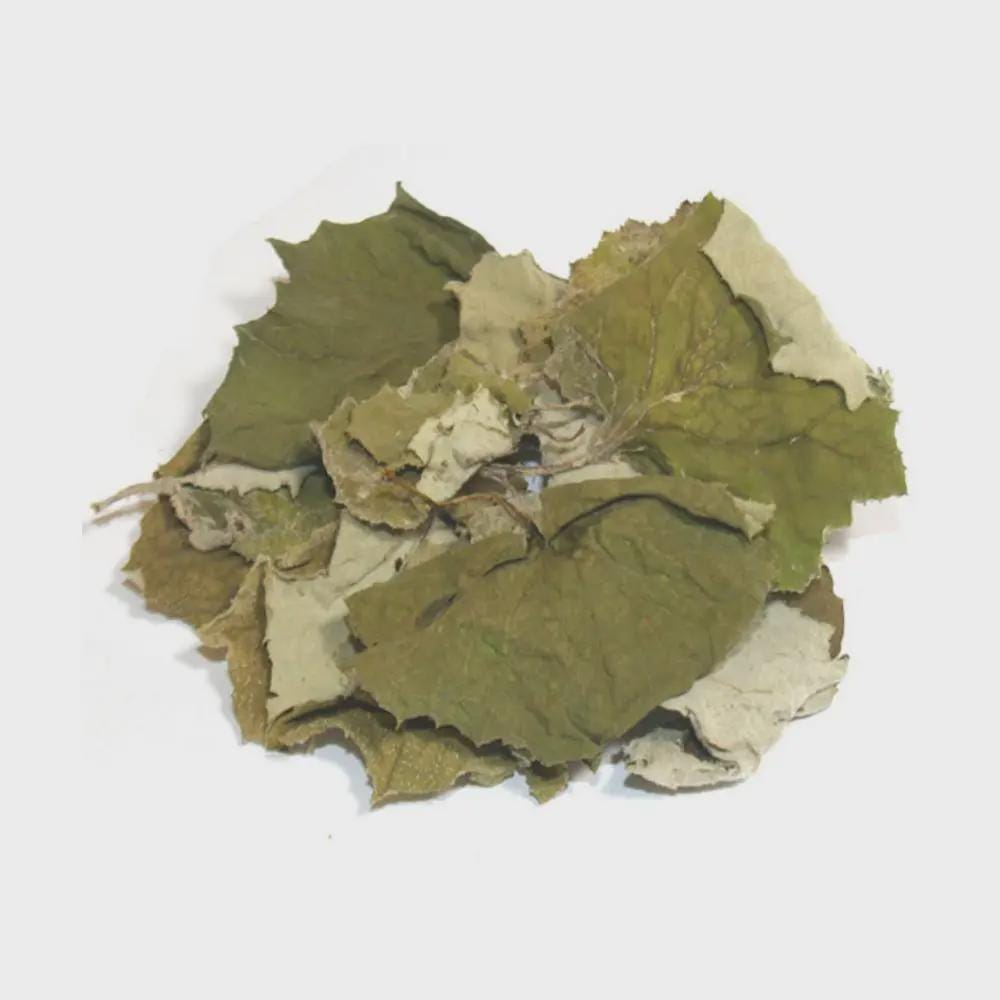
The flowers resemble dandelions but are characterized by scaled, reddish-green stems. Once the flowers fade and turn to seed, the plant’s characteristic leaves begin to emerge from the creeping rhizomes. These leaves are thick, cordate (heart-shaped), and slightly lobed, possessing a distinct resemblance to the hoof of a colt. The upper surface of the leaf is smooth and bright green, while the underside is covered in dense, white, felt-like hairs that give it a silver appearance when rustled by the wind. These leaves and the unopened flower buds are the primary parts utilized in herbal medicine.

In its natural habitat, Coltsfoot thrives in disturbed soils, waste ground, road verges, and along riverbanks. It is an opportunistic pioneer species, meaning it excels at colonizing bare soil and helping to stabilize eroding landscapes with its extensive, spreading rhizomatous root system. This robust physical nature translates directly into its hardy chemical composition, enabling the plant to synthesize a wide array of secondary metabolites designed to protect it from environmental stressors and pathogens.
2. Phytochemical Composition: The Active Compounds
The therapeutic efficacy of Coltsfoot is not the result of a single compound, but rather a complex synergy of multiple bioactive constituents. Understanding these chemical pathways is essential for appreciating how the plant interacts with human physiology.
Mucilages and Polysaccharides
Coltsfoot leaves contain a high concentration of water-soluble polysaccharides, commonly referred to as mucilage (up to 10% of the plant’s dry weight). When these polysaccharides come into contact with water, they swell to form a viscous, gelatinous substance. This mucilage is highly resistant to digestion, allowing it to coat the mucosal linings of the mouth, pharynx, and gastrointestinal tract. By forming a physical, protective barrier, it soothes inflamed nerve endings, dampens the cough reflex, and shields tissues from mechanical and chemical irritants.
Flavonoids and Phenolic Acids
The plant is rich in antioxidant flavonoids, including rutin, hyperoside, isoquercitrin, and various derivatives of caffeic acid (such as chlorogenic acid). These compounds act as potent free-radical scavengers, reducing oxidative stress and systemic inflammation within pulmonary tissues. Phenolic acids also exhibit mild antimicrobial properties, supporting the immune system during active respiratory infections.
Sesquiterpenes (Tussilagone)
Perhaps the most pharmacologically significant compound isolated from the flower buds of Tussilago farfara is tussilagone, a sesquiterpene ester. Research indicates that tussilagone acts as a potent respiratory stimulant and anti-inflammatory agent. It has been shown to inhibit the production of inflammatory mediators, such as nitric oxide (NO) and prostaglandin E2 (PGE2), thereby reducing airway hyperresponsiveness and easing bronchospasms.

Pyrrolizidine Alkaloids (PAs)
A crucial aspect of Coltsfoot’s chemistry is the presence of pyrrolizidine alkaloids, specifically senecionine and senkirkine. These compounds are synthesized by the plant as a natural defense mechanism against herbivores. However, in humans, certain PAs are metabolized by the liver into highly reactive pyrroles that can cause hepatotoxicity and veno-occlusive disease (VOD). The presence of these alkaloids has led to strict modern regulatory guidelines and the development of specialized processing methods to eliminate or significantly reduce PA content in commercial preparations, which we will discuss in detail below.
3. Comprehensive Health Benefits and Therapeutic Actions
The historical reputation of Coltsfoot as a premier respiratory remedy is supported by contemporary pharmacology, which continues to investigate its specific mechanisms of action.
1. Demulcent and Antitussive Action
The high mucilage content of Coltsfoot makes it an exceptional demulcent—an agent that forms a soothing, protective film over irritated mucous membranes. In cases of dry, hacking, non-productive coughs, the mucosal lining of the throat is often raw and hypersensitive. Every breath of dry air can trigger an involuntary spasm. The mucilaginous compounds in Coltsfoot coat these irritated receptor sites, drastically reducing the physical tickle that induces coughing, while simultaneously providing deep, hydrating relief to the sensitive tissues of the larynx and trachea.
2. Expectorant and Mucolytic Properties
While Coltsfoot calms unproductive coughing, it also possesses secretolytic and expectorant actions that make it highly effective for wet, congested coughs. Active constituents, including saponins, stimulate the vagal receptors in the stomach lining. This reflexively triggers the bronchial glands to secrete a thinner, more watery fluid, effectively diluting stubborn, thick mucus trapped in the bronchial tubes. This thinning of the mucus makes it significantly easier for the ciliary escalator of the respiratory tract to sweep pathogens and waste material up and out of the lungs.
3. Bronchodilation and Spasmolytic Activity
For individuals suffering from respiratory conditions characterized by constriction—such as asthma, chronic bronchitis, or emphysema—breathing can become labored due to involuntary smooth muscle spasms in the airways. Pharmacological studies on tussilagone and other sesquiterpenes in Coltsfoot demonstrate their ability to act as natural calcium channel blockers and smooth muscle relaxants. By preventing the rapid influx of calcium ions into bronchial muscle cells, Coltsfoot helps prevent and relieve spasms, promoting easier, deeper respiration.
4. Topical Wound Healing and Anti-Inflammatory Use
Though primarily celebrated for internal respiratory support, Coltsfoot has a long history of topical application. The leaves contain astringent tannins alongside soothing mucilage, making a poultice or infusion of the leaf highly effective for localized skin irritations, minor burns, insect bites, and eczema. The tannins help to constrict blood vessels and reduce swelling, while the mucilage keeps the wound bed hydrated, facilitating faster cellular regeneration and preventing scarring.
4. Historical Context and Traditional Use
To fully appreciate Coltsfoot, one must look to its rich historical legacy across various cultures. In ancient Greece, the renowned physician Hippocrates recommended the herb as a hot steam inhalation for dry respiratory blockages. Dioscorides, the author of De Materia Medica, and Pliny the Elder both documented the practice of smoking the dried leaves of the plant through a reed or pipe to draw the soothing vapors directly into the lungs to relieve severe asthma and persistent coughs.
In traditional European herbalism, Coltsfoot was considered an indispensable remedy for the cold season. It was routinely combined with other respiratory herbs like Horehound, Marshmallow root, and Mullein to create nourishing syrups and decoctions. During the Industrial Revolution, when coal smoke and factory dust led to widespread chronic lung disease among workers, Coltsfoot teas and smoking mixtures were widely distributed as accessible relief for occupational lung congestion.
In Traditional Chinese Medicine, the unopened flower buds of Coltsfoot are known as Kuan Dong Hua. Classified as a warm herb that enters the Lung meridian, it is traditionally prepared by stir-frying the buds with honey (a preparation method known as Mi Zhi). This processing enhances the herb’s natural moistening properties, making it highly valued for resolving phlegm, directing descending Lung Qi, and treating chronic, deficient coughs accompanied by blood-streaked sputum.
5. Modern Formulations and the Pyrrolizidine Alkaloid (PA) Safety Debate
In modern phytotherapy, Coltsfoot is approached with a blend of respect for its historic efficacy and strict adherence to toxicological safety. The primary safety concern revolves around hepatotoxic pyrrolizidine alkaloids (PAs). When consumed in large quantities or over extended periods, these compounds can undergo metabolic activation in the liver, leading to damage to the sinusoidal endothelial cells and potentially resulting in hepatic veno-occlusive disease (VOD).
To address this, modern herbal medicine has evolved. Today, reputable manufacturers utilize specialized extraction processes to produce **PA-free Coltsfoot extracts**. These products undergo rigorous testing via high-performance liquid chromatography (HPLC) to ensure that the toxic alkaloids are completely absent or fall well below international safety thresholds (typically less than 1 microgram of PAs per day).

Additionally, agricultural scientists have successfully cultivated specific varieties of Coltsfoot, such as the registered cultivar ‘Wien’, which have been selectively bred to be naturally free of or extremely low in pyrrolizidine alkaloids. When purchasing Coltsfoot supplements, capsules, or loose dried herbs, consumers should look for certifications verifying that the product is PA-free to ensure a safe therapeutic experience.
6. Practical Usage, Preparations, and Dosage
When using safe, high-quality, PA-free Coltsfoot, several traditional and modern preparation methods can be utilized depending on the specific health objective:
- Standard Herbal Infusion (Tea): For mild respiratory congestion and throat irritation, a tea can be prepared by pouring 1 cup (240 ml) of boiling water over 1 to 2 teaspoons of dried PA-free Coltsfoot leaves. Cover and steep for 10 to 15 minutes to allow the mucilage to fully extract. Strain and drink up to three times daily. Adding a spoonful of raw honey can synergistically enhance the demulcent effect.
- Standardized Capsules and Tablets: For convenience and precise dosing, standardized capsules containing PA-free dry extracts are widely preferred. A typical therapeutic dosage ranges from 300 mg to 500 mg, taken one to two times daily, or as directed by a healthcare professional. Always follow the manufacturer’s instructions printed on the product label.
- Liquid Tinctures and Glycerites: Alcohol-based tinctures (typically a 1:5 ratio in 40% ethanol) or alcohol-free glycerites are excellent for rapid absorption. A standard dosage is 2 to 4 ml, taken in a small amount of water up to three times per day.
- Herbal Steam Inhalation: To clear congested nasal passages and bronchial tubes, place a handful of dried leaves in a large bowl of boiling water. Drape a towel over your head to form a tent, lean over the bowl, and inhale the steam deeply through your nose and mouth for 5 to 10 minutes. This method delivers the volatile oils and humidifying moisture directly to the respiratory mucosa without passing through the digestive tract or liver.

7. Contraindications and Critical Safety Guidelines
While Coltsfoot is a powerful ally for respiratory wellness, safety guidelines must be strictly observed to prevent adverse reactions:
- Pregnancy and Lactation: Coltsfoot must absolutely be avoided during pregnancy and breastfeeding. Even in PA-free forms, the historical risk of uterine stimulation and potential fetal exposure to trace compounds makes it unsafe.
- Pediatric Use: Due to their developing liver enzymes, children should not be given standard Coltsfoot preparations unless under the direct supervision of a qualified pediatric herbalist using highly verified PA-free formulations.
- Duration of Use: If using raw, non-certified loose herbs, traditional guidelines advise limiting use to a maximum of 4 to 6 weeks per calendar year to avoid any potential cumulative alkaloid exposure.
- Pre-existing Liver Disease: Individuals with a history of hepatitis, cirrhosis, fatty liver disease, or those taking hepatotoxic prescription medications should avoid Coltsfoot entirely.
8. Conclusion: Harmonizing Ancient Wisdom with Modern Science
Coltsfoot stands as a testament to the depth of traditional botanical medicine. Its dual action as a soothing demulcent and an active expectorant makes it uniquely suited for treating the complex, multifaceted nature of respiratory infections. By combining the historical insights of Greek, Roman, and Chinese scholars with modern pharmaceutical purification techniques, today’s health-conscious consumers can safely harness the remarkable healing benefits of this ancient “cough dispeller.” When sourced responsibly and used with proper safety protocols, Coltsfoot remains a premier botanical for restorative lung health.
Disclaimer: For informational purposes only. Not medical advice. Consult a qualified healthcare professional before use.