The Ultimate Guide to Lemon Balm Leaf (Melissa officinalis): Health Benefits, Science, History, and Usage
For thousands of years, herbalists, physicians, and natural healers have turned to a modest, lemon-scented member of the mint family to soothe frayed nerves, heal physical ailments, and restore balance to the mind and body. This remarkable plant is Melissa officinalis, more commonly known as Lemon Balm. Renowned for its aromatic complexity and therapeutic versatility, lemon balm leaf has transitioned seamlessly from ancient monasteries and classical pharmacies into modern, peer-reviewed clinical studies. Today, it stands as one of the most thoroughly researched and highly regarded botanicals for cognitive health, stress reduction, digestive harmony, and antiviral defense.
In this exhaustive guide, we will unpack the comprehensive profile of lemon balm leaf. We will explore its fascinating historical context, analyze its intricate botanical features, break down its complex chemical architecture, and detail its wide-ranging, clinically supported health benefits. Whether you are looking to optimize your sleep quality, mitigate chronic anxiety, support your gastrointestinal system, or understand the best ways to incorporate this botanical into your daily routine, this guide serves as your definitive resource.
Historical Context and Ethnobotanical Heritage
The history of lemon balm leaf is rich with lore and clinical observation. The generic name Melissa is derived from the Greek word for “honeybee,” a testament to the plant’s extraordinary capacity to attract bees with its abundant nectar and fragrant essential oils. Ancient Greek and Roman scholars were among the first to document its properties. Pliny the Elder wrote of its ability to staunch bleeding, while Dioscorides, the famed Greek physician and author of De Materia Medica, recommended applications of lemon balm for insect bites, skin eruptions, and emotional distress.
During the Middle Ages, lemon balm was cultivated extensively in monastic gardens throughout Europe. It became a primary ingredient in “Carmelite Water” (Eau de Carmes), an alcoholic beverage formulated by Carmelite nuns in the 14th century, which was utilized across Europe as a remedy for headaches, nervous tension, and digestive upset. The famous Swiss physician and alchemist Paracelsus declared lemon balm to be an “elixir of life,” believing it possessed the power to completely rejuvenate the human body and strengthen a weak spirit.
In traditional European herbalism, lemon balm leaf was classified as a “nervine”—an herb that specifically targets, nourishes, and calms the nervous system. It was also utilized as a carminative to dispel intestinal gas and alleviate abdominal cramping. Its reputation as an uplifter of mood was widely celebrated; seventeenth-century English herbalist John Gerard remarked that lemon balm “maketh the heart merry and joyful, and strengtheneth the vitals.” Modern science has now validated many of these historical claims, revealing the molecular mechanisms that explain why this gentle herb has such profound physiological effects.
Botanical Profile and Morphological Characteristics
Melissa officinalis is a perennial herb native to south-central Europe, the Mediterranean basin, North Africa, and Central Asia, though it has naturalized in temperate regions worldwide. As a member of the Lamiaceae (mint) family, it exhibits the characteristic square stems and opposite leaf arrangements typical of this botanical family. The plant typically grows to a height of one to three feet, producing ovate, wrinkled leaves with deeply serrated margins.
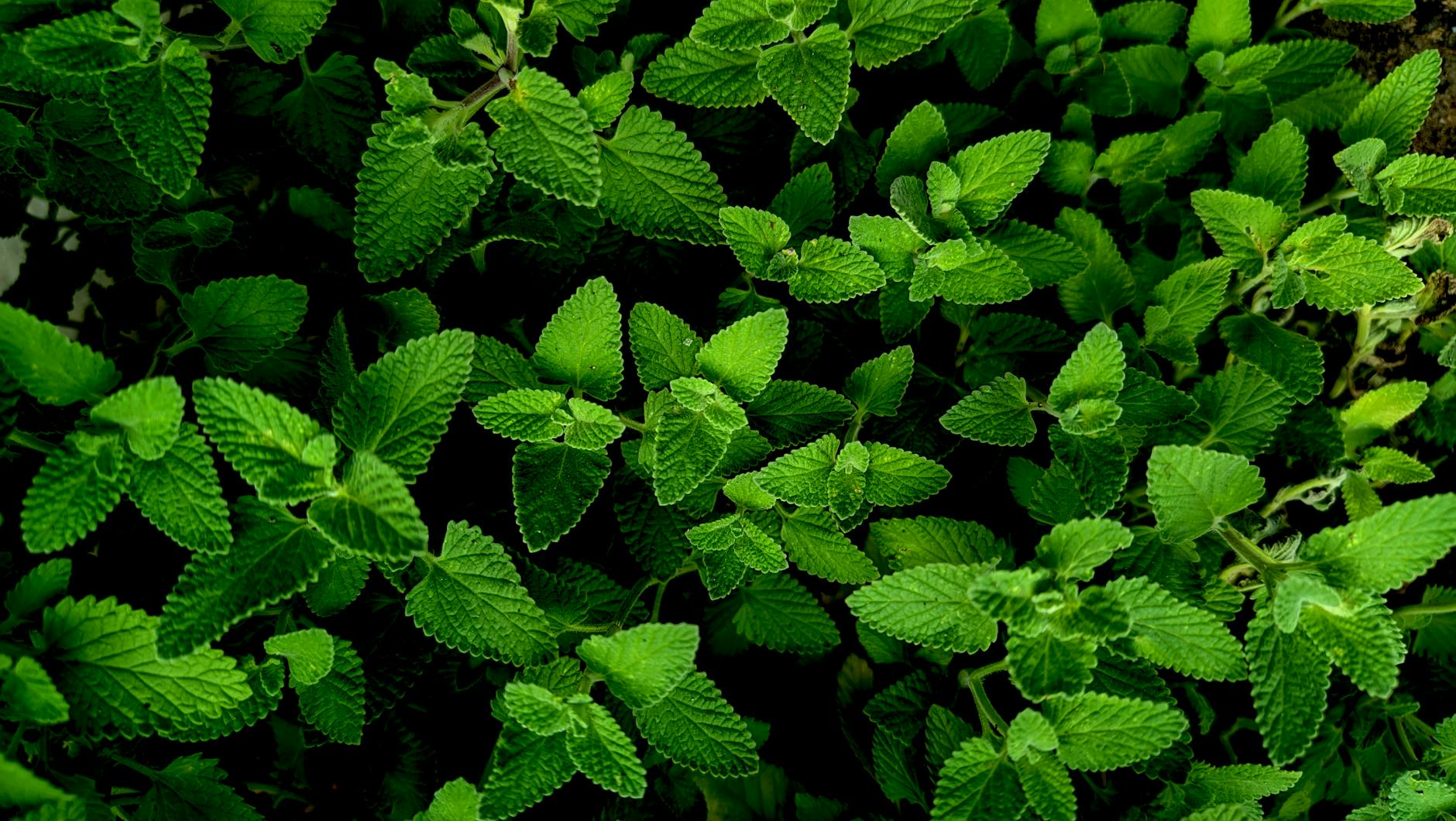
When crushed, the bright green leaves of lemon balm release an intense, citrusy aroma with sweet, herbaceous undertones. This unique scent profile is a result of the plant’s volatile essential oils, which are concentrated in microscopic glandular trichomes on the surface of the leaves. During the late summer months, lemon balm produces small, inconspicuous white or pale-yellow flowers in clusters at the leaf axils. The plant thrives in moist, well-drained soil and prefers partial shade to full sun. Its hardiness and ease of cultivation make it a favorite among home gardeners and commercial agriculturalists alike, ensuring a steady supply of high-quality leaf material for therapeutic preparations.
The Phytochemical Architecture of Melissa officinalis
The therapeutic efficacy of lemon balm leaf is not attributable to a single compound, but rather to a complex, synergistic matrix of bioactive secondary metabolites. Understanding the chemical composition of Melissa officinalis helps illuminate how the herb exerts its diverse pharmacological effects on the human body. The primary classes of active compounds found in lemon balm leaf include:
- Hydroxycinnamic Acids and Polyphenols: The most abundant and highly studied active compound in lemon balm is rosmarinic acid. This powerful polyphenol exhibits potent antioxidant, anti-inflammatory, and neuroprotective activities. Other related phenolic compounds include caffeic acid, protocatechuic acid, and chlorogenic acid.
- Volatile Essential Oils (Terpenoids): The essential oil fraction of lemon balm leaf, though relatively small (ranging from 0.02% to 0.3% of dry weight), is highly potent. It is primarily composed of monoterpenes and sesquiterpenes, including geranial and neral (which collectively form citral, responsible for the distinct lemon scent), citronellal, caryophyllene, linalool, and geraniol.
- Flavonoids: Lemon balm contains a variety of glycosylated flavonoids, such as luteolin, apigenin, quercitrin, and rhamnocitrin. These molecules contribute significantly to the herb’s anti-inflammatory, anti-spasmodic, and free-radical scavenging capabilities.
- Tannins and Triterpenes: Condensed tannins provide astringent properties, while triterpenes like ursolic acid and oleanolic acid offer additional structural cellular support, anti-pathogenic activity, and tissue-healing properties.

The synthesis and concentration of these phytochemicals can vary significantly depending on geographical origin, soil conditions, harvest time, and processing methods. For instance, leaves harvested just prior to the flowering stage typically contain the highest concentration of volatile oils and rosmarinic acid, making this the optimal time for harvesting high-potency medicinal crops.
Detailed Health Benefits of Lemon Balm Leaf
1. Anxiety Mitigation and Stress Reduction
One of the most clinically validated applications of lemon balm leaf is its ability to reduce psychological stress, ease anxiety, and promote a state of calm alertness. Unlike synthetic pharmaceutical anxiolytics, which can cause severe drowsiness, motor impairment, and dependency, lemon balm works gently with the body’s natural biochemical pathways to restore emotional equilibrium.
The primary mechanism behind lemon balm’s anxiolytic effect lies in its ability to modulate neurotransmitter activity within the central nervous system. Specifically, research has shown that active compounds in lemon balm, particularly rosmarinic acid, inhibit the enzyme GABA transaminase (GABA-T). GABA (gamma-aminobutyric acid) is the brain’s primary inhibitory neurotransmitter, responsible for dampening overexcited neurons and inducing a sense of relaxation. GABA-T is the enzyme tasked with breaking down GABA in the synaptic cleft. By inhibiting this enzyme, lemon balm effectively increases the availability of GABA in the brain, leading to reduced neural hyper-excitability, lessened anxiety, and a profound sense of tranquility.
In addition to its effects on GABA, lemon balm also modulates the hypothalamic-pituitary-adrenal (HPA) axis, reducing the secretion of stress hormones like cortisol. Clinical trials have demonstrated that acute administration of standardized lemon balm extract significantly improves self-reported calmness, reduces laboratory-induced stress, and improves scores on mood assessment indexes without causing sluggishness or impairing reaction times.
2. Cognitive Enhancement, Focus, and Memory
While lemon balm is highly prized for its calming effects, it possesses the unique dual ability to simultaneously enhance cognitive performance, alertness, and memory. This makes it an invaluable “nootropic”—a substance that improves cognitive function—particularly for individuals navigating high-stress academic or professional environments.
This cognitive enhancement is primarily mediated through lemon balm’s interaction with the cholinergic system. Melissa officinalis extracts have been shown to bind directly to both nicotinic and muscarinic acetylcholine receptors in the brain. Acetylcholine is a critical neurotransmitter involved in memory formation, learning capacity, and sustained attention. Furthermore, lemon balm exhibits mild acetylcholinesterase (AChE) inhibitory activity. By slowing down the enzymatic breakdown of acetylcholine, lemon balm helps maintain optimal levels of this vital neurotransmitter, thereby facilitating faster information processing, sharper focus, and improved short-term and long-term memory retrieval.
3. Sleep Quality and Insomnia Relief
In our fast-paced, screen-dominated society, sleep disorders have become a widespread epidemic. Chronic sleep deprivation is linked to a host of systemic health issues, including cardiovascular strain, metabolic dysfunction, and compromised immunity. Lemon balm leaf serves as a premier natural sleep aid, helping individuals fall asleep faster and achieve deeper, more restorative stages of sleep.
Due to its ability to elevate GABA levels, lemon balm helps quiet the racing thoughts and physical restlessness that often prevent the onset of sleep. It is particularly effective when combined with other synergistic nervine herbs, such as valerian root (Valeriana officinalis), hops (Humulus lupulus), and chamomile (Matricaria chamomilla). Clinical studies focusing on pediatric and adult populations suffering from insomnia have found that regular use of a lemon balm-valerian combination significantly improves sleep quality, reduces night-time awakenings, and helps synchronize the body’s natural circadian rhythms, allowing users to wake up feeling refreshed rather than groggy.
4. Gastrointestinal Calm and Digestive Support
The gut and the brain are intrinsically linked via the vagus nerve and the enteric nervous system—a relationship commonly referred to as the gut-brain axis. Consequently, emotional stress and anxiety frequently manifest as physical digestive distress, leading to symptoms such as bloating, abdominal cramping, indigestion, and irritable bowel syndrome (IBS). As a classic carminative and antispasmodic herb, lemon balm leaf provides profound relief for the digestive tract.
The volatile oils and flavonoids in lemon balm exert a direct, spasmolytic (muscle-relaxing) effect on the smooth muscles of the gastrointestinal tract. By reducing smooth muscle contractions, lemon balm alleviates painful cramps and colic. It also stimulates the production and flow of bile, which aids in the breakdown and assimilation of dietary fats, thereby reducing the incidence of post-meal bloating and flatulence. Furthermore, its mild antimicrobial properties help maintain a balanced gut microbiome by discouraging the overgrowth of pathogenic bacteria while preserving beneficial microflora.
5. Potent Antiviral and Antimicrobial Action
Beyond its neurological and digestive benefits, lemon balm leaf is a highly effective antimicrobial agent. It has a long history of topical use for treating localized skin infections, particularly those caused by the Herpes Simplex Virus (HSV-1 and HSV-2), which are responsible for cold sores and genital lesions.
The antiviral efficacy of lemon balm is attributed to its high concentration of polyphenols, particularly rosmarinic acid, caffeic acid, and tannins. These compounds physically bind to viral proteins, preventing the virus from attaching to and penetrating healthy host cells. By disrupting the viral replication cycle early on, topical applications of lemon balm cream or highly concentrated extracts have been clinically shown to significantly reduce the healing time of cold sores, alleviate associated burning, itching, and swelling, and prolong the intervals between recurrent outbreaks.
6. Cardioprotection and Metabolic Regulation
Emerging research has begun to shed light on lemon balm’s potential role in cardiovascular and metabolic health. Chronic systemic inflammation and oxidative stress are major drivers of arterial plaque accumulation, hypertension, and insulin resistance. Thanks to its exceptionally high antioxidant capacity, lemon balm helps neutralize free radicals, protecting blood vessels from oxidative damage.
Animal and preliminary human studies indicate that lemon balm extract may help regulate lipid profiles by lowering low-density lipoprotein (LDL) cholesterol and triglycerides while raising high-density lipoprotein (HDL) cholesterol. Additionally, some studies show that lemon balm can help modulate blood glucose levels by improving insulin sensitivity in peripheral tissues, making it a promising supportive herb for those managing metabolic syndrome or type 2 diabetes.
Modern Supplemental Forms: Capsules, Tinctures, and Standardized Extracts
As the scientific community has continued to validate the therapeutic potential of lemon balm leaf, the natural health market has developed several convenient and highly standardized delivery systems. While traditional preparations like teas remain highly valued, concentrated supplemental forms offer a practical way to achieve consistent, therapeutic dosages of the herb’s primary active constituents.

Among the most popular commercial preparations are standardized capsules. These supplements typically contain dried, finely pulverized lemon balm leaf or, more commonly, a concentrated powder extract standardized to contain a specific, guaranteed percentage of rosmarinic acid (often between 2% and 5%). This standardization ensures that users receive a highly potent, reproducible dose of the herb’s key therapeutic compound. Standardized capsules are particularly favored by those using lemon balm for chronic cognitive support, daily stress management, or cardiovascular maintenance, as they allow for precise, mess-free dosing that can easily be incorporated into a daily supplement regimen.
Other popular supplemental forms include liquid phyto-capsules, alcohol-based or glycerin-based liquid tinctures, and standardized herbal tablets. Tinctures provide the benefit of rapid absorption, as the active constituents are already dissolved in a liquid medium and can be absorbed directly through the mucosal linings of the mouth and stomach. For individuals seeking acute relief from sudden spikes of anxiety or panic, a liquid tincture added to a small glass of water can offer faster onset of action compared to traditional solid-dose capsules, which must undergo physical digestion before the active compounds are released into circulation.
Traditional Ethnobotanical Uses and Dried Herb Applications
Despite the convenience of modern encapsulated extracts, many herbalists and natural health enthusiasts prefer to work with the whole, dried lemon balm leaf in its raw, unadulterated state. Using the dried herb fosters a deeper connection to the plant’s sensory properties—its vibrant aroma, delicate flavor, and natural texture—while offering exceptional versatility in preparation methods.
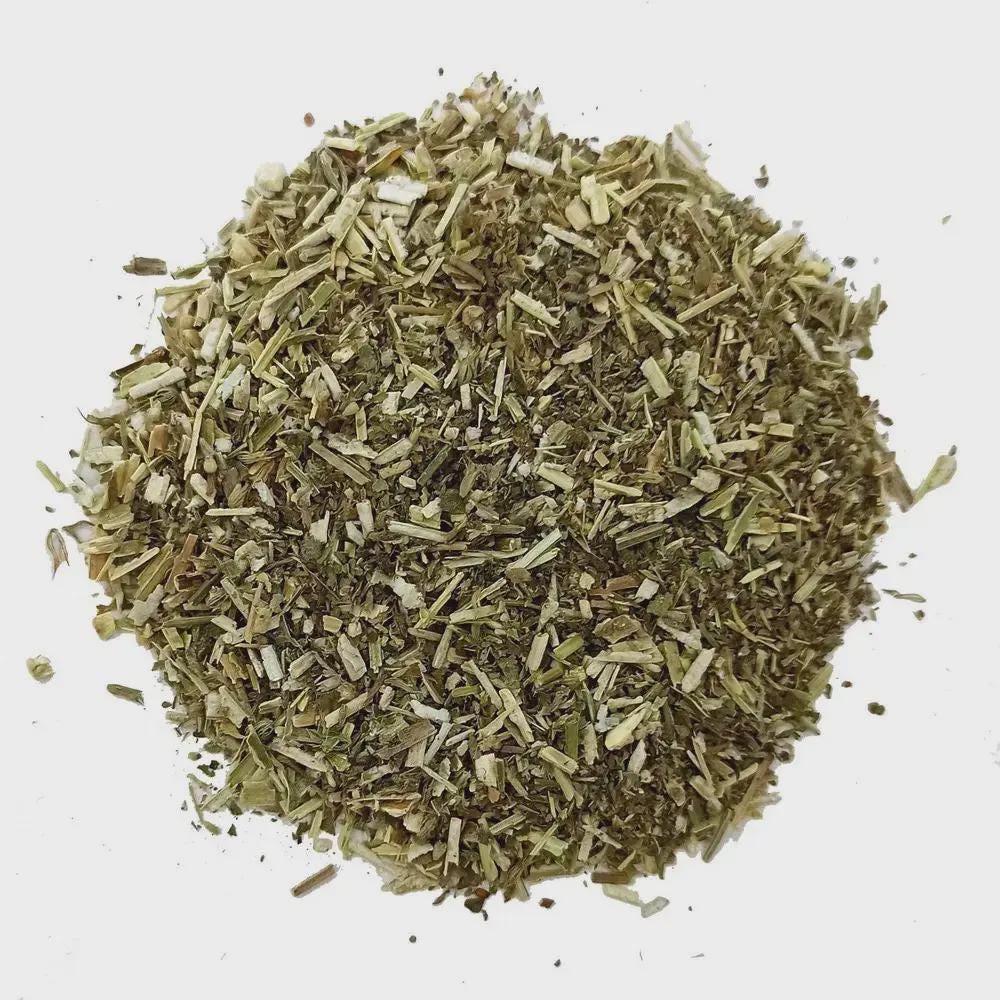
The dried herb is most commonly utilized to prepare standard hot infusions (herbal teas). Because the volatile oils of lemon balm are highly delicate and prone to evaporation, a specific brewing technique must be employed to preserve the herb’s therapeutic integrity. When preparing a lemon balm infusion, it is crucial to steep the dried leaves in hot water (just off the boil) inside a tightly covered vessel, such as a teapot with a lid or a mug covered with a saucer. This traps the evaporating essential oils within the chamber, forcing them to condense and drip back down into the liquid, ensuring a rich, aromatic, and highly therapeutic brew.
Beyond simple teas, dried lemon balm leaf can be utilized in several other creative and highly effective ways:
- Herbal Steam Inhalations: Steeping a handful of dried leaves in a large bowl of boiling water and inhaling the steam under a towel can help clear nasal passages, ease tension headaches, and soothe the nervous system.
- Therapeutic Bath Infusions: Adding a strong strain of lemon balm tea or a muslin bag filled with dried leaves directly to a warm bath creates a deeply relaxing, skin-soothing, and stress-relieving hydrotherapy experience.
- Homemade Salves and Poultices: Infusing dried lemon balm leaves into a carrier oil (such as olive or jojoba oil) over several weeks yields a potent base for homemade topical balms, which can be applied to insect bites, minor skin irritations, and localized viral sores.
- Culinary Applications: Dried lemon balm leaf can be ground and incorporated into culinary spice blends, used to flavor summer marinades for poultry and fish, or infused into vinegars and syrups to create refreshing, health-supportive beverages.
Therapeutic Dosage, Administration, and Practical Recipes
To achieve the desired therapeutic outcomes, it is essential to administer lemon balm leaf in appropriate dosages suited to the specific health concern being addressed. Below is a comprehensive breakdown of standard, clinically supported dosage guidelines for various preparations:
| Form of Preparation | Standard Therapeutic Dosage | Frequency & Key Indications |
|---|---|---|
| Standardized Dried Leaf Extract | 300 mg to 600 mg (standardized to 2-5% rosmarinic acid) | 1 to 3 times daily for chronic anxiety, cognitive support, or metabolic regulation. |
| Liquid Tincture (1:5 ratio) | 2 mL to 4 mL (approx. 40 to 80 drops) | Taken in water up to 3 times daily for acute stress, muscle spasms, or digestive distress. |
| Traditional Hot Infusion (Tea) | 1 to 2 tablespoons of dried herb per 8 oz of hot water | Steep covered for 10-15 minutes; drink 2 to 4 cups daily for general wellness or sleep support. |
| Topical Cream/Ointment | Standardized extract cream (approx. 1% concentration) | Apply directly to active herpes lesions 3 to 5 times daily at the very first sign of tingling. |

How to Prepare the Perfect Sleep-Supportive Lemon Balm Infusion
For those looking to optimize their sleep hygiene naturally, preparing a strong, warm cup of lemon balm tea about 45 minutes before bedtime is an excellent ritual. To enhance the sleep-inducing properties of this herb, try this simple, synergistic bedtime recipe:
- Place 1.5 tablespoons of dried lemon balm leaf and 1 teaspoon of dried chamomile flowers into a large mug or glass tea press.
- Pour 8 to 10 ounces of freshly boiled water over the herbs.
- Immediately cover the vessel tightly with a lid, saucer, or foil.
- Allow the herbs to steep uninterrupted for 12 to 15 minutes to ensure full extraction of the volatile oils and polyphenols.
- Strain the tea, stir in a small spoonful of raw honey if desired, and sip slowly while avoiding electronic screens.
Safety Profile, Side Effects, and Drug Interactions
Lemon balm leaf is categorized as a “Class 1” herb by the American Herbal Products Association (AHPA), meaning it is highly safe, well-tolerated, and suitable for long-term use for the vast majority of individuals. However, as with any pharmacologically active substance, there are specific safety considerations, potential side effects, and drug interactions that must be understood before initiating therapy.
Potential Side Effects
When consumed in standard culinary or recommended therapeutic dosages, side effects are exceedingly rare. In some instances of exceptionally high doses, individuals may experience mild gastrointestinal upset, transient nausea, dizziness, or a paradoxical increase in anxiety. If these symptoms occur, lowering the dosage or taking the herb with a small meal usually resolves the issue.
Thyroid Interactions
The most important clinical precaution regarding lemon balm relates to its effects on thyroid function. Laboratory studies indicate that lemon balm extracts can inhibit the binding of Thyroid-Stimulating Hormone (TSH) to its receptors on thyroid cells, and also interfere with the peripheral conversion of thyroxine (T4) to triiodothyronine (T3). While this makes lemon balm highly beneficial for individuals suffering from mild hyperthyroidism (such as Graves’ disease), it presents a significant risk for individuals with hypothyroidism (underactive thyroid) or those taking thyroid hormone replacement medications like levothyroxine. Individuals with compromised thyroid function should consult their endocrinologist or primary healthcare provider before using lemon balm systematically.
Drug Interactions
Due to its GABA-modulating effects, lemon balm may potentiate the actions of central nervous system (CNS) depressants. If you are taking prescription sedatives, barbiturates, benzodiazepines, or over-the-counter sleep aids, combining them with therapeutic doses of lemon balm could lead to excessive drowsiness or motor impairment. Additionally, because of its potential to lower blood glucose levels, individuals on anti-diabetic medications should monitor their blood sugar levels closely when introducing lemon balm to avoid unexpected hypoglycemia.
Pregnancy and Lactation
While lemon balm is commonly enjoyed as a mild culinary tea during pregnancy to soothe morning sickness or mild anxiety, high-dose therapeutic extracts or essential oils have not been thoroughly evaluated for safety during pregnancy and lactation. Pregnant or nursing mothers should stick to weak, dietary infusions and consult their healthcare provider before using concentrated capsules or tinctures.
Conclusion: Integrating Lemon Balm into a Modern Wellness Regimen
Lemon Balm Leaf (Melissa officinalis) stands as a shining example of how traditional herbal wisdom and modern, evidence-based science can harmonize to offer safe, effective, and elegant solutions for contemporary health challenges. In an era marked by chronic stress, cognitive overload, sleep deprivation, and metabolic instability, this humble botanical offers a multidimensional pathway back to systemic balance.
By elevating GABA levels to soothe an overactive nervous system, enhancing acetylcholine activity to sharpen cognitive performance, calming gastrointestinal spasms through the gut-brain axis, and offering robust defense against viral pathogens, lemon balm proves itself to be a true “panacea” of the natural world. Whether you choose the targeted potency of standardized capsules, the rapid delivery of liquid tinctures, or the sensory richness of traditional dried leaf infusions, incorporating lemon balm into your daily self-care routine can yield profound, life-enhancing benefits for both mind and body.
Disclaimer: For informational purposes only. Not medical advice. Consult a qualified healthcare professional before use.