The Definitive Guide to Peppermint Leaf: Botanical Science, Phytochemical Architecture, and Clinical Therapeutic Benefits
For millennia, Mentha x piperita, commonly known as peppermint, has occupied a central role in both traditional herbal medicine and modern pharmacology. Characterized by its sharp, cooling aroma and invigorating taste, this perennial herb is far more than a simple flavoring agent. It is a complex biochemical powerhouse capable of modulating various physiological pathways within the human body. This comprehensive guide explores the botanical origin, historical context, chemical constituents, and scientifically backed therapeutic benefits of peppermint leaf, offering an exhaustive resource for clinicians, herbalists, and health-conscious consumers alike.
Botanical Profile and Taxonomical Characteristics
Peppermint is not a naturally occurring primary species; rather, it is a sterile hybrid cross between watermint (Mentha aquatica) and spearmint (Mentha spicata). Belonging to the Lamiaceae (mint) family, this plant is characterized by its square stems, dark green leaves with serrated margins, and a creeping rhizome system that allows it to spread rapidly in damp, temperate climates. The plant typically reaches a height of 30 to 90 centimeters, producing small, purple-to-pink flowers arranged in terminal spikes during the late summer months.
Because it is a hybrid, peppermint cannot reproduce by seed. Instead, it propagates vegetatively through underground stolons or runners. This genetic homogeneity ensures that wild and cultivated peppermint strains maintain a relatively consistent profile of volatile oils, provided they are grown under comparable environmental conditions. Sunlight exposure, soil composition, and moisture levels play critical roles in the concentration of bioactive secondary metabolites within the leaves, with optimal oil yields occurring just as the plant begins its flowering cycle.

Historical Context and Traditional Ethnobotanical Applications
The therapeutic utilization of peppermint leaf spans centuries and cultures. Archaeological evidence suggests that peppermint was cultivated and utilized in Ancient Egypt; dried peppermint leaves were discovered in the inner chambers of the pyramids, dating back to 1000 BCE. The Ebers Papyrus, one of the oldest preserved medical documents, lists mint as an essential remedy for digestive ailments and localized pain relief.
In classical Greco-Roman culture, peppermint was celebrated not only for its medicinal attributes but also for its culinary and ritualistic significance. Pliny the Elder wrote of its ability to re-excite the appetite and calm the stomach, while Greek physicians Dioscorides and Galen documented its use as an analgesic, carminative, and diuretic. Traditional Chinese Medicine (TCM) utilizes related species of the Mentha genus (known as Bo He) to clear “wind-heat,” soothe the throat, and resolve liver qi stagnation, while Ayurvedic medicine incorporates the herb to balance the three doshas, particularly cooling excess Pitta.
The Phytochemical Architecture of Peppermint Leaf
The health-promoting efficacy of peppermint leaf lies in its complex matrix of secondary metabolites. These can be broadly divided into two major classes: volatile essential oils and non-volatile polyphenolic compounds. Understanding these chemical constituents is critical to understanding how peppermint interacts with human physiology.
Volatile Essential Oils
The primary therapeutic agent in peppermint leaf is its volatile oil, which constitutes 1% to 3% of the dry weight of the leaf. The essential oil is composed primarily of monoterpenes and sesquiterpenes, including:
- L-Menthol (30% to 55%): The most abundant and biologically active component. Menthol is a monoterpene alcohol responsible for the characteristic cooling sensation, local anesthetic properties, and smooth muscle-relaxing effects.
- Menthone (14% to 32%): A structurally related monoterpene ketone that serves as a biosynthetic precursor to menthol. It contributes to the sharp, penetrating aroma of the plant.
- Isomenthone (2% to 10%): An isomer of menthone that plays a supporting role in the overall sensory and therapeutic profile.
- Menthyl Acetate (3% to 10%): This ester is responsible for the sweet, herbal undertones of the aroma and exhibits mild sedative properties.
- 1,8-Cineole (Eucalyptol) (3% to 6%): A monoterpene ether known for its mucolytic, anti-inflammatory, and bronchodilating activities.
Non-Volatile Polyphenols
While the volatile oils receive the majority of scientific attention, the aqueous extract of peppermint leaf contains a rich array of water-soluble polyphenols that exhibit potent systemic health benefits:
- Rosmarinic Acid: A powerful caffeic acid ester with robust antioxidant, anti-inflammatory, and neuroprotective properties. Rosmarinic acid has been shown to inhibit lipid peroxidation and suppress inflammatory pathways by modulating cyclooxygenase (COX) activity.
- Flavonoids (Eriocitrin, Luteolin, and Hesperidin): These compounds act as free radical scavengers, helping to neutralize reactive oxygen species (ROS) and support cardiovascular and immunological health. Eriocitrin, in particular, is highly concentrated in peppermint compared to other herbs of the Lamiaceae family.

Comprehensive Health Benefits and Pharmacological Mechanisms
Modern clinical trial methodologies have increasingly validated many of the traditional uses of peppermint leaf. The pharmacological activity of the herb extends across multiple physiological systems, demonstrating efficacy as a gastrointestinal therapeutic, a respiratory aid, a cognitive enhancer, and a natural analgesic.
1. Gastrointestinal Health and Irritable Bowel Syndrome (IBS) Support
Peppermint leaf is perhaps best known for its profound impact on gastrointestinal health. Clinical studies consistently support its use in relieving symptoms associated with Irritable Bowel Syndrome (IBS), including abdominal pain, bloating, flatulence, and altered bowel habits.
The primary mechanism of action driving this benefit is peppermint’s ability to act as a natural, localized calcium channel blocker. Menthol inhibits the influx of extracellular calcium ions through L-type calcium channels in the smooth muscle cells of the gastrointestinal tract. By preventing calcium entry, menthol inhibits the muscle contractions that lead to spasms, cramping, and hypermotility. This smooth-muscle-relaxant effect helps restore normal peristalsis, providing rapid relief from painful colonic spasms.
Additionally, peppermint leaf exerts a carminative action by reducing the surface tension of gas bubbles within the digestive tract, allowing them to coalesce and be passed more easily. It also modulates visceral hypersensitivity by interacting with nociceptive pathways in the gut wall, effectively desensitizing pain receptors to reduce the sensation of bloating and discomfort.
2. Respiratory Health and Mucolytic Action
Peppermint leaf has long been utilized to alleviate respiratory congestion associated with the common cold, bronchitis, and seasonal allergies. The volatile components of the leaf, particularly menthol and 1,8-cineole, exert a multi-faceted influence on the upper respiratory tract.
When inhaled or ingested, menthol acts as a sensory decongestant. It does not physically clear nasal passages of mucus; instead, it stimulates the TRPM8 (Transient Receptor Potential Melastatin member 8) receptors located on the sensory nerve endings of the nasal mucosa. This stimulation tricks the brain into perceiving a cool, unrestricted airflow, which significantly reduces the subjective feeling of breathlessness and nasal congestion. Furthermore, the 1,8-cineole component acts as a natural mucolytic and expectorant, thinning viscous mucus secretions and facilitating their clearance from the bronchial tree.
3. Cognitive Enhancement, Focus, and Stress Reduction
Emerging research in neuropsychology highlights the capacity of peppermint to modulate cognitive performance and mood. Inhalation of peppermint essential oil or consumption of peppermint leaf extracts has been shown to increase alertness, enhance memory retrieval, and reduce mental fatigue during prolonged cognitive tasks.
The neurological mechanism behind this effect involves the modulation of central neurotransmitter systems. Preclinical studies suggest that peppermint compounds can act as mild acetylcholinesterase inhibitors. By preventing the breakdown of acetylcholine—a neurotransmitter critical for memory, attention, and executive function—peppermint helps optimize cognitive processing. Furthermore, the invigorating scent of menthol activates the reticular activating system (RAS) in the brainstem, promoting wakefulness and reducing subjective feelings of stress and anxiety by regulating cortisol levels.
4. Analgesic and Topical Pain Relief
The analgesic properties of peppermint leaf are widely utilized for the treatment of tension headaches, muscular aches, and localized neuropathic pain. When applied topically or absorbed systemically, menthol interacts directly with peripheral sensory nerves.
By activating the cold-sensitive TRPM8 receptors in the skin and subcutaneous tissues, menthol induces a cooling sensation that effectively “gates” or overrides pain signals traveling to the central nervous system (a phenomenon described by the Gate Control Theory of Pain). This activation also triggers localized vasodilation, improving blood flow to fatigued or inflamed muscles, which promotes tissue healing and accelerates the clearance of metabolic waste products like lactic acid.
5. Antimicrobial, Antiviral, and Antioxidant Defenses
Peppermint leaf possesses robust antimicrobial activity against a broad spectrum of pathogenic bacteria, viruses, and fungi. The essential oil components, particularly menthol and menthone, disrupt the lipid bilayer membranes of microorganisms, altering cell permeability and leading to lysis.
Studies have shown that peppermint extracts are highly effective against common foodborne pathogens such as Escherichia coli, Salmonella enterica, and Staphylococcus aureus. In the realm of virology, aqueous extracts of peppermint leaf have demonstrated significant inhibitory activity against enveloped viruses, including Herpes Simplex Virus (HSV-1 and HSV-2) and certain strains of influenza. Concurrently, the high concentrations of rosmarinic acid and other flavonoids provide a strong antioxidant shield, neutralizing free radicals and mitigating systemic oxidative stress, which is a foundational driver of chronic inflammatory diseases.
Clinical Formulations, Supplements, and Delivery Systems
Depending on the therapeutic goal, peppermint leaf can be administered in several distinct formulations. Selecting the correct delivery system is vital to achieving the desired clinical outcomes.

For individuals suffering from lower gastrointestinal conditions such as IBS, oral administration of standard peppermint leaf tea or raw powder may be sub-optimal. This is because the volatile oils are released in the stomach, which can relax the lower esophageal sphincter and cause gastroesophageal reflux (heartburn). To bypass this, enteric-coated peppermint leaf capsules are utilized. The specialized coating resists gastric acid degradation, ensuring that the active monoterpenes are delivered directly to the small and large intestines, where they can exert their localized antispasmodic effects without triggering reflux.
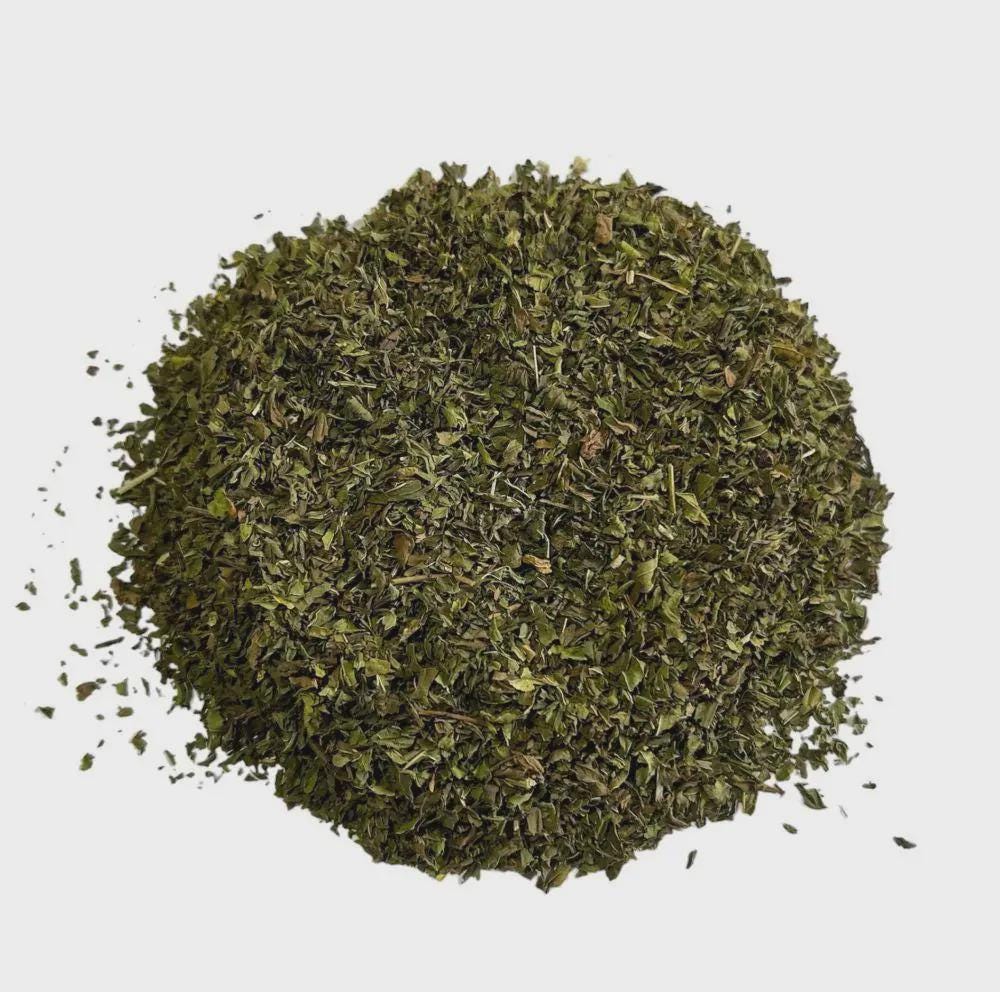
Conversely, for upper digestive issues, headaches, or mild respiratory congestion, traditional infusions (teas) prepared from high-quality dried peppermint leaves are highly effective. The hot water extracts the water-soluble polyphenols (like rosmarinic acid) while simultaneously volatilizing a portion of the essential oils, allowing the patient to benefit from both oral ingestion and aromatherapy.
Dosage Guidelines and Practical Administration
To maximize therapeutic benefits while minimizing potential side effects, the following standardized dosage guidelines are recommended:
- Peppermint Leaf Infusion (Tea): Steeping 1 to 2 grams (approximately 1 to 2 teaspoons) of high-quality dried peppermint leaf in boiling water for 10 to 15 minutes, covered. This can be consumed 3 to 4 times daily between meals to support digestion.
- Enteric-Coated Capsules: 0.2 mL to 0.4 mL of standardized peppermint oil per capsule (often equivalent to approximately 180-360 mg), taken 2 to 3 times daily, 30 to 60 minutes before meals with a full glass of water.
- Topical Application: Standardized creams, ointments, or diluted essential carrier oils containing 5% to 10% peppermint oil, applied directly to the forehead and temples for tension headaches, or to affected muscles and joints.

Contraindications, Drug Interactions, and Safety Profiles
While peppermint leaf is classified as Generally Recognized as Safe (GRAS) by the FDA, specific physiological conditions require caution or absolute avoidance:
Gastroesophageal Reflux Disease (GERD) and Hiatal Hernia
Because peppermint relaxes smooth muscle tissues, it can reduce the tone of the lower esophageal sphincter (LES). For individuals suffering from GERD or a hiatal hernia, this relaxation allows acidic stomach contents to flow back into the esophagus, exacerbating symptoms of heartburn, regurgitation, and acid indigestion. For these populations, non-enteric oral peppermint formulations should be avoided.
Gallstones and Biliary Disorders
Peppermint stimulates bile production and gallbladder contraction (choleretic and cholagogue activities). In individuals with pre-existing gallstones or acute biliary tract obstruction, this increased contractile activity can trigger a painful gallbladder attack (biliary colic) or lead to duct obstruction. Anyone with a history of cholelithiasis should consult a physician prior to consuming concentrated peppermint supplements.
Drug Interactions and Enzyme Inhibition
Peppermint oil is metabolized by the liver, specifically interacting with the Cytochrome P450 enzyme superfamily. In vitro and in vivo studies indicate that menthol can inhibit the activities of CYP3A4 and CYP2C19. Consequently, concurrent use of high-dose peppermint supplements may slow the clearance and increase the systemic concentrations of medications metabolized by these pathways, such as certain calcium channel blockers, statins, benzodiazepines, and immunosuppressants. Patients on complex medication regimens should have their supplement profiles screened for potential interactions.
Conclusion: The Sustained Relevance of Peppermint Leaf in Modern Medicine
The evolution of peppermint leaf from an ancient Egyptian remedy to a clinically validated gastrointestinal and analgesic therapeutic is a testament to the power of nature’s biochemical library. Through the synergistic action of volatile monoterpenes like L-menthol and robust polyphenols like rosmarinic acid, peppermint leaf continues to offer a safe, natural, and highly effective intervention for a wide array of modern health challenges. By understanding its physiological mechanisms, chemical complexity, and proper clinical delivery methods, healthcare practitioners and consumers can harness the full healing potential of this remarkable herb.
Disclaimer: For informational purposes only. Not medical advice. Consult a qualified healthcare professional before use.