The Ultimate Guide to Plantain Leaf: Nature’s Resilient Healing Herb
For centuries, humanity has sought remedies for common ailments in the flora that carpets the earth. Among these botanical treasures, few are as ubiquitous, resilient, and profoundly therapeutic as the plantain leaf. Known scientifically as Plantago major (broadleaf plantain) and Plantago lanceolata (narrowleaf or ribwort plantain), this remarkable perennial herb is often misunderstood as a common lawn weed. However, in the realm of clinical herbalism and ethnobotany, plantain leaf is revered as a premier vulnerary, demulcent, and anti-inflammatory agent.
Unlike the tropical cooking plantain (a member of the banana family, Musa paradisiaca), the medicinal plantain belongs to the Plantaginaceae family. It thrives in disturbed soils, pathways, and meadows across the globe. This comprehensive guide provides an exhaustive analysis of the botanical properties, historical lineage, complex phytochemistry, and scientifically validated health benefits of plantain leaf, offering a definitive resource for health practitioners and herbal enthusiasts alike.
Botanical Classification and Morphological Characteristics
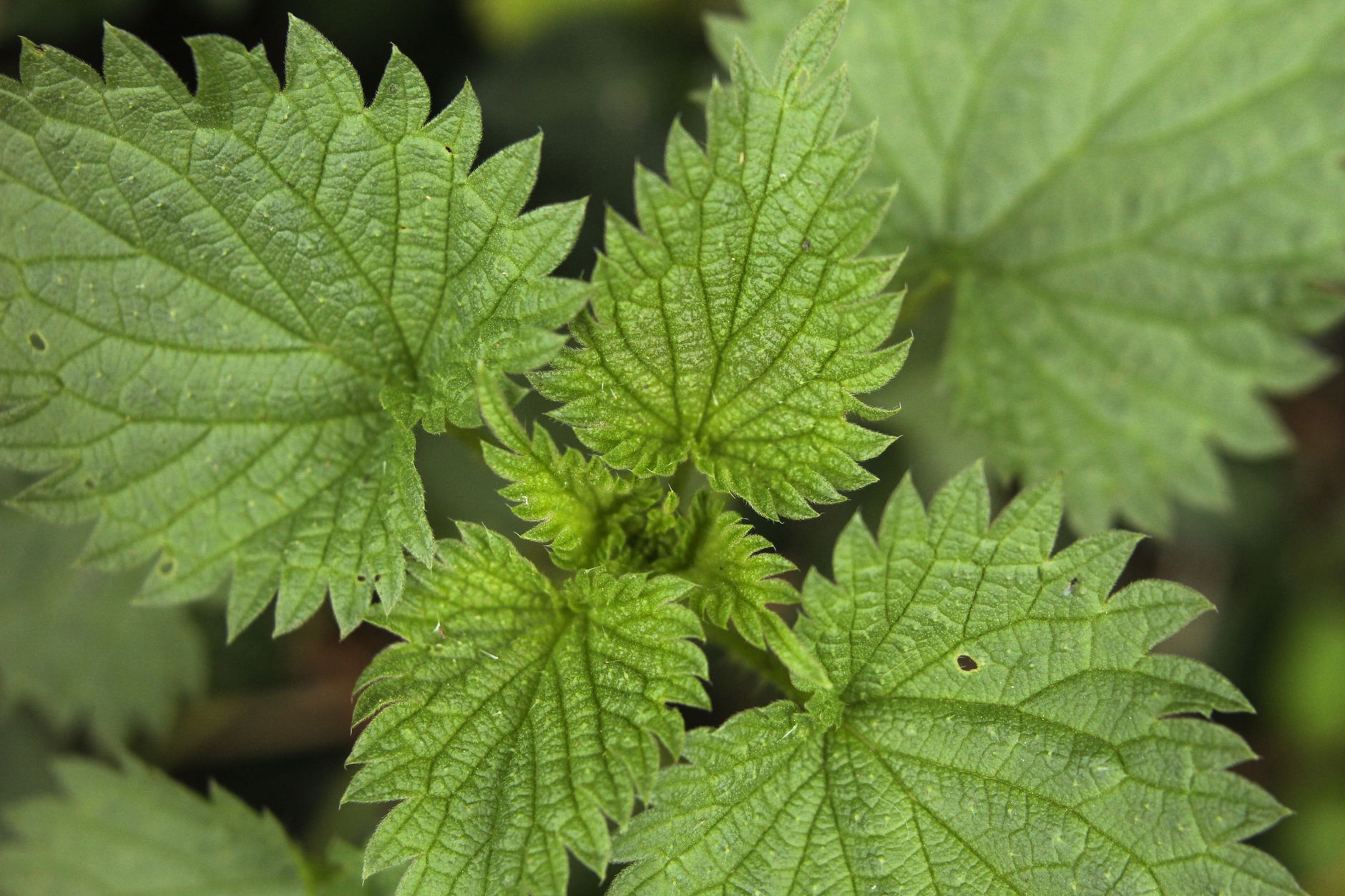
To fully appreciate the therapeutic potential of plantain, one must first understand its physical and botanical identity. Plantago major is characterized by its low-growing rosette of broad, oval, and slightly ribbed leaves. These leaves feature prominent, parallel veins that run from the petiole to the leaf tip—a distinct morphological feature that distinguishes it from other common weeds. The leaves are tough and fibrous, designed to withstand foot traffic and environmental stress, which accounts for its historical nickname “waybread.”
During its reproductive cycle, Plantago major produces long, narrow, green-to-brown spikes covered in tiny, wind-pollinated flowers. These spikes eventually bear thousands of minuscule seeds, which are rich in mucilage and have been utilized in traditional medicine similarly to psyllium (a close relative within the Plantago genus). On the other hand, Plantago lanceolata features narrow, lance-shaped leaves with deep, parallel ribbing and shorter, globe-like flower heads on long, slender stalks. Both species share highly overlapping chemical profiles and are used interchangeably in modern herbal therapeutics.
The adaptability of the plantain plant is extraordinary. It grows in almost any soil type, from highly compacted gravel paths to nutrient-rich forest floors. This resilience is mirrored in its medicinal qualities: the plant’s structural toughness translates into highly concentrated bioactive compounds that protect the human body from external pathogens, accelerate cellular repair, and soothe irritated tissues.
The Rich History and Ethnobotanical Legacy of Plantago
The historical footprint of plantain leaf spans multiple continents and civilizations. In ancient Anglo-Saxon lore, plantain was hailed as one of the “Nine Sacred Herbs” in the 10th-century Lacnunga text, celebrated for its ability to counteract venoms, infections, and inflammatory diseases. The Anglo-Saxons called it “waybread” due to its frequent presence along roadsides, providing nourishment and healing to weary travelers.
During the European colonization of North America, indigenous populations observed that plantain rapidly sprouted in the footprints of European settlers. Consequently, Native Americans referred to it as “White Man’s Foot.” Rather than rejecting the plant, indigenous healers quickly integrated plantain into their sophisticated systems of medicine, utilizing it as a powerful poultice to extract drawing toxins from venomous snakebites, insect stings, and infected wounds.
In traditional Chinese medicine (TCM), related species of Plantago are utilized to clear damp-heat, promote urination, and resolve phlegm-heat in the respiratory tract. Similarly, classical European herbalists like Dioscorides and Pliny the Elder documented plantain’s exceptional cooling and astringent properties, recommending it for chronic diarrhea, external hemorrhaging, and inflammatory skin conditions. This global consensus across distinct historical eras highlights the plant’s undeniable therapeutic value.
Phytochemical Composition: The Science Behind the Synergy
The therapeutic efficacy of plantain leaf is not the result of a single “active ingredient,” but rather a complex, synergistic matrix of secondary metabolites. Modern analytical chemistry has identified several key classes of bioactive compounds within the leaves of Plantago major and Plantago lanceolata. These include iridoid glycosides, phenylethanoid glycosides, flavonoids, polysaccharides, tannins, and organic minerals.

Understanding these chemical constituents is crucial for comprehending how plantain interacts with human physiology:
- Iridoid Glycosides (Aucubin and Catalpol): These compounds serve as the plant’s defense mechanism against herbivores and pathogens. In human pharmacology, aucubin undergoes enzymatic hydrolysis in the digestive tract to form aucubigenin, a potent antimicrobial and anti-inflammatory agent. Catalpol exhibits profound neuroprotective, anti-apoptotic, and systemic anti-inflammatory properties, helping to mitigate oxidative stress at a cellular level.
- Phenylethanoid Glycosides (Acteoside/Verbascoside): Acteoside is a highly bioavailable polyphenol with exceptional antioxidant capabilities. Research indicates that it inhibits the production of pro-inflammatory cytokines, such as tumor necrosis factor-alpha (TNF-α) and interleukin-6 (IL-6), while protecting cells from free-radical-induced lipid peroxidation.
- Polysaccharides (Mucilage): Plantain leaves contain high-molecular-weight polysaccharides that form a thick, gelatinous substance when combined with water. This mucilage coats inflamed mucosal membranes—such as those in the respiratory tract and gastrointestinal tract—creating a protective physical barrier that accelerates localized healing and dampens sensory nerve irritation.
- Allantoin: This naturally occurring nitrogenous compound is a potent cell proliferant. Allantoin stimulates epithelial cell growth, enhances the regeneration of damaged tissues, and accelerates the synthesis of the extracellular matrix, making plantain one of the premier dermatological healing agents in nature.
- Tannins: The mild astringency of plantain is attributed to its tannin content. Tannins precipitate proteins on damaged tissue surfaces, effectively tightening and toning loose or bleeding membranes. This action helps to check minor bleeding, seal wounds against external bacteria, and dry up excess catarrhal secretions.
Clinical Health Benefits of Plantain Leaf
1. Accelerated Wound Healing and Dermatological Recovery
The most celebrated application of plantain leaf is its ability to heal skin tissue. This vulnerary action is driven by the synergistic relationship between allantoin, mucilage, and tannins. When applied topically to a wound, incision, or abrasion, allantoin stimulates mitosis (cell division) in the basal layer of the epidermis, rapidly replacing damaged cells with healthy new tissue. Concurrently, the mucilage content acts as a soothing emollient, keeping the wound bed moist, which is a critical factor for minimizing scar tissue formation.
Furthermore, plantain is historically renowned as a “drawing” herb. Applied as a fresh poultice, it exerts a gentle osmotic pull on tissues, making it highly effective for drawing out splinters, bee stings, wasp venom, and deeply embedded infections (such as boils or abscesses). The astringent tannins help constrict localized blood vessels, reducing edema, redness, and micro-hemorrhages, while the antimicrobial iridoid glycosides prevent secondary infections in vulnerable tissue.
2. Respiratory Support and Antitussive Action
For respiratory conditions characterized by dry, spasmodic, or irritated coughs, plantain leaf is an invaluable ally. The respiratory mucosa is highly sensitive to environmental irritants, pathogens, and cold air. Plantain’s abundant mucilage acts as a demulcent, coating the pharynx and larynx to soothe irritated sensory receptors and quiet the cough reflex. This makes it particularly effective in formulas designed to alleviate the dry, hacking cough associated with bronchitis, laryngitis, and recovery from viral respiratory infections.
In addition to its soothing demulcent properties, plantain leaf acts as a mild spasmolytic. Scientific evaluations have demonstrated that extracts of Plantago lanceolata can relax smooth muscle tissues in the trachea and bronchi. This bronchodilatory effect, coupled with its broad-spectrum antimicrobial action against common respiratory pathogens, helps to ease breathing, improve lung capacity, and clear excess, stubborn mucus without drying out the respiratory tree.
3. Gastrointestinal Integrity and Digestive Comfort
The protective, anti-inflammatory mechanisms that plantain exerts on the skin are equally effective when applied internally to the gastrointestinal tract. The modern diet, chronic stress, and overuse of medications can compromise the delicate mucosal lining of the stomach and intestines, leading to conditions such as gastritis, peptic ulcers, and “leaky gut” syndrome (increased intestinal permeability).
When ingested as a warm infusion or standardized capsule, plantain leaf delivers its mucilaginous compounds directly to the gastrointestinal lining. This mucilage forms a temporary, protective barrier over micro-ulcerations and inflamed patches of enterocytes, shielding them from the corrosive effects of gastric acid and digestive enzymes. The anti-inflammatory action of acteoside targets the localized inflammatory cascade in the gut, reducing the synthesis of inflammatory prostaglandins. Additionally, the mild astringency of plantain’s tannins helps to tone lax intestinal walls, making it a reliable remedy for mild, acute diarrhea and irritable bowel symptoms.
4. Systemic Anti-Inflammatory and Antioxidant Protection
Chronic, low-grade systemic inflammation is increasingly recognized as a foundational driver of modern metabolic and degenerative diseases. The rich array of flavonoids (such as luteolin and apigenin) and phenylethanoid glycosides in plantain leaf provides powerful systemic antioxidant defense. These compounds act as scavengers of reactive oxygen species (ROS), neutralizing free radicals before they can cause oxidative damage to cellular lipids, proteins, and DNA.
By modulating key inflammatory pathways, including the nuclear factor-kappa B (NF-κB) pathway, plantain leaf helps downregulate the body’s systemic inflammatory response. This makes it a useful supportive herb for systemic inflammatory conditions, such as mild osteoarthritis, skin flare-ups (like eczema and psoriasis), and general metabolic stress. By protecting vascular endothelium and supporting hepatic detoxification pathways, plantain contributes to long-term systemic vitality.
Modern Supplements and Therapeutic Preparations
In the contemporary wellness market, plantain leaf has transitioned from a wild-foraged remedy to a highly sophisticated clinical supplement. Consumers can choose from various delivery formats, each tailored to specific therapeutic goals. Standardized capsules, liquid extracts, loose dried herbs, and topical salves offer diverse ways to harness the plant’s therapeutic potential.
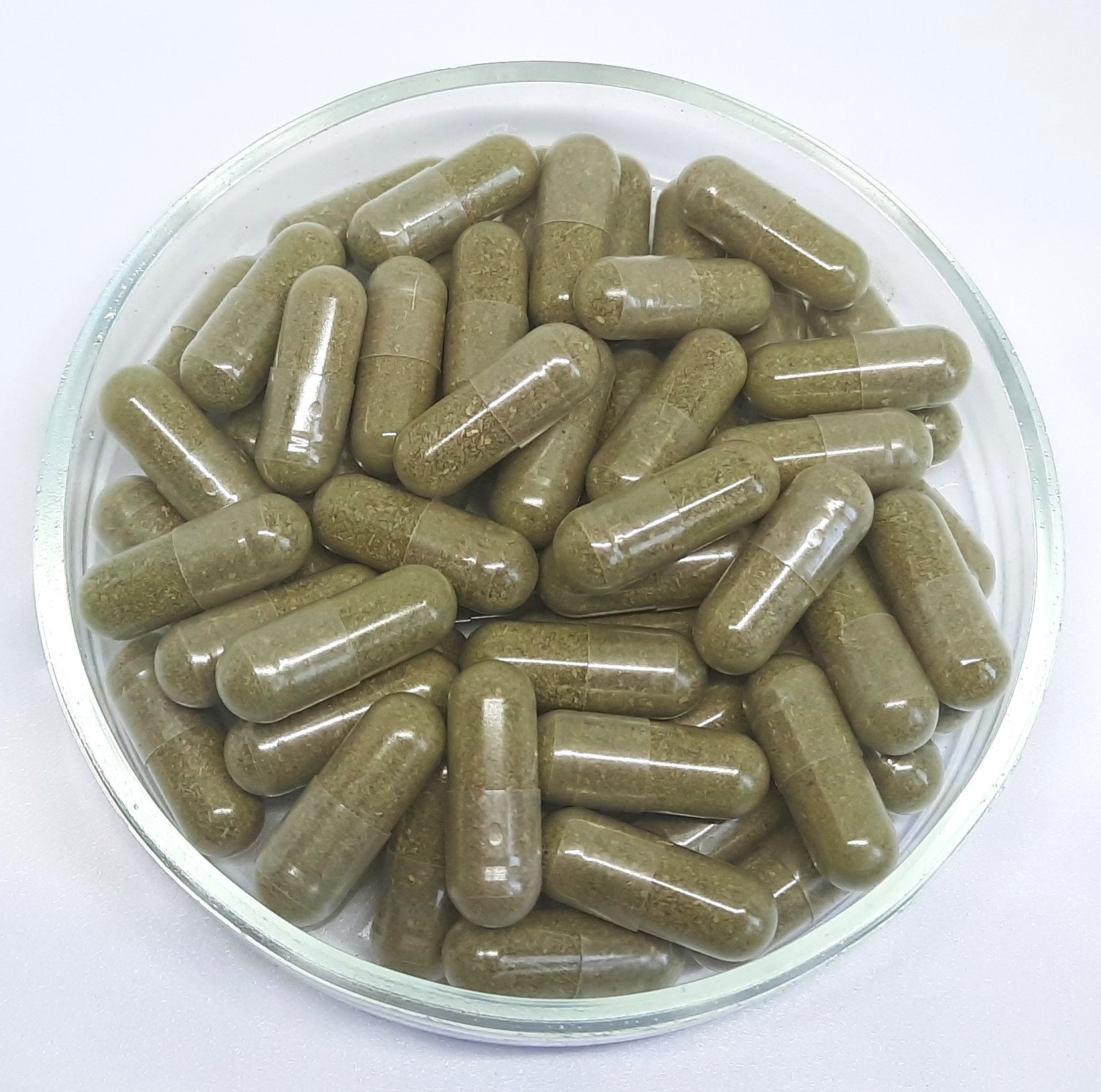
For systemic health, gastrointestinal support, and daily cellular protection, standardized capsules containing dried, finely milled plantain leaf or concentrated extracts are highly recommended. Capsules ensure a consistent dose of key active compounds, such as aucubin and flavonoids, while bypassing the earthy, slightly bitter taste of the whole herb. They are highly convenient for individuals seeking to manage chronic mucosal inflammation, support lower digestive tract health, or maintain steady systemic antioxidant levels over time.
In addition to oral capsules, liquid tinctures (hydro-ethanolic extracts) provide rapid absorption and are highly versatile for respiratory and immune support. For localized applications, such as sore throats, tinctures can be diluted in warm water and used as a soothing gargle. For external skincare, infused oils and beeswax-based salves capture the fat-soluble compounds of plantain (such as carotenoids and chlorophyll), creating highly effective topical barriers for cuts, insect bites, and minor burns.
Practical Guide: Preparation, Dosage, and Administration
Utilizing plantain leaf effectively requires an understanding of proper preparation techniques and dosage guidelines. Because different active constituents require different solvents for optimal extraction, matching your preparation method to your therapeutic goal is vital.
For example, the demulcent mucilage is highly water-soluble, making water-based infusions (teas) the ideal choice for respiratory and digestive applications. Conversely, the antimicrobial iridoids and antioxidant phenylethanoids are highly soluble in hydro-ethanolic solutions, making tinctures the preferred form for targeting systemic infections and chronic inflammation.

Below is a summary of standard preparation methods and therapeutic dosages:
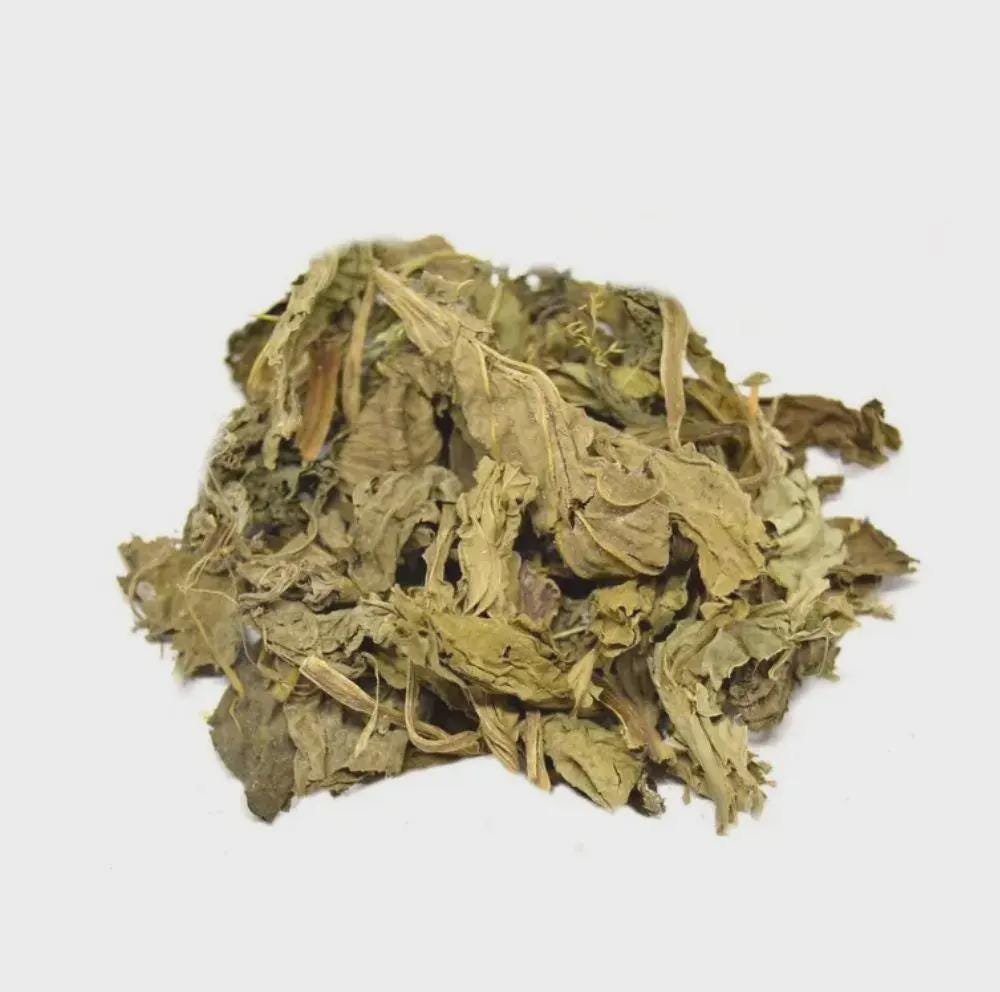
- Herbal Infusion (Tea): Add 1 to 2 teaspoons of high-quality dried plantain leaf to 8 ounces of freshly boiled water. Cover and steep for 10 to 15 minutes to allow the mucilage and water-soluble flavonoids to fully extract. Drink 2 to 3 times daily for respiratory soothing or gastrointestinal support.
- Standardized Capsules: Take 400 mg to 500 mg of standardized plantain leaf extract 1 to 2 times daily with meals, or as directed by a healthcare professional. Ensure the product is sourced from organic cultivation to avoid heavy metal contamination.
- Liquid Extract (Tincture 1:5 ratio): Take 2 to 4 mL of plantain tincture in a small amount of water or juice up to three times daily. This form is ideal for rapid absorption during acute respiratory flare-ups.
- Topical Poultice (Fresh Herb): Crush clean, fresh plantain leaves between your fingers or bruise them gently with a mortar and pestle to release their juices. Apply the bruised leaves directly to insect bites, stings, splinters, or minor wounds. Secure with a clean bandage and replace every 2 to 3 hours as needed.
Safety Profile, Contraindications, and Considerations
Plantain leaf possesses an exceptional safety profile and is classified as a Class 1 herb (safe when used appropriately) by the American Herbal Products Association (AHPA). It has no known severe drug interactions or toxic cumulative effects. However, as with all bioactive botanical agents, certain precautions should be observed to ensure a safe and effective healing journey.
First, individuals with known hypersensitivities or allergies to plants in the Plantaginaceae family should exercise caution. A simple skin patch test with a diluted infusion or salve is recommended before widespread topical application. Second, because of its mild astringent and drying properties, extremely high doses of plantain tea may occasionally lead to mild constipation in highly sensitive individuals; this is easily mitigated by maintaining adequate daily hydration.
Additionally, if you are foraging for wild plantain to make fresh poultices or home remedies, ensure that you harvest from pristine areas. Plantain readily absorbs heavy metals and environmental toxins from compacted roadside soils and agricultural runoff. Always select leaves from areas known to be free of chemical pesticides, herbicides, and vehicle exhaust. For commercial supplements, choose reputable brands that perform rigorous third-party testing for heavy metals, microbial contaminants, and pesticide residues.
Conclusion: Integrating Plantain into Modern Wellness
In an era dominated by synthetic pharmaceuticals and complex, multi-step skincare routines, plantain leaf stands as a grounding reminder of the simple, profound efficacy of traditional herbal medicine. Far from being a mere weed, this resilient botanical offers a rich, scientifically validated portfolio of health benefits—from accelerating wound healing and soothing inflamed respiratory tissues to protecting the gastrointestinal lining and providing systemic antioxidant defense.
Whether utilized as a fresh poultice gathered from a pristine meadow, brewed into a comforting warm tea, or taken as a highly standardized capsule for daily systemic support, plantain leaf remains one of the most versatile, reliable, and accessible remedies in nature’s pharmacy. By integrating this time-honored botanical into your modern wellness regimen, you harness the cellular intelligence of a plant that has co-evolved alongside humanity for millennia, offering gentle, effective, and holistic support for the body’s innate healing processes.
Disclaimer: For informational purposes only. Not medical advice. Consult a qualified healthcare professional before use.