
The Ultimate Guide to Rosemary Leaf: Botanical Profile, Bioactive Compounds, and Therapeutic Benefits
For thousands of years, the aromatic herb rosemary (Salvia rosmarinus, formerly known as Rosmarinus officinalis) has held a position of profound reverence in both culinary traditions and natural medicine. Emerging from the rocky, sun-drenched coastlines of the Mediterranean basin, this woody, perennial herb is far more than a fragrant kitchen staple. Modern pharmacology is increasingly validating what ancient healers intuited: rosemary leaf is a dense reservoir of highly potent bioactive compounds capable of modulating complex physiological pathways within the human body.
This comprehensive guide offers an exhaustive, scientifically rigorous exploration of the rosemary leaf. We will analyze its botanical characteristics, historical context, intricate phytochemical profile, and wide-ranging clinical health benefits. From cognitive enhancement and cellular defense to metabolic regulation and dermatological vitality, this article serves as the definitive deep-dive into the therapeutic science of rosemary.
1. Botanical Overview and Taxonmical Profile
Rosemary is a member of the Lamiaceae (mint) family, sharing its lineage with other notable therapeutic herbs such as sage, oregano, thyme, and lavender. Botanically classified for centuries as Rosmarinus officinalis, recent phylogenetic and genetic analyses conducted in 2017 led to its reclassification into the genus Salvia. It is now scientifically recognized as Salvia rosmarinus, though the common name “rosemary” remains universal.
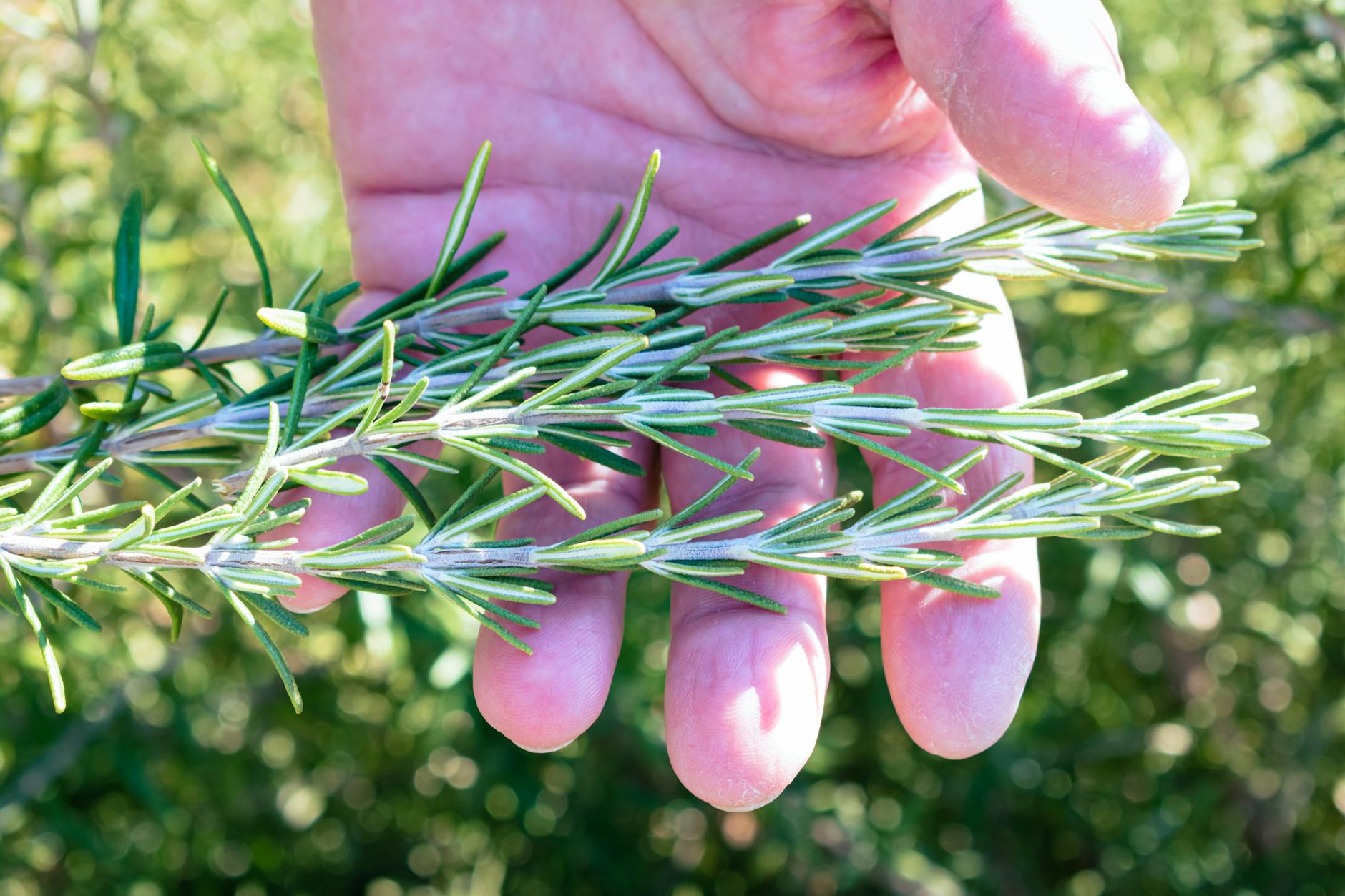
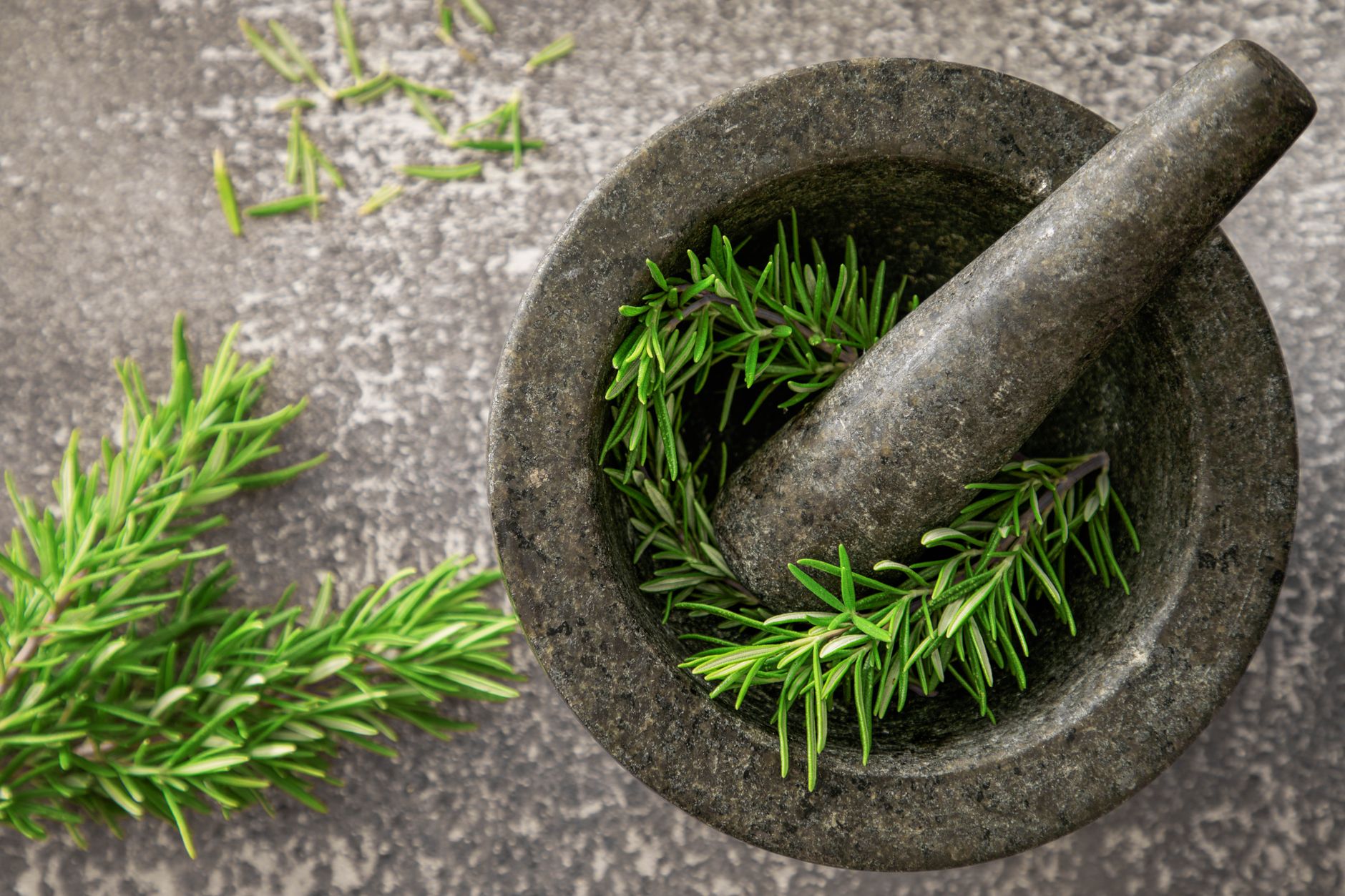
The plant is a hardy evergreen shrub characterized by its needle-like leaves, which feature a distinct revolute margin (curled downward) to conserve moisture in arid climates. The upper surface of the leaf is typically a deep, lustrous green, while the underside is covered in a dense, white-felted layer of stellate trichomes. These glandular trichomes are the primary synthesis and storage sites for the volatile essential oils that give rosemary its characteristic camphorous, woody aroma. The plant produces delicate flowers ranging in hue from pale blue and lavender to white, blooming primarily in spring and summer.
Adapted to dry, sandy soils and harsh marine winds, rosemary thrives in Mediterranean-type climates. Its resilience in the face of environmental stressors—such as intense ultraviolet radiation and drought—is directly linked to its high concentration of secondary metabolites. These compounds, synthesized by the plant as defensive agents against oxidative damage and pests, are the very molecules responsible for the herb’s profound medicinal properties in humans.

2. Historical Context and Traditional Ethnobotany
The historical tapestry of rosemary is rich with cultural symbolism and empirical medical usage. The generic name Rosmarinus derives from the Latin words ros (dew) and marinus (sea), translating poetically to “dew of the sea”—a reference to its ability to thrive along coastal cliffs where ocean mists provide sustaining moisture.
In Ancient Greece and Rome, rosemary was deeply intertwined with memory, focus, and mental clarity. Greek scholars frequently wore garlands of rosemary around their brows during examinations to sharpen their recall. It was also considered a sacred symbol of fidelity, remembrance, and protection. During the Middle Ages, the herb was burned in sick chambers to purify the air and ward off pestilence—an early, intuitive application of its potent antimicrobial and airborne antiseptic properties.
Traditional Chinese Medicine (TCM) historically utilized rosemary to stimulate the flow of Qi (vital energy) and blood, particularly to the brain, to address headaches, mental fatigue, and digestive stagnation. Similarly, European herbalism valued rosemary as a warming carminative to soothe stomach distress, an emmenagogue to regulate menstrual flow, and a topical rubefacient to ease joint pain and muscle stiffness. These varied traditional applications paved the way for modern researchers to isolate, identify, and clinically evaluate the specific chemical constituents driving these physiological effects.
3. Phytochemical Composition and Bioactive Compounds
The therapeutic efficacy of rosemary leaf is not attributable to a single molecule, but rather to a complex, synergistic matrix of secondary metabolites. These compounds can be broadly categorized into polyphenols (including phenolic diterpenes and flavonoids) and volatile monoterpenes. Understanding these active fractions is essential to grasping how rosemary interacts with human biochemistry.
Phenolic Diterpenes: Carnosic Acid and Carnosol
Carnosic acid and its hydrolytic degradation product, carnosol, are the primary lipophilic antioxidants found in rosemary leaves, accounting for up to 90% of its antioxidant activity. These compounds are remarkable due to their “cascade antioxidant” mechanism. Unlike typical antioxidants that are rendered useless once oxidized, carnosic acid undergoes a series of conformational changes when neutralizing free radicals, transforming into carnosol and other active derivatives. This means a single molecule of carnosic acid can continually quench reactive oxygen species (ROS) across multiple successive chemical reactions, providing exceptionally long-lasting cellular protection.
Phenolic Acids: Rosmarinic Acid
Rosmarinic acid is a water-soluble ester of caffeic acid and 3,4-dihydroxyphenyllactic acid. It is rapidly absorbed through the gastrointestinal tract and skin. Rosmarinic acid is a highly potent anti-inflammatory agent that works by suppressing the synthesis of pro-inflammatory eicosanoids, inhibiting the complement cascade, and downregulating the expression of inflammatory enzymes like cyclooxygenase-2 (COX-2) and 12-lipoxygenase (12-LOX).
Triterpenes: Ursolic and Oleanolic Acids
Located primarily in the cuticular wax of the rosemary leaf, ursolic acid and oleanolic acid are pentacyclic triterpenes. These molecules possess significant hepatoprotective, anti-tumor, and anti-inflammatory properties. They work by modulating apoptotic pathways in damaged cells, inhibiting angiogenesis (the growth of blood vessels that feed tumors), and strengthening the structural integrity of cellular membranes.
Volatile Monoterpenes (Essential Oil Fraction)
When rosemary leaves are steam distilled, they yield an essential oil rich in volatile organic compounds. The primary constituents of this fraction include:
- 1,8-Cineole (Eucalyptol): Renowned for its mucolytic, bronchodilating, and cognitive-enhancing effects.
- Camphor: A local anesthetic, rubefacient, and respiratory stimulant.
- Alpha-Pinene: A bicyclic monoterpene that acts as a natural acetylcholinesterase inhibitor and bronchodilator.
- Camphene and Borneol: Compounds associated with antimicrobial defense and cardiovascular modulation.
4. Comprehensive Health Benefits of Rosemary Leaf
Given its diverse array of phytochemicals, rosemary leaf acts as a multi-target therapeutic agent. Below, we examine the primary, clinically validated health benefits of this extraordinary botanical.
A. Cognitive Enhancement and Neuroprotection
The ancient association between rosemary and memory is now firmly grounded in neurochemical science. One of the primary mechanisms through which rosemary improves cognitive performance is the inhibition of acetylcholinesterase (AChE). Acetylcholine is a critical neurotransmitter responsible for learning, memory, and executive function. By inhibiting the AChE enzyme—which breaks down acetylcholine in the synaptic cleft—compounds in rosemary (specifically 1,8-cineole and alpha-pinene) help maintain higher levels of this vital neurotransmitter.
Furthermore, carnosic acid has been shown to cross the blood-brain barrier. Once in the central nervous system, it stimulates the synthesis of Nerve Growth Factor (NGF) and Brain-Derived Neurotrophic Factor (BDNF). These proteins are crucial for neurogenesis, synaptic plasticity, and the survival of existing neurons. Clinical studies also indicate that the mere inhalation of rosemary essential oil can improve cognitive speed, accuracy, and mood state in adults by modulating electroencephalographic (EEG) activity.
B. Advanced Antioxidant and Anti-Inflammatory Pathways
Chronic low-grade inflammation and systemic oxidative stress are the twin drivers of almost all chronic diseases, including cardiovascular disease, diabetes, and neurodegeneration. Rosemary leaf extracts mitigate this damage primarily through the activation of the Nrf2 (Nuclear Factor Erythroid 2-Related Factor 2) pathway. Nrf2 is the master regulator of the body’s internal antioxidant response. When activated by carnosic acid, Nrf2 translocates to the cell nucleus and triggers the transcription of vital antioxidant enzymes, including glutathione peroxidase, superoxide dismutase (SOD), and catalase.
Simultaneously, rosemary suppresses the NF-kB (Nuclear Factor Kappa B) pathway, which is the master switch for inflammatory gene expression. By preventing NF-kB from entering the nucleus, rosemary leaf limits the production of inflammatory cytokines such as Tumor Necrosis Factor-alpha (TNF-α), Interleukin-6 (IL-6), and Interleukin-1 beta (IL-1β), offering systemic anti-inflammatory protection.
C. Metabolic Support and Glycemic Regulation
Rosemary leaf shows significant promise in managing metabolic disorders, such as type 2 diabetes and insulin resistance. Bioactive compounds in the leaf inhibit alpha-glucosidase and alpha-amylase, two key digestive enzymes responsible for breaking down dietary carbohydrates into glucose. By slowing this enzymatic activity, rosemary helps blunt postprandial blood glucose spikes.
Moreover, rosemary activates AMPK (Adenosine Monophosphate-Activated Protein Kinase), often referred to as the metabolic master switch. AMPK activation increases glucose uptake in skeletal muscle cells and enhances insulin sensitivity, mimicking the positive cellular effects of exercise and caloric restriction.
D. Cardiovascular Health and Microcirculation
Rosemary contributes to cardiovascular health by protecting low-density lipoproteins (LDL) from oxidation. Oxidized LDL is a key instigator of plaque formation in the arteries (atherosclerosis). The polyphenols in rosemary neutralize the free radicals that oxidize these lipid particles, helping to maintain clean, elastic arteries.
Additionally, rosemary supports healthy endothelial function by promoting the synthesis of nitric oxide (NO), a natural vasodilator that relaxes blood vessels, improves microcirculation, and helps maintain healthy blood pressure levels. Its mild diuretic properties also support fluid balance, easing the workload on the heart.
E. Dermatological Vitality and Hair Growth
Topically, rosemary leaf extracts and oils are highly regarded in dermatological science. Its strong antimicrobial profile makes it highly effective against Cutibacterium acnes, the bacteria primarily responsible for acne vulgaris. By calming inflammation and controlling sebum production, rosemary promotes a clear, balanced complexion.
In trichology (the study of hair and scalp health), rosemary is a celebrated natural intervention for hair loss. Clinical trials have compared rosemary leaf extract/oil directly to minoxidil (a standard over-the-counter hair regrowth treatment). Results demonstrated that rosemary oil was highly effective at combating androgenetic alopecia (pattern baldness) over a six-month period. It achieves this by inhibiting the activity of 5-alpha-reductase—the enzyme responsible for converting testosterone into dihydrotestosterone (DHT), which shrinks hair follicles. Additionally, it dramatically improves microcirculation around the hair follicles, delivering vital oxygen and nutrients to promote healthy hair growth.
5. Modern Administration and Supplementation Formats
To harness the therapeutic power of rosemary leaf, several delivery methods are available, each suited to specific health objectives:
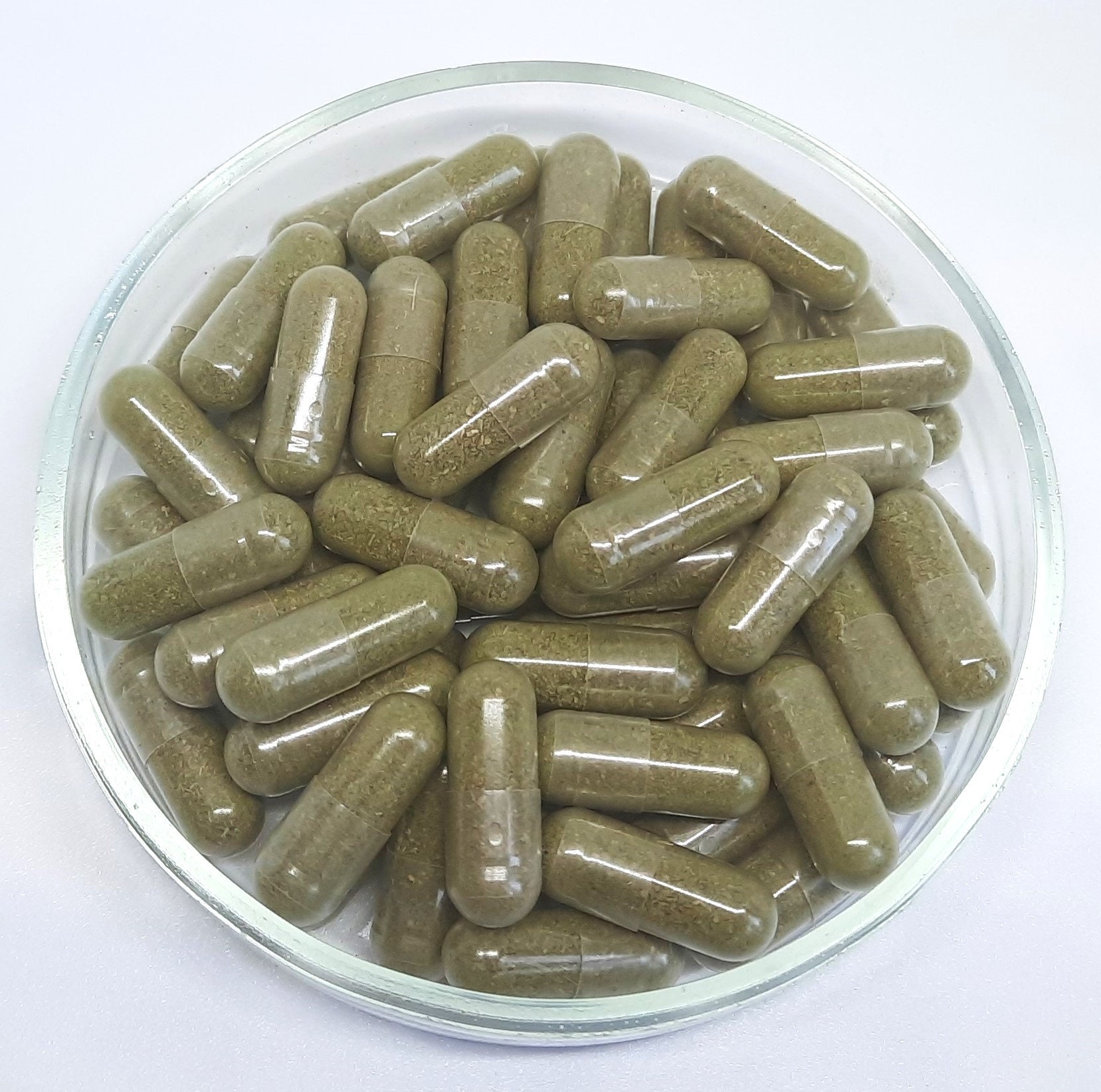
- Standardized Aqueous/Ethanolic Extracts (Capsules): Ideal for systemic, therapeutic dosing. Standardization typically targets specific percentages of carnosic acid, rosmarinic acid, or ursolic acid. This format ensures consistent delivery of the active compounds for metabolic, cognitive, and antioxidant support.
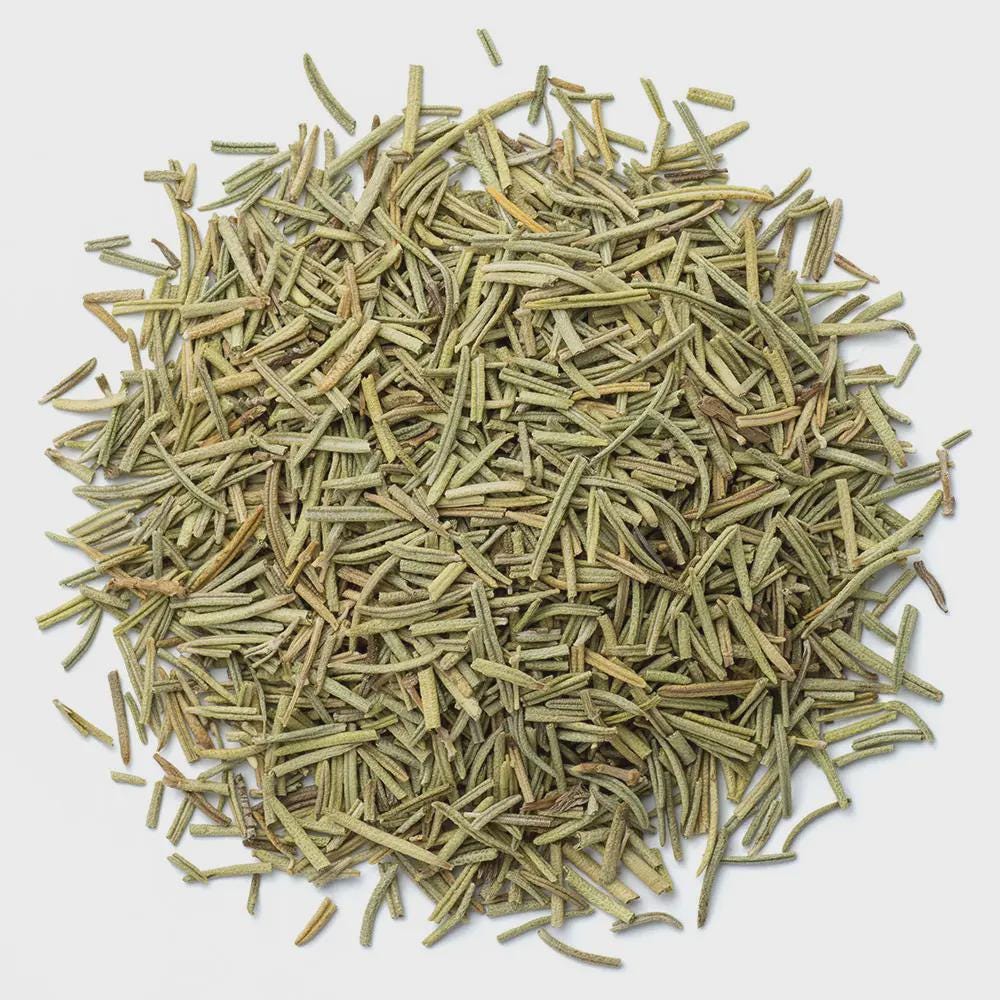
- Dried Whole Leaf: Commonly used for brewing herbal infusions (teas) or as a culinary spice. While lower in concentrated bioactive compounds than extracts, regular consumption of rosemary tea provides gentle, daily digestive, cognitive, and antioxidant benefits.
- Liquid Tinctures: Hydroethanolic extractions that offer rapid absorption in the oral cavity and digestive tract, allowing for easy dose adjustments.
- Essential Oil: Highly concentrated volatile fractions used primarily for aromatherapy, inhalation, and topical formulations (always diluted in a carrier oil). *Note: Pure essential oils should never be ingested without professional clinical supervision.*
6. Dosage Guidelines, Safety, and Contraindications
While rosemary is globally classified as GRAS (Generally Recognized as Safe) when consumed in culinary quantities, therapeutic supplementation requires careful consideration of dosages, potential side effects, and drug interactions.
Recommended Dosages
For therapeutic purposes, general dosing guidelines under professional guidance include:
- Standardized Dried Extract Capsules: 300 mg to 600 mg daily, standardized to contain at least 10% to 20% active phenolic diterpenes or rosmarinic acid.
- Herbal Infusion (Tea): 1 to 2 teaspoons of dried rosemary leaves steeped in 8 ounces of hot water for 10–15 minutes, consumed up to three times daily.
- Liquid Extract (1:5 Tincture): 2 to 4 mL taken three times daily in water.
Contraindications and Side Effects
Rosemary leaf is remarkably safe for the vast majority of people; however, certain populations should exercise caution:
Pregnancy and Lactation: While culinary amounts are perfectly safe, therapeutic doses of rosemary supplements or extracts should be avoided during pregnancy. Rosemary can act as a uterine stimulant (emmenagogue), which may increase the risk of miscarriage.
Bleeding Disorders: Rosemary contains compounds that may slightly inhibit platelet aggregation. Individuals with bleeding disorders or those scheduled for major surgery should discontinue high-dose rosemary supplementation at least two weeks prior to surgery.
Drug Interactions: Due to its physiological activity, rosemary may interact with certain medications:
- Anticoagulants (Blood Thinners): May enhance the effects of drugs like warfarin or aspirin, increasing the risk of bruising or bleeding.
- ACE Inhibitors (Blood Pressure Medications): May potentiate the blood-pressure-lowering effects of these drugs.
- Diuretics: Rosemary’s mild diuretic effect may compound the actions of prescribed water pills, potentially leading to dehydration or electrolyte imbalances.
- Lithium: Due to its diuretic properties, rosemary can alter lithium excretion rates, leading to unsafe accumulations of lithium in the bloodstream.
7. Conclusion: The Enduring Legacy of Rosemary Leaf
Rosemary leaf represents a beautiful intersection where ancient empirical wisdom meets cutting-edge biochemical science. Far from being a simple culinary enhancement, its dense matrix of carnosic acid, rosmarinic acid, and essential monoterpenes provides a robust, multi-faceted defense shield for the human body. By neutralizing systemic oxidative stress, mitigating chronic inflammatory pathways, sharpening cognitive performance, protecting cardiovascular function, and fostering metabolic balance, rosemary truly earns its status as a premier therapeutic botanical.
Whether integrated daily as a refreshing herbal tea, utilized topically for scalp vitality, or consumed as a standardized capsule for specific physiological support, incorporating rosemary leaf into your wellness routine offers an array of scientifically validated health benefits. As research continues to unfold, this resilient Mediterranean treasure remains a cornerstone of preventative, nature-based medicine.
Disclaimer: For informational purposes only. Not medical advice. Consult a qualified healthcare professional before use.