The Definitive Guide to Chamomile Flower: History, Science, and Therapeutic Benefits
For millennia, humanity has looked to the plant kingdom for healing, comfort, and restoration. Among the vast botanical pharmacopoeia, few herbs have achieved the enduring global renown of the chamomile flower. Known scientifically as Matricaria chamomilla (German Chamomile) and Chamaemelum nobile (Roman Chamomile), this delicate, daisy-like flower is far more than a soothing bedtime brew. It is a complex biochemical powerhouse whose therapeutic potential has been validated by modern pharmacology, clinical trials, and centuries of traditional medicine.
In this comprehensive guide, we will explore the deep-seated history, botanical characteristics, complex phytochemical profile, and clinically verified health benefits of chamomile. Whether you consume it as a soothing infusion, standard capsules, or topical extracts, understanding the science behind chamomile will empower you to integrate this versatile herb into your daily wellness regimen.
Historical Significance and Traditional Medicine
The relationship between humanity and chamomile spans across civilizations, continents, and eras. In ancient Egypt, chamomile was highly revered; it was dedicated to Ra, the sun god, due to its radiant, golden center, and was used both as a fever cure and an essential ingredient in embalming fluids. The Ebers Papyrus, dating back to 1550 BCE, documents its widespread application for systemic pain, digestive issues, and skin irritation.
In ancient Greece and Rome, physicians such as Dioscorides, Galen, and Pliny the Elder prescribed chamomile to alleviate headaches, reduce kidney disorders, and accelerate wound healing. The term “chamomile” itself is derived from the Greek words chamaimelon, meaning “earth apple,” a direct nod to the fresh, apple-like aroma released when the plant’s delicate leaves and flowers are crushed.

During the Middle Ages, German chamomile became a cornerstone of European monastic medicine. Monks cultivated it in cloister gardens to address digestive spasms, colic in infants, and inflammatory skin diseases. It was recognized as one of the “Nine Sacred Herbs” of the Anglo-Saxons, celebrated for its ability to ward off infection and harmonize bodily humors. In traditional Western herbalism, it is classified as a gentle nervine, a mild bitter, and an exceptional carminative, reflecting its dual affinity for the nervous and digestive systems.
Botanical Profile and Species Differentiation
While the term “chamomile” is used broadly, herbalists and pharmacognosists primarily distinguish between two distinct species belonging to the Asteraceae (daisy) family: German Chamomile (Matricaria chamomilla, also known as Matricaria recutita) and Roman Chamomile (Chamaemelum nobile).
German Chamomile is an erect, self-seeding annual herb that grows up to 60 centimeters in height. It features finely divided, feathery green leaves and hollow, smooth-sided yellow flower heads ringed by white ray florets. It is the most commercially significant species, cultivated extensively in Europe, North America, and Western Asia for its high yield of essential oils. Roman Chamomile, conversely, is a low-growing, spreading perennial that acts as a fragrant ground cover. Its flower heads are solid rather than hollow and are noticeably bitterer than their German counterpart.

Both species thrive in well-drained, sandy loam soils with ample sunlight. The optimal harvesting window occurs in the mid-to-late morning on sunny days, just as the dew evaporates and the flower heads are fully open. This precise timing ensures that the delicate secretory glands located on the flower heads contain their peak concentration of volatile oils and active secondary metabolites.
The Phytochemical Blueprint: Why Chamomile Heals
The therapeutic efficacy of chamomile flower is not due to a single compound, but rather a synergistic cocktail of active secondary metabolites. Researchers have isolated over 120 chemical constituents from chamomile flowers, categorizing them primarily into volatile essential oils and water-soluble polyphenols. This dual chemical nature means that while a simple hot water extract (tea) captures the plant’s abundant flavonoids, steam distillation or alcohol extraction is required to isolate its therapeutic lipophilic terpenoids.
The essential oil of German chamomile is distinctively blue. This vivid coloration is caused by chamazulene, a sesquiterpene hydrocarbon that does not exist naturally in the fresh flower. Instead, it is formed during steam distillation from the thermal degradation of matricin, a proazulene sesquiterpene lactone. Chamazulene is celebrated for its profound anti-inflammatory, antipyretic, and antioxidant properties.

In addition to chamazulene, the essential oil contains alpha-bisabolol and bisabolol oxides A and B. Alpha-bisabolol has been shown to accelerate mucosal healing, reduce muscle spasms, and exert strong antibacterial and antifungal actions. On the hydrophilic side, chamomile contains high concentrations of flavonoids, notably apigenin, luteolin, and quercetin, along with their respective glycosides. Apigenin, in particular, is central to chamomile’s ability to quiet the nervous system and protect cellular structures from oxidative stress.
Scientific Health Benefits of Chamomile Flower
1. Restoring Sleep and Relieving Insomnia
Perhaps the most famous application of chamomile is its use as a natural sedative and sleep aid. Unlike pharmaceutical sleep agents, which can disrupt sleep architecture and cause morning grogginess, chamomile gently coaxes the body into a state of deep, restorative rest.
This sedative mechanism is driven primarily by the flavonoid apigenin. Apigenin binds selectively and competitively to the central benzodiazepine receptors in the brain. This binding enhances the activity of gamma-aminobutyric acid (GABA), the primary inhibitory neurotransmitter in the central nervous system. By facilitating GABAergic transmission, chamomile reduces neuronal excitability, dampens the stress response, and shortens sleep latency (the time it takes to fall asleep). Clinical studies show that regular consumption of chamomile extract significantly improves sleep quality in elderly individuals, postpartum women, and those suffering from chronic insomnia.
2. Alleviating Anxiety and Managing Stress
In our modern, high-stress world, chronic anxiety can wreak havoc on physiological systems. Chamomile behaves as an elegant adaptogen and mild anxiolytic, helping the body regulate its response to stress. It modulates the hypothalamic-pituitary-adrenal (HPA) axis, which is responsible for cortisol production.
In a double-blind, placebo-controlled clinical trial published in the Journal of Clinical Psychopharmacology, patients diagnosed with mild to moderate Generalized Anxiety Disorder (GAD) who received standardized chamomile extract over several weeks showed a significant reduction in anxiety scores compared to the placebo group. The therapeutic effects are cumulative; over time, chamomile helps stabilize mood swings, reduces physical symptoms of anxiety (such as palpitations and muscle tension), and fosters a resilient state of calm without causing cognitive impairment.
3. Optimizing Gastrointestinal Function and Digestives
Traditionally termed the “mother of the gut,” chamomile has an extraordinary affinity for the gastrointestinal tract. It addresses an array of digestive issues, including indigestion (dyspepsia), flatulence, bloating, acid reflux, and irritable bowel syndrome (IBS).
The antispasmodic properties of chamomile’s flavonoids and bisabolol help relax the smooth muscle tissues of the stomach and intestines. This relaxation prevents spasms, cramping, and painful contractions. Furthermore, chamomile contains bitter compounds that stimulate the secretion of digestive enzymes, bile, and stomach acid, facilitating smoother digestion. Its profound anti-inflammatory actions also protect the delicate mucosal lining of the gut, making it highly beneficial for individuals suffering from gastritis, peptic ulcers, and inflammatory bowel conditions.
4. Combating Chronic Inflammation and Oxidative Stress
Systemic, low-grade inflammation is the root cause of many modern chronic diseases, including cardiovascular disease, rheumatoid arthritis, and metabolic syndrome. Chamomile acts as a potent anti-inflammatory agent by inhibiting the pathways that produce inflammatory mediators.
Specifically, chamazulene, alpha-bisabolol, and apigenin have been shown to downregulate the activity of cyclooxygenase-2 (COX-2) and inducible nitric oxide synthase (iNOS) enzymes. By preventing the synthesis of inflammatory prostaglandins and leukotrienes, chamomile helps reduce swelling, joint pain, and tissue damage. Simultaneously, its abundant antioxidants scavenge harmful free radicals, preventing lipid peroxidation and protecting cellular DNA from oxidative damage.
5. Supporting Metabolic Health and Blood Sugar Control
Emerging research has highlighted chamomile’s role in managing blood glucose levels and protecting against the complications of type 2 diabetes. Daily consumption of chamomile tea has been shown to lower serum glucose levels, increase hepatic glycogen storage, and protect pancreatic beta-cells from oxidative stress caused by hyperglycemia.
Chamomile compounds inhibit aldose reductase, an enzyme active in the polyol pathway. In diabetic conditions, increased activity of this enzyme leads to the accumulation of sorbitol, which contributes to diabetic complications such as neuropathy, cataracts, and retinopathy. By inhibiting this pathway and suppressing inflammatory markers, chamomile serves as an excellent adjunctive therapy for metabolic health.
Modern Delivery Systems: Capsules and Supplements
While drinking chamomile tea remains a beloved ritual, modern phytotherapy frequently utilizes standardized capsules, tablets, and liquid extracts. These delivery systems offer a convenient, highly concentrated, and predictable therapeutic dosage that is difficult to achieve through brewing alone.
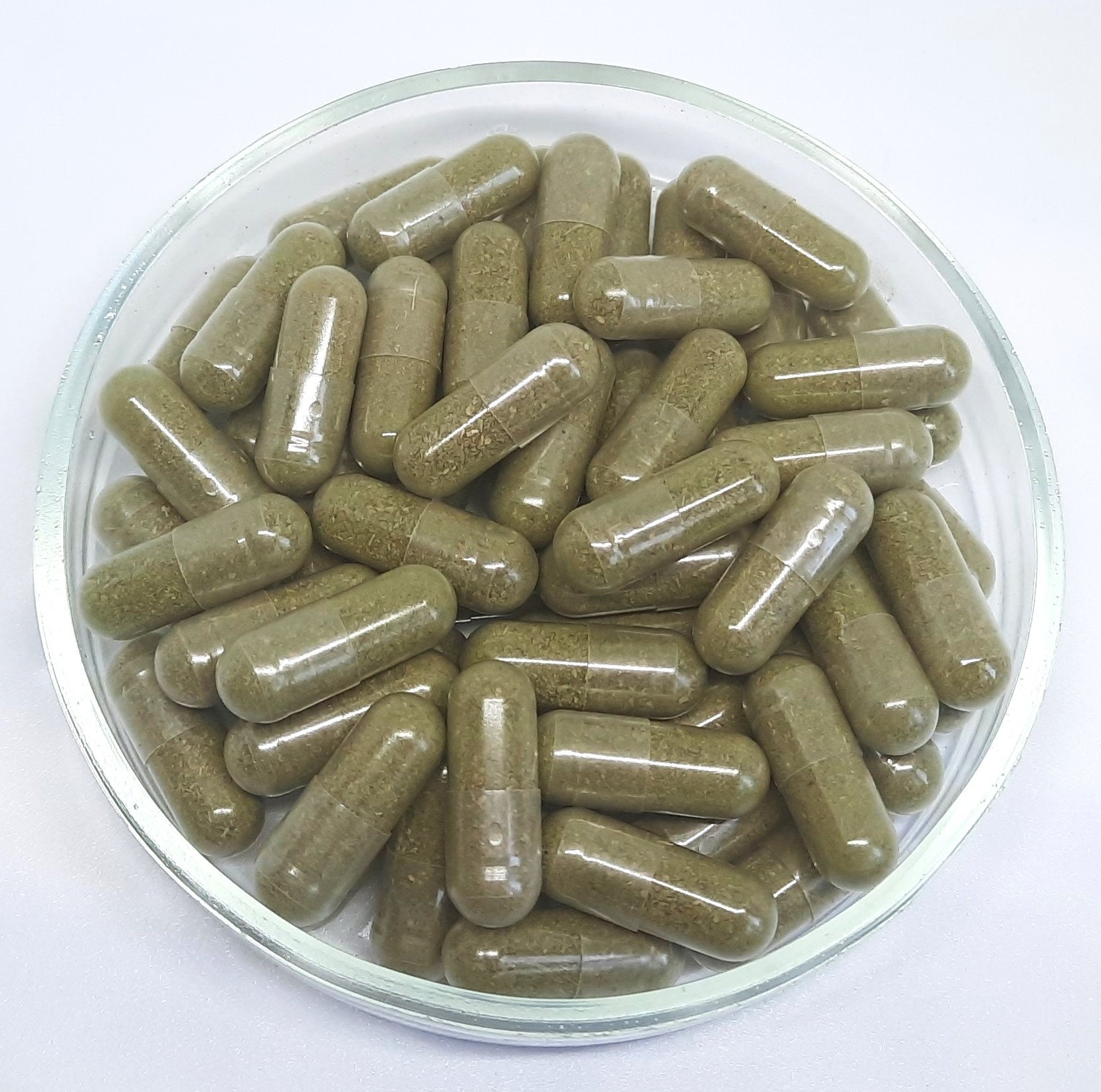
Standardized chamomile capsules are typically manufactured using dry extracts of the flower heads, calibrated to guarantee a specific percentage of key active ingredients, such as 1% to 1.2% apigenin. This standardization ensures that each dose delivers a consistent clinical effect, whether you are managing chronic anxiety, optimizing sleep, or treating inflammatory bowel conditions. Furthermore, capsules are ideal for individuals who find the naturally bitter, herbaceous taste of concentrated chamomile tea unpalatable.
Dosing, Practical Preparation, and Safety
To maximize the therapeutic potential of chamomile, proper preparation and dosing are essential. Depending on your health goals, chamomile can be integrated into your lifestyle in several ways:
- Standard Herbal Infusion: Place 2 to 3 tablespoons (approximately 3 to 5 grams) of high-quality dried chamomile flowers into a mug. Pour 8 ounces of boiling water (212°F / 100°C) over the flowers. Crucially, cover the mug with a lid or saucer while steeping. This traps the steam, preventing the volatile essential oils (containing chamazulene and bisabolol) from evaporating. Steep for 10 to 15 minutes, strain, and drink warm.
- Standardized Oral Capsules: For therapeutic support in cases of anxiety or metabolic issues, doses of 220 mg to 500 mg of standardized extract, taken 1 to 3 times daily, are commonly used in clinical trials. Always look for brands specifying their apigenin content.
- Liquid Extracts (Tinctures): A 1:5 or 1:2 hydroethanolic extract is highly effective. The typical dosage is 2 to 4 mL, taken up to three times daily in a small amount of water.
- Topical Application: Chamomile ointments, creams, or cooled infusions can be applied directly to minor cuts, burns, eczema, or hemorrhoids to soothe irritation and accelerate tissue regeneration.

Chamomile has a remarkably favorable safety profile and is classified as “Generally Recognized as Safe” (GRAS) by the FDA. However, certain precautions should be observed. Because it belongs to the Asteraceae family, individuals with known severe allergies to ragweed, marigolds, daisies, or chrysanthemums should use chamomile with caution, as cross-reactivity can occur.
Additionally, due to the presence of trace natural coumarins, individuals taking prescription blood thinners (such as warfarin) should consult their healthcare provider before using high-dose chamomile supplements. Pregnant and nursing mothers should also seek professional guidance before consuming therapeutic amounts of chamomile extracts, though moderate culinary use as a tea is generally considered safe.
Conclusion
The chamomile flower is a timeless testament to the power of botanical medicine. Bridging the gap between ancient folklore and modern scientific validation, its therapeutic compounds target multiple physiological pathways simultaneously. From quieting an overactive nervous system and healing a stressed digestive tract to fighting systemic inflammation, chamomile offers a gentle, natural solution to many of today’s chronic health challenges.
By incorporating high-quality chamomile tea, liquid extracts, or standardized capsules into your daily routine, you invite a legacy of healing and calm into your life. Embrace this gentle, golden flower, and let the wisdom of nature restore balance to your body and mind.
Disclaimer: For informational purposes only. Not medical advice. Consult a qualified healthcare professional before use.