The Ultimate Guide to White Yarrow Herb: History, Phytochemistry, and Comprehensive Health Benefits
For millennia, natural medicine has relied on the wild flora of the temperate world to heal wounds, soothe digestive distress, and restore systemic balance. Among these botanical treasures, few herbs carry a more illustrious pedigree or a more versatile therapeutic profile than White Yarrow (Achillea millefolium). Renowned by ancient warriors, respected by medieval apothecaries, and increasingly validated by modern pharmacological research, this resilient perennial is a cornerstone of holistic herbalism.
In this definitive guide, we will embark on an exhaustive exploration of White Yarrow Herb. We will dissect its botanical characteristics, uncover its complex phytochemical makeup, delve into its historical applications, and analyze its diverse health benefits. Finally, we will provide practical guidance on how to safely integrate this potent botanical into your contemporary wellness regimen.
Botanical Profile and Ecological Characteristics
White Yarrow belongs to the Asteraceae (daisy) family, representing a highly adaptable species native to Europe, Asia, and North America. Characterized by its finely dissected, feathery foliage—which earned it the Latin specific epithet millefolium, meaning “thousand leaves”—yarrow is as visually distinctive as it is hardy. It thrives in neglected pastures, sandy coastal soils, alpine meadows, and roadside ditches, showcasing an evolutionary resilience that mirrors its robust medicinal properties.
The plant produces flat-topped, dense clusters (corymbs) of tiny, composite flowers. While horticultural varieties exhibit shades of pink, yellow, and deep red, the wild-type White Yarrow remains the gold standard for therapeutic applications. The intense aroma emitted when the leaves are crushed is an immediate indicator of its rich concentration of volatile essential oils, which serve as the plant’s natural defense mechanism against herbivores and pathogens.

From a botanical standpoint, yarrow’s intricate structure allows it to accumulate a diverse range of secondary metabolites from its environment. The feathery leaves maximize photosynthetic efficiency, while its extensive, creeping rhizomatous root system allows the plant to access deep-tier minerals and survive prolonged periods of drought. Understanding these physiological adaptations provides a deeper appreciation of the herb’s concentrated healing properties.
The Phytochemical Masterclass: What Makes Yarrow Heal?
The therapeutic efficacy of White Yarrow cannot be attributed to a single “magic bullet” compound. Instead, its medicinal power lies in a synergistic matrix of bio-active constituents. When we consume yarrow tea, apply a poultice, or take a standardized extract, we are introducing a sophisticated array of phytochemicals into our biological systems.

Scientific assays of Achillea millefolium have identified several primary classes of active compounds that drive its pharmacological actions:
- Sesquiterpene Lactones: Compounds such as achillicin, achillin, and millifin contribute to the herb’s characteristic bitter taste. These molecules possess profound anti-inflammatory properties, operating at a cellular level to inhibit pro-inflammatory pathways (such as the NF-kB pathway) and soothe irritated mucosal membranes.
- Volatile Essential Oils: Steam distillation of yarrow flowers and leaves yields an essential oil rich in chamazulene, linalool, camphor, and cineole. Chamazulene, which is synthesized from proazulenes during the heating process, gives the distilled oil a striking deep blue color. It is highly valued for its antioxidant, anti-allergic, and tissue-regenerative qualities.
- Flavonoids: Yarrow is exceptionally rich in flavonoids like apigenin, luteolin, and rutin. These antioxidants strengthen capillary walls, modulate immune responses, neutralize free radicals, and provide spasmolytic (muscle-relaxing) effects throughout the gastrointestinal tract and cardiovascular system.
- Alkaloids: The principal alkaloid in yarrow, named achilleine, is primary responsible for the herb’s celebrated styptic (blood-clotting) capabilities. Achilleine interacts with the coagulation cascade, helping to arrest external and internal bleeding efficiently.
- Tannins: These astringent compounds bind to proteins in skin and mucosal tissues, causing them to constrict. This action creates a protective barrier over wounds, reduces secretions, and tones lax tissue, making yarrow highly effective for skin issues and digestive inflammation.
- Salicylic Acid Derivatives: As natural precursors to aspirin, these compounds provide mild analgesic (pain-relieving) and antipyretic (fever-reducing) actions without the severe gastric irritation often associated with synthetic pharmaceuticals.
Historical Context: From the Battlefields of Troy to Modern Herbalism
The history of White Yarrow is deeply intertwined with human warfare and classical mythology. The genus name, Achillea, pays homage to the Greek hero Achilles. According to Homer’s Iliad, the centaur Chiron—the master of herbal lore—instructed Achilles in the use of yarrow to staunch the bleeding and prevent infection in the wounds of his Myrmidon soldiers on the battlefields of Troy. Consequently, the herb earned historical folk names such as “militaris,” “soldier’s woundwort,” and “knight’s milfoil.”
Beyond the battlefields of Europe, yarrow held sacred status in various ancient cultures. In China, the dried stalks of the yarrow plant were traditionally used to cast the hexagrams of the I-Ching (the Book of Changes), as the plant was believed to possess spiritual energy that bridged the gap between heaven and earth. Native American tribes, including the Cherokee, Navajo, and Miwok, utilized yarrow as a multi-purpose remedy. They brewed it into hot infusions to break fevers, applied chewed leaves to soothe insect bites, and used it as an analgesic wash for localized pain.
Deep-Dive into the Health Benefits of White Yarrow
1. Exceptional Wound Healing and Hemostasis
Perhaps the most famous attribute of White Yarrow is its ability to manage blood flow. It exhibits what herbalists refer to as amphoteric action on the circulatory system: it can stop active bleeding while simultaneously stimulating blood circulation to prevent stagnation. When applied topically to a minor cut or abrasion, the tannins and the alkaloid achilleine work in tandem to constrict blood vessels and accelerate the coagulation cascade, quickly halting hemorrhage.
Furthermore, its antimicrobial volatile oils protect open wounds from opportunistic bacterial infections, while its sesquiterpene lactones reduce localized swelling and pain. This dual actions makes it an indispensable component of emergency herbal salves, poultices, and historical “wound powders.”
2. Gastrointestinal Support and Spasmolytic Relief
If you suffer from chronic digestive complaints such as bloating, cramping, gas, or sluggish digestion, White Yarrow may offer profound relief. As a bitter tonic, yarrow stimulates the bitter receptors on the tongue, which triggers a digestive cascade. This includes increased saliva production and the stimulation of gastric juices, bile, and pancreatic enzymes, all of which are essential for the efficient breakdown and absorption of nutrients.
Moreover, the flavonoid apigenin and various sesquiterpenes exert a powerful spasmolytic effect on the smooth muscles of the digestive tract. By blocking calcium channels in smooth muscle cells, yarrow helps relax intestinal spasms, making it a valuable therapeutic ally for individuals managing Irritable Bowel Syndrome (IBS), spastic colitis, and painful digestive cramping.
3. Cardiovascular Regulation and Circulatory Health
Yarrow is a supreme remedy for the vascular system. Its active compounds dilate peripheral blood vessels, which helps lower blood pressure by reducing the workload on the heart. It also contains flavonoids that strengthen the structural integrity of veins and capillaries, preventing them from becoming fragile or leaky.
This vascular-toning action makes yarrow highly beneficial for conditions related to venous congestion, such as varicose veins, hemorrhoids, and poor circulation to the extremities (which often manifests as cold hands and feet). By improving peripheral blood flow, yarrow ensures that oxygen and essential nutrients are efficiently delivered to deep tissues throughout the body.
4. Fever Management and Diaphoretic Action
In traditional European medicine, yarrow is a key ingredient in the classic “diaphoretic triad” (alongside Elderflower and Peppermint) used to manage fevers associated with colds, flus, and respiratory infections. Rather than suppressing a fever—which is the body’s natural defense mechanism to kill pathogens—yarrow assists the process.
As a hot infusion, yarrow acts as a stimulating diaphoretic. It opens up peripheral capillaries and stimulates the sweat glands, encouraging the body to sweat. This helps release excess heat through evaporative cooling, gently bringing down a dangerously high temperature while supporting the immune system’s natural defense mechanisms.
5. Gynecological Support and Menstrual Regulation
Yarrow has long been classified as an emmenagogue—an herb that stimulates and normalizes menstrual flow. For women experiencing delayed, scanty, or absent periods (amenorrhea) due to pelvic congestion or hormonal imbalances, yarrow can help stimulate healthy circulation to the pelvic region and encourage the onset of menstruation.
Conversely, due to its astringent tannins and hemostatic properties, yarrow is equally effective at curbing excessively heavy menstrual bleeding (menorrhagia). Its antispasmodic compounds also help relax uterine smooth muscle, providing significant relief from painful menstrual cramps (dysmenorrhea).
Modern Delivery Methods: Standardized Extracts and Supplements
While drinking traditional loose-leaf teas and using raw herbal poultices remain highly effective, modern clinical nutrition often utilizes standardized extracts to ensure consistent therapeutic dosing. Standardizing the extract guarantees a specific percentage of active markers, such as flavonoids or bitter principles, in every single dose.
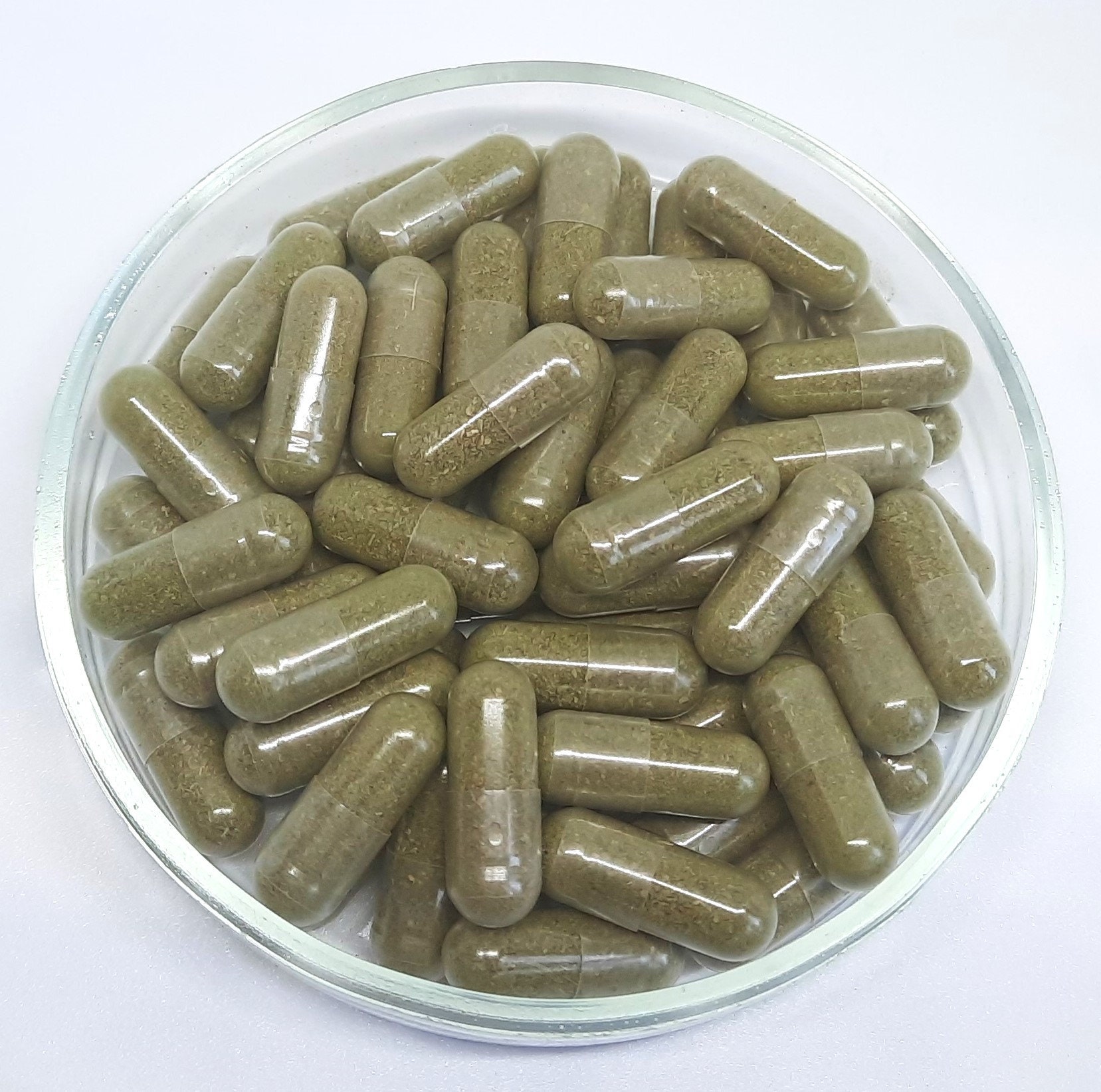
Standardized capsules are highly convenient for individuals who find the intense, natural bitterness of yarrow tea unpalatable. Capsules bypass the taste buds, releasing the active constituents directly into the stomach and small intestine, where they are systematically absorbed. This method is particularly suited for managing systemic inflammation, supporting cardiovascular health, or regulating long-term menstrual patterns.
When choosing a yarrow supplement, look for reputable manufacturers that use certified organic raw materials and provide a transparent label detailing the extraction ratio (e.g., 4:1 or 10:1) or standardization metrics. This ensures you are getting a clean, potent product free from heavy metals, pesticides, and synthetic fillers.
Practical Usage, Dosages, and Preparation Guide
Depending on your health goals, White Yarrow can be prepared and administered in several different ways. Below is a practical guide to the most common preparation methods:
Yarrow Herbal Infusion (Tea)
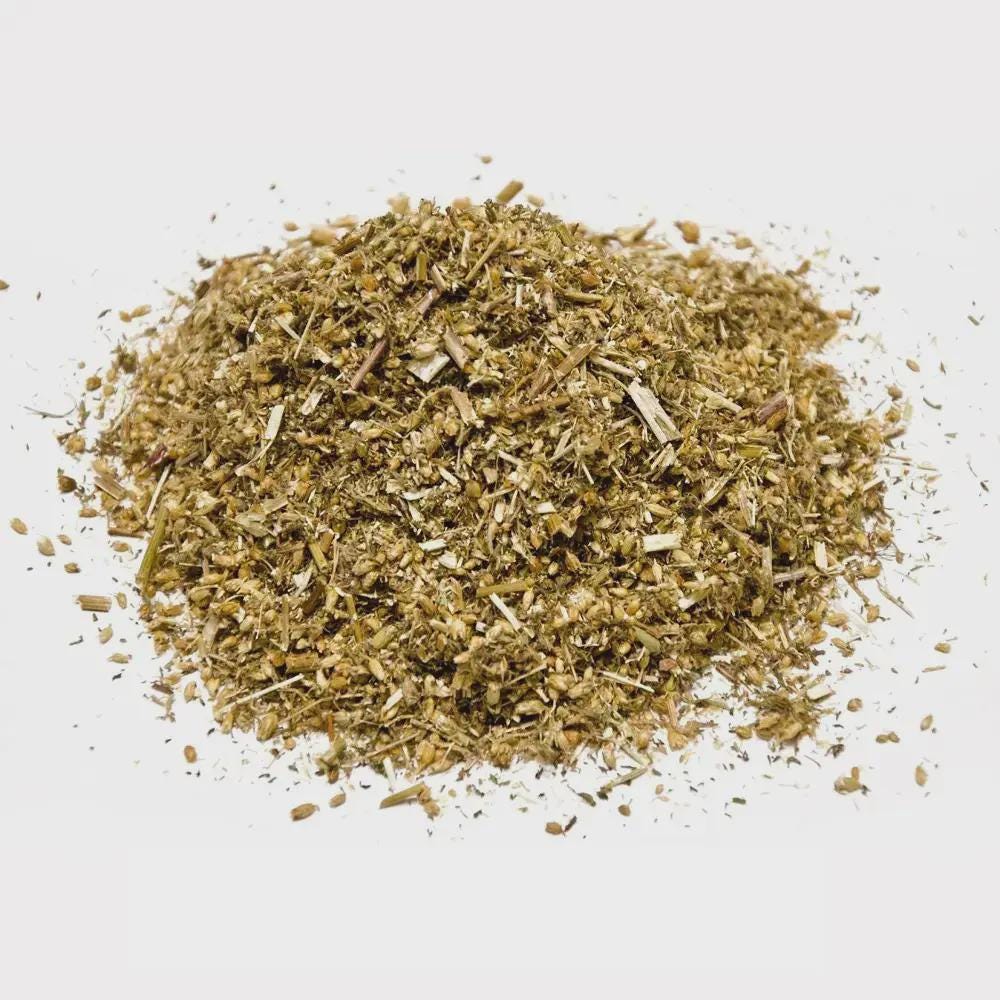
Ideal for digestive sluggishness, cold and flu symptoms, or systemic inflammation. To prepare, place 1 to 2 teaspoons of dried White Yarrow herb into a mug. Pour 8 ounces of freshly boiled water over the herb, cover tightly (to prevent the volatile essential oils from escaping with the steam), and steep for 10 to 15 minutes. Strain and drink. Note: The longer you steep yarrow, the more bitter compounds are extracted, making it more effective as a digestive aid.
Yarrow Tincture (Liquid Extract)
A convenient way to carry yarrow with you for acute digestive spasms, anxiety, or circulatory support. A standard dose for a 1:5 extract (made with 40% alcohol) is 2 to 4 mL, taken up to three times daily in a small amount of water.
Topical Poultice and Skin Wash
For minor cuts, bruises, or insect bites. To make a simple poultice, moisten dried or fresh yarrow leaves with a small amount of hot water to form a paste. Apply this paste directly to the affected area and secure it with a clean bandage. Alternatively, a strong, cooled yarrow tea can be used as a skin wash to cleanse minor wounds or soothe inflammatory skin conditions like eczema.

Safety, Side Effects, and Contraindications
Despite its extensive history of safe use, White Yarrow is a potent botanical medicine and must be used with respect. The following safety considerations should be observed:
- Pregnancy and Lactation: Yarrow is strictly contraindicated during pregnancy. Its emmenagogue properties can stimulate uterine contractions and pelvic blood flow, which may pose a risk of miscarriage. It is also advised to avoid yarrow while breastfeeding due to a lack of safety data regarding its active compounds passing into breast milk.
- Allergies to the Asteraceae Family: Because yarrow belongs to the Asteraceae family, individuals who are allergic to ragweed, daisies, marigolds, or chrysanthemums may experience allergic reactions to yarrow. This can manifest as contact dermatitis when handling the fresh plant or systemic allergic reactions when ingested.
- Bleeding Disorders and Surgery: Because yarrow can influence blood clotting and systemic circulation, individuals with bleeding disorders or those scheduled for surgery should avoid using yarrow for at least two weeks before and after their procedure.
- Drug Interactions: Yarrow may interact with certain medications. For example, because it has mild hypotensive properties, it may enhance the effects of prescription blood pressure medications. It may also interact with blood thinners (anticoagulants) or sedatives due to its mild muscle-relaxing effects.
Conclusion: Integrating White Yarrow into Your Wellness Journey
White Yarrow stands as a brilliant testament to the profound complexity and efficacy of traditional plant medicine. Whether utilized as a fast-acting styptic on a hiking trail, enjoyed as a hot, steaming infusion to break a fever, or taken daily in a standardized capsule to support cardiovascular and digestive health, this humble wayside herb remains an invaluable addition to your home apothecary.
By combining ancient wisdom with modern scientific validation, we can safely and effectively harness the power of White Yarrow to promote systemic balance, vitality, and resilience in our modern lives.
Disclaimer: For informational purposes only. Not medical advice. Consult a qualified healthcare professional before use.