The Ultimate Guide to Bean Pods: History, Bioactive Compounds, and Therapeutic Health Benefits
For centuries, humanity has looked to the plant kingdom to address metabolic imbalances, support renal function, and promote overall vitality. While the seeds of the common bean (Phaseolus vulgaris) are globally celebrated as a dietary staple rich in protein and complex carbohydrates, its outer protective envelope—the bean pod—holds a prestigious yet frequently overlooked position in traditional and modern pharmacognosy. Often referred to in herbal medicine as Phaseoli pericarpium (bean pods stripped of their seeds), this botanical resource represents a complex matrix of bioactive proteins, trace minerals, and secondary metabolites that work synergistically to support human physiology.
In this exhaustive guide, we will explore the deep historical usage of bean pods, their precise botanical features, their intricate chemical composition, and the scientific mechanisms of action that validate their traditional applications. From blood sugar modulation and weight management to renal support and cellular protection, this article serves as the definitive deep-dive guide to the health benefits of bean pods.
1. Historical Context and Ethnobotanical Legacy
The common bean (Phaseolus vulgaris) is native to the Americas, with distinct domestications occurring thousands of years ago in Mesoamerica and the Andean region. While indigenous populations primarily cultivated the plant for its highly nutritious seeds, the therapeutic value of the dried pod shells (pericarps) was rapidly integrated into traditional medicine systems worldwide following the Columbian Exchange in the late 15th and 16th centuries.
In European monastic medicine and traditional folk herbology, bean pod tea became a celebrated remedy for “dropsy” (edema), gout, and various urinary tract disorders. Herbalists recognized that decoctions made from the empty pods stimulated urine production and helped relieve painful joint conditions associated with the accumulation of uric acid. By the 19th and early 20th centuries, as European phytotherapy began to merge with early pharmacological science, clinical practitioners noted the ability of bean pod extracts to assist in managing “sugar urine”—a classic symptom of what is now diagnosed as Type 2 diabetes mellitus.

Across diverse cultures, from Traditional Chinese Medicine (where specific bean pericarps are utilized to clear heat and resolve dampness) to traditional Germanic phytotherapy, the dried herb has been prepared as a decoction, infusion, or concentrated extract. The longevity of its clinical use in traditional systems laid the foundation for modern biochemical research, which seeks to map individual active compounds to these historic therapeutic claims.
2. Botanical Overview and Plant Characteristics
To appreciate the therapeutic efficacy of bean pods, one must understand the botanical nature of the host plant. Phaseolus vulgaris is an herbaceous annual plant belonging to the Fabaceae (legume) family. Depending on the cultivar, the plant exhibits either an erect bush habit or a climbing vine-like structure supported by twining stems. The leaves are trifoliate, and the flowers, which range from white and yellow to pink or violet, give rise to the elongated, cylindrical, or slightly compressed seed pods.

The pericarp, or the pod shell, consists of three distinct anatomical layers: the exocarp (the outer protective skin), the mesocarp (the fleshy middle layer), and the endocarp (the fibrous inner lining that encloses the seeds). For medicinal purposes, the pods are harvested when the seeds have fully matured but before the pod itself decays on the vine. Once harvested, the seeds are removed, and the remaining green or straw-colored pericarps are dried under controlled conditions to preserve their volatile and non-volatile bioactive components. The resulting dried herb is tough, fibrous, and possesses a mild, slightly sweet, and herbaceous taste profile.
3. Phytochemical Profile and Active Bioactive Compounds
The therapeutic versatility of bean pods is directly attributed to its unique and complex chemical composition. Unlike the seeds, which are highly caloric and dense in starches and proteins, the empty pericarps concentrate a variety of secondary metabolites, minerals, and specialized glycoproteins designed to protect the developing seed from environmental stressors.

Analytical phytochemistry has identified several key classes of bioactive constituents within the dried pod shell:
- Phaseolamin: A specialized glycoprotein that acts as a potent, natural inhibitor of the enzyme alpha-amylase. This compound is the primary driver behind the pod’s carbohydrate-blocking and glycemic-regulating properties.
- Flavonoids and Polyphenols: Including kaempferol, quercetin, rutin, and myricetin. These compounds exhibit powerful antioxidant, anti-inflammatory, and vaso-protective actions.
- Mineral Salts and Trace Elements: Notably high concentrations of potassium, silica, chromium, magnesium, and calcium. Chromium plays an essential role as a cofactor for insulin function, while silica and potassium support renal filtration and tissue integrity.
- Amino Acids: High levels of free amino acids, particularly arginine, asparagine, and tyrosine, which support urea cycle dynamics and metabolic regulation.
- Saponins: Complex glycosides that assist in lipid metabolism, immune system modulation, and the emulsification of fats within the gastrointestinal tract.
- Soluble and Insoluble Dietary Fibers: Hemicellulose, pectin, and cellulose, which optimize gut transit times, nourish the microflora, and slow down systemic glucose absorption.
4. Key Health Benefits and Scientific Mechanisms of Action
Modern clinical research and pharmacological studies have begun to unravel how these individual components act upon human biochemistry. The resulting health benefits of bean pods are vast, spanning metabolic, cardiovascular, renal, and digestive systems.
A. Blood Glucose Regulation and Alpha-Amylase Inhibition
One of the most clinically validated applications of bean pod extract is its role in supporting healthy blood sugar levels and improving insulin sensitivity. When we consume complex carbohydrates (such as starches from bread, pasta, or potatoes), our salivary and pancreatic glands secrete the enzyme alpha-amylase to break these large molecules down into simple sugars for absorption in the small intestine.
The glycoprotein phaseolamin, highly concentrated in bean pods, acts as a competitive inhibitor of alpha-amylase. By temporarily binding to the active sites of this enzyme, phaseolamin prevents it from breaking down dietary starches. As a result, a portion of the ingested carbohydrates passes through the digestive tract unabsorbed, significantly blunting postprandial (post-meal) blood glucose spikes and reducing the subsequent demand on pancreatic insulin secretion. Over time, this mechanism assists in reducing systemic insulin resistance, protecting pancreatic beta-cells from burnout, and managing the long-term markers of Type 2 diabetes, such as HbA1c.
B. Natural Diuretic Action and Renal Support
In traditional European medicine, bean pods are classified as a premier aquaretic—a substance that promotes water excretion without depleting critical electrolytes. The high concentration of potassium salts, silica, and specific amino acids (like asparagine) works on the renal tubules to stimulate urine production. This action helps flush the kidneys and urinary bladder, reducing the risk of urinary tract infections (UTIs) by physically preventing bacterial colonization on the urothelium.
Furthermore, the increased urinary volume facilitates the elimination of nitrogenous waste products, particularly uric acid and urea. By enhancing the excretion of uric acid, bean pod decoctions help lower systemic levels, providing relief for individuals suffering from gout—a painful condition characterized by the crystallization of uric acid in the joints. This gentle, non-stimulating diuretic action also aids in reducing mild fluid retention (edema) and supporting overall blood pressure regulation by reducing fluid volume overload in the vascular system.
C. Weight Management and Metabolic Health
The dual action of starch blockage and metabolic modulation makes bean pod extracts a popular ingredient in natural weight management formulations. By inhibiting alpha-amylase, phaseolamin effectively lowers the caloric density of carbohydrate-rich meals. Fewer absorbed carbohydrates translate to a reduction in the circulating glucose pool that would otherwise be converted into triglycerides and stored as adipose (fat) tissue.
Additionally, the undigested starches that pass into the colon act as resistant starches, serving as prebiotics for the beneficial bacteria in the gut microbiome. The fermentation of these starches by gut bacteria produces short-chain fatty acids (SCFAs) like butyrate, which are known to improve metabolic health, enhance satiety signaling, and reduce systemic low-grade inflammation. This gut-centric mechanism promotes a healthy metabolic rate and helps control appetite cravings throughout the day.
D. Cellular Protection and Anti-Inflammatory Effects
Oxidative stress, driven by an excess of free radicals, is a fundamental contributor to chronic degenerative diseases, including cardiovascular disease, cognitive decline, and cellular mutations. The rich array of flavonoids (such as quercetin and kaempferol) found in bean pods serves as an exceptional defense mechanism against this oxidative damage.
These polyphenolic compounds directly scavenge reactive oxygen species (ROS), chelate transition metal ions that promote oxidation, and upregulate the body’s endogenous antioxidant enzymes, such as superoxide dismutase (SOD) and glutathione peroxidase. Simultaneously, bean pod extract has been shown to downregulate pro-inflammatory cytokines, reducing chronic, subclinical vascular inflammation and supporting overall endothelial health.
5. Modern Pharmaceutical Applications, Capsules, and Supplements
As consumer demand for clinically backed, natural weight-loss and blood-sugar-management aids has grown, the nutraceutical industry has developed highly concentrated, standardized bean pod extracts. These are commonly marketed under patented names or simply as “White Kidney Bean Extract” or “Phaseolus Vulgaris Pod Powder.” Standardizing these extracts ensures a consistent concentration of phaseolamin, giving consumers predictable metabolic support.
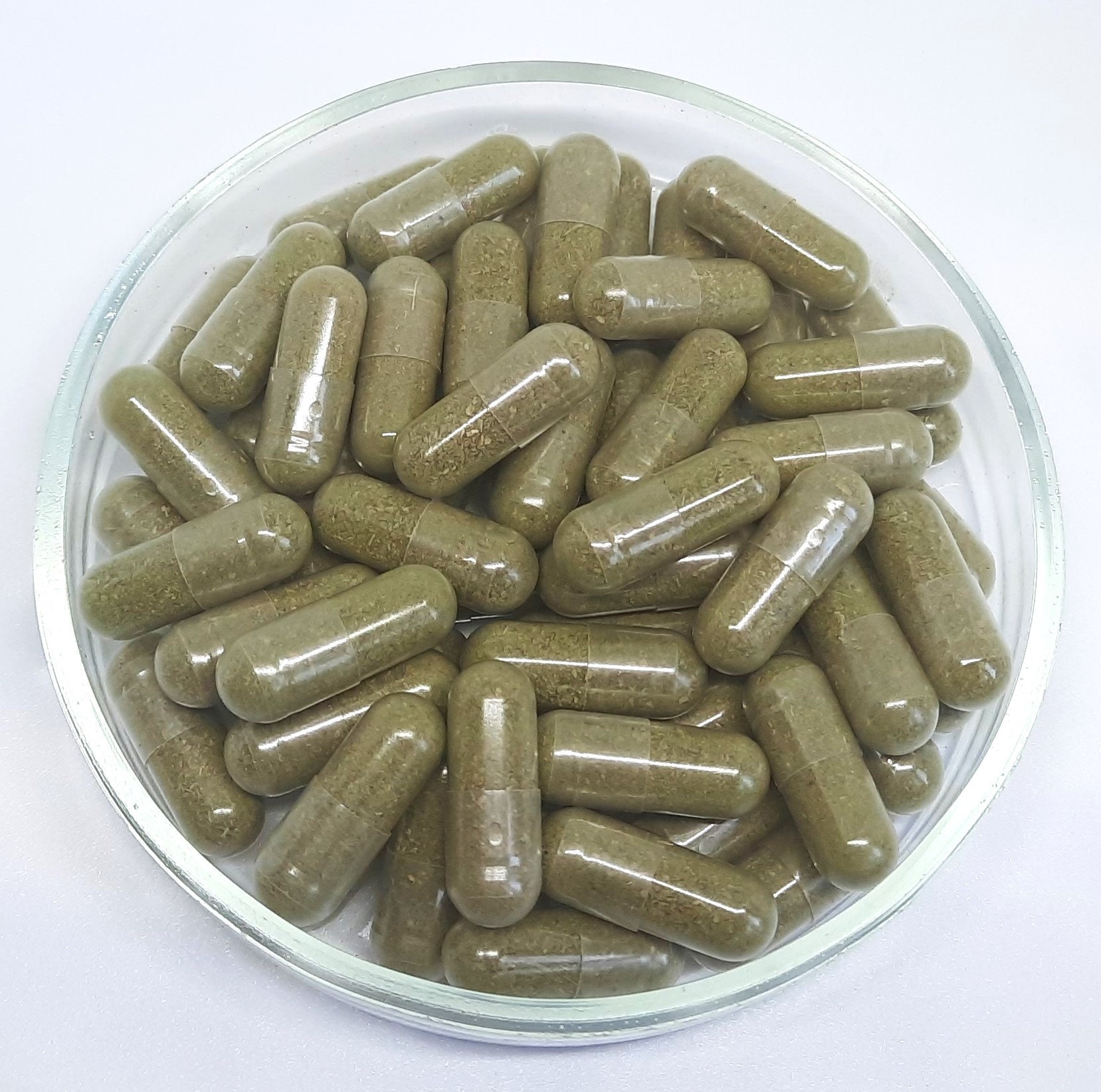
These supplements are widely available in capsule, tablet, and powder formats. For individuals who find the taste of traditional herbal teas unappealing or who require a precise, therapeutic dose to manage their post-meal glycemic response, capsules offer a convenient, highly bioavailable alternative. Standardized capsules are typically designed to be taken 10 to 15 minutes before consuming carbohydrate-dense meals, ensuring that the active glycoproteins are present in the digestive tract to intercept salivary and pancreatic enzymes as soon as digestion begins.
6. Practical Preparation, Dosage, and Administration
For those interested in exploring the health benefits of bean pods, several traditional and modern preparation methods are available. The ideal choice depends on individual health goals, lifestyle preferences, and access to raw or processed herbal materials.

A. Traditional Herbal Tea (Decoction)
Because bean pods are naturally fibrous and tough, a simple infusion (steeping in hot water) is often insufficient to extract the full spectrum of mineral salts and water-soluble polyphenols. A decoction is the preferred method for preparing the dried herb:
- Ingredients: 2 to 3 tablespoons of cut, dried bean pods (approximately 10–15 grams) and 3 cups of cold water.
- Preparation: Combine the dried pods and water in a small saucepan. Bring the mixture to a boil, then reduce the heat, cover, and let it simmer gently for 15 to 20 minutes. Cover during simmering to prevent volatile compounds from escaping.
- Administration: Strain the liquid and drink 1 cup, two to three times daily, preferably between meals to maximize its diuretic and renal flushing benefits.
B. Standardized Extracts and Capsules
When utilizing commercial dietary supplements, it is vital to read the manufacturer’s label carefully, as concentrations can vary. Standard protocols typically recommend:
- Dosage: 500 mg to 1500 mg of standardized bean pod extract (standardized to contain a high concentration of amylase-inhibiting units) twice daily.
- Timing: To maximize the starch-blocking mechanism, consume the capsule approximately 10 to 15 minutes before your largest starch-containing meals, accompanied by a full glass of water.
7. Contraindications, Side Effects, and Safety Profiles
Bean pods are widely regarded as safe, gentle, and well-tolerated by the vast majority of individuals. However, as with any potent botanical intervention, certain precautions, safety considerations, and contraindications must be understood to prevent adverse reactions.
A. Gastrointestinal Adaptation
Because phaseolamin inhibits the breakdown of starches, more undigested carbohydrates reach the large intestine. When the resident gut flora ferment these complex starches, they produce gases as natural byproducts. Consequently, some individuals may experience mild gastrointestinal side effects during the first few days of use, including bloating, flatulence, abdominal rumbling, or mild loose stools. These symptoms are typically transient, self-limiting, and resolve as the gut microbiome adapts to the increased presence of prebiotic fibers.
B. Hypoglycemia Risks and Drug Interactions
Individuals currently diagnosed with Type 1 or Type 2 diabetes who are taking prescription glucose-lowering medications (such as insulin, metformin, sulfonylureas, or DPP-4 inhibitors) must exercise caution. Because bean pod extracts actively lower blood sugar levels and improve insulin sensitivity, combining them with pharmaceutical agents may enhance the medication’s effect, potentially leading to hypoglycemia (dangerously low blood sugar). It is essential to consult with a primary healthcare provider or endocrinologist before incorporating bean pod supplements into a diabetic treatment plan to ensure proper monitoring and potential medication adjustments.
C. Phytohemagglutinin Toxicity (Raw Pod Warning)
Raw, unprocessed beans and, to a lesser extent, raw green bean pods contain a toxic lectin glycoprotein known as phytohemagglutinin (PHA). If consumed in significant quantities without adequate heating, PHA can cause severe gastrointestinal distress, including nausea, vomiting, and diarrhea. Fortunately, PHA is highly heat-sensitive. The commercial drying and extraction processes, as well as the prolonged boiling required to make herbal decoctions, completely denature and deactivate this lectin, rendering the resulting herbal tea or standardized supplement completely safe for human consumption.
D. Pregnancy, Lactation, and Surgery
Due to a lack of comprehensive safety data regarding the use of concentrated bean pod extracts during pregnancy and lactation, it is recommended that pregnant and breastfeeding women avoid therapeutic supplementation. Additionally, because of its dynamic effects on blood glucose control, individuals scheduled for elective surgery should discontinue the use of bean pod supplements at least two weeks prior to the procedure to prevent intraoperative glycemic fluctuations.
8. Conclusion
The humble bean pod stands as a remarkable bridge between ancient ethnobotanical wisdom and contemporary, evidence-based nutritional science. Far from being a mere agricultural byproduct, the dry pericarp of Phaseolus vulgaris offers a natural, multi-faceted approach to some of today’s most pressing metabolic challenges.
Through the precise enzymatic inhibition of phaseolamin, the rich cellular protection of its diverse flavonoids, and the gentle renal-flushing properties of its mineral salts, bean pods deserve a prominent place in the modern wellness toolkit. Whether enjoyed as a comforting, traditional warm decoction to support kidney health or taken as a standardized capsule to optimize metabolic function and manage healthy weight, this botanical treasure remains a safe, effective, and deeply valued gift from the natural world.
Disclaimer: For informational purposes only. Not medical advice. Consult a qualified healthcare professional before use.