The Comprehensive Guide to Eucalyptus Leaf: Botanical Profiles, Bioactive Compounds, and Therapeutic Health Benefits
For centuries, the eucalyptus tree has stood as a symbol of natural vitality and therapeutic potency. Renowned globally for its piercing, refreshing aroma and its ubiquitous presence in respiratory remedies, the eucalyptus leaf is far more than a simple sensory stimulant. It is a highly complex biochemical powerhouse containing hundreds of bioactive compounds that interface with human physiology in profound ways. This definitive, research-backed guide explores the botanical characteristics, chemical composition, historical applications, scientific health benefits, and safe modern practices for utilizing the extraordinary eucalyptus leaf.
Botanical Profile and Ecological Origins
The term “eucalyptus” refers to a diverse genus of over 700 species of flowering trees and shrubs within the myrtle family, Myrtaceae. Primarily native to Australia, these evergreen giants dominate the continent’s landscapes and have adapted to thrive in varied ecosystems. While several species possess medicinal qualities, Eucalyptus globulus, commonly known as the Blue Gum tree, remains the primary botanical source for medicinal leaf preparations and essential oil extraction.
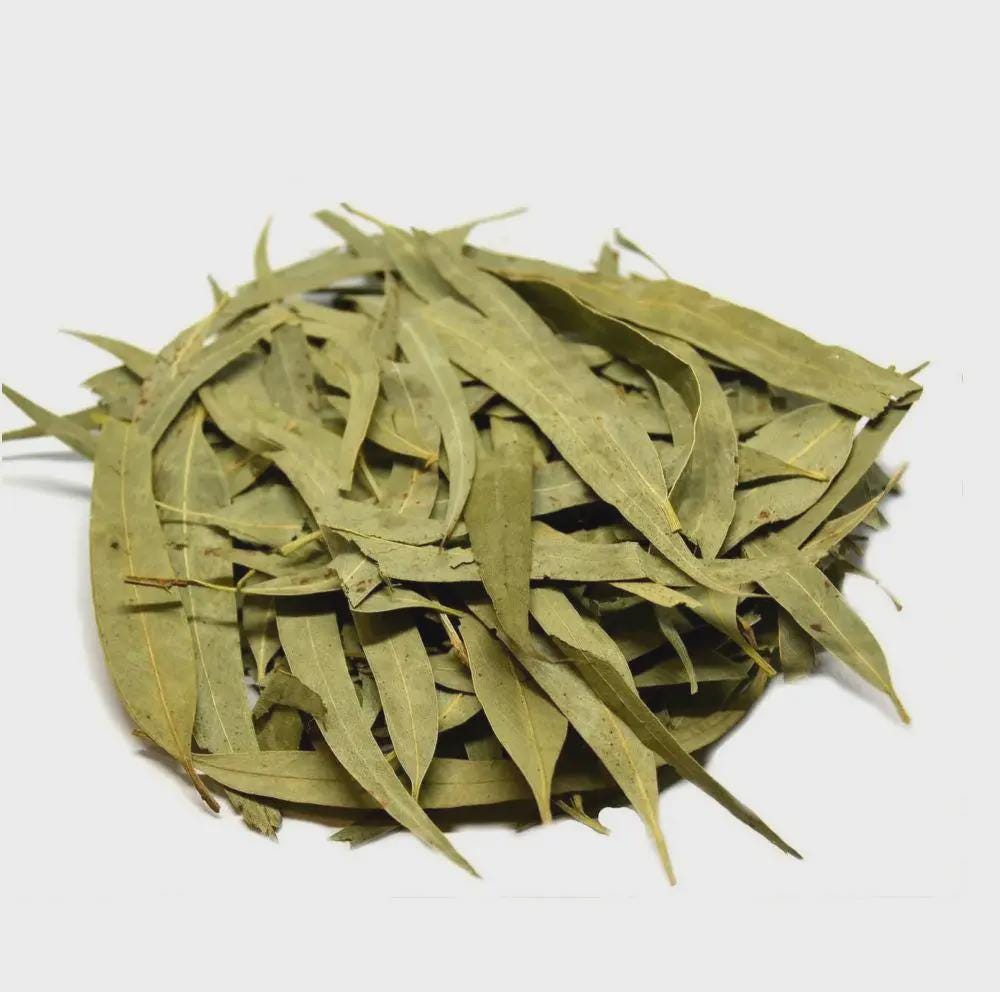
From a botanical standpoint, eucalyptus is celebrated for its dimorphic leaf structure. Juvenile leaves are opposite, sessile, ovate-to-cordate, and covered with a glaucous, bluish-white waxy bloom. As the tree matures, the foliage undergoes a dramatic transformation. Adult leaves are alternate, petiolate, lanceolate or falcate (sickle-shaped), measuring anywhere from 15 to 30 centimeters in length. These mature leaves are thick, leathery, and dark green, characterized by highly visible, translucent oil glands that dot their entire surface. These secretory cavities are the synthesizers and reservoirs of the volatile terpenes that define the plant’s medicinal profile.

The physiological adaptations of the eucalyptus leaf allow it to survive intense sunlight and periods of drought. The thick waxy cuticle limits transpiration, while the vertical hanging posture of mature leaves minimizes direct solar radiation during the hottest hours of the day. This survival mechanism ensures that the plant preserves its vital water and rich secondary metabolites, concentrating the bioactive agents that humans have harvested for generations.
The Complex Phytochemistry of Eucalyptus Leaf
To understand the clinical value of the eucalyptus leaf, one must delve into its intricate chemical landscape. The therapeutic efficacy of the plant is not the result of a single compound, but rather a synergistic matrix of volatile monoterpenes, sesquiterpenes, polyphenols, flavonoids, and specialized triterpenoids.
The primary and most widely researched constituent of eucalyptus leaf oil is 1,8-cineole, commonly known as eucalyptol. In premium-grade Eucalyptus globulus leaf extract or essential oil, 1,8-cineole accounts for 70% to 90% of the total chemical volume. Eucalyptol is a monoterpene cyclic ether characterized by its distinct camphoraceous odor and its powerful ability to cross biological membranes, making it highly bioavailable and effective at targeting systemic tissues, particularly within the pulmonary system.

Beyond eucalyptol, the leaf contains a supporting cast of organic compounds that enhance its therapeutic index and modulate its effects:
- Alpha-pinene and Beta-pinene: Monoterpenes with proven anti-inflammatory and broad-spectrum antimicrobial activities. They also act as bronchodilators by interacting with pulmonary receptors.
- Limonene: A common terpene that contributes a subtle citrus note and possesses robust antioxidant, anti-anxiety, and immunomodulatory properties.
- Macrocarpals (A through I): Unique, non-volatile phloroglucinol-sesquiterpene dialdehyde adducts found specifically in eucalyptus leaves. These compounds are highly celebrated in dental research for their unmatched ability to inhibit oral pathogens and prevent the formation of bacterial biofilms.
- Flavonoids (Quercetin, Hyperoside, Rutin): Polyphenolic antioxidants that scavenge free radicals, protect cellular structures from oxidative stress, and assist in modulating the body’s inflammatory responses.
- Tannins: Astingent polyphenols that help bind and shrink inflamed mucous membranes, providing a soothing, protective barrier over irritated tissues.
Historical Context and Traditional Medicine Systems
Long before modern laboratory analyses verified the therapeutic qualities of eucalyptus, Indigenous Australians recognized the profound healing properties of the “fever tree.” For thousands of years, Aboriginal communities utilized eucalyptus leaves as a cornerstone of their traditional pharmacopeia. They crushed the fresh leaves to release the volatile oils, inhaling the vapors to alleviate sinus congestion, chest tightness, and headaches. For physical wounds, skin infections, and joint pain, they prepared poultices by boiling the leaves or applying masticated leaves directly to the affected areas, utilizing the plant’s natural antiseptic and analgesic properties.
With the arrival of European settlers in the late 18th century, the medical utility of eucalyptus quickly gained international attention. Early colonial surgeons, observing the efficacy of Indigenous treatments, began distilling the oil to treat respiratory illness and sterilize surgical equipment. By the mid-19th century, eucalyptus oil was being commercially distilled and exported worldwide. It found a prominent place in the British Pharmacopoeia and the United States Dispensatory, valued as an expectorant, antiseptic, and stimulant. During the global influenza pandemic of 1918, eucalyptus oil was widely deployed as a primary atmospheric disinfectant and respiratory decongestant, solidifying its reputation as a premier botanical remedy.
Scientific Health Benefits of Eucalyptus Leaf
Modern clinical research and pharmacological trials have shed light on the exact mechanisms of action behind the traditional uses of eucalyptus leaf. Today, its therapeutic benefits span across multiple areas of human health.
1. Exceptional Respiratory Support and Mucolytic Action
The most celebrated health benefit of eucalyptus leaf is its unmatched ability to support respiratory function. For individuals suffering from acute bronchitis, chronic obstructive pulmonary disease (COPD), asthma, sinusitis, or the common cold, eucalyptus offers profound symptomatic relief and functional healing.
This efficacy is driven primarily by eucalyptol (1,8-cineole). Eucalyptol acts as a powerful mucolytic agent, meaning it chemically disrupts the structure of thick, tenacious mucus within the bronchial airways. It cleaves the disulfide bonds of mucoproteins, reducing the viscosity and elasticity of mucus. Simultaneously, eucalyptol stimulates the ciliated epithelial cells lining the respiratory tract, increasing ciliary beat frequency. This dual action facilitates rapid mucociliary clearance, allowing the body to expel excess phlegm easily. Furthermore, research demonstrates that eucalyptol exerts a direct bronchodilating effect by blocking voltage-gated calcium channels, thereby relaxing the smooth muscle tissues of the trachea and bronchi, reducing coughing fits and wheezing.
2. Potent Anti-Inflammatory and Immunomodulatory Effects
Chronic inflammation is at the root of many debilitating health conditions. Eucalyptus leaf compounds, particularly eucalyptol and various flavonoids, are potent anti-inflammatory agents. In vitro and in vivo studies have revealed that eucalyptol suppresses the production of key pro-inflammatory cytokines, including tumor necrosis factor-alpha (TNF-α), interleukin-1 beta (IL-1β), and interleukin-6 (IL-6).
Additionally, eucalyptus leaf extract inhibits the arachidonic acid metabolism pathway by downregulating the cyclooxygenase (COX-2) enzyme and lipoxygenase (LOX) pathway. By suppressing these inflammatory cascades, eucalyptus helps reduce mucosal swelling in the nasal passages, relieves joint stiffness and pain in osteoarthritic conditions, and alleviates systemic inflammatory strain. At the same time, it modulates the immune response, enhancing the phagocytic activity of macrophages—the immune cells responsible for engulfing and destroying invading pathogens—thereby supporting a swift and balanced immune response.
3. Broad-Spectrum Antimicrobial and Antiviral Defenses
The rise of antibiotic-resistant pathogens has renewed scientific interest in botanical antimicrobials, and eucalyptus leaf stands out as a formidable candidate. The volatile compounds within the leaf possess powerful antibacterial, antifungal, and antiviral properties.
Eucalyptus extracts are highly effective against prominent Gram-positive and Gram-negative bacteria, including Staphylococcus aureus, Streptococcus pyogenes, Escherichia coli, and Klebsiella pneumoniae. The lipophilic nature of eucalyptus terpenes allows them to partition into the lipid bilayer of bacterial cell membranes. This disrupts membrane permeability, leads to the leakage of intracellular contents, and ultimately causes cell death. In terms of antiviral defense, studies indicate that eucalyptus vapor can inhibit the replication of enveloped viruses, such as the influenza virus and herpes simplex virus (HSV), by interfering with viral envelope proteins and preventing host-cell attachment.
4. Dental and Oral Health Optimization
While eucalyptus is highly regarded for systemic health, it also offers localized benefits for oral hygiene. The accumulation of dental plaque, driven primarily by the bacterium Streptococcus mutans, leads to cavities, gingivitis, and periodontal disease.
Eucalyptus leaf extract, specifically rich in macrocarpals, exhibits intense anti-plaque and anti-cariogenic properties. Macrocarpals target and inhibit the enzymes responsible for bacterial adhesion and biofilm formation in the oral cavity. Clinical trials have demonstrated that chewing gum or using mouth rinses formulated with eucalyptus leaf extract significantly reduces plaque accumulation, decreases gingival inflammation, and neutralizes the volatile sulfur compounds responsible for halitosis (bad breath), without disrupting the beneficial oral microbiome.
5. Skin Healing, Antiseptic, and Analgesic Properties
Applied topically (always properly diluted), eucalyptus leaf preparations promote skin healing and alleviate localized discomfort. The leaves’ natural antiseptic qualities make them an excellent choice for treating minor cuts, abrasions, insect bites, and localized fungal infections, such as tinea or athlete’s foot.
When applied to the skin, eucalyptus stimulates sensory nerve endings, producing a mild warming and cooling sensation that acts as a counter-irritant. This process desensitizes local pain receptors (nociceptors) and increases local microcirculation. This makes eucalyptus leaf preparations highly effective in topical rubs for relieving muscular aches, tension headaches, sprains, and neuralgic pain.
Forms of Administration and Herbal Preparations
Eucalyptus leaf can be utilized in several diverse preparation styles, depending on the therapeutic objective. Selecting the appropriate medium ensures maximum efficacy and safety.
Herbal Infusions (Teas): Prepared by steeping dried, cut eucalyptus leaves in hot water. This traditional method extracts the water-soluble flavonoids, tannins, and a controlled portion of the volatile essential oils. It is an ideal, gentle option for soothing sore throats, clearing mild congestion, and enjoying a relaxing, antioxidant-rich beverage.
Essential Oil and Inhalation: Highly concentrated steam-distilled eucalyptus oil is used for inhalation therapy. Placing a few drops in a bowl of steaming water, a facial steamer, or a room diffuser allows the volatile eucalyptol to enter the respiratory passages directly, providing instant decongestion and sinus relief.
Topical Salves and Liniments: Eucalyptus leaf extracts are frequently infused into carrier oils, beeswax, or creams. These preparations are designed to be massaged into the chest and back for respiratory comfort, or directly onto joints and muscles to alleviate stiffness and localized pain.

Dietary Capsules and Standardized Supplements: For systemic, internal therapeutic support, standardized eucalyptus leaf capsules are available. These supplements deliver a precise, measured dosage of active eucalyptol or leaf extract, encased in a protective capsule to bypass stomach irritation and target systemic inflammatory and respiratory conditions under standardized parameters.
Practical Usage, Dosage, and Safety Guidelines
While the health benefits of the eucalyptus leaf are vast, this botanical must be treated with respect. Because of the high potency of its active volatile compounds, adhering to safe preparation and dosage guidelines is critical.

To safely navigate the therapeutic use of eucalyptus, review the following practical recommendations:
Recommended Dosages and Applications
- Eucalyptus Leaf Tea: Use 1 to 2 grams of dried eucalyptus leaf per cup of boiling water. Cover and steep for 10 to 15 minutes to prevent the therapeutic volatile oils from escaping in the steam. Consume 2 to 3 times daily during periods of respiratory congestion.
- Steam Inhalation: Add 2 to 4 drops of pure, organic eucalyptus essential oil to a large bowl of hot, steaming water. Drape a towel over your head and the bowl, close your eyes, and inhale the steam deeply through your nose for 5 to 10 minutes.
- Topical Application: Never apply pure, undiluted eucalyptus essential oil directly to the skin. Always dilute it in a quality carrier oil (such as jojoba, sweet almond, or fractionated coconut oil). A safe dilution ratio for adults is 2% to 3%, which equates to approximately 12 to 18 drops of essential oil per 30ml (1 ounce) of carrier oil.
- Standardized Capsules: When consuming standardized oral supplements, strictly follow the manufacturer’s directions or the guidance of a healthcare practitioner. Typical adult dosages of standardized eucalyptol capsules range from 100 to 200 mg, taken 2 to 3 times per day.
Critical Safety Precautions and Contraindications
- Toxicity Profile: Pure eucalyptus essential oil is highly concentrated and can be toxic if ingested in its undiluted state. Even small amounts (less than one teaspoon) of pure oil can cause severe neurological and physiological distress in adults, and can be fatal to young children. Store all essential oils out of reach of children and pets.
- Pediatric Guidelines: Do not apply eucalyptus-containing rubs or oil preparations to the face, chest, or nose of infants and young children under the age of six. Strong inhalation of eucalyptol can trigger laryngospasm, bronchospasm, or respiratory depression in young respiratory tracts. Opt for gentler botanicals like chamomile or lavender for young children.
- Pregnancy and Lactation: Due to a lack of comprehensive safety data regarding developing fetuses and infants, pregnant or nursing individuals should avoid systemic, internal use of eucalyptus leaf supplements, sticking to moderate, passive aromatherapy diffusion if cleared by their physician.
- Drug Interactions: Eucalyptus contains compounds that can induce certain liver enzymes, specifically Cytochrome P450 enzymes (such as CYP1A2, CYP2C19, and CYP3A4). This may accelerate the metabolism of medications processed by the liver, potentially reducing their therapeutic efficacy. Consult your doctor before using eucalyptus supplements if you take prescription medications.
Conclusion
The eucalyptus leaf stands as a shining testament to the power of botanical medicine. Its unique, evolutionary chemistry—dominated by the therapeutic powerhouse eucalyptol—provides a remarkable spectrum of benefits that address modern health challenges. From clearing congested airways and combating resistant bacteria to easing chronic inflammation and protecting oral health, this resilient leaf bridges the gap between ancient indigenous wisdom and modern clinical validation.
By integrating eucalyptus leaf into your wellness routine through mindful tea preparation, therapeutic aromatherapy, or targeted topical formulations, you can harness its revitalizing properties safely and effectively. Embrace this gift of nature with the proper knowledge and care, and let its refreshing, invigorating power support your journey toward optimal health.
Disclaimer: For informational purposes only. Not medical advice. Consult a qualified healthcare professional before use.