The Definitive Guide to Echinacea Leaf: Health Benefits, Phytochemistry, and Clinical Applications
For centuries, the genus Echinacea has stood as a cornerstone of traditional herbal medicine in North America. While modern consumers are frequently directed toward the root extracts of this famous wildflower, contemporary botanical science is increasingly highlighting the profound therapeutic value of the aerial portions of the plant, specifically the Echinacea leaf. Rich in immunomodulating polysaccharides, highly bioavailable alkylamides, and powerful phenolic antioxidants like chicoric acid, the leaf offers a distinct and highly effective pharmacological profile. This exhaustive, science-backed guide explores the historical context, botanical characteristics, chemical composition, health benefits, and practical applications of Echinacea leaf.
Botanical Overview and Species Differentiation
Echinacea, commonly known as the purple coneflower, is a genus of herbaceous flowering plants in the daisy family, Asteraceae. Native to eastern and central North America, these resilient perennials thrive in moist-to-dry prairies, open woodlands, and savanna margins. While there are nine recognized species of Echinacea, only three are primarily utilized in herbal medicine: Echinacea purpurea, Echinacea angustifolia, and Echinacea pallida. Among these, Echinacea purpurea is the species most widely cultivated and studied for its leaf and aerial development.
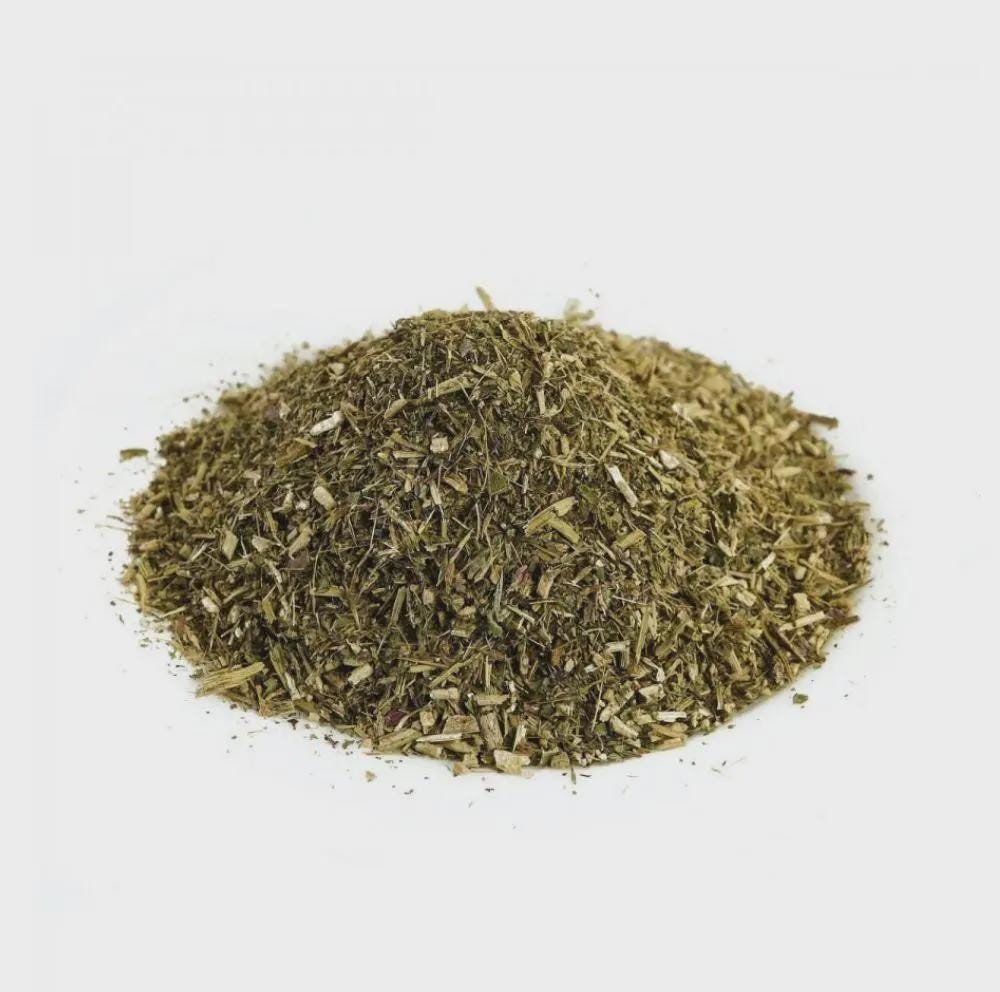
The morphological structure of the Echinacea leaf varies depending on the species and its position on the stem. Lower basal leaves are typically ovate to lanceolate, rough-textured with fine stiff hairs, and can grow up to 30 centimeters in length. As the leaves ascend the rigid, hairy stem toward the prominent daisy-like flower head, they become smaller, alternate, and sessile (lacking a petiole). Understanding the botanical differences between these leaves and their root counterparts is essential, as the phytochemical distribution varies dramatically across different parts of the plant. While the roots contain higher concentrations of certain lipophilic alkylamides, the leaves are particularly rich in water-soluble polysaccharides, glycoproteins, and specific caffeic acid derivatives that provide a balanced, highly bioavailable therapeutic effect.

Historical Context and Traditional Uses
Before the arrival of European settlers, Native American tribes across the Great Plains held Echinacea in the highest regard. It was arguably the most widely used medicinal plant among tribes such as the Lakota, Omaha, Kiowa, and Pawnee. These indigenous healers utilized the whole plant, making decoctions and poultices from both the leaves and roots to treat a diverse array of ailments, including snakebites, insect stings, toothaches, chronic coughs, sore throats, and septic wounds. They recognized that the fresh leaves possessed a numbing and soothing quality when chewed, which we now know is caused by the local anesthetic properties of active alkylamides.
During the late 19th and early 20th centuries, the Eclectic medical movement—a popular school of American medicine that prioritized botanical remedies—adopted Echinacea into its official pharmacopeia. Eclectic doctors popularized the herb as a premier “blood purifier” and anti-infective agent, prescribing it for systemic infections, diphtheria, typhoid, and influenza. When the cultivation of Echinacea purpurea expanded to Europe in the 1930s, particularly in Germany, scientific research shifted focus toward the fresh-pressed juice of the aerial parts (leaves, stems, and flowers). This European clinical tradition solidified Echinacea leaf as an elite natural immunomodulator, paving the way for the sophisticated clinical trials and standardized extracts we rely on today.
Phytochemical Composition: The Synergy of Bioactive Compounds
The therapeutic efficacy of Echinacea leaf is not the result of a single “active ingredient.” Instead, it stems from a complex matrix of synergistic secondary metabolites. These compounds work in tandem to stimulate the immune system, neutralize oxidative stress, and modulate inflammatory pathways. The primary phytochemical groups identified in high-quality Echinacea leaf extracts include:
1. Caffeic Acid Derivatives (Phenolic Compounds)
Phenolic compounds are responsible for much of the antioxidant and antiviral activity of Echinacea leaf. The most prominent of these is chicoric acid, which is found in exceptionally high concentrations in the leaves and flowers of Echinacea purpurea compared to its roots. Chicoric acid is a potent antioxidant, recognized for its ability to inhibit singlet oxygen and protect cellular structures from oxidative damage. Other key caffeic acid derivatives present in the leaf include caftaric acid and chlorogenic acid, both of which contribute to the herb’s anti-inflammatory and tissue-protective properties.
2. Alkylamides (Isobutylamides)
Alkylamides are highly lipophilic molecules that are rapidly absorbed through the buccal mucosa (the lining of the mouth) and the gastrointestinal tract. Although historically associated with Echinacea roots, substantial amounts of specific alkylamides are present in the fresh leaf. These compounds are responsible for the characteristic tingling, tongue-numbing sensation experienced when consuming high-quality Echinacea preparations. Pharmacologically, alkylamides bind to cannabinoid type 2 (CB2) receptors on immune cells, acting as immunomodulators and reducing systemic inflammatory responses.
3. High-Molecular-Weight Polysaccharides and Glycoproteins
The leaves of Echinacea are rich in immunostimulatory polysaccharides, specifically arabinogalactans and fucogalactoxyloglucans, as well as complex glycoproteins. These large molecules are key drivers of the non-specific, innate immune response. When they come into contact with immune cells in the gut-associated lymphoid tissue (GALT) or systemic circulation, they trigger the activation of macrophages, natural killer (NK) cells, and phagocytes, initiating a cascade of defensive biological responses.
4. Essential Oils and Flavonoids
Echinacea leaf also contains volatile essential oils (primarily sesquiterpenes) and a range of antioxidant flavonoids, such as quercetin, kaempferol, and apigenin. These constituents protect plant tissues from environmental stressors and provide mild antimicrobial, antispasmodic, and vascular-protective actions when consumed by humans.

The Health Benefits of Echinacea Leaf: Mechanisms of Action
1. Advanced Immunomodulation and Pathogen Defense
Unlike conventional immune-boosting substances that simply push the immune system into overdrive, Echinacea leaf acts as a true immunomodulator. It helps balance and direct the body’s natural defenses based on current physiological needs. The primary mechanism of action involves the activation of the innate immune system. Polysaccharides and glycoproteins in the leaf bind to specific receptors (such as Toll-like receptors) on the surface of macrophages and dendritic cells.
This binding process stimulates phagocytosis—the ability of immune cells to engulf and destroy invading pathogens like bacteria and viruses. Furthermore, Echinacea leaf promotes the release of key signaling proteins known as cytokines, including tumor necrosis factor-alpha (TNF-alpha), interferon-gamma, and interleukins (IL-1, IL-6, and IL-10). By regulating this cytokine network, Echinacea leaf helps coordinate a swift, organized defense against infection without triggering a destructive, hyper-inflammatory state.
2. Prevention and Management of Upper Respiratory Infections (URIs)
The most common clinical application of Echinacea leaf is the prevention and treatment of the common cold, influenza, and related upper respiratory tract infections. Numerous double-blind, placebo-controlled clinical trials have evaluated the efficacy of aerial Echinacea preparations. Meta-analyses suggest that when high-quality Echinacea leaf is administered at the very first sign of respiratory symptoms, it can significantly reduce both the severity and duration of the illness.
The mechanisms underlying this benefit are two-fold: direct antiviral activity and mucosal defense. Chicoric acid and other phenolics in the leaf have been shown to directly inhibit viral replication and prevent viruses from binding to host cell receptors. Simultaneously, the anti-hyaluronidase activity of Echinacea prevents pathogens from breaking down the extracellular matrix of mucosal tissues. This limits the spread of the virus through the nasal and bronchial passages, keeping the infection localized and manageable.
3. Cellular Protection and Systemic Anti-Inflammatory Support
Chronic low-grade inflammation is a major driver of many modern degenerative health conditions. Echinacea leaf offers significant anti-inflammatory benefits, primarily modulated through its alkylamide content. As mentioned previously, alkylamides act as weak agonists of the CB2 receptors of the endocannabinoid system. This pathway plays a crucial role in regulating immune responses and suppressing inflammatory signaling.
By interacting with these receptors, Echinacea leaf suppresses the activity of cyclooxygenase-2 (COX-2) and 5-lipoxygenase (5-LOX) enzymes. This action reduces the production of pro-inflammatory eicosanoids, such as prostaglandins and leukotrienes. Additionally, the high concentration of chicoric acid and flavonoids neutralizes reactive oxygen species (ROS), protecting cellular membranes, DNA, and proteins from oxidative degradation.
4. Support for Skin Health and Wound Regeneration
The traditional use of Echinacea leaf as a wound-healing agent is well-supported by modern dermatology. When applied topically or consumed orally, Echinacea leaf extracts promote tissue regeneration and soothe compromised skin. This is largely due to its ability to protect collagen and hyaluronic acid—the fundamental structural components of healthy skin—from enzymatic breakdown by collagenase and hyaluronidase.
Furthermore, the antibacterial and anti-inflammatory properties of the leaf make it an excellent natural intervention for inflammatory skin conditions such as acne vulgaris, eczema (atopic dermatitis), and mild burns. By reducing local inflammation and inhibiting the growth of common skin pathogens (like Propionibacterium acnes), Echinacea leaf helps restore the skin barrier and accelerates the natural healing cycle.
Modern Delivery Methods and Formulations
To experience the full therapeutic benefits of Echinacea leaf, selecting the appropriate delivery format is key. The phytochemical profile of the final product depends heavily on how the herb is harvested, processed, and extracted. The most common commercial forms include:
Standardized Leaf Extracts and Capsules
For individuals seeking targeted therapeutic support, standardized dry extracts of Echinacea leaf offer a highly reliable and convenient option. These preparations are typically standardized to guarantee a specific percentage of active constituents, such as chicoric acid (often standardized to 2% to 4%) or total phenols. Encapsulated dried leaf powder or concentrated extracts ensure a consistent dose of immunomodulating compounds, making them ideal for travel, daily wellness regimens, or intensive short-term use during cold and flu season.

Liquid Extracts and Alcohol-Based Tinctures
Tinctures represent one of the most traditional and bioavailable ways to consume Echinacea leaf. Alcohol-water solvent mixtures are exceptionally efficient at extracting both the water-soluble polysaccharides and the alcohol-soluble alkylamides. When a liquid extract is held in the mouth before swallowing, the alkylamides are absorbed directly through the oral mucosa, providing rapid systemic effects. This direct contact also stimulates local immune tissue in the tonsils and throat, offering immediate relief for tickly or sore throats.
Herbal Infusions (Teas)
An infusion of high-quality dried Echinacea leaf is a comforting and effective way to access the herb’s water-soluble immunomodulators. Because polysaccharides and caffeic acid derivatives are highly water-soluble, hot water extraction yields a therapeutic beverage rich in antioxidants. To optimize the extraction of these compounds, the tea should be steeped in a covered vessel for 10 to 15 minutes, preserving the delicate volatile oils and preventing them from evaporating with the steam.
Practical Usage, Dosage, and Safety
To maximize the clinical efficacy of Echinacea leaf while maintaining safety, users should adhere to established dosing guidelines and understand the herb’s pharmacological profile.
Recommended Dosage Guidelines
Dosage varies widely based on the formulation, the quality of the raw material, and the health goal. The following are standard clinical recommendations:
- Standardized Dried Leaf Extract: 300 mg to 500 mg, taken two to three times daily.
- Dried Leaf Infusion (Tea): 1 to 2 teaspoons of dried leaf per cup of boiling water, steeped for 10–15 minutes, consumed 3 times daily.
- Liquid Extract (1:5 Tincture): 2 mL to 4 mL, taken three times daily in a small amount of water or directly under the tongue.
- Acute Intervention: At the very first sign of an infection, the dosage may be taken more frequently (e.g., every 3 to 4 hours) for the first 48 hours, before transitioning back to the standard daily maintenance dose.

The Debate: Continuous vs. Cyclical Use
A common question in botanical medicine is whether Echinacea leaf can be taken continuously. Historically, clinicians advised against long-term, uninterrupted use of Echinacea, believing that the immune system might adapt or become overstimulated. Modern research suggests that Echinacea does not lose its immunizing capacity over extended periods; however, a cyclical approach remains the standard recommendation for optimal response. For general immune maintenance during winter, taking Echinacea leaf for 6 to 8 weeks, followed by a 2-week break, is highly effective. Alternatively, it can be kept on hand as an acute-use botanical, reserved strictly for the first 7 to 10 days of physical stress, travel, or seasonal exposure.
Contraindications and Safety Profile
Echinacea leaf is exceptionally safe and well-tolerated by the vast majority of individuals. However, several important precautions should be observed:
- Allergies to Asteraceae: Individuals who are highly allergic to other members of the Asteraceae family (such as ragweed, chamomile, marigolds, and daisies) should use Echinacea leaf with caution, as cross-reactivity is possible, though rare.
- Autoimmune Conditions: Due to its stimulating effects on the immune system, individuals with progressive systemic or autoimmune disorders—such as multiple sclerosis, lupus, rheumatoid arthritis, or tuberculosis—should consult their healthcare provider before using Echinacea.
- Drug Interactions: Echinacea leaf can mildy inhibit certain cytochrome P450 enzymes (specifically CYP1A2 and CYP3A4). While rarely clinically significant, those taking medications metabolized by these pathways, or individuals on immunosuppressive therapy, should consult a qualified healthcare professional before beginning use.
Conclusion: The Future of Echinacea Leaf in Integrative Health
As we continue to navigate a complex modern landscape of emerging viral pathogens, antibiotic resistance, and environmental stressors, the demand for reliable, scientifically validated natural immunomodulators has never been higher. Echinacea leaf offers a safe, accessible, and highly effective therapeutic option that bridges the gap between ancient indigenous wisdom and modern clinical science.
By harnessing the synergistic power of its diverse chemical profile—from the immunostimulating polysaccharides to the anti-inflammatory alkylamides and antioxidant phenolics—Echinacea leaf stands as a vital ally for respiratory defense, cellular protection, and overall vitality. When sourced responsibly, prepared properly, and used mindfully, this remarkable botanical will undoubtedly remain at the forefront of natural medicine and integrative healthcare for generations to come.
Disclaimer: For informational purposes only. Not medical advice. Consult a qualified healthcare professional before use.