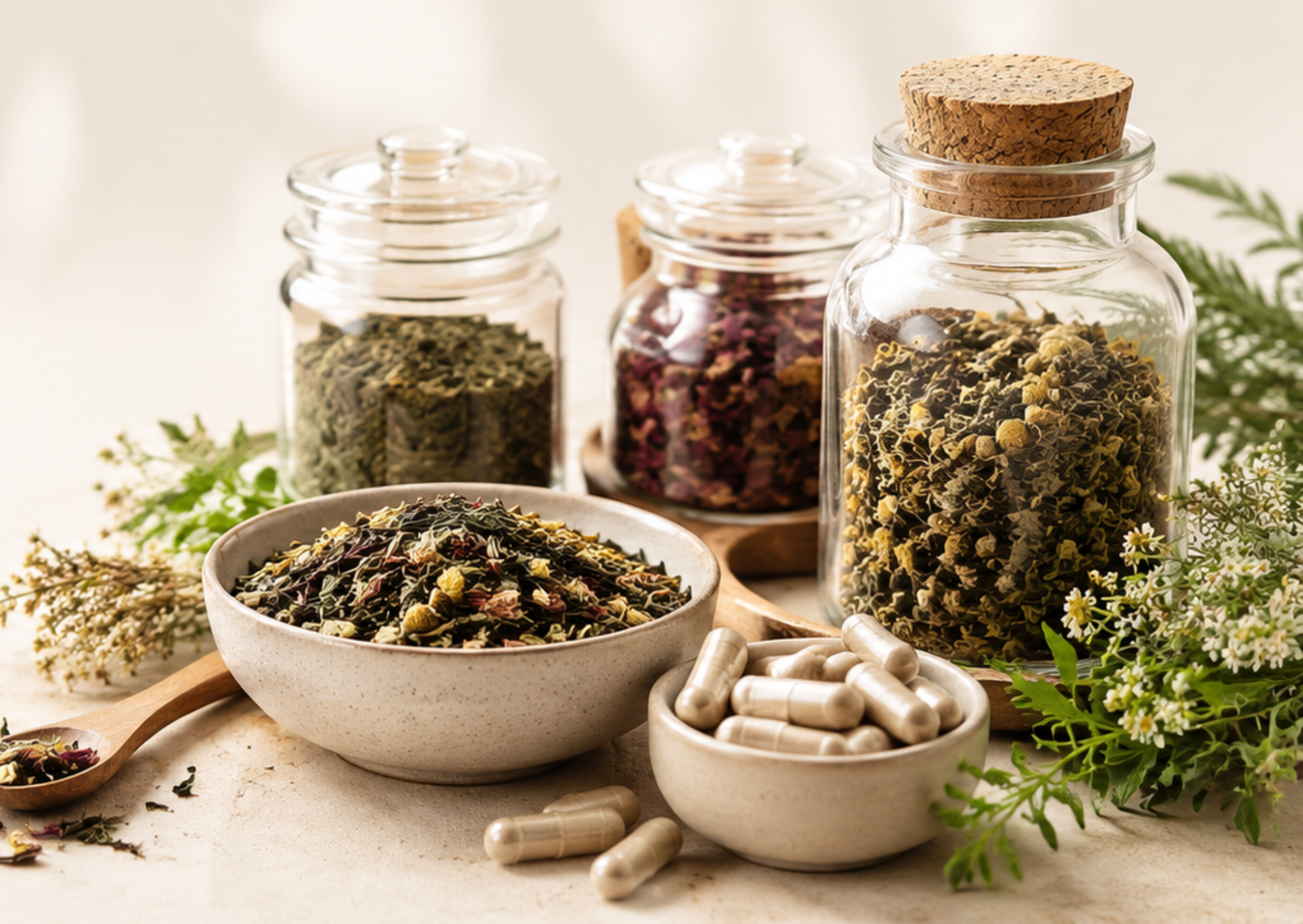

The Ultimate Guide to Turkish Sage (Salvia fruticosa): Health Benefits, Phytochemical Profile, and Traditional Uses
For millennia, the rugged landscapes of the Mediterranean basin have fostered some of the most resilient and therapeutically potent botanical species known to humanity. Among these, Turkish sage (primarily classified as Salvia fruticosa, and historically recognized as Salvia triloba) stands as a monumental pillar of traditional herbal medicine and modern pharmacognosy. Locally known in Turkey as “Adaçayı” (which translates literally to “Island Tea”), this remarkable evergreen shrub is highly prized not only for its distinct, pungent aroma but also for an extraordinary array of bioactive compounds that support human health. Unlike common garden sage (Salvia officinalis), Turkish sage possesses a unique chemical fingerprint characterized by high concentrations of eucalyptol (1,8-cineole) and a significantly lower, safer concentration of thujone, making it an exceptional candidate for daily therapeutic use.
In this comprehensive, evidence-based guide, we will delve deep into the botanical characteristics of Turkish sage, analyze its sophisticated chemical composition, explore its vast spectrum of health benefits backed by scientific research, and outline safe, practical methods for integrating this ancient botanical into your modern wellness regimen.
Botanical Overview and Ecological Profile
Turkish sage is a woody perennial shrub belonging to the Lamiaceae (mint) family. It is native to the eastern Mediterranean region, thriving on sunny, rocky hillsides, limestone cliffs, and coastal garrigues across Turkey, Greece, southern Italy, and parts of the Levant. The plant typically grows to a height of 50 to 100 centimeters, characterized by its highly branched, woolly stems and grayish-green, velvety leaves. A key identifying feature of Salvia fruticosa is its leaf structure: the leaves are frequently three-lobed (trilobed), featuring two small lateral leaflets at the base of the main leaf blade, which distinguishes it visually from the simple-leaved Salvia officinalis.
During the spring and early summer months, Turkish sage produces elegant, verticillate inflorescences bearing flowers that range in color from pale lavender and pinkish-purple to near-white. These flowers are highly attractive to pollinators, particularly bees, and contribute to the production of premium-quality, medicinal sage honey. The harsh, semi-arid Mediterranean environment forces the plant to synthesize a high concentration of secondary metabolites—essential oils, polyphenols, and diterpenes—as a defense mechanism against drought, intense solar radiation, and herbivore grazing. It is precisely this evolutionary adaptation that endows Turkish sage with its rich concentration of health-promoting active compounds.

Historical and Cultural Context
The therapeutic legacy of Turkish sage stretches back to antiquity. Ancient Greek physicians and naturalists, including Dioscorides and Hippocrates, documented the use of Mediterranean sage species for treating wounds, calming respiratory ailments, stanching blood flow, and improving cognitive acuity. The Romans revered the plant, designating it as “herba sacra” (sacred herb) and incorporating it into complex botanical preparations for overall longevity and cognitive preservation.
In modern Turkey, the cultural integration of Salvia fruticosa remains incredibly vibrant. Unlike Western countries where sage is used primarily as a culinary spice for heavy meats, in Turkey, Adaçayı is consumed extensively as a therapeutic herbal infusion. Sold in loose-leaf form in bustling traditional herbal markets (known as Aktars) from Istanbul to Izmir, it is the beverage of choice during the cold autumn and winter months. It is traditionally prepared by steeping the whole dried leaves, often still attached to their woody stems, and serving the golden-amber liquor with a slice of fresh lemon and a spoonful of local pine honey. It serves as a household remedy for sore throats, digestive upset, mental fatigue, and general physical debility.

The Chemical Fingerprint: Bioactive Compounds of Turkish Sage
The profound physiological effects of Turkish sage are directly attributable to its complex, synergistic phytochemistry. The plant contains a highly concentrated volatile essential oil fraction alongside a robust matrix of non-volatile polyphenols, flavonoids, and diterpenes. Understanding these specific chemical constituents allows us to appreciate how Turkish sage interacts with various biological pathways within the human body.
The volatile essential oil of Salvia fruticosa is typically extracted via steam distillation and is dominated by three primary terpenoid compounds:
- 1,8-Cineole (Eucalyptol): Comprising up to 40% to 60% of the essential oil, this compound is responsible for the fresh, camphoraceous, medicinal aroma of Turkish sage. 1,8-cineole is highly regarded for its powerful mucolytic, anti-inflammatory, and bronchodilatory properties, as well as its ability to enhance cerebral blood flow and cognitive performance.
- Camphor: Present in moderate quantities, camphor contributes to the antimicrobial, analgesic, and circulatory-stimulating properties of the herb when applied topically or inhaled.
- Thujone (Alpha and Beta): Significantly, Turkish sage contains much lower concentrations of thujone compared to common sage (Salvia officinalis). Thujone is a ketone with potential neurotoxic properties when consumed in excessive amounts over extended periods. The low-thujone profile of Salvia fruticosa renders it highly desirable for long-term therapeutic consumption, offering a significantly wider margin of safety.
Beyond the essential oils, the non-volatile polyphenolic matrix of Turkish sage is exceptionally rich in antioxidants. Chief among these is rosmarinic acid, a powerful ester of caffeic acid that exhibits profound anti-inflammatory, antiviral, and neuroprotective activities. Additionally, the plant contains substantial levels of carnosic acid and carnosol, lipid-soluble diterpenes that possess formidable free-radical scavenging capabilities and are widely studied for their potential chemopreventive and cellular protective properties. Flavonoids such as luteolin, apigenin, and scutellarein are also present, contributing to the herb’s spasmolytic, antihistamine, and vascular-protective actions.

Comprehensive Health Benefits of Turkish Sage
1. Cognitive Enhancement and Neuroprotection
One of the most exciting areas of modern scientific investigation into Turkish sage is its impact on cognitive health, memory retention, and overall brain function. Historically utilized to “sharpen the senses” and preserve memory in aging individuals, contemporary clinical studies have validated these traditional claims. The mechanism of action is primarily driven by the inhibition of acetylcholinesterase (AChE), an enzyme responsible for breaking down acetylcholine—a critical neurotransmitter associated with learning, memory, and cognitive focus.
Both the essential oil (specifically 1,8-cineole) and the polyphenols (like rosmarinic acid) in Turkish sage act as natural acetylcholinesterase inhibitors. By preserving acetylcholine levels in the synaptic cleft, Turkish sage improves cognitive clarity, enhances working memory capacity, and heightens attention span. Furthermore, the robust antioxidant properties of carnosic acid and rosmarinic acid protect neurons from oxidative stress, mitigate neuroinflammation, and help prevent the accumulation of beta-amyloid plaques, which are hallmark pathological indicators of neurodegenerative diseases such as Alzheimer’s.
2. Superior Antioxidant and Anti-Inflammatory Properties
Oxidative stress and chronic, low-grade systemic inflammation are recognized as fundamental drivers of most modern chronic diseases, including cardiovascular disease, metabolic syndrome, and autoimmune conditions. Turkish sage acts as a highly effective exogenous source of antioxidants. The high concentrations of rosmarinic acid, carnosic acid, and luteolin work synergistically to scavenge reactive oxygen species (ROS), chelate transition metal ions, and inhibit lipid peroxidation.
At the molecular level, these compounds downregulate the activation of Nuclear Factor-kappa B (NF-kB), a primary transcription factor that orchestrates the inflammatory response. By inhibiting NF-kB, Turkish sage reduces the production of pro-inflammatory cytokines such as Tumor Necrosis Factor-alpha (TNF-α), Interleukin-6 (IL-6), and Interleukin-1 beta (IL-1β), as well as inflammatory enzymes like cyclooxygenase-2 (COX-2) and inducible nitric oxide synthase (iNOS). Consequently, consuming Turkish sage tea or standardized extracts can help mitigate inflammatory processes throughout the body, providing systemic relief and cellular protection.
3. Gastrointestinal and Spasmolytic Support
Traditional Turkish medicine has long relied on Adaçayı to soothe digestive disturbances, including flatulence, bloating, abdominal cramps, and dyspepsia. The essential oil components, particularly 1,8-cineole and borneol, exert a direct spasmolytic effect on the smooth muscle tissues of the gastrointestinal tract. By modulating calcium channel activity and reducing muscular spasms in the gut, Turkish sage helps alleviate painful cramping and promotes normal peristalsis.
Additionally, the bitter principles and phenolic compounds within Turkish sage stimulate the secretion of digestive enzymes, bile, and gastric juices, thereby facilitating the efficient breakdown and absorption of nutrients. Its mild carminative action helps disperse accumulated gas in the digestive tract, offering rapid relief from abdominal distension and discomfort. The herb also exhibits mucosal protective qualities, helping to preserve the integrity of the stomach lining against irritating substances like excess gastric acid, alcohol, or non-steroidal anti-inflammatory drugs (NSAIDs).
4. Potent Antimicrobial, Antiviral, and Antifungal Activity
The essential oil of Salvia fruticosa possesses broad-spectrum antimicrobial properties, making it an excellent natural defense against a wide array of pathogens. The synergistic combination of 1,8-cineole, camphor, and various sesquiterpenes disrupts the lipid membrane integrity of bacteria, leading to cellular lysis. Studies have demonstrated its efficacy against common bacterial strains, including Staphylococcus aureus, Escherichia coli, Pseudomonas aeruginosa, and Klebsiella pneumoniae.
Furthermore, Turkish sage has shown significant antiviral activity, particularly against enveloped viruses. Rosmarinic acid prevents viral attachment and entry into host cells, while other active fractions inhibit viral replication. This makes Turkish sage tea an invaluable remedy for acute upper respiratory tract infections, common colds, and influenza. Historically, the warm tea has been utilized as an antiseptic gargle or mouthwash to treat aphthous ulcers (canker sores), gingivitis, pharyngitis, and tonsillitis, physically cleansing the oral cavity while calming inflamed tissues. Additionally, its antifungal properties are highly effective against Candida albicans, supporting both oral and systemic microbiological balance.
5. Glycemic Regulation and Metabolic Health
Emerging research indicates that Turkish sage may play a beneficial role in managing metabolic syndrome and type 2 diabetes. Several bioactive compounds in the plant, notably carnosic acid and various diterpenes, act as natural insulin sensitizers. They help activate Adenosine Monophosphate-Activated Protein Kinase (AMPK), a master regulator of energy homeostasis in the body. AMPK activation stimulates glucose uptake in skeletal muscle cells and inhibits gluconeogenesis (glucose production) in the liver, leading to improved glycemic control.
Moreover, Turkish sage extracts have been shown to inhibit alpha-glucosidase and alpha-amylase—enzymes responsible for breaking down dietary carbohydrates into simple sugars within the digestive tract. By slowing down carbohydrate digestion, the herb helps prevent rapid postprandial spikes in blood glucose levels. Regular consumption of Turkish sage tea may also support healthy lipid profiles by reducing low-density lipoprotein (LDL) cholesterol and triglycerides while maintaining high-density lipoprotein (HDL) cholesterol levels, thereby offering cardiovascular protection alongside glycemic regulation.
6. Respiratory System Relief and Decongestion
For individuals suffering from acute or chronic respiratory conditions such as bronchitis, asthma, or seasonal allergies, Turkish sage provides significant symptomatic relief. The exceptionally high levels of 1,8-cineole (eucalyptol) act as a powerful natural expectorant and mucolytic agent. It works by thinning viscous mucus secretions in the bronchial passages, making it easier to expel phlegm and clear the airways.
Additionally, 1,8-cineole exhibits direct bronchodilatory properties, helping to relax the smooth muscles of the lungs and alleviate bronchial spasms or wheezing. When inhaled via steam therapy or consumed as a hot infusion, the volatile compounds of Turkish sage directly contact the upper respiratory mucosa, reducing localized inflammation, soothing irritated tissues, and easing the constant urge to cough.
Modern Formulations: Standardized Extracts and Capsules
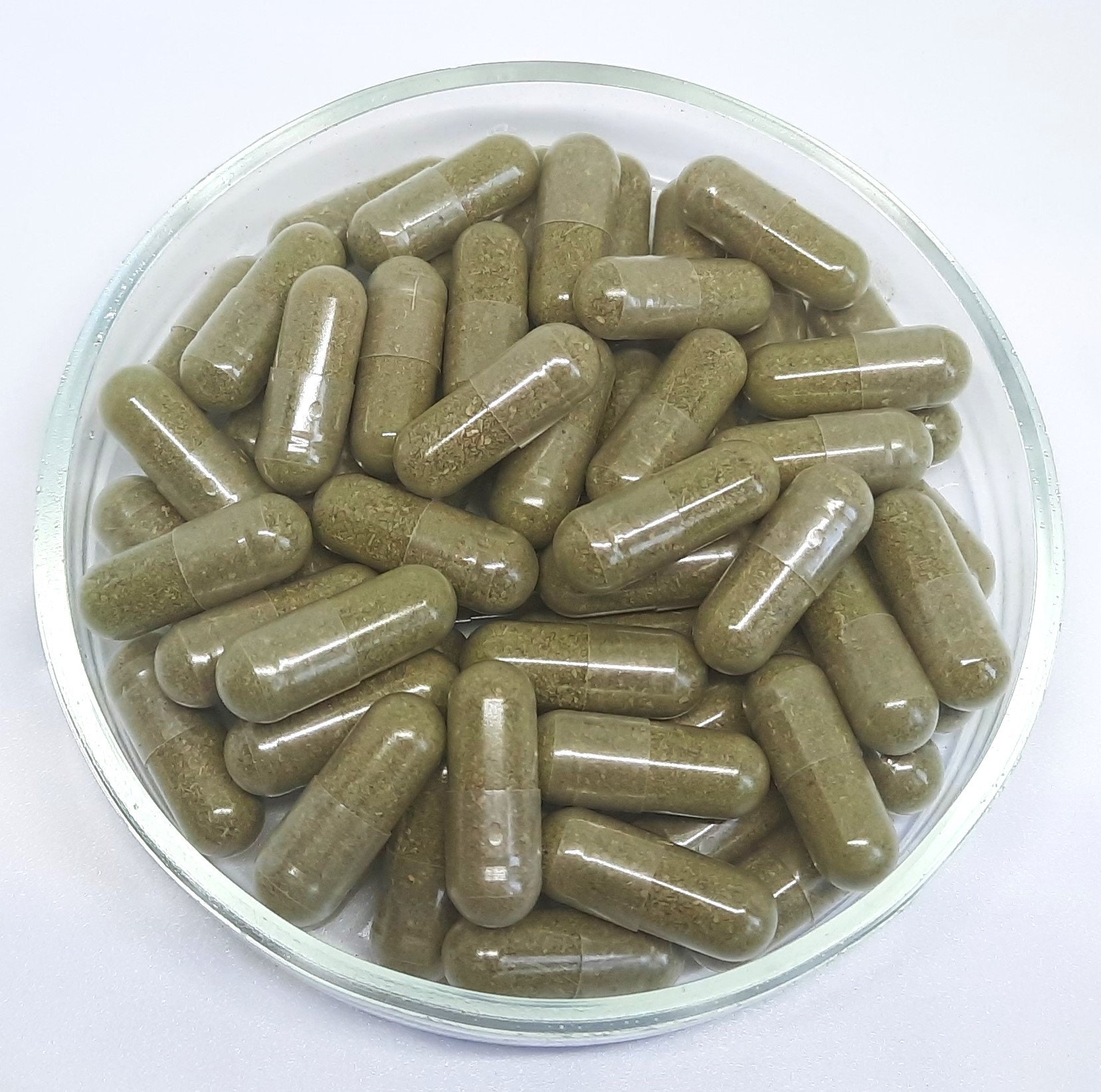
While drinking traditional loose-leaf Turkish sage tea is a delightful and health-promoting practice, modern herbal medicine has developed standardized extracts and capsule formulations to deliver precise, concentrated therapeutic doses of the herb’s active components. Standardized capsules are particularly beneficial for individuals seeking targeted, clinical outcomes—such as measurable cognitive enhancement, metabolic support, or chronic inflammatory management—where consistency of dosage is paramount.
Standardized extracts are manufactured to guarantee specific percentages of key active markers, typically rosmarinic acid, ursolic acid, or total flavonoids. This scientific standardization ensures that each capsule delivers a uniform therapeutic potency, free from the natural variations caused by soil quality, weather conditions, or harvest times. Furthermore, capsules offer a convenient, taste-neutral alternative for those who may find the intense, highly aromatic flavor of brewed Turkish sage tea too strong for daily consumption. When selecting a supplement, it is crucial to choose high-quality products from reputable manufacturers that utilize clean, solvent-free extraction methods and provide transparent third-party laboratory verification.
How to Brew the Perfect Cup of Adaçayı
To extract the maximum therapeutic benefit from loose-leaf Turkish sage without releasing bitter, astringent tannins, proper brewing technique is essential. Follow this traditional, scientifically optimized method to prepare a restorative cup of Adaçayı:
- Gather Your Ingredients: Use 1 to 2 teaspoons of high-quality, dried whole leaves of Turkish sage (or approximately 2 to 3 whole sprigs) for every 8 ounces (240 ml) of water.
- Heat the Water: Bring fresh, filtered water to a boil. Once boiled, remove the water from the heat source and let it sit for approximately 30 to 45 seconds to cool slightly to about 90°C to 95°C (194°F to 203°F). Pouring boiling water directly onto the delicate leaves can volatilize and destroy some of the highly beneficial essential oils.
- Steep: Place the sage leaves in a teapot or infuser cup. Pour the hot water over the leaves and immediately cover the vessel with a tight-fitting lid or saucer. Covering the tea is a critical step; it prevents the volatile, medicinally active essential oils (such as 1,8-cineole) from escaping in the steam.
- Duration: Allow the tea to steep for 5 to 7 minutes. Steeping for less than 5 minutes may not fully extract the therapeutic polyphenols, while steeping for longer than 10 minutes can result in an excessively strong, bitter, and overly camphoraceous brew.
- Strain and Serve: Strain the tea into a cup. Traditionally, Turkish sage tea is enjoyed with a squeeze of fresh lemon juice, which not only complements the herbal flavor profile but also increases the bioavailability of the plant’s antioxidant flavonoids. You may also add a small spoonful of raw, organic honey to sweeten.
Dosage, Guidelines, and Safety Precautions
When incorporating Turkish sage into your wellness routine, adhering to established dosage guidelines ensures both safety and therapeutic efficacy. As a general wellness beverage, drinking 1 to 3 cups of freshly brewed Turkish sage tea daily is considered highly safe for the vast majority of individuals. For standardized capsules or dry extract supplements, typical daily dosages range from 300 mg to 600 mg, taken once or twice daily, or as directed by a qualified healthcare professional.
Despite its excellent safety profile—particularly due to its naturally low thujone content—certain precautions must be observed. Due to the presence of mild phytoestrogenic compounds and its traditional use as an emmenagogue (a substance that stimulates menstrual flow), Turkish sage should be avoided in therapeutic doses during pregnancy and lactation. Individuals with hormone-sensitive conditions should also exercise caution.
Furthermore, because of its potential to lower blood glucose levels, individuals taking oral hypoglycemic medications or insulin for diabetes should monitor their blood sugar levels closely when initiating regular sage supplementation, as dosage adjustments may be required. Finally, individuals taking anticonvulsant medications should consult their physician before consuming concentrated sage extracts, as certain volatile constituents can theoretically interact with seizure-control pathways in the central nervous system.

Conclusion: Embracing the Wisdom of Turkish Sage
Turkish sage (Salvia fruticosa) represents a beautiful intersection where ancient, time-tested botanical wisdom meets rigorous modern scientific validation. From its roots in classical Mediterranean medicine to its modern-day stature as a research-validated neuroprotectant, metabolic stabilizer, and respiratory ally, this exceptional herb offers an elegant, multi-faceted approach to holistic health. Whether enjoyed as a comforting, aromatic cup of traditional Adaçayı on a cold afternoon or taken as a standardized capsule for targeted cellular support, Turkish sage remains one of nature’s most potent, safe, and versatile therapeutic treasures. By integrating this remarkable botanical into your daily lifestyle, you can harness the protective, restorative vitality of the Mediterranean sun and soil to elevate your physical and cognitive well-being.
Disclaimer: For informational purposes only. Not medical advice. Consult a qualified healthcare professional before use.