Introduction to Sweet Clover (Melilotus officinalis)
Sweet Clover, scientifically designated as Melilotus officinalis and commonly known as yellow sweet clover, yellow melilot, or ribbed melilot, is a biennial herb belonging to the Fabaceae (legume) family. Native to Europe and Asia, and subsequently naturalized in North America and other temperate regions worldwide, this resilient plant has transitioned from a traditional pastoral forage crop and honey-producer to a highly regarded therapeutic agent in phytotherapy. For centuries, folk healers valued the plant for its soothing aroma—reminiscent of freshly mown hay—and its remarkable ability to reduce localized swelling, heal stubborn wounds, and alleviate heavy, aching limbs.
In modern pharmacology, Sweet Clover is no longer treated merely as a rustic remedy. Instead, it is recognized as a rich source of highly bioavailable phytochemicals, most notably coumarin derivatives, which exert profound physiological effects on the cardiovascular, lymphatic, and inflammatory systems. By facilitating lymphatic drainage, increasing venous return, and stabilizing capillary permeability, Melilotus officinalis serves as a foundational natural treatment for chronic venous insufficiency (CVI), lymphedema, and deep vein thrombosis support. This exhaustive guide explores the botanical intricacies, chemical constitution, therapeutic mechanisms, clinical applications, and safety profile of this remarkable botanical asset.
Botanical Overview and Morphological Characteristics
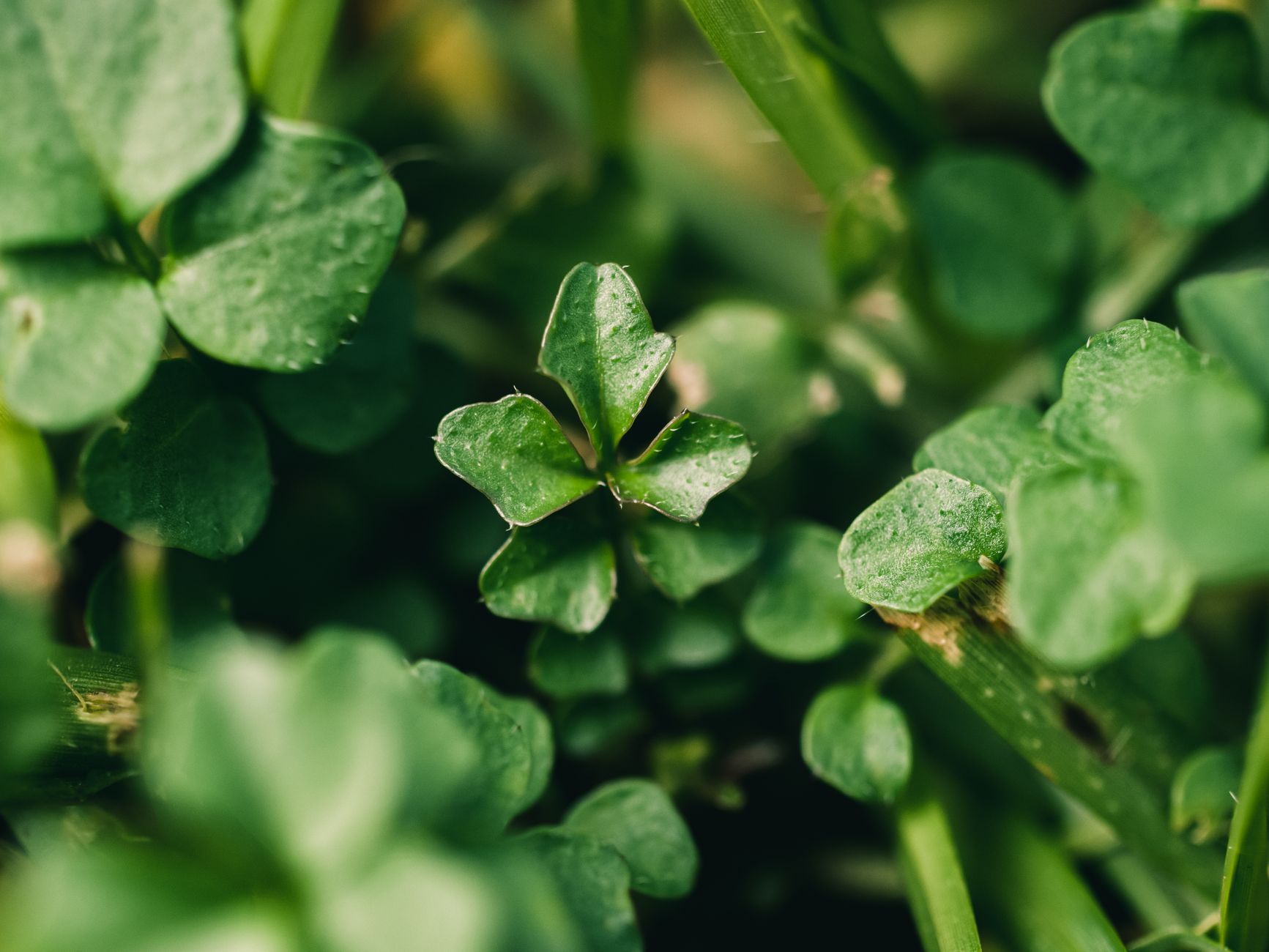
Understanding the botanical identity of Melilotus officinalis is critical to distinguishing it from related species, such as white sweet clover (Melilotus albus), and avoiding adulteration. Sweet Clover is a tall, erect biennial or short-lived perennial that can reach heights of 0.5 to 2.5 meters. The plant is characterized by its trifoliate leaves, which feature oblong-lanceolate leaflets with finely serrated margins. During its blooming period, which typically spans from late spring to early autumn, the plant produces elongated, slender racemes adorned with numerous small, bright yellow, pea-like flowers. These blossoms emit a sweet, coumaric scent that is highly attractive to bees and other pollinators.
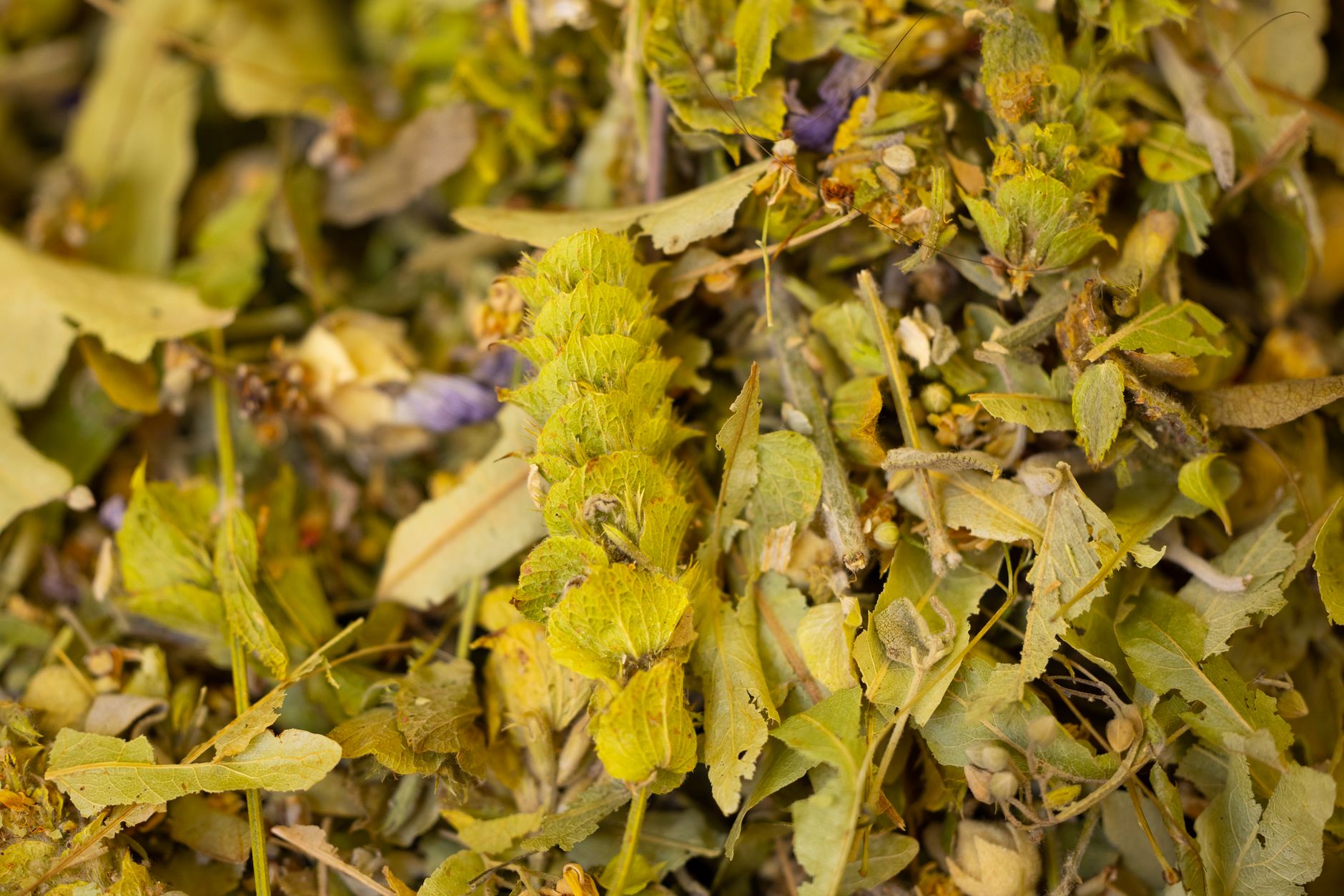
The plant thrives in disturbed soils, roadsides, waste ground, and calcareous soils, demonstrating an exceptional tolerance to drought and poor nutrient conditions. Its deep taproot system not only anchors the plant but also hosts nitrogen-fixing symbiotic bacteria, enriching the surrounding soil. For therapeutic purposes, the aerial parts (herba meliloti)—consisting of the leaves, stems, and flowers—are harvested during the peak flowering stage. This is when the concentration of active secondary metabolites reaches its physiological peak. Proper drying and curing processes are absolutely essential to preserve these constituents and prevent the formation of toxic degradation products.
Deep Chemical Composition and Phytochemical Profile
The therapeutic efficacy of Sweet Clover Melilot is directly linked to its complex, synergistic array of phytochemicals. The primary active marker compound of Melilotus officinalis is coumarin (1,2-benzopyrone). In the living, undamaged plant, coumarin is largely present in a bound, non-volatile glycosidic form known as melilotoside (o-coumaric acid glucoside). When the plant tissue is crushed, dried, or damaged, endogenous enzymes cleave the sugar moiety, releasing free coumarin, which generates the plant’s signature vanilla-like fragrance.
In addition to free coumarin, the phytochemical matrix of Sweet Clover includes a diverse suite of bioactive compounds:
- Flavonoids: Including quercetin, kaempferol, and robinin, which provide potent antioxidant, anti-inflammatory, and capillary-stabilizing benefits.
- Saponins: Triterpenoid saponins that enhance the structural integrity of cell membranes and support metabolic signaling.
- Phenolic Acids: Such as caffeic acid, chlorogenic acid, and p-coumaric acid, which neutralize free radicals and suppress inflammatory cascades.
- Tannins: Astingent compounds that promote tissue contraction, aid in wound healing, and exhibit mild antimicrobial properties.
- Allantoin: A well-known cell-proliferant compound that accelerates epithelialization and skin regeneration when applied topically.
It is important to emphasize a critical toxicological distinction: while pure, undamaged, and properly dried Sweet Clover contains coumarin, it does not naturally contain dicoumarol, a powerful anticoagulant. Dicoumarol is only formed when sweet clover undergoes spoilage, fermentation, or mold infestation by specific fungi (such as Penicillium or Aspergillus species). These molds metabolize the plant’s natural coumarins into dicoumarol, which can cause severe, potentially fatal hemorrhaging in livestock—a phenomenon historically known as “Sweet Clover Disease.” In controlled medicinal preparations derived from high-quality, mold-free raw materials, dicoumarol is absent, ensuring that the vascular benefits of the herb can be utilized safely without inducing uncontrolled systemic anticoagulation.

Primary Health Benefits and Pharmacological Mechanisms
1. Alleviation of Chronic Venous Insufficiency (CVI) and Varicose Veins
Chronic Venous Insufficiency (CVI) is a progressive pathological state in which the venous valves in the lower extremities fail to function efficiently, leading to blood pooling, venous hypertension, edema, skin changes, and ulceration. Sweet Clover acts as a potent venotonic agent. The active coumarins in the herb stimulate the smooth muscle fibers in the walls of the veins, increasing venous tone, reducing venous diameter, and improving overall blood flow back toward the heart.
Furthermore, Sweet Clover significantly reduces capillary permeability and fragility (often referred to as its “anti-exudative” effect). By strengthening the endothelial lining of microvessels, it prevents the abnormal leakage of plasma, water, and proteins into the surrounding interstitial tissues. This directly mitigates the sensations of heaviness, tension, itching, nocturnal cramping, and pain commonly experienced by individuals suffering from varicose veins and deep vein congestion.
2. Activation of the Lymphatic System and Lymphedema Reduction
The lymphatic system is responsible for draining excess interstitial fluid, proteins, and cellular debris back into the circulatory system. When lymphatic drainage is compromised—due to surgery, radiation therapy, trauma, or congenital insufficiency—lymphedema develops, resulting in painful and disfiguring swelling. Sweet Clover is one of the very few botanical agents that directly stimulates lymphatic function.
The pharmacological mechanisms behind this lymphatic support include:
- Stimulation of Lymphatic Vessels: Coumarins increase the frequency and amplitude of contractions of the lymphangions (the functional contractile units of lymphatic vessels), accelerating the transport of lymph fluid.
- Macrophage Activation and Proteolysis: Sweet Clover stimulates circulating macrophages to migrate to the site of edema. Once there, these immune cells release proteolytic enzymes that break down the accumulated, stagnating interstitial proteins into smaller fragments. This allows the lymphatic capillaries to easily reabsorb and clear the fluid, resolving chronic, high-protein edemas that are otherwise resistant to standard diuretics.
3. Anti-Inflammatory, Antiedematous, and Tissue-Protective Actions
Chronic edema and venous stasis trigger a localized inflammatory response, characterized by leukocyte adhesion to the vascular endothelium, the release of inflammatory cytokines (such as TNF-alpha and interleukins), and the generation of reactive oxygen species (ROS). The flavonoids and phenolic acids in Sweet Clover act as powerful antioxidants that scavenge these free radicals, preventing lipid peroxidation and preserving cellular integrity.
Additionally, Sweet Clover inhibits the synthesis of inflammatory mediators by downregulating cyclooxygenase (COX) and lipoxygenase (LOX) pathways. By preventing the accumulation of neutrophils and reducing the release of lysosomal enzymes, the herb protects the delicate microvascular bed from inflammatory degradation. This multi-layered approach makes it highly effective in treating post-operative and post-traumatic edemas, sports injuries, sprains, and contusions.
4. Topical Wound Healing, Ulcer Recovery, and Tissue Regeneration
When formulated into topical preparations such as ointments, poultices, or compresses, Sweet Clover accelerates the healing of external wounds, hemorrhoids, superficial thrombophlebitis, and venous stasis ulcers. The inclusion of allantoin and localized vascular stimulants in the plant promotes cell proliferation, encourages granulation tissue formation, and accelerates re-epithelialization of damaged skin.
The astringent tannins present in the herb form a protective, thin proteinaceous layer over damaged skin, reducing fluid loss and creating a barrier against opportunistic pathogens. At the same time, improved microcirculation ensures that oxygen and essential nutrients are efficiently delivered to the healing tissues, while metabolic waste products are promptly cleared away.
Traditional Applications, Infusions, and Dried Herb Uses
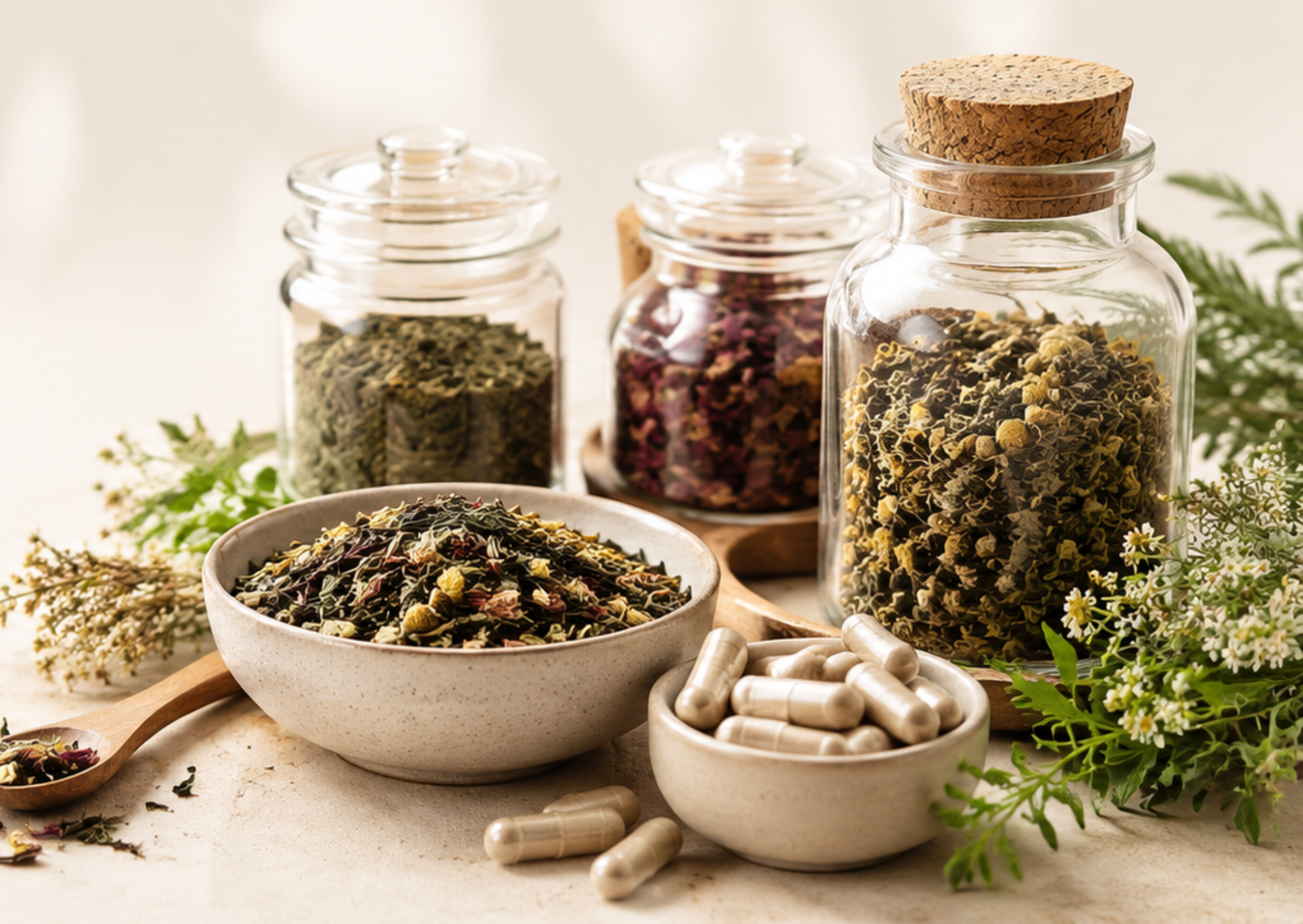
Historically, Sweet Clover was a staple of European monastic medicine and traditional folk herbalism. It was dried and stored in breathable linen bags to preserve its active constituents. Practitioners utilized the dried herb in a variety of ways: as a soothing, aromatic tea to ease digestive spasms and promote restful sleep; as a warm infusion for eye baths to relieve conjunctivitis; and as a poultice applied directly to swollen joints, boils, and areas affected by superficial phlebitis.
The traditional method of preparing a Sweet Clover infusion involves steeping the high-quality dried aerial parts in hot water. This extraction method effectively co-extracts the water-soluble flavonoids, mucilages, and glycosidic coumarins. Regular consumption of this traditional tea was historically favored to “thin the humors,” promote healthy urination, and alleviate systemic fluid retention. In topical applications, cooled compresses soaked in this herbal infusion were wrapped around the lower calves to soothe the burning pain associated with varicose veins.

Modern Standardization, Extracts, and Supplementation
While traditional teas and crude preparations remain popular among herbal purists, modern clinical phytotherapy relies heavily on standardized, concentrated extracts. Standardizing the extract ensures a consistent, predictable, and therapeutic dose of the key active marker, coumarin. This is critical because the natural concentration of coumarins in wild-harvested plants can vary widely based on soil quality, weather conditions, and harvesting times.
In contemporary clinical settings, standardized Sweet Clover capsules and liquid extracts are widely prescribed across Europe—often under registered pharmaceutical brand names—either as monotherapy or in combination with other venotonic herbs like Horse Chestnut (Aesculus hippocastanum), Gotu Kola (Centella asiatica), or Butcher’s Broom (Ruscus aculeatus). These refined formulations guarantee that patients receive a precise daily dose of active coumarins, maximizing therapeutic success while minimizing any potential risks of under-dosing or over-dosing.

Safety, Side Effects, and Contraindications
While Sweet Clover is exceptionally therapeutic when used correctly, its potent pharmacology demands strict adherence to safety guidelines and a thorough understanding of potential contraindications. When consuming high-quality, standardized preparations under professional guidance, side effects are rare and typically mild, occasionally including transient headaches, mild gastrointestinal upset, or dizziness.
The following critical safety considerations must be strictly observed:
- Liver Health: Very high, isolated, or synthetic doses of coumarin can be hepatotoxic in a small percentage of highly sensitive individuals. Consequently, individuals with pre-existing liver disease, hepatitis, or elevated liver enzymes should avoid systemic Sweet Clover supplements. Regular monitoring of liver enzymes is recommended during prolonged or high-dose therapy.
- Anticoagulation and Bleeding Risks: Although pure coumarin from properly dried Sweet Clover does not act as a direct anticoagulant, it can still interact with prescription blood-thinning medications. Anyone taking warfarin (Coumadin), novel oral anticoagulants (NOACs/DOACs), aspirin, or antiplatelet drugs must consult a qualified physician before using Sweet Clover, as the herb may theoretically enhance the effects of these medications and increase bleeding risks.
- Surgery: Due to potential vascular effects, patients should discontinue all oral Sweet Clover supplements at least two weeks before any scheduled surgical or dental procedures.
- Pregnancy and Lactation: Because of a lack of comprehensive safety data regarding embryonic development and the potential for systemic absorption, Sweet Clover should not be used by pregnant or breastfeeding women.
- Quality Control and Spoilage: Never consume Sweet Clover that has been improperly harvested, dried in humid conditions, or shows any signs of mold, mustiness, or decay. The presence of mold can facilitate the chemical conversion of safe coumarins into toxic, anticoagulant dicoumarol, posing a severe risk of internal hemorrhage. Always source Sweet Clover from highly reputable, certified herbal suppliers.
Practical Guidance, Dosage, and Preparation Protocols
To safely maximize the therapeutic health benefits of Sweet Clover, it is essential to follow established dosage guidelines. Depending on the health goal and the formulation selected, the following standard protocols apply:
Standardized Oral Supplements (Capsules and Tablets)
For systemic issues like Chronic Venous Insufficiency (CVI) or lymphedema, standardized solid extracts are the preferred choice. Look for supplements standardized to contain a specific concentration of coumarin.
- Standard Dosage: A typical therapeutic daily dose ranges between 15 mg and 30 mg of pure, standardized coumarin per day, usually split into two separate doses taken with meals.
- Duration of Use: Clinical improvements in venous stasis and edema are typically noticeable within 2 to 4 weeks of consistent daily use. For chronic conditions, cyclical administration (e.g., 6 to 8 weeks of continuous use, followed by a 2-week break) is often recommended under professional supervision.
Traditional Herbal Infusion (Tea)
For mild venous congestion, mild fluid retention, or to prepare a liquid compress for skin conditions:
- Preparation: Place 1 to 2 teaspoons (approximately 2 to 4 grams) of high-quality, mold-free dried Sweet Clover herb into a ceramic or glass teapot. Pour 150 ml (about 5 ounces) of boiling water over the herb. Cover tightly to prevent the escape of volatile aromatic compounds.
- Steeping Time: Allow the tea to steep for 10 to 15 minutes, then strain thoroughly.
- Administration: Drink 1 to 2 cups daily between meals. For topical use, let the infusion cool completely to room temperature, or chill it in the refrigerator, before soaking a clean linen cloth in the liquid to apply as a compress.
Liquid Extracts and Tinctures
Liquid extracts offer rapid absorption and can easily be titrated to individual needs.
- Standard Dosage: Take 1 to 2 ml of a 1:5 liquid extract (in 45% ethanol) up to three times daily, dissolved in a small glass of water.
Conclusion: The Place of Sweet Clover in Modern Wellness
Sweet Clover (Melilotus officinalis) stands as a stellar example of how traditional herbal wisdom can be successfully validated by modern scientific inquiry. From its historical roots as a comforting folk compress and pastoral forage crop, it has emerged as a clinically proven, potent therapy for microvascular, venous, and lymphatic disorders. By actively enhancing venous return, initiating lymphatic clearance, reducing high-protein edema, and exerting anti-inflammatory control, Sweet Clover addresses the root pathophysiological mechanisms of chronic vascular stagnation.
When utilized with proper respect for quality control, appropriate dosing, and awareness of potential drug interactions, Sweet Clover is a safe, reliable, and highly effective natural tool. Whether integrated into a daily wellness routine as a standardized capsule to relieve tired, heavy legs, or applied topically as a soothing, traditional botanical compress, this versatile herb remains a premier botanical asset for preserving vascular health and enhancing overall systemic vitality.
Disclaimer: For informational purposes only. Not medical advice. Consult a qualified healthcare professional before use.