The Definitive Guide to St. John’s Wort: Unveiling Its Profound Health Benefits and Mechanisms
St. John’s Wort (Hypericum perforatum) stands as one of the most extensively studied and widely recognized medicinal herbs in the modern pharmacopeia. For centuries, this vibrant yellow-flowered plant has been revered for its potent therapeutic properties, particularly in the realm of mental health. Far from being a mere folk remedy, contemporary scientific research has begun to unravel the complex biochemical pathways through which St. John’s Wort exerts its remarkable effects, solidifying its position as a significant natural alternative and complementary therapy. This comprehensive guide delves into the rich history, intricate botanical profile, key bioactive compounds, and substantiated health benefits of St. John’s Wort, offering a deep-dive into its mechanisms of action and practical applications.
A Journey Through Time: Historical Context and Botanical Origins
The history of St. John’s Wort as a medicinal plant stretches back into antiquity, with its therapeutic use documented by ancient Greek physicians like Hippocrates and Dioscorides. Its name, “St. John’s Wort,” is thought to be derived from its traditional blooming period around St. John the Baptist’s Day (June 24th), coinciding with the summer solstice. The “wort” suffix, an old English word for plant, further signifies its long-standing recognition as a valuable herb. Throughout the Middle Ages and Renaissance, it was employed across Europe for a wide array of ailments, from nervous disorders and melancholy to wound healing and even as an amulet against evil spirits. Its striking red sap, released when the flowers are crushed, was believed by some cultures to symbolize the blood of St. John, imbuing it with mystical and healing properties.
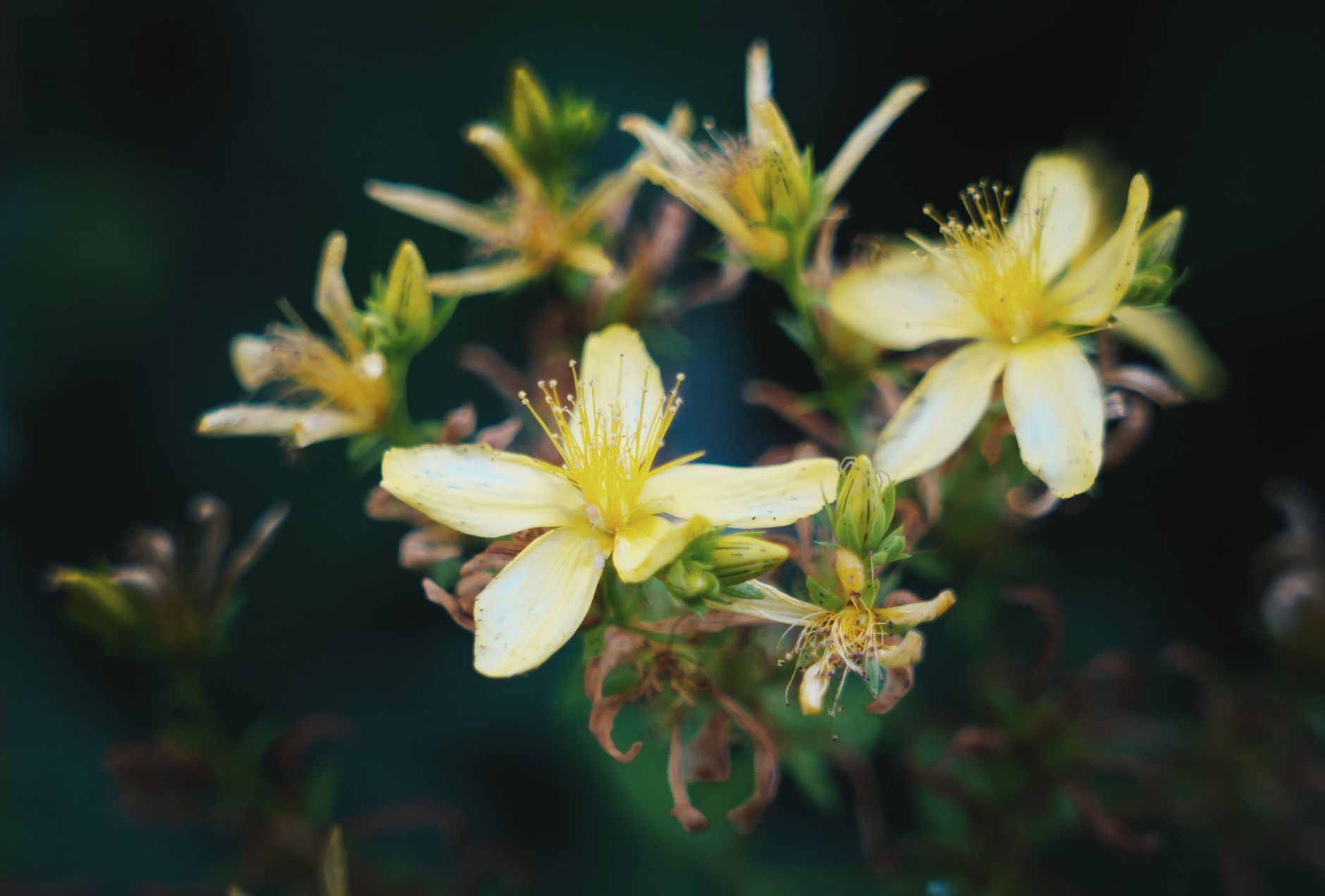
Botanically, Hypericum perforatum belongs to the family Hypericaceae. It is a perennial plant native to Europe and Asia but has since naturalized in many temperate regions worldwide. Characterized by its small, five-petaled yellow flowers and oval leaves dotted with translucent glands that resemble perforations (hence “perforatum”), the plant typically grows to a height of 1 to 3 feet. These translucent dots are, in fact, oil glands containing the very compounds responsible for its medicinal power, while the black dots on the petal margins contain hypericin, a key active constituent. Understanding the plant’s natural habitat and growth cycle offers crucial insight into why certain preparations, particularly those made from the flowering tops, are most potent.

The Bioactive Arsenal: Key Compounds and Their Mechanisms of Action
The therapeutic efficacy of St. John’s Wort is not attributable to a single compound but rather to a synergistic interplay of several classes of phytochemicals. The most extensively studied and recognized active constituents include hypericin, hyperforin, and various flavonoids. The complex interactions of these compounds contribute to the herb’s multifaceted pharmacological profile.
Hypericin: The Ancient Antidepressant
Historically, hypericin was considered the primary active ingredient responsible for St. John’s Wort’s antidepressant effects. This naphthodianthrone derivative imparts the characteristic red color to extracts. While initial research focused heavily on hypericin, later studies revealed its role to be more nuanced. Hypericin is thought to inhibit monoamine oxidase (MAO-A and MAO-B), an enzyme responsible for breaking down neurotransmitters like serotonin, norepinephrine, and dopamine in the brain. By reducing MAO activity, hypericin can lead to increased levels of these mood-regulating neurotransmitters, thereby contributing to antidepressant effects. However, its MAO-inhibitory potency is now understood to be relatively weak in therapeutic doses compared to synthetic MAO inhibitors, suggesting other mechanisms are at play.
Hyperforin: A Potent Neurotransmitter Reuptake Inhibitor
More recent research has highlighted hyperforin, a phloroglucinol derivative, as a key player in the antidepressant action of St. John’s Wort. Hyperforin acts as a reuptake inhibitor for several neurotransmitters, including serotonin, norepinephrine, dopamine, GABA (gamma-aminobutyric acid), and glutamate. This broad-spectrum reuptake inhibition means that hyperforin helps maintain higher concentrations of these crucial chemical messengers in the synaptic clefts, enhancing neuronal communication and improving mood. Unlike selective serotonin reuptake inhibitors (SSRIs), which target only serotonin, hyperforin’s polyvalent action on multiple neurotransmitter systems offers a distinct mechanism that may contribute to its efficacy in various forms of depression.
Flavonoids: Antioxidant and Neuroprotective Powerhouses
St. John’s Wort is rich in flavonoids such as quercetin, kaempferol, and rutin. These compounds are well-known for their potent antioxidant and anti-inflammatory properties. In the context of mental health, flavonoids contribute to neuroprotection by scavenging free radicals and reducing oxidative stress, which has been implicated in the pathophysiology of depression and other neurological disorders. They can also influence enzyme activities and neurotransmitter receptor binding, further augmenting the herb’s overall therapeutic effects. Some flavonoids, like apigenin, have demonstrated anxiolytic (anxiety-reducing) properties through their interaction with GABA receptors.
Other Constituents
Beyond these primary compounds, St. John’s Wort also contains essential oils, tannins, and other phenolic acids, which contribute to its overall pharmacological spectrum. For instance, tannins possess astringent properties, historically used for wound healing and gastrointestinal issues, while essential oils may have mild antiseptic qualities. The synergistic effect of these diverse compounds, rather than the isolated action of a single constituent, is crucial to the herb’s broad therapeutic potential, making standardized extracts that reflect the full phytocomplex generally more effective than isolated components.

Profound Health Benefits: A Detailed Exploration
The vast body of research on St. John’s Wort highlights its utility in several key areas of health, with particular emphasis on mood disorders.
1. Mood Enhancement and Alleviation of Depression
The most celebrated and scientifically validated benefit of St. John’s Wort is its efficacy in treating mild to moderate depression. Numerous meta-analyses and systematic reviews have concluded that St. John’s Wort extracts are as effective as standard antidepressant medications (SSRIs) for mild to moderate depression, often with fewer and milder side effects. Its mechanism involves not just the reuptake inhibition of monoamines (serotonin, norepinephrine, dopamine) by hyperforin and the MAO inhibition by hypericin, but also potential modulation of GABA and glutamate receptors. This multi-target action helps to restore neurochemical balance, leading to improvements in mood, interest, pleasure, and overall well-being. Patients often report reduced feelings of sadness, anhedonia (inability to feel pleasure), lethargy, and sleep disturbances, contributing to a more stable emotional state. It’s crucial to note that while effective for mild to moderate forms, St. John’s Wort is not recommended for severe depression, which requires professional medical intervention.
2. Reduction of Anxiety and Stress
Beyond its antidepressant effects, St. John’s Wort demonstrates significant anxiolytic properties, making it beneficial for individuals struggling with anxiety, nervousness, and general stress. The modulation of GABAergic transmission, a primary inhibitory neurotransmitter system, by compounds like hyperforin and certain flavonoids, contributes to its calming effects. By enhancing GABA activity, St. John’s Wort can help to reduce neuronal excitability, leading to decreased feelings of apprehension, tension, and restlessness. This comprehensive action on both mood and anxiety symptoms makes it a valuable tool for those experiencing co-occurring depressive and anxious states, promoting a sense of calm and mental clarity without the significant sedation often associated with some pharmaceutical anxiolytics.
3. Management of Menopausal Symptoms
For women experiencing the challenging symptoms of menopause, St. John’s Wort offers a natural avenue for relief. Studies have indicated its ability to ameliorate common menopausal complaints, particularly mood swings, irritability, sleep disturbances, and anxiety. While it does not directly influence hormone levels in the same way hormone replacement therapy does, its mood-stabilizing effects can significantly improve the quality of life for women navigating this transitional period. The reduction in depressive and anxious symptoms, which are often exacerbated during menopause, contributes to an overall sense of well-being and emotional balance.
4. Anti-inflammatory and Pain-Relieving Properties
St. John’s Wort also possesses anti-inflammatory and analgesic (pain-relieving) properties, attributed to its diverse array of compounds, including flavonoids and phloroglucinols. These compounds can inhibit inflammatory mediators and pathways, thus reducing inflammation and alleviating associated pain. This makes it potentially useful for conditions involving nerve pain (neuropathic pain), sciatica, and even muscle soreness. Topical applications of St. John’s Wort oil have long been used in traditional medicine for bruises, sprains, and minor aches, highlighting its local anti-inflammatory and soothing effects. The ability to modulate pain perception indirectly through its effects on neurotransmitters further underscores its potential in chronic pain management, particularly when intertwined with mood disorders.
5. Antiviral Activity
Intriguing research has explored the antiviral potential of St. John’s Wort, particularly hypericin. In vitro and some animal studies have shown hypericin to exhibit activity against enveloped viruses, including some strains of influenza, herpes simplex virus (HSV), and even HIV (though clinical applicability for HIV is limited due to dosage and delivery challenges). While its use as a primary antiviral treatment in humans is not currently established or recommended, this area of research continues to uncover novel aspects of the herb’s phytochemical capabilities, suggesting a broader biological impact beyond neurochemical modulation.
6. Wound Healing and Topical Applications
Traditionally, St. John’s Wort oil has been a staple in herbal medicine for treating wounds, burns, contusions, and skin irritations. Its wound-healing properties are attributed to its anti-inflammatory, antiseptic, and astringent compounds. Flavonoids and tannins can help reduce swelling, prevent infection, and promote tissue regeneration. The oil, often recognized by its deep red color, is believed to soothe irritated skin, reduce redness, and aid in the repair of damaged skin cells. It has been successfully used for minor cuts, scrapes, sunburns, and even post-operative wound care in some traditional practices, demonstrating its versatility beyond internal consumption.
Forms of St. John’s Wort and Practical Usage
St. John’s Wort is available in various forms, each with its own traditional use and modern application. The choice of form often depends on the desired effect and individual preference.
Standardized Extracts and Capsules
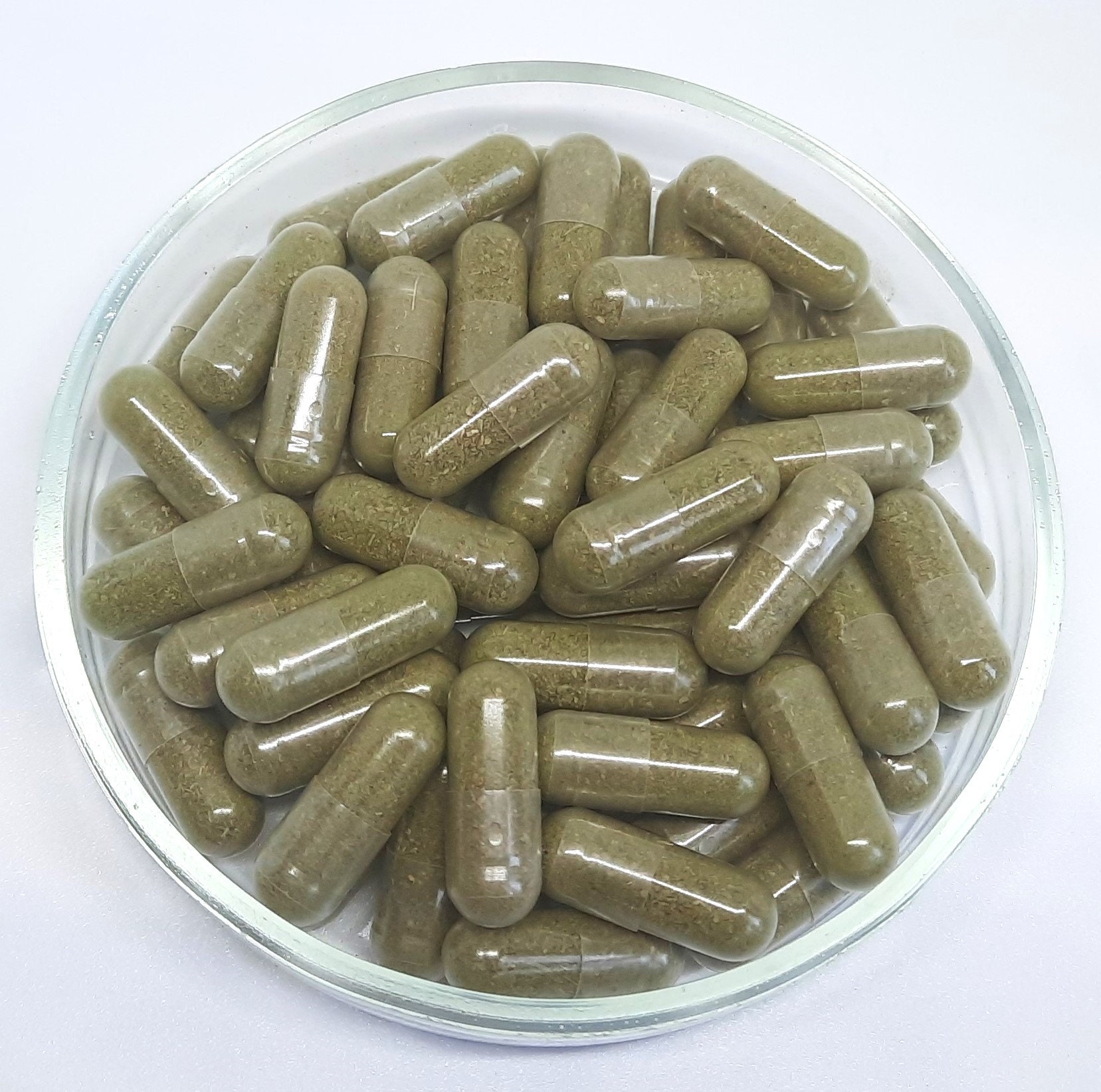
For therapeutic purposes, particularly for mood disorders, standardized extracts in capsule or tablet form are most commonly recommended. These products are formulated to contain a consistent amount of the active compounds, usually hypericin (0.2-0.3%) or hyperforin (3-5%). Standardization ensures that each dose delivers a predictable level of therapeutic constituents, which is critical for consistent efficacy and reliable dosing. These extracts are typically taken orally with water and are the preferred method for internal systemic effects.
Dried Herb, Teas, and Tinctures
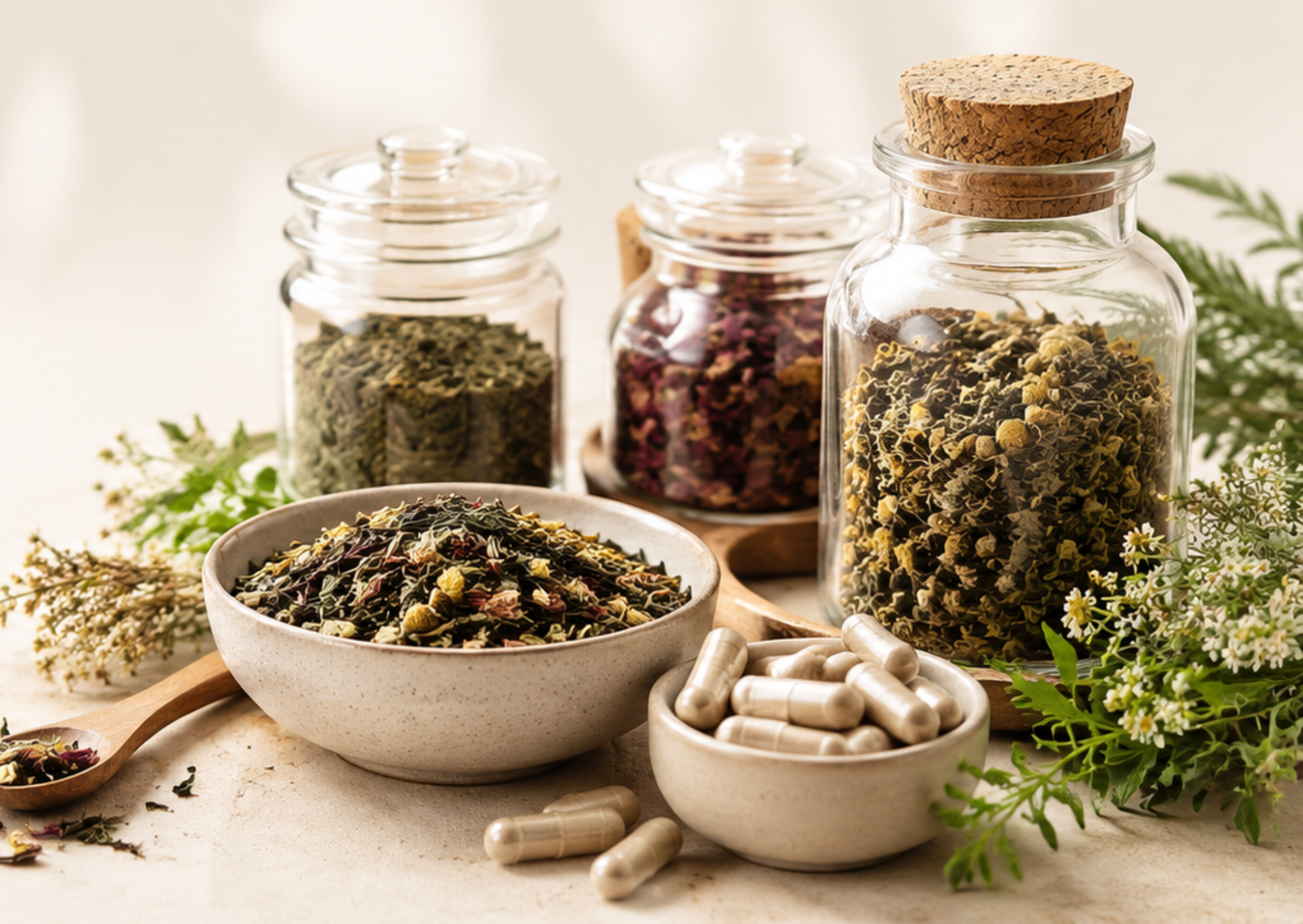
The dried flowering tops of St. John’s Wort can be used to make herbal teas or infusions. While teas offer a gentler approach and can be calming, their concentration of active compounds can be variable and generally lower than standardized extracts, making them less suitable for treating clinical depression. Tinctures, which are alcoholic extracts of the herb, provide a more concentrated form than teas and can be a good option for those who prefer liquid supplements or wish to avoid capsules. They allow for flexible dosing and are absorbed relatively quickly. Traditionally, the dried herb was also infused in oil to create topical preparations.

Topical Preparations: Oils and Salves
As mentioned, St. John’s Wort oil is a popular topical application. It is made by infusing the fresh or dried flowering tops in a carrier oil (like olive oil or sunflower oil) for several weeks, allowing the active compounds to leach into the oil, often turning it a distinctive red color. This oil can then be used directly on the skin or incorporated into salves and balms for localized pain relief, wound healing, and soothing skin irritations. Its external application avoids many of the systemic drug interactions associated with oral use, although photosensitivity can still be a concern if applied to skin exposed to strong sunlight.
Dosage and Administration Guidelines
For internal use, particularly for mild to moderate depression, the typical recommended daily dose of standardized St. John’s Wort extract is often based on hypericin or hyperforin content. Common recommendations for depression range from 300 mg three times a day, standardized to 0.3% hypericin, or 300 mg once or twice a day, standardized to 3-5% hyperforin. However, specific dosages can vary widely depending on the extract’s standardization and the condition being treated. It is crucial to follow the dosage instructions on the product label and, more importantly, to consult with a healthcare professional before starting any St. John’s Wort regimen, especially given its potential for drug interactions.
Consistency is key when using St. John’s Wort for mood disorders; its effects are not immediate and may take 2-4 weeks to become noticeable. It should not be used on an “as needed” basis for depression but rather taken consistently over time. For topical applications, the oil or salve can be applied directly to the affected area of the skin 2-3 times daily, as needed. Always perform a patch test when using new topical products to check for skin sensitivity.
Important Considerations, Side Effects, and Drug Interactions
While St. John’s Wort offers significant health benefits, it is not without important considerations, particularly regarding drug interactions. It is imperative to approach its use with caution and informed awareness.
Drug Interactions: A Critical Concern
The most significant concern with St. John’s Wort is its potent induction of certain liver enzymes, primarily cytochrome P450 3A4 (CYP3A4), and the drug efflux pump P-glycoprotein. This induction leads to accelerated metabolism and reduced effectiveness of many prescription and over-the-counter medications. Key drug classes affected include:
- Antidepressants (SSRIs, SNRIs, MAOIs): Concomitant use can lead to serotonin syndrome, a potentially life-threatening condition characterized by confusion, agitation, rapid heart rate, muscle rigidity, and fever.
- Oral Contraceptives: St. John’s Wort can reduce the efficacy of birth control pills, leading to unplanned pregnancies.
- Anticoagulants (e.g., Warfarin): It can decrease the blood-thinning effect, increasing the risk of blood clots.
- Immunosuppressants (e.g., Cyclosporine, Tacrolimus): It can significantly reduce their blood levels, leading to organ transplant rejection.
- Antiretrovirals (e.g., for HIV/AIDS): Reduces the effectiveness of certain HIV medications.
- Digoxin: Can decrease its therapeutic effects.
- Anticancer drugs (e.g., Irinotecan): Affects the metabolism of certain chemotherapy agents.
- Migraine medications (Triptans): Increased risk of serotonin syndrome.
Due to these extensive interactions, it is absolutely essential to consult with a healthcare provider before combining St. John’s Wort with any other medications or if you have any underlying health conditions.
Side Effects
When used appropriately, St. John’s Wort is generally well-tolerated. Common side effects, which are usually mild, include:
- Gastrointestinal upset (nausea, stomach discomfort)
- Fatigue or restlessness
- Dizziness
- Dry mouth
- Photosensitivity (increased sensitivity to sunlight, potentially leading to severe sunburns, especially in fair-skinned individuals or with high doses. It’s advisable to use sunscreen and protective clothing when outdoors.)
Rarely, more severe reactions can occur. Discontinue use and consult a doctor if experiencing unusual or severe symptoms.
Contraindications and Special Populations
St. John’s Wort is not recommended for pregnant or breastfeeding women, children, or individuals with severe depression, bipolar disorder, schizophrenia, or those undergoing surgery. Individuals allergic to plants in the Hypericaceae family should also avoid it.
Conclusion: St. John’s Wort – A Potent Botanical Ally
St. John’s Wort has solidified its reputation as a powerful natural remedy, particularly for mild to moderate depression and anxiety. Its intricate blend of bioactive compounds, including hypericin, hyperforin, and flavonoids, work synergistically to modulate neurotransmitter systems, reduce inflammation, offer neuroprotection, and even exhibit antiviral properties. From its ancient origins as a revered folk medicine to its current standing as a scientifically validated herbal supplement, Hypericum perforatum offers a compelling alternative for those seeking natural pathways to improved mental and physical well-being. However, its significant potential for drug interactions underscores the critical importance of informed usage and professional medical guidance. When used judiciously and under the supervision of a healthcare professional, St. John’s Wort can be a profound botanical ally in enhancing mood, alleviating stress, and contributing to overall health, unlocking the full spectrum of benefits this remarkable herb has to offer.
Disclaimer: For informational purposes only. Not medical advice. Consult a qualified healthcare professional before use.