
The Profound Health Benefits of Buckthorn Bark (Frangula alnus): A Definitive Deep Dive
In the vast and intricate tapestry of natural medicine, certain botanical allies stand out for their profound and time-tested efficacy. Among these venerable plants, Buckthorn Bark, scientifically known as Frangula alnus (and historically as Rhamnus frangula), emerges as a cornerstone, particularly revered for its powerful impact on digestive health. Often overshadowed by more widely publicized herbs, the bark of this unassuming shrub holds a rich history and a complex biochemistry that merits a comprehensive exploration. This article aims to unravel the multifaceted health benefits of Buckthorn Bark, delving into its botanical characteristics, historical applications, intricate chemical composition, and practical considerations for its safe and effective use. Our journey will illuminate why Frangula alnus has remained a trusted natural remedy for centuries, offering a definitive guide to understanding its significant role in supporting human well-being.
Botanical Profile and Identification of Frangula alnus
Frangula alnus, commonly known as Alder Buckthorn or Breaking Buckthorn, belongs to the Rhamnaceae family, a group of plants noted for their medicinal properties. This deciduous shrub or small tree typically grows to a height of 3-6 meters, though it can occasionally reach up to 10 meters. It is characterized by its smooth, dark brown bark, which is the primary medicinal part of the plant, often dotted with prominent lenticels (small, corky pores). The branches are thornless, a key distinguishing feature from other buckthorn species such as Common Buckthorn (Rhamnus cathartica), which possesses thorns. Its leaves are alternate, oval, and entire, with distinct parallel veins that curve towards the leaf tip. Small, greenish-white flowers bloom in late spring, giving way to berries that mature from green to red, and finally to a deep purplish-black in late summer and autumn. These berries, while attractive, are cathartic and should not be consumed due to their potent laxative effects, which are considerably stronger and harsher than the bark. Frangula alnus thrives in damp, often acidic soils, and is commonly found in woodlands, fens, hedges, and heathlands across Europe, North Africa, and parts of Asia, showcasing its adaptability and widespread natural presence.

A Glimpse into History: Traditional Uses and Cultural Significance
The medicinal utility of Buckthorn Bark is far from a modern discovery; its use stretches back through centuries of European folk medicine. Ancient herbalists and traditional healers recognized its potent purgative qualities, making it a go-to remedy for chronic constipation and sluggish digestion. Historical texts and pharmacopeias frequently mention Frangula alnus (or its former name, Rhamnus frangula) as a reliable and effective laxative. Its common name, “Breaking Buckthorn,” alludes to its perceived ability to “break open” or clear blockages within the digestive system. Beyond its primary application for constipation, traditional practitioners also employed the bark for a broader range of ailments believed to stem from internal stagnation or impurities, including jaundice, liver complaints, and even certain skin conditions, albeit with less empirical evidence supporting these secondary uses. The careful preparation of the bark, specifically its aging or heat treatment, was a crucial piece of traditional knowledge, understood to mitigate the harsh, emetic effects of fresh bark and harness its gentle, yet effective, laxative properties. This historical wisdom underscores a sophisticated understanding of herbal pharmacology long before the advent of modern chemistry, emphasizing the importance of respecting the plant’s unique characteristics for therapeutic application.

Phytochemical Composition: Unlocking the Science Behind the Benefits
The remarkable therapeutic effects of Buckthorn Bark are primarily attributed to its rich array of bioactive compounds, chief among them being the anthraquinone glycosides. These compounds include frangulins A and B, and glucofrangulins A and B, which are the pharmacological workhorses of Frangula alnus. When ingested, these inactive glycosides travel through the upper digestive tract largely unaltered. Upon reaching the large intestine, they encounter the resident gut microbiota, which hydrolyze the glycosides, cleaving off the sugar molecules and converting them into their active forms: anthrones and anthranols. These active metabolites exert their laxative effect through a dual mechanism. Firstly, they stimulate the nerve endings in the colon wall, increasing peristalsis – the rhythmic muscular contractions that propel fecal matter through the intestines. Secondly, they influence water and electrolyte transport in the colon. By inhibiting water and electrolyte absorption from the colon lumen and promoting their secretion into it, they increase the volume and softness of the stool, making it easier to pass. This intricate process ensures a potent yet generally gentle action, provided the bark has been properly prepared. Beyond anthraquinone glycosides, Buckthorn Bark also contains other important phytochemicals, including various flavonoids (such as quercetin and kaempferol derivatives), tannins, and bitter principles. While these compounds may not directly contribute to the laxative effect, they can offer synergistic benefits, such as antioxidant and anti-inflammatory properties, which may support overall digestive health and modulate the body’s response to the primary active compounds.

The Primary Health Benefits of Buckthorn Bark
1. Powerful Laxative Action and Effective Constipation Relief
The most celebrated and scientifically substantiated benefit of Buckthorn Bark is its profound efficacy as a stimulant laxative. This mechanism, as detailed above, relies on the transformation of anthraquinone glycosides into active anthrones and anthranols by gut bacteria. These active compounds directly irritate the colonic mucosa, leading to increased intestinal motility and propulsion. Simultaneously, they alter fluid and electrolyte balance within the colon, drawing water into the lumen and preventing its reabsorption, which softens the stool and increases its volume. This dual action facilitates easier and more frequent bowel movements, offering significant relief for individuals suffering from chronic or occasional constipation. Unlike bulk-forming laxatives that work by increasing stool mass, or osmotic laxatives that draw water into the bowel, Buckthorn Bark directly stimulates the bowel muscles, making it particularly useful for cases where sluggish peristalsis is a primary factor. Its effectiveness is well-documented in clinical practice, establishing it as a reliable option for short-term management of constipation, especially when other milder approaches have proven insufficient. The key to its safe application, however, lies in understanding the critical importance of using only properly aged or heat-treated bark, which minimizes the presence of highly irritating, unoxidized compounds present in fresh bark.
2. Support for Broader Digestive Health
Beyond its direct laxative effect, Buckthorn Bark indirectly contributes to overall digestive health by promoting regularity and preventing the build-up of waste products. Regular bowel movements are crucial for maintaining a healthy gut microbiome and preventing the reabsorption of toxins. By ensuring efficient elimination, Frangula alnus helps to prevent discomforts associated with constipation, such as bloating, gas, and abdominal pain. Some traditional uses also hint at a cholagogue effect, meaning it might stimulate bile flow from the liver and gallbladder. Increased bile flow can aid in fat digestion and absorption, further supporting digestive processes. While the primary focus remains on its laxative properties, its ability to restore a natural rhythm to bowel function has a cascading positive effect on the entire gastrointestinal system, potentially reducing strain on the colon and fostering a healthier internal environment. This broader impact on gut motility and waste elimination contributes to a general sense of digestive well-being and regularity, which is fundamental to systemic health.
3. Potential Anti-Parasitic Properties
Historical accounts and some traditional medicinal practices suggest that Buckthorn Bark may possess mild anti-parasitic or anthelmintic properties, particularly against intestinal worms. While modern scientific research specifically validating this aspect is less extensive compared to its laxative effects, the strong irritant nature of its active compounds on the intestinal lining, coupled with increased peristalsis, could theoretically create an unfavorable environment for certain gut parasites, aiding in their expulsion. The enhanced bowel motility might physically help to clear parasites from the digestive tract, preventing them from adhering or multiplying effectively. This traditional application, though requiring more robust contemporary clinical validation, points to a broader historical understanding of the bark’s impact on gut ecology beyond simple constipation relief, suggesting its potential as a complementary agent in holistic parasite management strategies when used under professional guidance.
Practical Usage and Preparations of Buckthorn Bark
Buckthorn Bark is available in various forms, catering to different preferences and needs, but proper preparation is paramount to its safety and efficacy. The most common forms include dried bark pieces for decoctions, powdered bark, tinctures, and standardized capsules or tablets. For traditional use, the dried bark is typically prepared as a decoction. This involves simmering the bark in water for a period, then straining and consuming the liquid. This method ensures the extraction of the active compounds while also facilitating the conversion of the harsher precursor compounds into their milder, effective forms through heat. However, it is absolutely critical to emphasize that only bark that has been aged for at least one year or heat-treated (e.g., kiln-dried at specific temperatures) should ever be used. Fresh bark contains specific volatile compounds that can cause severe nausea and vomiting due to their strong irritant action on the upper digestive tract. The aging process or heat treatment allows these compounds to degrade or convert, making the bark safe and effective for consumption. For convenience and precise dosing, encapsulated powdered bark or standardized extracts in capsule or tablet form are increasingly popular. These products are generally processed to ensure the bark is properly aged or treated, providing a consistent and safer dosage of the active anthraquinone glycosides. Tinctures, which are alcohol-based extracts, offer another means of delivery, allowing for rapid absorption and flexible dosing.
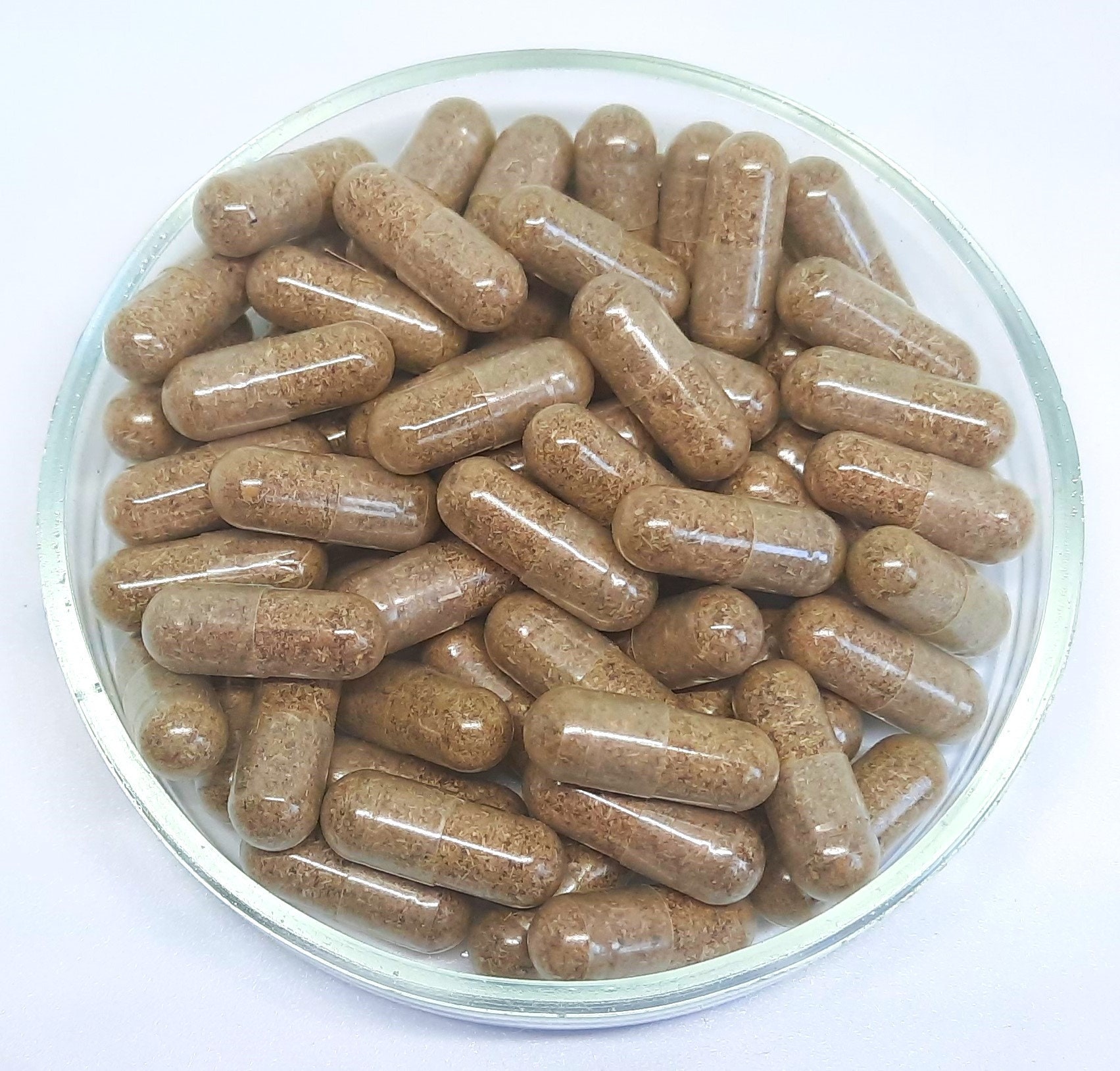
When considering dosage, it is crucial to start with the lowest effective amount and gradually increase if necessary, always adhering to product instructions or professional medical advice. For a decoction, a typical recommendation might involve simmering 0.5-1 gram of aged, dried bark in 150 ml of water for 5-10 minutes, allowing it to cool, and then straining before consumption, usually once daily in the evening. For capsules or tinctures, dosages will vary based on the concentration of the extract, so always refer to the manufacturer’s guidelines. Due to its potent nature, Buckthorn Bark is generally recommended for short-term use, typically not exceeding 7-10 days, to avoid potential dependency or electrolyte imbalances. Consulting a qualified healthcare professional or an experienced herbalist before initiating any new herbal regimen, especially one involving a potent herb like Buckthorn Bark, is always advisable to ensure safety, efficacy, and to address any individual health considerations or potential interactions with other medications.
Important Considerations, Side Effects, and Warnings
Despite its significant health benefits, Buckthorn Bark is a potent medicinal herb that demands careful consideration and responsible use. The most critical warning, as reiterated, concerns the use of fresh bark. Fresh *Frangula alnus* bark contains unoxidized anthrone glycosides and other compounds that are extremely harsh and can induce severe vomiting, cramping, and diarrhea. It is imperative to use only bark that has been aged for at least one year, or that has been properly heat-treated (e.g., kiln-dried), which converts these compounds into their milder, therapeutically active forms. Consumers should always source Buckthorn Bark from reputable suppliers who guarantee proper processing.
Buckthorn Bark is contraindicated in several conditions. It should not be used by pregnant or breastfeeding women, as its effects on the fetus or infant are not well-studied and there is a theoretical risk of transferring active compounds. Individuals with inflammatory bowel diseases (such as Crohn’s disease or ulcerative colitis), appendicitis, intestinal obstruction, or any unexplained abdominal pain should strictly avoid its use, as it can exacerbate these conditions. Children under the age of 12 should also not be given Buckthorn Bark.
Potential side effects associated with Buckthorn Bark, especially with overuse or prolonged use, include abdominal cramps, nausea, and diarrhea. Chronic use can lead to a “lazy bowel” syndrome, where the colon becomes dependent on stimulant laxatives and loses its natural tone and function. More seriously, prolonged use can result in electrolyte imbalances, particularly hypokalemia (low potassium), which can be dangerous, especially for individuals on certain medications or with pre-existing cardiac conditions. It may also interfere with the absorption of other medications and nutrients if taken concurrently.
Drug interactions are another significant concern. Buckthorn Bark can interact with diuretics, potentially increasing the risk of potassium depletion. Similarly, it can interact with corticosteroids and cardiac glycosides (like digoxin), enhancing their effects or increasing the risk of adverse reactions due to electrolyte disturbances. Therefore, anyone on prescription medication should consult their doctor or pharmacist before using Buckthorn Bark.
The duration of use is generally recommended to be short-term, typically no more than 7-10 days. If constipation persists beyond this period, medical advice should be sought to investigate the underlying cause rather than continuing with stimulant laxatives. Adhering to these warnings and guidelines is crucial for safely harnessing the therapeutic power of Buckthorn Bark while minimizing potential risks.
Modern Research and Future Perspectives
While the primary use of Buckthorn Bark as a laxative is well-established and supported by centuries of traditional use and pharmacological understanding of its anthraquinone content, modern research continues to explore other potential avenues. Studies are ongoing to better understand the nuances of its mechanism of action, particularly how different gut microbiota compositions might influence the efficacy and side effects of its active compounds. Furthermore, the non-anthraquinone components, such as flavonoids and tannins, are being investigated for their potential antioxidant, anti-inflammatory, and antimicrobial properties. While these are not the primary drivers of the bark’s traditional use, they might contribute to synergistic health benefits or offer new therapeutic applications. The standardization of Buckthorn Bark extracts is also a focus, aiming to ensure consistent potency and safety across different products, which is vital for clinical applications and reliable dosing. Future research may also delve into more specific indications for its use, perhaps identifying subgroups of patients who might benefit most from its properties, or exploring novel methods of preparation that enhance its benefits while mitigating risks. As scientific understanding evolves, the full therapeutic potential of this remarkable herb continues to unfold, building upon its rich historical legacy.
Conclusion
Buckthorn Bark (Frangula alnus) stands as a testament to the enduring power of nature’s pharmacy, offering a robust and time-honored solution for digestive issues, particularly constipation. Its efficacy is rooted in a unique phytochemical profile dominated by anthraquinone glycosides, which, when properly processed, gently yet effectively stimulate bowel motility and promote healthy elimination. From its humble origins as a widely recognized remedy in European folk medicine to its continued relevance in contemporary natural health practices, Frangula alnus has consistently proven its worth. However, its potent nature mandates a deep understanding of its proper preparation—specifically, the critical importance of using only aged or heat-treated bark—and adherence to strict guidelines regarding dosage, duration of use, and contraindications. When employed judiciously and with informed respect for its powerful properties, Buckthorn Bark serves as an invaluable natural ally, offering relief and contributing significantly to overall digestive wellness. As we continue to seek holistic approaches to health, the venerable Buckthorn Bark reaffirms its place as a powerful, scientifically fascinating, and responsibly utilized herbal remedy.
Disclaimer: For informational purposes only. Not medical advice. Consult a qualified healthcare professional before use.