The Ultimate Guide to Marshmallow Root (Althaea officinalis): Health Benefits, Science, and Traditional Uses
For millennia, natural medicine has relied on the rich healing properties of the plant kingdom to soothe ailments, mend tissues, and restore physiological balance. Among the most venerable and scientifically validated of these botanical treasures is Althaea officinalis, commonly known as the Marshmallow plant. While the modern consumer might associate the word “marshmallow” with the fluffy, sugar-laden confections toasted over campfires, the true origin of this name lies in a resilient perennial herb that grows in the damp, saline soils of marshes and coastal areas.
This comprehensive, clinical-grade guide explores the botanical profile, historical lineage, complex biochemistry, therapeutic benefits, and practical applications of Marshmallow. By examining both classical herbal wisdom and cutting-edge pharmacological studies, we will uncover why this mucilaginous powerhouse remains a cornerstone of modern herbalism and clinical phytotherapy.
Botanical Profile and Taxonomy of Althaea officinalis
To truly understand the therapeutic efficacy of Marshmallow, one must first examine its botanical structure and ecological characteristics. Belonging to the Malvaceae (mallow) family, Althaea officinalis is closely related to other structurally soothing plants like hibiscus, okra, and hollyhock. The genus name Althaea is derived from the Greek word “altho,” which translates directly to “to heal” or “to cure,” a linguistic testament to the plant’s long-standing status in ancient medicine.
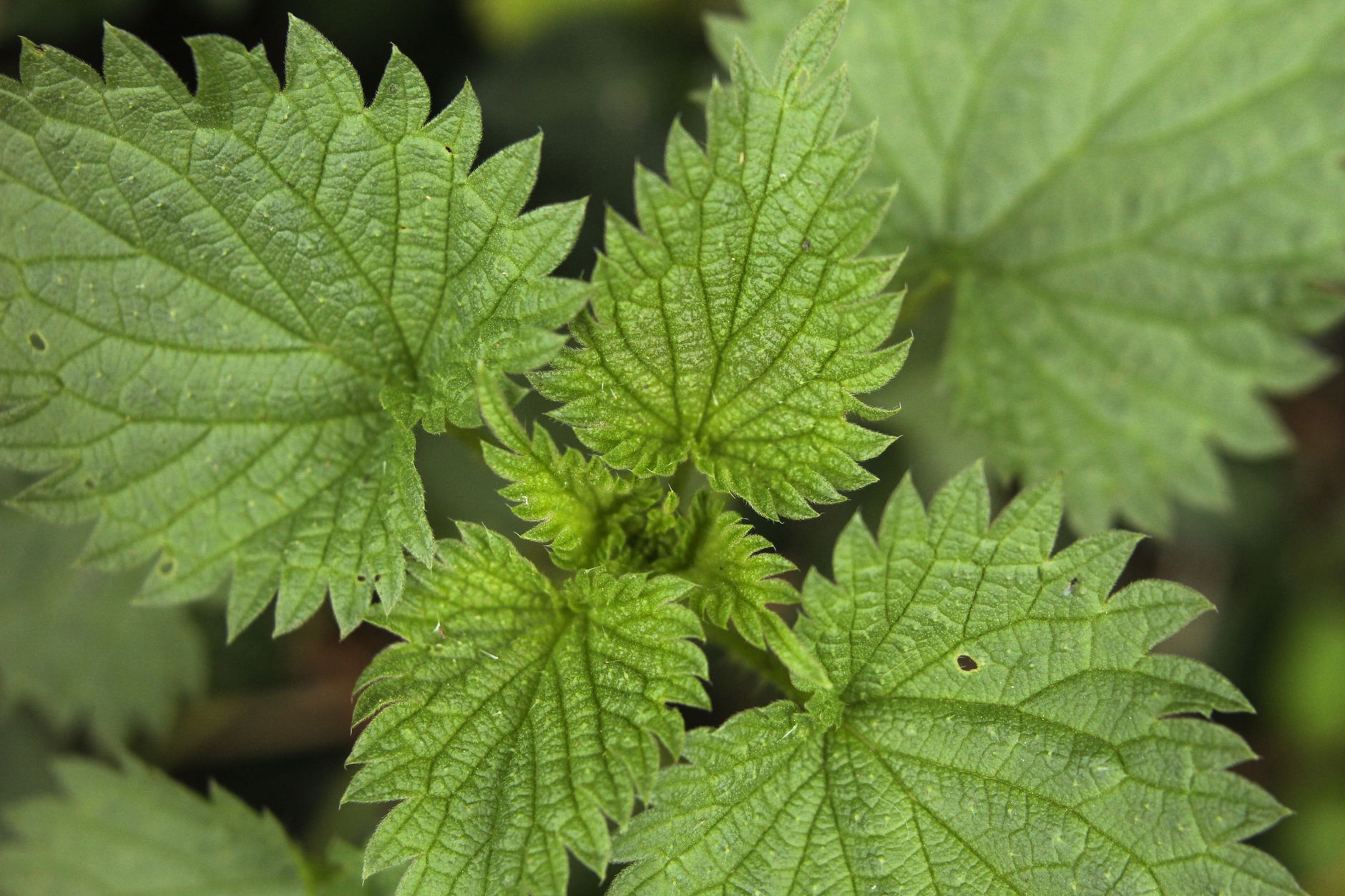
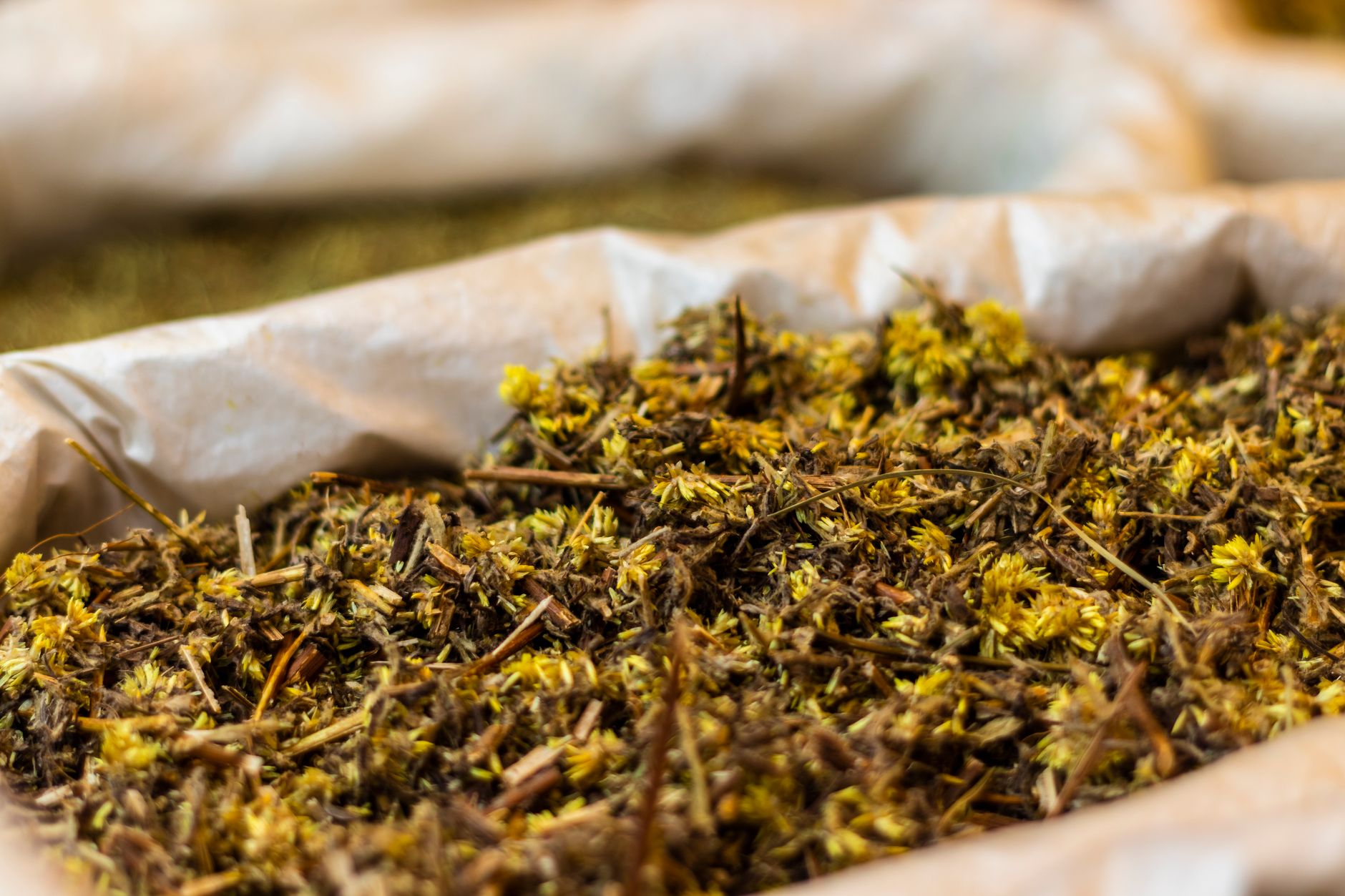
The Marshmallow plant is a hardy, upright perennial that typically reaches heights of three to four feet. It features soft, velvety, hand-shaped leaves covered in fine, stellate (star-shaped) hairs, which help the plant retain moisture and defend itself against environmental stressors. During the mid-to-late summer, it produces delicate, five-petaled flowers ranging in color from pale white to soft pinkish-purple. Beneath the soil lies the primary therapeutic engine of the plant: a thick, fibrous, fleshy taproot that is highly enriched with dense, water-soluble gel-forming polysaccharides known as mucilage.
Ecologically, Marshmallow is native to Europe, Western Asia, and North Africa, although it has acclimated well to temperate zones in North America. Its evolutionary adaptation to damp, marshy, saline environments necessitated the development of its signature mucilaginous compounds. These thick, gel-like substances allow the plant to retain water in salty, moisture-fluctuating environments, a biochemical adaptation that human biology utilizes for cellular hydration and mucosal tissue protection.
Historical Context and Traditional Ethnobotany
The historical utilization of Marshmallow spans virtually every major civilization of antiquity. Records dating back over 3,000 years to Ancient Egypt reveal that the roots were boiled with honey to create a sweet, soothing paste reserved exclusively for royalty, priests, and the wealthy. This mixture was not merely a confection but a potent remedy for soothing sore throats, healing persistent dry coughs, and easing digestive irritation.
In Classical Greece, the renowned physician Hippocrates, widely regarded as the father of modern medicine, prescribed decoctions of Marshmallow root to treat bruises, blood loss, and local tissue inflammation. Later, during the Roman Empire, Dioscorides documented the herb in his landmark pharmacopeia De Materia Medica, recommending it for its highly effective softening, drawing, and soothing properties on internal and external wounds. Throughout the Middle Ages, Charlemagne declared that Marshmallow must be cultivated in all imperial gardens to guarantee an abundant supply of its life-saving roots for his soldiers and subjects.

Traditional Chinese Medicine (TCM) and Ayurvedic systems of India have similarly utilized species within the Malvaceae family to address patterns of “heat” and “dryness.” In these energetic paradigms, Marshmallow is classified as a cool, moist, and nourishing herb capable of soothing hyperactive, inflamed tissue, dispersing stagnant fluids, and supporting the body’s natural moisture barriers. This cross-cultural consensus across millennia underscores the reliable, universal efficacy of this botanical remedy.
Phytochemical Blueprint: The Active Compounds of Marshmallow
The therapeutic virtues of Marshmallow are directly attributable to its highly complex, synergistic chemical composition. The most prominent and clinically significant active constituent is its high-molecular-weight mucilage. In the dried root, water-soluble mucilage makes up anywhere from 10% to 35% of the total biomass, while the leaves contain roughly 5% to 10% of this gel-forming substance.
This botanical mucilage is composed of intricate polysaccharide chains, predominantly containing L-rhamnose, D-galactose, D-galacturonic acid, and D-glucuronic acid. When these long-chain sugars come into contact with water, they do not dissolve in a traditional sense; instead, they swell immensely and form a slick, viscous, cohesive colloidal gel. This physical gel acts as a biocompatible barrier when applied to inflamed or irritated mucosal surfaces within the human body.
Beyond mucilage, the phytochemical architecture of Althaea officinalis includes a wide array of supporting secondary metabolites that work in synergy with the polysaccharides:
- Flavonoids: Including kaempferol, quercetin, tiliroside, and hypolaetin-8-glucoside, which possess highly potent antioxidant and anti-inflammatory properties that mitigate oxidative stress at the cellular level.
- Phenolic Acids: Such as caffeic, p-coumaric, and ferulic acids, which contribute to the systemic antimicrobial and tissue-regenerating properties of the herb.
- Asparagine: A vital amino acid that aids in cellular repair, nervous system maintenance, and local tissue reconstruction.
- Pectin and Starches: Which provide nutritional support, stabilize the mucilaginous gel matrix, and support beneficial gut bacteria.
- Tannins: Found in small, balanced quantities, which offer a mild astringent action to tighten and tone compromised tissues once the mucilage has successfully cooled and hydrated them.
Comprehensive Health Benefits of Marshmallow Root
1. Gastrointestinal Restoration: Healing GERD, Gastritis, and Leaky Gut
One of the most clinically established applications of Marshmallow root is in the treatment of digestive disorders. The modern gut is frequently subjected to inflammatory insults from ultra-processed foods, environmental toxins, chronic stress, and the overuse of non-steroidal anti-inflammatory drugs (NSAIDs). These factors can compromise the delicate mucosal lining of the esophagus, stomach, and intestines, leading to conditions like Gastroesophageal Reflux Disease (GERD), gastritis, stomach ulcers, and increased intestinal permeability (Leaky Gut Syndrome).
When ingested, the reconstituted mucilage of Marshmallow root forms a thick, physical, soothing plaster over the entire length of the upper gastrointestinal tract. In cases of GERD or acid reflux, this bioadhesive gel coats the esophageal lining, shielding it from the burning effects of hydrochloric acid and pepsin. Unlike conventional proton-pump inhibitors (PPIs) that suppress vital stomach acid production and impair digestion, Marshmallow root protects the tissue mechanically without disrupting the digestive pH necessary for nutrient absorption.
In the lower gastrointestinal tract, Marshmallow provides rich prebiotic fiber that feeds beneficial strains of the microbiome, such as Bifidobacterium and Lactobacillus. As these bacteria ferment the fibers, they produce short-chain fatty acids (SCFAs) like butyrate, which serve as the primary fuel source for colonocytes, thereby sealing tight junctions, reducing systemic inflammation, and soothing the hyper-reactive bowel symptoms associated with Irritable Bowel Syndrome (IBS) and Crohn’s disease.
2. Respiratory Support: Quieting Coughs and Soothing Irritated Airways
The demulcent (soothing) properties of Marshmallow root extend seamlessly to the respiratory system. In phytotherapy, Marshmallow is categorized as a prime remedy for dry, non-productive, spasmodic coughs, as well as acute pharyngitis, laryngitis, and bronchitis.
The mechanism behind this respiratory relief is twofold. First, the act of swallowing Marshmallow mucilage physically coats the pharyngeal mucosa, instantly reducing the mechanical friction that triggers the cough reflex. Second, Marshmallow works through a neurological pathway known as the glossopharyngeal nerve reflex. When the sensory nerve endings in the throat are coated and calmed by the demulcent gel, a signal is sent via the vagal pathway to the cough center in the brain, reducing the systemic urge to cough.
Furthermore, clinical studies have shown that Marshmallow root polysaccharides stimulate the local immune cells in the throat, accelerating the clearance of pathogens while protecting the delicate epithelial cells from secondary viral or bacterial infections. It hydrates dried-out airways, thins out stubborn, stuck mucus, and facilitates effortless expectoration without causing the drowsiness associated with synthetic cough suppressants.
3. Dermatological Healing: Eczema, Psoriasis, and Wound Recovery
When applied topically, Marshmallow root acts as an exceptionally effective emollient and vulnerary (wound-healing agent). Skin conditions characterized by dryness, scaling, itching, and inflammation—such as eczema, psoriasis, contact dermatitis, and sunburns—benefit dramatically from its soothing properties.
The mucilage serves as a natural humectant, drawing moisture into the stratum corneum (the outermost layer of the skin) and locking it in place to restore a compromised skin barrier. This hydration minimizes trans-epidermal water loss (TEWL), which is the primary driver of the itching and flaring cycle in eczema patients.
Moreover, the flavonoids and water-soluble polysaccharides in Marshmallow root accelerate cell regeneration. They stimulate fibroblasts to produce collagen and promote the migration of keratinocytes, which are crucial steps in wound closure and tissue remodeling. Whether utilized as a wet poultice for minor cuts, burns, and insect bites, or formulated into dermatological creams, Marshmallow soothes pain, reduces localized redness, and minimizes scar tissue formation.
4. Urinary Tract Soothing and Kidney Health
The urinary system is highly sensitive to acidity, bacterial colonization, and inflammatory damage. Conditions like interstitial cystitis (painful bladder syndrome), urinary tract infections (UTIs), and kidney stones can cause agonizing burning, urgency, and localized pain.
While Marshmallow does not travel directly through the urinary tract in its gelled form, its systemic anti-inflammatory and demulcent effects are reflexively felt throughout the renal system. When we consume demulcent herbs, the body’s mucous membranes throughout the entire pelvic region receive secondary soothing signals, a phenomenon known as the embryological tissue reflex. This action helps to relax spasm-prone smooth muscles in the ureters and bladder, allowing for easier, less painful urination.
Additionally, Marshmallow root acts as a mild, non-irritating, potassium-sparing diuretic. By gently increasing urine output, it assists the body in flushing out pathogenic bacteria, metabolic wastes, and micro-crystals before they can coalesce into painful kidney stones, all while keeping the delicate mucosal lining of the bladder highly hydrated and resilient.
Modern Administration Forms: Capsules, Extracts, and Teas
To maximize the clinical efficacy of Marshmallow root, one must understand how different extraction methods affect the delivery of its active compounds. Because its primary therapeutic agent is water-soluble mucilage, traditional extraction methods require specific techniques.
While hot water extractions (such as boiling water for standard herbal teas) are common, they are actually sub-optimal for Marshmallow root. High heat can break down the complex polysaccharide chains and extract excessive starches and bitter tannins, resulting in a less viscous and less effective brew. The gold standard for extracting Marshmallow’s mucilage is a cold water infusion.
To prepare a cold infusion, place one to two tablespoons of dried Marshmallow root in a clean glass jar, fill it with cold or room-temperature filtered water, seal the lid, and let it steep on the counter or in the refrigerator for 4 to 12 hours. Over time, the water will transform into a thick, slippery, amber-colored liquid. This viscous infusion can be sipped throughout the day to coat the esophagus, soothe the stomach, and hydrate the respiratory tract.

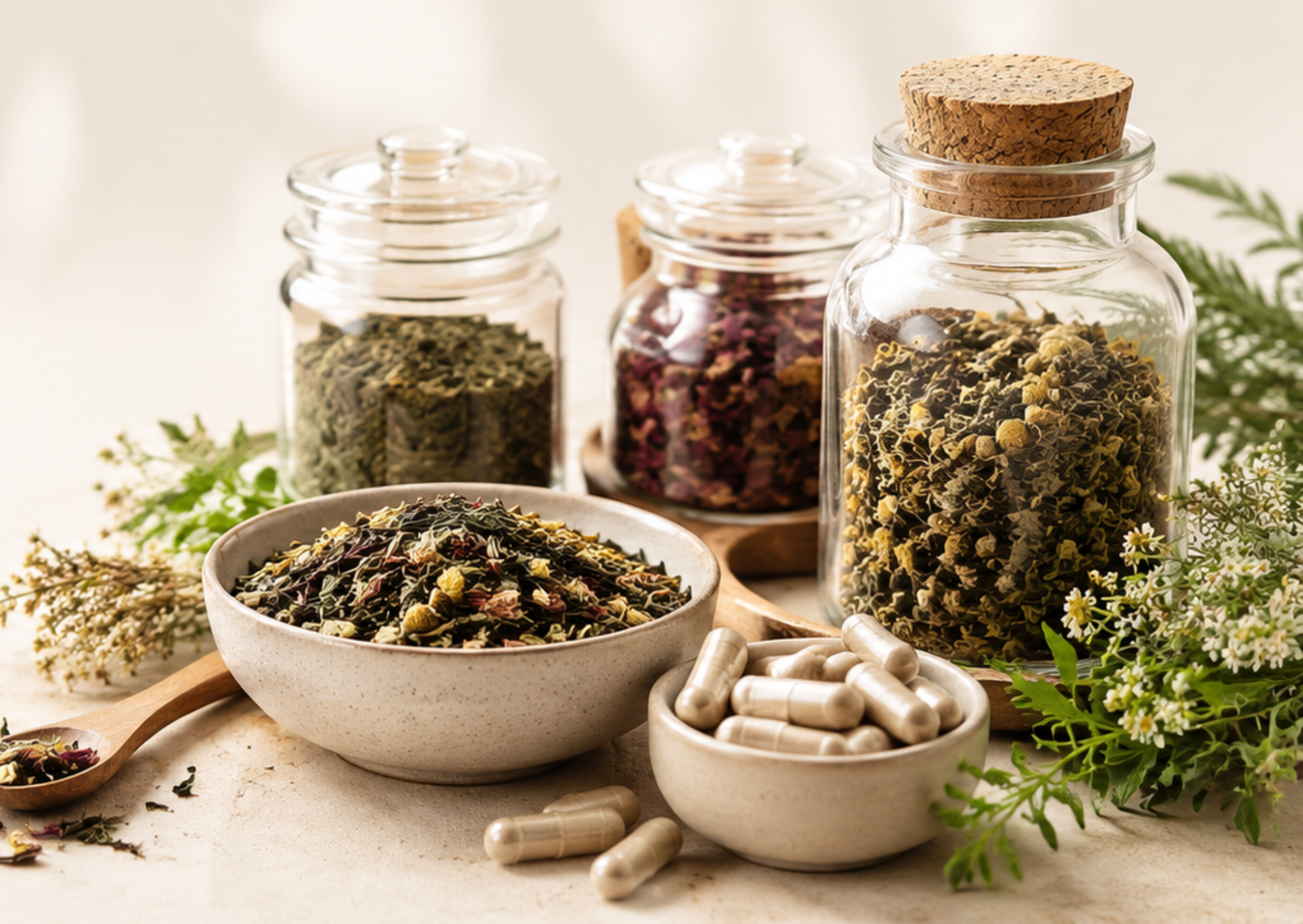
For individuals seeking convenience, Marshmallow root is widely available in capsules, tablets, and concentrated liquid extracts. Capsules are highly beneficial for lower gastrointestinal issues, such as inflammatory bowel conditions, as they bypass the throat and dissolve directly in the stomach, releasing the concentrated powder to hydrate and coat the intestinal walls. When taking Marshmallow root in capsule form, it is absolutely imperative to consume it with a full eight-ounce glass of water to ensure the powder has sufficient fluid to expand and form its healing gel matrix.
Scientific Safety, Contraindications, and Dosage
Marshmallow root is universally recognized by global regulatory bodies, including the European Medicines Agency (EMA) and the FDA, as a exceptionally safe herb with an outstanding safety profile. It is classified as GRAS (Generally Recognized as Safe) and exhibits virtually no known toxicity, even when consumed in relatively high doses over extended periods.
However, due to its physical mechanism of action, there is one critical pharmacodynamic interaction that consumers and clinicians must keep in mind: absorption delay. Because Marshmallow root mucilage coats the mucosal lining of the stomach and small intestine, it can create a temporary physical barrier that slows down or reduces the absorption of orally administered prescription medications, vitamins, and minerals.
To prevent this interaction, simply separate the administration of Marshmallow root from any oral medications or nutritional supplements by at least one to two hours. This allows the medications to pass through the stomach and reach the duodenum unhindered before the demulcent gel coats the gastrointestinal tract.
Standard Dosage Guidelines:
- Cold Infusion: 1-2 tablespoons of dried root steeped in 8-10 ounces of cold water for 4-12 hours. Drink 2 to 3 cups daily.
- Powdered Root Capsules: 1,000 mg to 3,000 mg daily, divided into two or three doses, always taken with a large glass of water.
- Liquid Extract (Tincture): 2 to 5 mL, taken three times daily in a small amount of water. (Note: Glycerite extractions are often preferred over alcohol-based tinctures for Marshmallow, as alcohol can precipitate the beneficial mucilage out of solution).
- Topical Application: Apply a cool cold-infusion wash directly to irritated skin, or utilize cream/ointment formulations containing 5% to 10% Marshmallow root extract three times daily.
Conclusion: Integrating Marshmallow into Modern Wellness
In our fast-paced world, where stress, pollution, and dietary triggers constantly irritate our digestive, respiratory, and dermatological systems, Althaea officinalis stands out as a soothing botanical ally. Its unique chemistry offers a dual-action approach: physically coating and protecting delicate mucosal tissues while delivering potent antioxidant, anti-inflammatory, and immune-supportive compounds to promote deep, cellular healing.
By understanding how to properly prepare and utilize this ancient herb—whether through a refreshing cold infusion, a convenient capsule, or a soothing topical salve—you can harness its natural demulcent properties to restore balance, soothe inflammation, and support your body’s innate healing mechanisms. Marshmallow root is more than just a historical footnote; it is a highly effective, scientifically validated botanical remedy that deserves a permanent place in every modern natural wellness cabinet.
Disclaimer: For informational purposes only. Not medical advice. Consult a qualified healthcare professional before use.