Blackberry Leaf (Rubus fruticosus): The Ultimate Deep-Dive Guide to Botanical Profile, Phytochemical Compounds, and Therapeutic Benefits
While the juicy, dark berries of the blackberry bush (Rubus fruticosus) are celebrated globally for their culinary versatility and antioxidant content, the leaves of this resilient perennial plant possess a rich medicinal history and a robust pharmacological profile that often surpasses the fruit itself. Used for millennia in traditional European medicine, blackberry leaves are a powerhouse of bioactive compounds, particularly astringent tannins, flavonoids, and phenolic acids. Modern science is increasingly validating these ancient applications, establishing blackberry leaf as a premier botanical for gastrointestinal health, oral hygiene, metabolic support, and cellular protection.
This comprehensive, science-backed guide explores the botanical properties, historical applications, intricate chemical composition, clinical health benefits, and practical preparations of blackberry leaf. Whether you are an herbalist, a health enthusiast, or someone searching for natural therapeutic options, this article provides an exhaustive analysis of this extraordinary botanical asset.
Botanical Profile and Ecological Characteristics
The common blackberry, belonging to the Rosaceae (Rose) family, is a highly polymorphic species with hundreds of micro-species grouped under the aggregate name Rubus fruticosus. Characterized by its arching, thorny canes, palmately compound leaves, and delicate five-petaled white-to-pale-pink flowers, the plant is native to Europe, Asia, and North Africa, but has naturalized extensively across North America and other temperate regions of the globe.
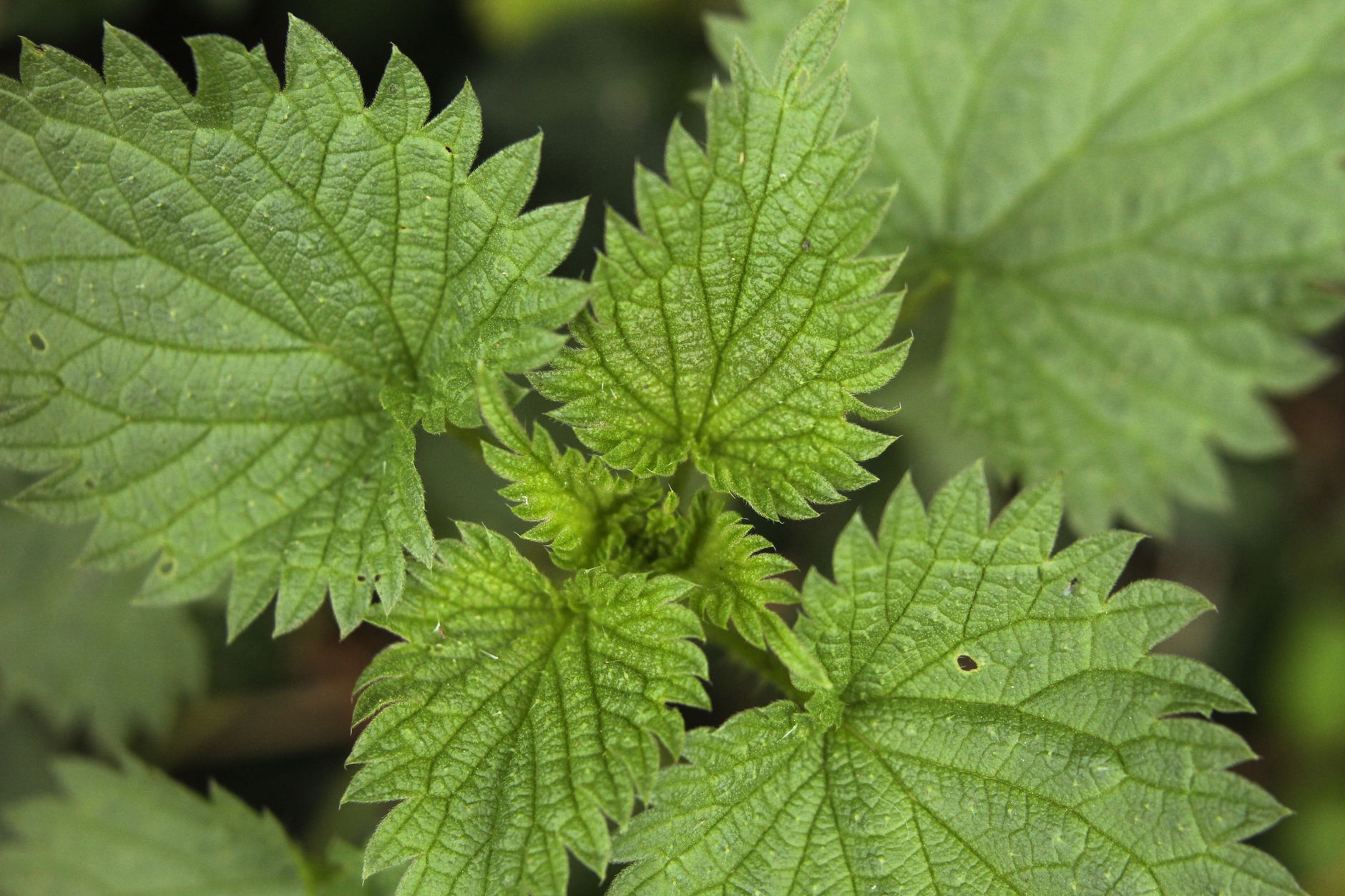
The leaves of Rubus fruticosus are typically dark green on the upper surface with a lighter, downy, or pubescent underside, often bearing tiny, sharp prickles along the midrib and petioles. Each leaf is compound, usually consisting of three to five ovate, sharply serrated leaflets. From a harvesting perspective, the therapeutic potency of the leaves peaks just before and during the flowering phase in late spring and early summer. During this vegetative stage, the concentration of secondary metabolites—such as tannins and flavonoids—reaches its maximum, offering optimal therapeutic efficacy when harvested and dried correctly.
Historical and Traditional Use Across Cultures
The medicinal use of blackberry leaves dates back to antiquity. Ancient Greek physicians, including Hippocrates and Dioscorides, recommended various preparations of the leaves, roots, and unripe berries to address inflammatory conditions, joint discomfort, and digestive distress. Dioscorides’ seminal work, De Materia Medica, highlighted the leaf’s potent astringent properties, advising its use as a poultice for skin afflictions, a gargle for throat infections, and an internal remedy for systemic weakness.

Throughout the Middle Ages and into the Renaissance, European herbalists regarded blackberry leaf tea as a staple household remedy. It was primarily utilized to curb chronic diarrhea, soothe dysentery, and ease bleeding gums. In traditional Native American medicine, local Rubus species were utilized in a similar fashion; infusions of the leaves and roots were administered to treat bowel complaints, reduce fevers, and wash wounds to prevent infection. This cross-cultural consensus on the herb’s efficacy stems from its intense astringency, a physiological action that modern biochemistry can readily explain.
The Phytochemical Blueprint: Bioactive Compounds in Blackberry Leaf
To understand how blackberry leaf exerts its therapeutic effects, one must examine its complex phytochemical matrix. The physiological activity of the leaf is primarily driven by its high concentration of polyphenolic compounds, organic acids, and essential minerals.
The primary chemical constituents identified in Rubus fruticosus leaves include:
- Hydrolyzable Tannins: Blackberry leaves are exceptionally rich in tannins, particularly ellagitannins (such as pedunculagin and sanguiin H-6) and gallotannins. These compounds are responsible for the leaf’s pronounced astringent taste and its ability to cross-link proteins on mucosal membranes, creating a protective barrier.
- Flavonoids: The leaves contain a diverse array of flavonoids, including quercetin, kaempferol, rutin, and hyperoside. These compounds act as potent antioxidants, mitigating oxidative stress and modulating inflammatory pathways within the body.
- Phenolic Acids: Notable concentrations of chlorogenic acid, caffeic acid, gallic acid, and p-coumaric acid have been isolated. These acids contribute to the plant’s systemic antimicrobial, anti-inflammatory, and free-radical scavenging capabilities.
- Triterpenes: Compounds such as ursolic acid and oleanolic acid are present in the leaf cuticles, offering hepatoprotective, anti-inflammatory, and potential anti-proliferative activities.
- Organic Acids and Nutrients: Blackberry leaves feature substantial amounts of citric, malic, and isocitric acids, along with high levels of Vitamin C (ascorbic acid), calcium, potassium, magnesium, and trace minerals.
The Primary Health Benefits of Blackberry Leaf
1. Superior Gastrointestinal Support and Anti-Diarrheal Action
The most widely recognized therapeutic application of blackberry leaf is in the management of acute, non-specific diarrhea and general gastrointestinal inflammation. This effect is directly mediated by the plant’s dense tannin content. When consumed as an infusion, the tannins interact with the mucosal proteins of the intestinal wall, causing them to precipitate. This process, known as astringency, tightens and tones the relaxed mucosal lining of the intestines, reducing permeability, limiting fluid loss, and neutralizing local irritants.
Additionally, blackberry leaf exhibits significant anti-spasmodic activity on the smooth muscles of the digestive tract. By modulating calcium channels and reducing hypermotility, it helps alleviate abdominal cramping and spasms associated with irritable bowel syndrome (IBS) and mild foodborne illnesses.
2. Powerful Oral Health and Anti-Inflammatory Properties
Due to its localized anti-inflammatory and antimicrobial properties, blackberry leaf tea serves as an exceptional natural mouthwash and gargle. The astringent tannins form a protective coating over swollen or bleeding gums, helping to mitigate the symptoms of gingivitis, periodontitis, and canker sores.
The polyphenols in the leaf also inhibit the growth of common oral pathogens, such as Streptococcus mutans, which is primarily responsible for dental plaque formation and caries. Furthermore, gargling with a warm, concentrated blackberry leaf infusion helps soothe the mucous membranes of the pharynx, making it an excellent remedy for sore throats, tonsillitis, and laryngitis.
3. Cellular Defense and Antioxidant Capacity
Oxidative stress, caused by an imbalance between free radicals and antioxidants in the body, is a primary driver of chronic diseases, including cardiovascular pathology, neurodegenerative disorders, and premature aging. The high concentration of flavonoids, phenolic acids, and Vitamin C in blackberry leaves makes them a highly efficient scavenger of reactive oxygen species (ROS).
Research indicates that the antioxidant capacity of blackberry leaf extract is comparable to, and in some cases exceeds, that of well-known antioxidant herbs like green tea. By neutralizing free radicals, these compounds protect cellular DNA, lipid membranes, and structural proteins from oxidative damage, thereby supporting overall systemic health and longevity.
4. Regulation of Blood Sugar and Metabolic Support
Emerging pharmacological studies suggest that blackberry leaf extract may play a beneficial role in metabolic health, particularly in managing blood glucose levels. Active compounds within the leaves, such as specific ellagitannins and flavonoids, have been shown to inhibit alpha-glucosidase—an enzyme responsible for breaking down complex carbohydrates into simple sugars in the small intestine.
By slowing down carbohydrate absorption, blackberry leaf helps prevent postprandial glucose spikes, making it a promising supportive therapy for individuals with insulin resistance, metabolic syndrome, or Type 2 diabetes. Additionally, the triterpenic acids found in the leaves support healthy lipid metabolism and cardiovascular function.
5. Wound Healing and Topical Applications
When applied topically as a poultice, wash, or ointment, blackberry leaf accelerates the healing of minor wounds, burns, and skin abrasions. The tannins exert a mild hemostatic effect, helping to constrict localized blood vessels and stop minor bleeding. Simultaneously, they form a protective, antiseptic seal over the broken skin, preventing bacterial colonization.
The anti-inflammatory action of the flavonoids and organic acids reduces redness, swelling, and localized pain, while the stimulation of collagen synthesis promotes faster tissue regeneration and minimizes scarring.
Commercial Forms: Capsules, Tinctures, and Standardized Extracts
As consumer demand for natural, evidence-based wellness products grows, blackberry leaf has transitioned from a traditional garden remedy to a sought-after ingredient in dietary supplements. While brewing loose dried leaves remains highly popular, standardized commercial preparations offer convenience, consistency, and concentrated active compounds.

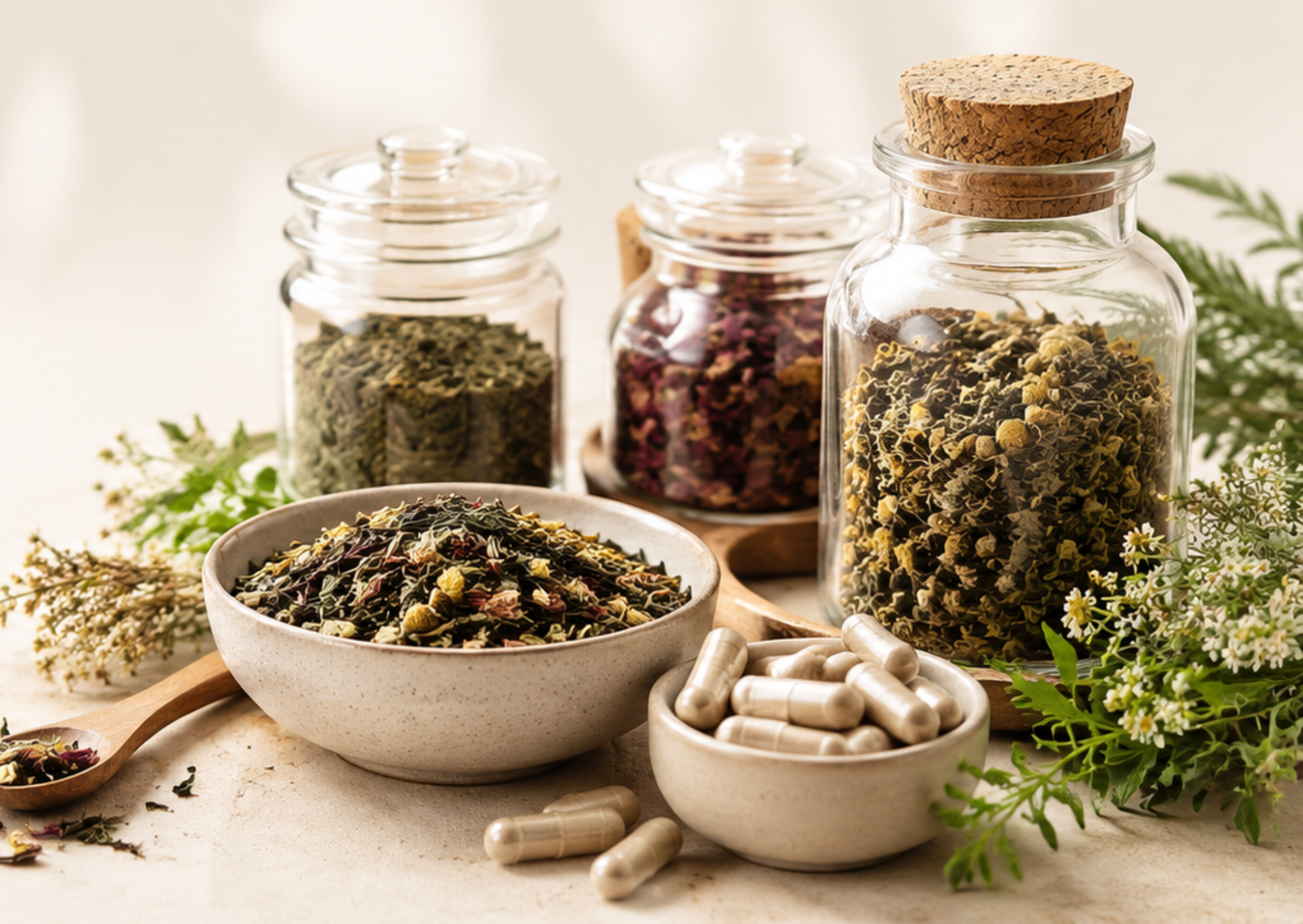
For those seeking targeted therapeutic outcomes, such as blood sugar regulation or systemic antioxidant defense, standardized capsules and liquid extracts (tinctures) provide a measured dose of key active markers, such as total polyphenols or specific ellagitannin fractions. Capsules containing finely milled or freeze-dried blackberry leaf powder preserve the plant’s fiber and mineral content, while liquid extracts utilizing a water-and-alcohol menstruum excel at drawing out both water-soluble tannins and alcohol-soluble flavonoids, offering rapid systemic absorption.
How to Use Blackberry Leaf: Preparation, Dosage, and Safety
Incorporating blackberry leaf into your daily wellness regimen is straightforward and highly versatile. Depending on your health goals, the herb can be consumed internally as an herbal tea, taken as a dietary supplement, or used externally for skin and oral care.

How to Brew Blackberry Leaf Tea
To prepare a classic herbal infusion for digestive comfort, general wellness, or as an oral gargle, follow these simple guidelines:
- Ingredients: 1 to 2 teaspoons of dried, crushed blackberry leaves (or 2 tablespoons of fresh, bruised leaves) and 8 ounces of freshly boiled water.
- Steeping Time: Pour the boiling water over the leaves, cover the vessel to prevent the escape of volatile compounds, and allow it to steep for 10 to 15 minutes. For a more astringent, tannin-rich brew (ideal for managing diarrhea or using as a mouthwash), extend the steeping time to 20 minutes.
- Frequency: Drink 2 to 3 cups daily between meals, or use the cooled infusion as a mouth rinse several times a day.
Recommended Dosages for Commercial Preparations
When using commercial blackberry leaf products, always adhere to the manufacturer’s labeling instructions. General therapeutic guidelines typically include:
- Standardized Extract Capsules: 350 mg to 500 mg, taken 1 to 2 times daily with meals.
- Liquid Extract (1:5 Tincture): 2 to 4 mL (approximately 40 to 80 drops), diluted in a small amount of water, up to three times daily.
Safety, Side Effects, and Contraindications
Blackberry leaf is classified as extremely safe with a long history of traditional use and minimal reported adverse effects. However, due to its exceptionally high tannin content, certain precautions should be observed:
- Gastrointestinal Sensitivity: Individuals with highly sensitive stomachs or chronic constipation may experience mild nausea or increased constipation if consuming large quantities of tannin-heavy tea on an empty stomach. If this occurs, reduce the steeping time or consume the tea with food.
- Medication Interactions: Tannins can bind to dietary iron and certain alkaline medications, reducing their absorption. To avoid potential interactions, consume blackberry leaf preparations at least two hours before or after taking pharmaceutical drugs or iron supplements.
- Pregnancy and Lactation: While historically used as a general tonic, pregnant and breastfeeding women should consult their healthcare provider before using concentrated blackberry leaf extracts therapeutically, as rigorous safety studies in these specific populations are currently limited.
Conclusion
Blackberry leaf (Rubus fruticosus) stands as a testament to the profound therapeutic potential of everyday botanicals. Often overlooked in favor of its sweet fruit, the leaf offers an elegant, multi-targeted approach to human health. From soothing acute gastrointestinal distress and reinforcing oral hygiene to defending cells against oxidative damage and supporting metabolic equilibrium, its deep pool of tannins, flavonoids, and organic acids delivers reliable, measurable benefits. By understanding its scientific mechanisms, chemical profile, and proper preparation methods, you can safely integrate this time-tested botanical into your modern wellness toolkit to foster vitality and systemic balance.
Disclaimer: For informational purposes only. Not medical advice. Consult a qualified healthcare professional before use.