

Unlocking Nature’s Potent Digestive Aid: The Exhaustive Health Benefits of Buckthorn Bark
For centuries, humanity has turned to the bountiful wisdom of the plant kingdom to address a myriad of health concerns. Among the pantheon of revered botanicals, Buckthorn bark stands as a testament to nature’s profound medicinal capabilities, particularly within the realm of digestive health. Known scientifically as Frangula alnus (formerly Rhamnus frangula), this unassuming shrub has earned its esteemed reputation primarily as a powerful and effective natural laxative, but its benefits extend far beyond simple bowel regularity. This definitive guide delves into the intricate historical tapestry, complex phytochemistry, and diverse health advantages offered by Buckthorn bark, providing an exhaustive exploration for those seeking to understand and harness its therapeutic potential.
In an era increasingly focused on holistic wellness and natural remedies, understanding the nuanced actions of traditional herbs like Buckthorn bark is paramount. We will unravel the scientific mechanisms behind its potent effects, detail its historical applications across different cultures, and provide practical insights into its safe and effective utilization, ensuring a comprehensive understanding of this remarkable botanical ally. From its stimulating impact on gut motility to its broader support for liver and digestive processes, Buckthorn bark represents a cornerstone of herbal medicine, deserving of meticulous examination and respect.
Botanical Overview: Understanding the Source of Potency
Buckthorn bark is derived from the Alder Buckthorn, a deciduous shrub or small tree native to Europe, northern Africa, and western Asia. Bearing the botanical name Frangula alnus, it is often confused with its close relative, Rhamnus cathartica (Common Buckthorn or Purging Buckthorn), which, while also possessing laxative properties, is generally considered more aggressive and is an invasive species in many regions. The bark of Frangula alnus, however, is the subject of most medicinal applications due to its milder yet effective action after proper curing.
The plant typically grows to a height of 3-6 meters, thriving in damp, acidic soils found in woodlands, fens, and hedgerows. Its smooth, dark reddish-brown bark is distinctive, featuring prominent lenticels (small, corky pores). The leaves are oval, glossy green, and alternate along the stem, while small, greenish-white flowers bloom in clusters from May to June, eventually giving way to small, round berries that ripen from green to red, and finally to a dark purple or black. It is crucial to note that the fresh bark and berries are purgative and emetic and should never be consumed directly. Only aged or heat-treated bark is suitable for medicinal use, as the fresh plant contains compounds that can cause severe gastrointestinal distress.

A Journey Through Time: Historical Context and Traditional Uses
The use of Buckthorn bark in traditional medicine dates back many centuries, with its efficacy being documented across various cultures. Its prominent role as a purgative was recognized by herbalists and physicians as early as the 13th century. Nicholas Culpeper, the renowned 17th-century English herbalist, praised Buckthorn for its ability to “cleanse the body of phlegm and watery humors,” indicating its widespread application in humoral medicine, a dominant medical theory of the time.
Throughout medieval Europe, Buckthorn bark was a staple in monastic gardens and apothecary shops, frequently prescribed for constipation, digestive sluggishness, and conditions believed to be caused by an accumulation of bodily “toxins.” It was often included in complex herbal formulations designed to purify the blood and improve overall systemic health. The recognition of its potent effects led to its inclusion in pharmacopeias and traditional medical texts, cementing its status as a reliable and powerful herbal remedy. Indigenous cultures in regions where the plant grew also incorporated it into their healing practices, often recognizing its detoxifying and cleansing properties.

The traditional preparation involved harvesting the bark and then carefully aging it for at least one year. This crucial curing process is essential for its safe medicinal use, as fresh bark contains anthrone glycosides, which are too harsh and can induce severe vomiting and cramps. During the aging period, these harsh compounds undergo oxidation, converting into the less irritating but equally effective anthraquinone glycosides, predominantly glucofrangulin and frangulin, which are responsible for its therapeutic laxative action. This meticulous preparation highlights the deep understanding of plant chemistry possessed by ancient herbalists, long before the advent of modern scientific analysis.
Phytochemistry: The Bioactive Powerhouse of Buckthorn Bark
The impressive therapeutic actions of Buckthorn bark are attributed to a rich and complex array of bioactive compounds. The most significant and well-studied among these are the **anthraquinone glycosides**, primarily glucofrangulin A and B, and frangulin A and B. These compounds are present in their inactive O-glycoside forms in the bark, protecting them from degradation in the upper digestive tract.
Upon reaching the colon, the anthraquinone glycosides are metabolized by resident gut bacteria. These bacteria cleave off the sugar component, converting the inactive glycosides into their active aglycone forms, known as anthrones and anthranols. These active metabolites exert their laxative effect through several distinct mechanisms:
- Stimulation of Peristalsis: The active anthraquinones directly irritate the smooth muscle lining of the colon, stimulating increased rhythmic contractions (peristalsis). This accelerates the transit time of fecal matter through the bowel, promoting more frequent and easier bowel movements.
- Inhibition of Water Reabsorption: They interfere with the absorption of water and electrolytes (sodium and chloride ions) from the colon lumen back into the bloodstream. By reducing water reabsorption, more water is retained within the stool, making it softer and increasing its volume.
- Increased Secretion of Water and Electrolytes: In addition to inhibiting reabsorption, anthraquinones also stimulate the active secretion of water and electrolytes into the intestinal lumen, further contributing to the softening and bulk of the stool.

Beyond the primary anthraquinone glycosides, Buckthorn bark also contains other valuable compounds that contribute to its overall therapeutic profile:
- Flavonoids: These powerful plant pigments are renowned for their antioxidant and anti-inflammatory properties. While not directly responsible for the laxative effect, flavonoids may contribute to the bark’s broader supportive actions, potentially reducing oxidative stress and inflammation within the gut lining.
- Tannins: Tannins are astringent compounds that can have mild antiseptic and anti-inflammatory effects. In Buckthorn bark, they may help to modulate the overall digestive environment, though their primary role is often overshadowed by the anthraquinones.
- Saponins: These soap-like compounds can affect nutrient absorption and possess expectorant properties, though their specific contribution to the laxative action of Buckthorn bark is less pronounced than that of the anthraquinones.
The synergistic interaction of these various phytochemicals contributes to the holistic efficacy of Buckthorn bark, making it more than just a simple purgative, but a comprehensive botanical agent for digestive well-being.
Primary Health Benefits: A Deep Dive into Therapeutic Actions
The health benefits of Buckthorn bark are predominantly centered around its profound impact on the digestive system, making it an invaluable natural remedy for various gastrointestinal complaints. Let’s explore these benefits in detail:
1. Powerful and Reliable Laxative Action
The most well-known and extensively studied benefit of Buckthorn bark is its potent laxative effect. It is classified as a stimulant laxative, meaning it directly acts on the intestinal wall to induce bowel movements. This mechanism, as detailed in the phytochemistry section, involves the anthraquinone glycosides stimulating peristalsis and altering fluid and electrolyte balance in the colon.
For individuals suffering from occasional constipation, Buckthorn bark can provide significant relief. It typically produces a bowel movement within 8-12 hours after ingestion, making it suitable for evening administration to facilitate morning elimination. Unlike some harsh chemical laxatives, Buckthorn bark, when properly prepared and used in appropriate doses, offers a more natural means of restoring bowel regularity without causing undue irritation or discomfort, provided the correct preparation (aged bark) is used.
Its efficacy lies in its direct action on the large intestine, ensuring that the active compounds are released precisely where they are needed to initiate a bowel movement. This targeted approach minimizes systemic side effects often associated with other types of laxatives that may be absorbed more broadly.
2. Comprehensive Digestive Health Support
Beyond its direct laxative effect, Buckthorn bark contributes to overall digestive health by promoting a more efficient and harmonious functioning of the gastrointestinal tract. By stimulating regular bowel movements, it helps to prevent the accumulation of waste products and toxins in the colon, which can otherwise lead to a range of symptoms including bloating, gas, abdominal discomfort, and a feeling of sluggishness.
Regular elimination is crucial for maintaining a healthy gut microbiome, as it prevents the overgrowth of harmful bacteria that thrive in stagnant environments. While Buckthorn bark itself doesn’t directly modulate the microbiome in the same way probiotics do, its role in facilitating waste removal creates a more hospitable environment for beneficial gut flora. Furthermore, by alleviating chronic constipation, it can reduce the strain on the digestive system and improve nutrient absorption by ensuring a cleaner intestinal lining.
3. Liver and Gallbladder Support (Choleretic Action)
Emerging research and traditional practices suggest that Buckthorn bark may also offer supportive benefits for the liver and gallbladder. It is believed to possess choleretic properties, meaning it can stimulate the production and flow of bile from the liver. Bile plays a critical role in the digestion and absorption of fats and fat-soluble vitamins, and its efficient flow is essential for detoxification processes.
By promoting healthy bile production and release, Buckthorn bark can indirectly aid the liver in its detoxification functions and support optimal gallbladder activity. Improved bile flow can help prevent the stagnation of bile, which can contribute to gallbladder issues and impaired fat digestion. This aspect of its action complements its laxative effect, offering a more holistic approach to digestive and detox support.
4. Potential Anti-inflammatory and Antioxidant Properties
While the primary focus of Buckthorn bark research is on its laxative effects, the presence of flavonoids and tannins within its chemical composition suggests potential anti-inflammatory and antioxidant activities. Flavonoids are well-known free radical scavengers, helping to neutralize harmful free radicals that can cause cellular damage and contribute to chronic diseases.
In the context of digestive health, these properties could theoretically help to mitigate low-grade inflammation in the gut lining, which can be a contributing factor to various digestive disturbances. While not a primary anti-inflammatory agent like some other herbs, its contribution to reducing oxidative stress may offer broader protective benefits to the gastrointestinal system and overall cellular health. Further research is needed to fully elucidate these ancillary benefits in the context of Buckthorn bark’s total pharmacological profile.
Practical Usage and Forms of Buckthorn Bark
Buckthorn bark is available in various forms, catering to different preferences and needs. Understanding these forms and their appropriate uses is vital for safe and effective supplementation.
Dried Bark for Decoctions and Teas
Traditionally, the most common method of consumption has been as a decoction or tea prepared from the dried and aged bark. To prepare a decoction, a specific amount of dried bark is simmered in water for a period, allowing the active compounds to leach into the liquid. This method ensures the extraction of the anthraquinone glycosides and other beneficial constituents.
The dried bark must be sourced from reputable suppliers who guarantee proper aging (at least one year) or heat treatment to eliminate the harsh, unoxidized anthrones. This traditional preparation allows for a customizable strength, though consistent dosing can be more challenging than with standardized extracts.
Tinctures
Tinctures are concentrated liquid extracts of Buckthorn bark, typically made by steeping the bark in alcohol and water. This method effectively extracts the active compounds and offers a convenient, shelf-stable form. Tinctures are often favored for their fast absorption and ease of dosage, usually administered by drops in water or juice. The concentration of tinctures can vary, so it is essential to follow the manufacturer’s specific dosage instructions.
Capsules and Tablets (Standardized Extracts)
For modern convenience and precise dosing, Buckthorn bark is widely available in capsule or tablet form, often as standardized extracts. Standardization ensures that each dose contains a consistent amount of the active anthraquinone glycosides, which is crucial for predictable therapeutic effects and safety. This form is particularly beneficial for those who find the taste of the bark unpalatable or prefer a more convenient method of ingestion.
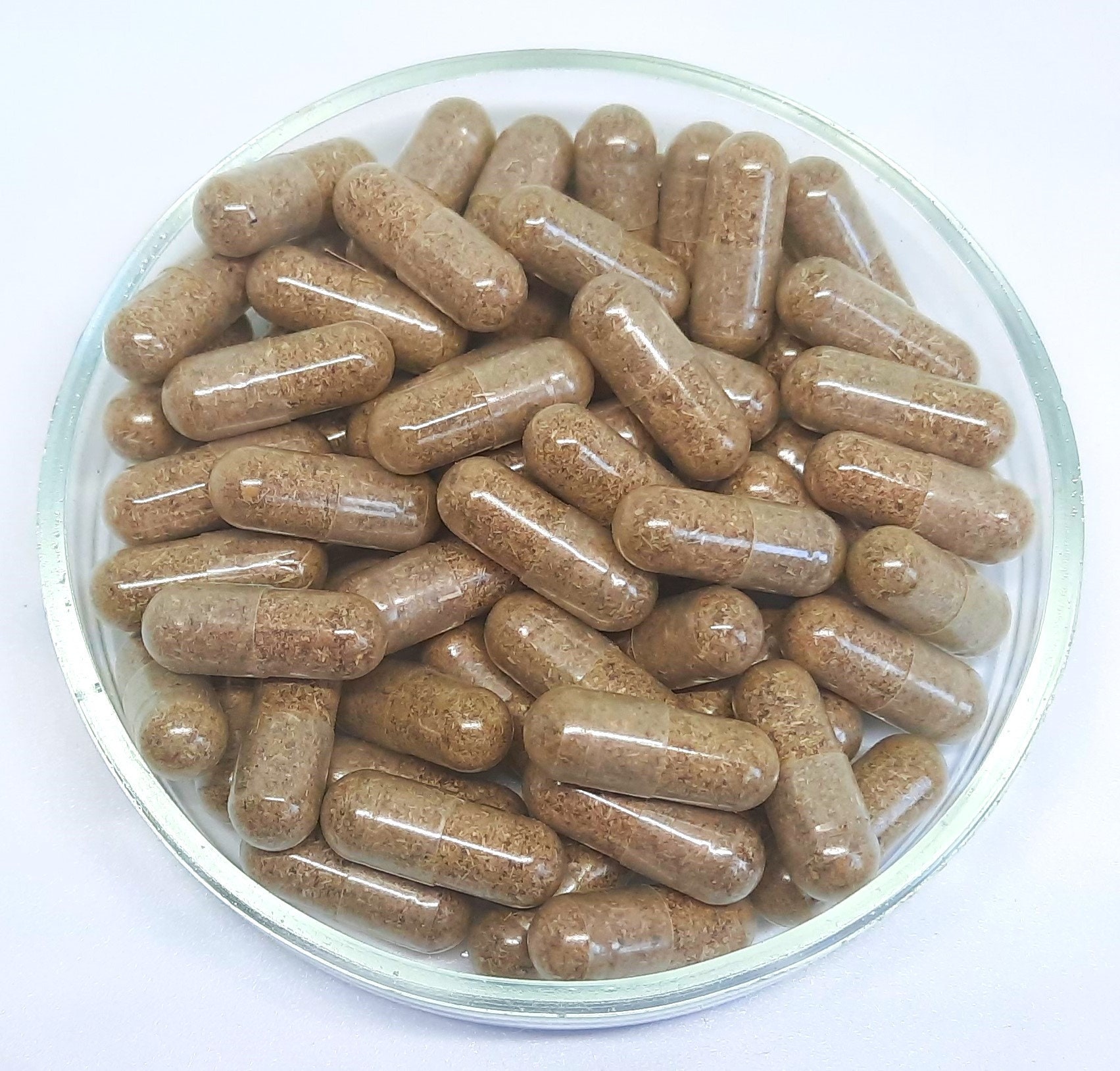
When choosing capsules or supplements, always opt for products from reputable brands that provide transparency about their sourcing, extraction methods, and standardization levels. This ensures the product’s quality, purity, and efficacy, and most importantly, that the bark used has been correctly aged or treated to prevent adverse effects.
Dosage and Administration Guidelines
The appropriate dosage of Buckthorn bark can vary significantly based on the form (dried bark, tincture, standardized extract), the individual’s sensitivity, and the desired effect. It is always recommended to start with the lowest effective dose and gradually increase if necessary, while adhering strictly to manufacturer guidelines or professional advice.
- Dried Bark (Decoction): A common traditional dosage for a decoction might involve simmering 0.5-2 grams of dried, aged bark in 150 ml of water for 5-10 minutes, straining, and consuming once daily, preferably in the evening.
- Tincture: Doses typically range from 1-5 ml, taken 1-3 times daily, depending on concentration. Again, start low.
- Standardized Extracts (Capsules/Tablets): These are usually standardized to contain a certain percentage of anthraquinone glycosides. A typical effective dose often provides 10-30 mg of hydroxyanthracene derivatives per day, calculated as glucofrangulin. Always check the product label for specific recommendations.
Regardless of the form, Buckthorn bark should ideally be taken in the evening, as its effects usually manifest 8-12 hours later. It is paramount to ensure adequate hydration when using Buckthorn bark, as its mechanism involves drawing water into the colon. Drinking plenty of water throughout the day will support its action and prevent dehydration.
Important Considerations and Potential Side Effects
While Buckthorn bark is a powerful natural remedy, it is crucial to use it responsibly and be aware of its contraindications and potential side effects. It is a potent herb and should not be used indiscriminately.
- Not for Long-Term Use: Buckthorn bark, like other stimulant laxatives, is intended for short-term relief of occasional constipation (generally no more than 1-2 weeks). Prolonged use can lead to dependency, where the colon becomes reliant on external stimulation, potentially worsening constipation when the herb is discontinued. Chronic use can also lead to electrolyte imbalances (particularly potassium loss), which can affect heart function and muscle strength.
- Contraindications: Buckthorn bark is contraindicated in several conditions. It should not be used by individuals with inflammatory bowel diseases (e.g., Crohn’s disease, ulcerative colitis), appendicitis, intestinal obstruction, abdominal pain of unknown origin, or during pregnancy and breastfeeding. The anthraquinones can pass into breast milk and may cause diarrhea in infants.
- Potential Side Effects: Possible side effects include abdominal cramps, discomfort, and diarrhea, especially with excessive doses or if the bark is not properly aged. In rare cases, chronic abuse can lead to a condition known as melanosis coli, a benign discoloration of the colon lining, though this typically resolves upon discontinuation.
- Drug Interactions: Buckthorn bark can interact with certain medications. Its laxative effect can decrease the absorption of orally administered drugs. The loss of potassium due to prolonged use can potentiate the effects of cardiac glycosides (like digoxin) and antiarrhythmic drugs, and it can also interact with diuretics and corticosteroids.
- Professional Consultation: Always consult with a healthcare professional or a qualified herbalist before using Buckthorn bark, especially if you have underlying health conditions, are taking other medications, or are unsure about the correct preparation and dosage.

Conclusion: Harnessing Nature’s Digestive Power Responsibly
Buckthorn bark stands as a powerful testament to the enduring efficacy of traditional herbal medicine. Its rich history of use, coupled with modern scientific understanding of its anthraquinone glycosides, firmly establishes its role as a highly effective natural laxative. By stimulating colonic peristalsis and enhancing water retention in the stool, it offers reliable relief for occasional constipation and contributes to overall digestive wellness.
Beyond its primary laxative action, the presence of other bioactive compounds like flavonoids and tannins suggests broader supportive roles, including potential antioxidant and anti-inflammatory benefits, and its choleretic properties point towards an ability to support liver and gallbladder function. However, the true strength of Buckthorn bark lies in its well-defined mechanism for restoring bowel regularity when used appropriately.
As with all potent herbal remedies, responsible use is paramount. Adhering to proper preparation, understanding recommended dosages, and being acutely aware of its contraindications and potential for side effects are crucial. When approached with respect and knowledge, Buckthorn bark can be a valuable addition to a natural health regimen, offering a time-honored solution for digestive challenges and a deeper connection to the therapeutic bounty of the natural world. Its continued study promises to further unveil the full spectrum of its benefits, solidifying its place as a revered botanical for centuries to come.
Disclaimer: For informational purposes only. Not medical advice. Consult a qualified healthcare professional before use.