The Profound Healing Power of Burdock: An Exhaustive Guide to its Health Benefits
For centuries, nestled within the sprawling tapestry of traditional medicine across continents, a humble biennial plant known as Burdock (Arctium lappa) has held a revered place. Far from being a mere weed with its characteristic prickly burrs, Burdock is a botanical powerhouse, celebrated for its root, leaves, and seeds, all brimming with an astonishing array of bioactive compounds. From ancient Chinese herbal texts to European folk remedies and indigenous practices, its reputation as a potent detoxifier, skin healer, and general wellness enhancer has endured. This definitive guide delves deep into the multifaceted health benefits of Burdock, exploring its rich history, intricate chemical composition, and practical applications, providing an unparalleled understanding of this remarkable natural remedy.
A Journey Through Time: Burdock’s Enduring Legacy in Traditional Medicine
The historical reverence for Burdock is as deep-rooted as the plant itself. In Traditional Chinese Medicine (TCM), Burdock root, known as Niúbàng, has been employed for thousands of years to “clear heat and remove toxins,” particularly those affecting the skin and blood. It was a staple in formulations for conditions like measles, sore throats, and various inflammatory skin issues, valued for its cooling and purifying properties. Similarly, in European herbalism, Burdock was a cornerstone of “blood purifying” remedies, used extensively for gout, rheumatism, and a wide spectrum of skin conditions, from eczema and psoriasis to boils and acne. Dioscorides, the ancient Greek physician, noted its use for snake bites and stomach ailments, while medieval herbalists like Nicholas Culpeper extolled its virtues for kidney and bladder stones. Indigenous North American tribes also integrated Burdock into their materia medica, utilizing its roots for joint pain, digestive complaints, and as a general tonic. This consistent historical usage across diverse cultures underscores its significant therapeutic value, paving the way for modern scientific inquiry.
Botanical Profile: Unveiling the Characteristics of Arctium lappa
Burdock, scientifically classified as Arctium lappa, belongs to the Asteraceae (or Compositae) family, which also includes sunflowers and daisies. It is a biennial plant, meaning it completes its life cycle over two years. In its first year, it produces large, broad, heart-shaped leaves close to the ground, and develops a deep, fleshy taproot that can grow over a meter long. This root is the most commonly used part of the plant for medicinal purposes and culinary applications, particularly in East Asian cuisine where it’s known as ‘gobo’. In its second year, the plant sends up a tall, branching flower stalk, bearing purplish thistle-like flowers that eventually develop into the iconic burrs – small, round, prickly seed heads famous for inspiring Velcro due to their hook-like structures. These burrs facilitate seed dispersal by attaching to animal fur and clothing. Burdock thrives in temperate climates and is often found in disturbed soils, roadsides, and open woodlands across Europe, Asia, and North America, where it has naturalized.

The Bioactive Treasure Trove: Key Chemical Constituents of Burdock
The remarkable health benefits of Burdock are attributable to its incredibly rich and diverse phytochemical profile. Each part of the plant, but especially the root, is packed with a synergy of compounds that work together to exert its therapeutic effects. Understanding these constituents is key to appreciating Burdock’s medicinal prowess.
- Inulin: This potent fructan is one of the most abundant compounds in Burdock root, constituting up to 50% of its composition. Inulin is a powerful prebiotic fiber, meaning it selectively feeds beneficial gut bacteria (like Bifidobacteria and Lactobacilli). This promotion of a healthy gut microbiome is fundamental to digestive health, immune function, and even mental well-being. Furthermore, inulin helps regulate blood sugar levels by slowing glucose absorption and has been linked to improved mineral absorption and satiety.
- Lignans (Arctiin and Arctigenin): These are among Burdock’s most thoroughly researched compounds. Arctiin and its aglycone, arctigenin, are phytoestrogens with potent antioxidant, anti-inflammatory, and even potential anticancer properties. They have been studied for their ability to inhibit tumor cell growth, induce apoptosis (programmed cell death) in various cancer lines, and modulate immune responses. Their anti-inflammatory actions help mitigate cellular damage and chronic disease progression.
- Phenolic Acids: Burdock is rich in various phenolic acids, including caffeic acid, chlorogenic acid, and cynarin. These compounds are renowned for their powerful antioxidant capabilities, effectively scavenging free radicals and reducing oxidative stress, which is a key driver of aging and chronic diseases. They also contribute to Burdock’s anti-inflammatory and hepatoprotective (liver-protective) effects.
- Flavonoids: Quercetin, luteolin, and other flavonoids present in Burdock contribute significantly to its antioxidant and anti-inflammatory profile. Flavonoids are essential for protecting cells from damage, supporting cardiovascular health, and modulating immune system responses. They enhance the overall therapeutic efficacy of the plant.
- Volatile Oils: While present in smaller quantities, volatile oils found in Burdock contribute to its unique aroma and possess mild antimicrobial and antiseptic properties, which can be beneficial in topical applications and overall immune support.
- Tannins: These astringent compounds give Burdock its characteristic slightly bitter taste. Tannins have antiseptic and anti-inflammatory effects, contributing to its traditional use for skin conditions and as a digestive aid.
- Mucilage: The presence of mucilage provides a soothing and demulcent effect on mucous membranes, particularly beneficial for the digestive and urinary tracts, helping to alleviate irritation and inflammation.
- Vitamins and Minerals: Burdock root is also a good source of essential nutrients, including B vitamins (folic acid, riboflavin, pyridoxine), Vitamin C, Vitamin E, and minerals such as potassium, magnesium, manganese, iron, and zinc, all vital for overall health and physiological function.

Comprehensive Health Benefits: Unpacking Burdock’s Therapeutic Actions
The synergy of Burdock’s diverse compounds translates into a broad spectrum of health benefits, addressing multiple bodily systems and offering holistic support.
1. Potent Detoxifier and Blood Purifier
Burdock’s reputation as a “blood purifier” is arguably its most celebrated traditional use, and modern science provides plausible explanations for this. It acts as a diuretic, promoting increased urine output, which helps the kidneys efficiently filter waste products from the blood and excrete them. Furthermore, Burdock is a diaphoretic, stimulating sweat production, another pathway for toxin elimination through the skin. Perhaps most importantly, it is a choleretic, meaning it stimulates bile production and flow from the liver and gallbladder. Bile is crucial for digesting fats and carrying away metabolic waste products and toxins processed by the liver. By enhancing these natural detoxification pathways, Burdock aids the body in systematically cleansing the blood and supporting overall liver and kidney function, making it an excellent tonic for maintaining metabolic hygiene.
2. Superior Skin Health and Dermatological Applications
Burdock’s profound impact on skin health is well-documented, both historically and through emerging research. Its ability to purify the blood, reduce inflammation, and exhibit antimicrobial properties makes it an invaluable remedy for a variety of dermatological conditions. For issues like acne, eczema, psoriasis, and boils, Burdock works internally by detoxifying the body, which often manifests as clearer skin. Its anti-inflammatory constituents, such as lignans and flavonoids, help reduce redness, swelling, and itching associated with these conditions. Topically, its antiseptic properties can aid in preventing infection in open sores or inflamed areas, while its mucilage content offers a soothing effect. By improving liver function and gut health, which are intrinsically linked to skin conditions, Burdock addresses the root causes rather than just the symptoms, promoting long-term skin vitality.
3. Digestive Health and Gut Microbiome Support
The high concentration of inulin in Burdock root positions it as an exceptional ally for digestive health. As a prebiotic, inulin nourishes the beneficial bacteria in the gut, leading to a more balanced and robust gut microbiome. A healthy microbiome is critical for efficient digestion, nutrient absorption, and immune function. Furthermore, the fiber content in Burdock promotes regular bowel movements, preventing constipation and supporting the elimination of waste. The mucilage components provide a demulcent effect, soothing irritated mucous membranes throughout the digestive tract, which can be beneficial for conditions like irritable bowel syndrome (IBS) or gastritis. By fostering a healthy gut environment, Burdock contributes to overall digestive harmony and nutrient utilization.
4. Potent Anti-inflammatory and Antioxidant Properties
Chronic inflammation and oxidative stress are foundational to many chronic diseases, including cardiovascular disease, neurodegenerative disorders, and certain cancers. Burdock is replete with compounds that actively combat both. Its lignans, such as arctigenin, exhibit significant anti-inflammatory actions by modulating various inflammatory pathways. Phenolic acids and flavonoids contribute robust antioxidant activity, neutralizing harmful free radicals that damage cells and tissues. This dual action makes Burdock a powerful preventive and therapeutic agent against cellular damage and systemic inflammation, supporting cellular integrity and promoting overall longevity and health.
5. Immune System Modulator
Burdock’s rich nutrient profile and its array of bioactive compounds contribute to its immune-modulating capabilities. The prebiotics inulin fosters a healthy gut microbiome, which is intrinsically linked to a strong immune system (approximately 70% of immune cells reside in the gut). Furthermore, its antioxidant properties protect immune cells from damage, while its potential antimicrobial and antiviral actions, supported by volatile oils and other constituents, may help the body fend off pathogens. By reducing inflammation, Burdock also allows the immune system to function more efficiently, preventing overreactions and ensuring a balanced immune response.
6. Blood Sugar Regulation Potential
Given its high inulin content, Burdock root shows promise in supporting healthy blood sugar levels. Inulin is a non-digestible carbohydrate that does not spike blood glucose, and it can help slow the absorption of sugars from other foods in the digestive tract. This can lead to more stable blood sugar levels, potentially benefiting individuals managing type 2 diabetes or those at risk. Additionally, some studies suggest that other compounds in Burdock may influence glucose metabolism, though more human clinical trials are needed to fully understand and confirm these effects. It is important to note that Burdock should not replace prescribed diabetes medications.
7. Emerging Anti-Cancer Research
While research is still in its early stages, particularly *in vitro* and animal studies have highlighted the potential anti-cancer properties of Burdock, primarily attributed to its lignans, arctiin, and arctigenin. These compounds have demonstrated the ability to inhibit the proliferation of various cancer cells (including breast, colon, pancreatic, and liver cancer cells), induce apoptosis (programmed cell death), and potentially interfere with tumor angiogenesis (the formation of new blood vessels that feed tumors). While these findings are promising, it is crucial to understand that Burdock is not a standalone cancer treatment, and human clinical trials are necessary to validate these preliminary observations.
8. Joint Health and Anti-Arthritic Effects
Historically, Burdock was used to alleviate symptoms of rheumatism and gout. Its potent anti-inflammatory properties are central to this benefit. By reducing systemic inflammation, Burdock can help mitigate pain and swelling associated with arthritic conditions. Its detoxifying actions, particularly its ability to support kidney function and eliminate uric acid, can be especially beneficial for gout sufferers, where uric acid crystal accumulation in joints causes severe pain. While not a cure, Burdock can be a valuable complementary therapy for managing joint discomfort and promoting overall musculoskeletal well-being.
Practical Applications: Incorporating Burdock into Your Wellness Regimen
Burdock’s versatility extends beyond its medicinal benefits, making it an adaptable addition to both culinary and herbal practices.
Culinary Uses: “Gobo” in the Kitchen
The root of Burdock, known as “gobo” in Japanese cuisine, is a staple vegetable, revered for its earthy flavor and crisp texture. It can be prepared in numerous ways:
- Stir-fries: Sliced or julienned gobo adds a unique flavor and crunch.
- Soups and Stews: It contributes depth and nutrition to broths and hearty dishes.
- Pickled: A popular method to preserve its flavor and beneficial compounds.
- Tempura: Young gobo root can be thinly sliced and deep-fried.
- Cooked Greens: Young leaves and stalks can be cooked like spinach or chard.
Herbal Preparations: Traditional and Modern Forms
For therapeutic purposes, Burdock is typically consumed as a tea, tincture, or encapsulated supplement.
- Decoctions (for roots): To make a powerful tea from dried Burdock root, simmer 1-2 teaspoons of dried root in 8-10 ounces of water for 10-15 minutes, then strain. Drink 2-3 times daily. This method extracts the beneficial compounds more effectively from the harder root material.
- Tinctures: These are concentrated liquid extracts made by steeping Burdock root in alcohol. Tinctures offer a convenient and potent way to consume Burdock, with typical dosages ranging from 2-4 ml, 2-3 times a day, diluted in water.
- Poultices and Compresses: For topical skin conditions, a poultice can be made from crushed fresh Burdock leaves or a strong root decoction can be used as a compress, applied directly to the affected area to soothe inflammation and promote healing.

Supplements: Capsules and Tablets
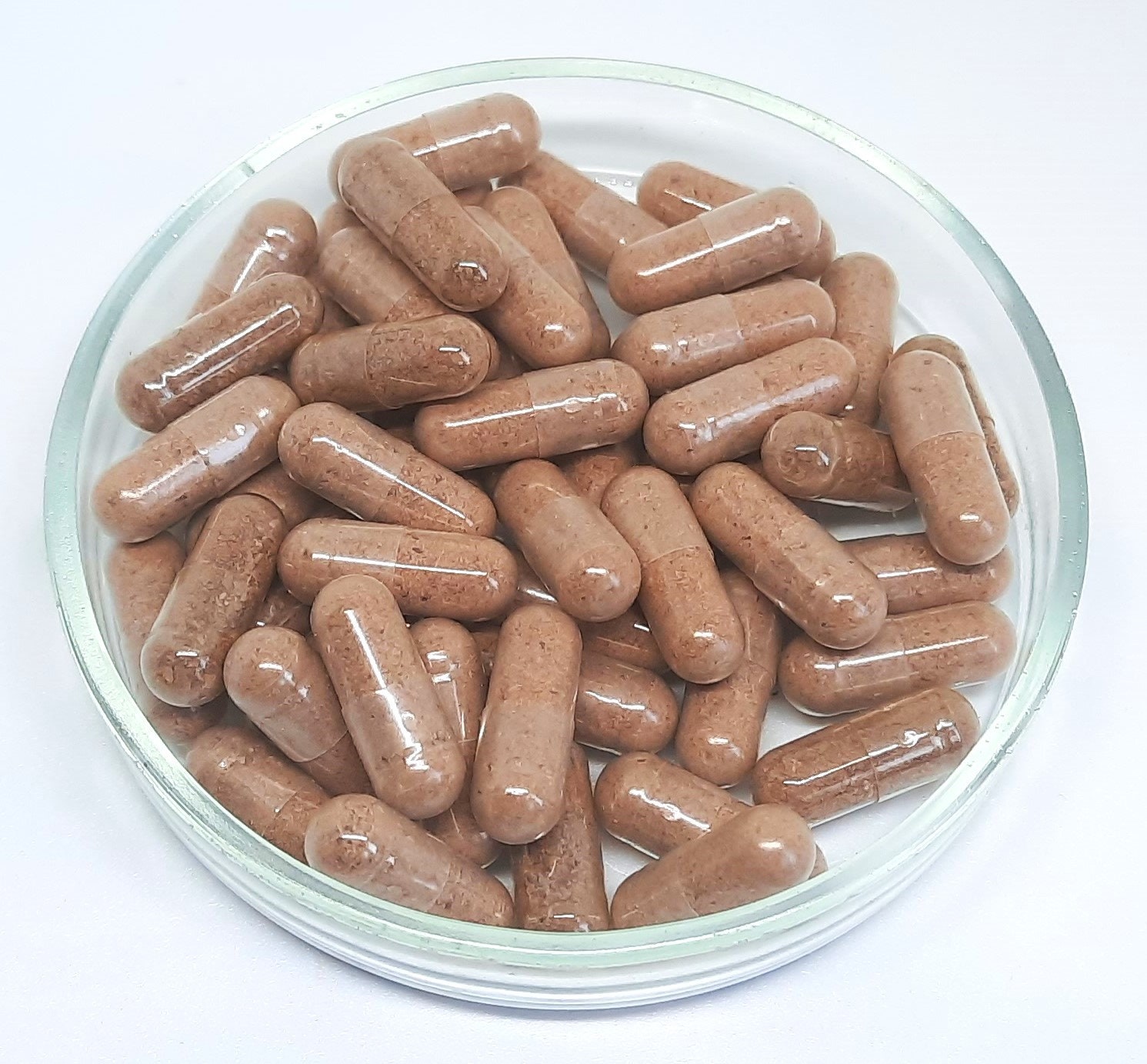
For those seeking convenience and standardized dosing, Burdock root supplements are widely available in capsule or tablet form. These typically contain powdered Burdock root extract or dried root. Doses can vary, but generally range from 500 mg to 1500 mg per day, often split into multiple doses. It is crucial to choose high-quality supplements from reputable brands to ensure purity and potency. Always follow the manufacturer’s recommended dosage unless advised otherwise by a healthcare professional.
Dosage, Safety, and Important Considerations
While Burdock is generally considered safe for most people when consumed in appropriate doses, it is essential to be aware of potential side effects and contraindications.
- General Dosage:
- Dried Root Decoction: 2-6 grams (approx. 1-2 teaspoons) simmered in 250ml water, 2-3 times daily.
- Tincture (1:5 in 45% alcohol): 2-8 ml, 3 times daily.
- Capsules/Tablets: 500-1500 mg per day, as directed by product label.
- Potential Side Effects: Burdock is usually well-tolerated. However, some individuals might experience mild gastrointestinal upset, such as gas or bloating, especially when starting. Allergic reactions, though rare, can occur, particularly in individuals sensitive to plants in the Asteraceae family (e.g., ragweed, daisies, chrysanthemums). Symptoms may include skin rash, itching, or swelling.
- Contraindications and Interactions:
- Pregnancy and Breastfeeding: Burdock’s safety during pregnancy and lactation has not been sufficiently established, and it is generally advised to avoid its use.
- Diuretics: Burdock has diuretic properties; combining it with pharmaceutical diuretics may lead to excessive fluid loss or electrolyte imbalance.
- Blood Thinners: Theoretically, Burdock may interact with anticoagulant medications due to some compounds that could affect blood clotting, though concrete evidence is limited. Exercise caution.
- Diabetes Medications: Given its potential to lower blood sugar, individuals with diabetes on medication should monitor their blood glucose levels closely to avoid hypoglycemia.
- Allergies: People with known allergies to plants in the Asteraceae family should avoid Burdock.
- Surgery: Due to potential effects on blood clotting and blood sugar, discontinue Burdock at least two weeks before any scheduled surgery.
- Purity: Ensure that Burdock root is sourced from a reputable supplier, as false labelling or contamination with toxic belladonna root (which resembles burdock) has been reported in the past. Always choose certified organic and lab-tested products.
As with any herbal remedy, it is always advisable to consult with a qualified healthcare professional or a trained herbalist before incorporating Burdock into your health regimen, especially if you have underlying health conditions or are taking other medications.

Conclusion: Burdock – A Testament to Nature’s Healing Wisdom
From its humble beginnings as a “common weed” to its celebrated status in traditional medicine and its increasing recognition in modern scientific research, Burdock stands as a compelling testament to the profound healing wisdom inherent in nature. Its remarkable synergy of bioactive compounds, including inulin, lignans, phenolic acids, and flavonoids, underpins its extensive range of health benefits – from its unparalleled ability to detoxify the blood and enhance skin clarity, to its crucial role in supporting digestive health, combating inflammation, boosting immunity, and potentially regulating blood sugar and even fighting cancer. Whether incorporated culinarily as a nutritious vegetable or utilized therapeutically as a tea, tincture, or supplement, Burdock offers a holistic approach to wellness. As we continue to uncover the depths of its therapeutic actions, Arctium lappa remains a powerful, versatile, and deeply respected natural remedy, holding immense potential for those seeking to cultivate vibrant health through the gifts of the botanical world.
Disclaimer: For informational purposes only. Not medical advice. Consult a qualified healthcare professional before use.