The Profound Health Benefits of Bilberry Leaf: An Exhaustive Deep Dive into Nature’s Hidden Gem
For centuries, the humble bilberry plant (Vaccinium myrtillus) has been celebrated for its succulent, dark berries, revered for their vision-enhancing and antioxidant properties. However, a lesser-known, yet equally potent, part of this remarkable plant holds a treasure trove of health benefits: the Bilberry Leaf. Often overshadowed by its fruity counterpart, Bilberry Leaf possesses a unique phytochemical profile, rich in a distinct array of flavonoids, phenolic acids, and tannins that offer a broad spectrum of therapeutic actions. This comprehensive guide will delve deep into the historical significance, intricate chemical composition, and multifaceted health advantages of Bilberry Leaf, positioning it as a powerful botanical ally in modern wellness.
Unveiling the Bilberry Plant: A Botanical and Historical Overview
The Bilberry plant, scientifically known as Vaccinium myrtillus, is a low-growing deciduous shrub belonging to the Ericaceae family, which also includes cranberries and blueberries. Native to the heathlands, moors, and woodlands of Northern Europe, North America, and parts of Asia, it thrives in acidic soils and cool climates. While its dark blue-purple berries are famously rich in anthocyanins, the leaves, often discarded, have long been utilized in traditional European herbal medicine for a variety of ailments, particularly those related to blood sugar management and digestive health. Its common names – European Blueberry, Whortleberry, and Huckleberry – hint at its widespread recognition and historical integration into regional pharmacopeias.
Historically, the leaves were dried and brewed into teas, used as poultices, or incorporated into various concoctions. Traditional healers observed its efficacy in supporting digestive function, soothing inflammation, and even aiding in the management of diabetes-like symptoms long before modern science could elucidate its mechanisms. This deep-rooted traditional use provides a compelling foundation for contemporary research into the leaf’s therapeutic potential, validating centuries of anecdotal evidence with emerging scientific insights.
The Bioactive Powerhouse: A Closer Look at Bilberry Leaf’s Chemical Composition
The profound health benefits of Bilberry Leaf stem from its intricate symphony of bioactive compounds. Unlike the berries, which are characterized by high levels of anthocyanins, the leaves are particularly rich in a diverse range of other polyphenols, including flavonoids, phenolic acids, and tannins. These compounds work synergistically to exert a wide array of therapeutic effects, making Bilberry Leaf a true powerhouse of natural medicine.
Flavonoids: These plant pigments are renowned for their potent antioxidant and anti-inflammatory properties. In Bilberry Leaf, key flavonoids include:
- Quercetin: A ubiquitous flavonoid celebrated for its powerful antioxidant, anti-inflammatory, antihistamine, and immunomodulatory actions. It helps protect cells from oxidative damage, reduces the production of pro-inflammatory mediators, and supports cardiovascular health.
- Kaempferol: Another significant flavonoid with strong antioxidant and anti-inflammatory attributes. Research suggests kaempferol may play a role in cancer prevention, cardiovascular protection, and blood sugar regulation.
- Catechins: A class of flavonoids also found in green tea, catechins like epigallocatechin gallate (EGCG) contribute to the leaf’s antioxidant capacity, protecting against cellular damage and supporting metabolic health.
Phenolic Acids: These organic acids contribute significantly to the antioxidant and anti-inflammatory profile of Bilberry Leaf. Notable examples include:
- Chlorogenic Acid: Widely recognized for its presence in coffee, chlorogenic acid is a potent antioxidant that has been extensively studied for its ability to help regulate blood sugar levels, improve lipid metabolism, and offer cardioprotective benefits. It achieves this by inhibiting glucose-6-phosphatase, an enzyme involved in glucose production in the liver, and by slowing down the absorption of glucose from the intestines.
- Gallic Acid and Ellagic Acid: These compounds are known for their antioxidant, anti-inflammatory, and antimicrobial properties. They contribute to the overall protective effects of the leaf against oxidative stress and support the body’s natural defense mechanisms.
Tannins: These astringent compounds are responsible for the slightly bitter taste often associated with herbal teas. In Bilberry Leaf, tannins offer several therapeutic benefits, including:
- Astringent Properties: Tannins have the ability to bind to proteins, which leads to a tightening of tissues. This effect is particularly useful in managing conditions like diarrhea, where they can help reduce fluid secretion and inflammation in the gut lining.
- Antimicrobial Effects: By forming complexes with microbial proteins, tannins can inhibit the growth of various bacteria and fungi, contributing to the leaf’s traditional use in treating infections.
- Antioxidant Activity: Many tannins also possess significant antioxidant capacities, further bolstering the leaf’s ability to combat oxidative stress.
Deep Dive into the Health Benefits of Bilberry Leaf: Mechanisms and Applications
The rich array of bioactive compounds in Bilberry Leaf translates into a multitude of health benefits, supported by both traditional wisdom and emerging scientific research. Understanding the specific mechanisms behind these benefits provides a clearer picture of its immense therapeutic value.
1. Exceptional Blood Sugar Regulation and Anti-Diabetic Potential
Perhaps one of the most historically significant and scientifically promising benefits of Bilberry Leaf is its remarkable ability to support healthy blood sugar levels. This effect is multifaceted and involves several key mechanisms:
- Alpha-Glucosidase Inhibition: The compounds in Bilberry Leaf, particularly phenolic acids like chlorogenic acid and certain flavonoids, have been shown to inhibit alpha-glucosidase, an enzyme in the small intestine responsible for breaking down complex carbohydrates into absorbable glucose. By slowing this process, Bilberry Leaf can reduce the rate at which glucose enters the bloodstream after a meal, leading to a more gradual rise in blood sugar.
- Enhanced Insulin Sensitivity: Some research suggests that Bilberry Leaf extracts may improve insulin sensitivity, meaning the body’s cells become more responsive to insulin. This allows glucose to be more efficiently taken up from the blood and utilized for energy, thereby lowering blood glucose levels.
- Antioxidant Protection of Pancreatic Beta Cells: The pancreas produces insulin, specifically the beta cells. Oxidative stress can damage these delicate cells, impairing insulin production. The potent antioxidants in Bilberry Leaf protect these beta cells from oxidative damage, preserving their function and supporting healthy insulin secretion.
- Reduced Glucose Absorption: Beyond enzyme inhibition, components of the leaf may directly reduce the absorption of glucose from the gut, further contributing to its blood sugar-lowering effects.
These combined actions make Bilberry Leaf a compelling natural adjunct for individuals managing blood sugar fluctuations or those at risk of developing type 2 diabetes, reinforcing its long-standing traditional use in this area.
2. Cardiovascular Health Support and Endothelial Protection
Maintaining a healthy cardiovascular system is paramount for overall well-being, and Bilberry Leaf offers significant support through its anti-inflammatory and antioxidant properties:
- Antioxidant Defense for Endothelial Cells: The inner lining of blood vessels, the endothelium, is highly susceptible to oxidative stress, which can lead to dysfunction and contribute to atherosclerosis. The flavonoids and phenolic acids in Bilberry Leaf act as powerful free radical scavengers, protecting endothelial cells from damage and promoting vascular integrity.
- Reduction of LDL Oxidation: Low-density lipoprotein (LDL) cholesterol, particularly oxidized LDL, is a major contributor to plaque formation in arteries. Bilberry Leaf’s antioxidants help prevent the oxidation of LDL, thereby reducing a key step in the development of atherosclerosis.
- Anti-inflammatory Effects on Blood Vessels: Chronic low-grade inflammation plays a crucial role in various cardiovascular diseases. By modulating inflammatory pathways, Bilberry Leaf helps to reduce inflammation within the arterial walls, contributing to better blood flow and vessel elasticity.
- Potential for Blood Pressure Regulation: Some studies indicate that certain plant polyphenols can exert angiotensin-converting enzyme (ACE) inhibitory effects, similar to a class of pharmaceutical drugs used to lower blood pressure. While more research is needed specifically on Bilberry Leaf, its flavonoid content suggests a potential role in supporting healthy blood pressure levels.
3. Digestive Health and Gut Microbiome Harmony
The health of our digestive system is intricately linked to overall well-being. Bilberry Leaf has been traditionally used for various gastrointestinal complaints, and modern understanding sheds light on why:
- Astringent Action for Diarrhea Relief: The high tannin content in Bilberry Leaf provides a powerful astringent effect. Tannins help to tighten and tone the mucous membranes of the gut, reducing excessive fluid secretion and inflammation, which can be highly beneficial in alleviating symptoms of diarrhea and mild gastrointestinal discomfort.
- Anti-inflammatory Effects on the Gut Lining: Flavonoids and phenolic acids contribute to reducing inflammation throughout the digestive tract, potentially offering relief for conditions characterized by gut inflammation.
- Antimicrobial Properties: The tannins and other compounds may help to inhibit the growth of pathogenic bacteria and fungi in the gut, contributing to a healthier microbial balance.
- Support for Gut Barrier Function: By reducing inflammation and oxidative stress, Bilberry Leaf may help maintain the integrity of the gut barrier, preventing “leaky gut” and its associated systemic issues.
4. Potent Anti-inflammatory and Antioxidant Power
Oxidative stress and chronic inflammation are fundamental drivers of most chronic diseases, including cardiovascular disease, neurodegenerative disorders, and metabolic syndrome. Bilberry Leaf stands out as a formidable defender against these cellular threats:
- Free Radical Scavenging: The synergistic action of flavonoids, phenolic acids, and tannins enables Bilberry Leaf to effectively neutralize harmful free radicals, preventing them from damaging cellular components like DNA, proteins, and lipids.
- Modulation of Inflammatory Pathways: Beyond direct antioxidant activity, compounds in Bilberry Leaf can modulate key inflammatory pathways. They can inhibit the activity of pro-inflammatory enzymes such as cyclooxygenase-2 (COX-2) and inducible nitric oxide synthase (iNOS), and suppress the production of inflammatory cytokines like TNF-alpha and interleukins. This broad-spectrum anti-inflammatory action makes it beneficial for systemic inflammation.
5. Potential for Skin Health and Wound Healing
The antioxidant and anti-inflammatory properties of Bilberry Leaf extend to skin health, offering protective and regenerative benefits:
- Protection Against UV Damage: By scavenging free radicals generated by UV radiation, Bilberry Leaf may help protect skin cells from photoaging and damage.
- Collagen Support: Antioxidants are crucial for maintaining collagen integrity, which is essential for skin elasticity and youthful appearance.
- Traditional Topical Applications: Historically, Bilberry Leaf preparations were applied topically to soothe minor skin irritations and aid in wound healing due to their astringent and anti-inflammatory effects.
6. Immune System Modulation
A robust immune system is crucial for fending off infections and maintaining overall health. The polyphenols in Bilberry Leaf contribute to immune support:
- Immunomodulatory Effects: Flavonoids, in particular, can modulate immune responses, helping to balance the immune system. They can enhance certain immune functions while dampening excessive or inappropriate inflammatory responses.
- Antioxidant Protection for Immune Cells: Immune cells are particularly vulnerable to oxidative stress during active immune responses. The antioxidants in Bilberry Leaf help protect these cells, ensuring their optimal function.
7. Urinary Tract Health
While Bilberry fruit is often associated with urinary tract benefits (primarily due to proanthocyanidins preventing bacterial adhesion), the leaf also offers some support:
- Mild Diuretic Properties: Bilberry Leaf may possess mild diuretic effects, helping to increase urine flow and flush the urinary tract, which can be beneficial in preventing the accumulation of bacteria.
- Anti-inflammatory Action: Reducing inflammation in the urinary tract can alleviate discomfort associated with various conditions.
How to Incorporate Bilberry Leaf into Your Wellness Routine
Embracing the benefits of Bilberry Leaf can be done through various forms, catering to different preferences and needs. Understanding the available options ensures safe and effective integration into a daily regimen.
1. Herbal Tea (Infusion)
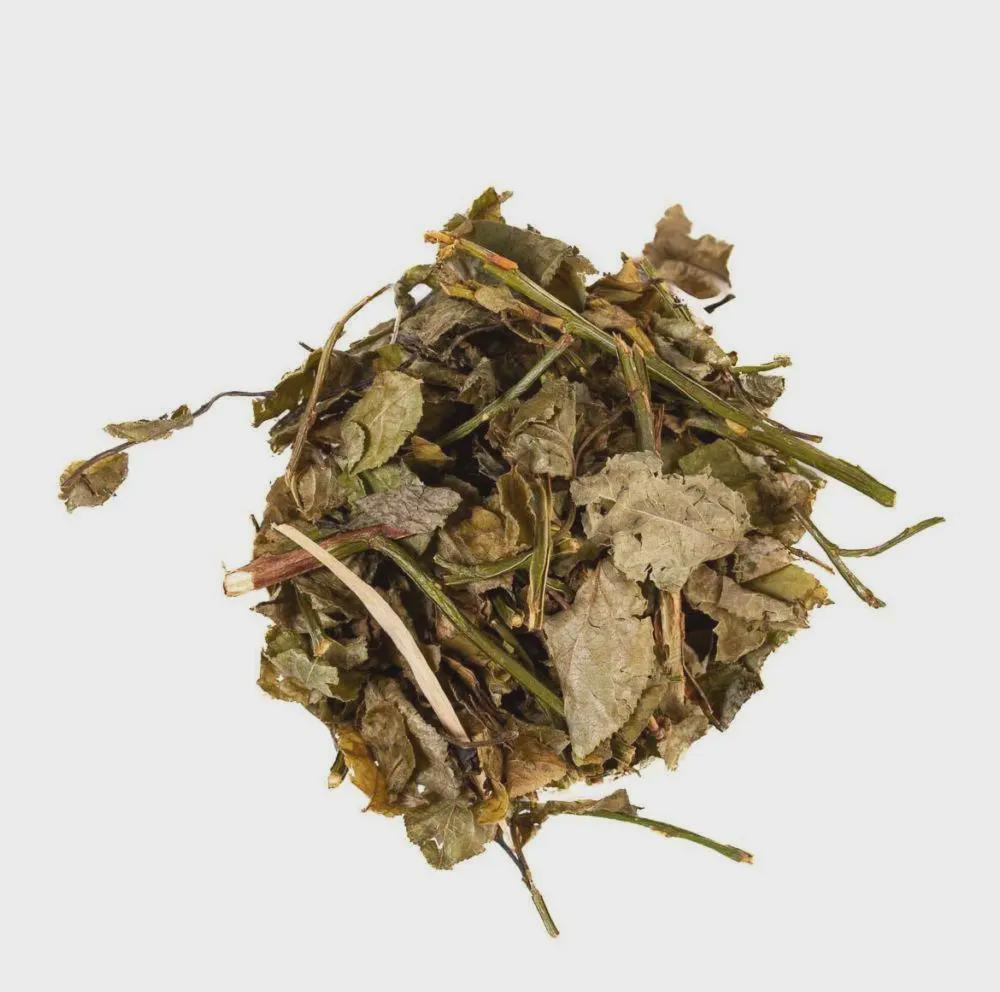
This is perhaps the most traditional and gentle way to consume Bilberry Leaf. A tea provides a warm, soothing delivery method and allows for direct absorption of water-soluble compounds.
- Preparation: Steep 1-2 teaspoons of dried Bilberry Leaf in 8 ounces (240ml) of hot, but not boiling, water for 5-10 minutes. Use a tea infuser or strain the leaves before drinking.
- Dosage: Typically, 1-3 cups of Bilberry Leaf tea per day are recommended. It can be consumed with meals to aid in blood sugar management or between meals for general wellness.
- Benefits: Ideal for digestive complaints, general antioxidant support, and a gentle approach to blood sugar regulation.
2. Tinctures
Tinctures are concentrated liquid extracts, often made with alcohol, which allow for rapid absorption of active compounds. They offer a potent and convenient alternative to teas.
- Preparation: Tinctures are usually purchased pre-made from reputable herbal suppliers.
- Dosage: Follow the manufacturer’s recommendations, typically 20-60 drops (1-3ml) 1-3 times daily, diluted in water or juice.
- Benefits: Higher concentration of compounds, longer shelf life, and ease of use for consistent daily intake.
3. Capsules and Supplements
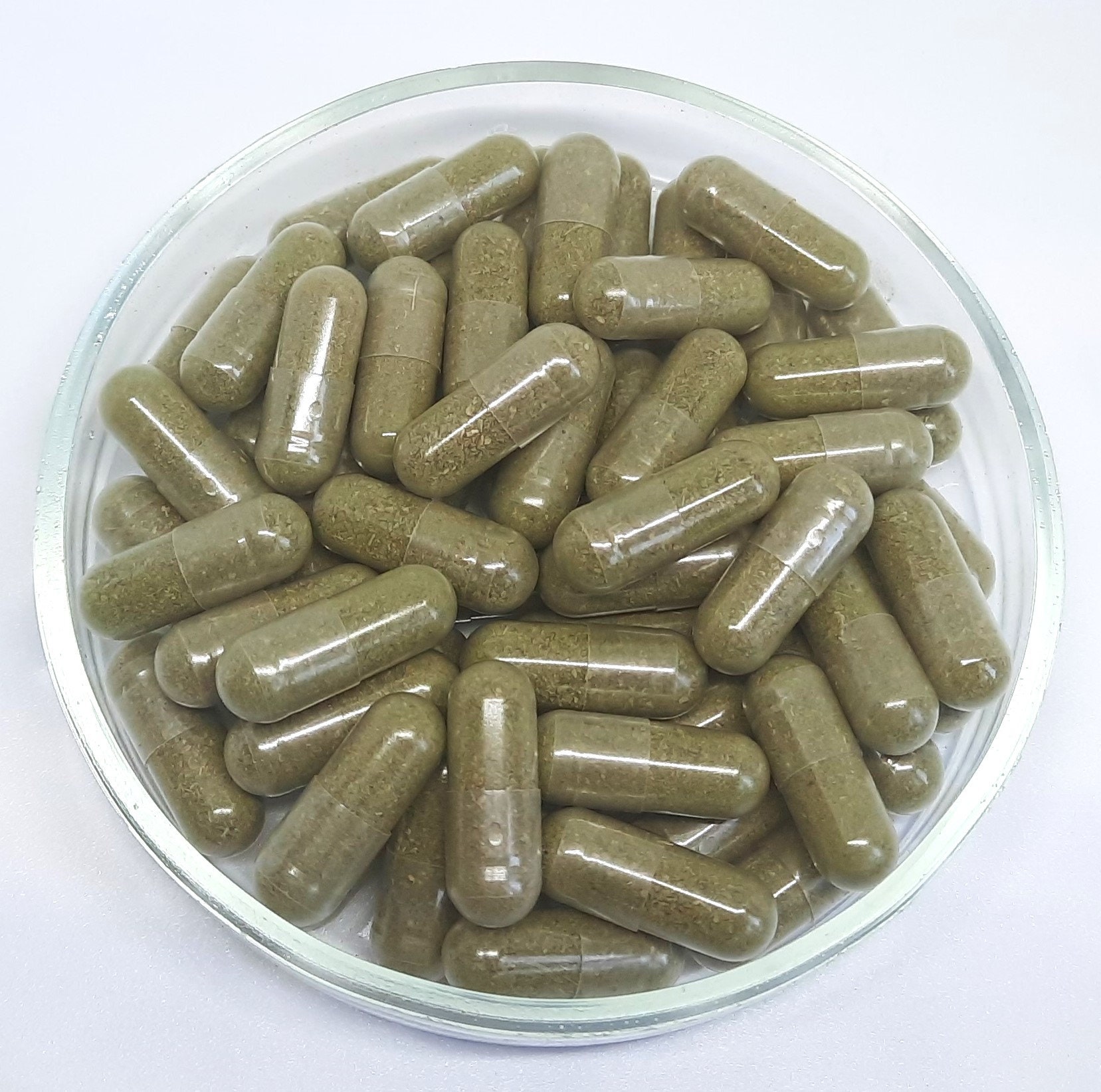
For those seeking precise dosages and convenience, Bilberry Leaf is available in capsule form, often as a standardized extract. This ensures a consistent amount of active compounds per serving.
- Standardization: Look for products standardized to specific active compounds, such as chlorogenic acid or total flavonoids, to ensure potency and quality.
- Dosage: Dosage can vary widely depending on the concentration of the extract. Common recommendations range from 200mg to 500mg of extract, 1-3 times daily. Always adhere to the dosage instructions provided by the manufacturer or as advised by a healthcare professional.
- Benefits: Convenience, accurate dosing, and often higher concentrations of specific beneficial compounds for targeted therapeutic effects.
Potential Side Effects, Precautions, and Contraindications
While Bilberry Leaf is generally considered safe for most people when consumed in appropriate amounts, it is essential to be aware of potential interactions and precautions. As with any herbal remedy, consulting a healthcare professional before starting new supplementation is highly recommended, especially for individuals with underlying health conditions or those taking medications.
- Blood Sugar Levels: Due to its blood sugar-lowering effects, individuals with diabetes or hypoglycemia should use Bilberry Leaf with caution and monitor their blood glucose levels closely. It may potentiate the effects of anti-diabetic medications, potentially leading to dangerously low blood sugar.
- Anticoagulant/Antiplatelet Medications: Some sources suggest that Bilberry Leaf, particularly in very high doses, might theoretically enhance the effects of anticoagulant (blood-thinning) medications due to its flavonoid content, though this is less established than for the fruit. Caution is advised for individuals on Warfarin, Aspirin, or other blood thinners.
- Pregnancy and Breastfeeding: There is insufficient scientific evidence regarding the safety of Bilberry Leaf during pregnancy and breastfeeding. Therefore, it is generally advised to avoid its use during these periods.
- Surgery: Due to potential effects on blood clotting, it is recommended to discontinue Bilberry Leaf supplements at least two weeks prior to any scheduled surgery.
- Gastrointestinal Upset: While often used for digestive health, in some sensitive individuals, very high doses of tannins can cause mild gastrointestinal upset, nausea, or constipation.
General Dosage Recommendations
Exact dosages can vary significantly based on the form of Bilberry Leaf, the concentration of active compounds, and individual health needs. The following are general guidelines:
- Dried Leaf for Tea: 1-2 teaspoons per cup, 1-3 times daily.
- Standardized Extracts (Capsules): Typically 200-500mg, 1-3 times daily, depending on the extract’s standardization for specific compounds (e.g., 25% chlorogenic acid). Always follow product-specific instructions.
- Tincture: As per manufacturer’s instructions, usually 1-3 ml (20-60 drops) diluted in water, 1-3 times daily.
It is crucial to start with the lowest effective dose and gradually increase if needed, while monitoring your body’s response. For targeted therapeutic use, consulting with a qualified herbalist or healthcare provider experienced in botanical medicine is the most prudent approach to determine an individualized and safe dosage.
Conclusion: Bilberry Leaf – A Comprehensive Herbal Ally
The Bilberry Leaf, once an unsung hero overshadowed by its more famous berries, is steadily gaining recognition for its remarkable and distinct health benefits. Its rich profile of flavonoids, phenolic acids, and tannins positions it as a powerful botanical agent with significant potential in supporting blood sugar regulation, enhancing cardiovascular health, soothing digestive issues, and acting as a robust antioxidant and anti-inflammatory agent. From traditional herbal teas to modern standardized extracts, Bilberry Leaf offers a versatile and accessible means to harness nature’s healing power.
As scientific research continues to validate and expand upon its traditional uses, Bilberry Leaf is emerging as a valuable tool in holistic health management. By understanding its intricate mechanisms of action and incorporating it judiciously, individuals can tap into the profound wellness advantages offered by this often-overlooked gift from the natural world. Always remember to prioritize professional medical advice when considering new supplements, ensuring that your journey towards optimal health is both informed and safe.
Disclaimer: For informational purposes only. Not medical advice. Consult a qualified healthcare professional before use.