The Comprehensive Guide to Black Currant Leaf: Nature’s Potent Phytotherapeutic Powerhouse
While the deep purple, tart berries of the Black Currant plant (Ribes nigrum) have long been celebrated in culinary circles and for their high Vitamin C content, the leaves of this resilient shrub harbor a pharmacological profile that is perhaps even more impressive. Used for centuries in European traditional medicine, Black Currant leaf is emerging in modern clinical research as a versatile therapeutic agent. This exhaustive guide explores the botanical intricacies, historical lineage, complex chemical composition, and the vast array of health benefits provided by Black Currant leaves, offering a definitive resource for health enthusiasts and practitioners alike.
Botanical Profile and Morphology: Understanding Ribes nigrum
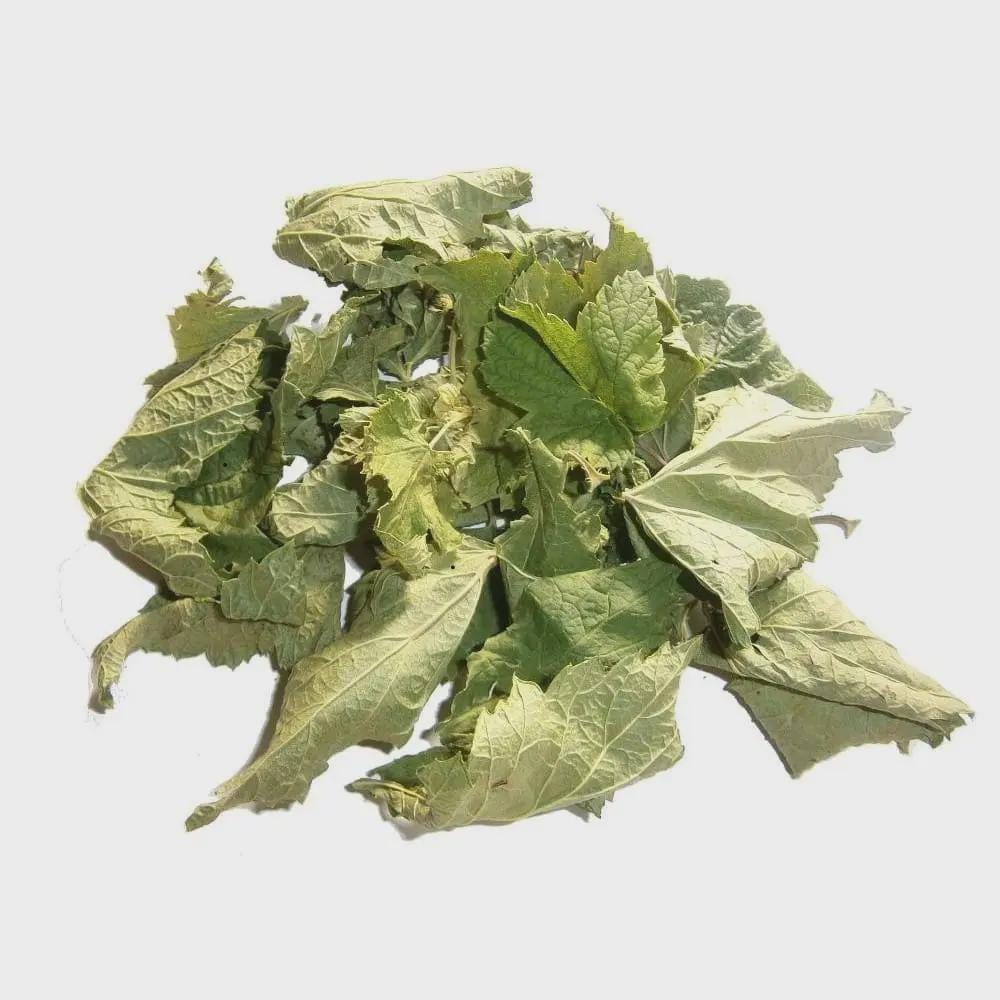
The Black Currant is a deciduous shrub belonging to the family Grossulariaceae. Native to northern Europe and northern Asia, it thrives in damp, fertile soils and cool temperate climates. The leaves are the primary focus of herbal medicine, distinguished by their alternate arrangement and palmate shape, typically featuring three to five deeply serrated lobes. One of the most defining characteristics of the Black Currant leaf is the presence of yellow, sessile oil glands on the abaxial (underside) surface. These glands secrete a distinctive, pungent aroma when crushed—a scent often described as musky or “catty,” which is indicative of the plant’s rich volatile oil content.
From a botanical standpoint, the leaves are harvested in the late spring or early summer, specifically before the fruit ripens. It is during this developmental window that the concentration of bioactive secondary metabolites—particularly flavonoids and proanthocyanidins—reaches its peak. The structural integrity of the leaf, characterized by its intricate vascular network, serves as the conduit for the synthesis of these compounds, which the plant utilizes for defense against ultraviolet radiation and oxidative stress. Understanding this biological foundation is essential for recognizing why the leaf offers such concentrated health benefits compared to other parts of the plant.

Historical Context and Traditional Applications
The history of Black Currant leaf in herbalism is deeply rooted in European folk medicine, particularly in France, Germany, and Russia. Historically, it was referred to as “the drink of life” or “the panacea of the forest.” Medieval herbalists recognized its potent diuretic properties, frequently prescribing infusions of the dried leaves to treat “dropsy” (edema) and various kidney ailments. In the 18th century, the famed botanist Abbot Pierre Bailly of Montaran popularized the use of Black Currant leaf for promoting longevity and treating inflammatory conditions such as gout and rheumatism.
Traditional preparations involved drying the leaves in shaded, well-ventilated areas to preserve their aromatic and medicinal qualities. These dried leaves were then steeped into “tisanes” or herbal teas. Beyond internal use, crushed fresh leaves were sometimes applied topically as poultices to soothe insect bites or minor skin irritations. The cultural legacy of the Black Currant leaf transition from a rustic remedy to a formalized component of the European Pharmacopoeia highlights its enduring efficacy and the respect it has garnered within the scientific community over the centuries.
The Complex Phytochemical Landscape
The therapeutic efficacy of Black Currant leaf is a direct result of its sophisticated chemical composition. Unlike the berries, which are high in anthocyanins, the leaves are rich in a diverse array of polyphenols, specifically flavonol glycosides. The primary bioactive compounds include:
- Flavonoids: Primarily quercetin, kaempferol, and myricetin derivatives, such as isoquercitrin and rutin. These compounds are renowned for their antioxidant and anti-inflammatory properties.
- Proanthocyanidins: Oligomeric proanthocyanidins (OPCs) found in the leaves provide significant cardiovascular protection and help stabilize collagen structures in the body.
- Phenolic Acids: Including chlorogenic acid and caffeic acid, which contribute to the plant’s ability to modulate glucose metabolism and protect against cellular oxidation.
- Diterpenes and Volatile Oils: These contribute to the antimicrobial effects and the characteristic aroma of the plant.
- Vitamin C and Minerals: While lower than in the berries, the leaves still contain significant levels of ascorbic acid, alongside magnesium and potassium, which support metabolic function.
The synergy between these compounds—often referred to as the “entourage effect”—is what makes the leaf extract more potent than isolated compounds. For instance, the presence of rutin enhances the bioavailability of other flavonoids, ensuring that the body can effectively absorb and utilize these nutrients to combat systemic inflammation and oxidative damage at a cellular level.

Anti-Inflammatory Mechanisms and Joint Health
Perhaps the most scientifically validated benefit of Black Currant leaf is its role as an “anti-rheumatic” agent. Modern pharmacological studies have demonstrated that the leaf extract acts as a dual inhibitor of the cyclooxygenase (COX) and lipoxygenase (LOX) pathways. By inhibiting these enzymes, Black Currant leaf reduces the production of pro-inflammatory prostaglandins and leukotrienes, which are the primary drivers of pain and swelling in conditions like osteoarthritis and rheumatoid arthritis.
Furthermore, Black Currant leaf extract has been shown to decrease the expression of pro-inflammatory cytokines such as Tumor Necrosis Factor-alpha (TNF-α) and Interleukin-1 beta (IL-1β). For individuals suffering from chronic joint pain, this means that the leaves do not just mask the pain, but actually help modulate the underlying inflammatory response. This makes it a valuable natural alternative or adjunct to non-steroidal anti-inflammatory drugs (NSAIDs), often with fewer gastrointestinal side effects.
Diuretic and Renal Support: An “Aquaretic” Effect
In the realm of nephrology and urinary health, Black Currant leaf is classified as an “aquaretic.” Unlike synthetic diuretics that force the excretion of both water and essential electrolytes (like potassium), an aquaretic promotes the excretion of water while maintaining electrolyte balance. This is particularly beneficial for flushing the urinary tract and preventing the formation of kidney stones. By increasing urine volume and flow, the leaf helps to expel uric acid, making it an essential tool for managing gout—a condition characterized by the accumulation of uric acid crystals in the joints.
The high flavonoid content also provides a protective effect on the delicate capillaries within the kidneys. By reducing oxidative stress in the renal parenchyma, Black Currant leaf may help support overall kidney function and longevity. This “cleansing” action is why many detox protocols incorporate Black Currant leaf tea to assist the body’s natural filtration processes and reduce systemic fluid retention.
Cardiovascular Benefits and Endothelial Function
The health of the cardiovascular system is heavily dependent on the integrity of the endothelium—the thin layer of cells lining the blood vessels. Black Currant leaves are rich in compounds that stimulate the production of nitric oxide, a molecule that helps blood vessels dilate and maintain flexibility. This vasodilation is crucial for maintaining healthy blood pressure levels and ensuring efficient circulation throughout the body.
Moreover, the potent antioxidants in the leaf prevent the oxidation of LDL cholesterol. Oxidized LDL is a primary contributor to plaque buildup in the arteries (atherosclerosis). By protecting the lipids in the bloodstream from oxidative damage and reducing systemic inflammation, Black Currant leaf supports long-term heart health. The proanthocyanidins also strengthen the vein walls, making it a useful herbal support for those dealing with chronic venous insufficiency or varicose veins.
Modern Supplementation: Capsules and Concentrated Extracts
In the contemporary wellness market, the efficacy of Black Currant leaf is often harnessed through concentrated supplements. While tea remains a popular and gentle method of consumption, capsules containing standardized extracts offer a more consistent therapeutic dose of bioactive flavonoids. These supplements are particularly favored by individuals seeking targeted relief from inflammatory conditions or those undergoing intensive metabolic “flushes.”
When selecting a supplement, it is crucial to look for “standardized extracts” that specify the percentage of flavonoids or polyphenols. This ensures that the product contains the active constituents necessary to trigger the physiological responses discussed. Because the active compounds in the leaf are sensitive to heat and light, high-quality capsules utilize cold-processing or specialized drying techniques to maintain the integrity of the molecular structure, providing a convenient and potent way to integrate this ancient herb into a modern lifestyle.

Immune Modulation and Antiviral Potential
Emerging research is investigating the antiviral and immunomodulatory properties of Ribes nigrum leaves. Preliminary studies suggest that certain polysaccharides found in the leaves may prevent viruses from adhering to host cells, particularly in the case of respiratory pathogens. While not a replacement for traditional medicine, the high concentration of polyphenols provides a robust support system for the innate immune response.
Additionally, the leaf’s ability to act as an antioxidant “scavenger” helps reduce the “cytokine storm” associated with severe viral infections. By neutralizing free radicals generated during the immune response, Black Currant leaf helps protect healthy tissue from collateral damage during illness. This dual action—supporting the immune system while protecting the body from the stress of infection—makes it a formidable ally during the colder months or during times of high physical stress.
Dosage, Usage, and Safety Considerations
Integrating Black Currant leaf into a daily routine can be done through various methods, each with its own dosage profile. For a standard herbal infusion, one to two teaspoons of dried leaves per cup of boiling water, steeped for 10-15 minutes, is the traditional recommendation, taken up to three times daily. For standardized capsule extracts, a dosage of 500mg to 1000mg per day is common, though it is always advisable to follow the manufacturer’s specific guidelines or consult a healthcare professional.
Safety is a hallmark of Black Currant leaf. It is generally recognized as safe (GRAS) with a very low toxicity profile. However, because of its diuretic effects, individuals with severe heart or kidney failure (where fluid intake is restricted) should exercise caution. Furthermore, while there are no known major drug interactions, those on blood-thinning medications or blood pressure medication should consult their physician, as the herb may have a mild additive effect on circulation and fluid balance.
Conclusion: The Enduring Legacy of the Black Currant Leaf
Black Currant leaf stands as a testament to the power of traditional herbal knowledge when validated by modern science. It is far more than a byproduct of the berry industry; it is a sophisticated biological matrix capable of modulating inflammation, supporting renal and cardiovascular health, and fortifying the immune system. Whether consumed as a fragrant morning tea or as a concentrated dietary supplement, the leaves of Ribes nigrum offer a holistic approach to wellness that addresses the root causes of many chronic health issues.
As we continue to navigate an era defined by oxidative stress and inflammatory lifestyles, returning to these potent botanical allies provides a sustainable and effective pathway to health. The Black Currant leaf, with its rich history and complex chemistry, remains one of nature’s most valuable gifts for those seeking a deeper, more analytical approach to natural medicine.
Disclaimer: For informational purposes only. Not medical advice. Consult a qualified healthcare professional before use.